Electricity
Activites: 37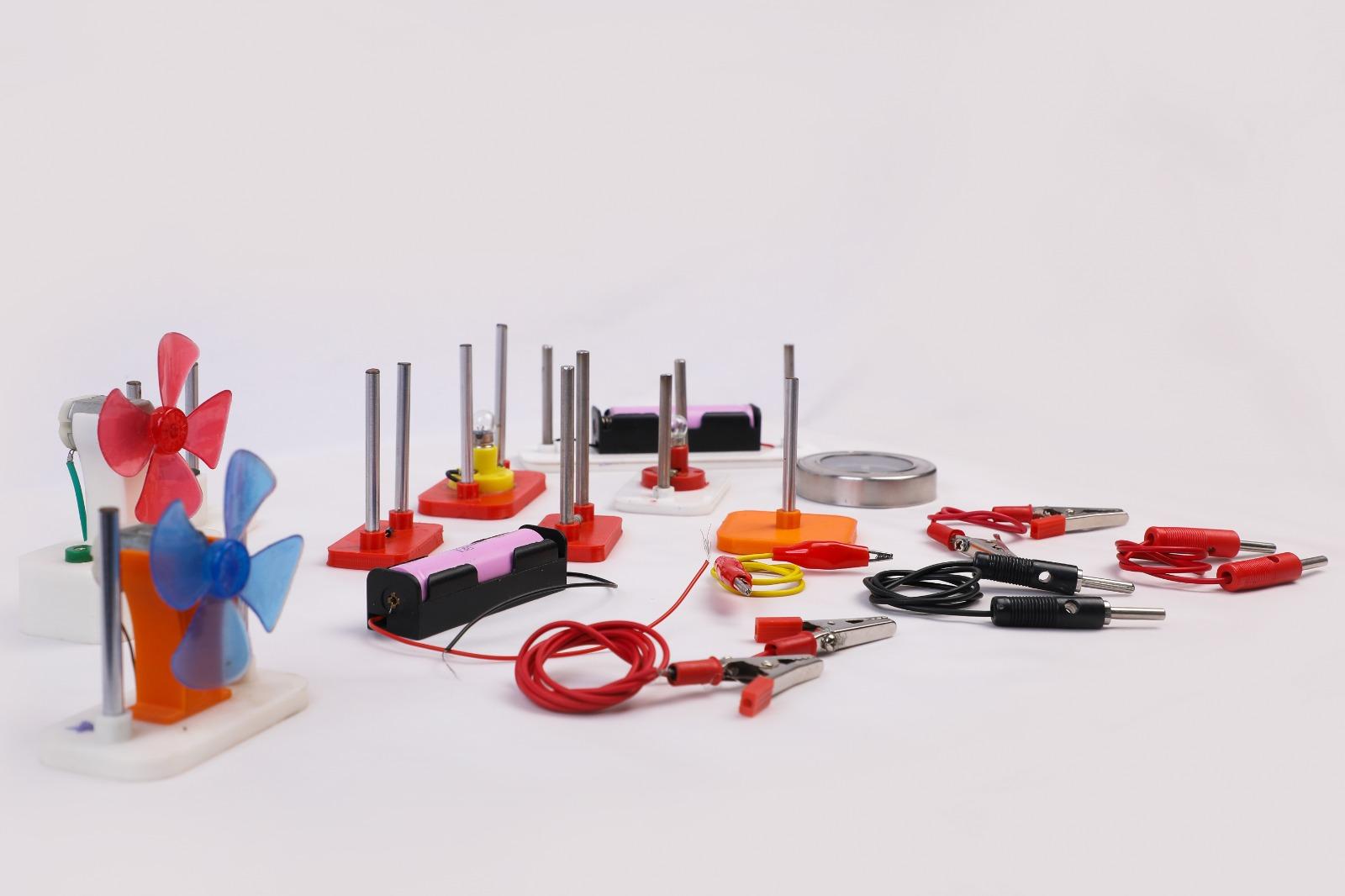
How Steady is your hand?
Concept: A fun game based on a basic circuit
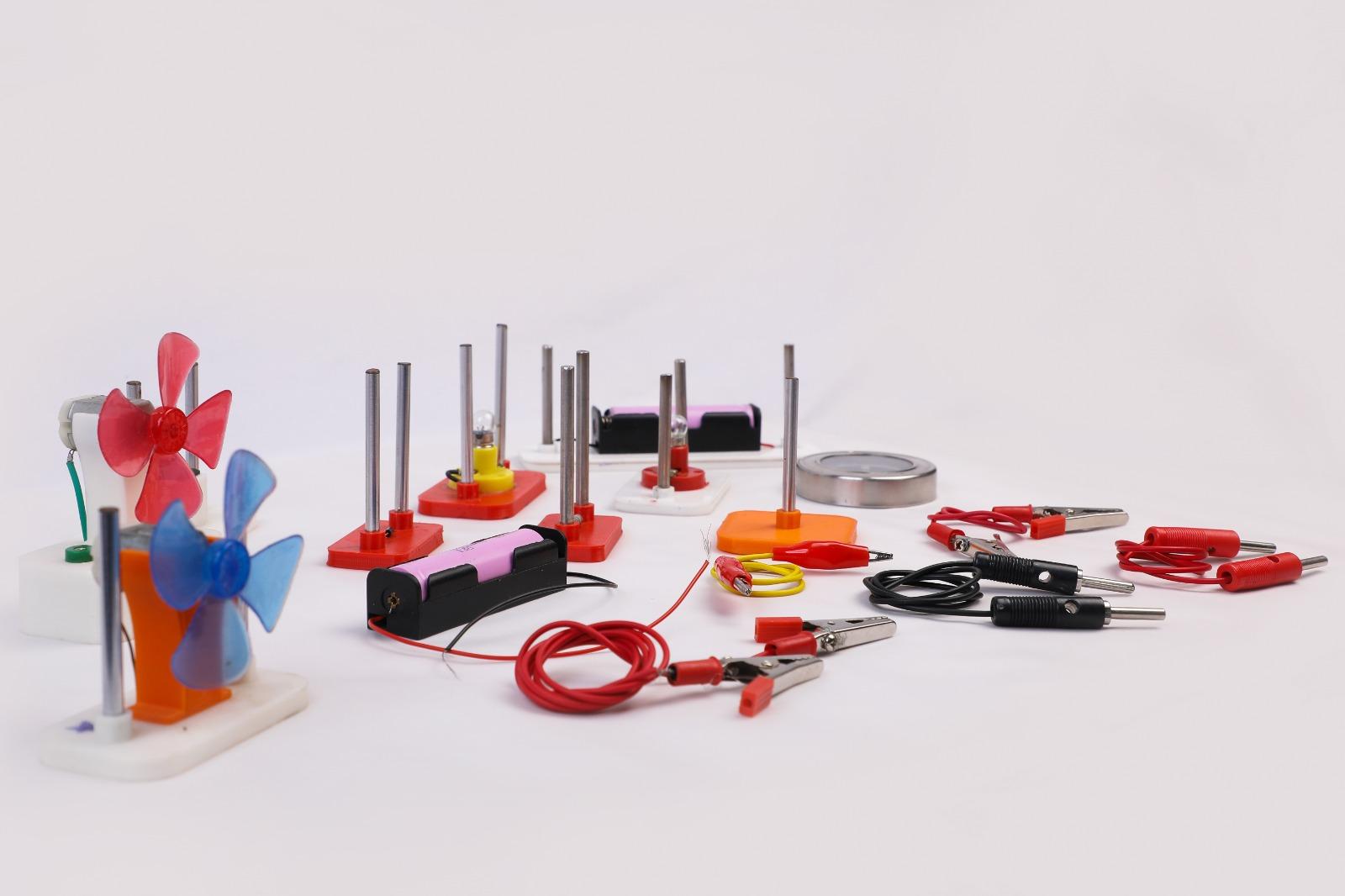
Simple Electric Circuit and its components
Concept: Components of a basic Circuit
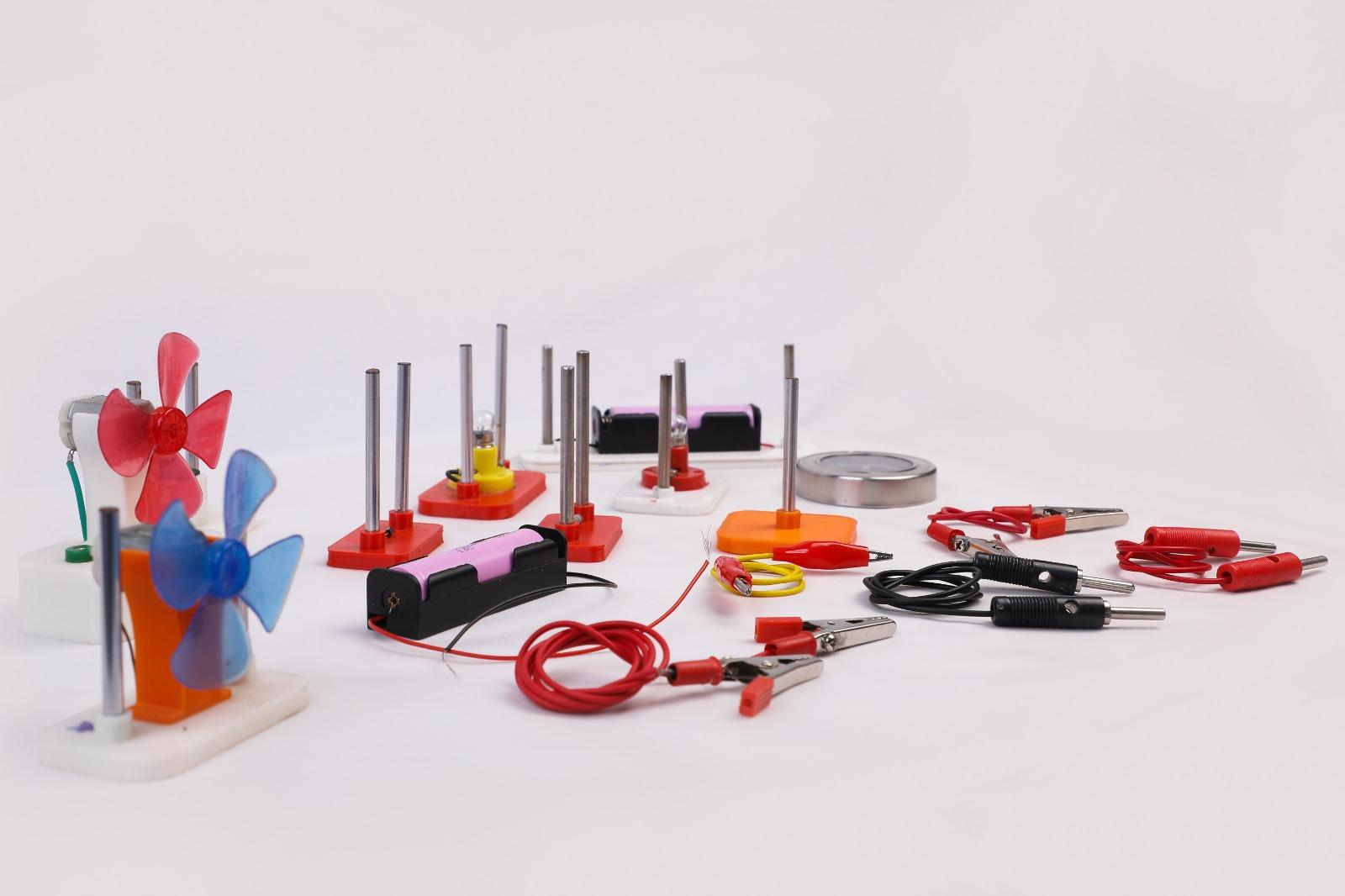
Visible effect of current
Concept: Observing the effect of current flowing through a circuit.
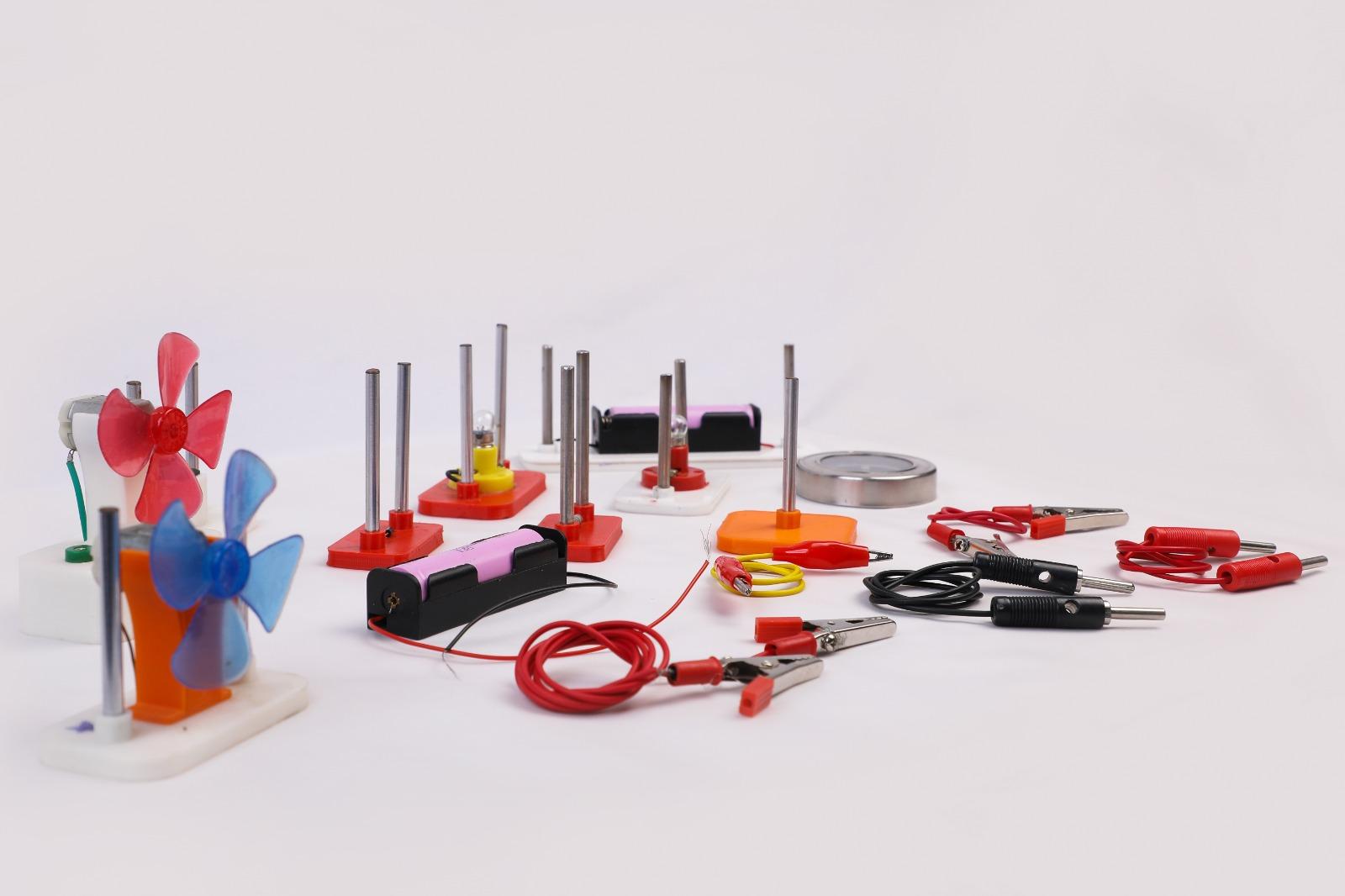
Sources of current: Li ion cell
Concept: Measuring the voltage across the source(Dry cell/Li Ion Cell) using a voltmeter.
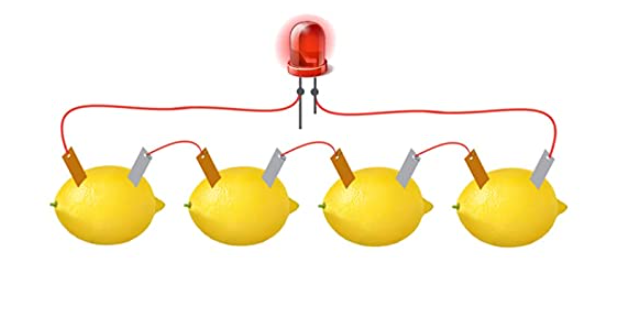
Sources of current: Lemon/potatoS
Concept: Quantitative Study of lemon/potato as sources of EMF by connecting them with multimeter.
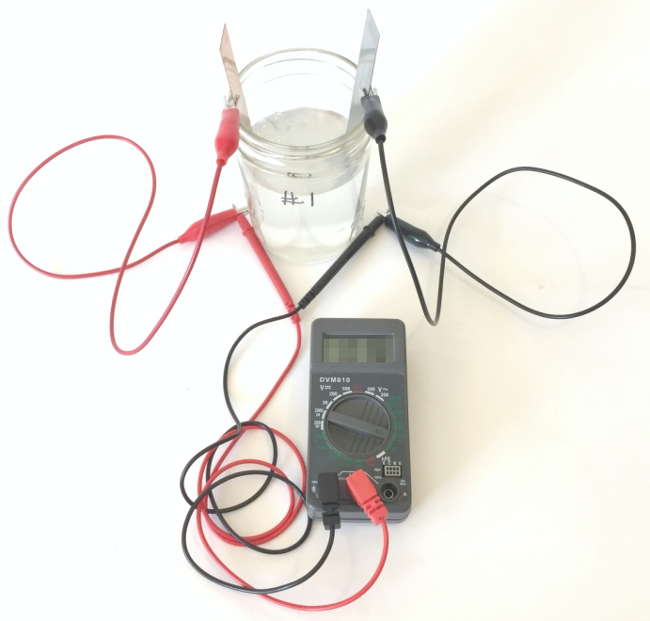
Sources of current: Electrolyte solution
Concept: Quantitative study of salt water as a source of EMF by dipping electrodes in it and connecting them with voltmeter.
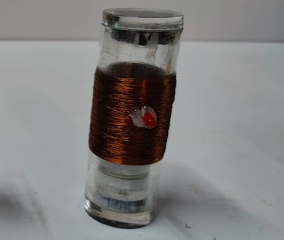
Sources of current: Hand generator gun
Concept: Qualitative study of Induced EMF due to EMI phenomena using hand generator apparatus.
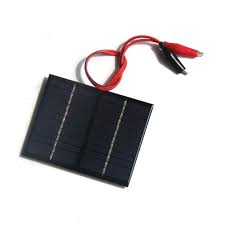
EMF Sources: Solar cell
Concept: Qualitative study of solar cell as a source of EMF.
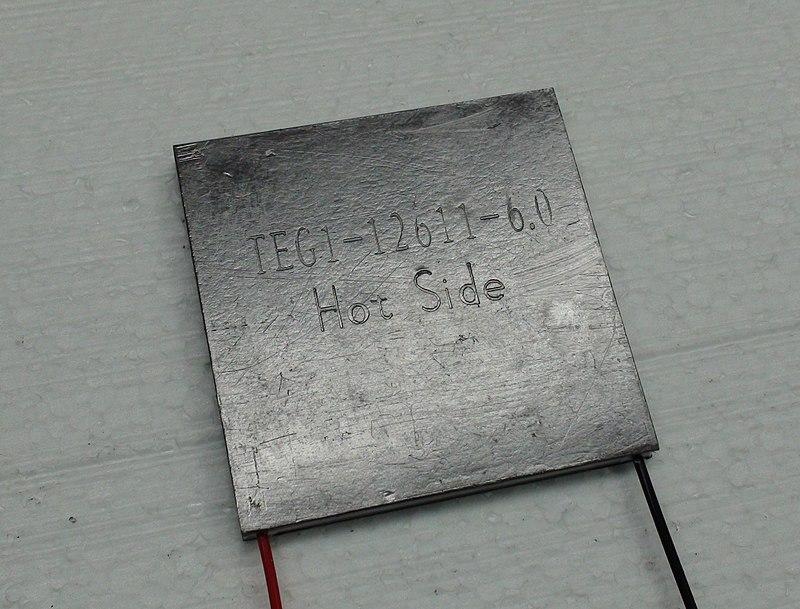
EMF Sources: Thermoelectricity
Concept: Qualitative study of thermo-EMF produced in a thermocouple due to thermoelectricity.
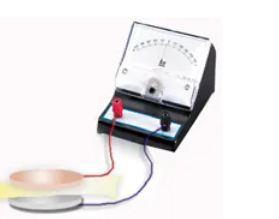
Sources of current: Hand battery
Concept: The naturally-occurring electrolytes found on the skin to produce a potential difference
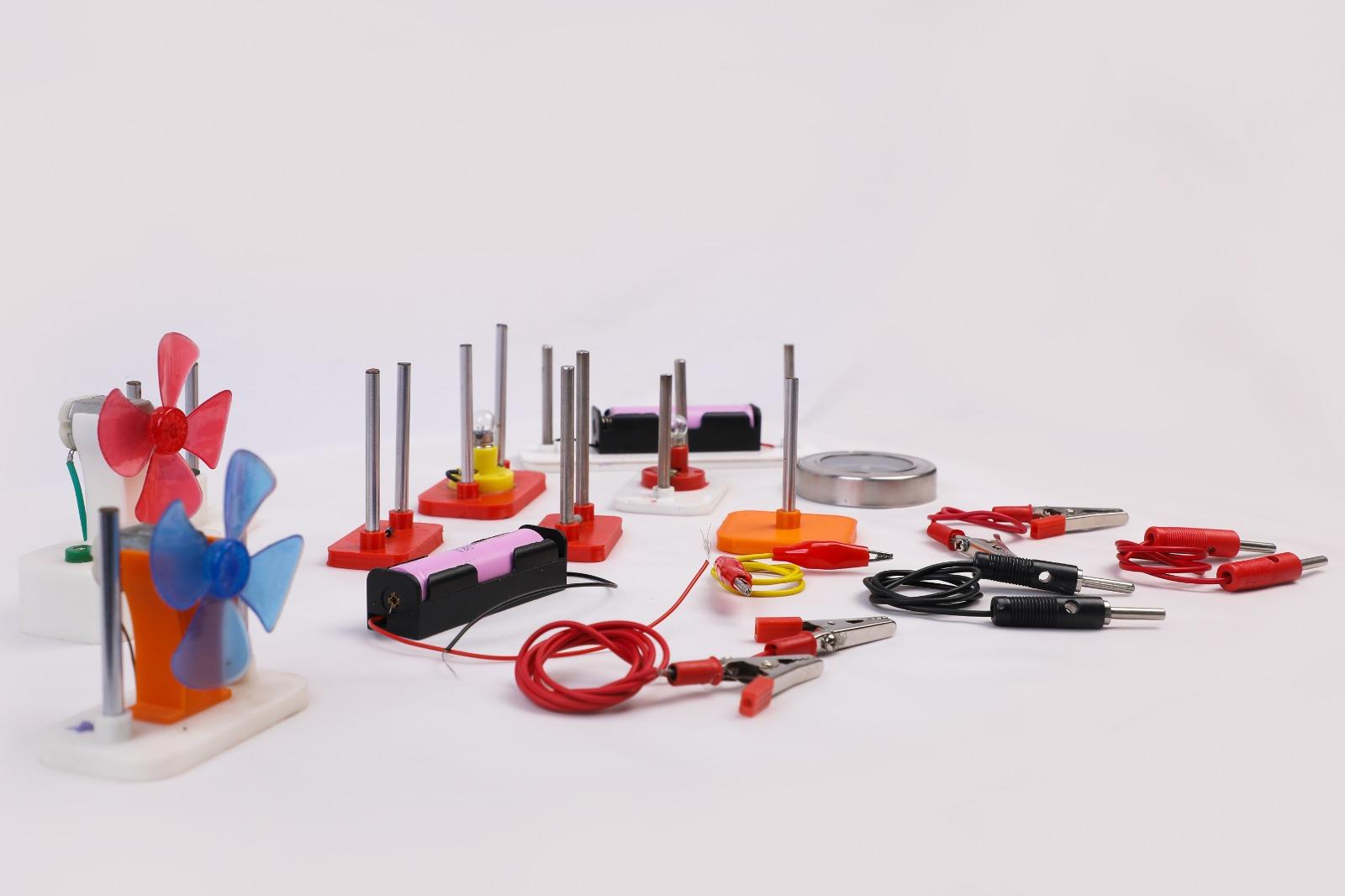
Polarity check of a Li ion cell
Concept: Checking the polarity of an EMF source, by checking the direction of flow of current using a diode in the circuit.
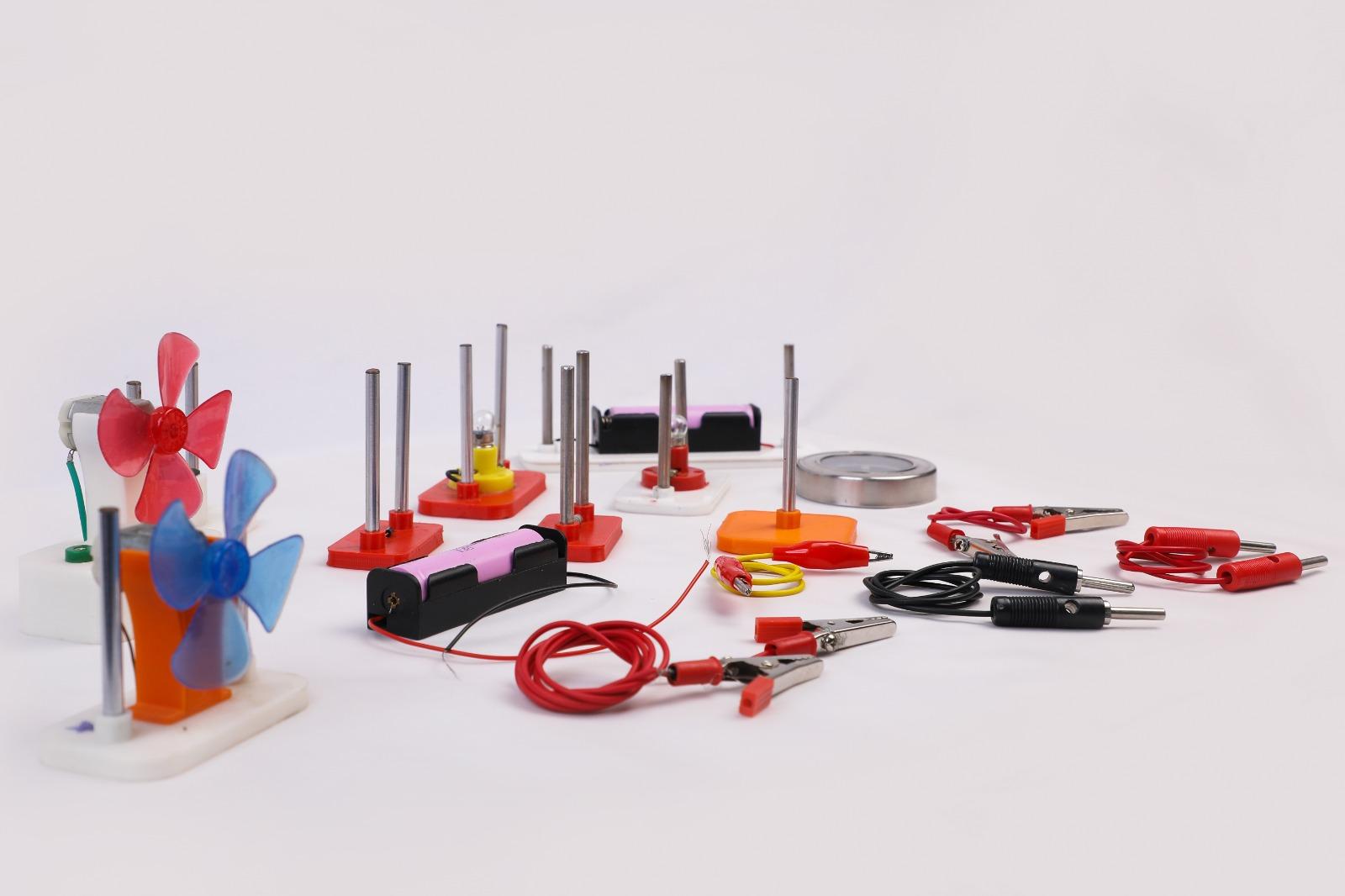
Change in direction of the current due to changing polarity using Galvanometer
Concept: Checking the polarity of an EMF source, by checking the direction of flow of current using an ammeter in the circuit.
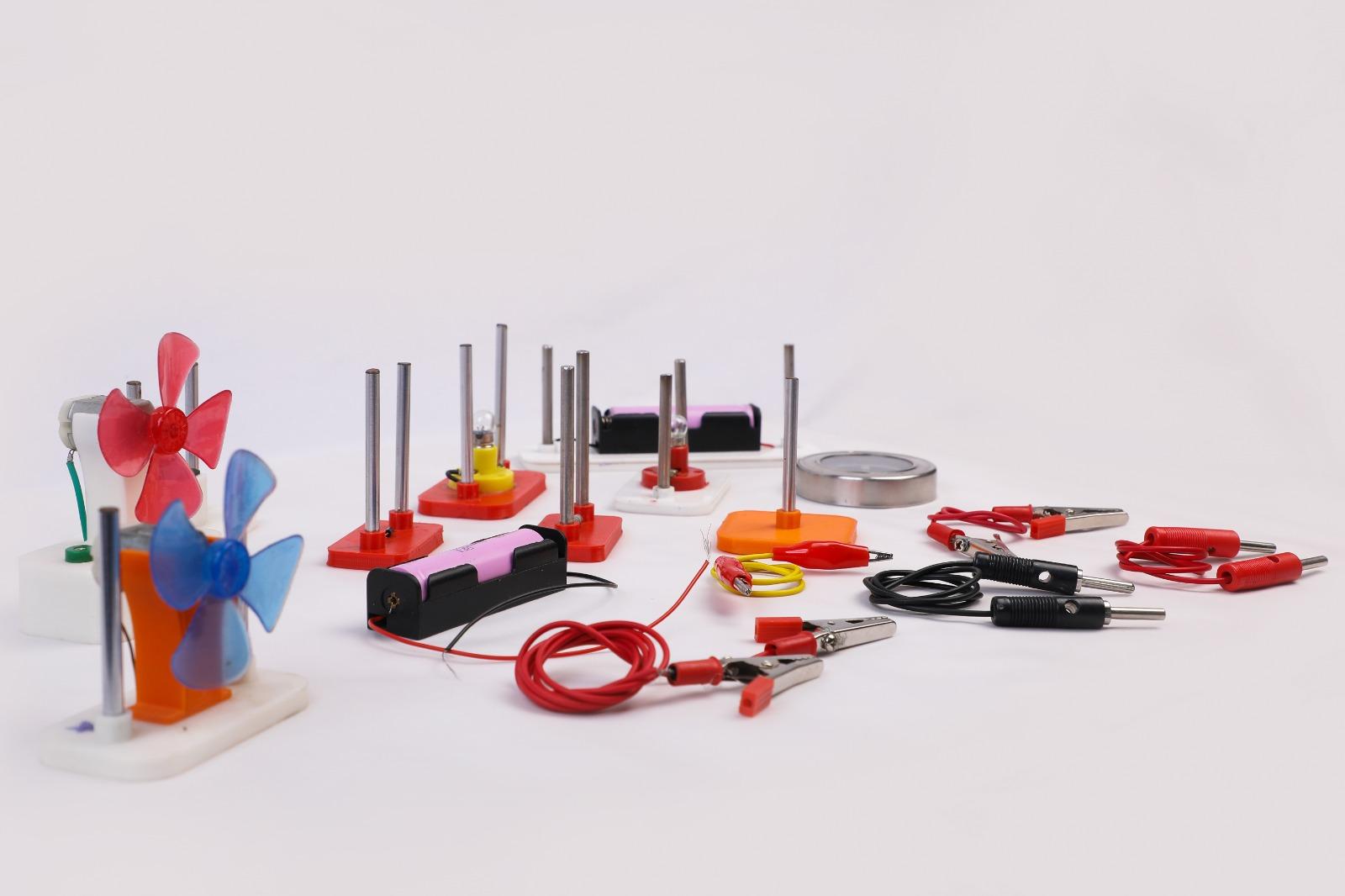
Effect of stacking batteries with bulb, motor & current measurement
Concept: Quantitative study of the effect on the current and voltage by connecting batteries in series and parallel with a load using an ammeter
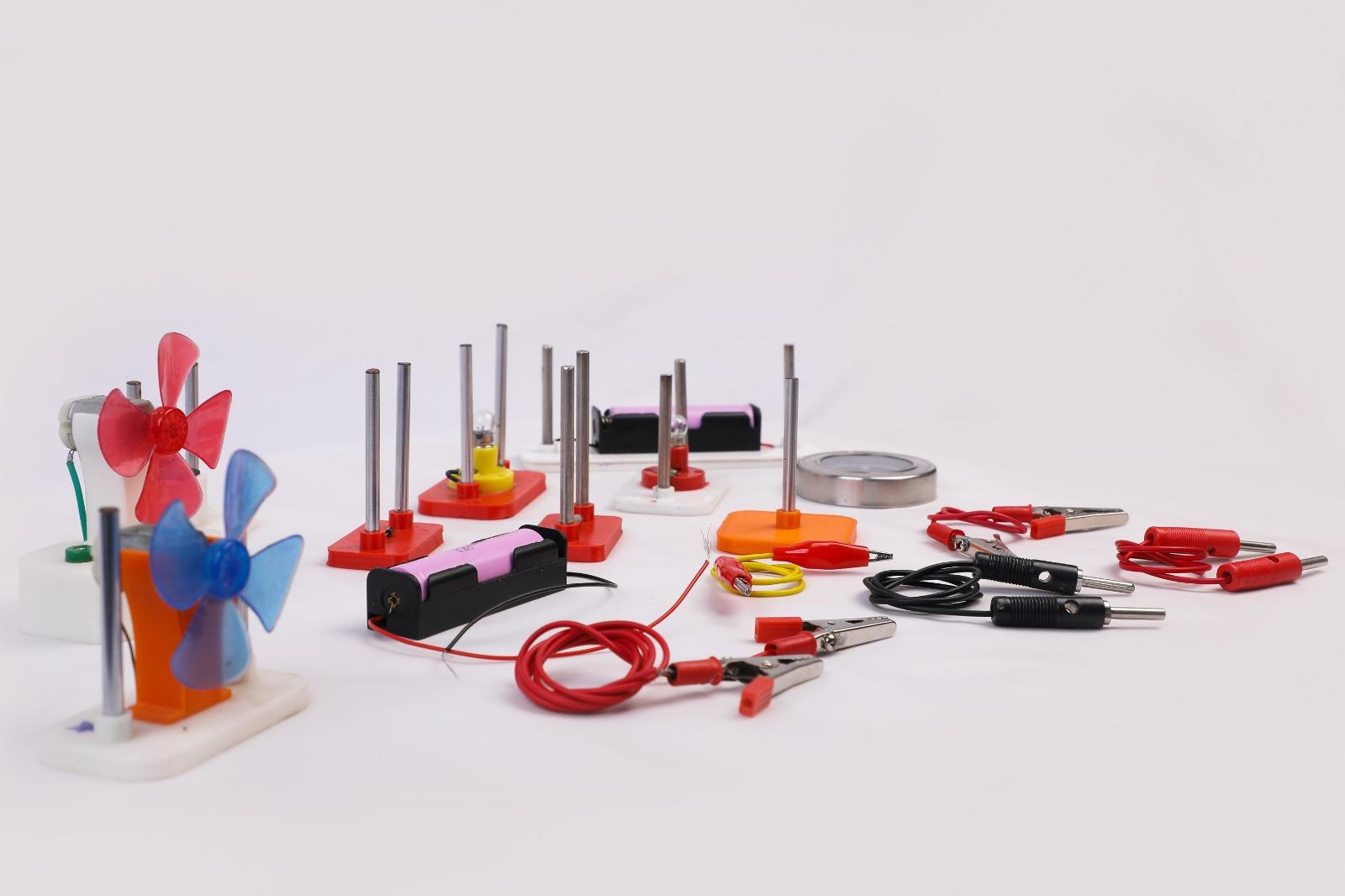
Effect of changing load(bulb, motor & household items) on current
Concept: Quantitative study of the effect on the current and voltage by connecting resistances in series and parallel with a load using an ammeter.
Ohm's law demonstration with Power supply unit and Ohm's law apparatus
Concept: Quantitative study of the variation in the current flowing in a circuit by varying the resistance of the circuit.
Effect of length & cross sectional area on resistance ( R= rho L/A)
Concept: Dependence of the resistance on the cross sectional area of the conductor.
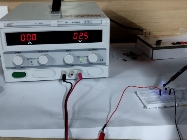
Dependence of resistance of a semiconductor on temperature
Concept: Variation of resistance of a semiconductor device with temperature.
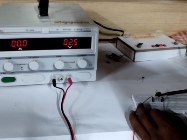
Dependence of resistance of a thermistor on temperature
Concept: Variation of resistance of a thermistor device with temperature.

Dependence of resistance of a metal on temperature
Concept: Variation of resistance of a metal with temperature.
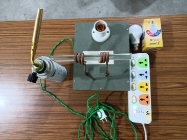
Dependence of resistance of a non-metal on temperature-
Concept: Variation of resistance of an amorphous non-metal with temperature.
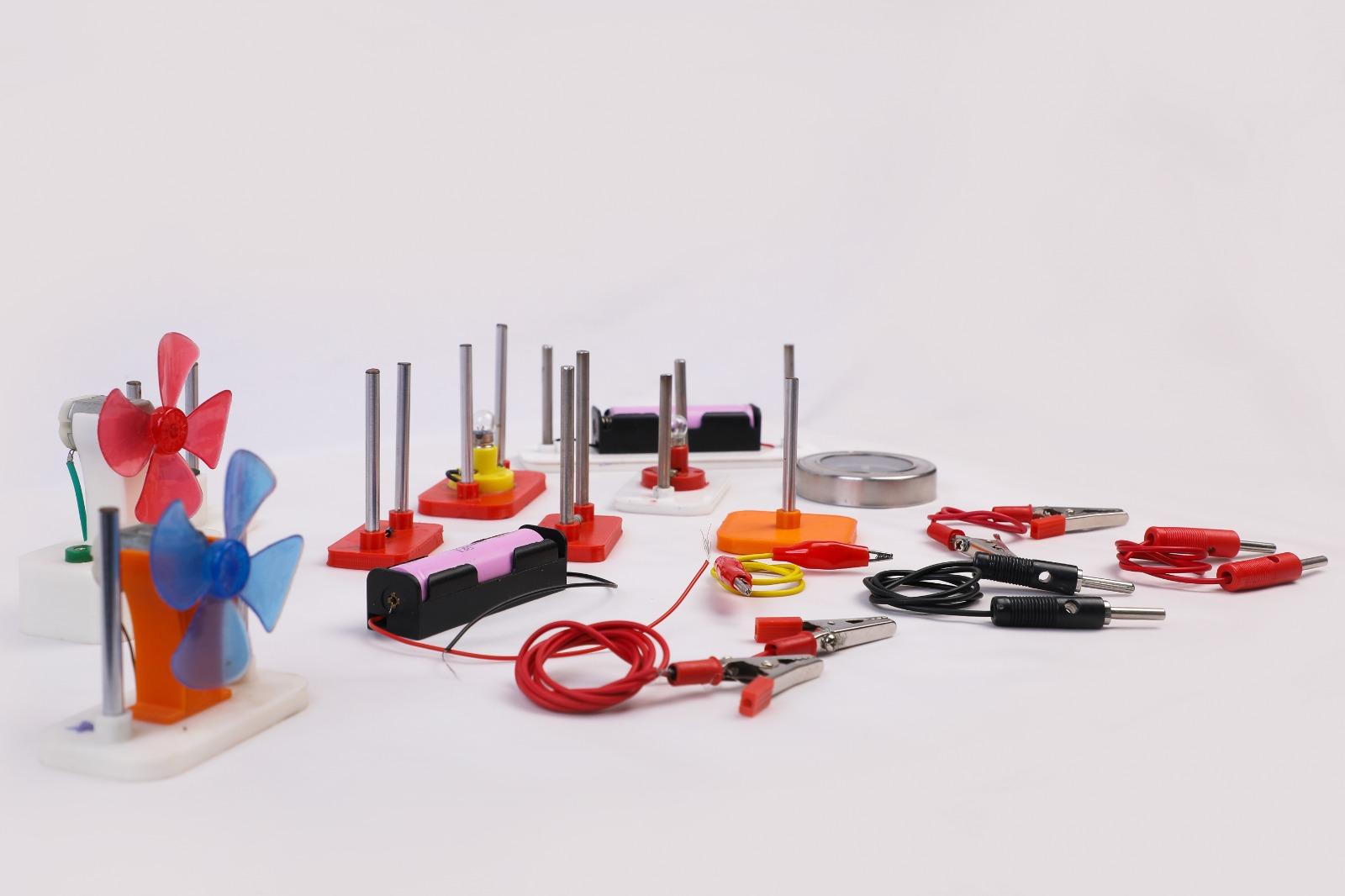
Explanation of the concept of short-circuit using bulb setup /motorized fan
Concept: Qualitative study of the phenomenon of short circuit using three flashlight bulbs.
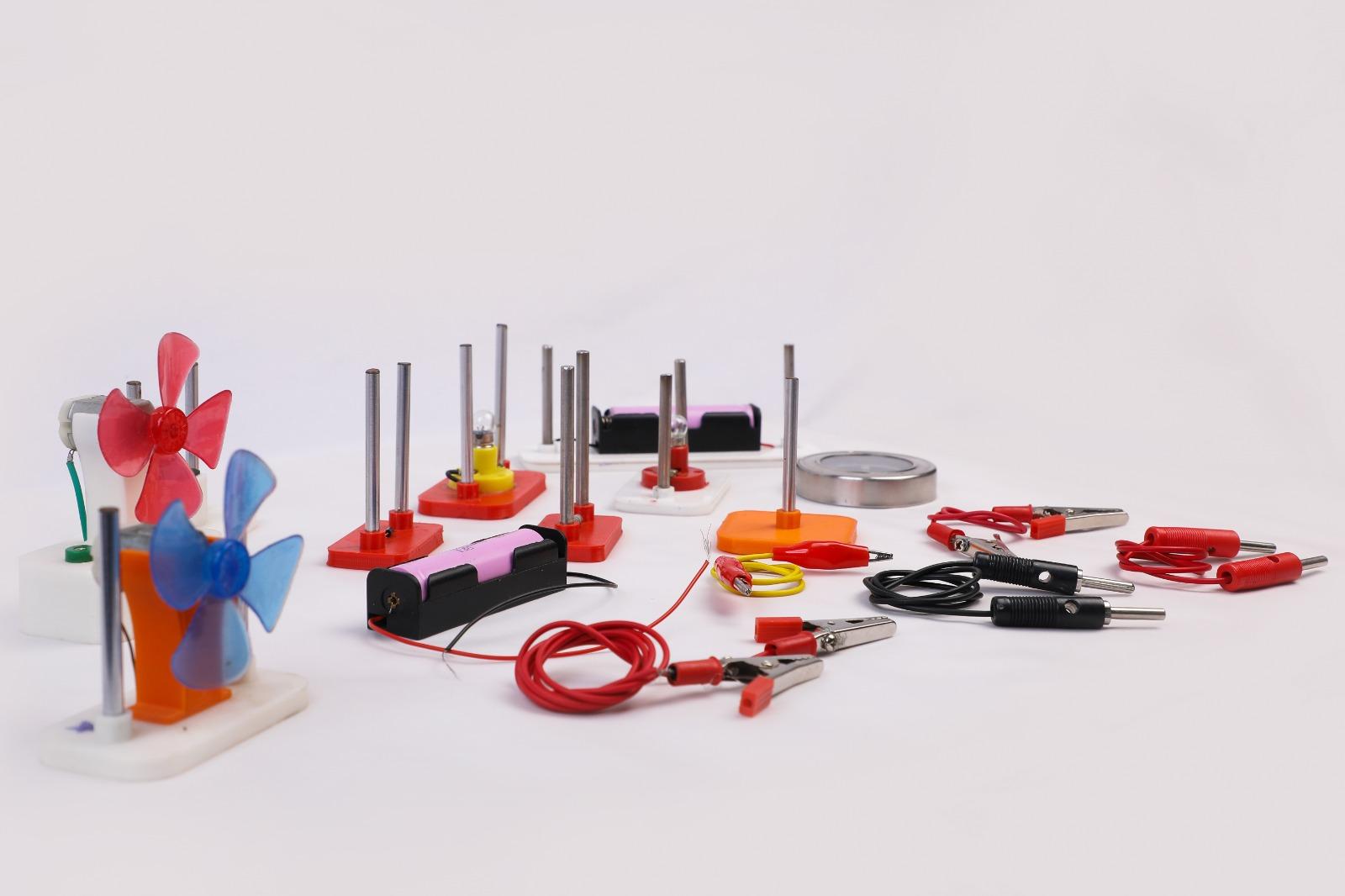
Study of parallel combination of resistances
Concept: Qualitative study of the effect of combining resistances in parallel.
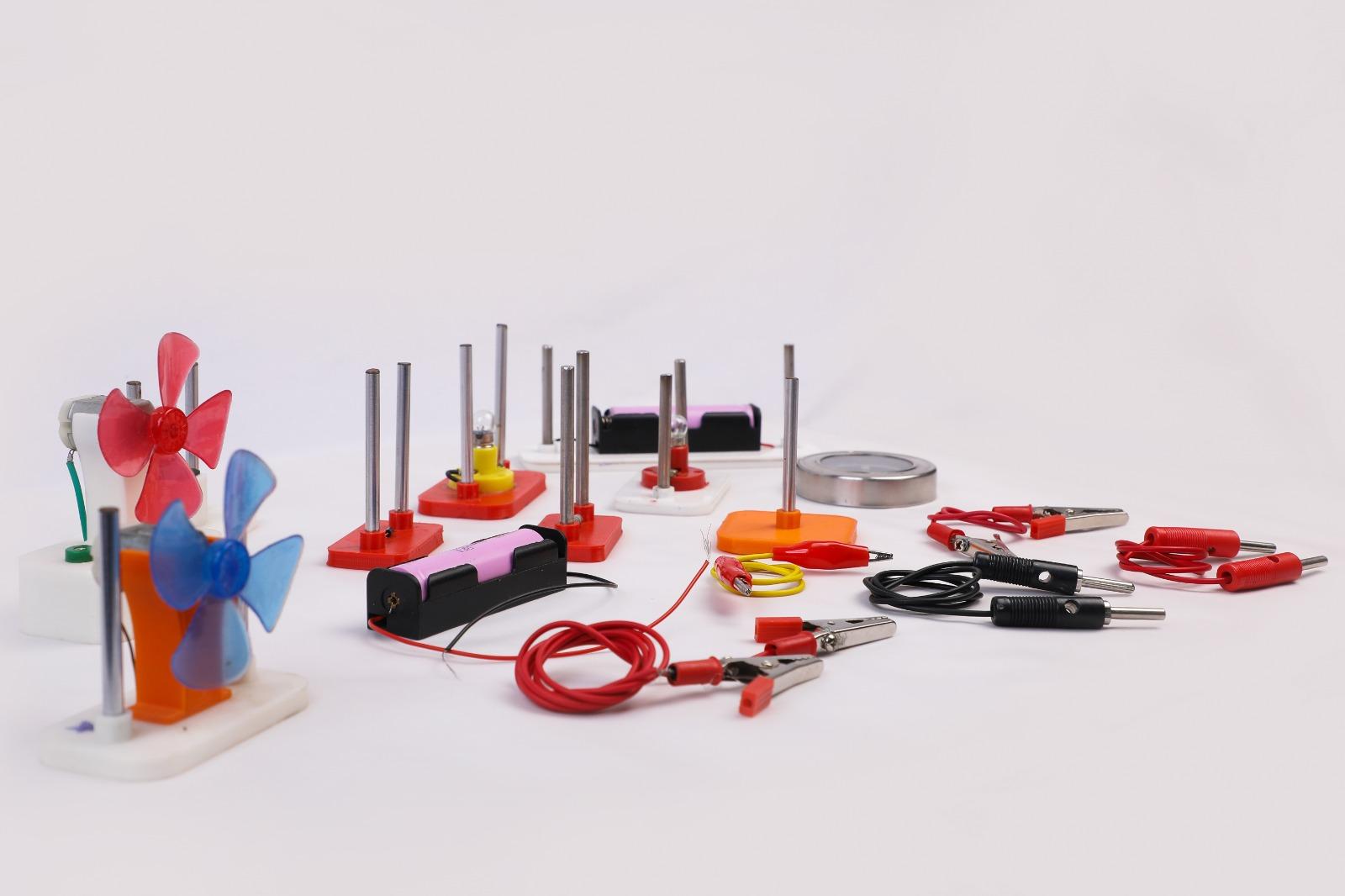
Study of series combination of resistances
Concept:
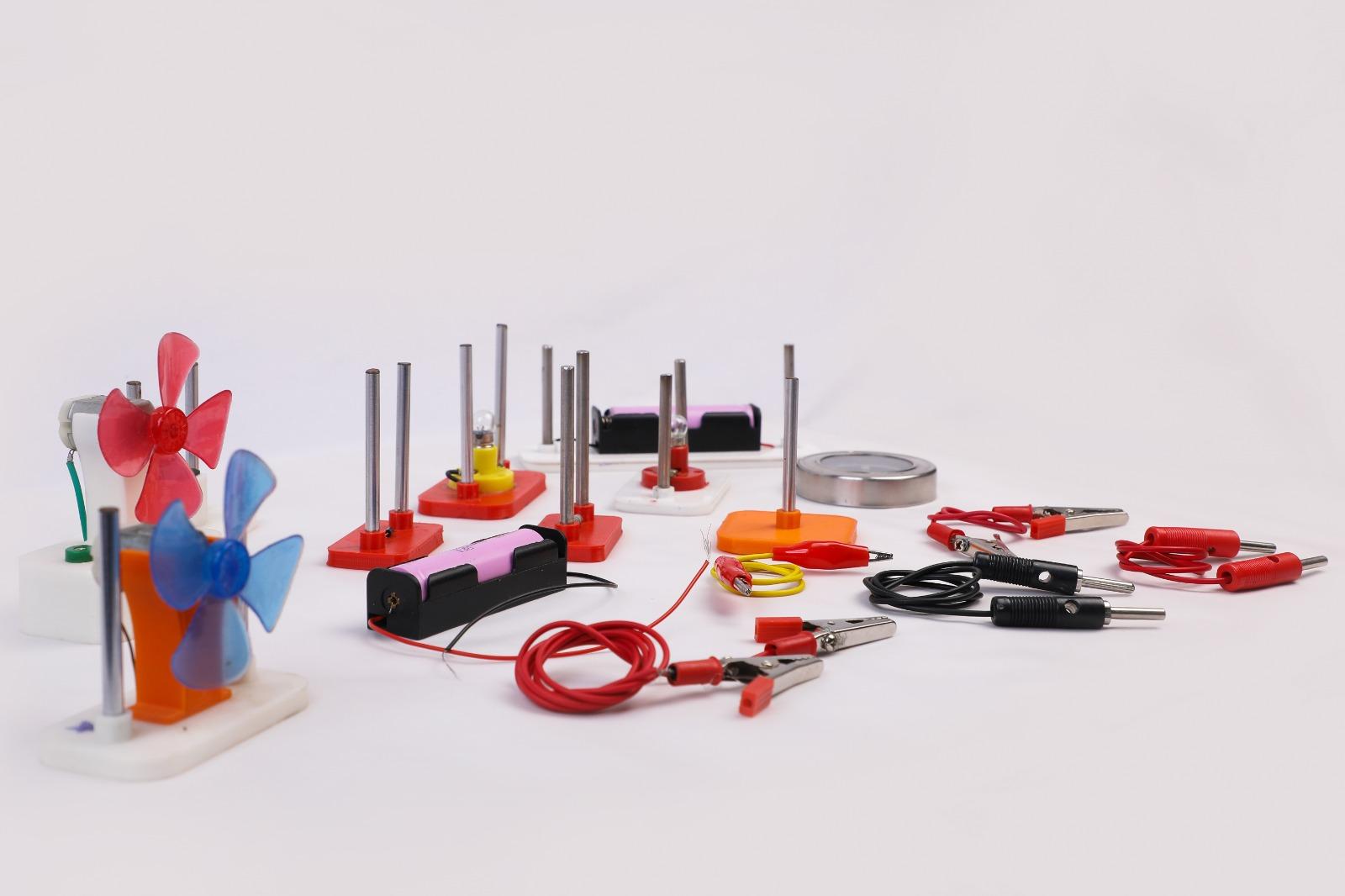
Current conservation in branches of split circuit (KCL & KVL)
Concept: Qualitative study of KCL in a circuit
DC Capacitive circuit
Concept: Study of DC capacitive circuit
AC Capacitive circuit
Concept: Study of AC capacitive circuit
LRC circuit
Concept: Study of LRC capacitive circuit
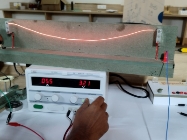
Joule's law of heating with Horizontal wire holder apparatus
Concept: Qualitative study of Joule's law of heating using a thin nichrome wire connected to a horizontal wire holder.
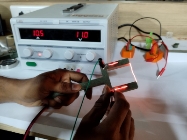
Joule's law of heating with Y shaped wire holder apparatus
Concept: Qualitative study of Joule's law of heating using a thin nichrome wire connected to a Y shaped wire holder.
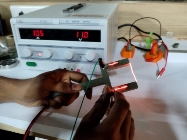
Nichrome wire as a fuse
Concept: Qualitative study of Joule's law of heating and its application in electrical fuse.
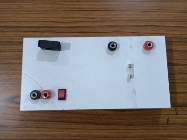
Fuse in a circuit
Concept: Qualitative study of application of electrical fuse in a circuit.
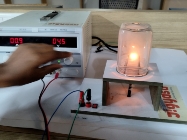
Joule's law of heating using graphite
Concept: Qualitative study of Joule's law of heating using a graphite
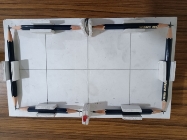
Pencil circuit
Concept: Study of graphite as a conductor
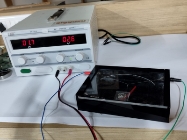
Hot wire ammeter
Concept: Application of Joule's law of heating using a hot wire ameter.
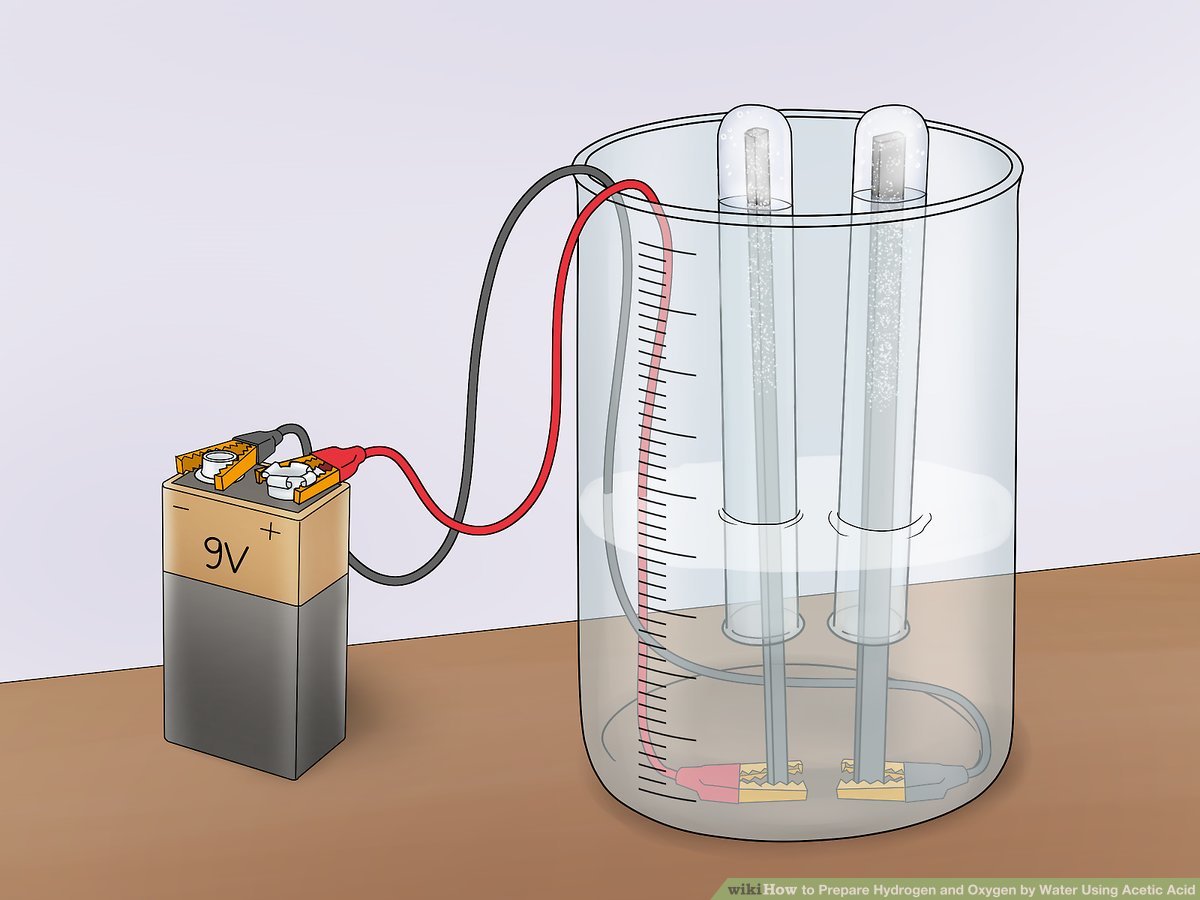
Electrolysis of H2O - 1
Concept: An experiment demonstrating Electrolysis of water
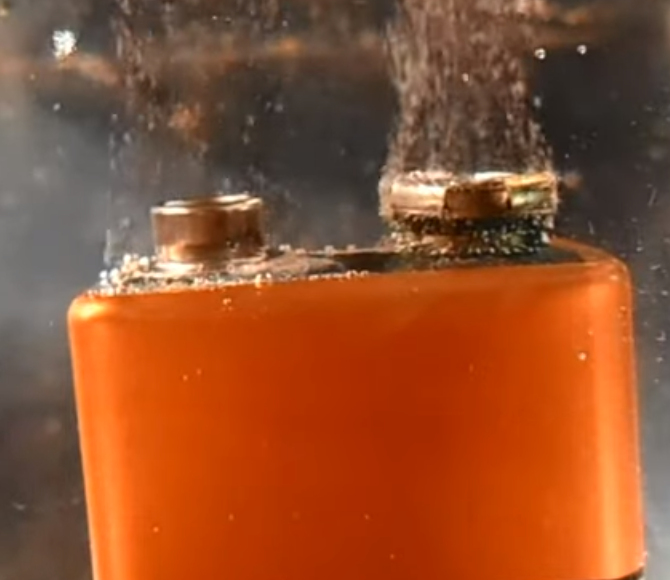
Electrolysis of H2O - 2
Concept: An experiment demonstrating Electrolysis of water
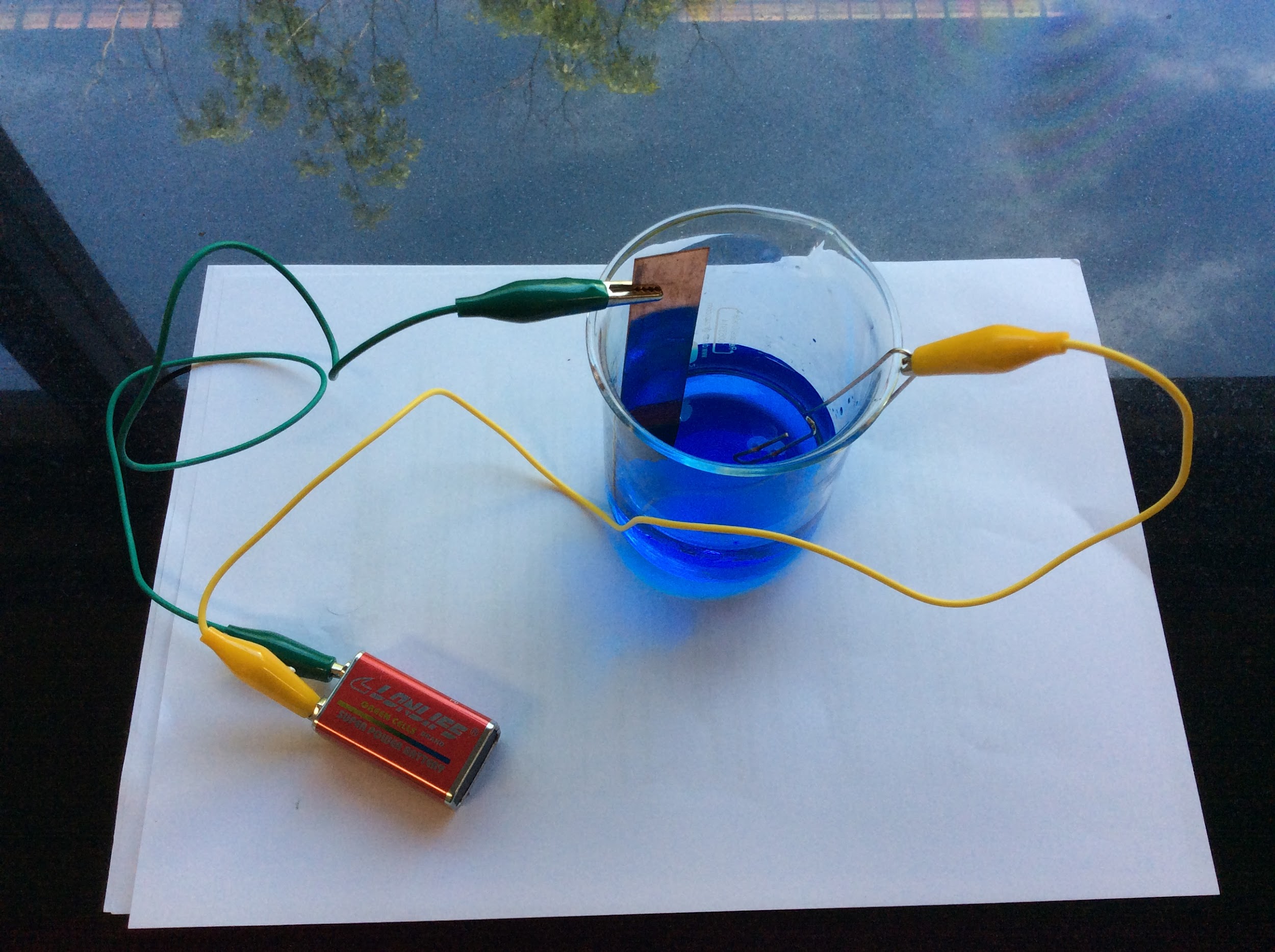
Electroplating of Cu
Concept: An experiment demonstrating electroplating of Copper on another metal.
1-D Motion
Activites: 18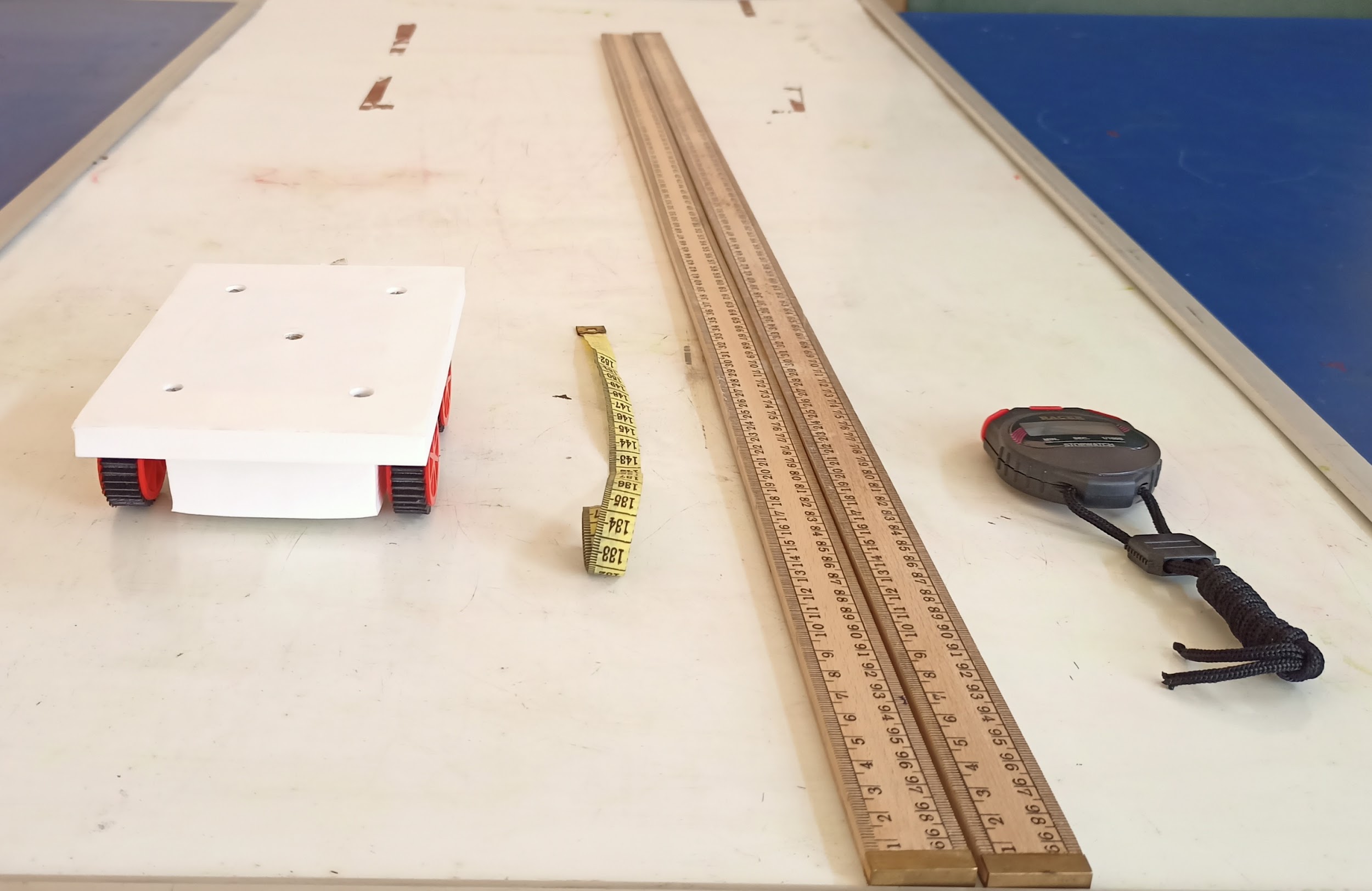
Concept of location, distance and Measurement
Concept: An experiment demonstrating the concept of position and distance
Measurement of length
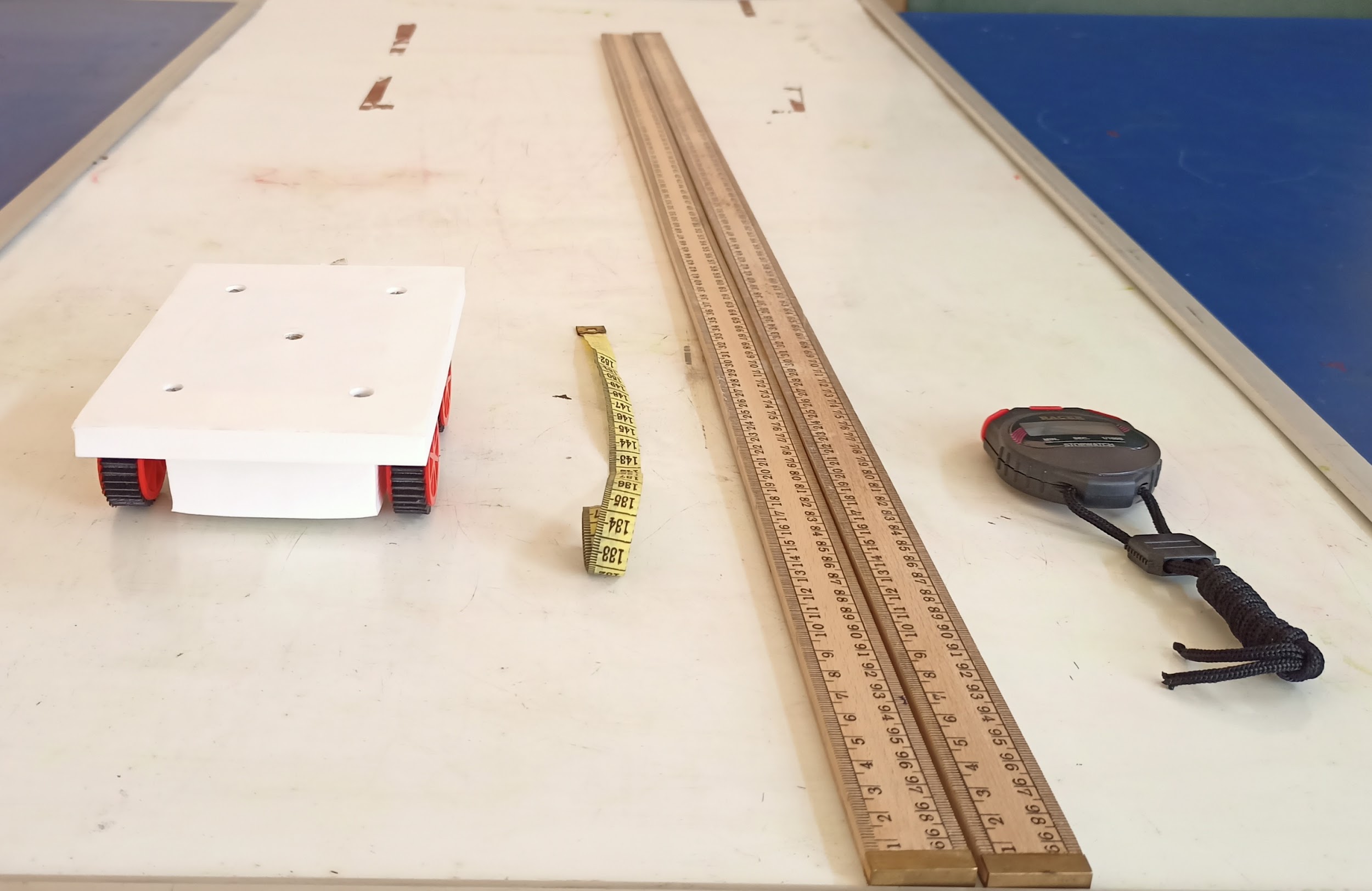
Concept: An experiment demonstrating the concept of measurement
Concept of speed
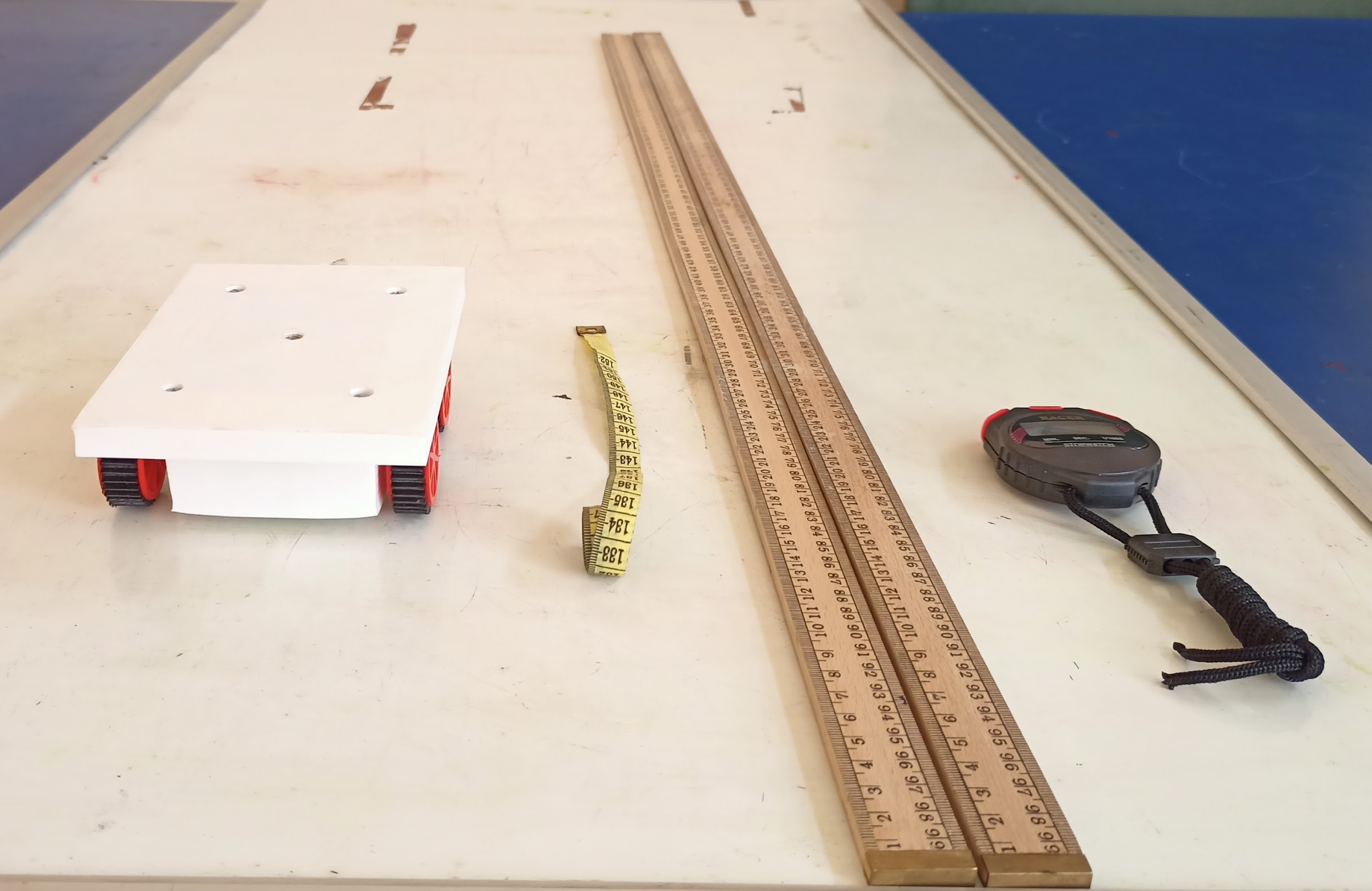
Concept: An experiment demonstrating the concept of motion, speed, average speed and uniform motion
Uniform Speed: Drifter with motionshot
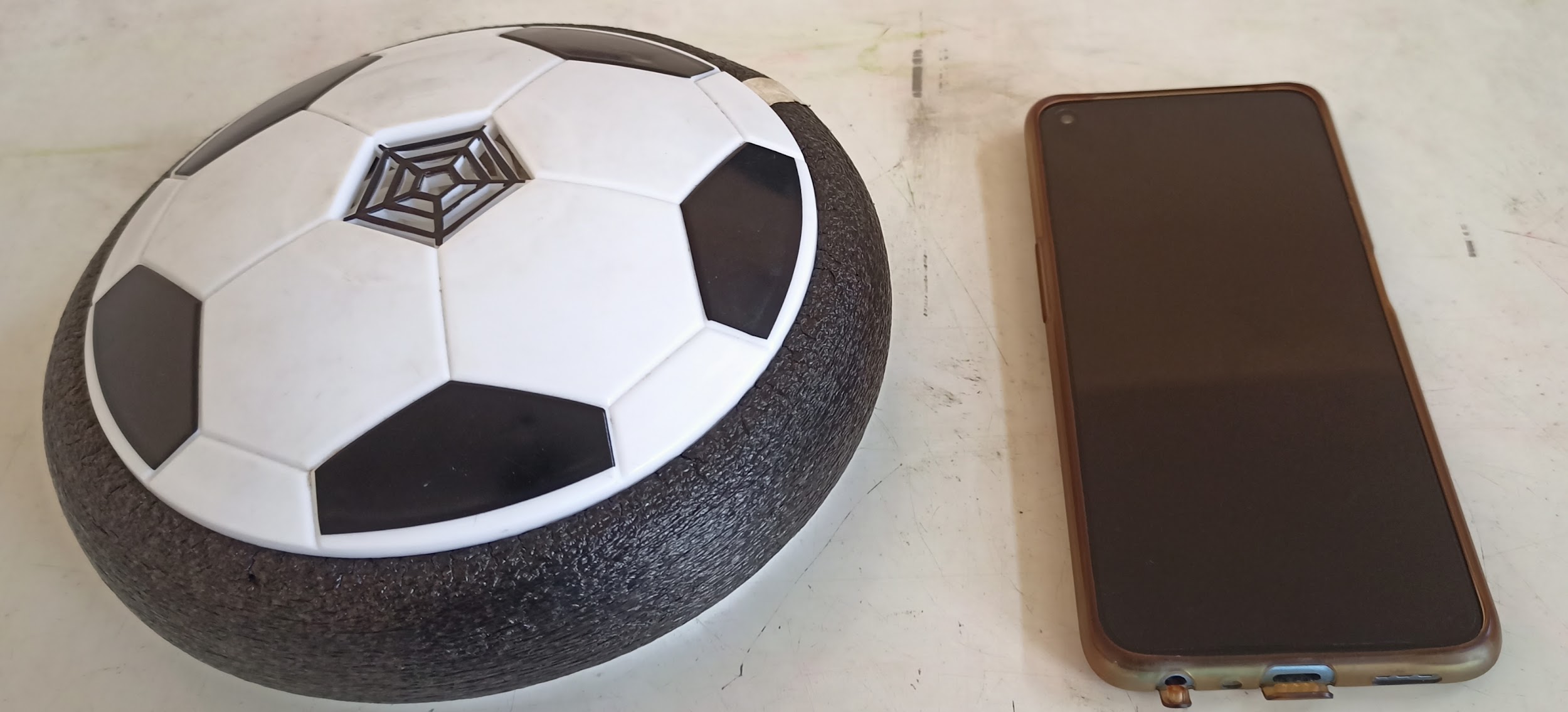
Concept: Analyze the uniform motion of a drifter by observing the distance travelled by drifter in equal time intervals using motion shot software.
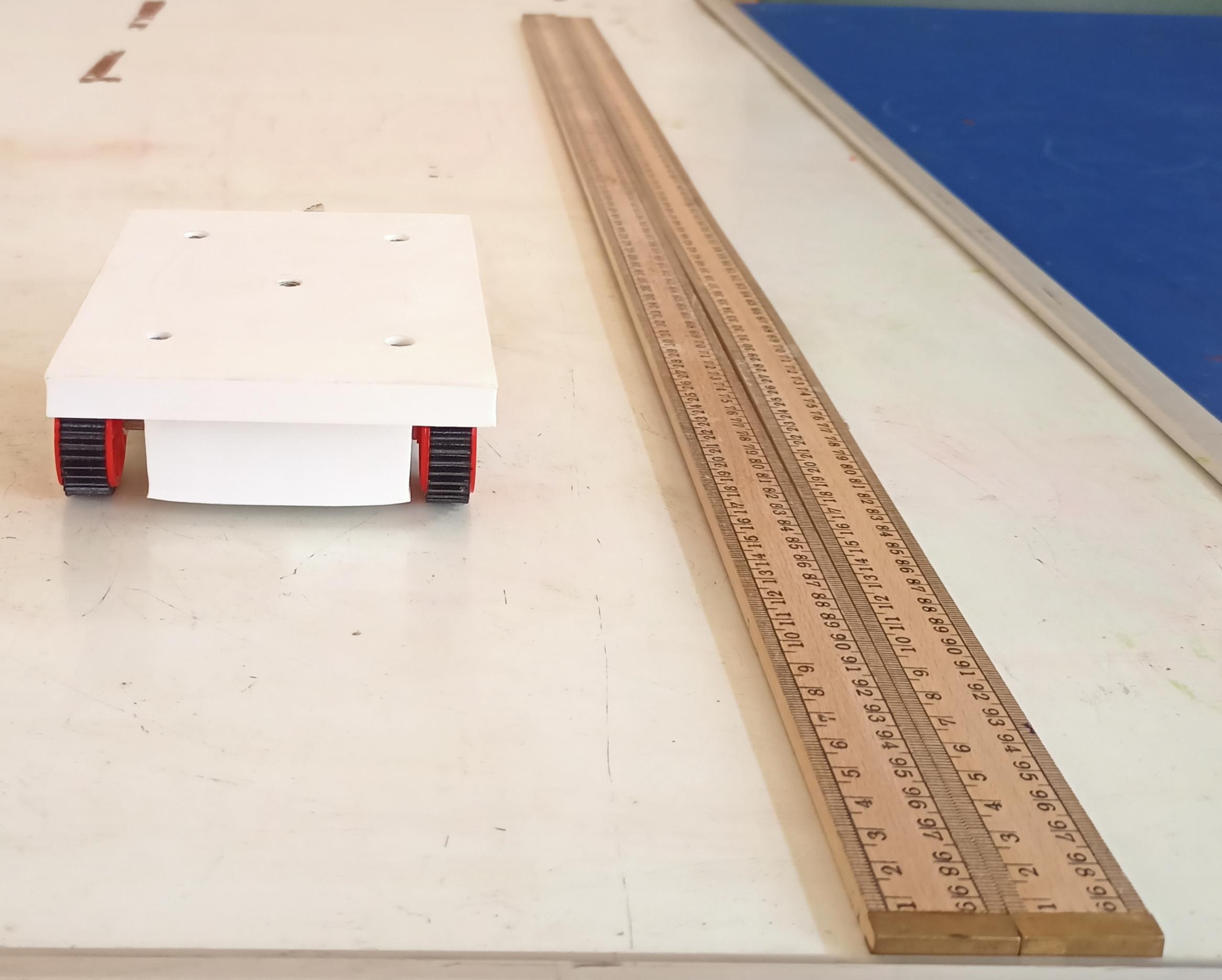
Uniform Speed: UM car(Measurement)
Concept: Measure the Uniform speed of the UM car by measuring the distance travelled by the UM car using the meter tape in equal intervals of time (measured using the stopwatch).
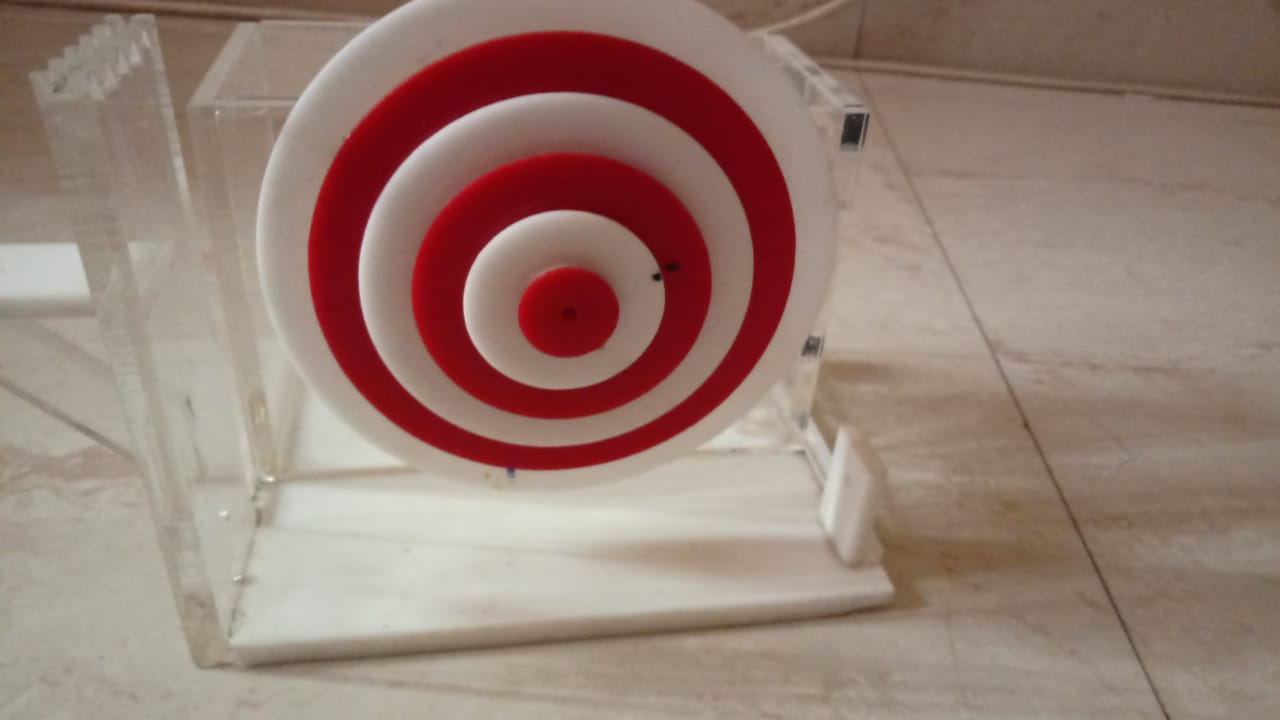
Uniform Speed: Free car and motorized rotating disc
Concept: Measure the Uniform speed of the free car by measuring the number of rotations made by the disc in equal intervals of time (measured using the stopwatch).
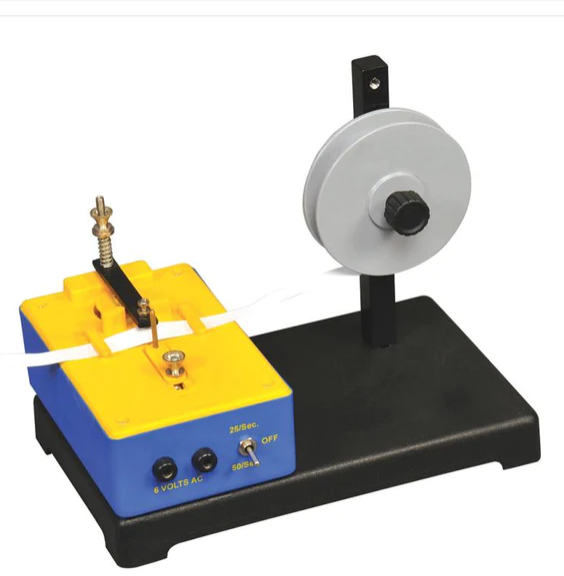
Uniform Speed: UM car and Ticker tape
Concept: Measure the Uniform speed of the UM car by measuring the length of the ink mark an knowing the frequency of the ticker.
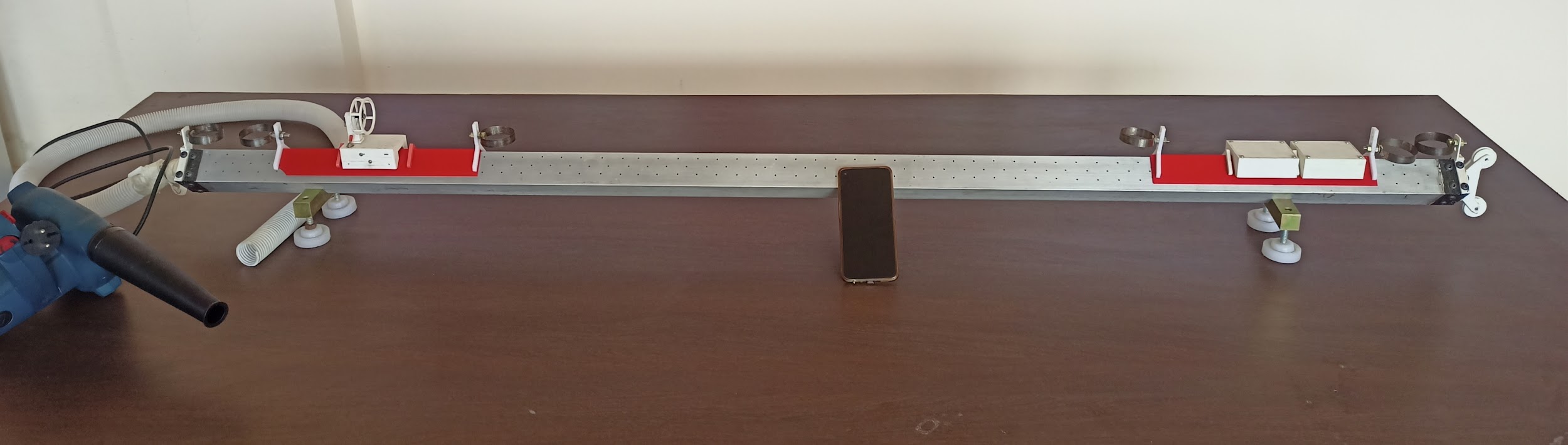
Uniform Speed: Mechanical Bench with FizziQ app
Concept: Measure the Uniform speed of the slider of the Mechanical bench by taking the video of the slider in motion an analyzing the video using the FizziQ app.
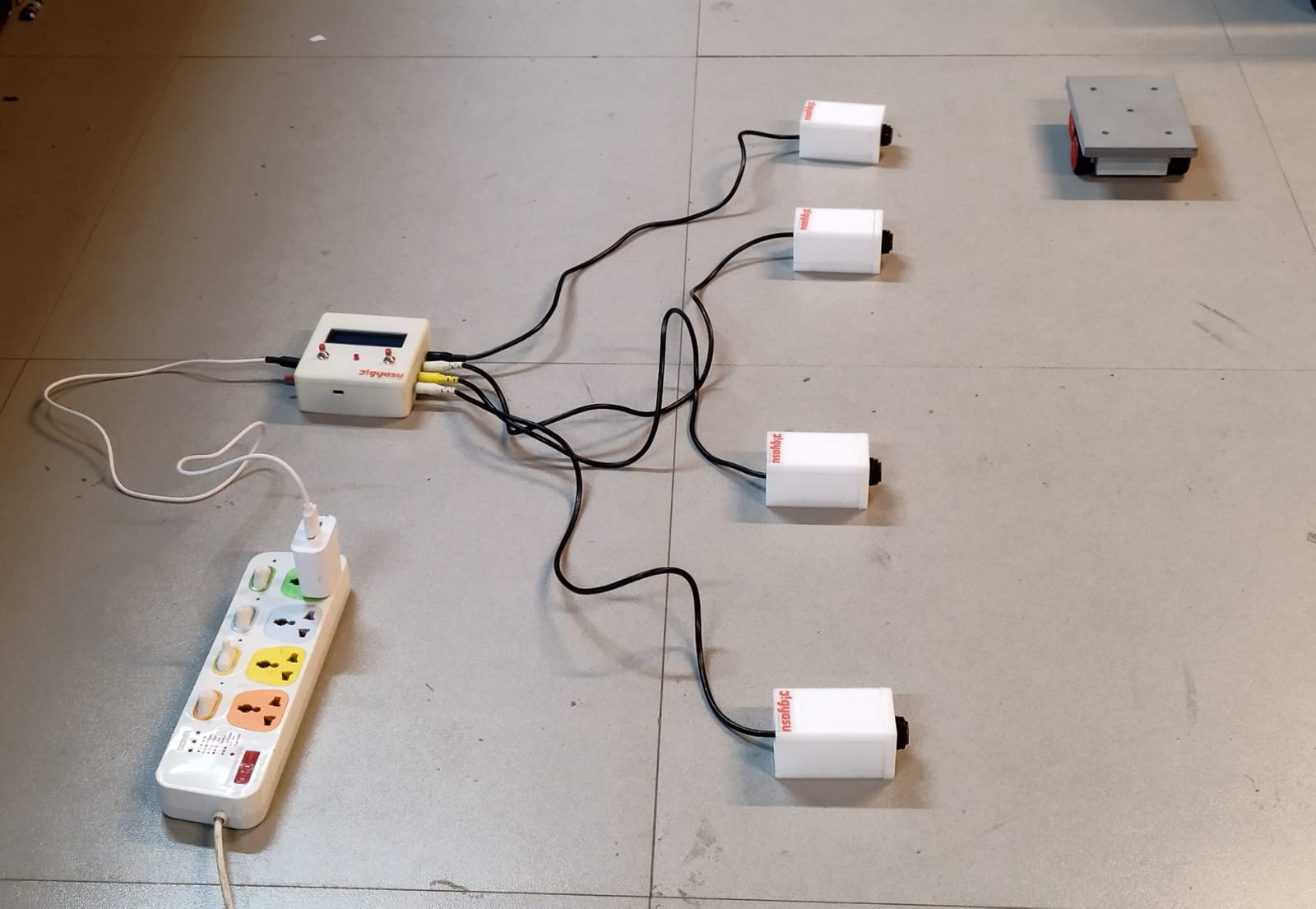
Uniform Speed: UM car and sensors
Concept: Measure the Uniform speed of the UM car by measuring the distance travelled by the UM car using the meter scale in equal intervals of time, taken from the photogate sensor.
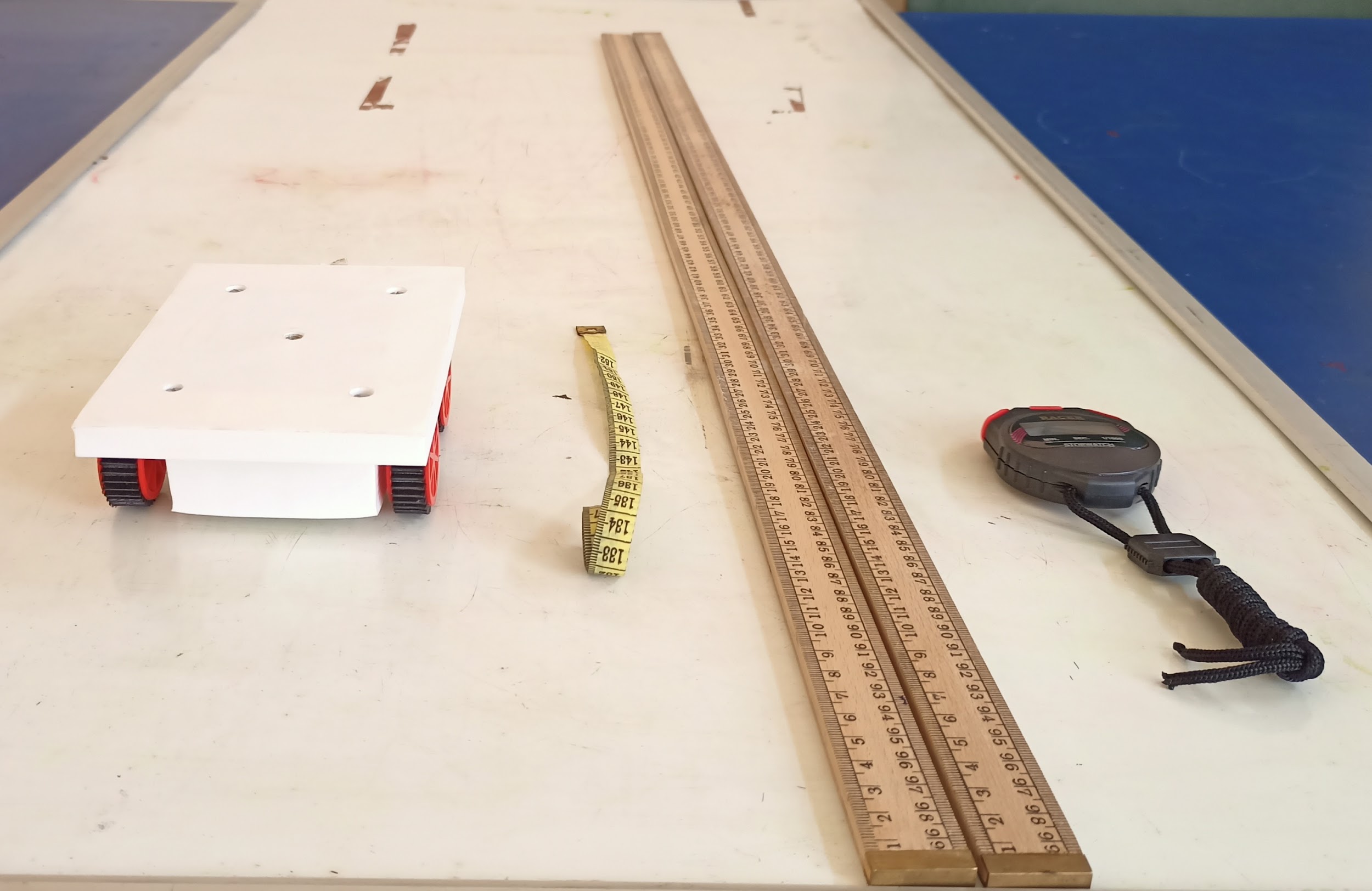
Uniform Speed: Chase problem with UM car
Concept: Qualitative analysis of the chase problem using two UM cars.
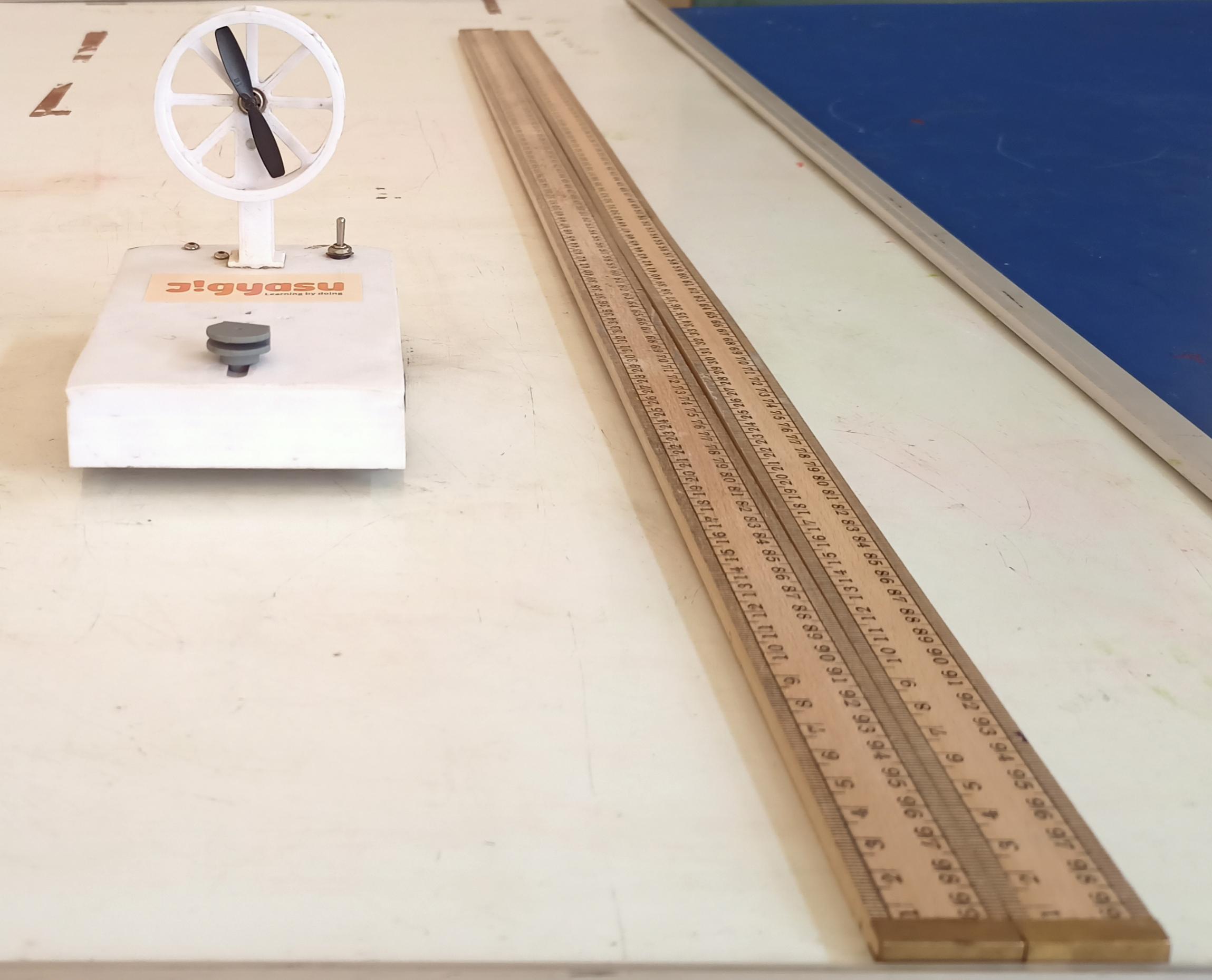
Accelerated motion: NM car with motionshot
Concept: Analyze the accelerated motion of a NM car by observing the distance travelled by NM car in equal time intervals using motion shot software.
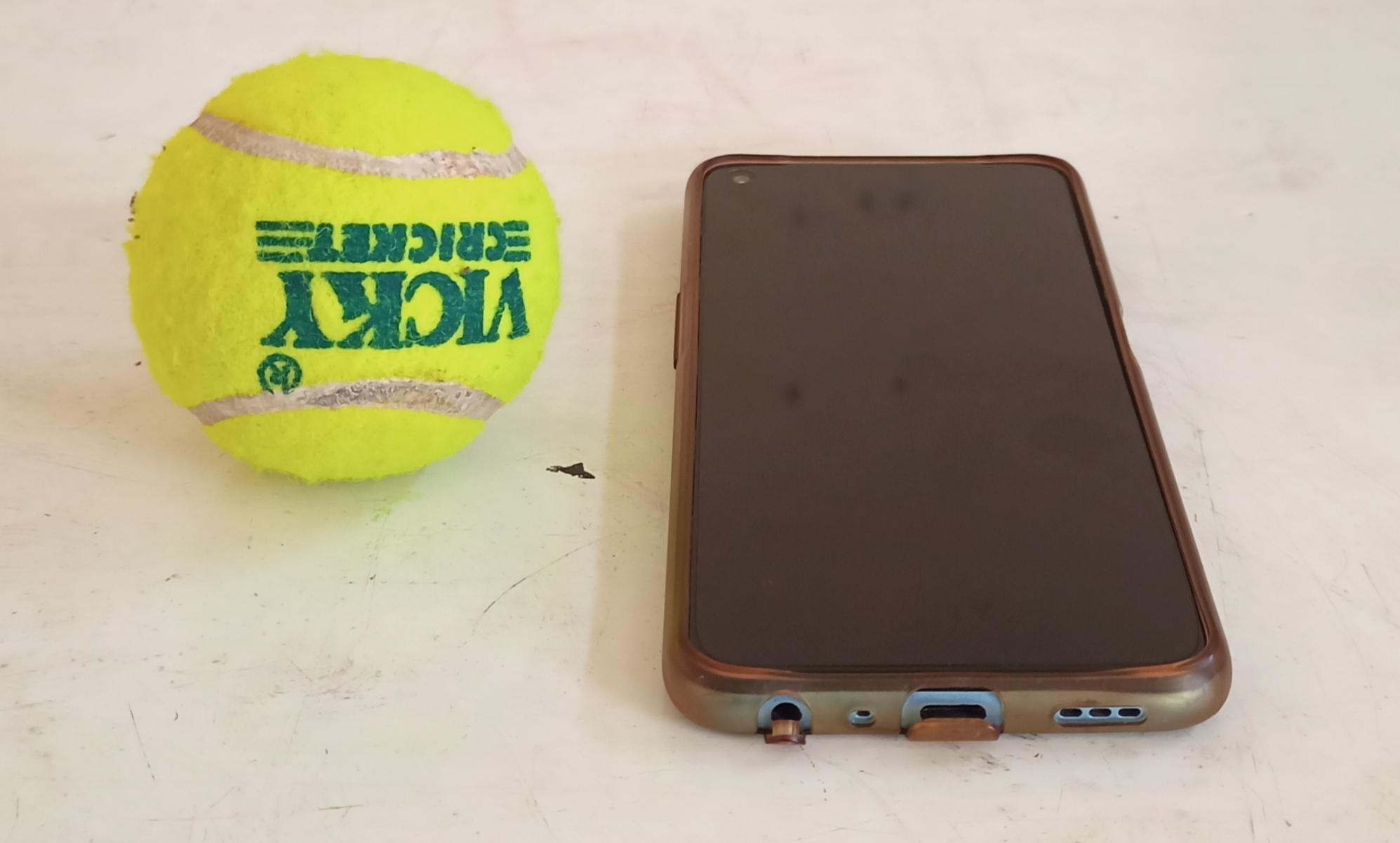
Accelerated motion: Free fall of a ball with FizziQ app
Concept: Analyze the accelerated motion of a freely falling ball by observing the distance travelled by the ball in equal time intervals using FizziQ app.
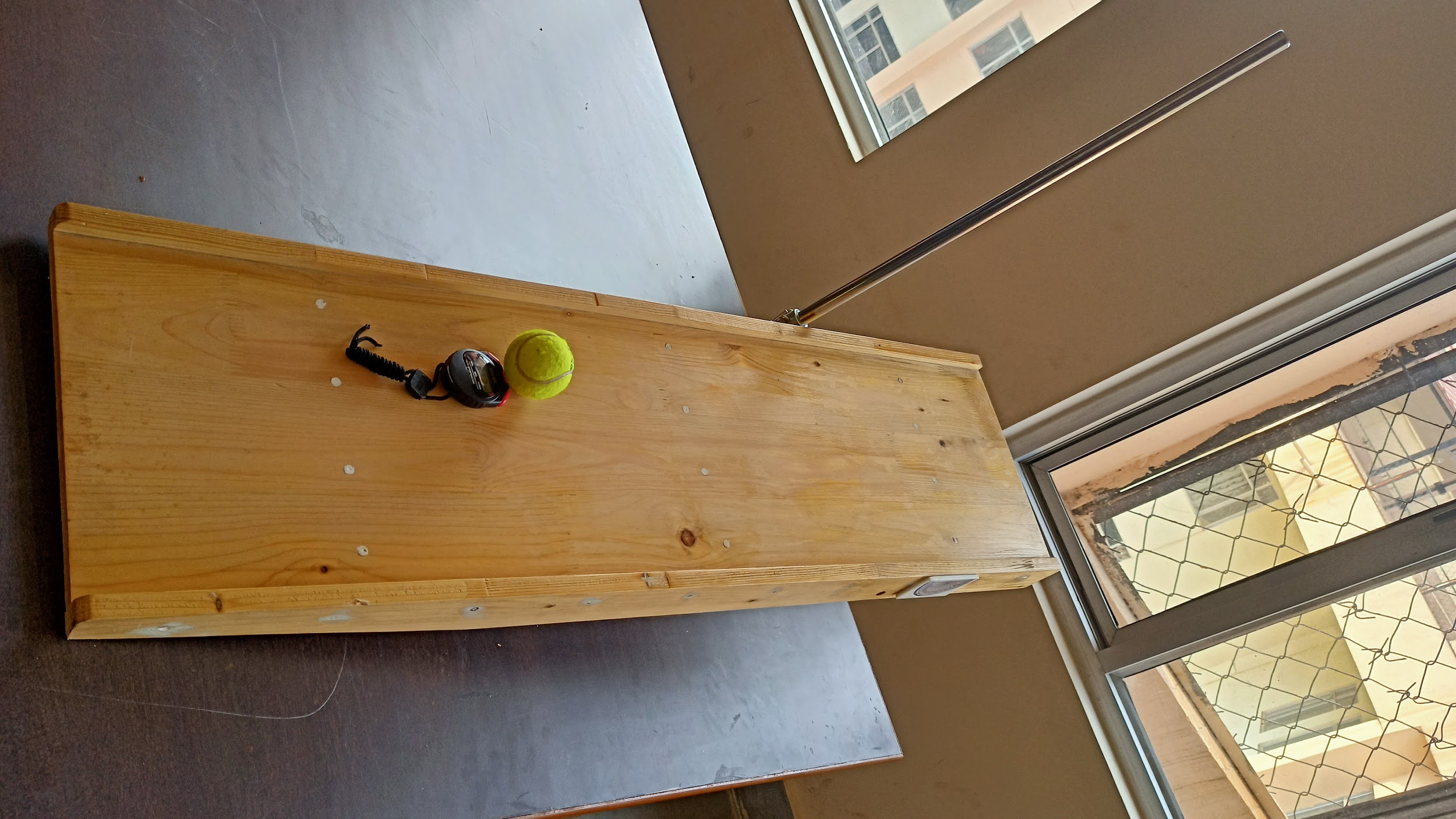
Accelerated motion: Ball on an inclined plane
Concept: Analyze the accelerated motion of a ball on an inclined plane by observing the distance travelled by the ball in equal time intervals using FizziQ app.
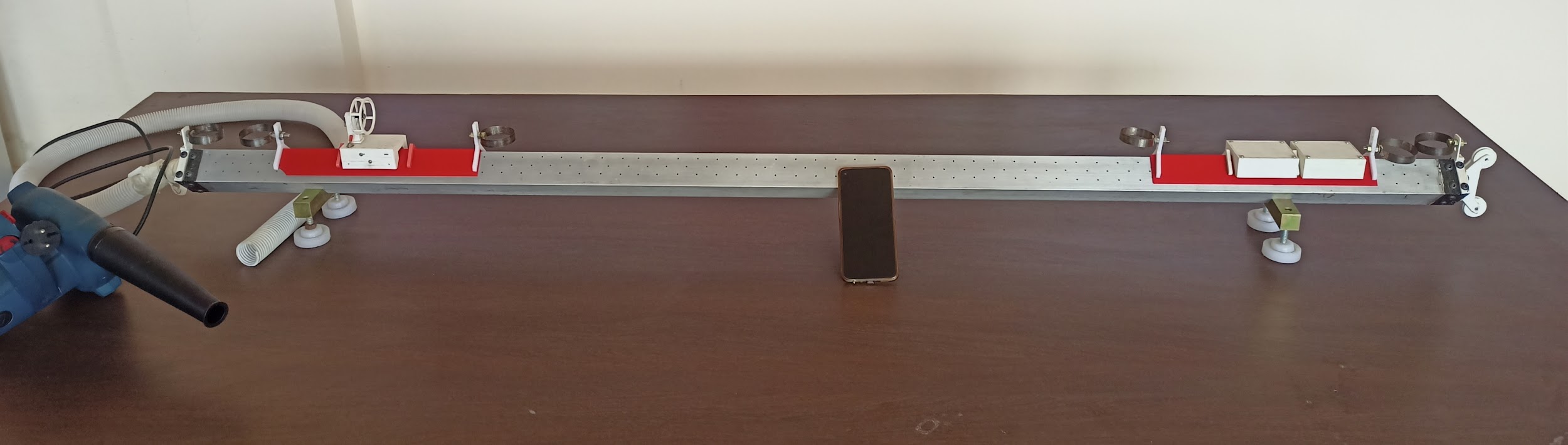
Accelerated motion: NM cart slider on Mechanical Bench with FizziQ app
Concept: Quantitative study of rectilinear non-uniform motion(Constant acceleration) of an NM car on the mechanical bench using the FizziQ app.
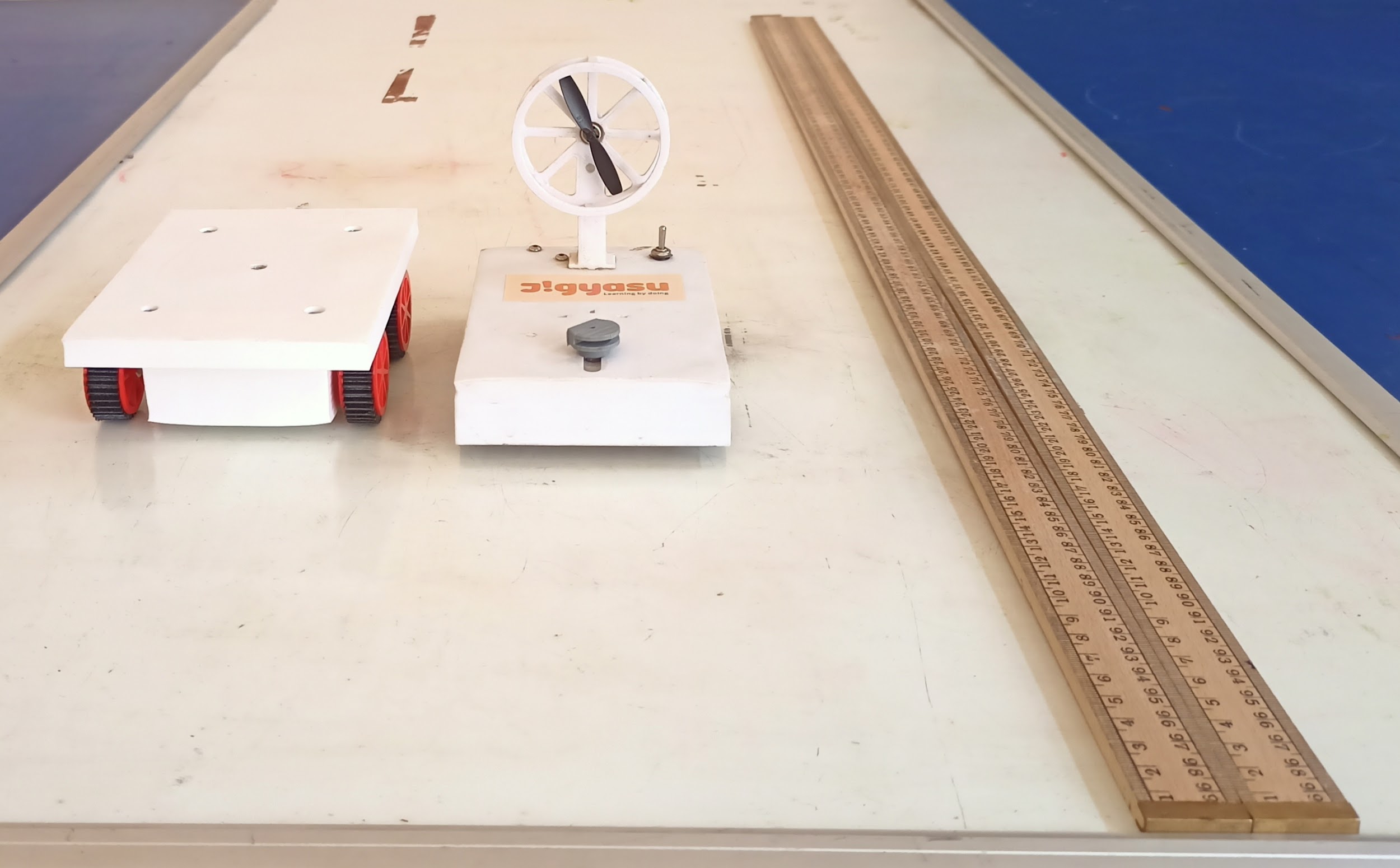
Chase problem with UM and NM car
Concept: Qualitative study of chase problem in rectilinear motion using UM and NM cars
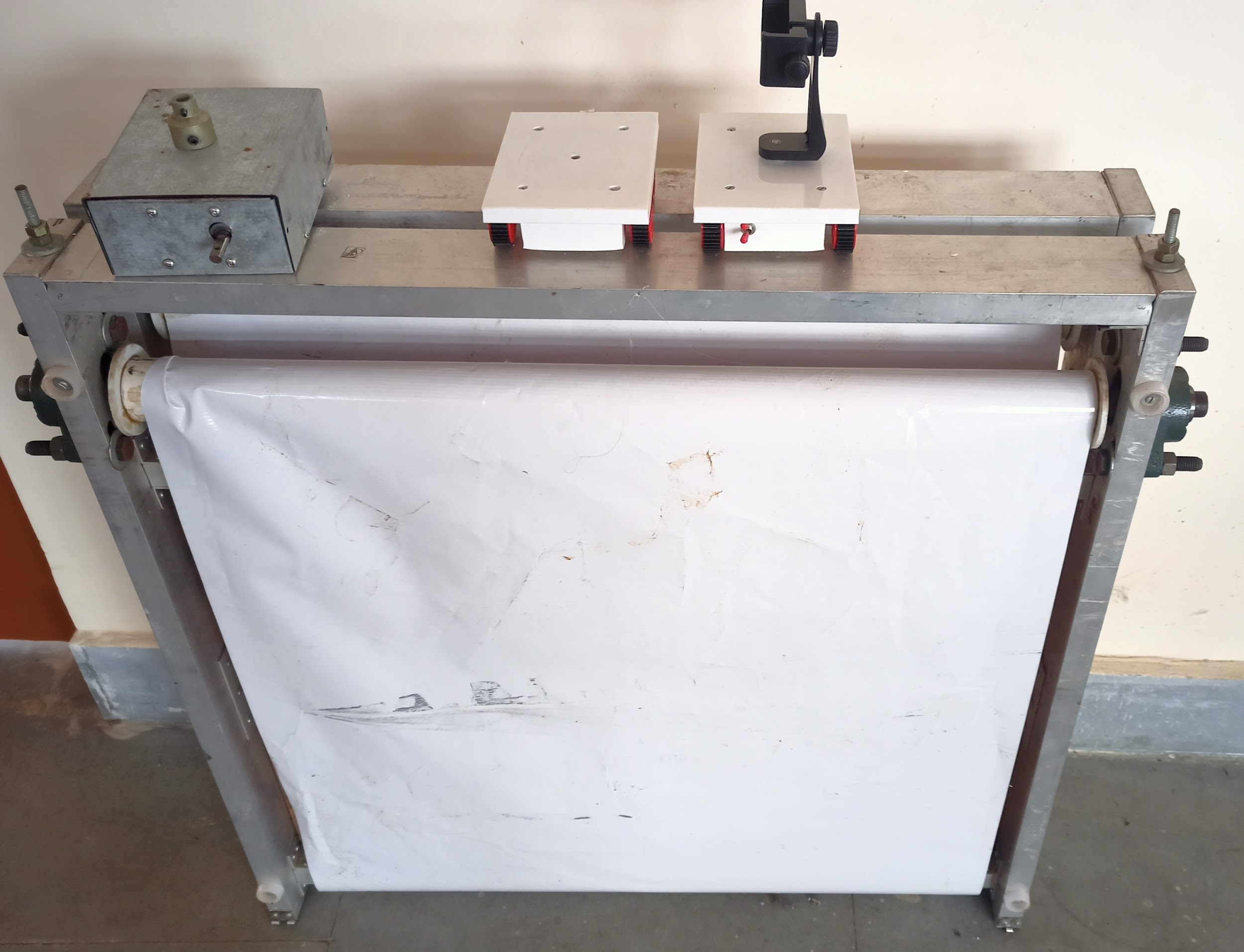
Relative Motion: Conveyor setup an UM car
Concept: Qualitative study of relative velocity using conveyor setup an UM car
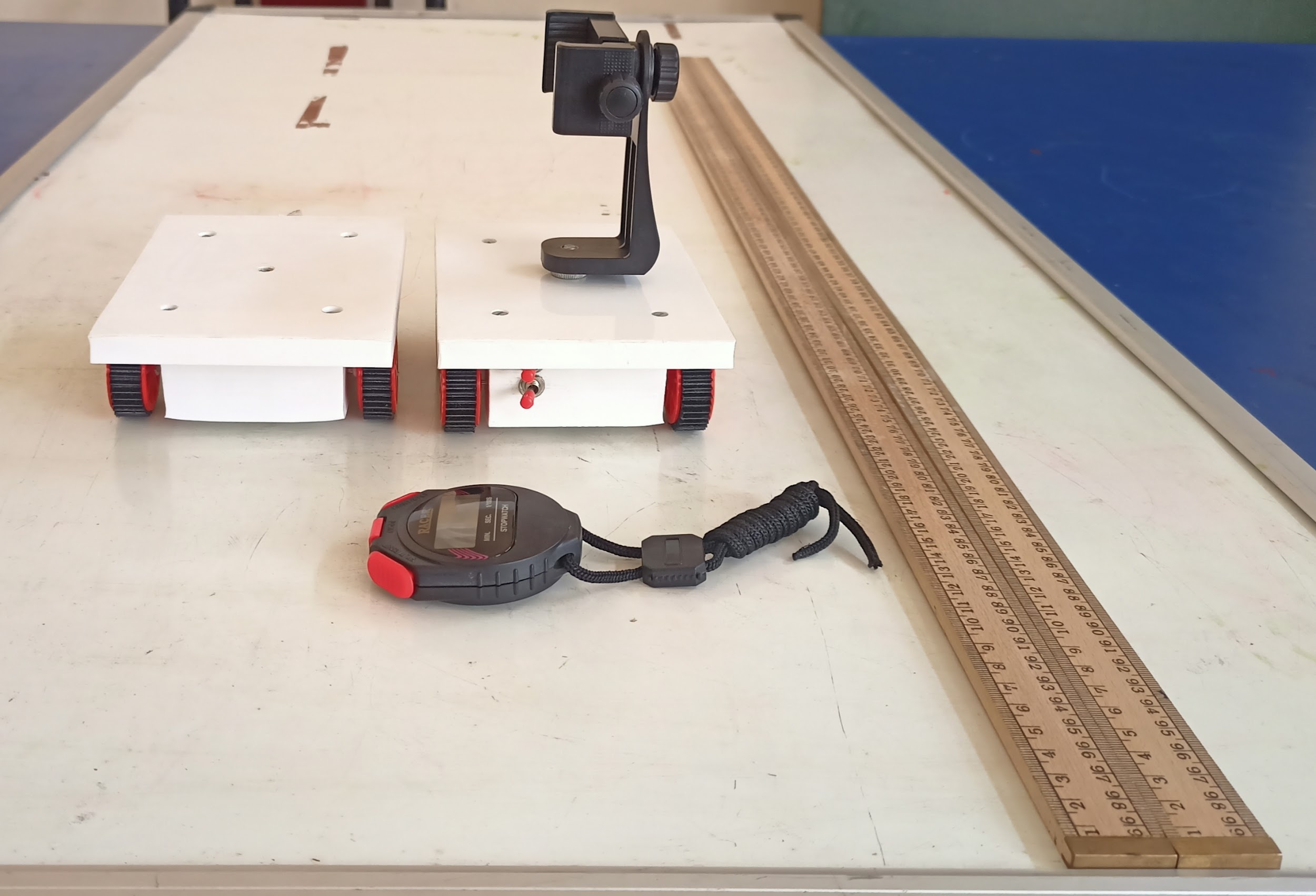
Relative Motion: UM cars
Concept: Quantitative study of relative velocity using UM cars
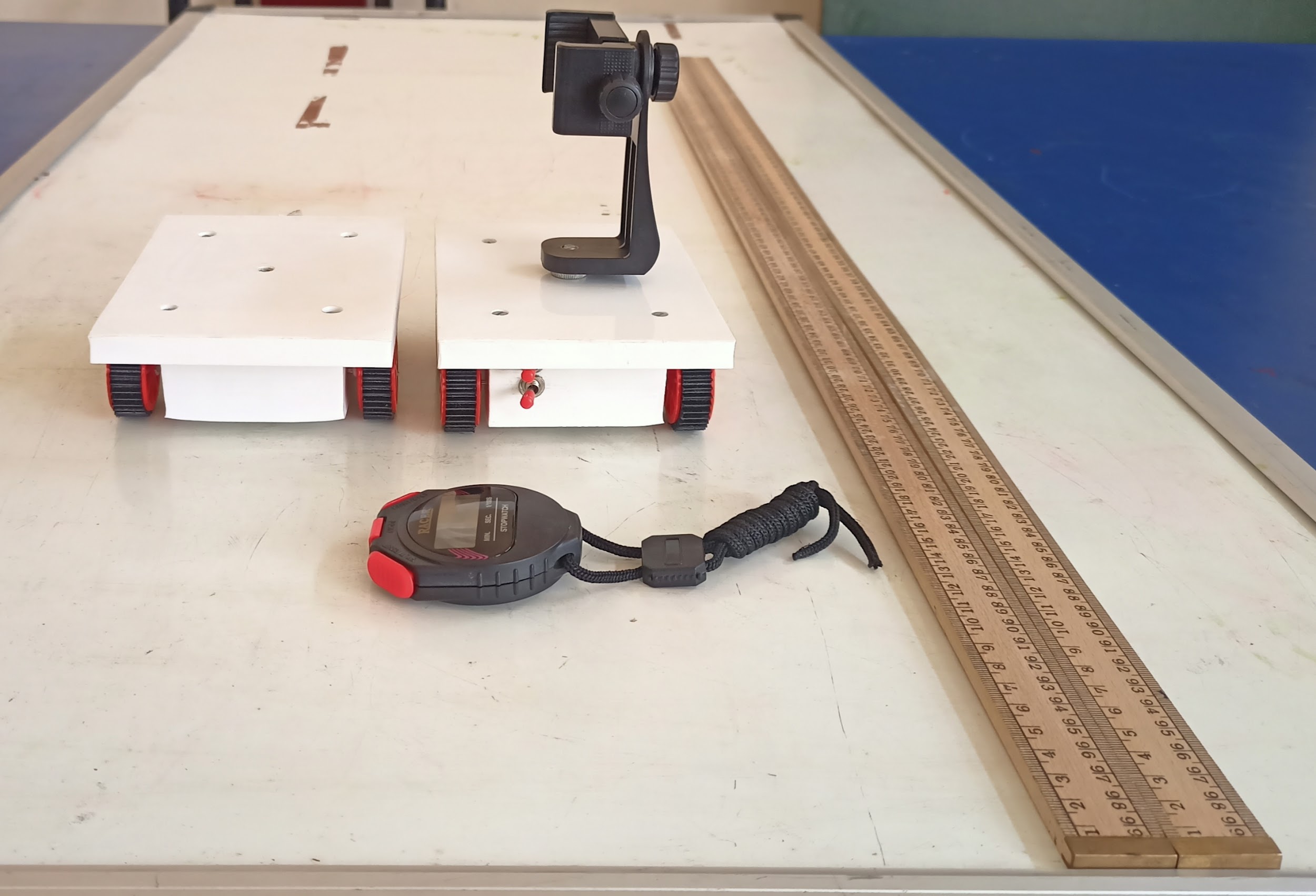
Relative Motion: UM car with 4 different speeds
Concept: Quantitative study of relative velocity using UM cars
2-D Motion
Activites: 12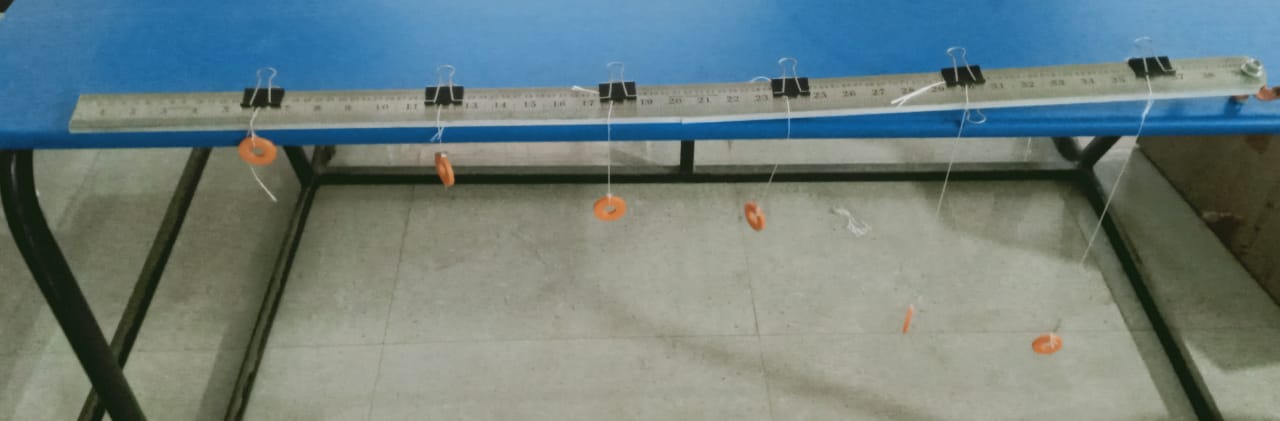
2-D Motion: Hanging display
Concept: Qualitative analysis of the motion of a ball under gravity using the hanging display an ejector. The focus must be given to the trajectory of the ball.
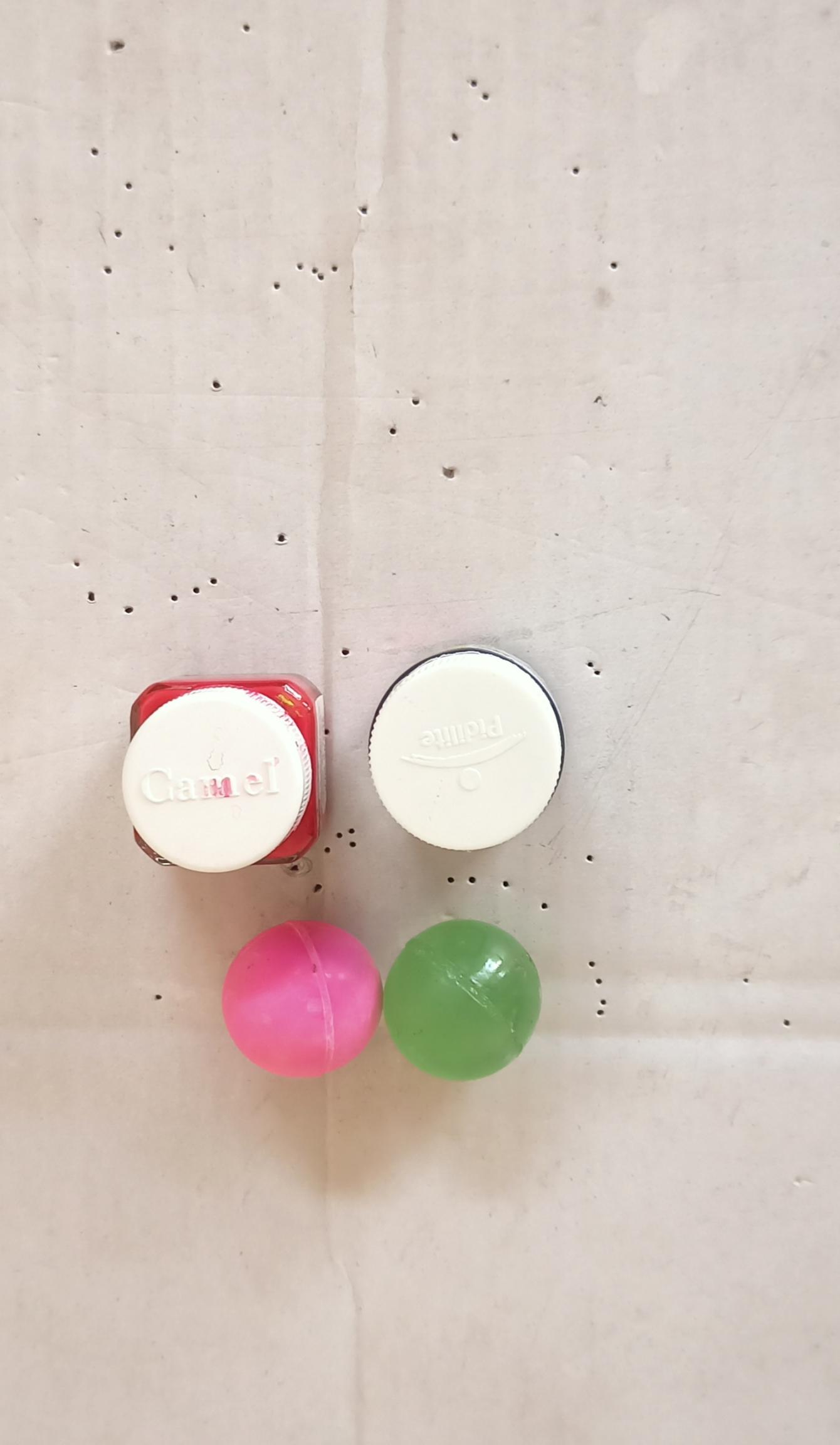
2-D Motion: Cardboard, ball and colours
Concept: Qualitative analysis of the trajectory of a moving ball on an inclined plane under a constant acceleration. The trajectory can be drawn by putting colours on the ball.
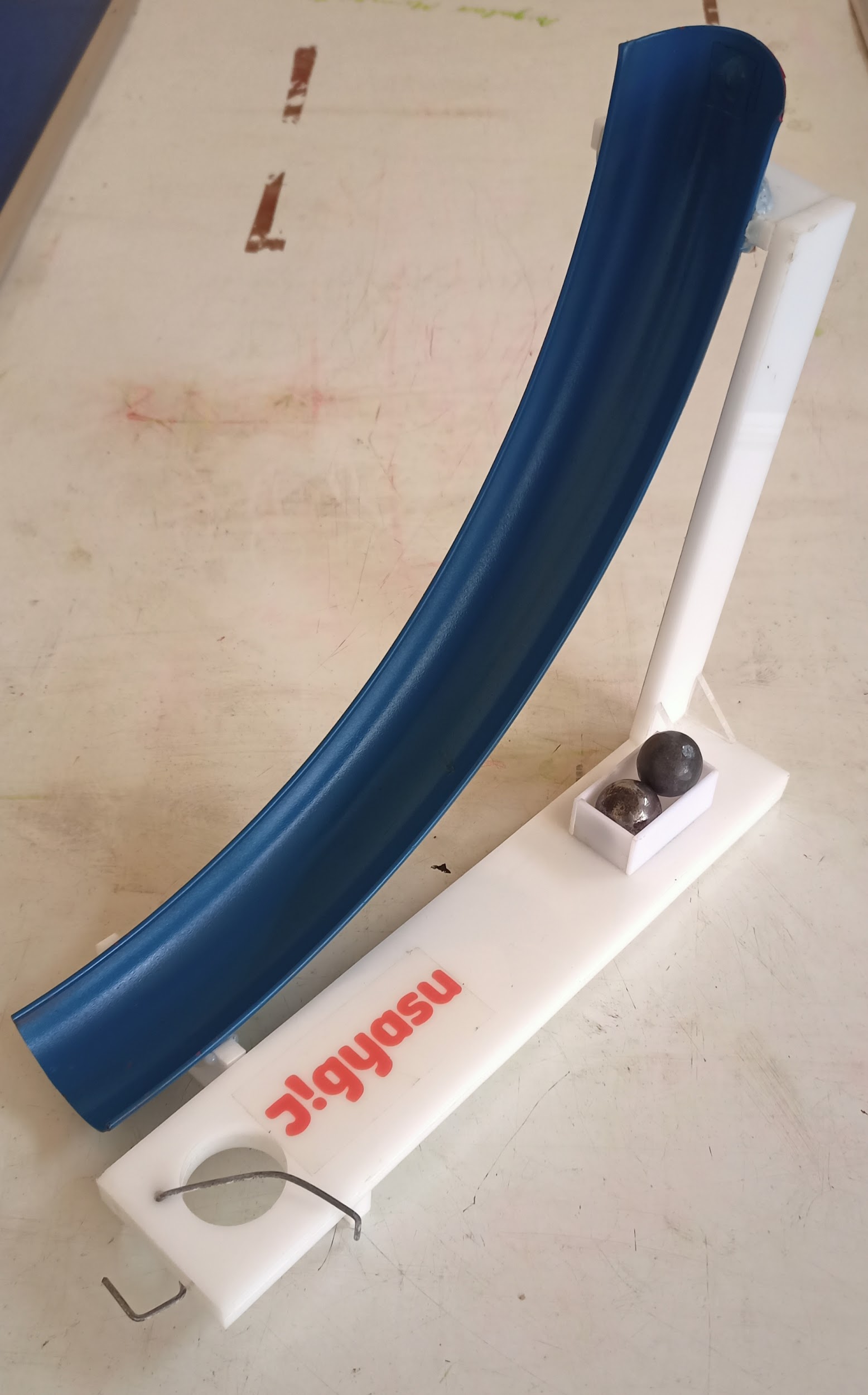
2-D Motion: HV apparatus
Concept: Qualitative analysis of 2-D motion by considering it as two independent 1-D motion by comparing the time taken by the two balls to reach the ground from a particular height. Here, one ball has an initial horizontal velocity, the other one has zero horizontal velocity.
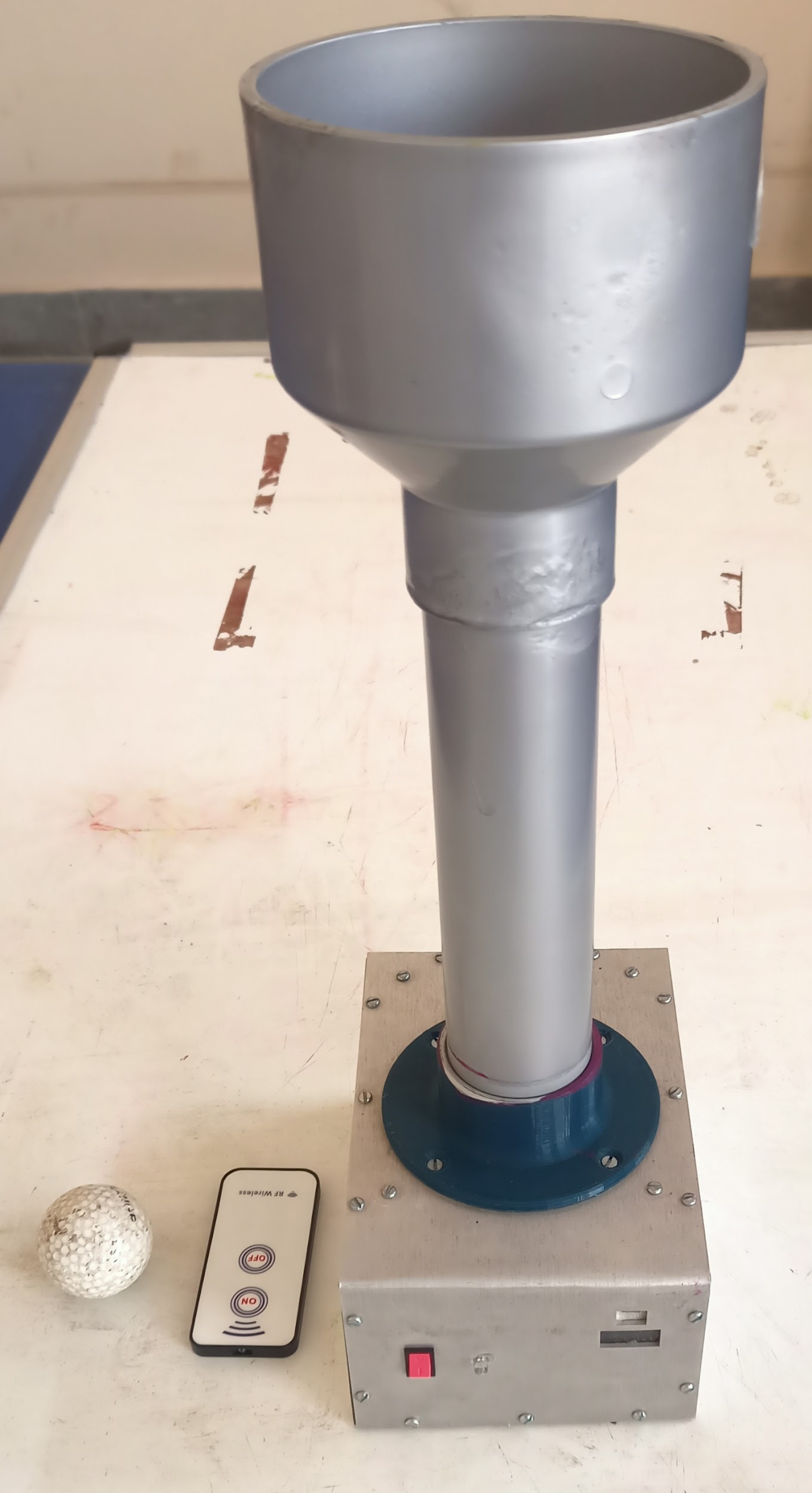
2-D Motion: Ball projecting car
Concept: Qualitative study of motion in a plane by treating it as two separate simultaneous one-dimensional motions with constant acceleration(gravity) using a Human cart with ball projector.
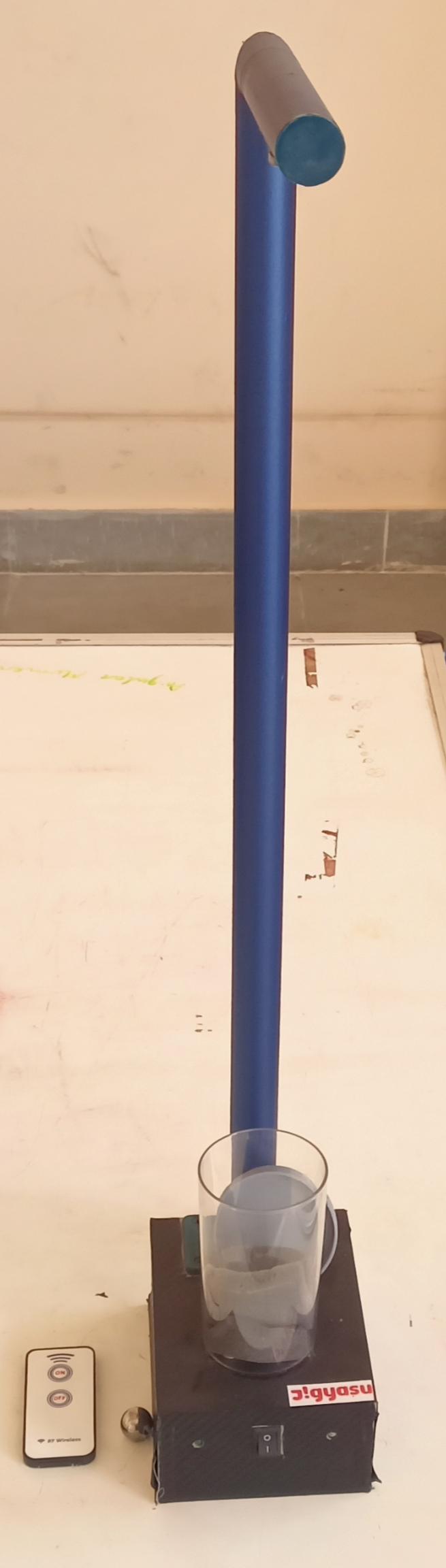
2-D Motion: FOR apparatus
Concept: Use of frame of reference to analyse 2-D motion using a ballistic car an a magnetic ball.
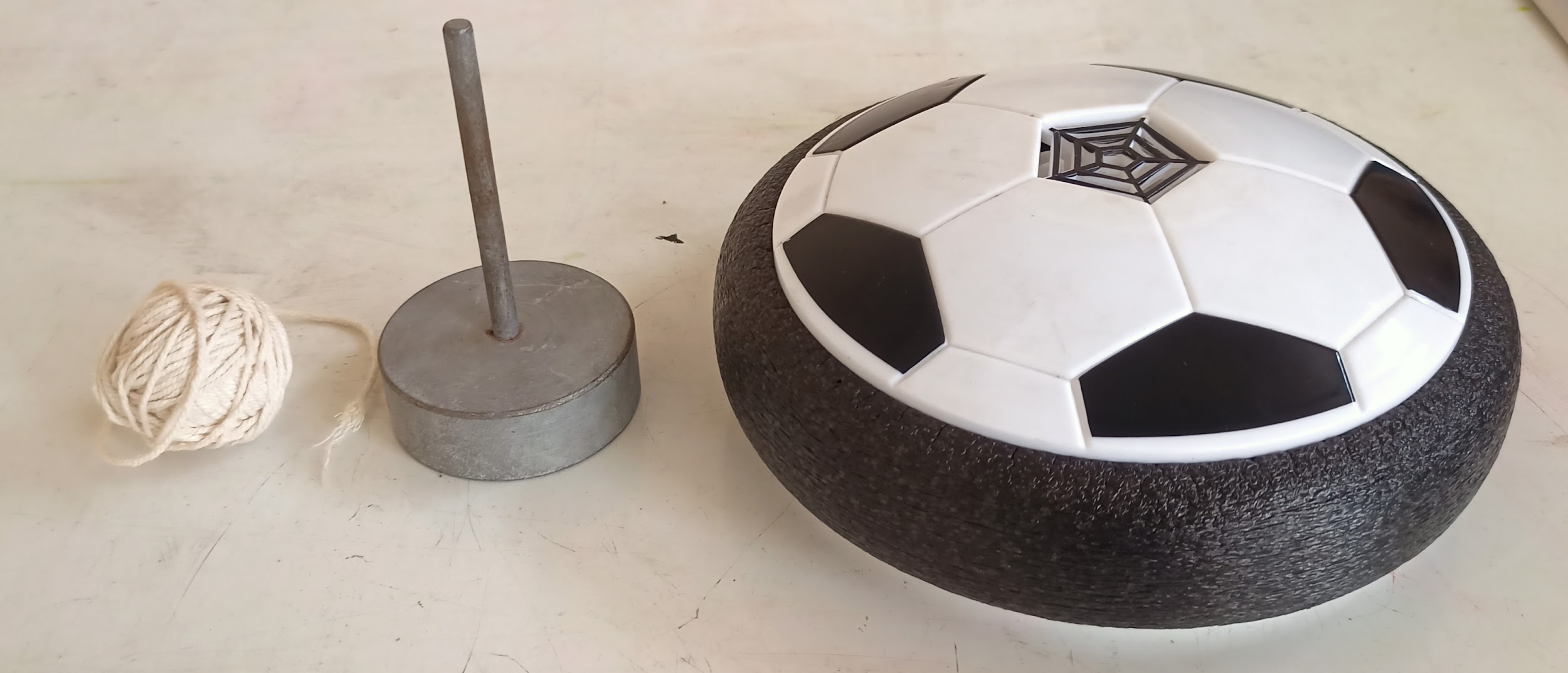
2-D Motion: Circular motion by Drifter
Concept: Qualitative study of the circular motion performed by a drifter.
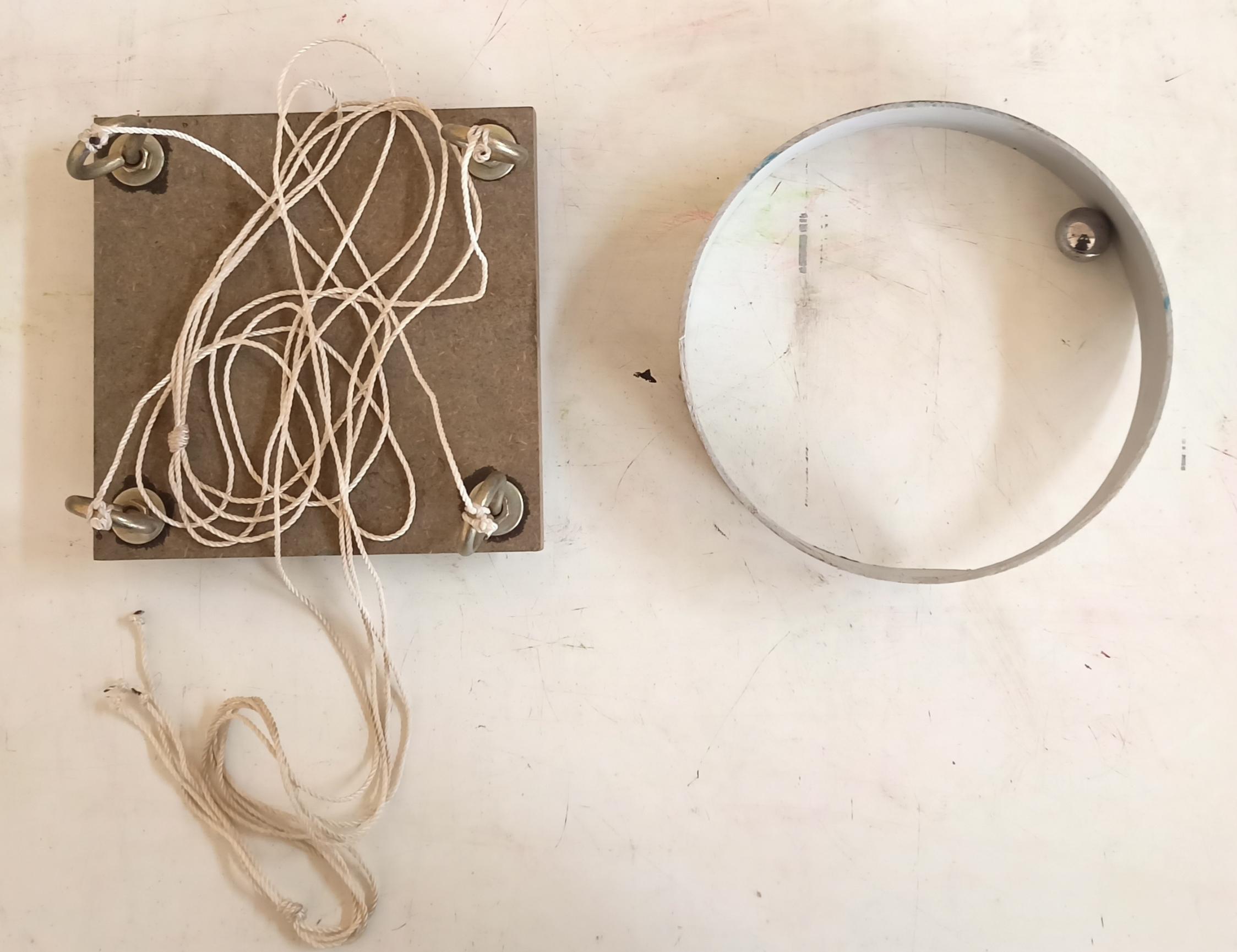
2-D Motion: Centripetal Acceleration setup (CA setup )
Concept: Qualitative study of the circular motion performed by a steel ball in a circular track. Here the focus is to observe the tangential motion of the ball when it leaves the circular track.
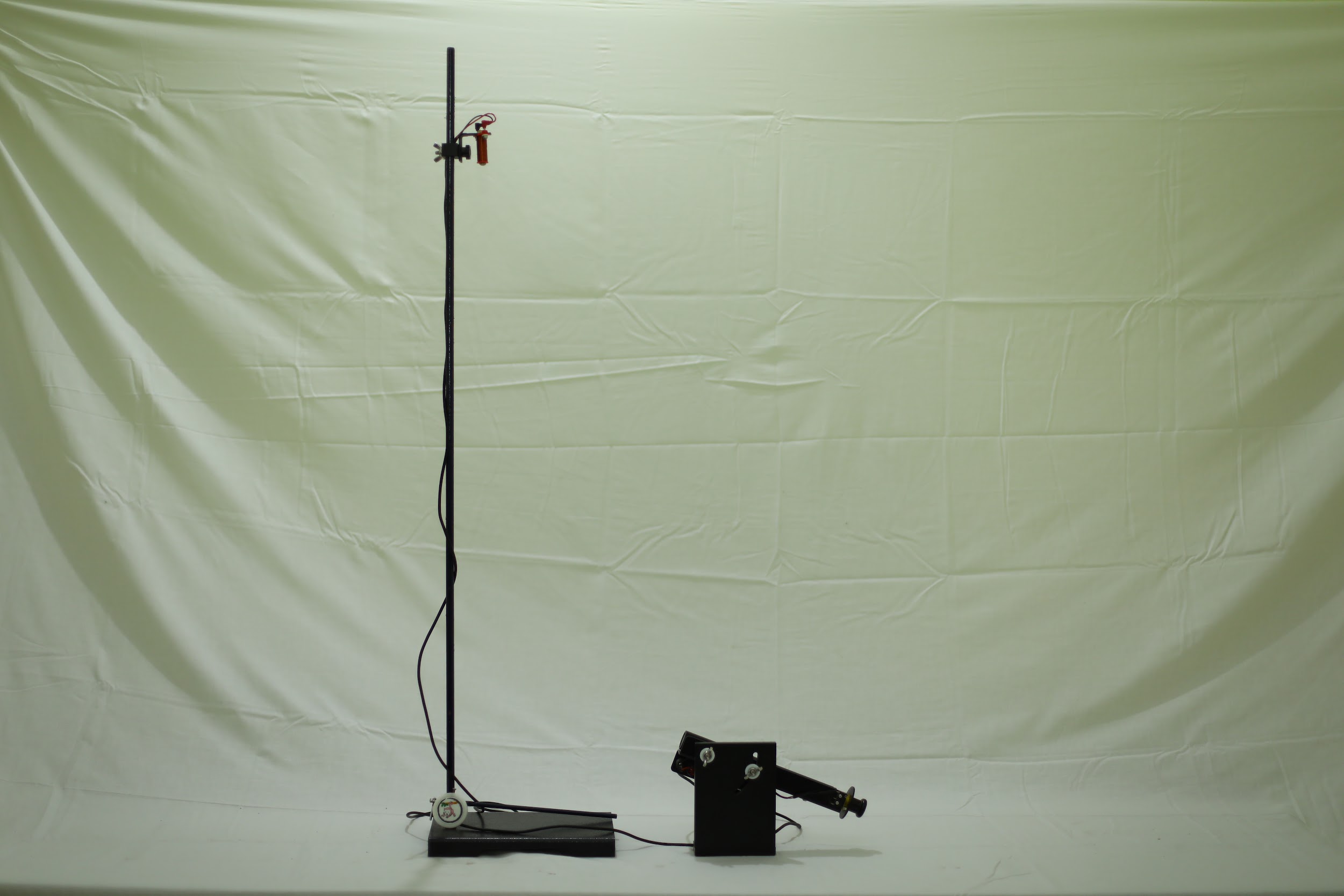
2-D Motion: Monkey-Gun problem
Concept: Qualitative analysis of the motion of an object under a constant acceleration using monkey-gun apparatus.
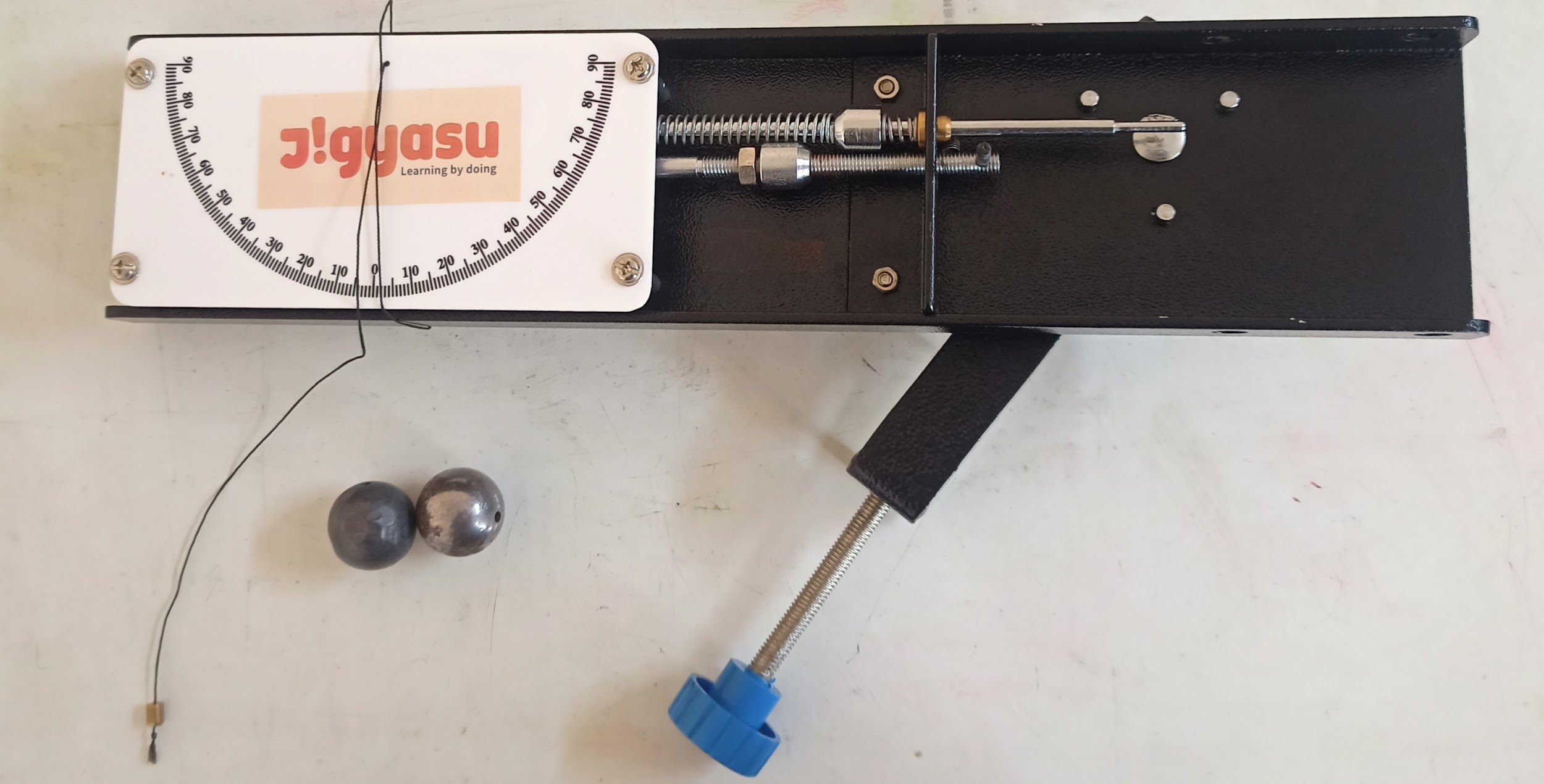
2-D Motion: Projectile motion with Ball
Concept: Quantitative study of the projectile motion performed by a ball using a projectile launcher.
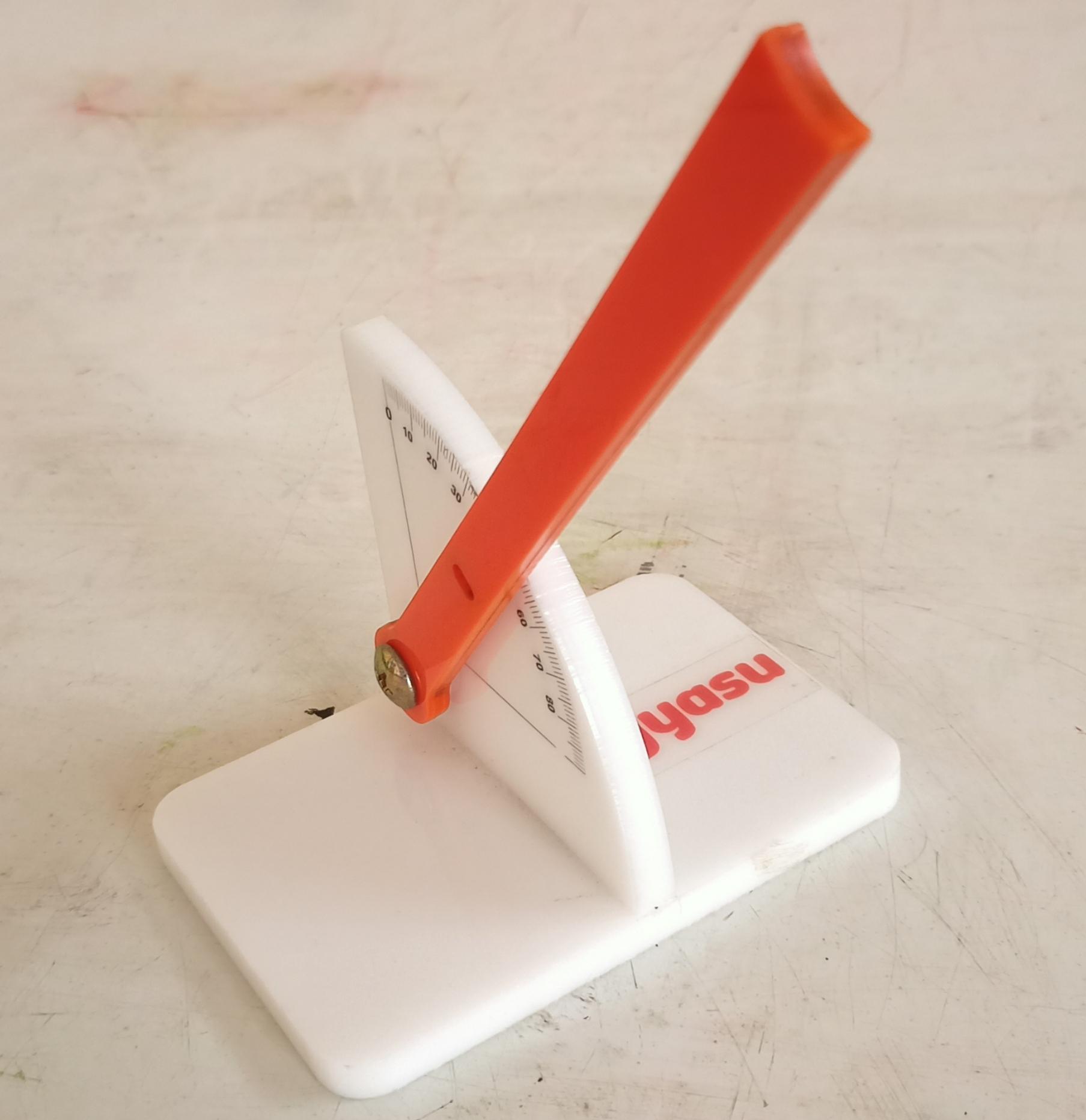
2-D Motion: Projectile motion with Rubber Band
Concept: Qualitative study of the projectile motion performed by a rubber band using a projectile launcher.
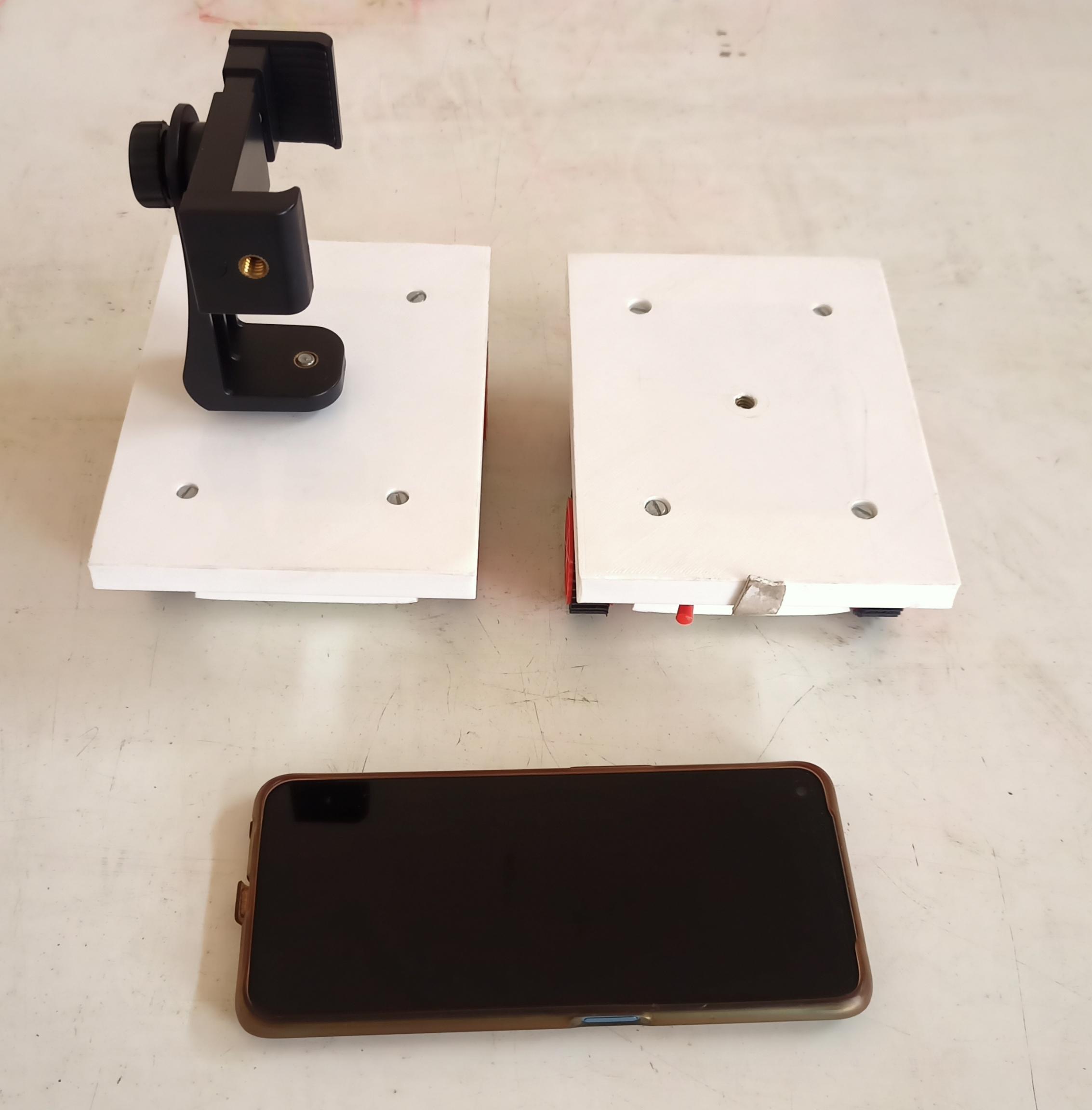
2-D Motion: Relative motion between UM cars
Concept: Qualitative study of relative motion using 2 UM cars with camera mounted setup
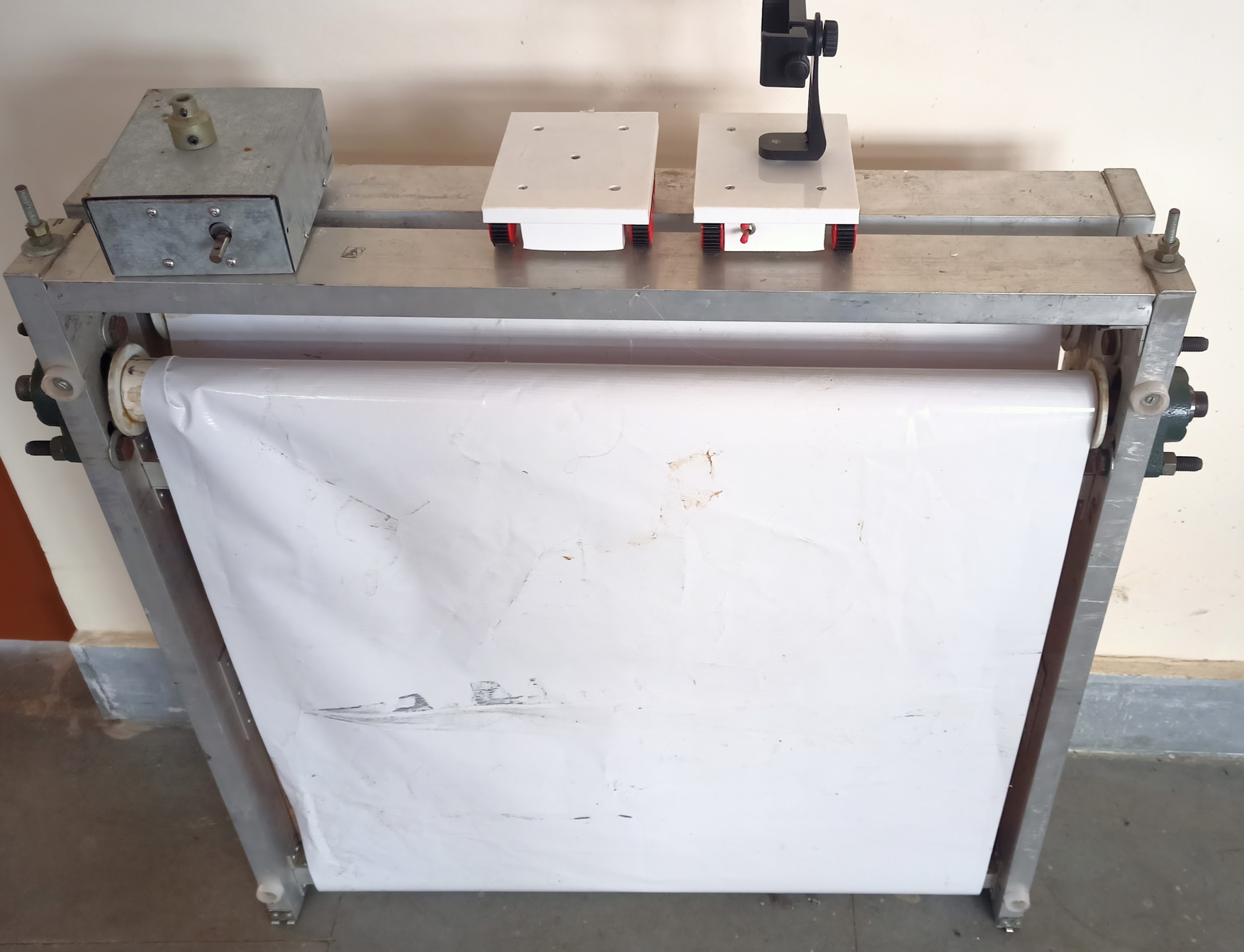
2-D Motion: River-Boat problem
Concept: Quantitative study of the river-boat problem using an UM car an an conveyor belt setup . Analogous to the river boat problem, here the conveyor setup will be considered as the river and the UM car as the boat.
Optics
Activites: 54
Types of materials: Transparent, Transluscent and Opaque
Concept: Observing properties of different materials based on whether light can pass through it or not

Colour of Shadows
Concept: Formation of shadows

Pinhole Camera
Concept: Application of rectilinear propagation of light

Rectilinear path of light
Concept: Study of propagation of light
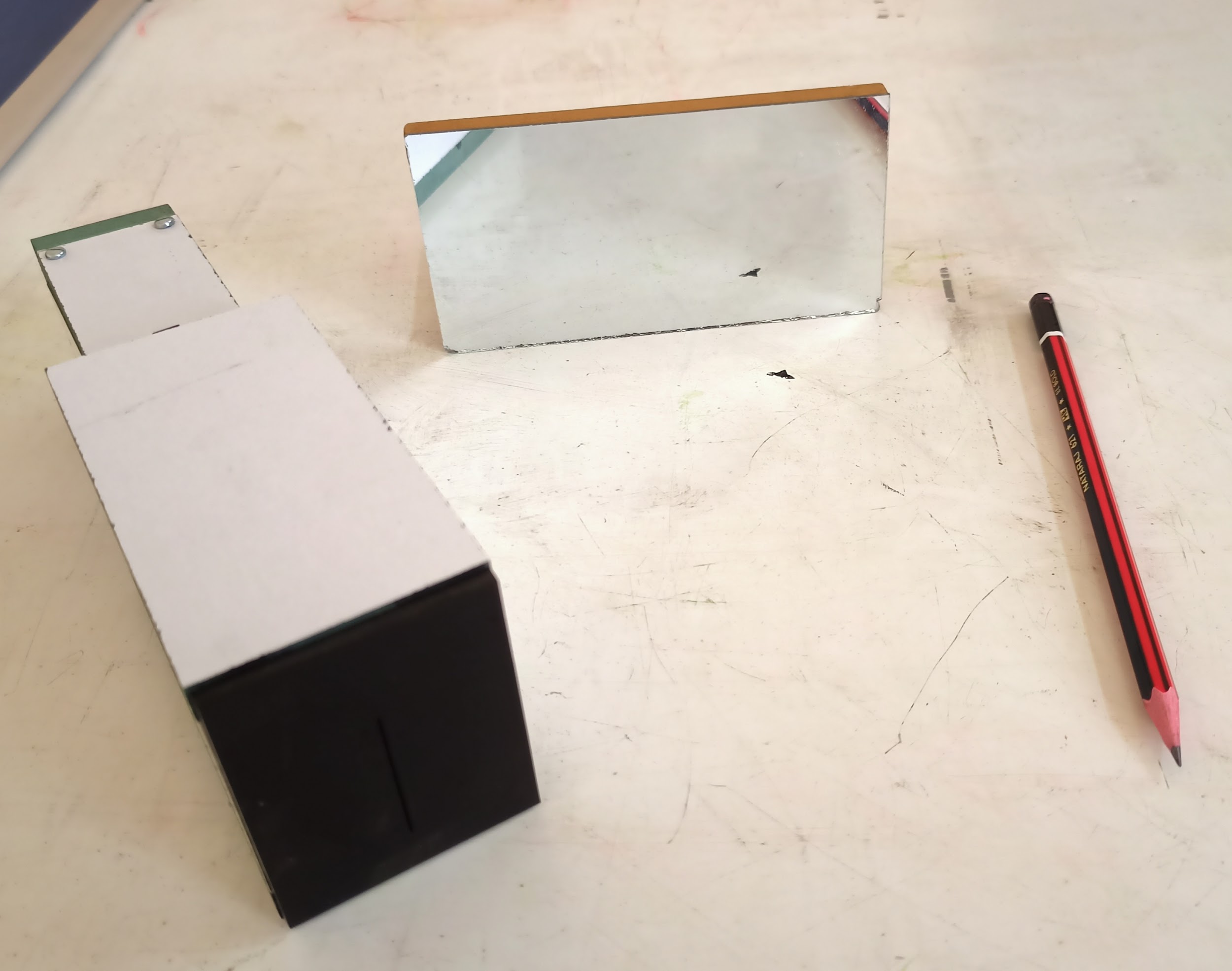
Reflection on a plane mirror
Concept: Observing the phenomenon of reflection of a ray of light on a plane surface using a plane mirror, single ray torch and pencil.

Periscope
Concept: Application of rectilinear propagation of light

Image distance = object distance
Concept: Formation of image in a plane mirror and its properties

Right or Left
Concept: Formation of image in a plane mirror and its properties
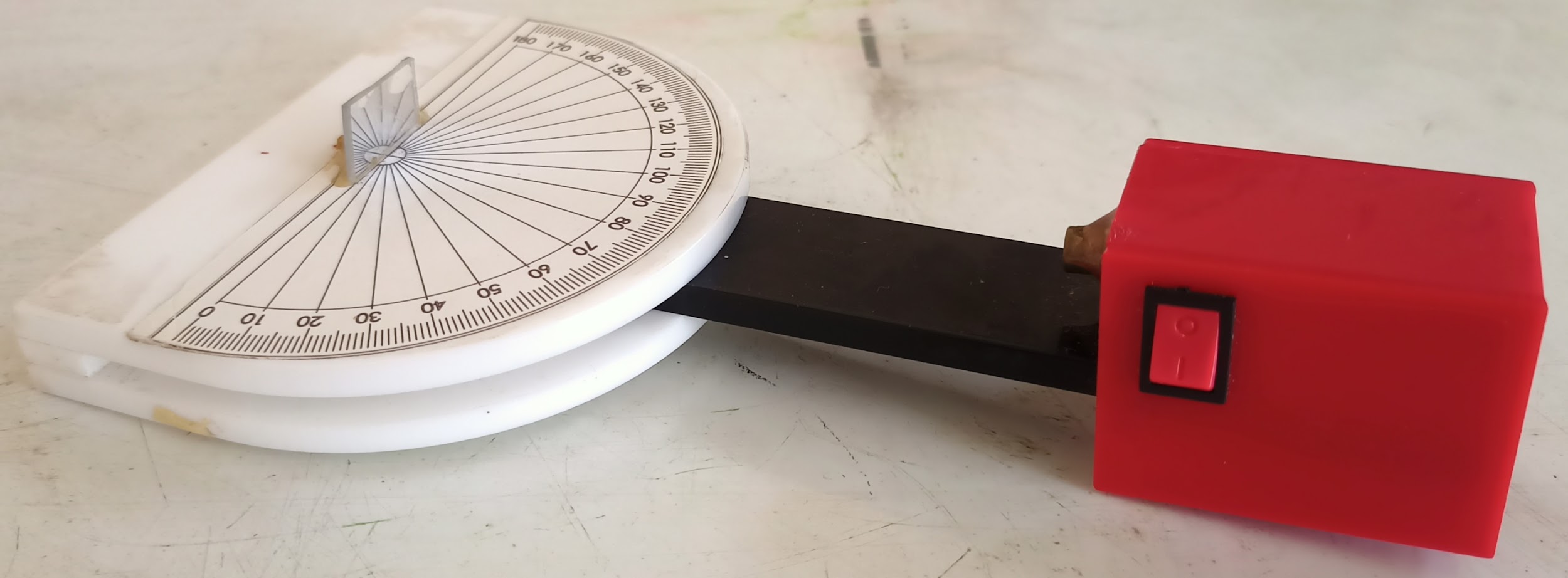
Laws of reflection test
Concept: Verifying the laws of reflection using protractor setup . Focus on the angle of incidence and angle of reflection
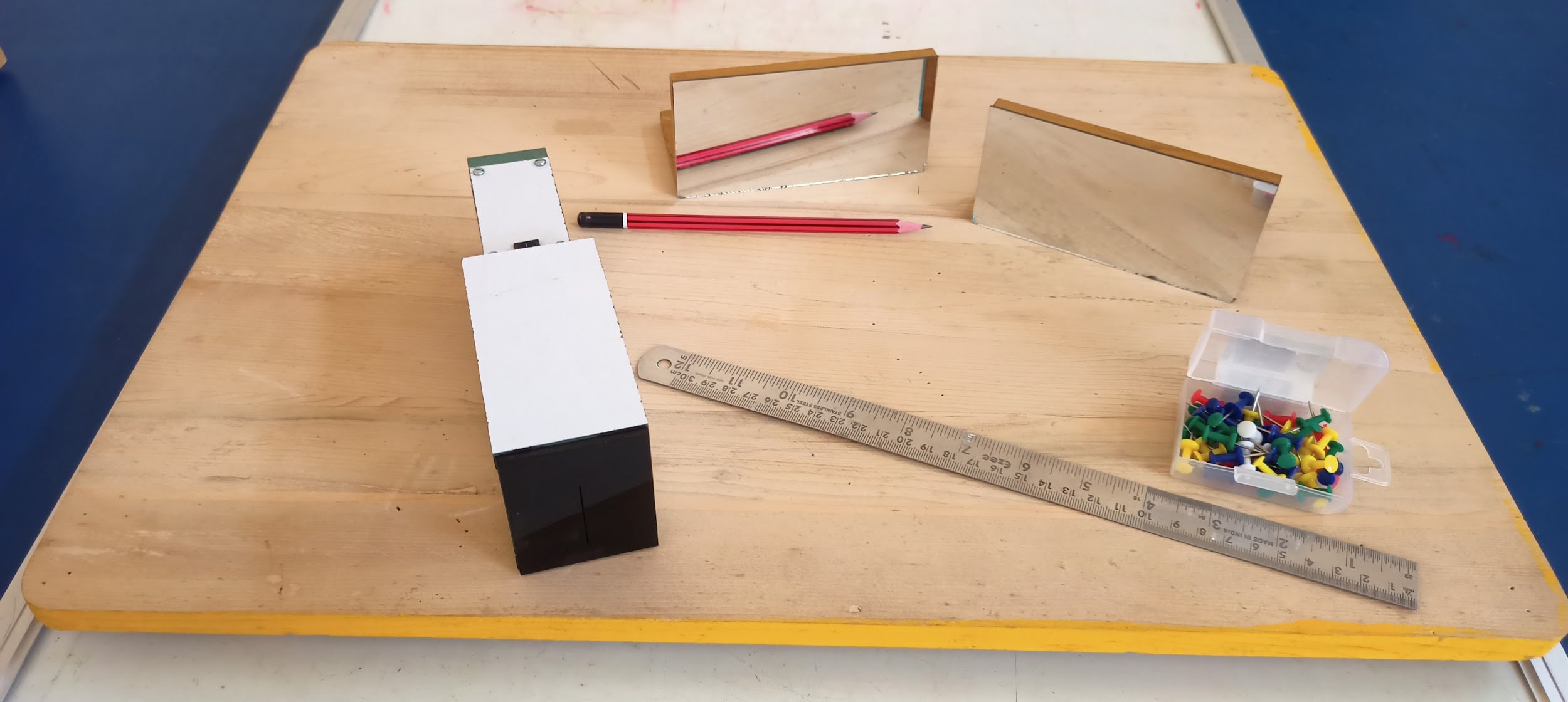
Image tracing(Ray tracer method)
Concept: Use of cardboard pins, single ray torch an a pencil to trace the image position in a plane mirror.
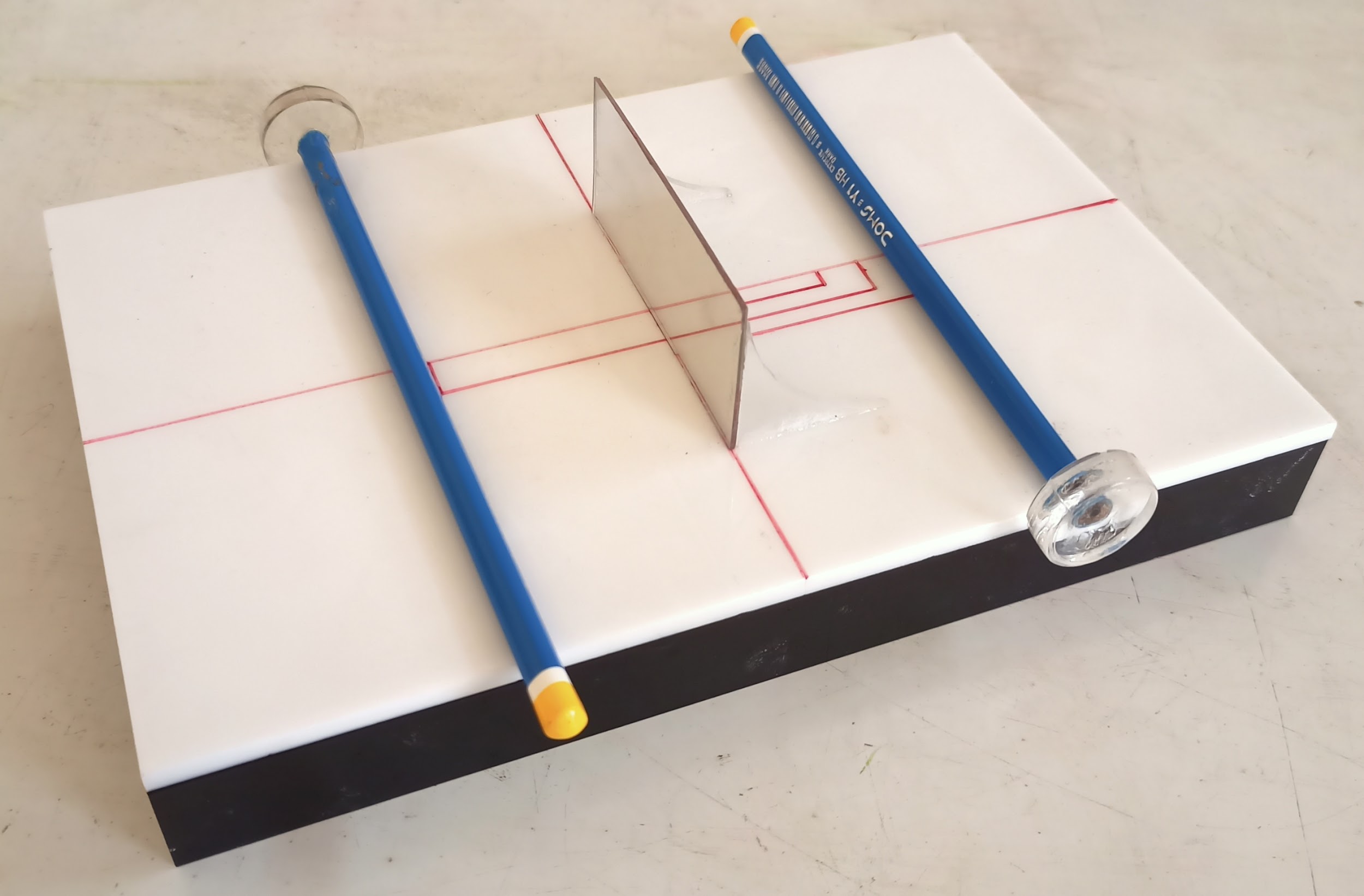
Image tracing(Parallax method)
Concept: Placing a pencil behind the plane mirror at an approximate position which will coincide with the image of a pencil placed in front of the mirror as an object.
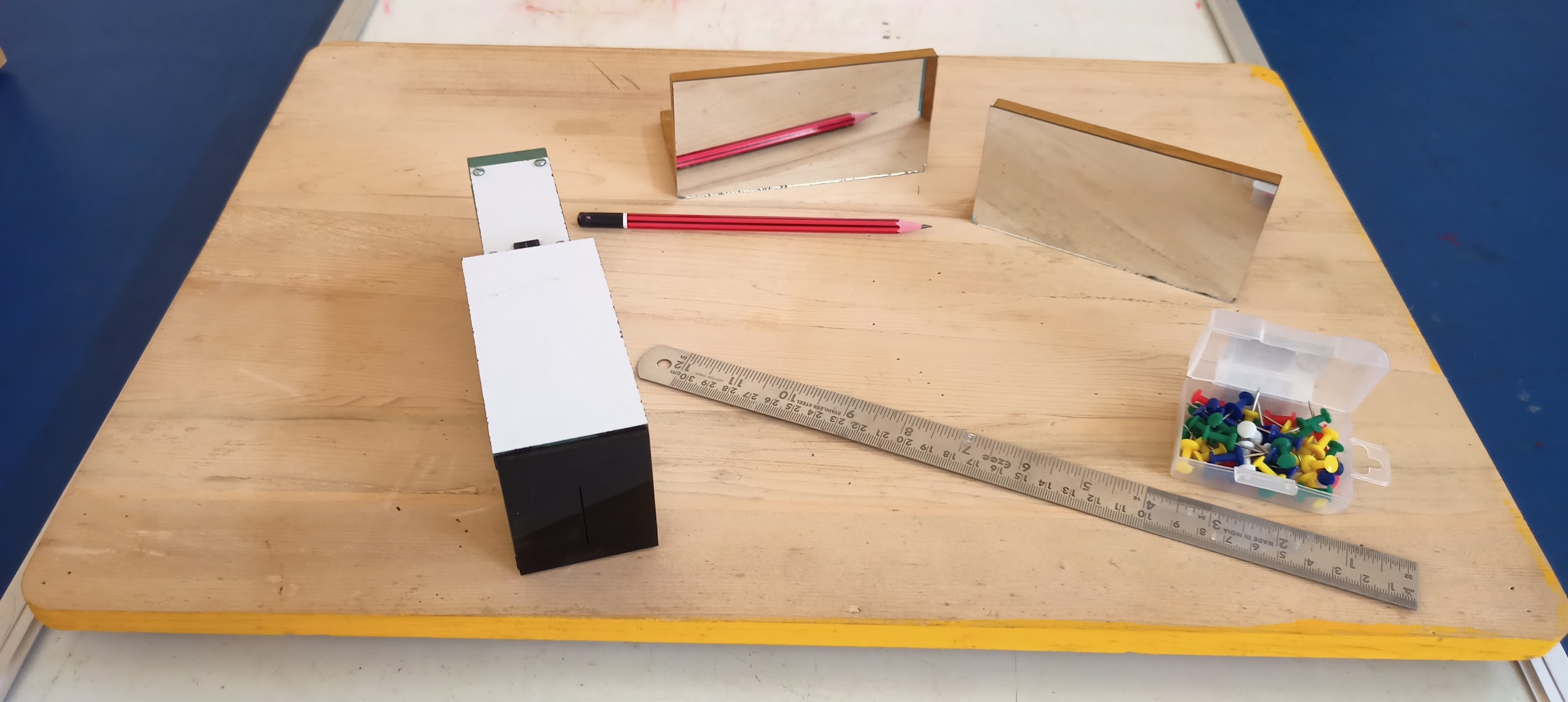
Image distance measurement(Ray tracer method)
Concept: Use of cardboard pins, single ray torch an a pencil to trace the image position an measure the image distance in a plane mirror.
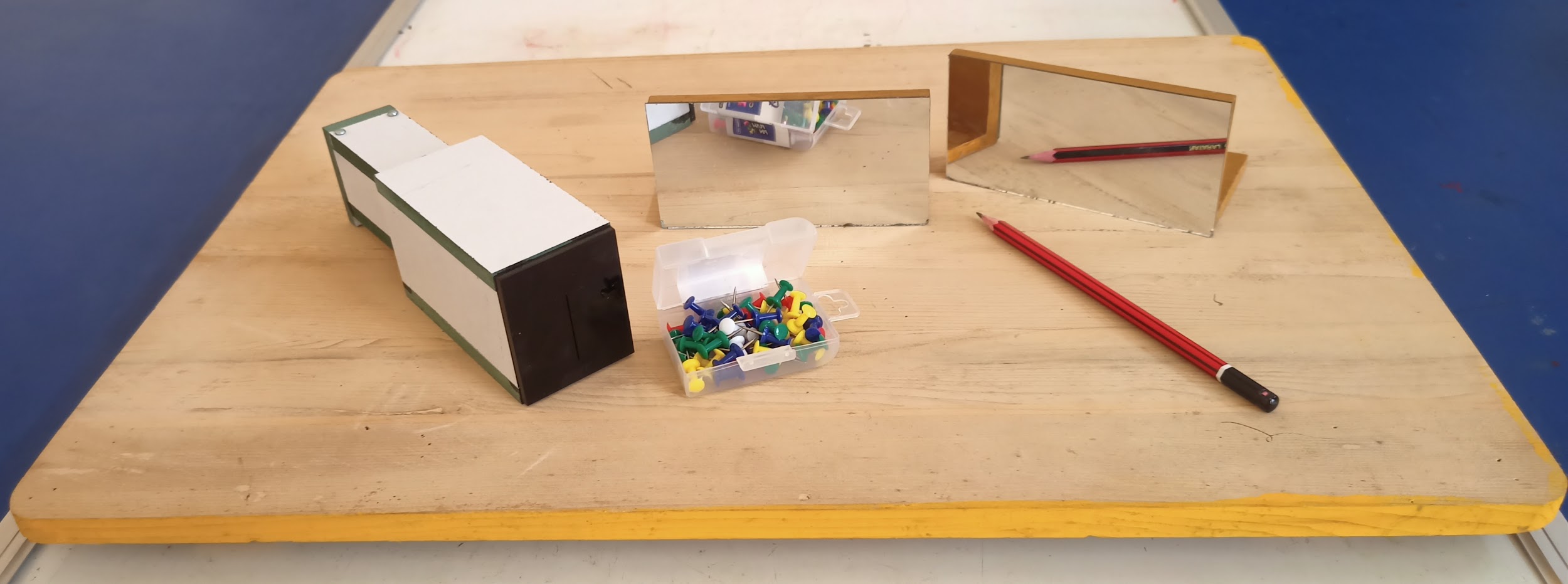
Image position(single ray torch method)
Concept: Use of cardboard pins, single ray torch an a pencil to locate the image position in a plane mirror.
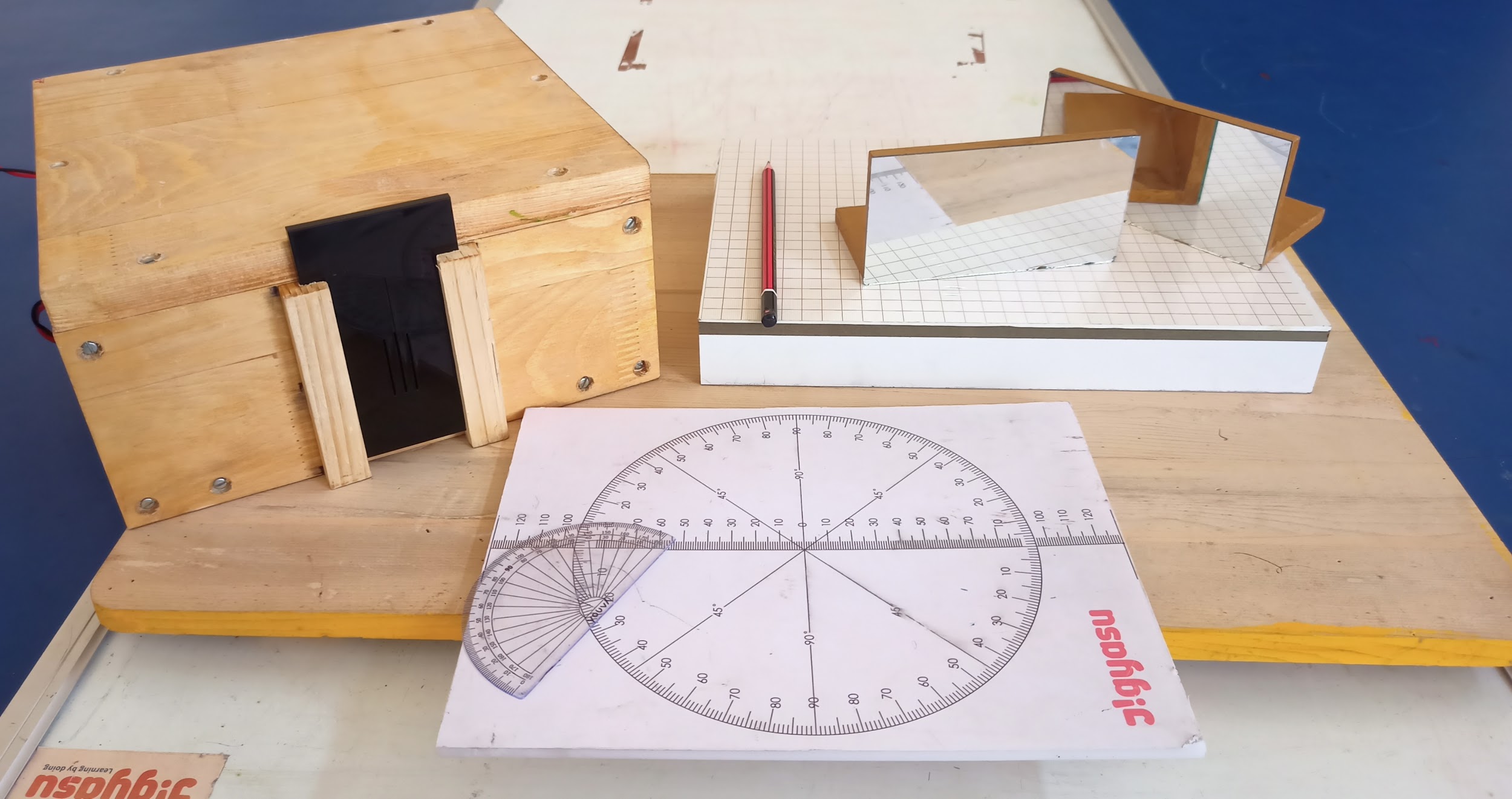
Plane mirror rotation
Concept: Rotate the plane mirror by a particular angle to see how much the reflected ray rotates.
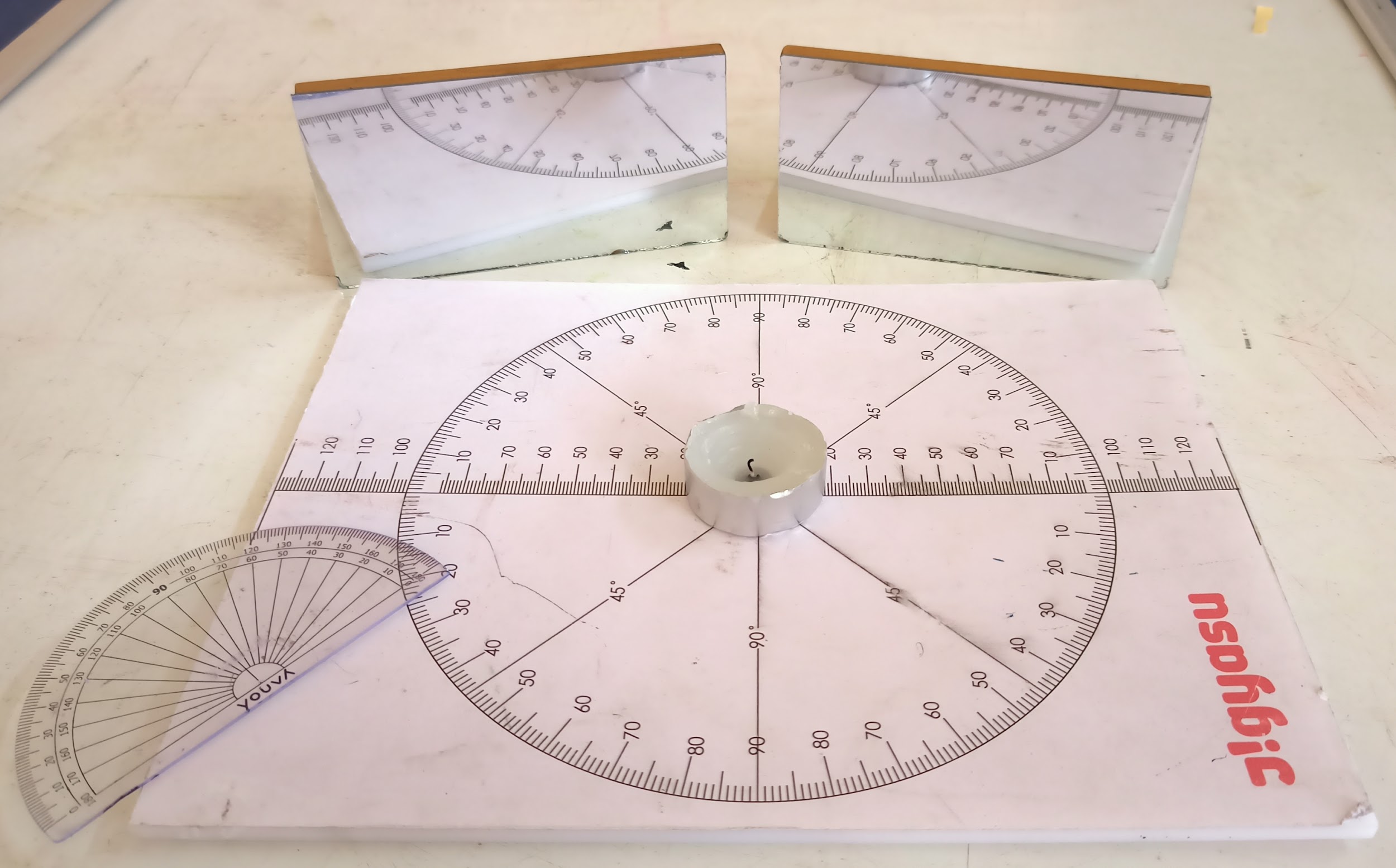
Multiple image formation in plane mirror
Concept: Find out the number of images formed by two plane mirrors placed at an particular angle.
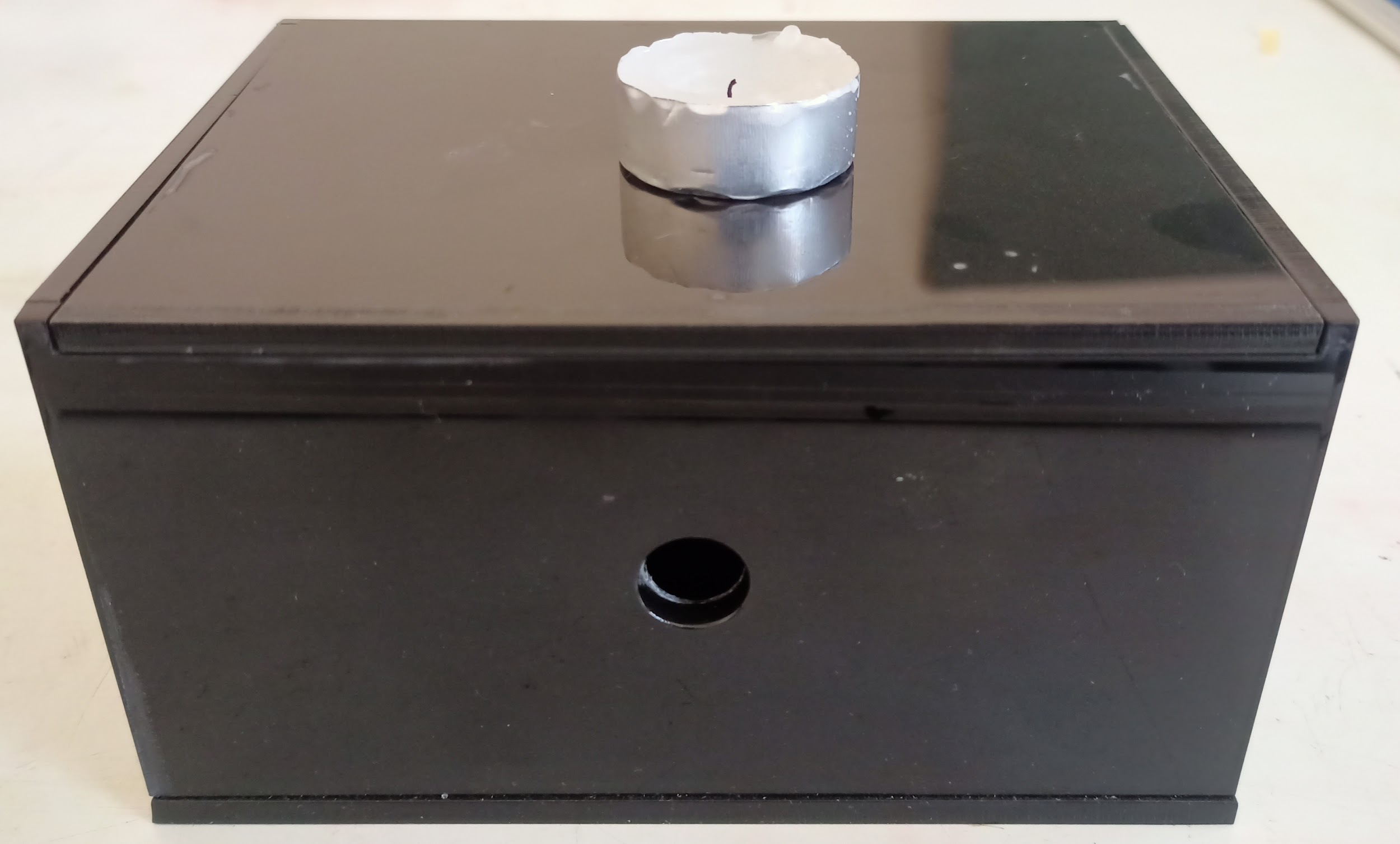
Infinity mirror 1
Concept: Find out the number of images of an object by two parallel plane mirrors, when the object is placed between them.
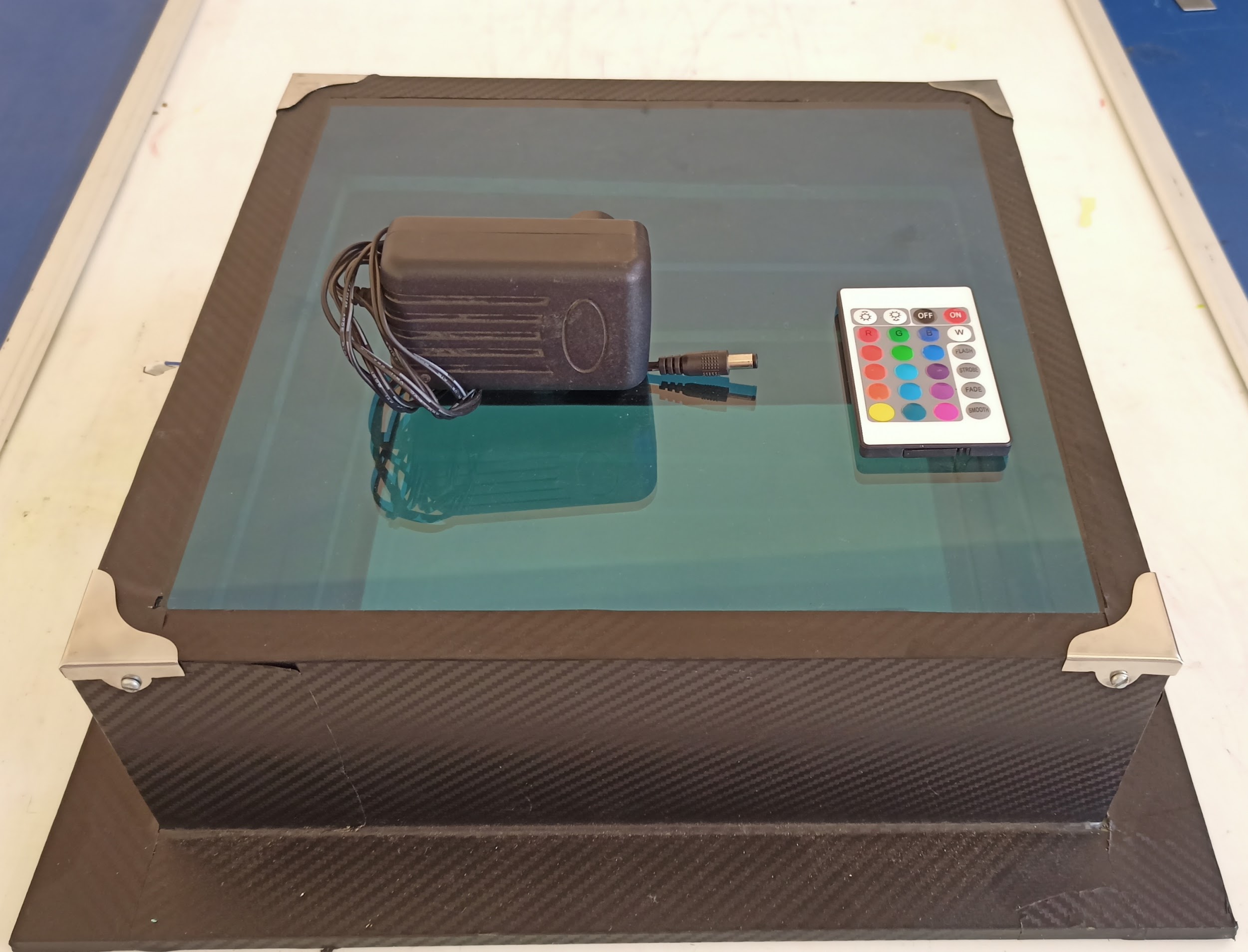
Infinity mirror 2
Concept: Number of images formed in an kaleidoscope
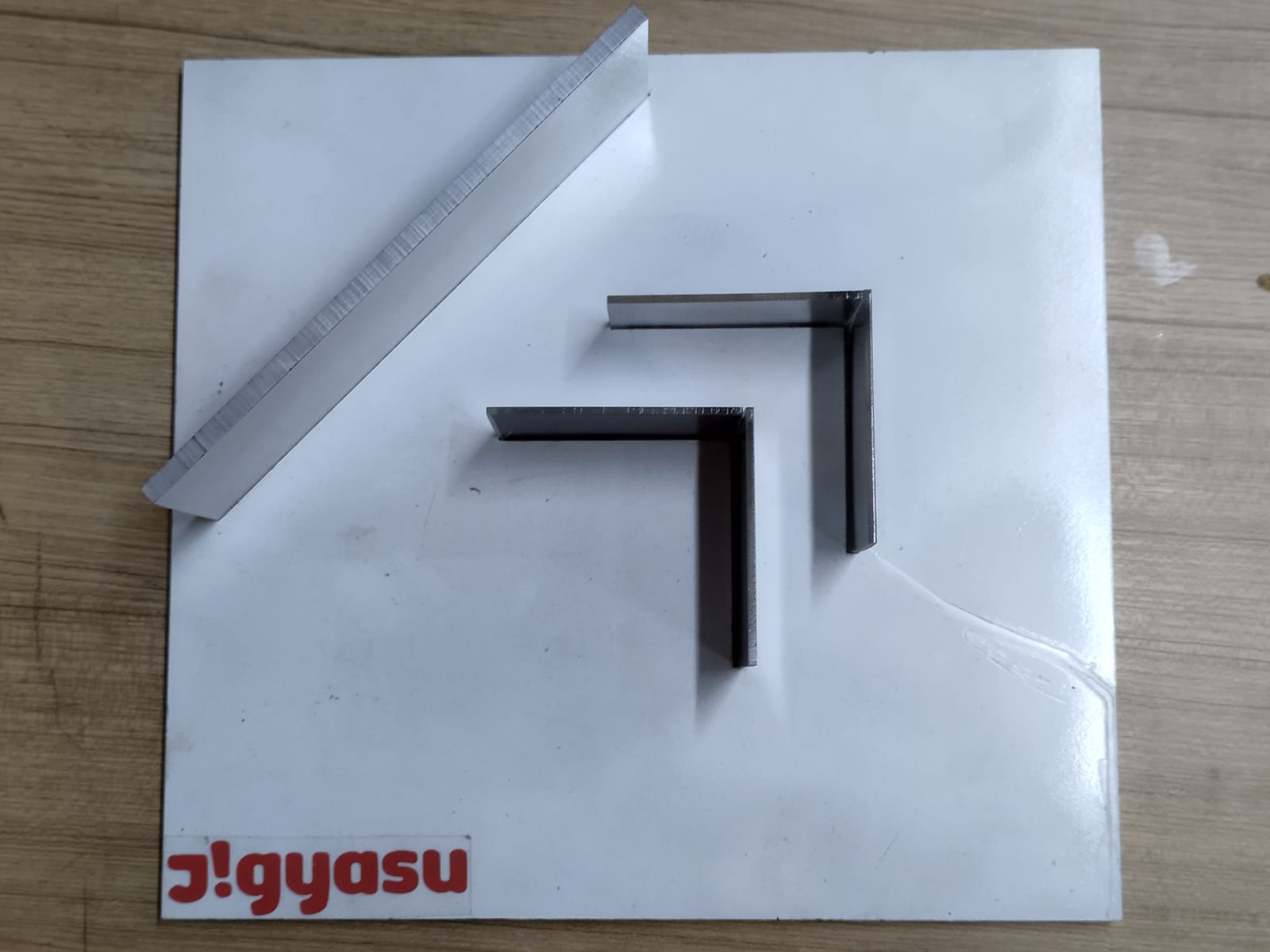
Plane Mirror Optical illusion
Concept: Two large L shaped mirrors arranged parallelly to cloak the space in between them, illustrating an optical, unidirectional cloaking mechanism for objects.
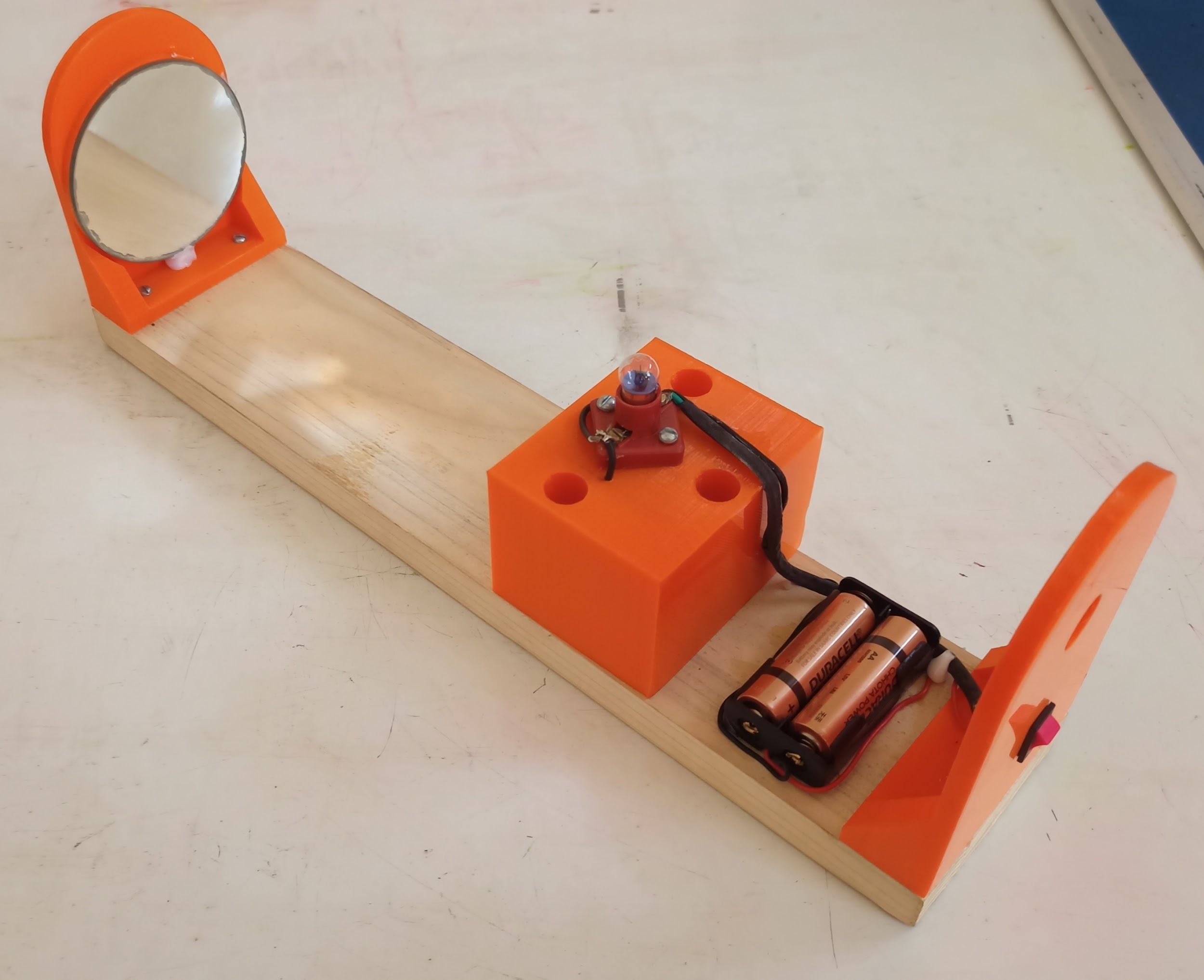
Concave Mirror: Image formation
Concept: This demonstration features a device that uses a concave mirror to project the image of a small light bulb into an empty light socket. While it is possible to hide the source of the projected light from the viewers, we have found it better to allow students to easily see the source of the hidden light for a better understanding of the behavior of light rays reflected by a concave mirror.
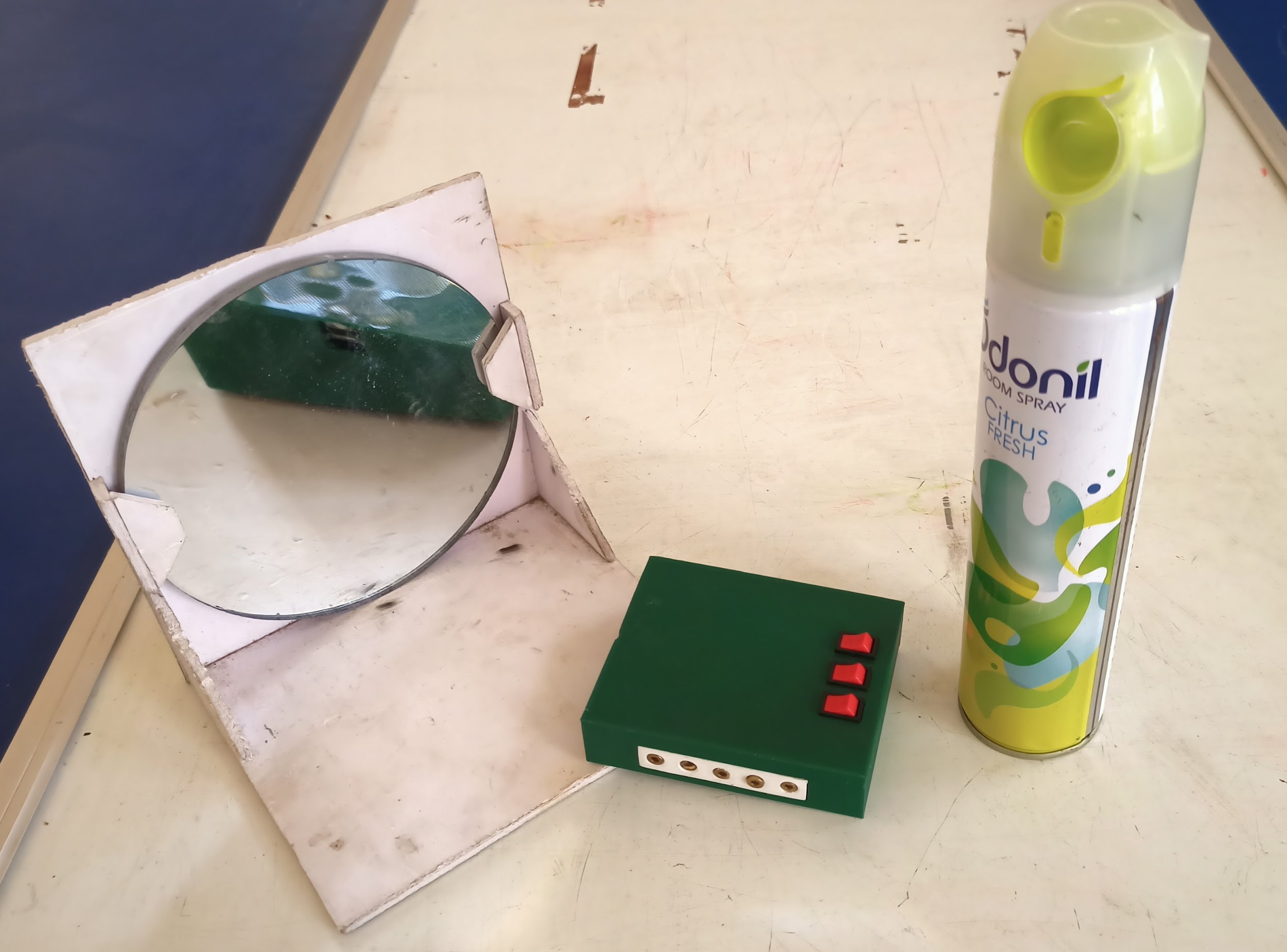
Concave Mirror: Classroom Mirror with laser
Concept: Visualization of focal point of large mirrors using parallel source of light(laser beam) and spray.
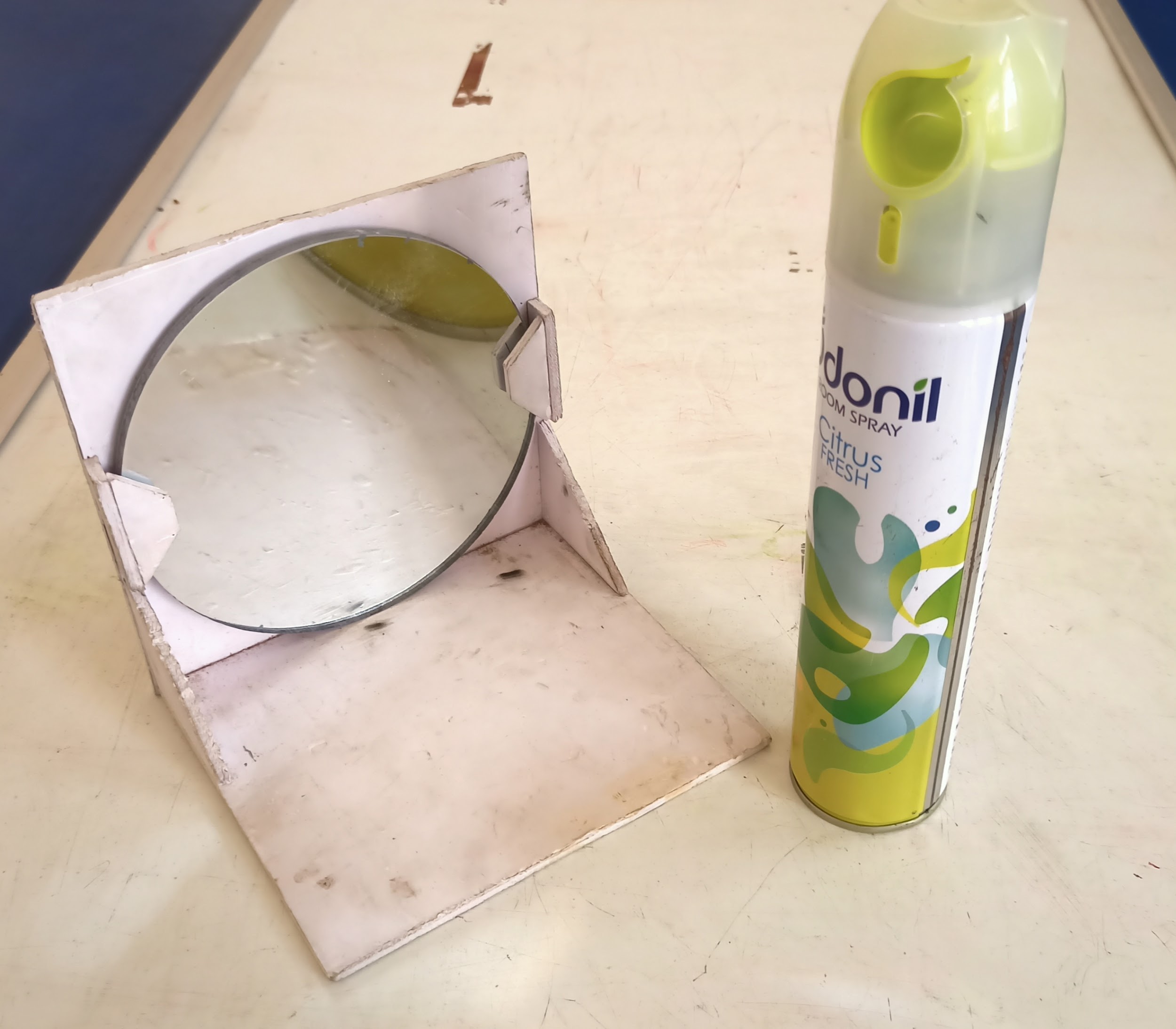
Concave Mirror: Classroom Mirror with sun rays
Concept: Visualization of focal point of large mirrors using sun rays an spray.
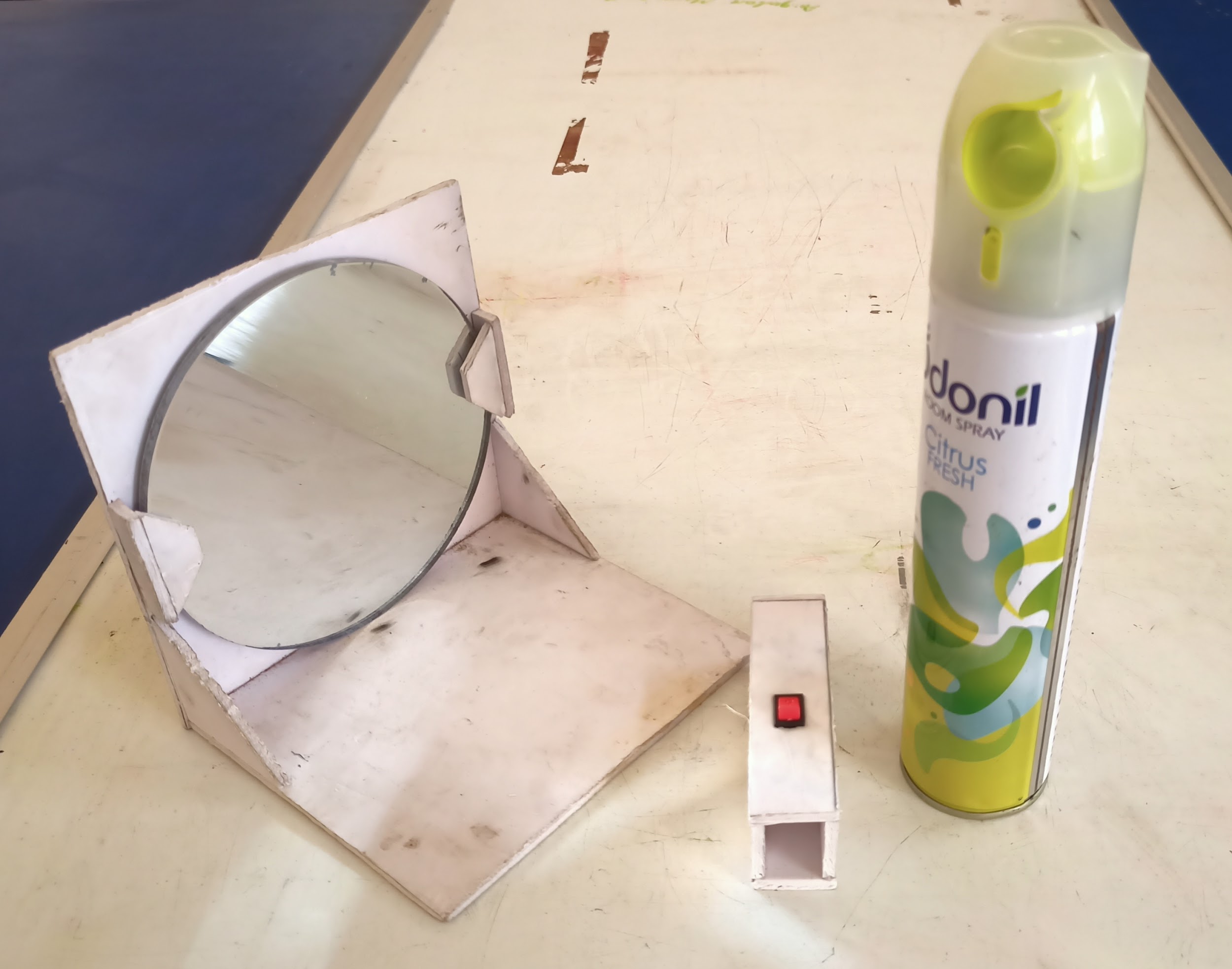
Concave Mirror: Classroom Mirror with flashlight
Concept: Visualization of focal point of large mirrors using flashlight and spray.
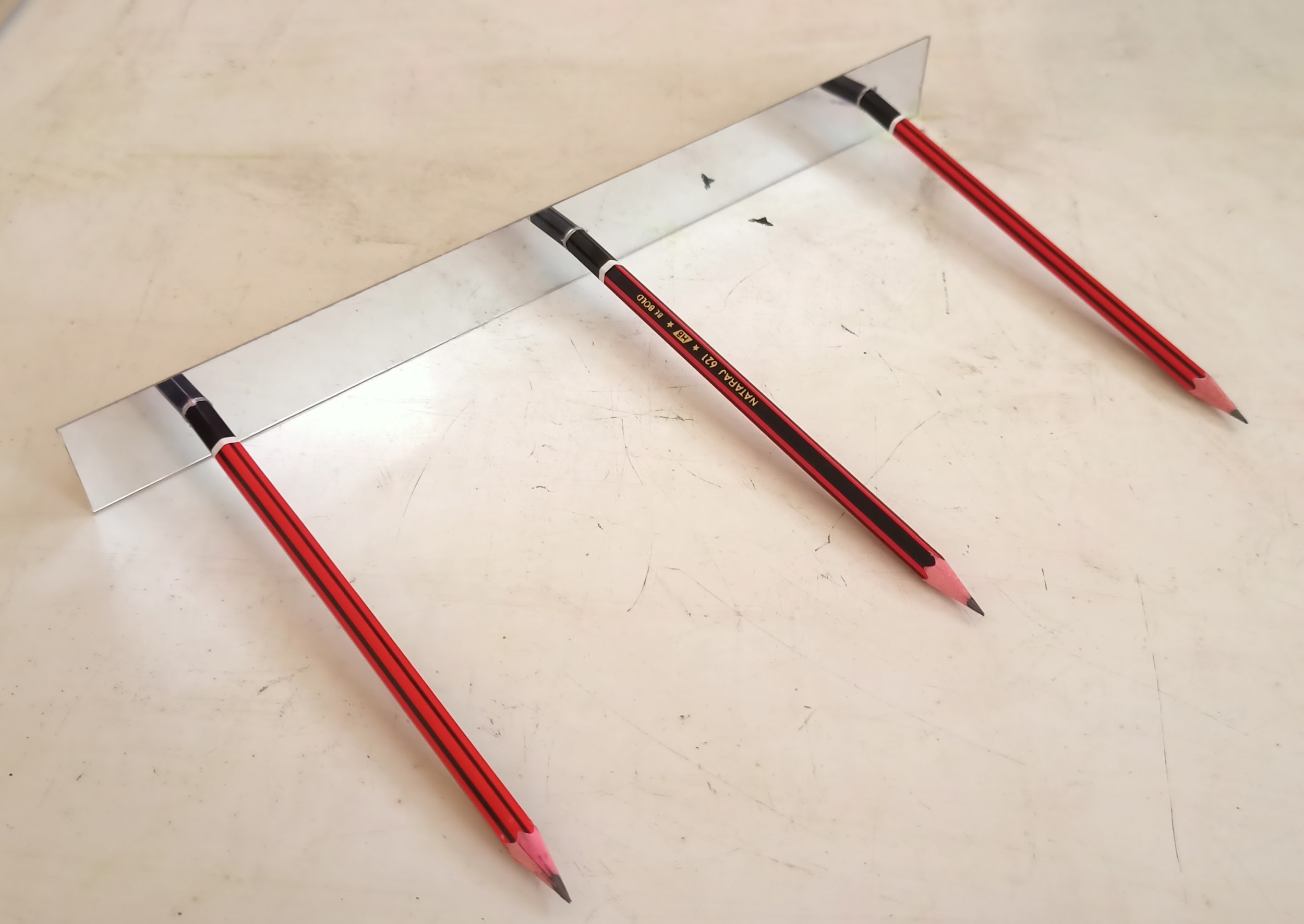
Spherical Mirrors: Analogue Model
Concept: Pencils attached to the reflective sheets will act as rays of light
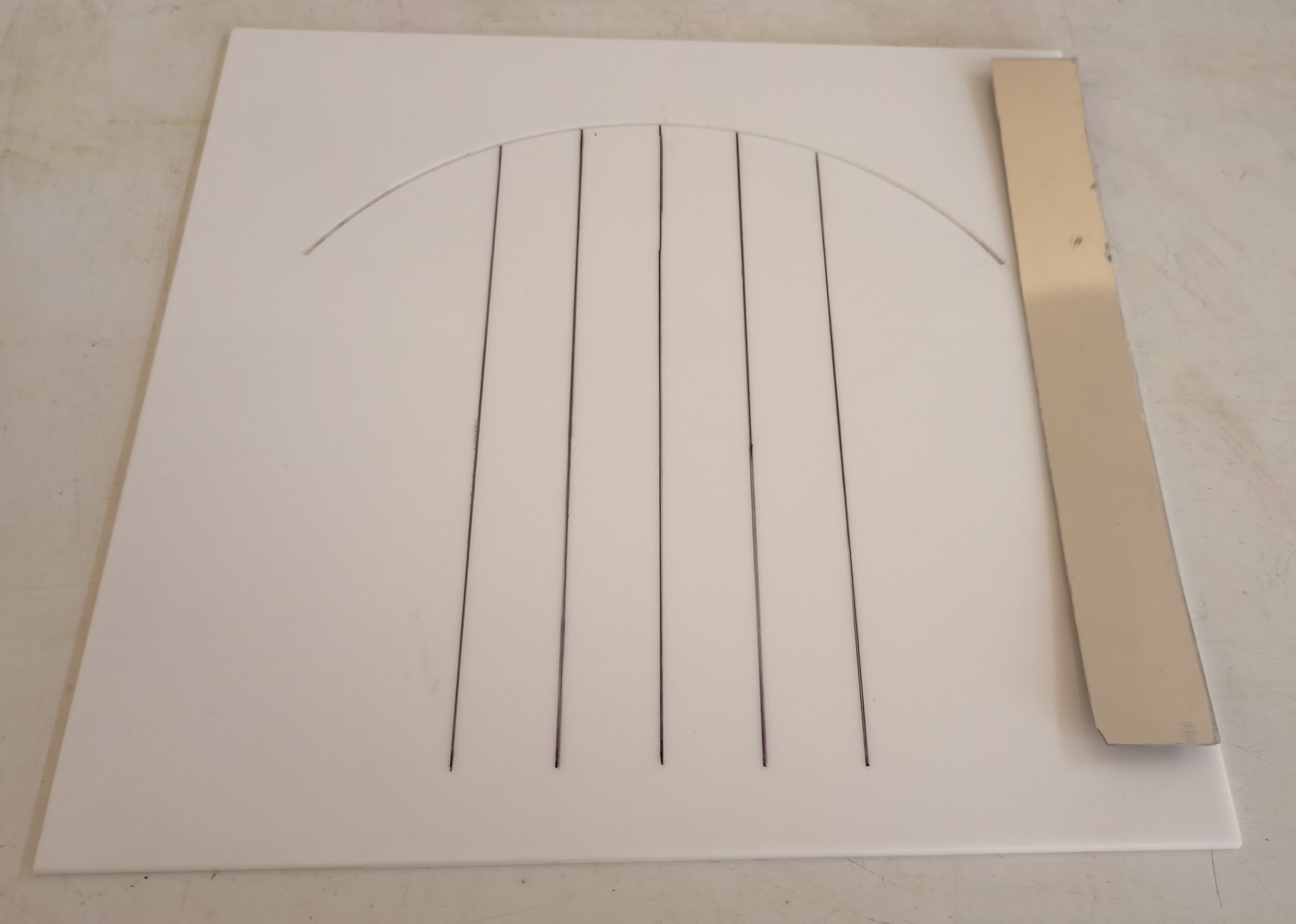
Concave Mirror from plane mirrors
Concept: Making a spherical mirror from small plane mirrors.
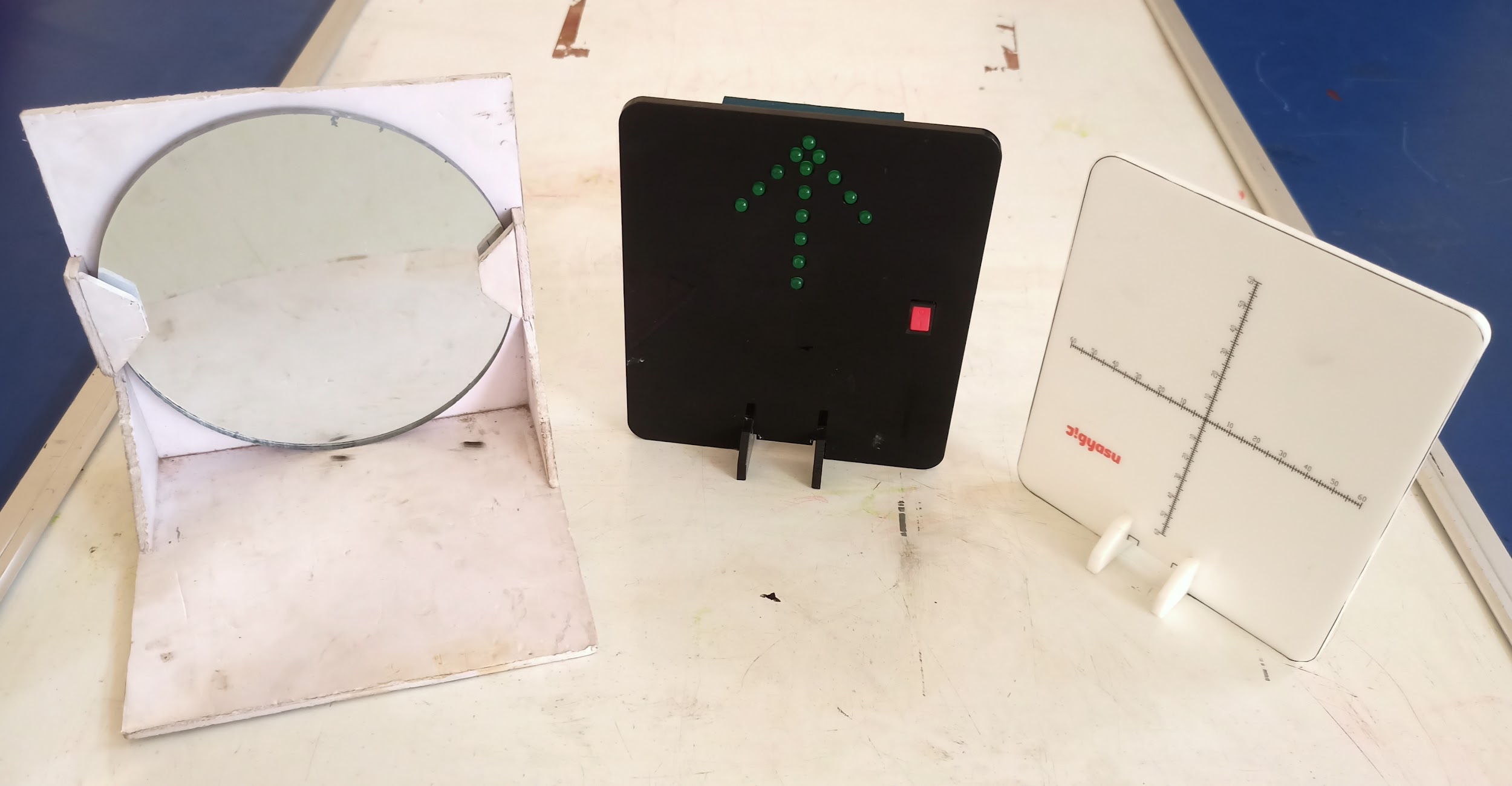
Concave Mirror: Image formation using an arrow source
Concept: Observing the phenomenon of formation of image of an LED arrow source by curved mirrors using a concave/convex mirror, arrow source and screen.
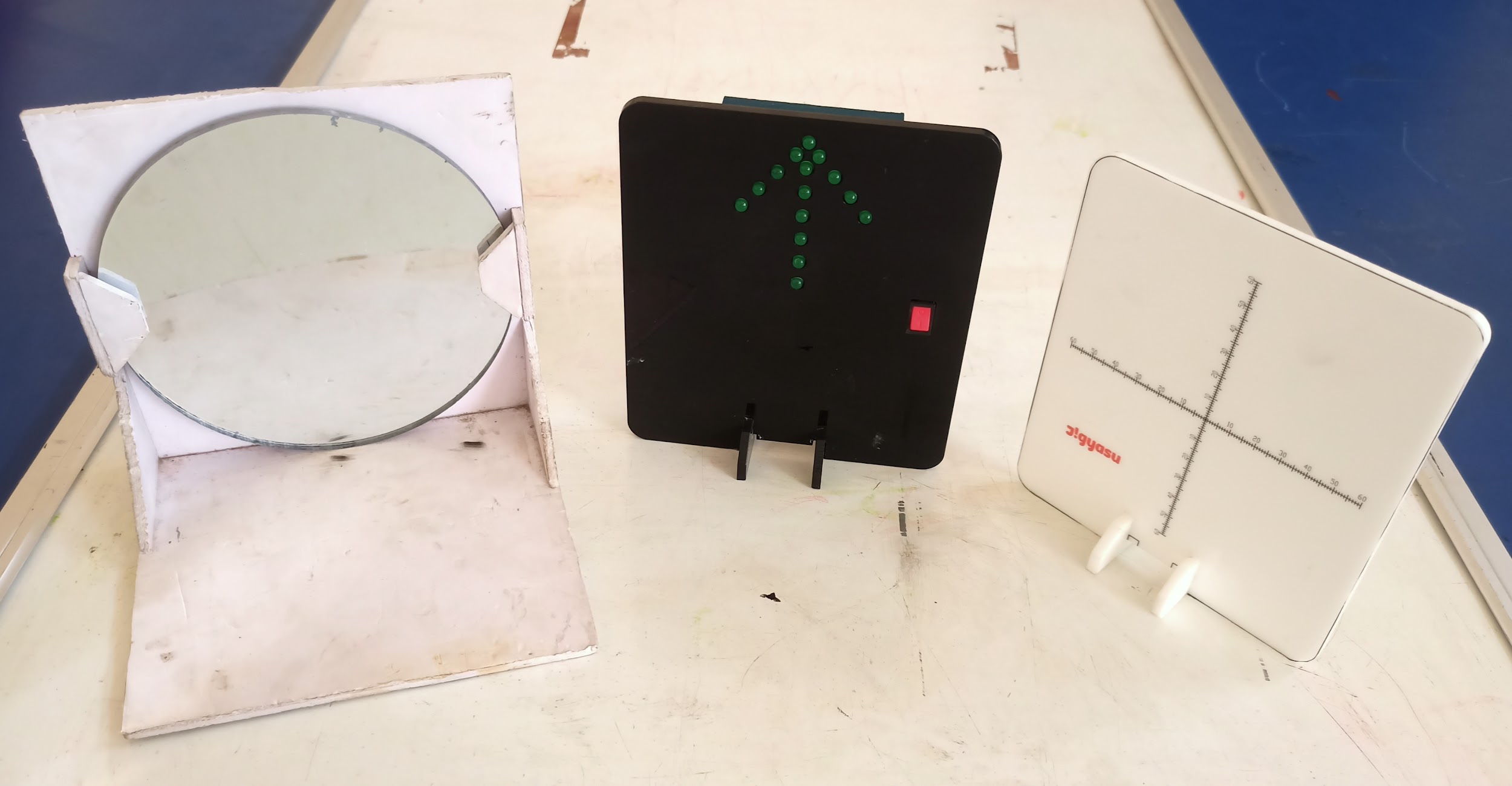
Convex Mirror: Image formation using an arrow source
Concept: Observing the phenomenon of formation of image of an LED arrow source by curved mirrors using a concave/convex mirror, arrow source and screen.
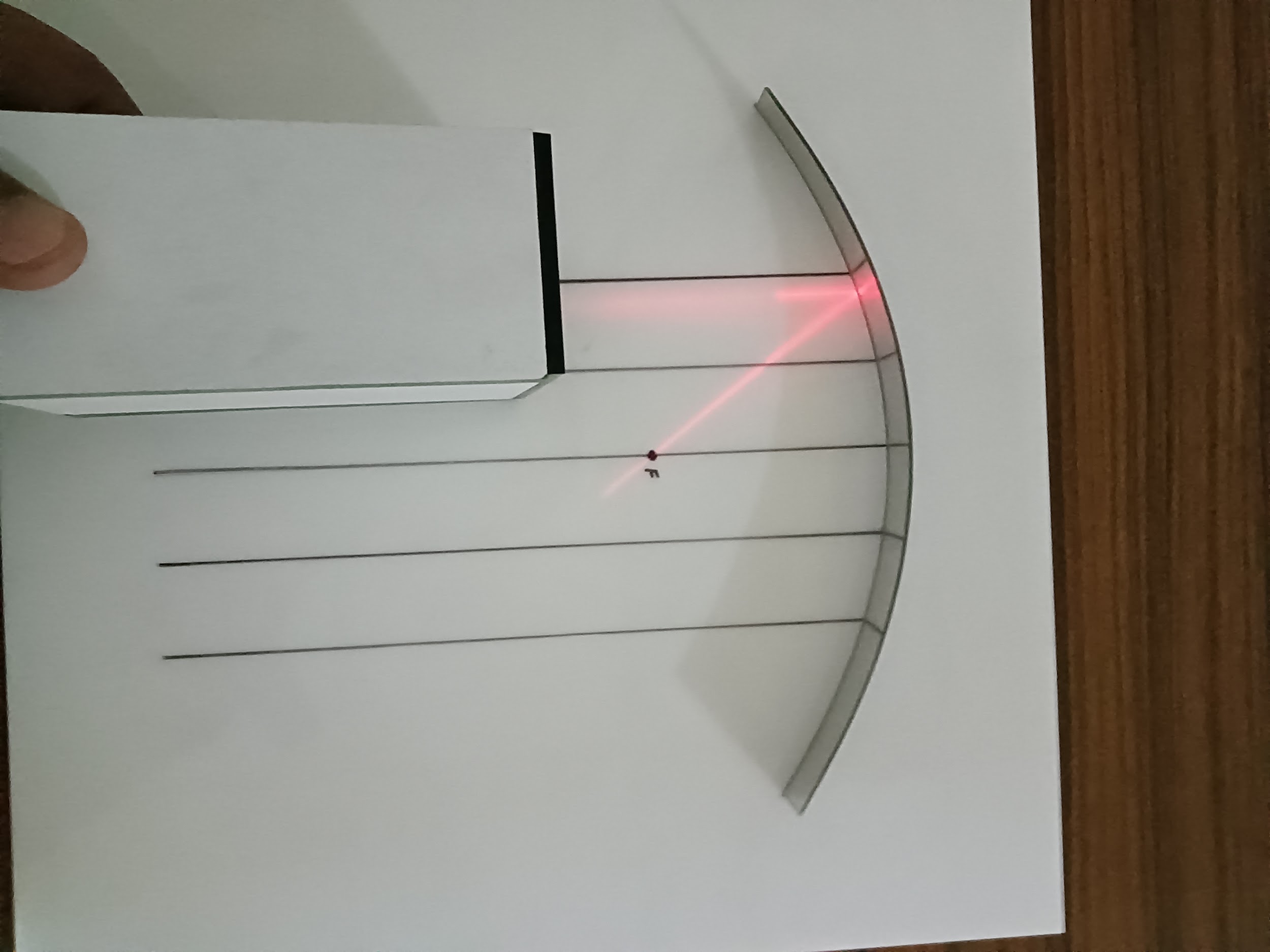
Concave mirror: Ray diagram using single ray torch
Concept: Making ray diagrams of a concave mirror for objects at different positions
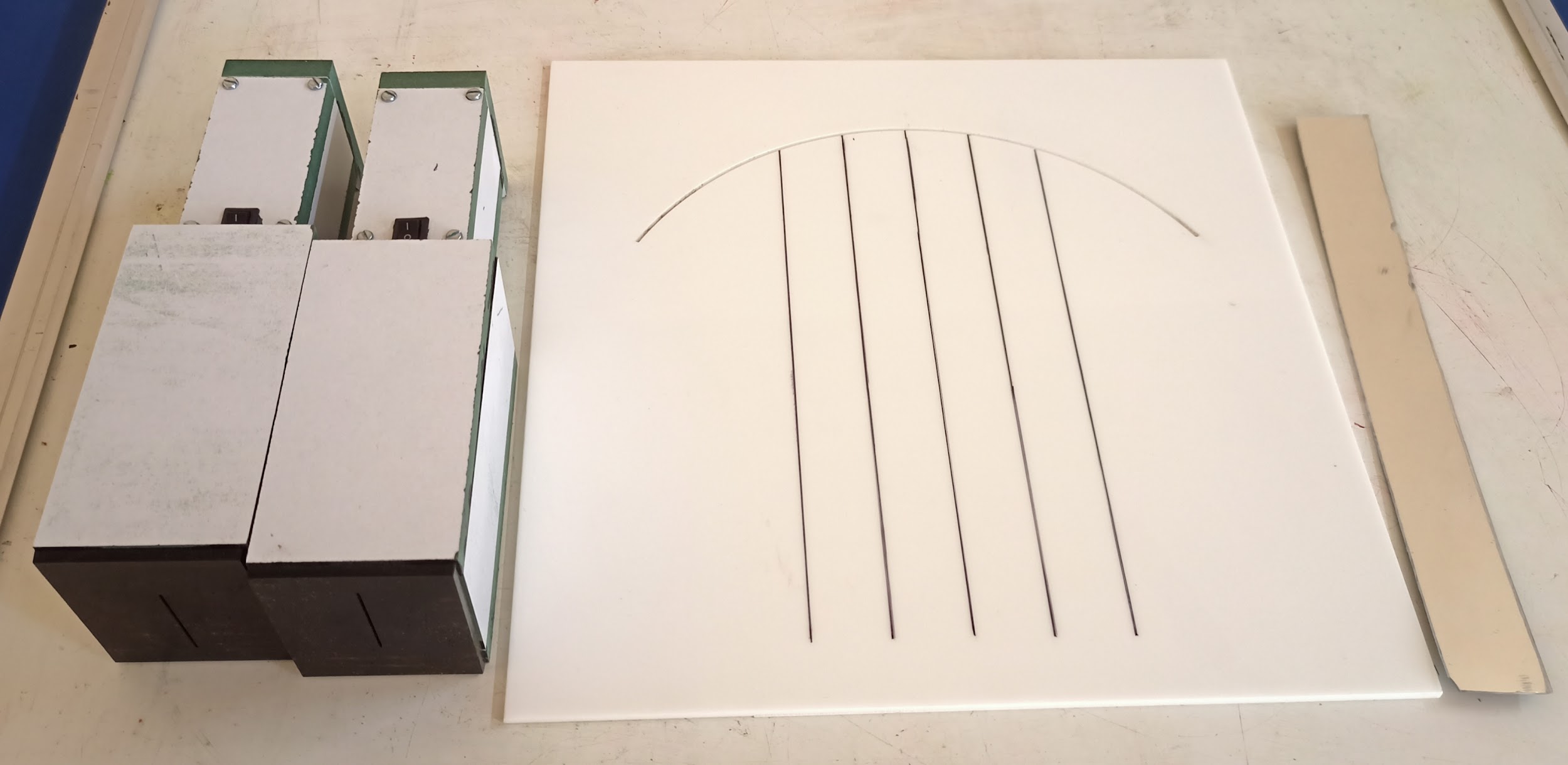
Spherical mirror: Mirror formula and magnification of spherical mirrors
Concept: Verification of mirror formula and magnification using concave and convex mirrors
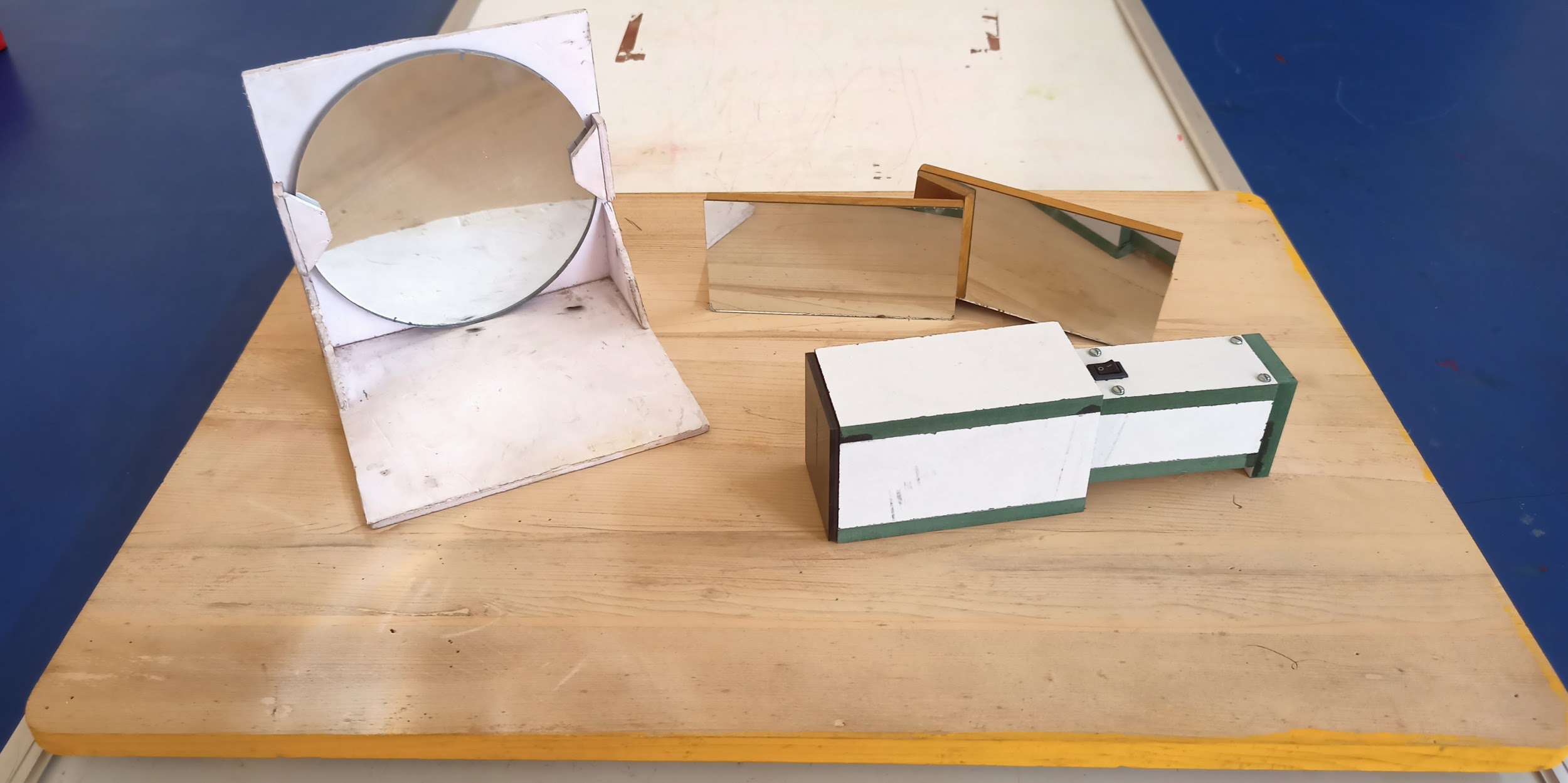
Field of View for different mirrors
Concept: Compare the field of views of different mirrors
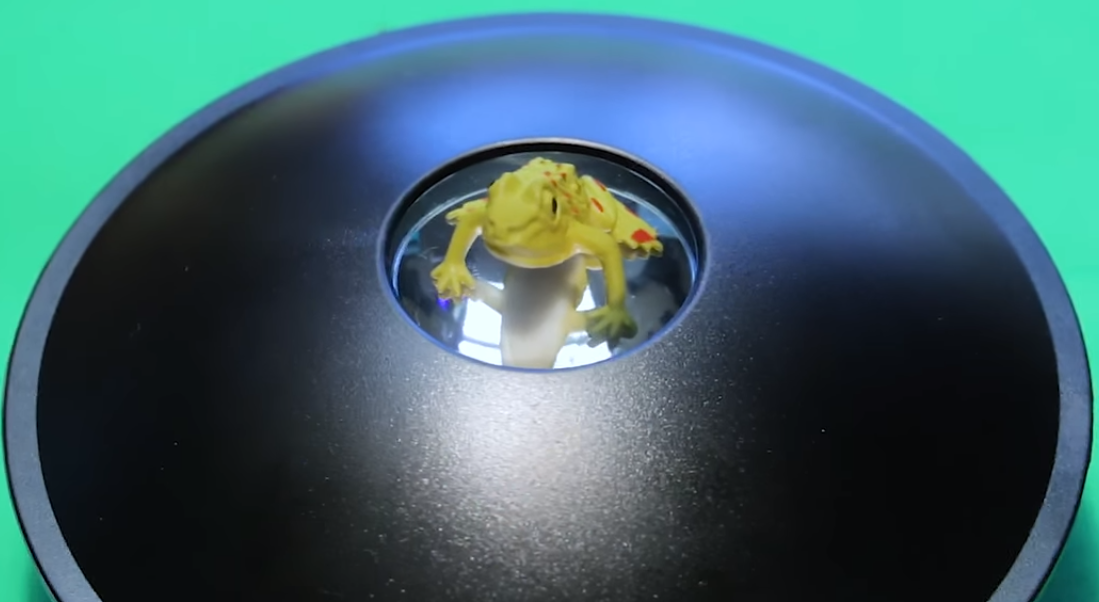
Optical illusion using parabolic mirrors
Concept: This demonstration features a device that uses two parabolic mirrors to form an image
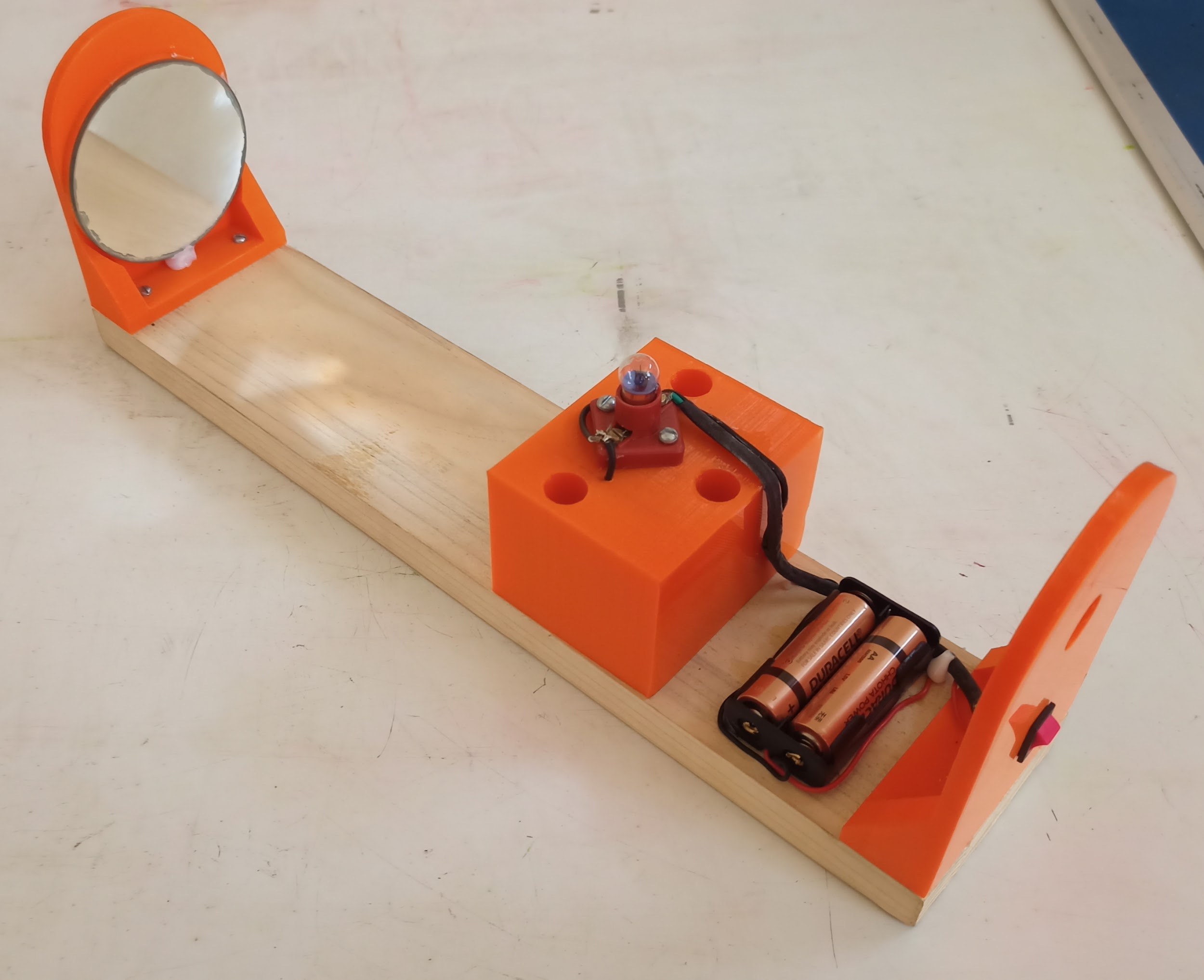
Concave Mirror Magic
Concept: This demonstration features a device that uses a concave mirror to project the image of a small light bulb into an empty light socket. While it is possible to hide the source of the projected light from the viewers, we have found it better to allow students to easily see the source of the hidden light for a better understanding of the behavior of light rays reflected by a concave mirror.
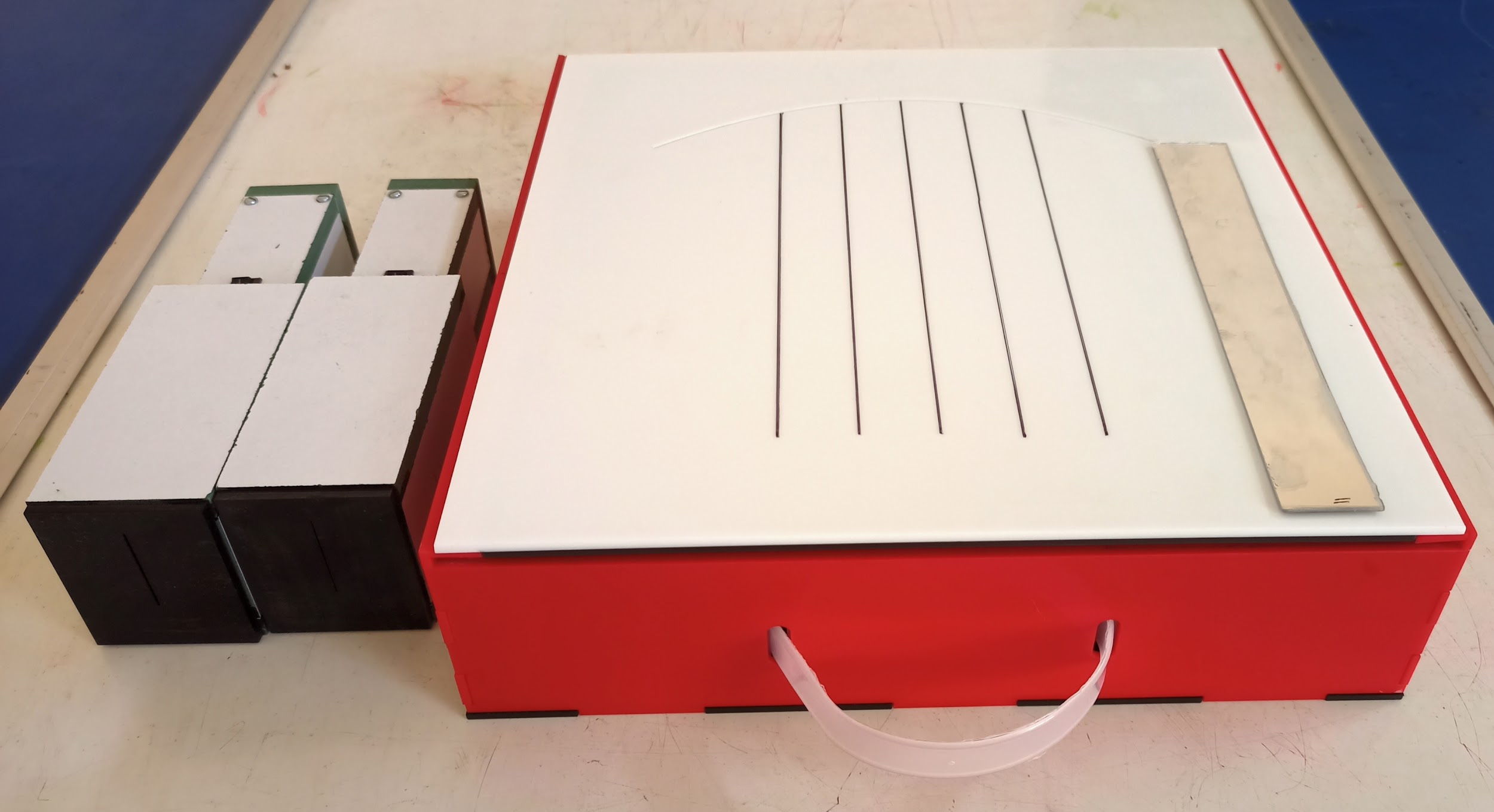
Spherical aberration & Parabolic Mirror
Concept: 1. Observe spherical aberration in concave mirror. 2. Observe the absence of spherical aberration in parabolic mirror
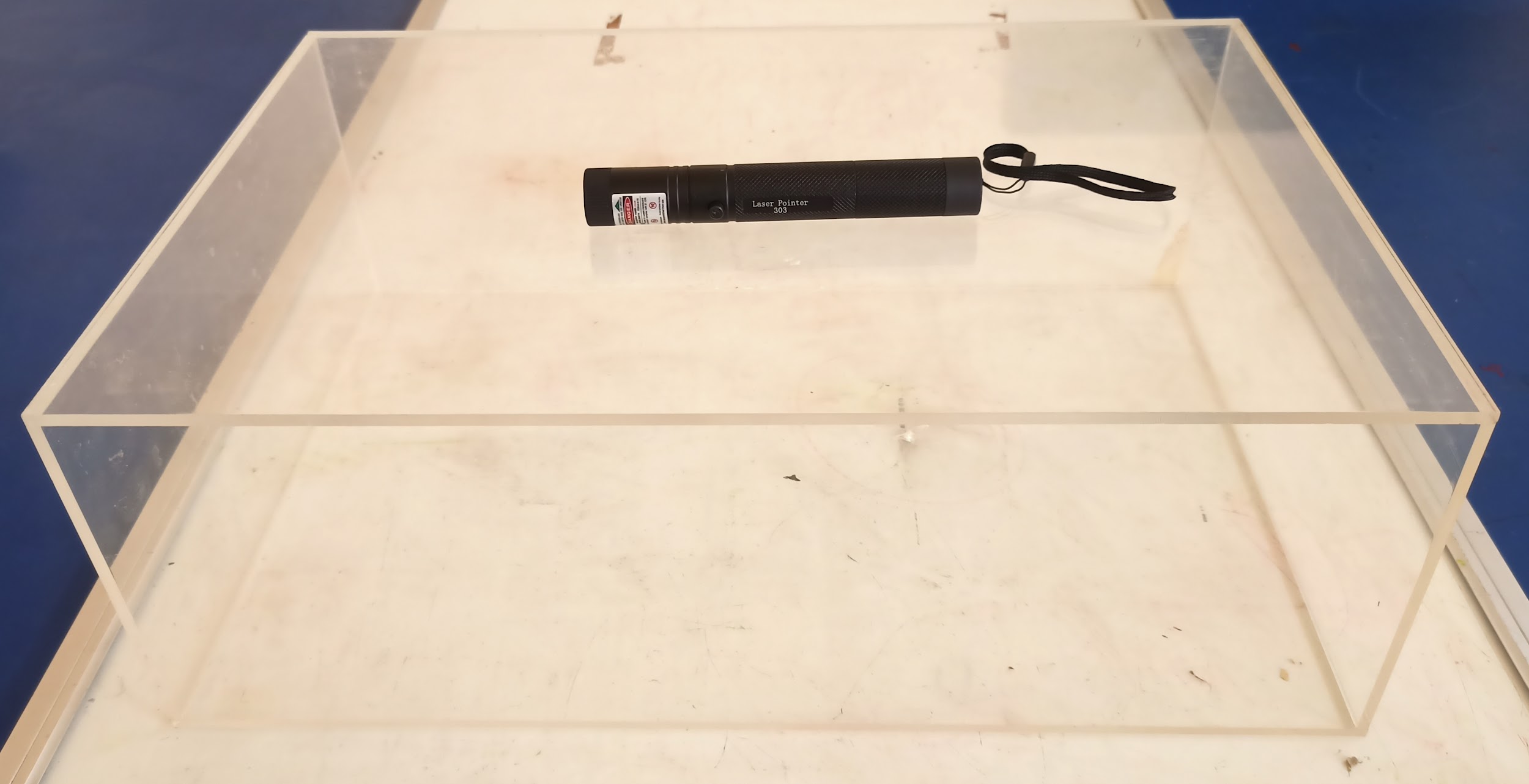
Refraction: Refraction tank with laser
Concept: Visualisation of the phenomena of refraction of a laser light going from air to water
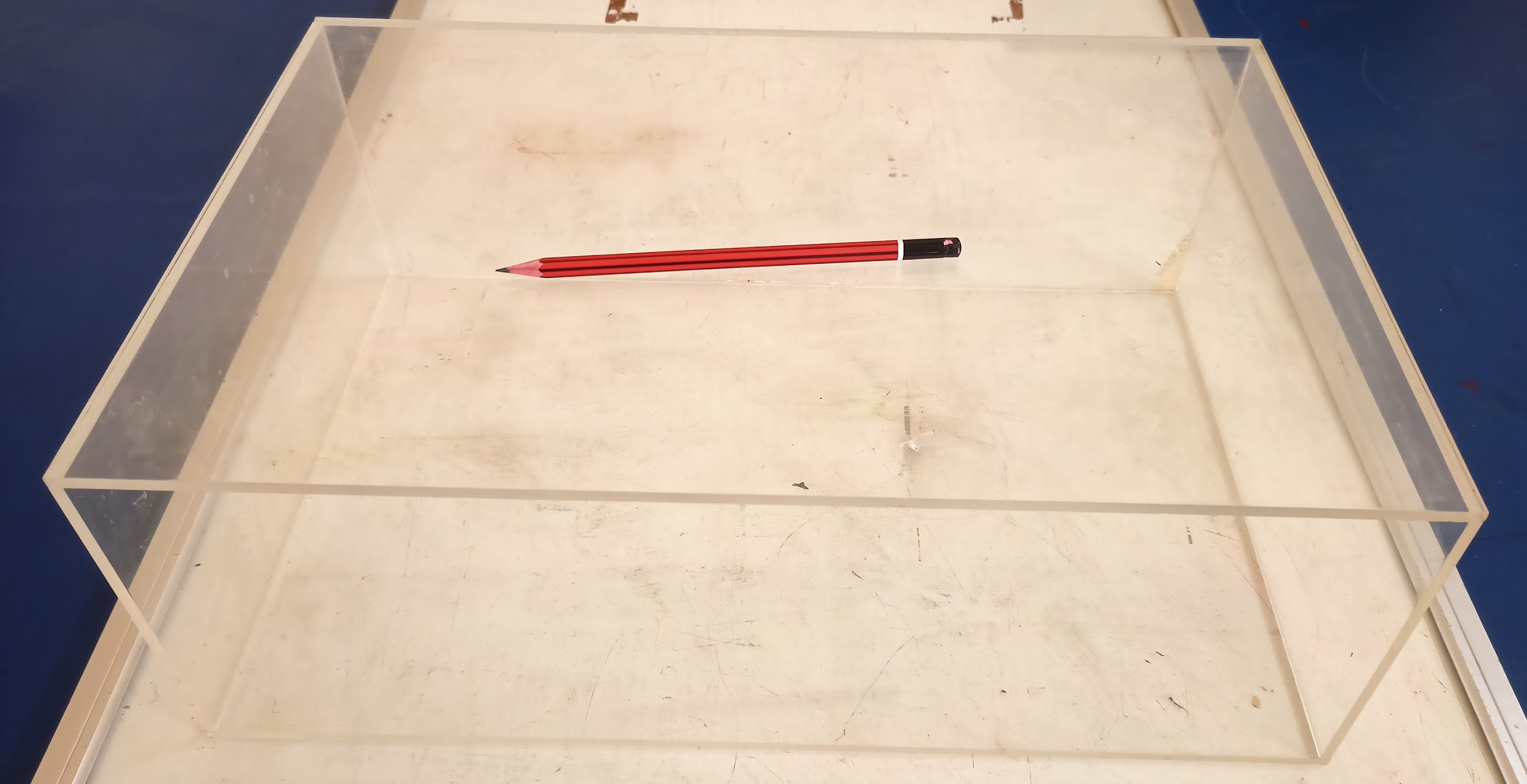
Refraction: Image of pencil in water
Concept: Visualisation of the phenomena of refraction in water using a pencil.
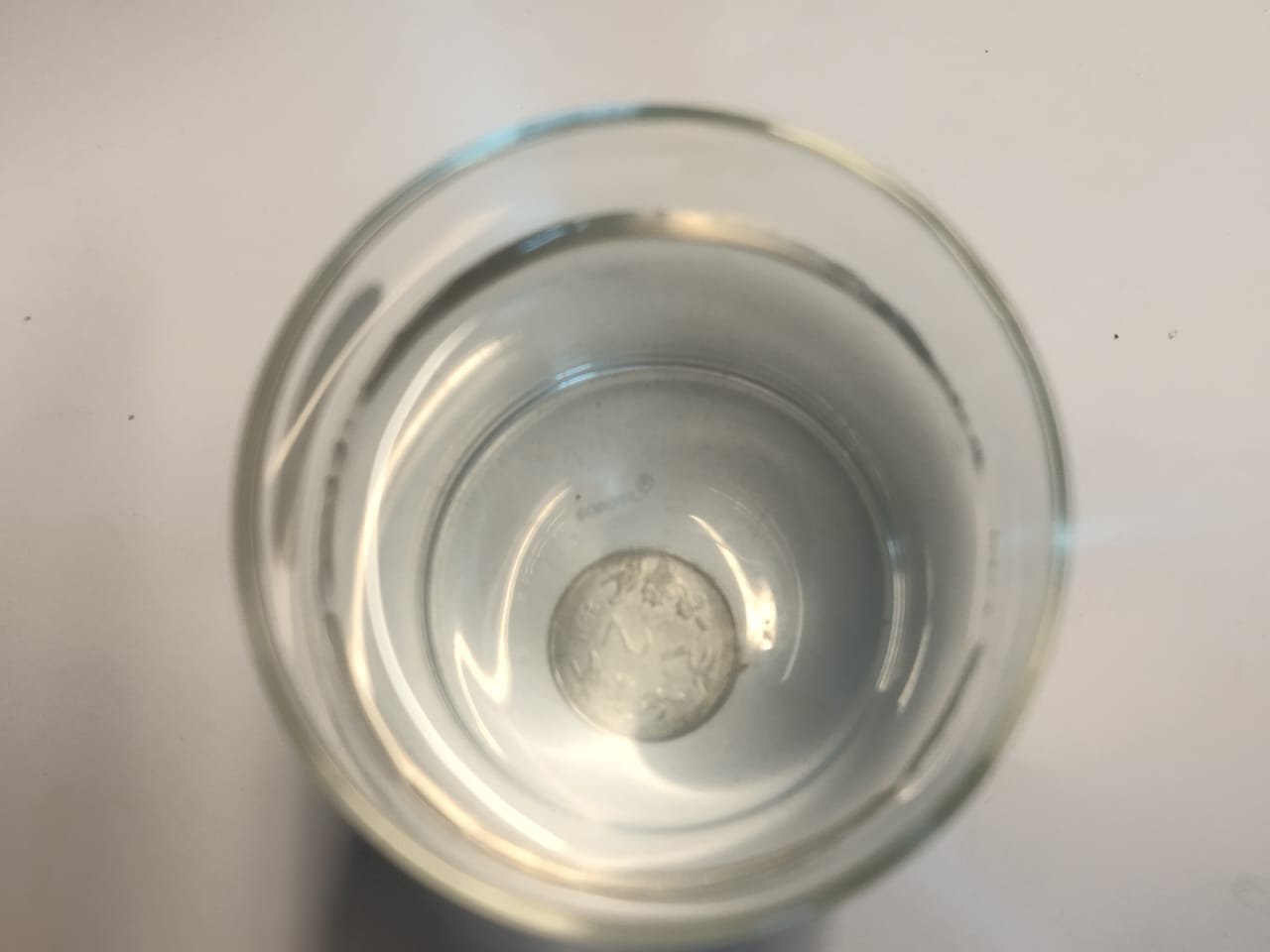
Refraction: Vanishing coin
Concept: This experiment is a type of illusion where a coin placed below the glass of water will not be visible when we pour water in it
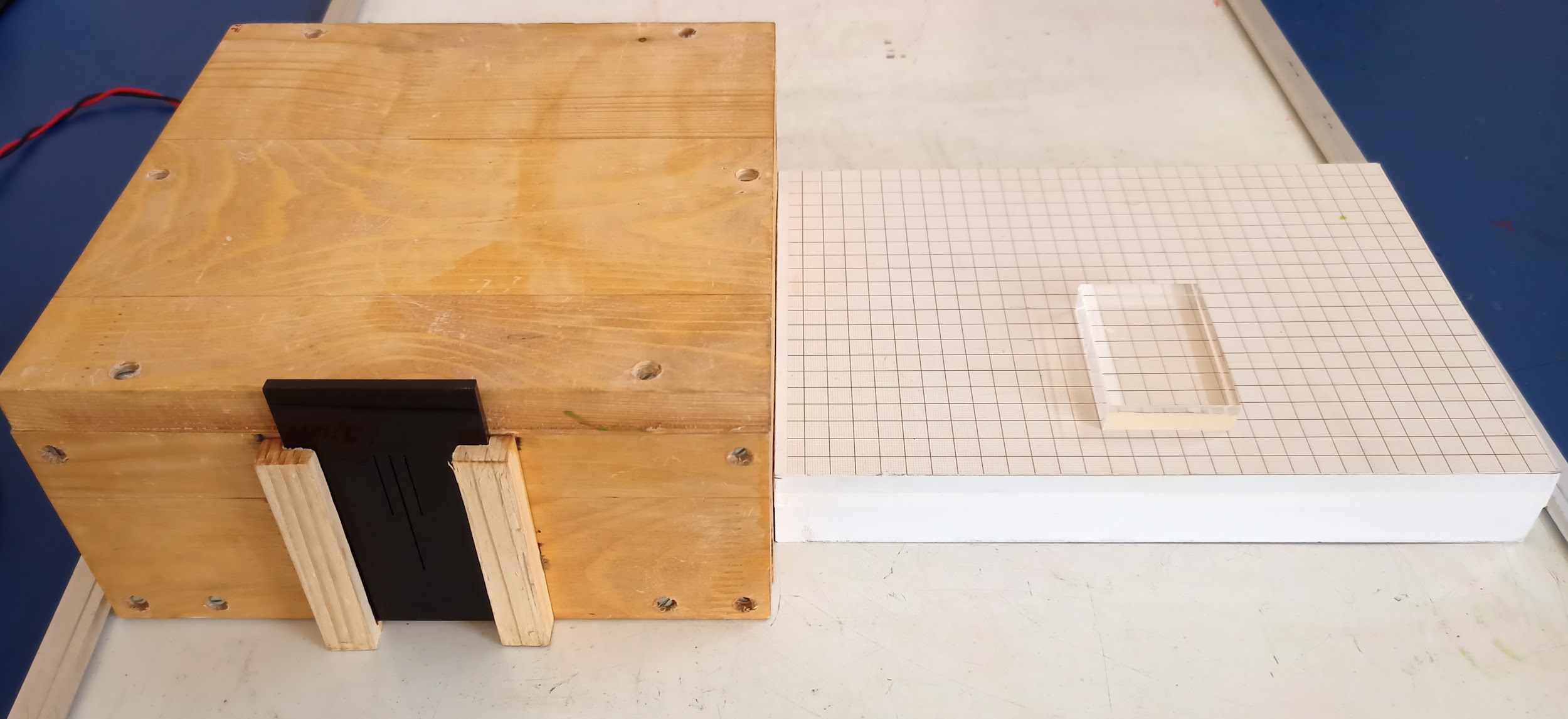
Deviation and Dispersion in glass slab
Concept: Visualisation of phenomena of deviation and dispersion of light when passing through a glass slab
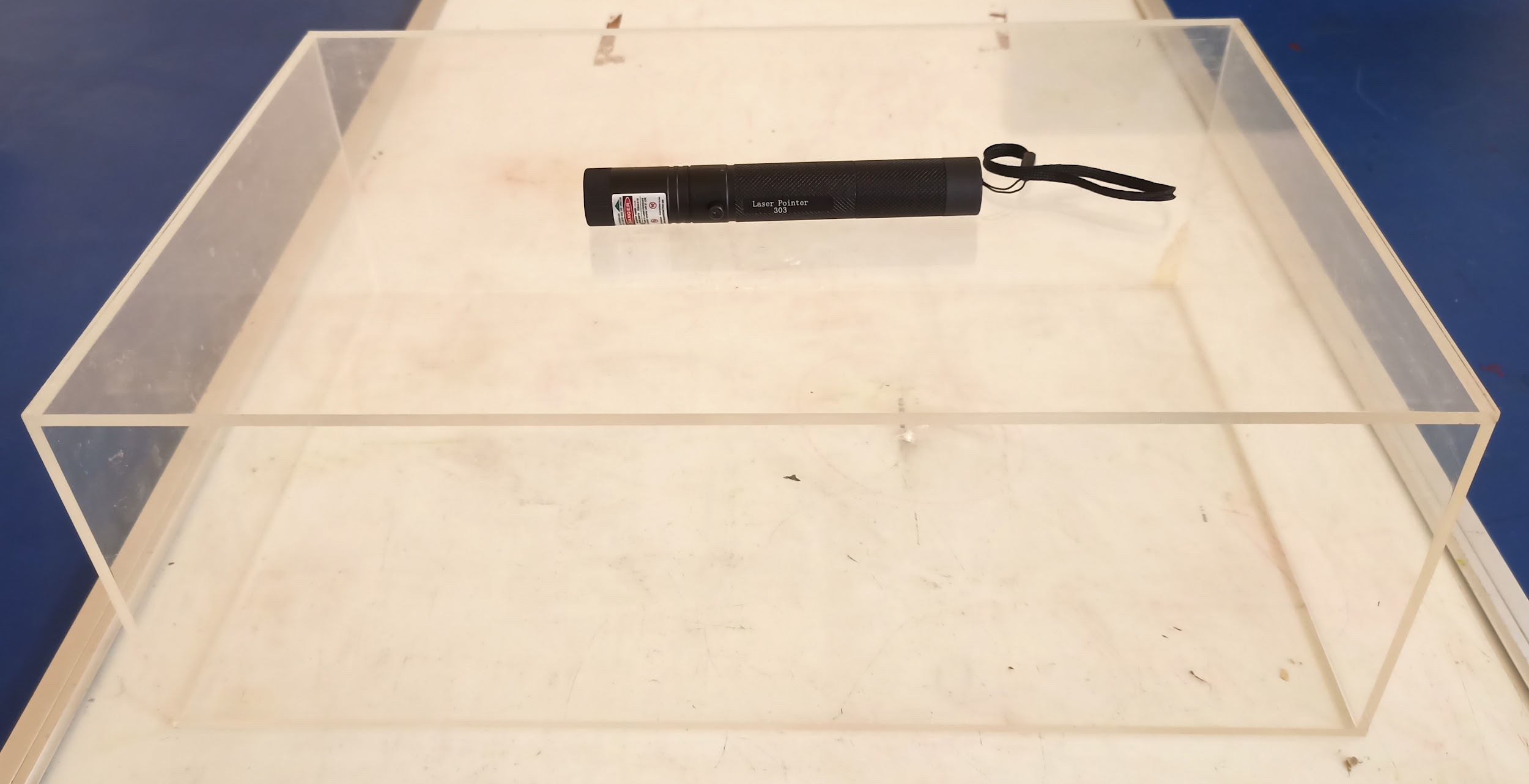
Snell's law: Total Internal Reflection in Refraction tank
Concept: A device to demonstrate Snell's law and critical angle. Also, explore refraction and total internal reflection in a water tank with the help of scattering agent and laser rays.
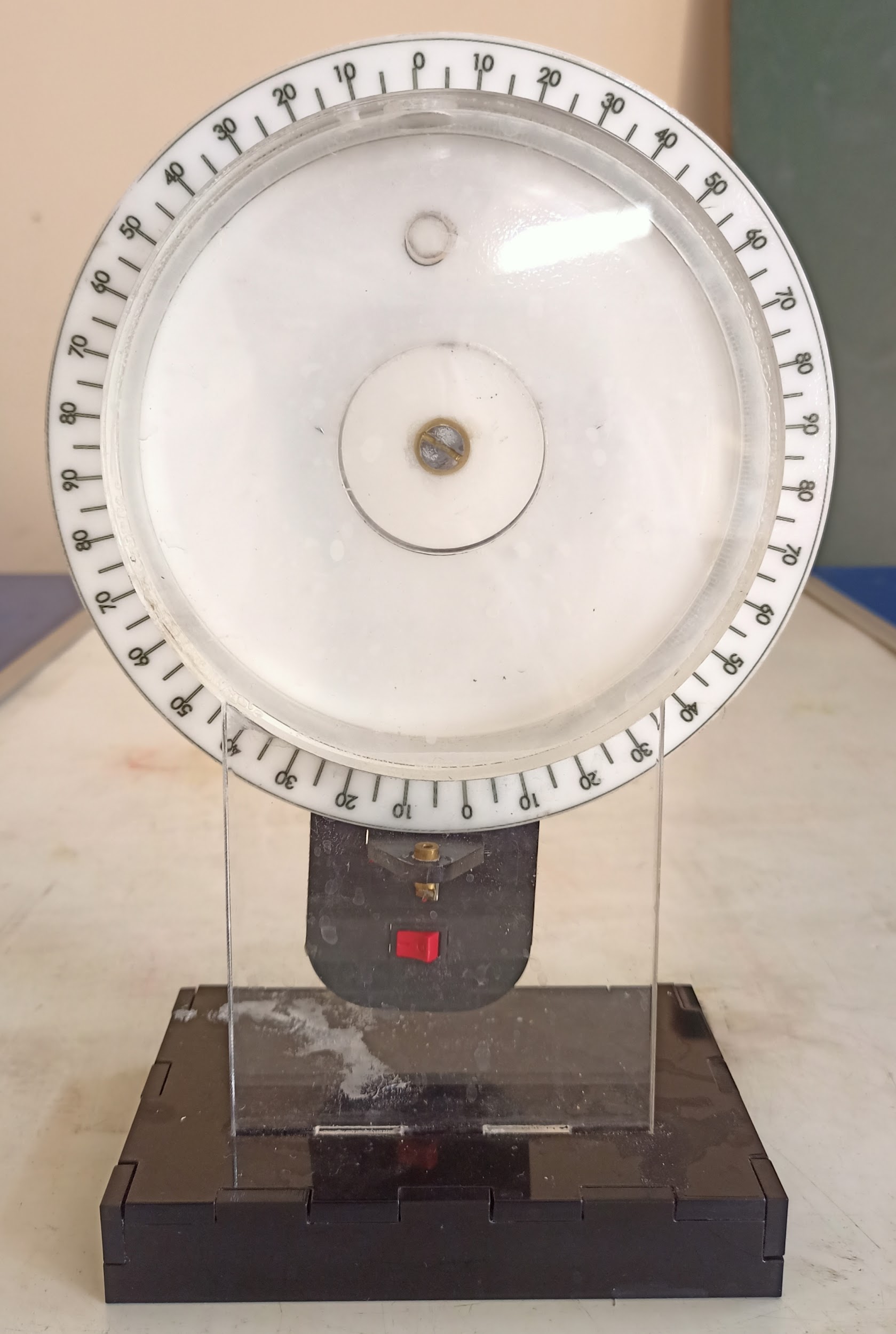
Snell's law: Total Internal Reflection in Snell's law apparatus
Concept: A device to demonstrate Snell's law and critical angle. Also, explore refraction and total internal reflection in a water tank with the help of scattering agent and laser rays.
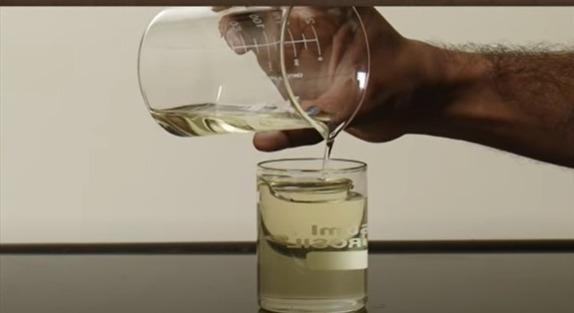
Vanishing glassware
Concept: Application of refraction through water
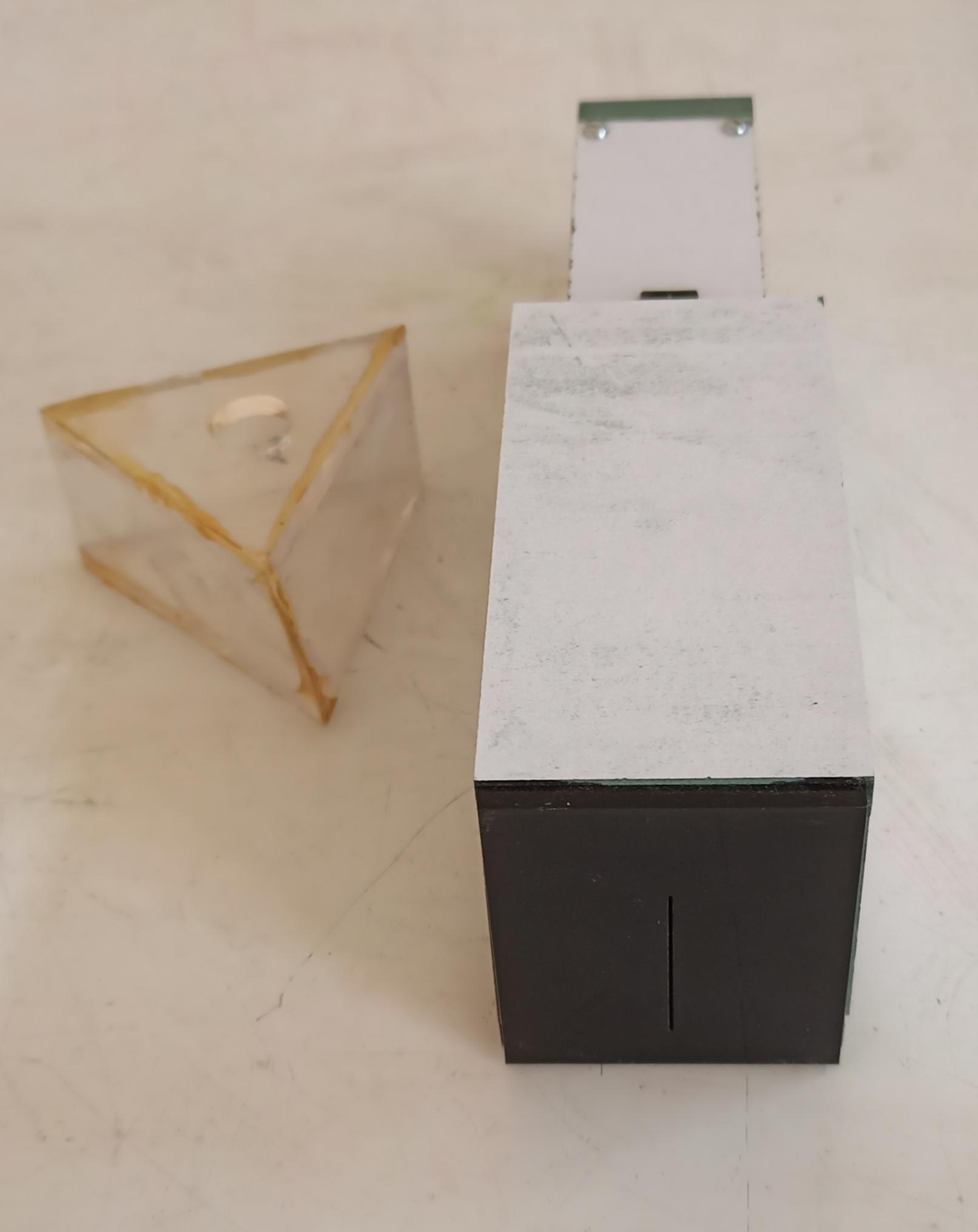
Homemade prism
Concept: Refraction through different liquid medium
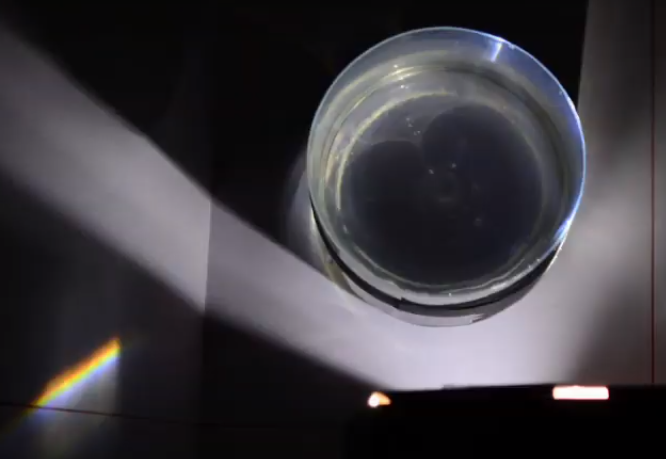
Rainbow formation
Concept: Study of Dispersion in prism
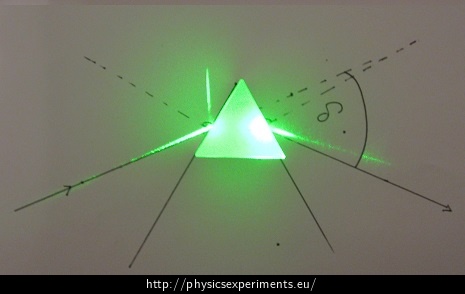
Angle of deviation measurement
Concept: Measuring angle of Deviation in prism
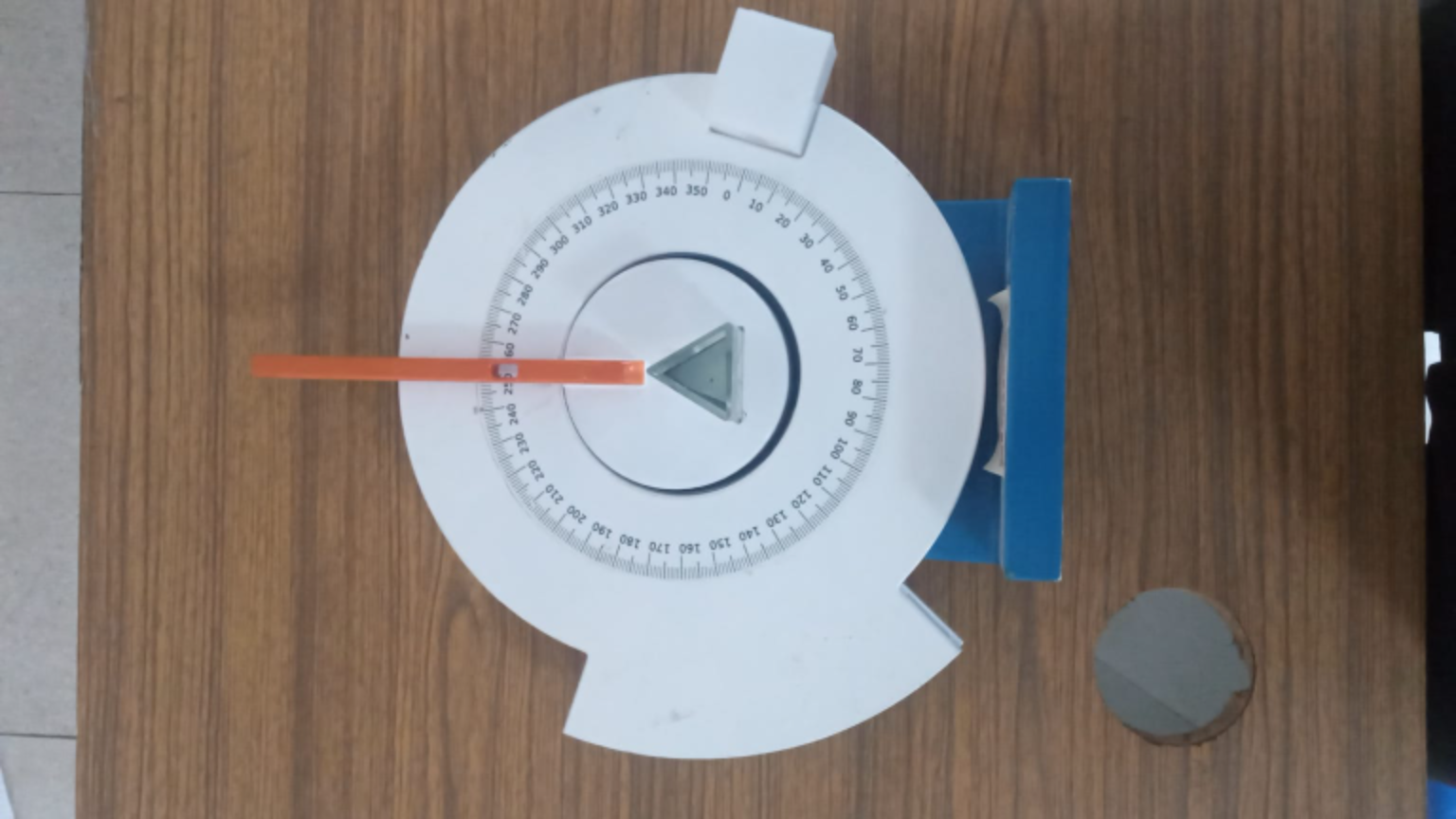
Deviation and Dispersion measurement in Protractor based Prism
Concept: Measuring angle of Deviation in prism
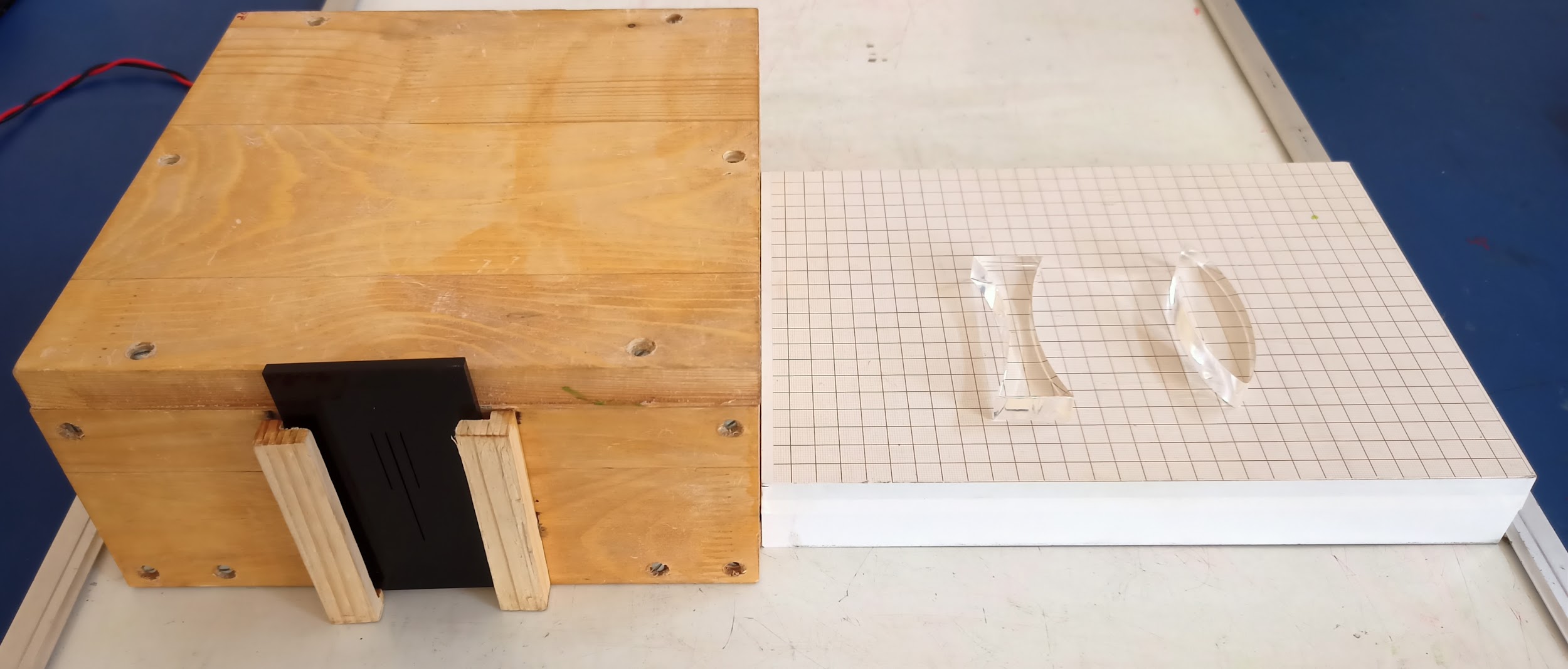
Lens: Refraction by lens
Concept: Refraction through a Lens
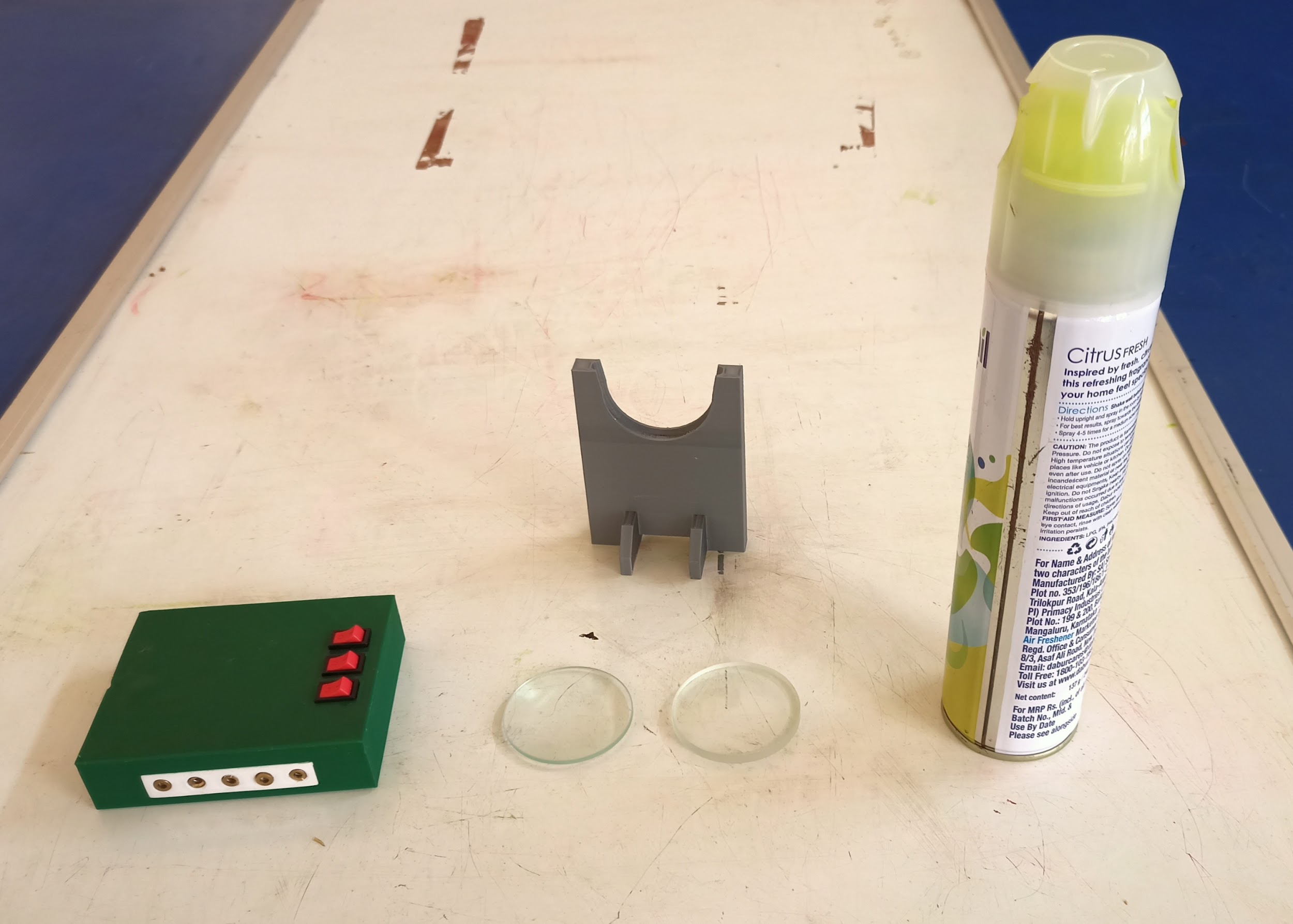
Lens: focal point observation
Concept: Observing focal point of a Lens
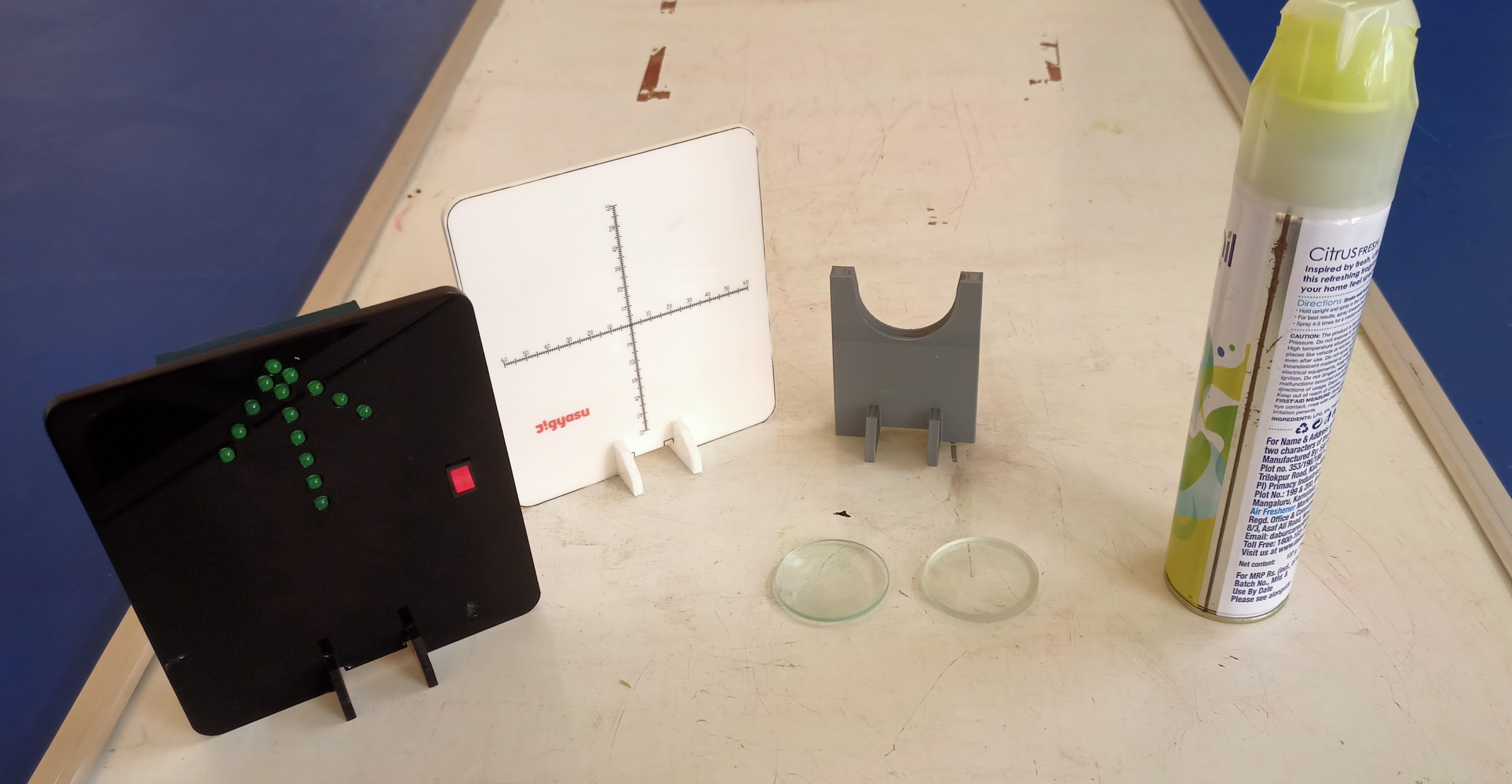
Lens: Image formation using Arrow source
Concept: Studying the properties of an image formed by a lens and relationship between object distance and image distance
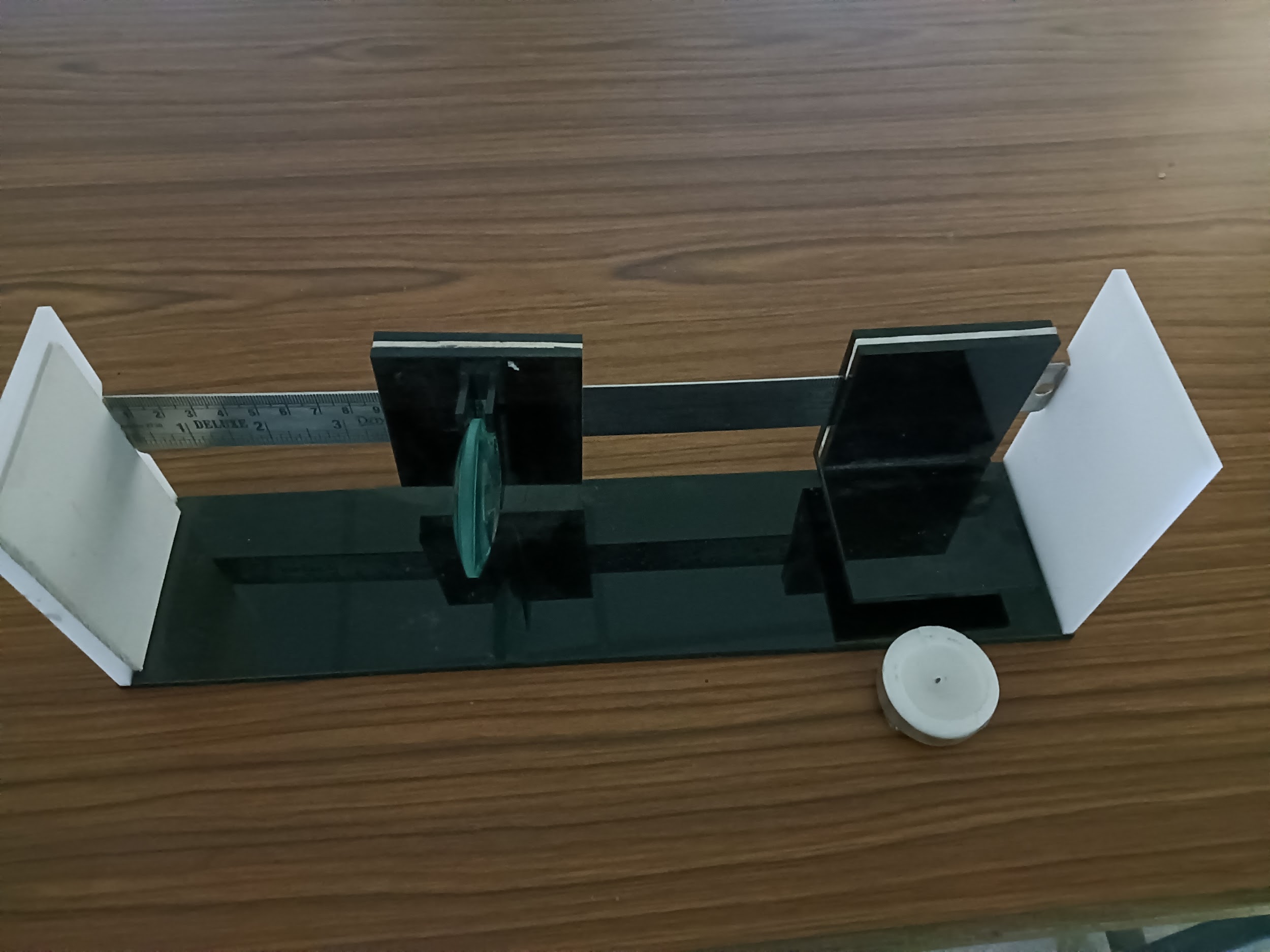
Lens: Optical bench
Concept: Studying the properties of an image formed by a lens and relationship between object distance and image distance
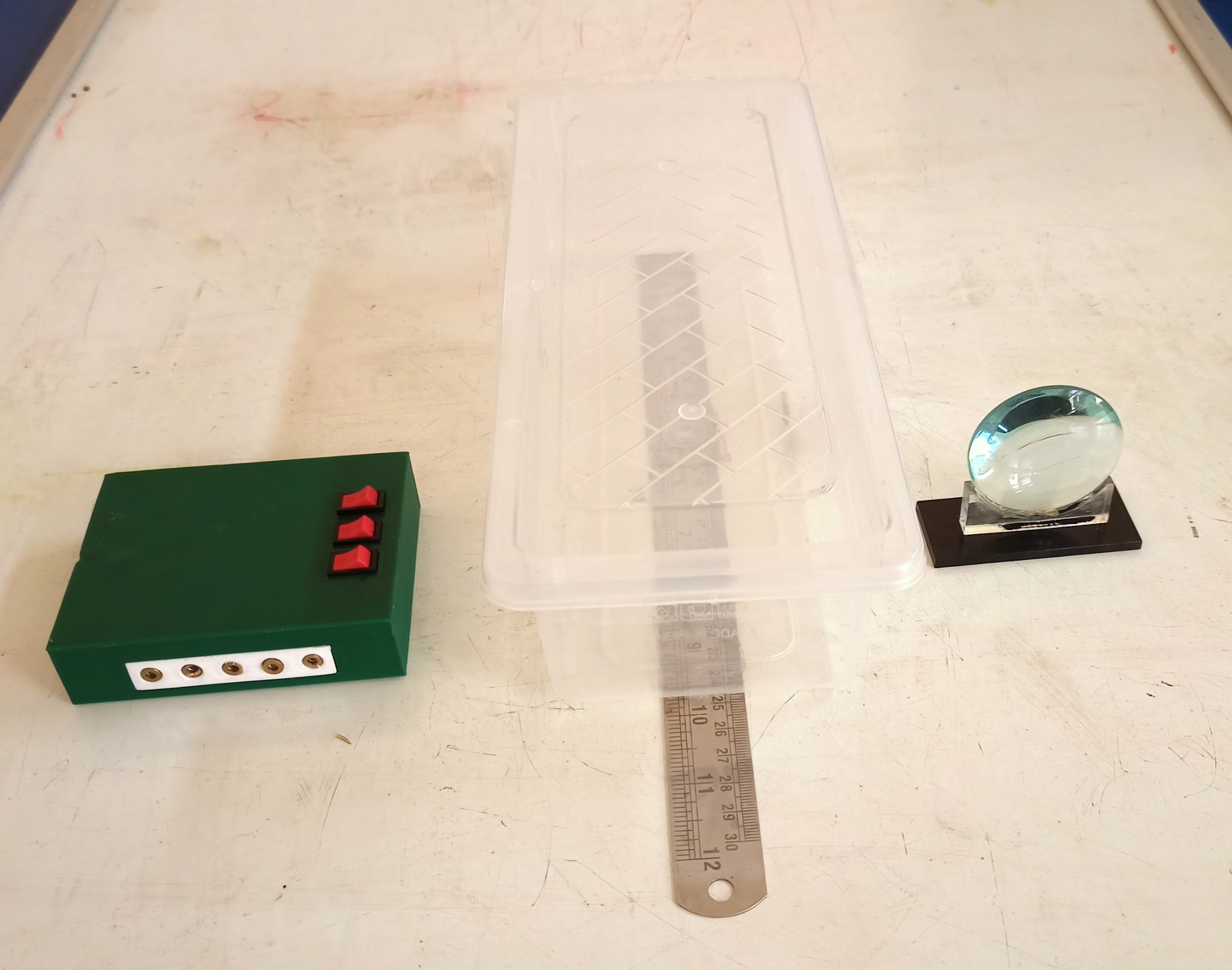
Lens: Biconvex lens focal point in different medium
Concept: Variation of focal point of a lens in different medium
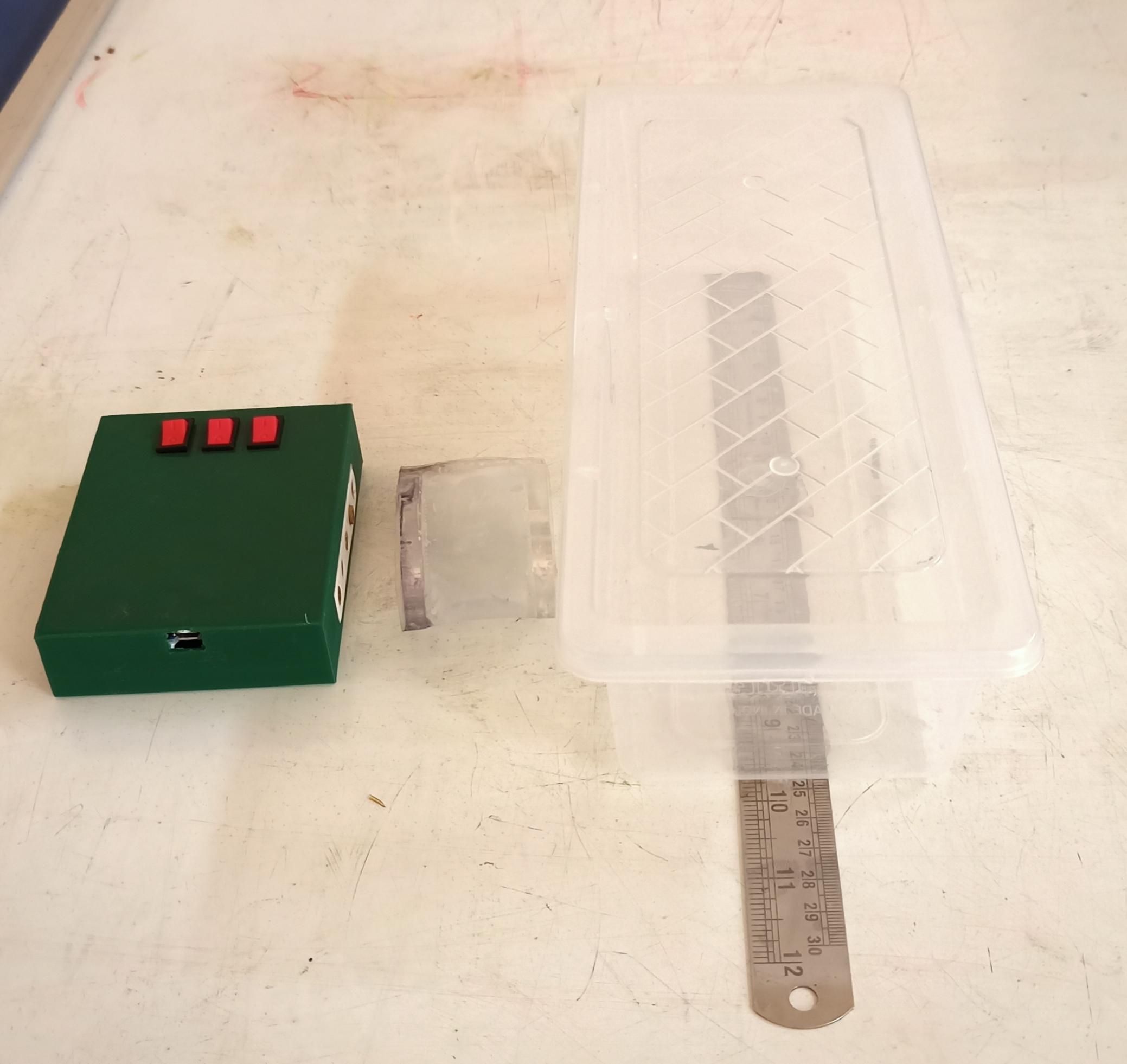
Lens: Diverging lens
Concept: Variation of focal point of a lens in different medium
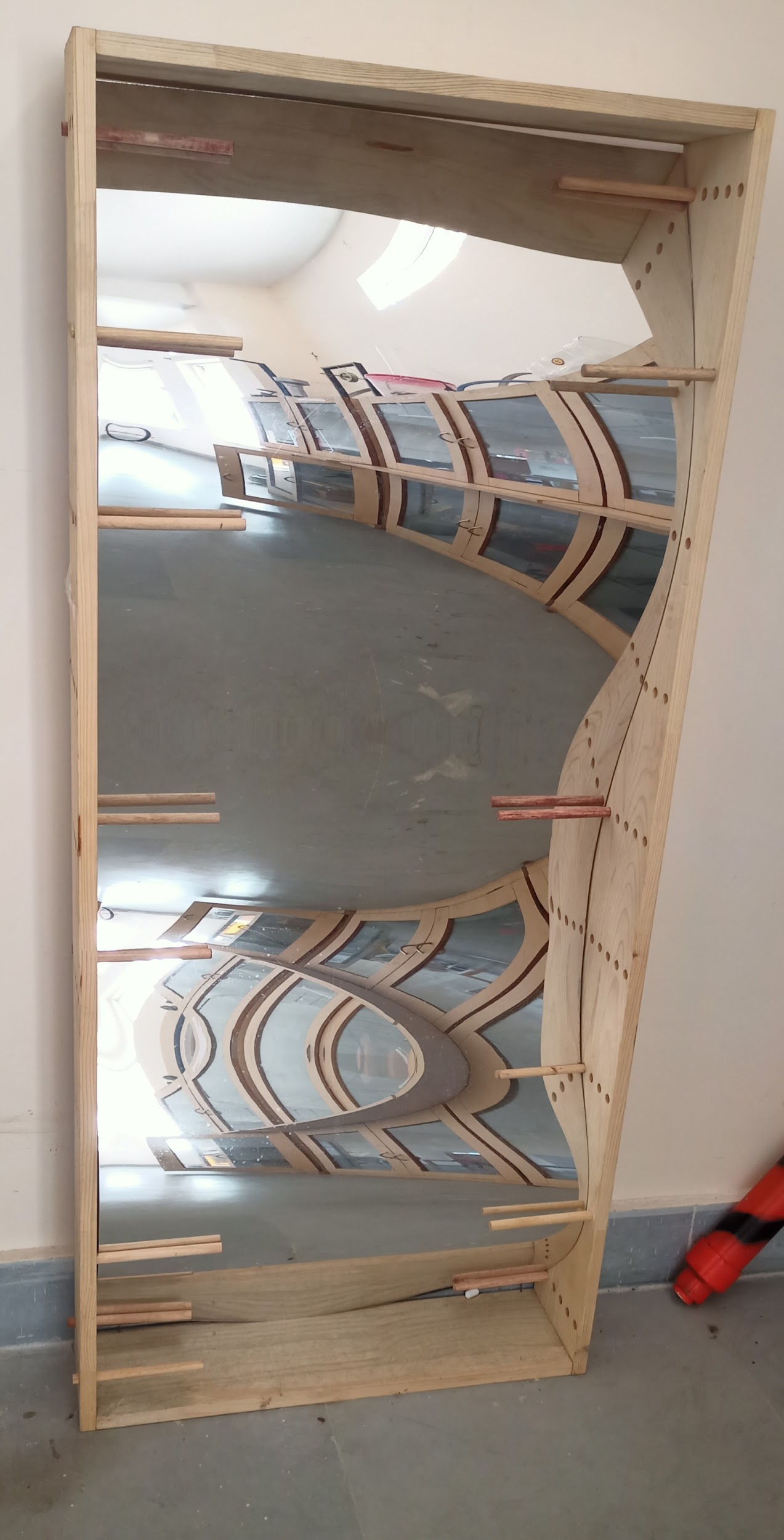
Mirrors: Fun with curved mirrors
Concept: Study of image formed in an irregualr curved surface.
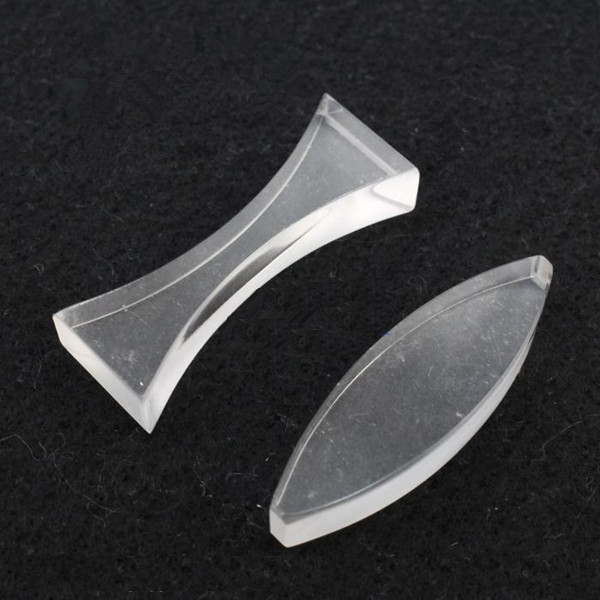
Lens: Combination of a concave and convex lens of same Power
Concept: Study of power of a combination of different lenses
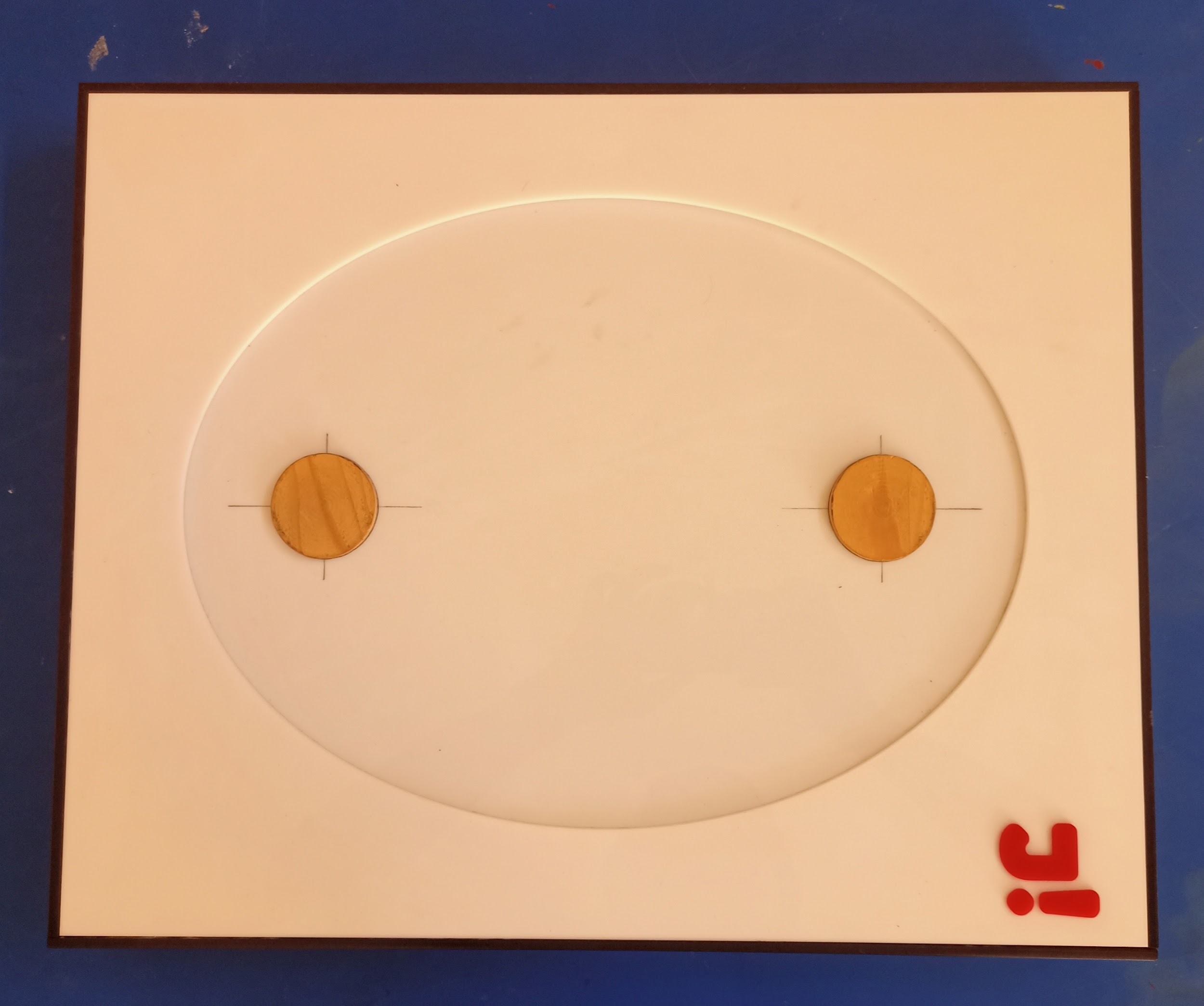
Elliptical carrom
Concept: Study of parabolic mirror.

Young's double slit experiment
Concept: Observing interference patteren produced in Young's Double Slit Experiment

Single slit diffraction using shaving blades
Concept: Study of diffraction of light by a narrow slit
Newton's laws of Motion
Activites: 76
Types of forces: Push/Pull
Concept: Qualitative study of push/pull as a force
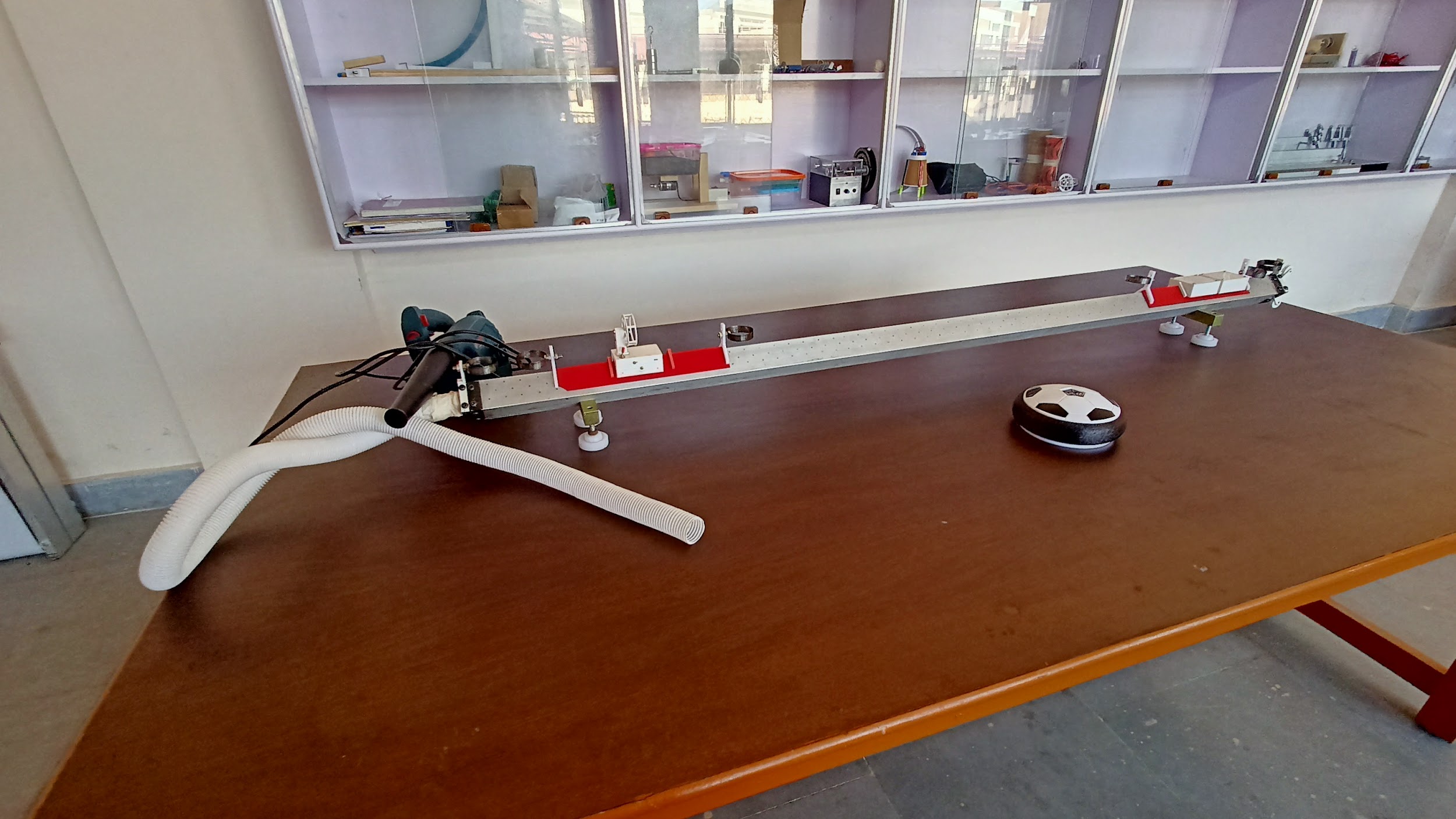
Types of forces: Friction
Concept: Qualitative study of friction as a force
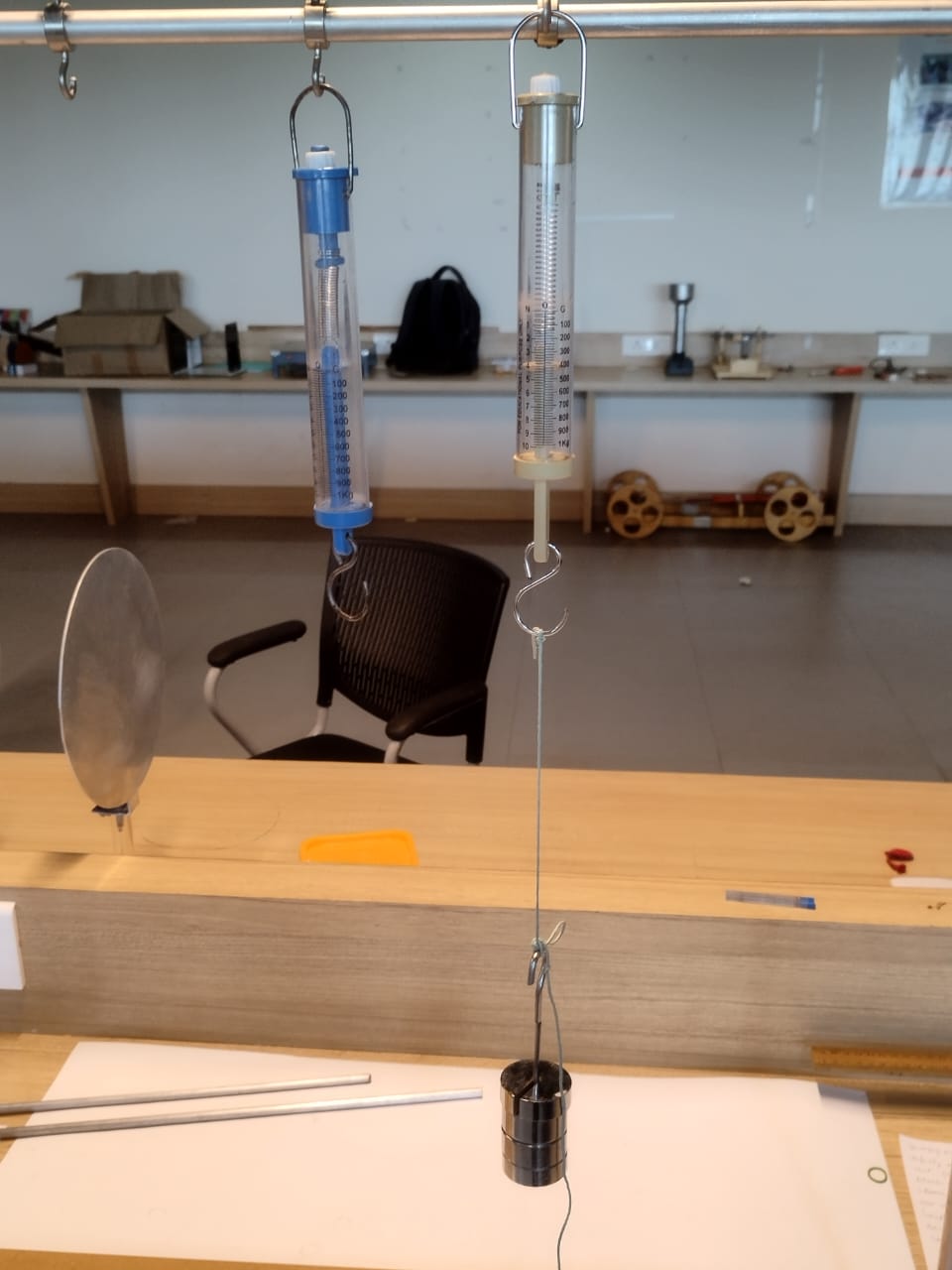
Types of forces: Tension
Concept: Qualitative study of tension as a force
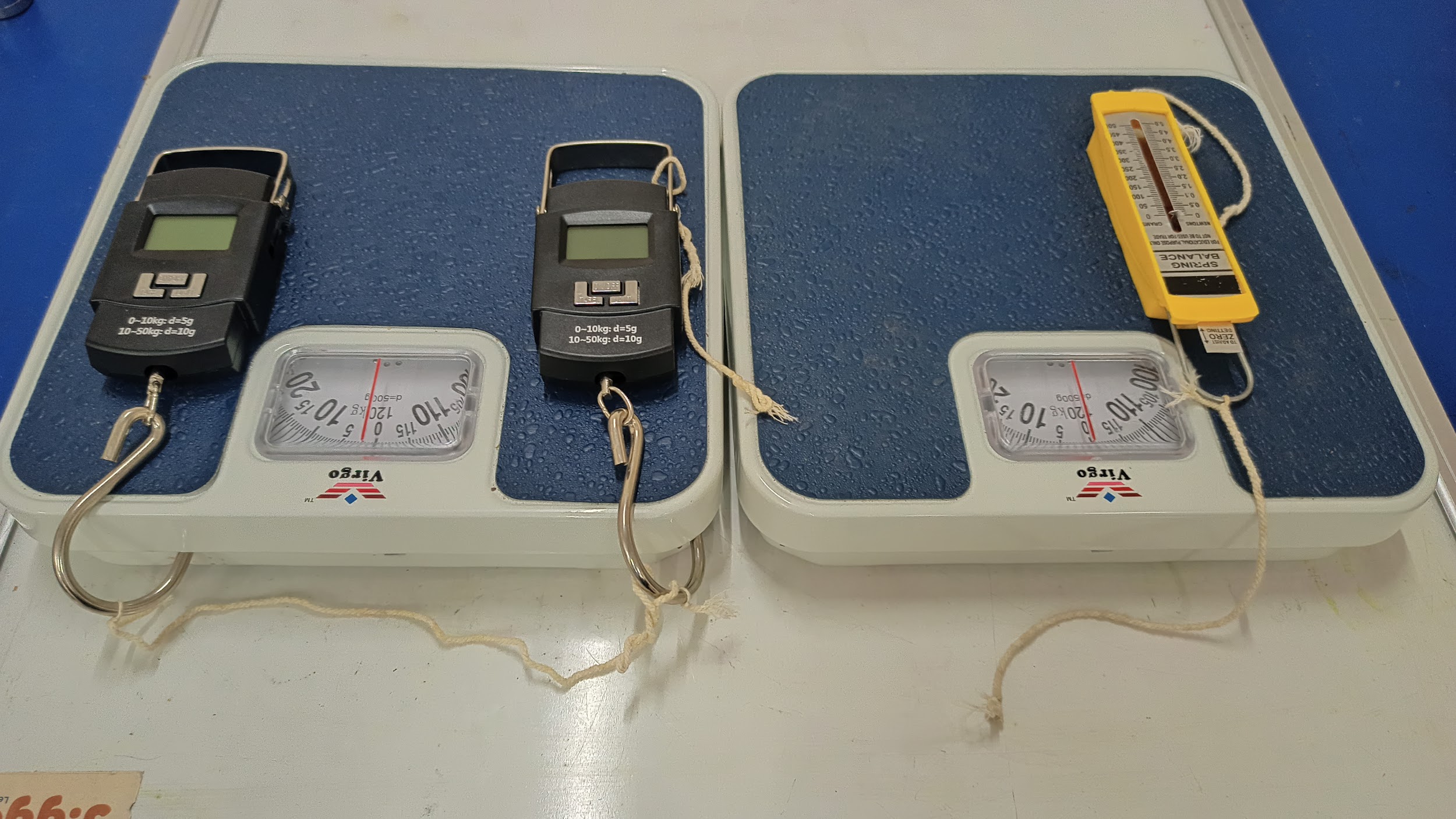
Types of forces: Normal reaction
Concept: Quantitative study of normal reaction
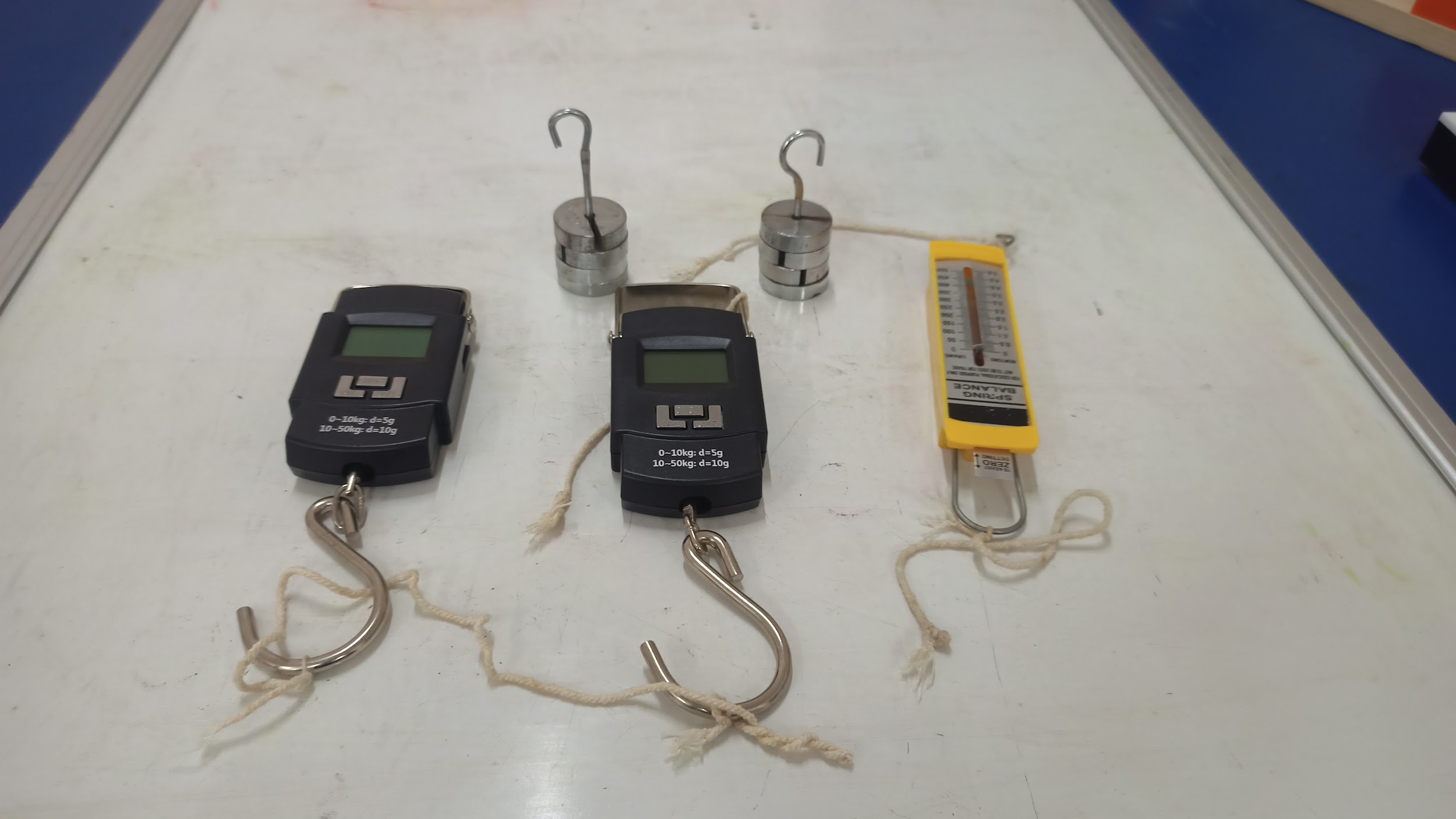
Types of forces: Spring force
Concept: Quantitative study of spring force
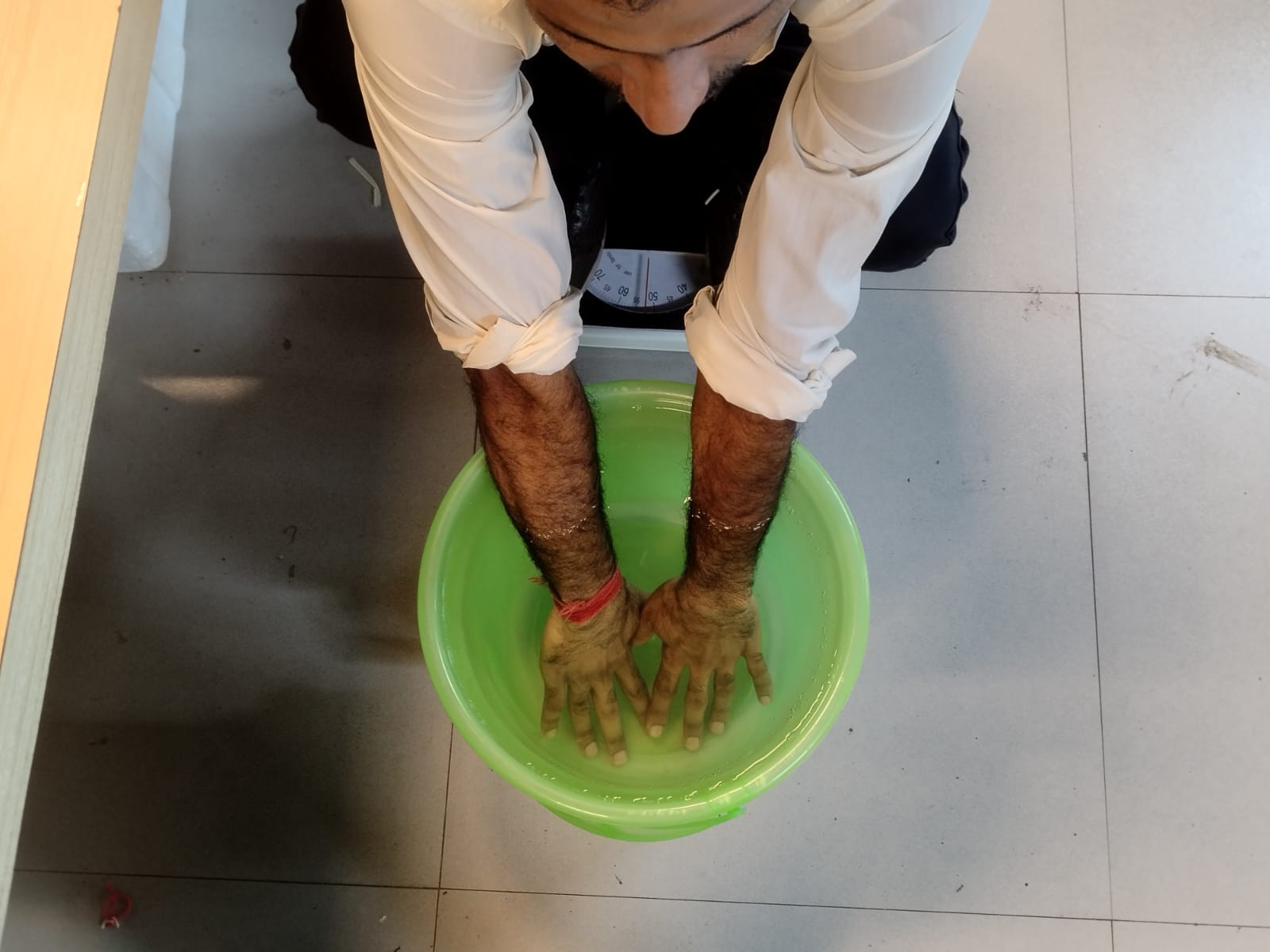
Types of forces: Buoyant force
Concept: Quantitative study of buoyant force
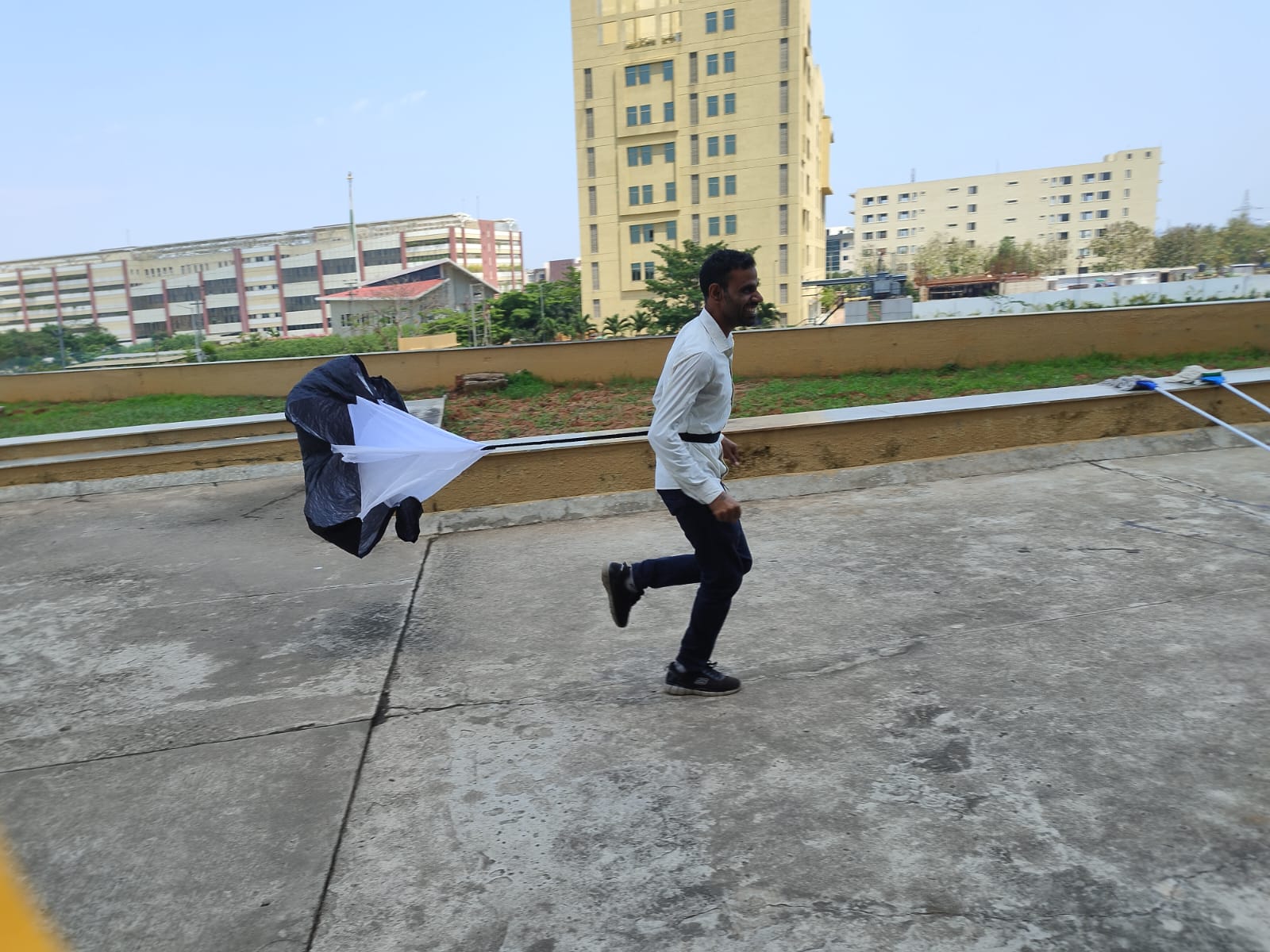
Types of forces: Air drag(Parachute)
Concept: Qualitative study of air drag force using parachute
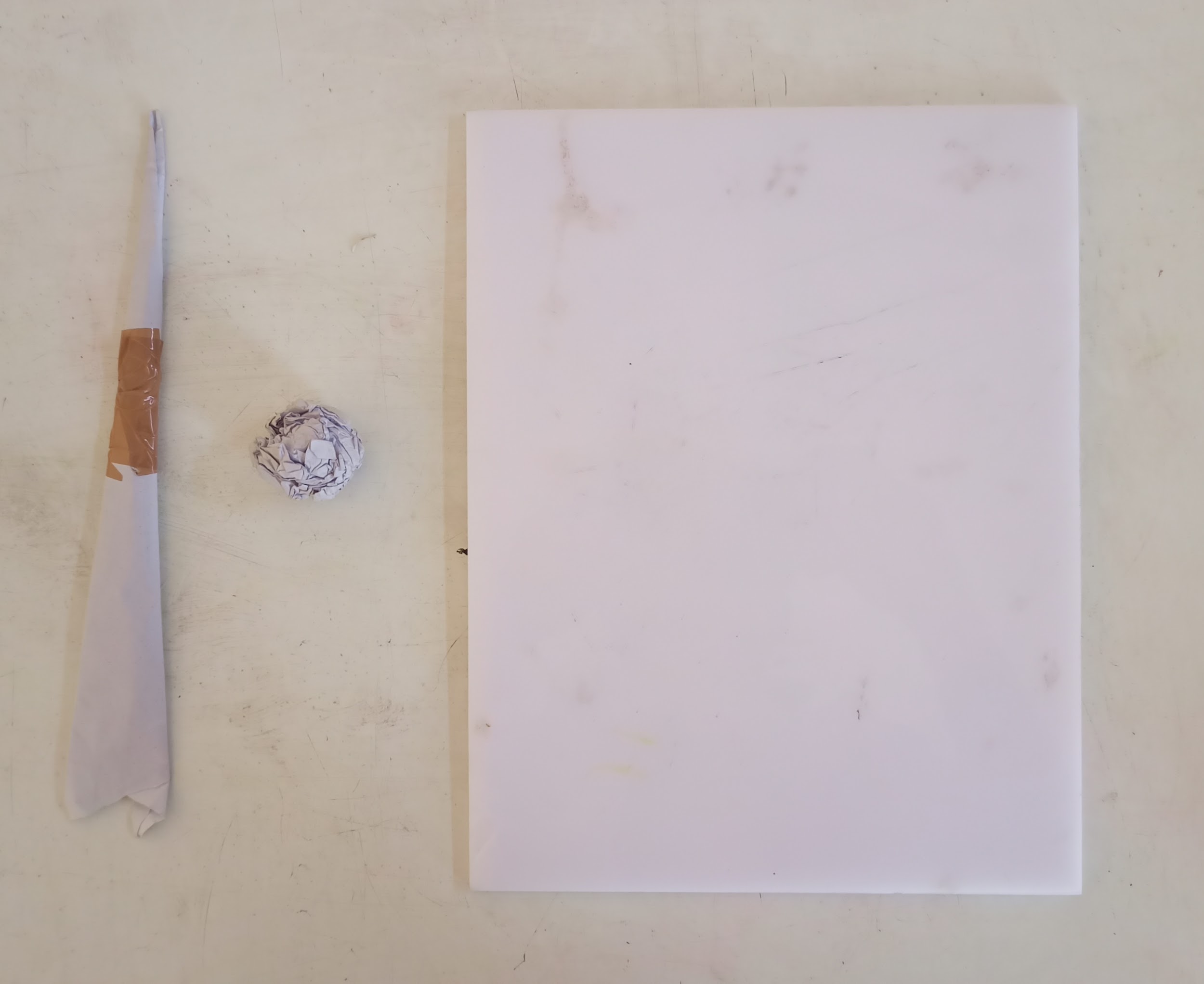
Types of forces: Paper toys
Concept: Qualitative study of air drag force using paper
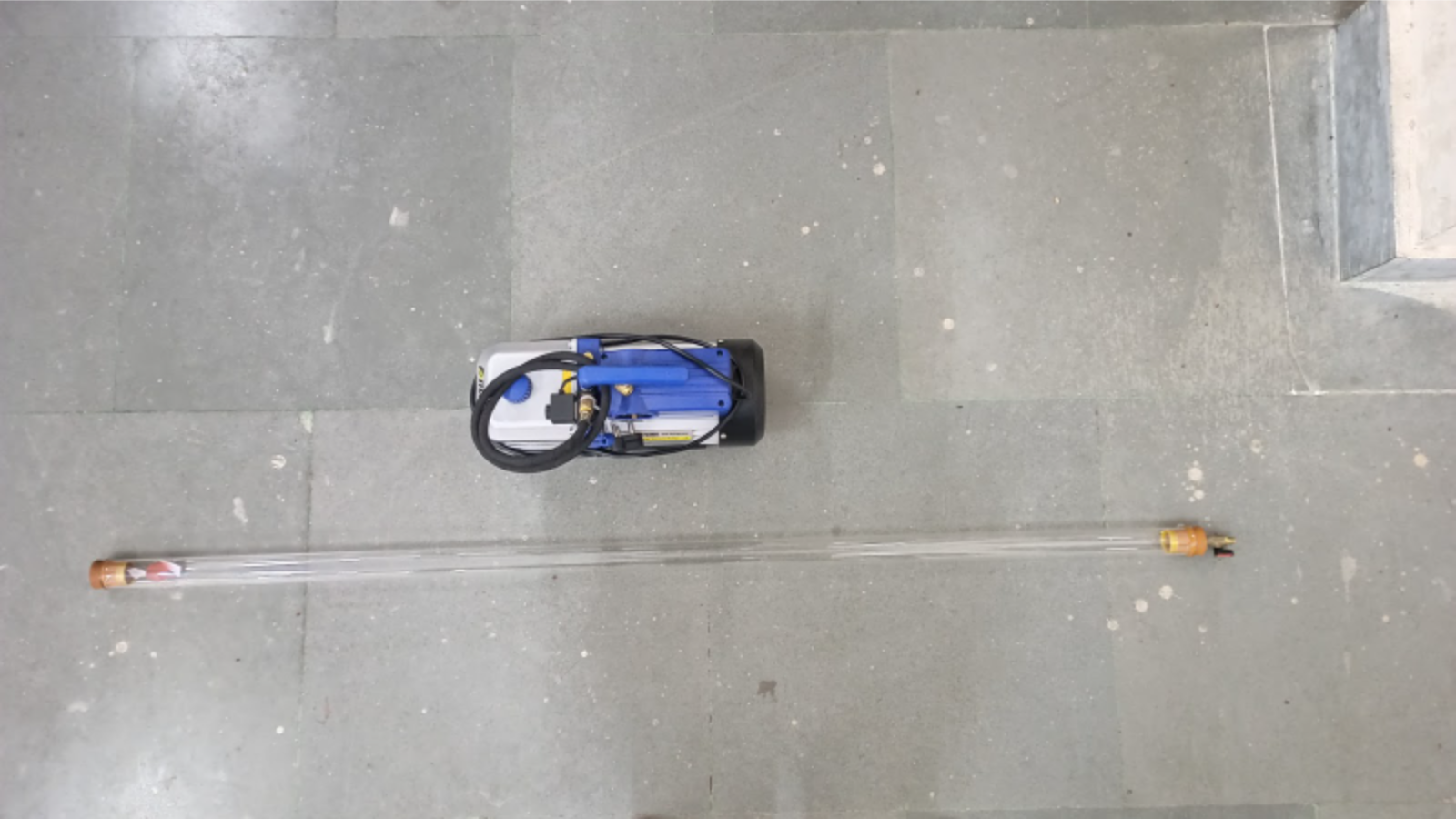
Types of forces: Gravity
Concept: Qualitative study of Gravitation
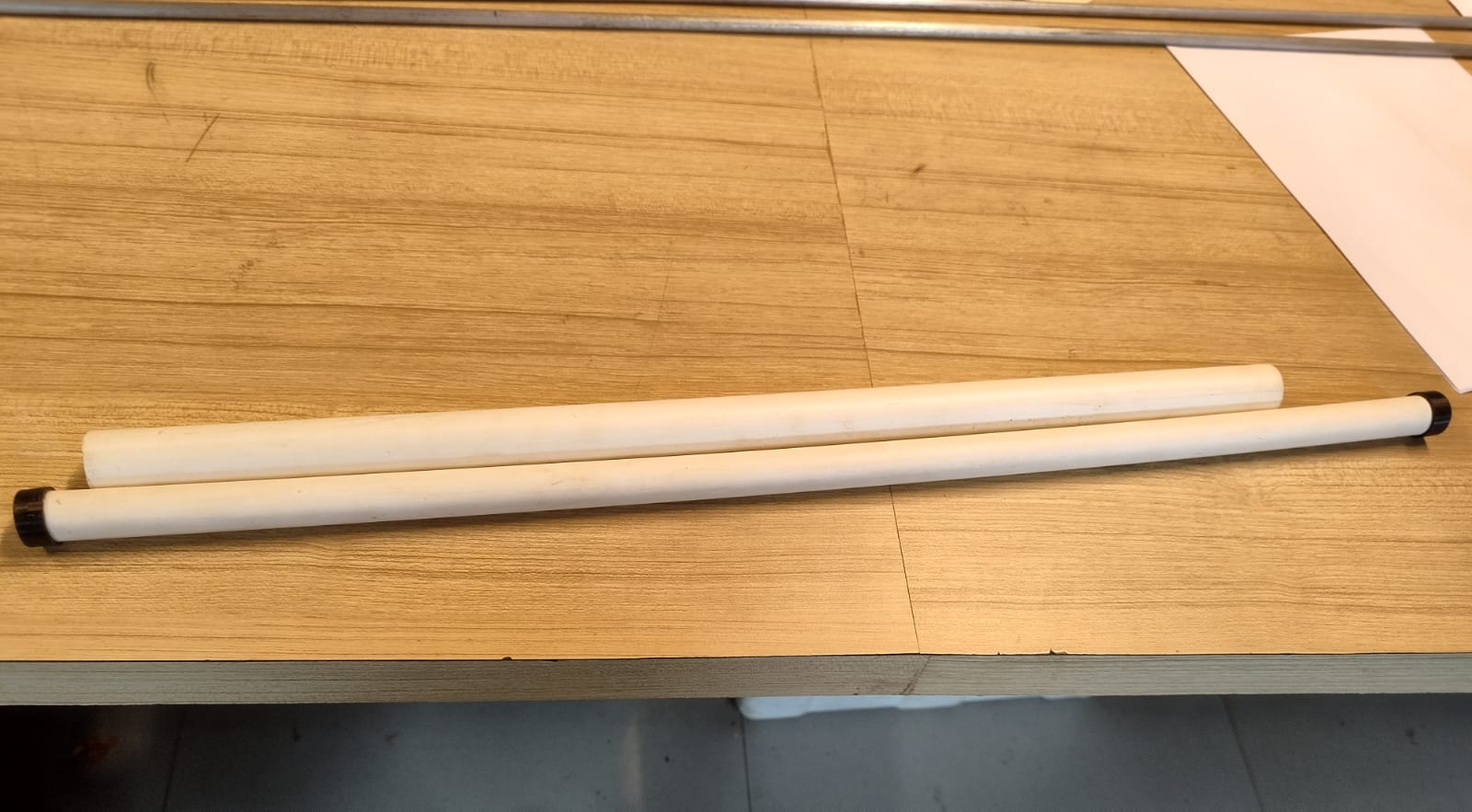
Types of forces: Potato Gun
Concept: Qualitative study of force due to air pressure
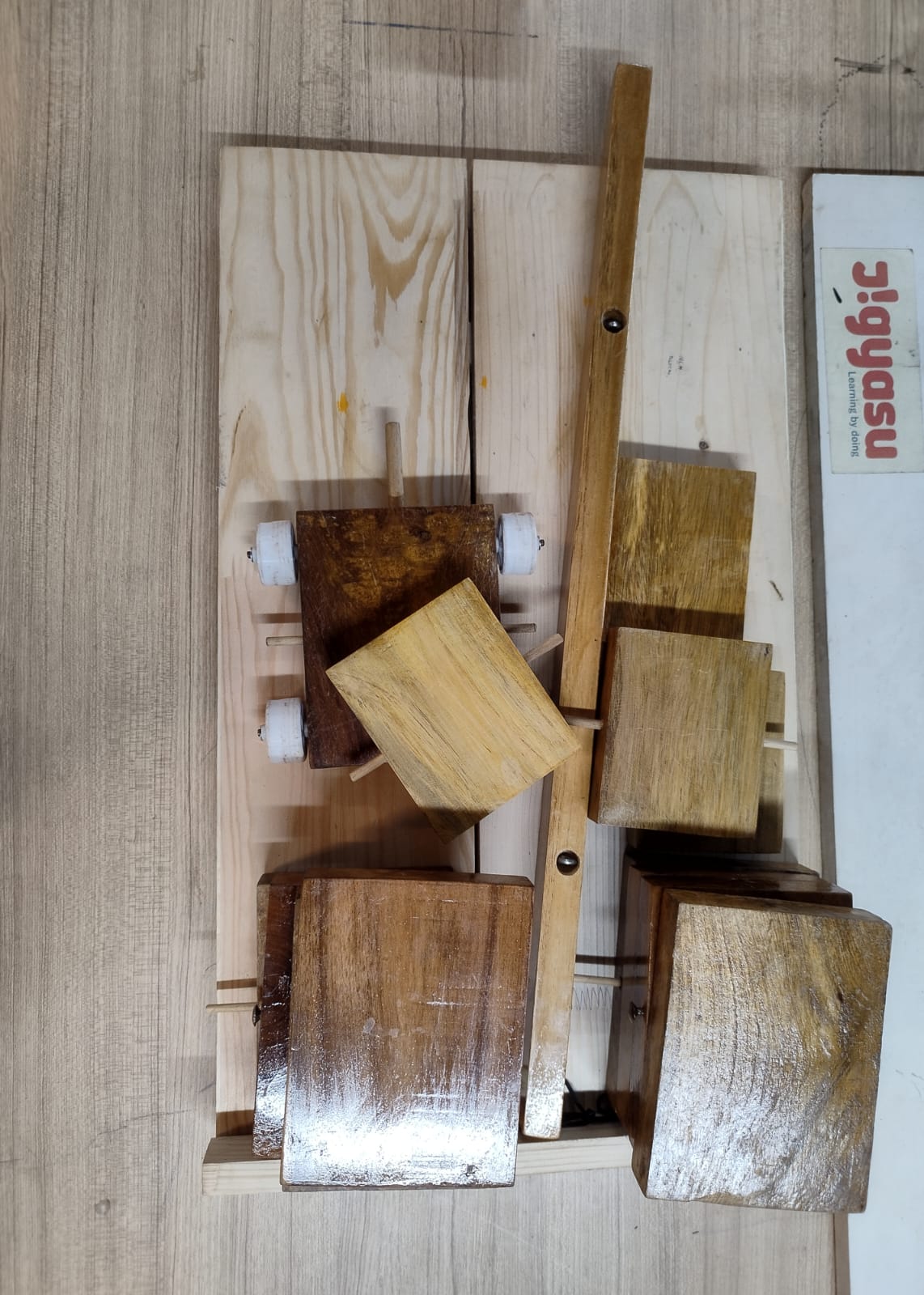
Balanced and unbalanced forces: External/Internal forces
Concept: Qualitative study of external and internal forces
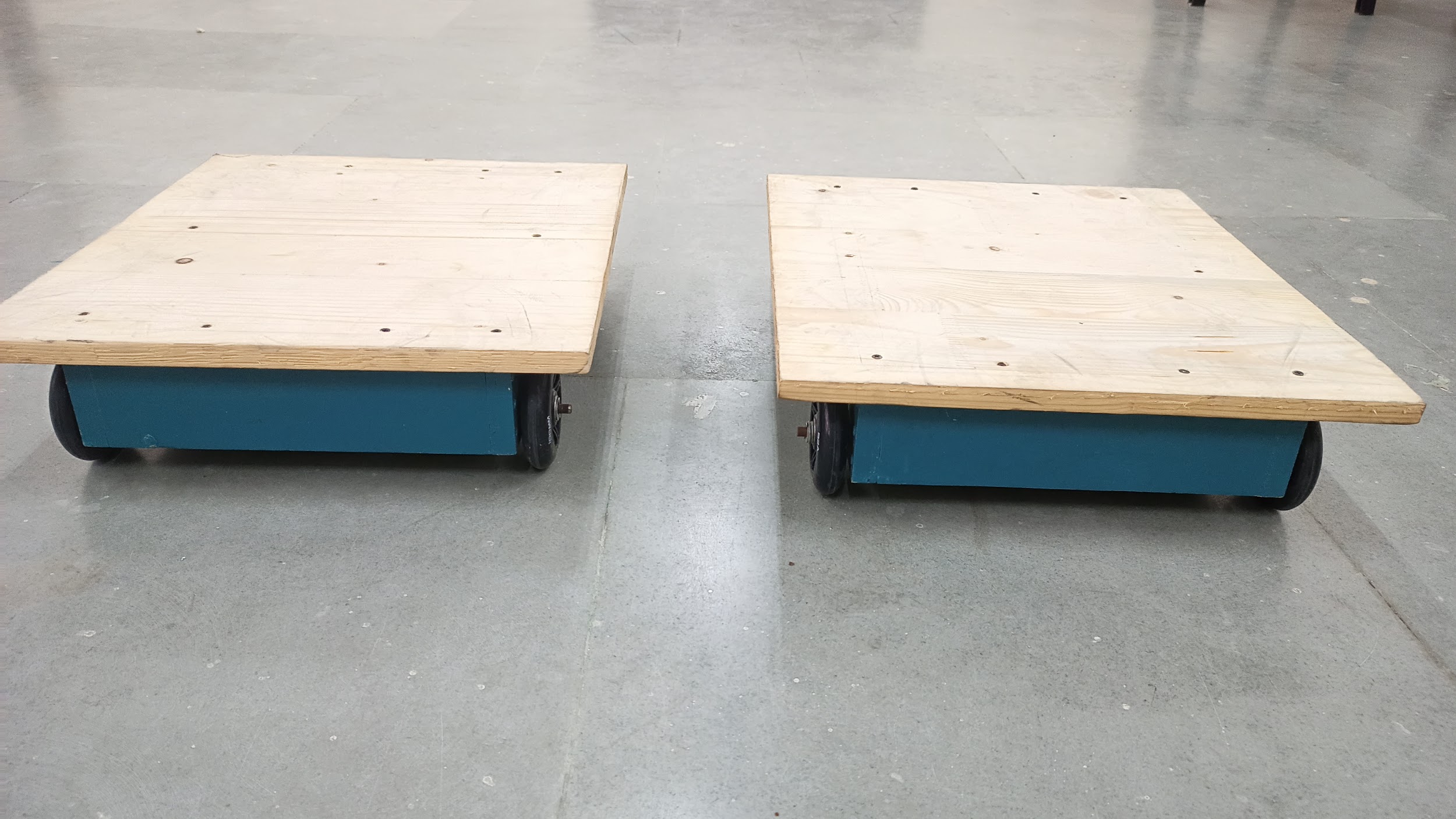
Balanced and unbalanced forces: Human cart
Concept: Qualitative study of external and internal forces
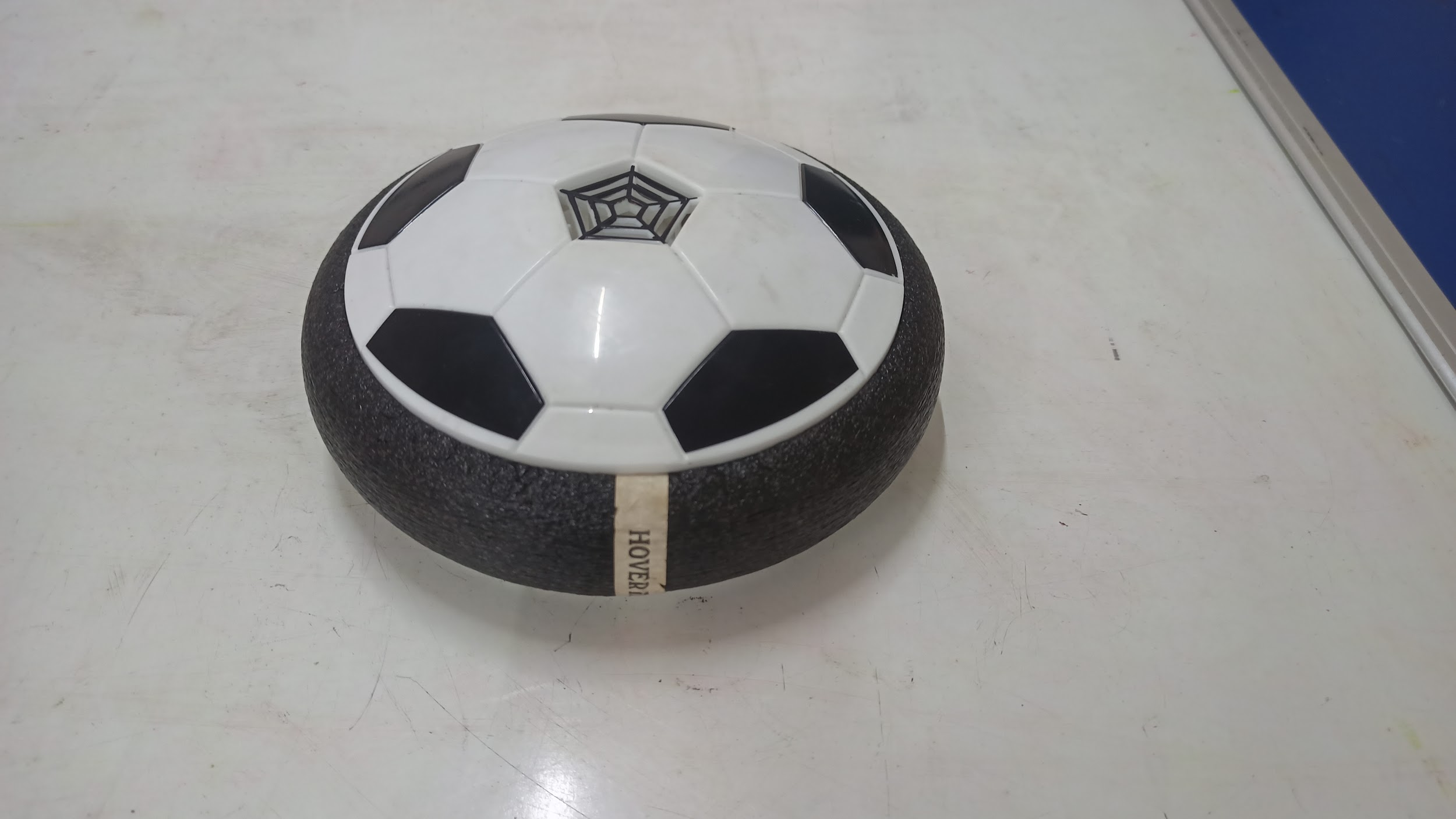
Balanced and unbalanced forces: Drifter
Concept: Qualitative study of balanced and unbalanced forces using a drifter
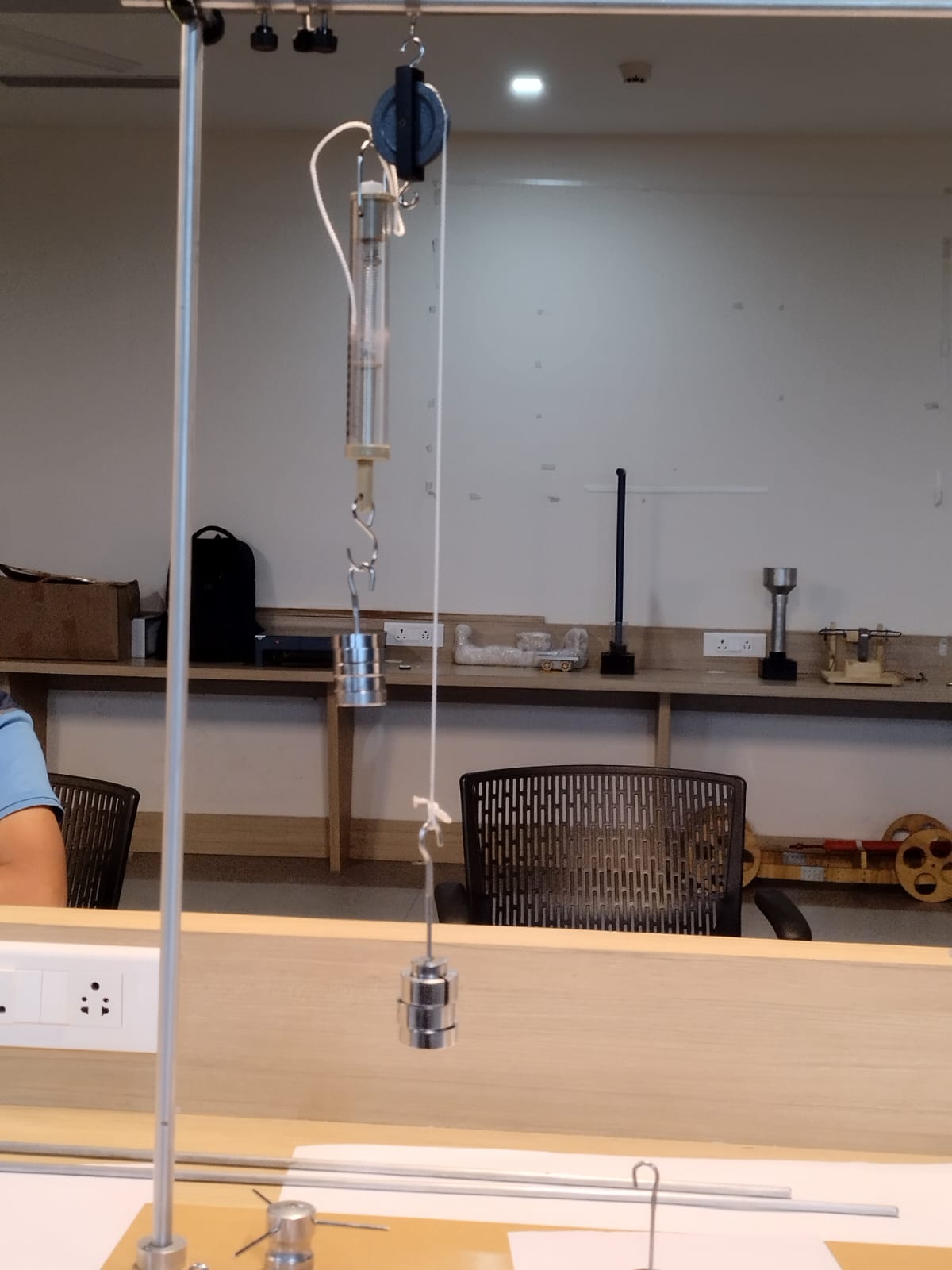
Balanced and unbalanced forces: Spring balance
Concept: Quantitative study of spring force and its measurement
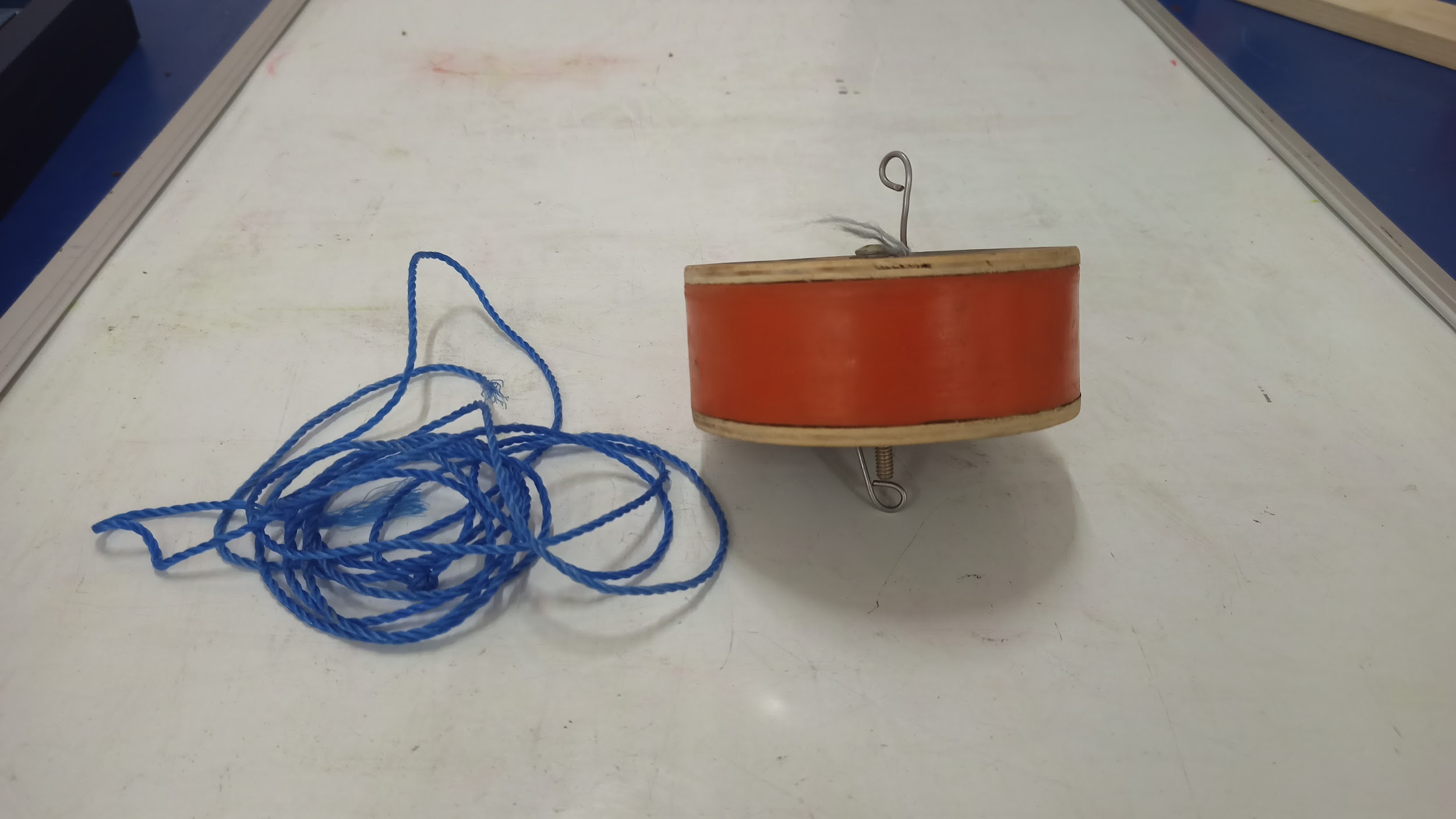
Balanced and unbalanced forces: Strongest man challenge
Concept: Qualitative study of balanced and unbalanced forces in "strongest man challenge"
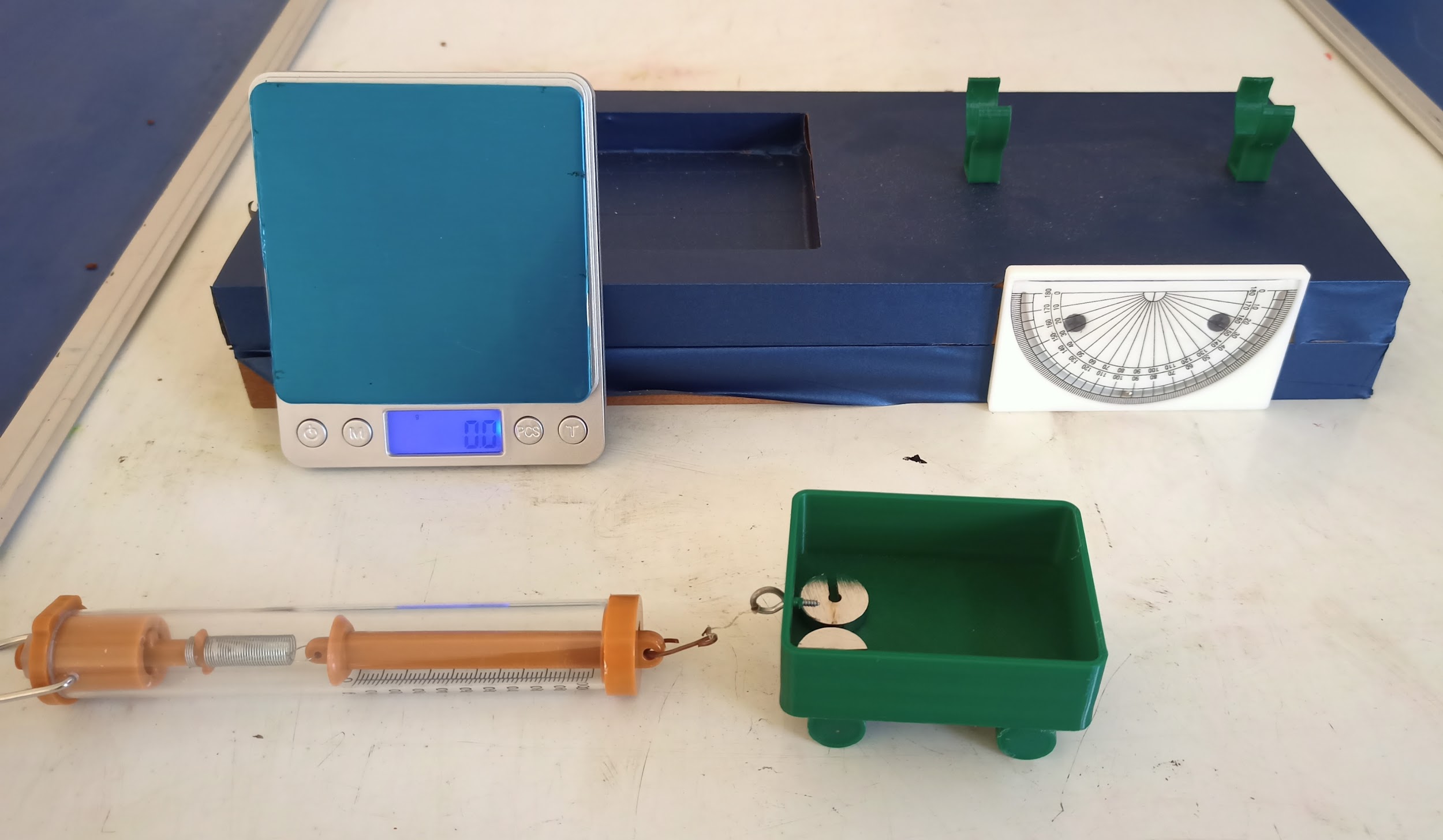
Balanced and unbalanced forces: Inclined plane force demonstrator
Concept: Quantitative study of balanced and unbalanced forces of an object placed on an inclined plane
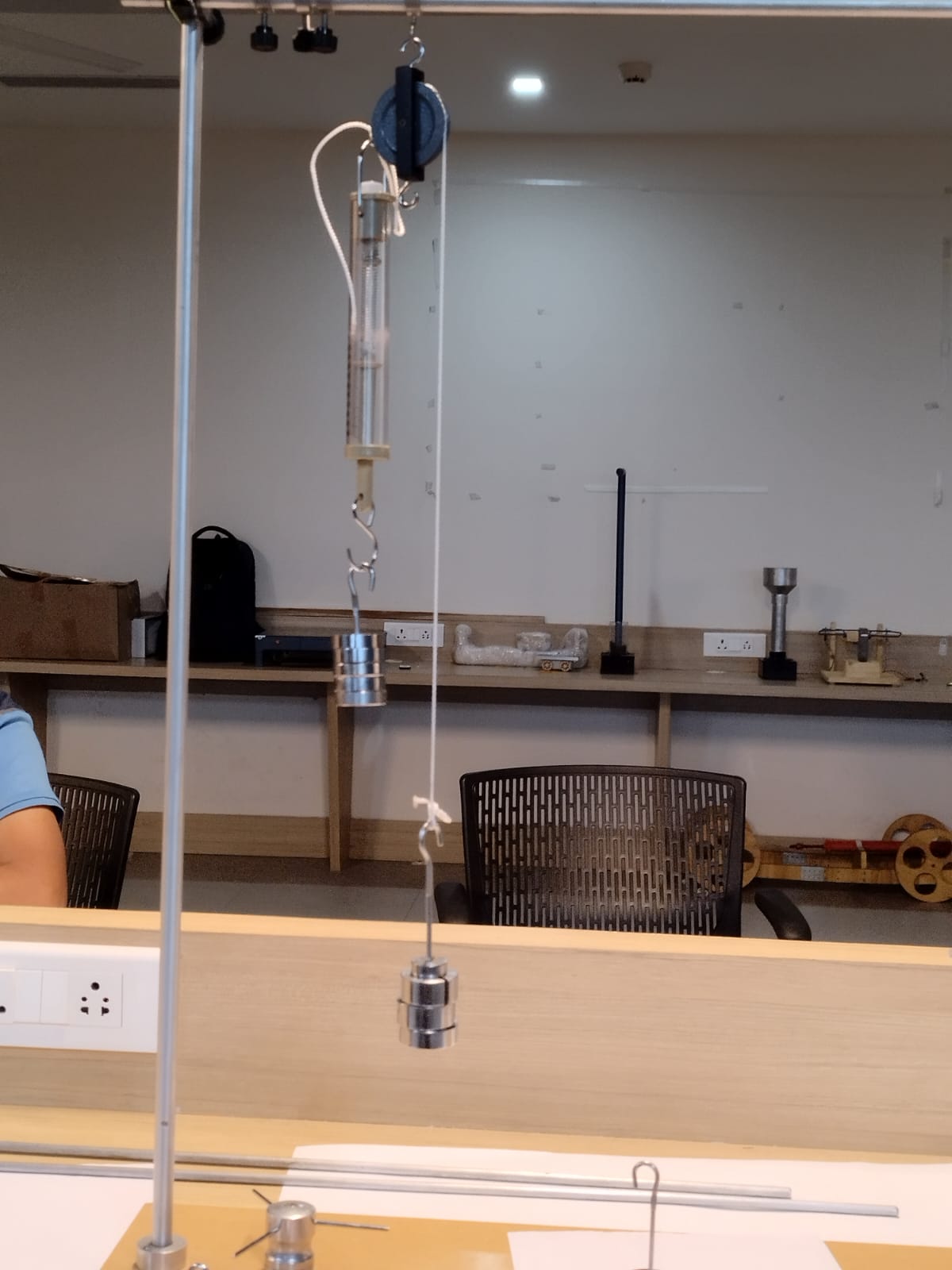
Balanced and unbalanced forces: Atwood machine
Concept: Quantitative study of balanced and unbalanced forces using atwood machine
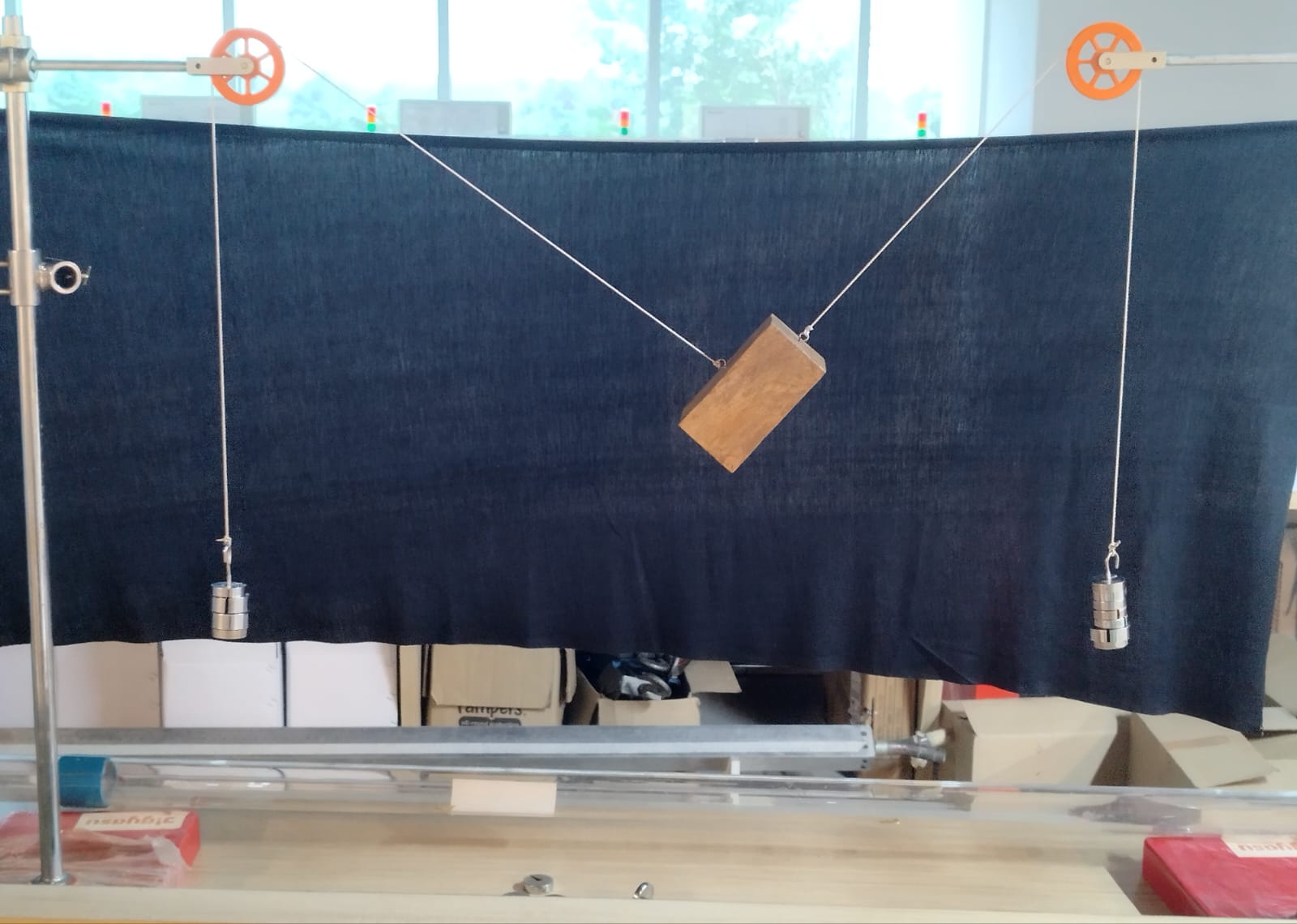
Balanced and unbalanced forces: Equilibrium of forces
Concept: Demonstration of balanced forces using weights with ratio 3:4:5
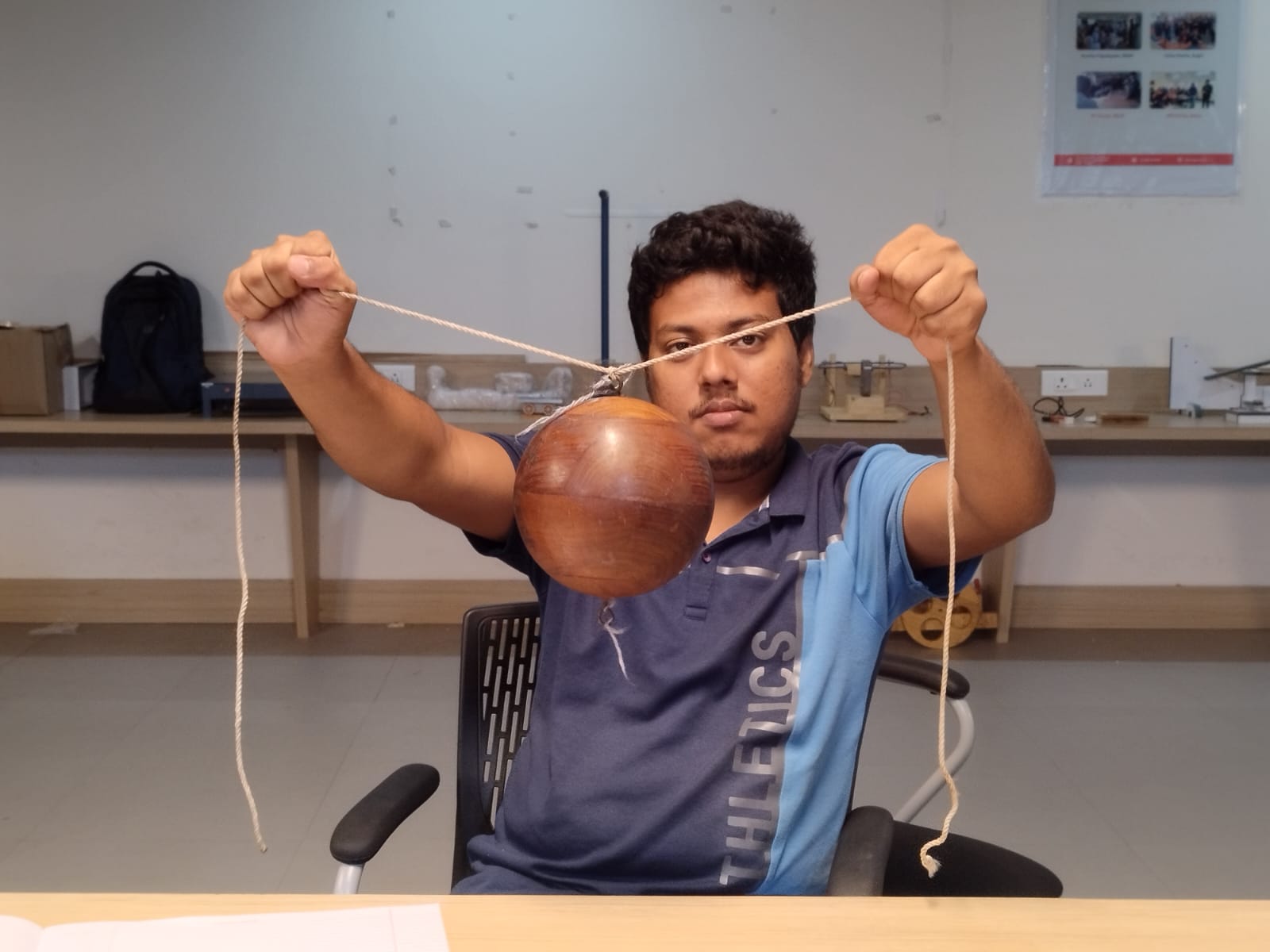
Balanced and unbalanced forces: Holding a pendulum at right angle
Concept: Demonstration of balanced forces using a block and thread.
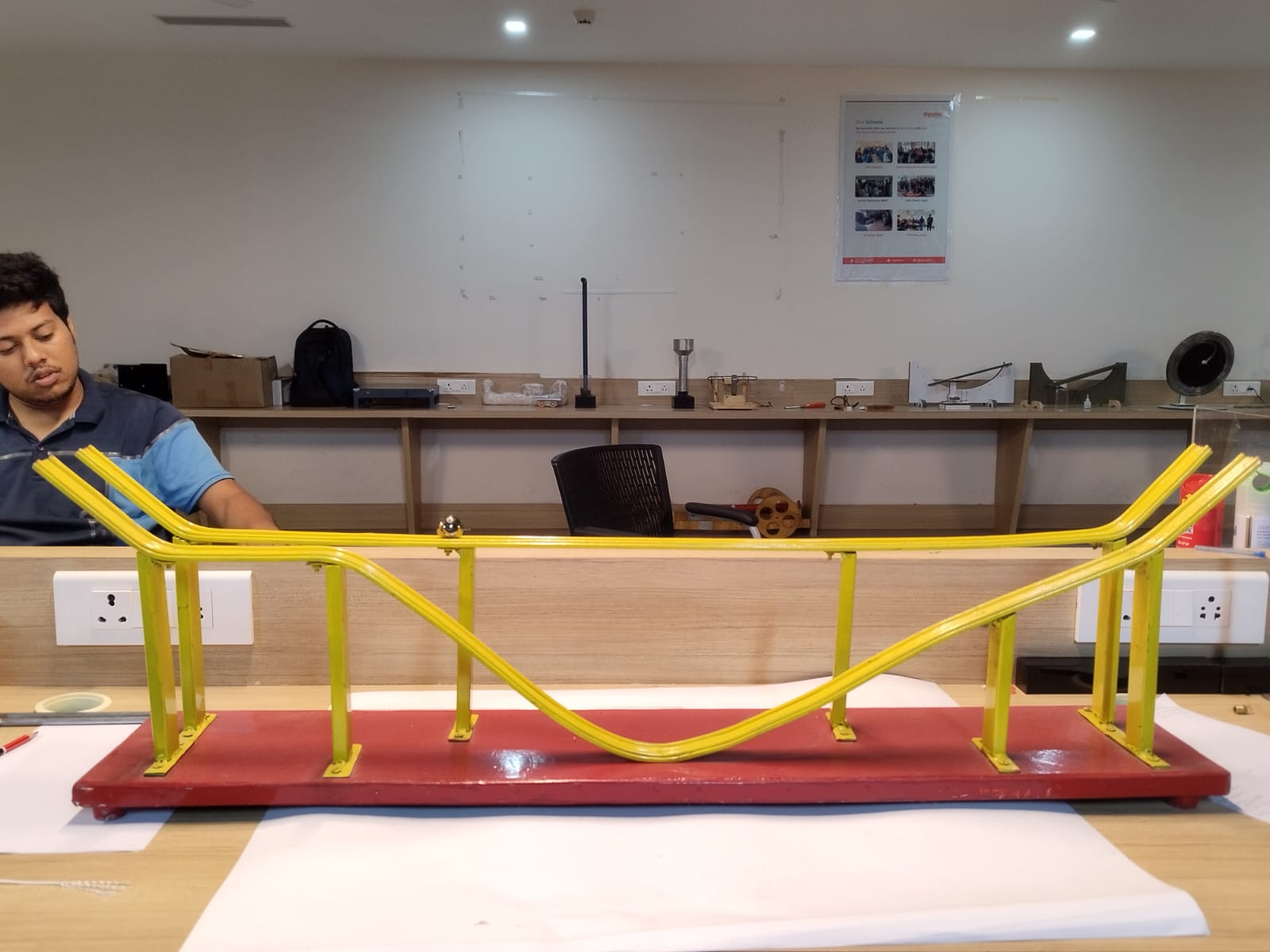
Inertia: Inertia tracks
Concept: Demonstration of Newton's 1st law of motion(inertia of motion) using Galileo's inertia track.
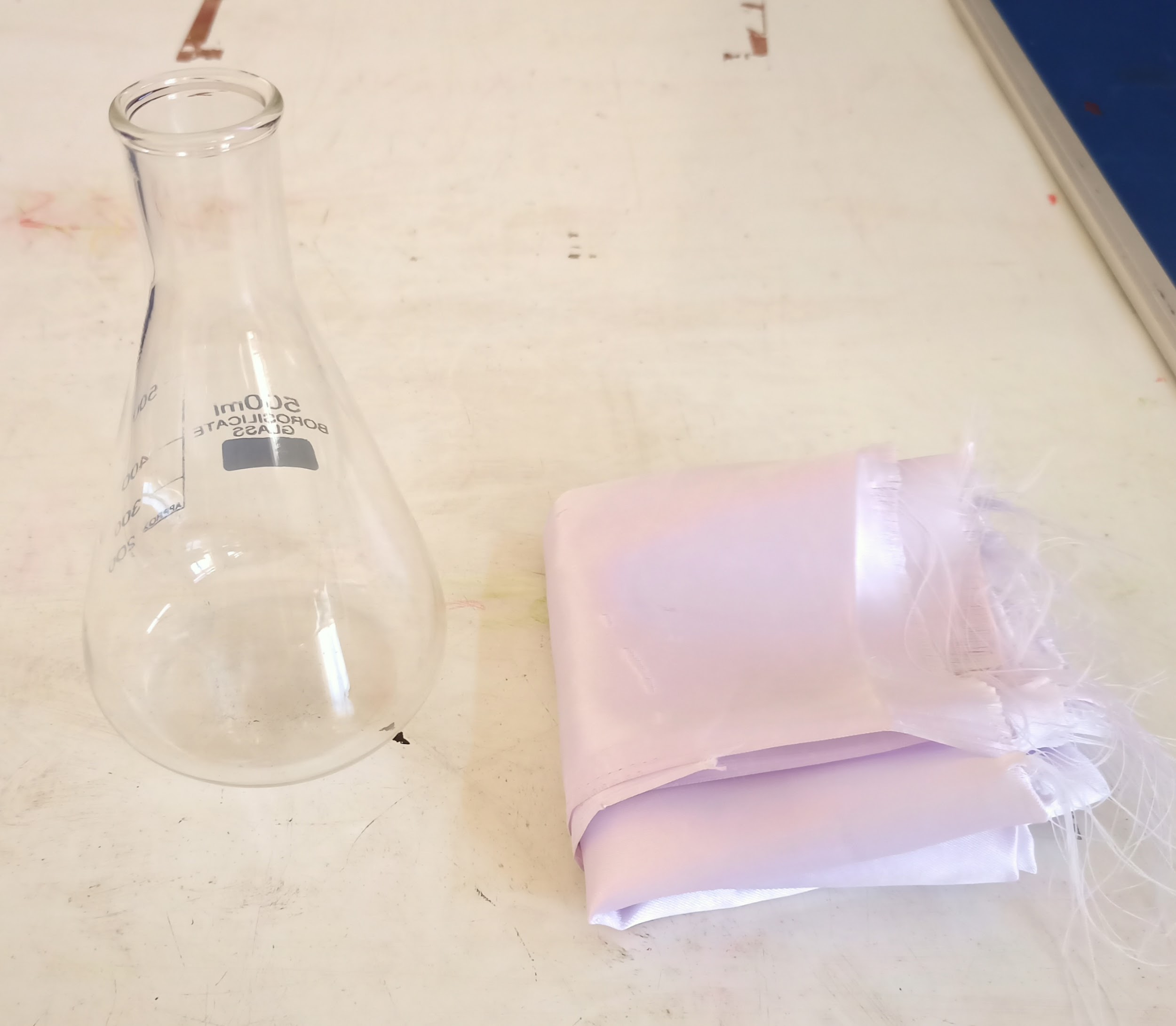
Inertia: Glass and cloth
Concept: Demonstration of inertia of rest using a cloth an a glass container glass full of water
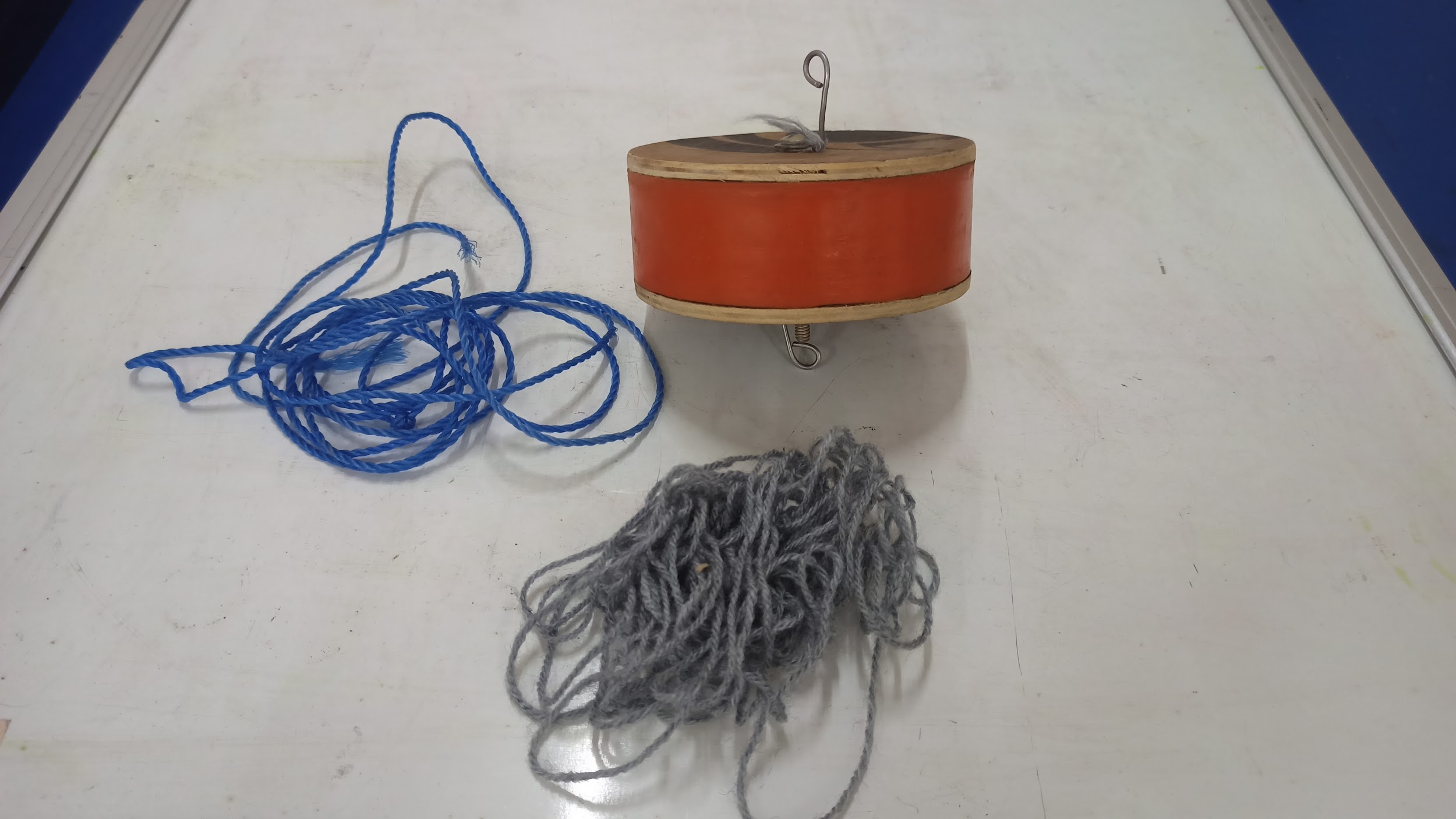
Inertia: Snapping of threads
Concept: Demonstration of inertia of rest using threads of different materials an a weight.
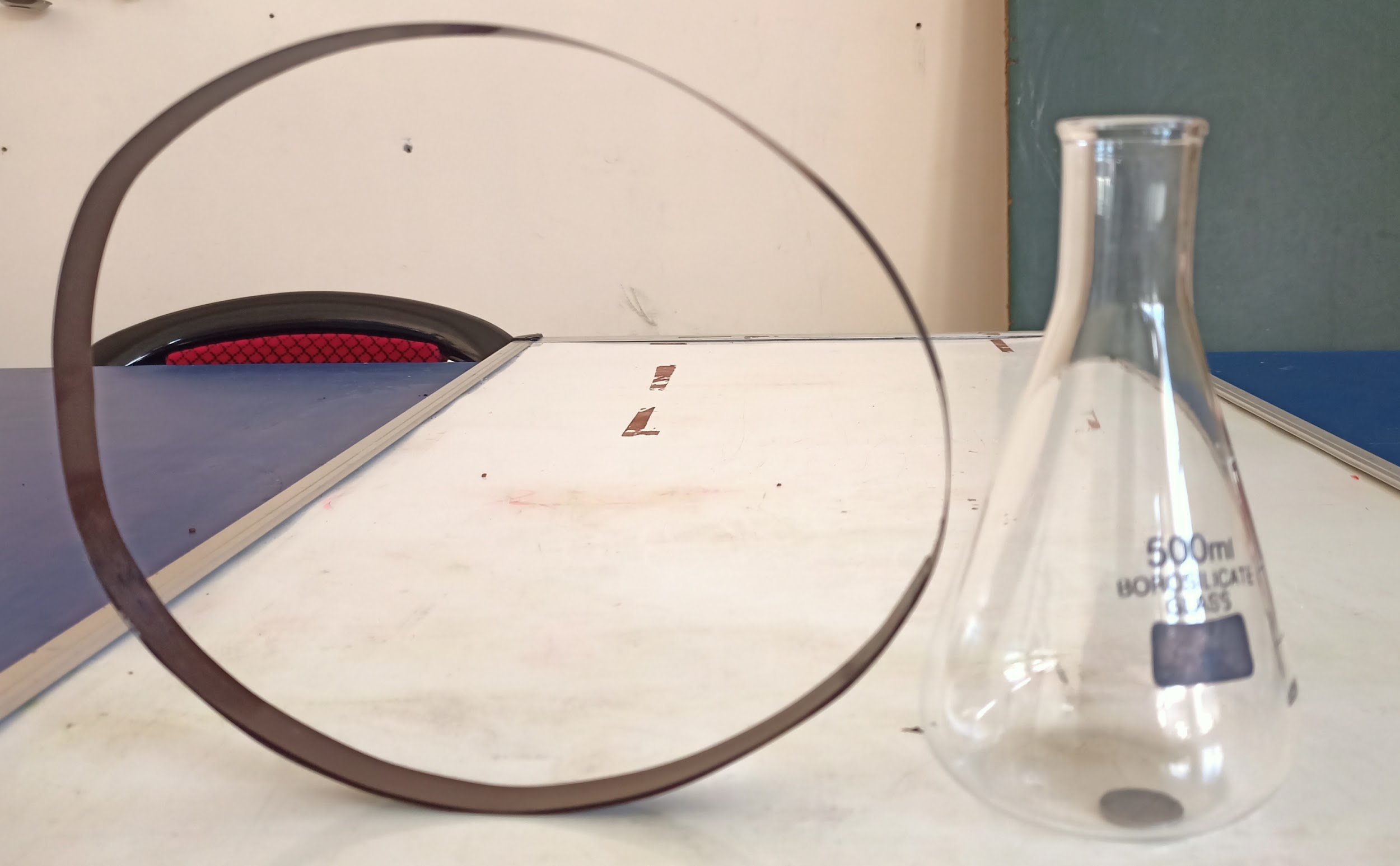
Inertia: Hoop and coin
Concept: Demonstration of inertia of rest using a hoop, beaker and coin
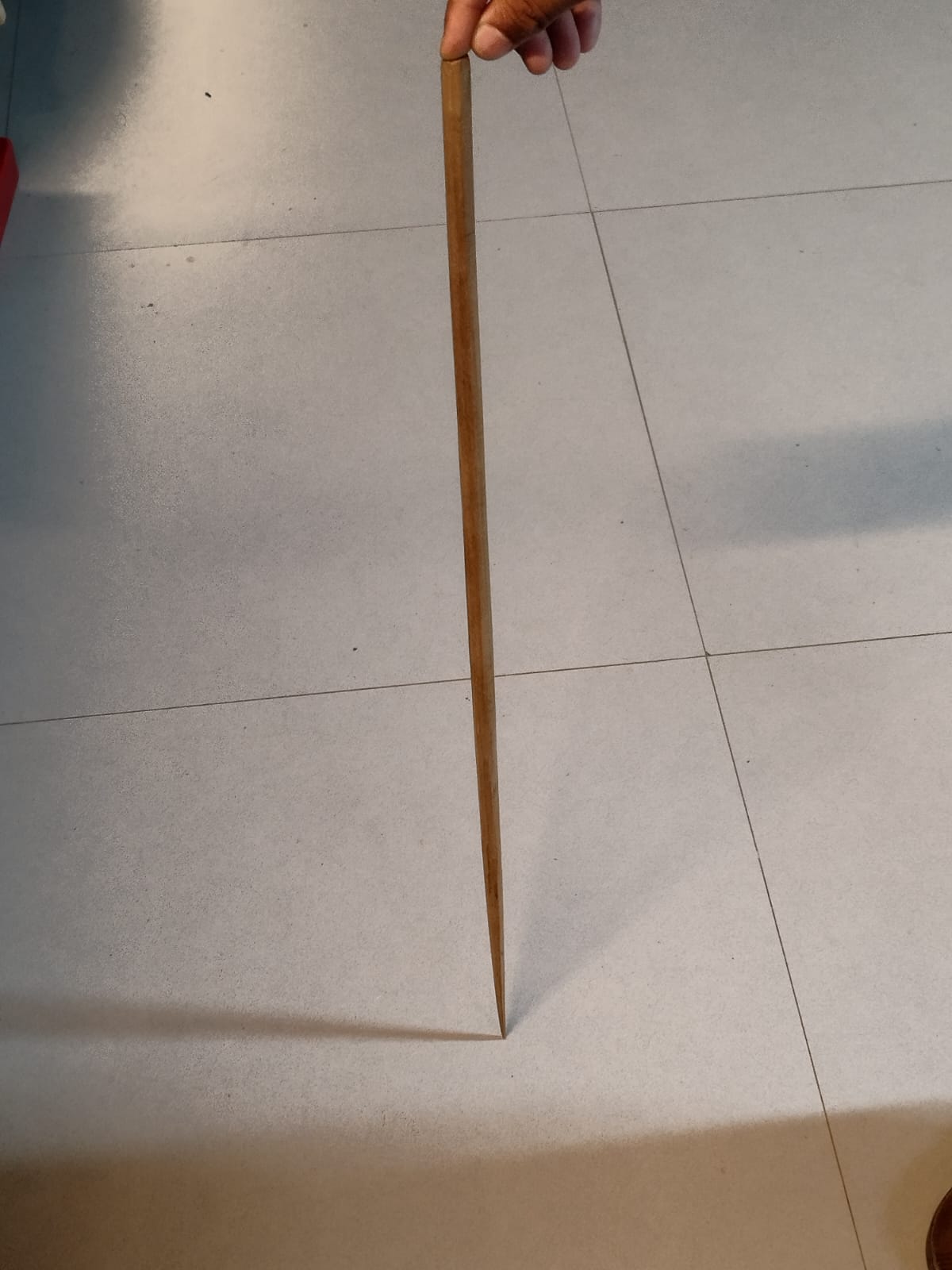
Inertia: Inertia stick
Concept: Demonstration of inertia of rest and motion using a inertia stick an a potato
Inertia: Inertia car
Concept: Demonstration of inertia of rest and motion using a inertia car.
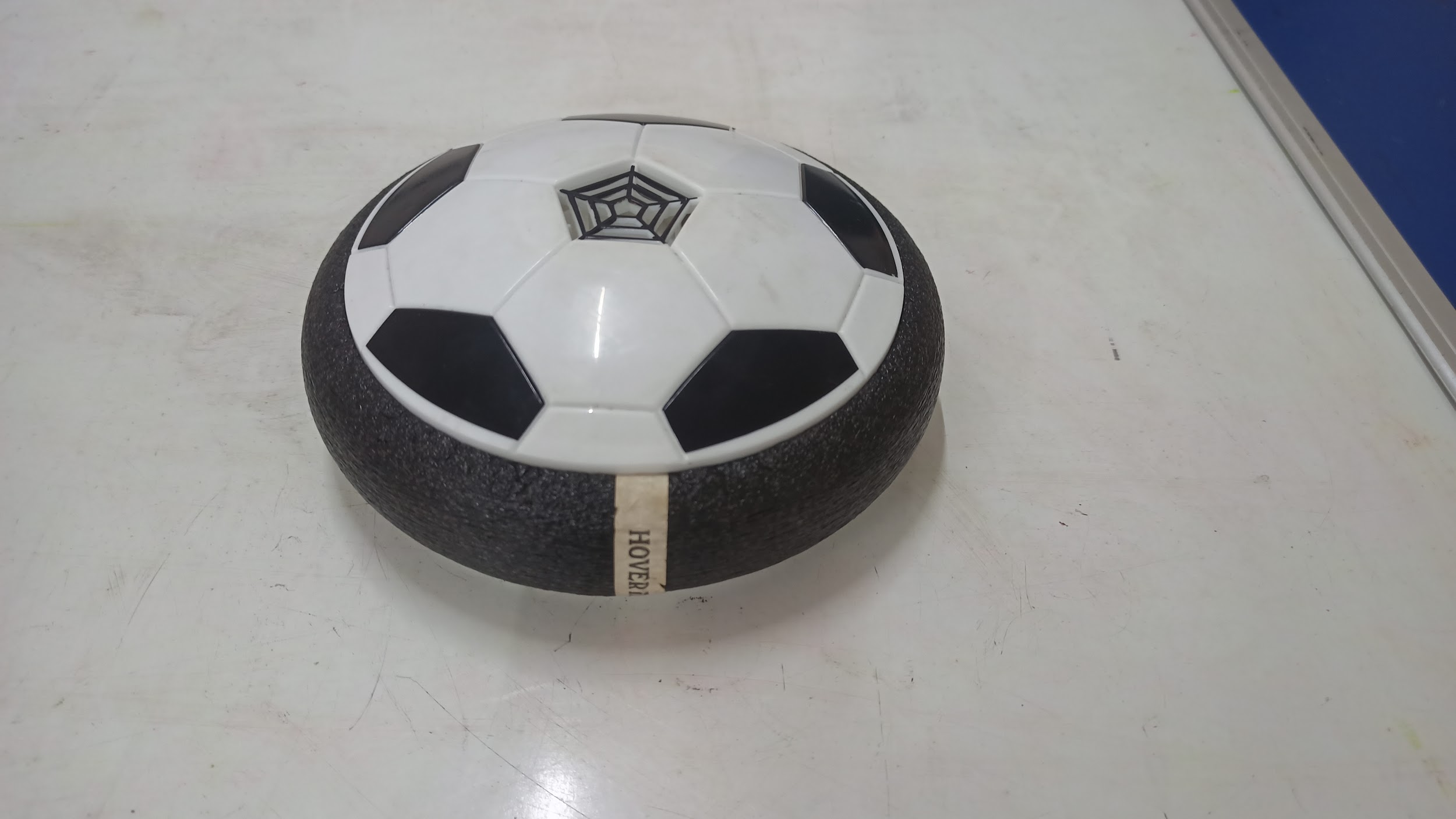
Inertia: Drifter
Concept: Demonstration of inertia of rest and motion using a drifter
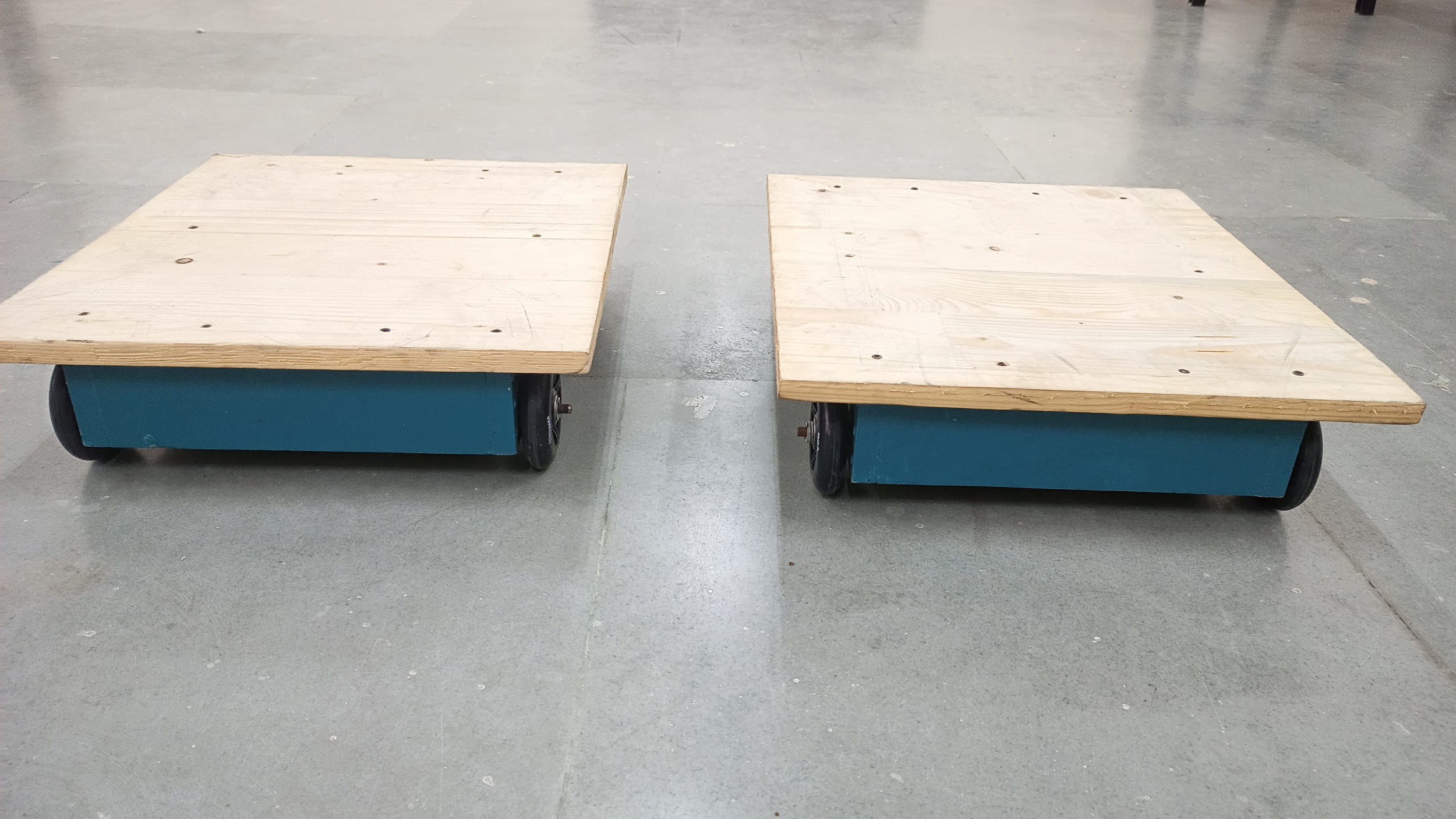
Conservation of Linear momentum: Walking board
Concept: Demonstration of Conservation of linear momentum using walking board
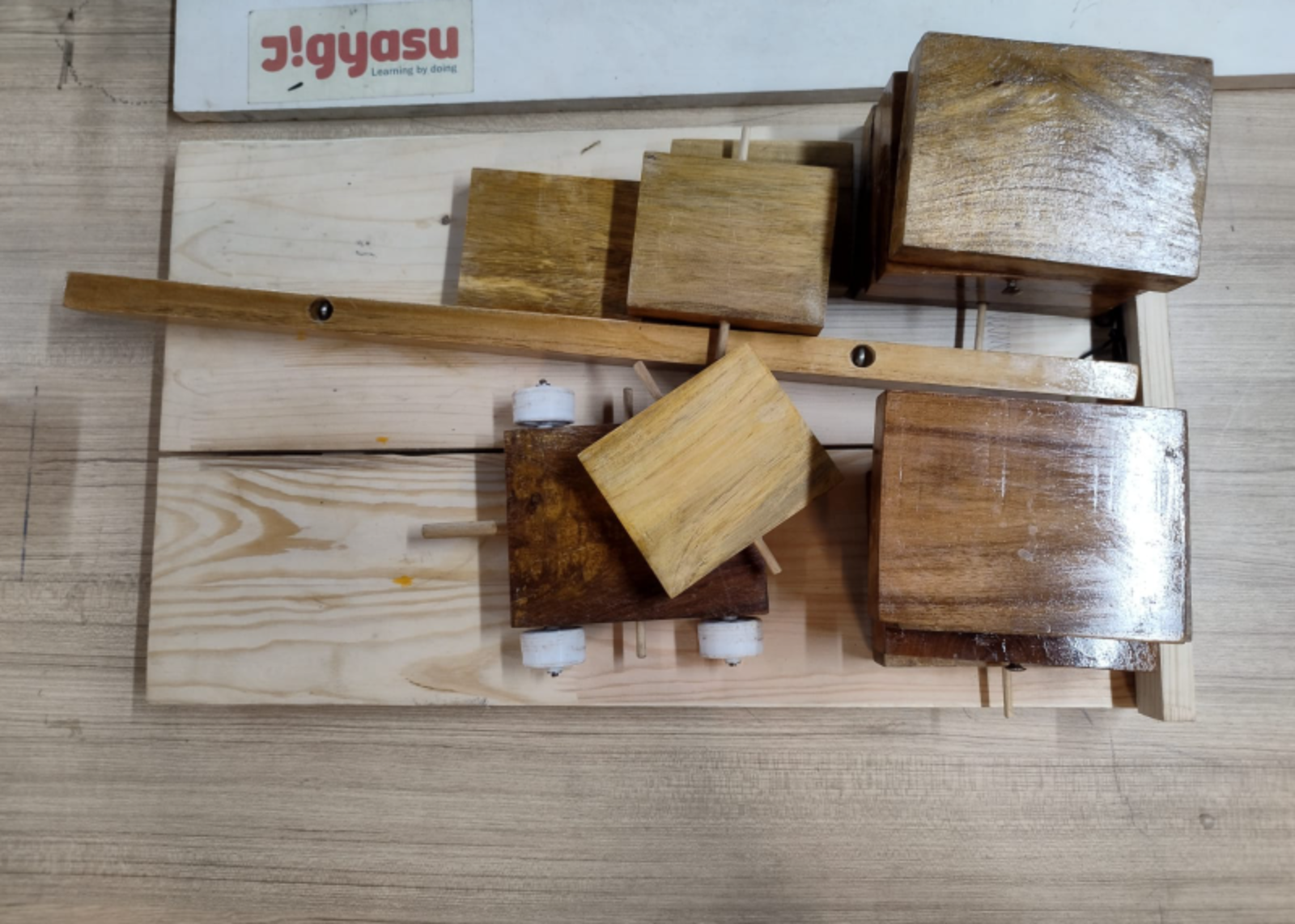
Inertia: NLM blocks
Concept: Demonstration of inertia of rest and motion using NLM blocks
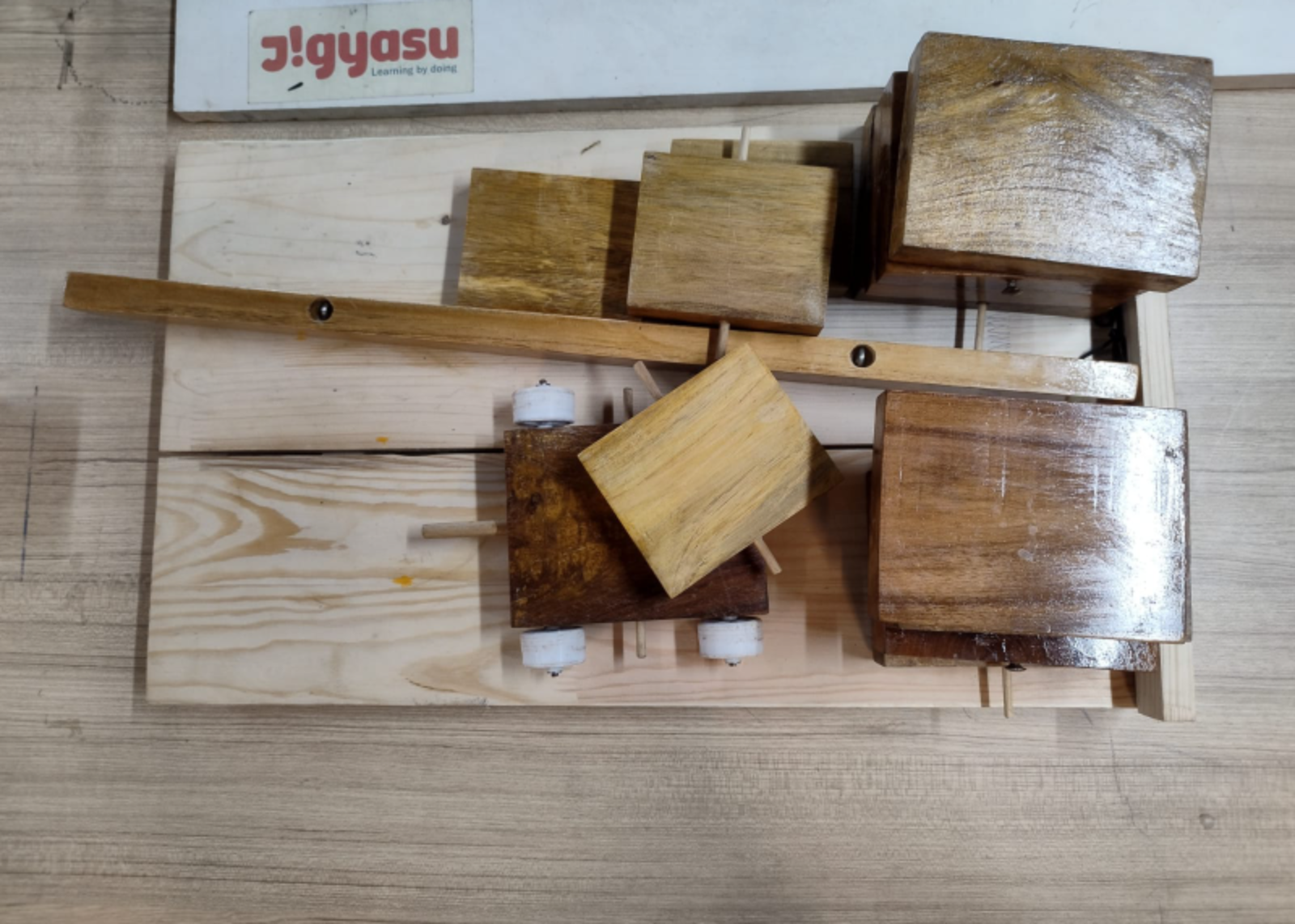
Inertia: NLM blocks, same force, different mass
Concept: Demonstration of inertia of rest and motion using NLM blocks of different masses an same applied force
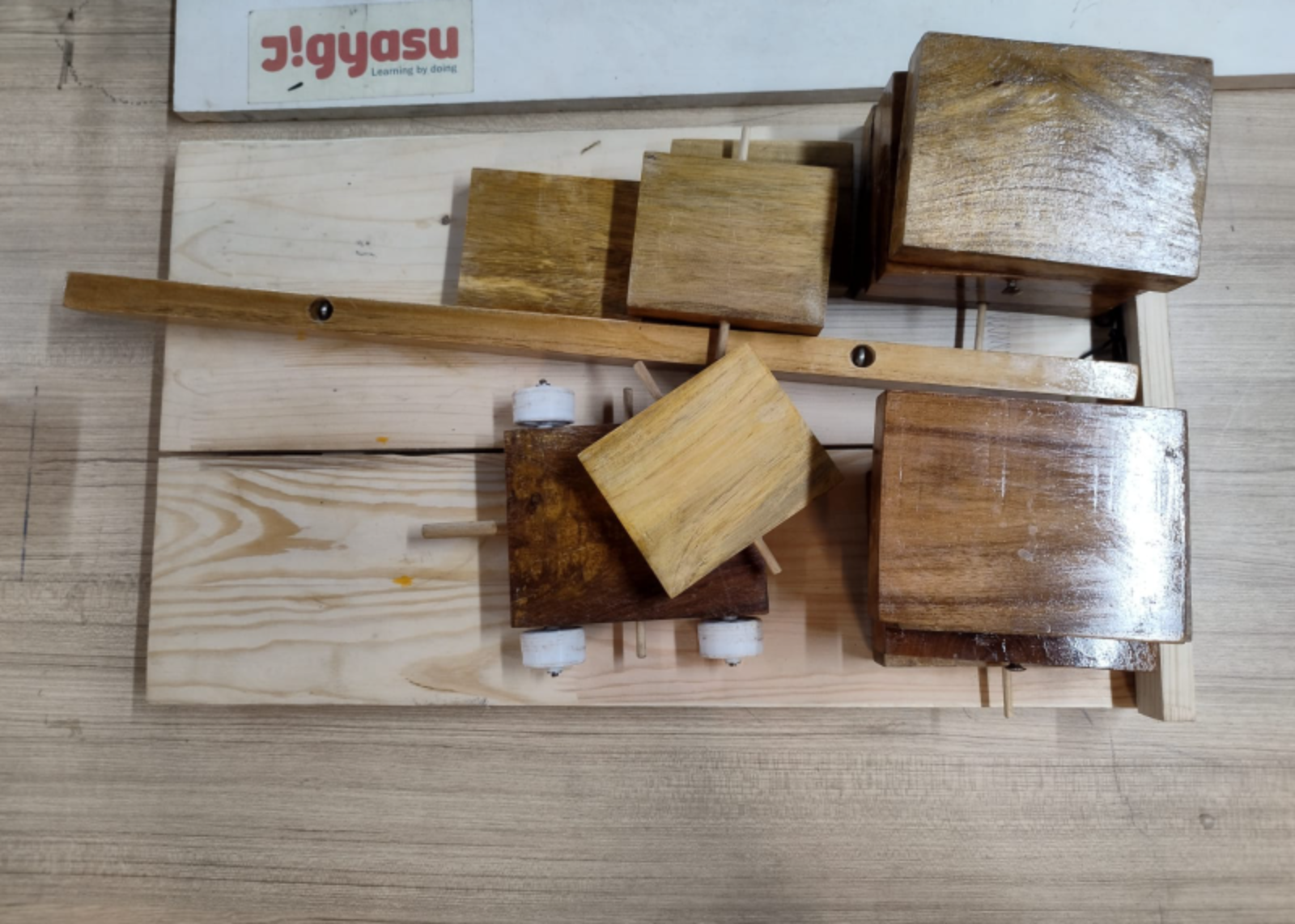
Inertia: NLM blocks, same mass, different force
Concept: Demonstration of inertia of rest and motion using NLM blocks of same mass and different applied forces
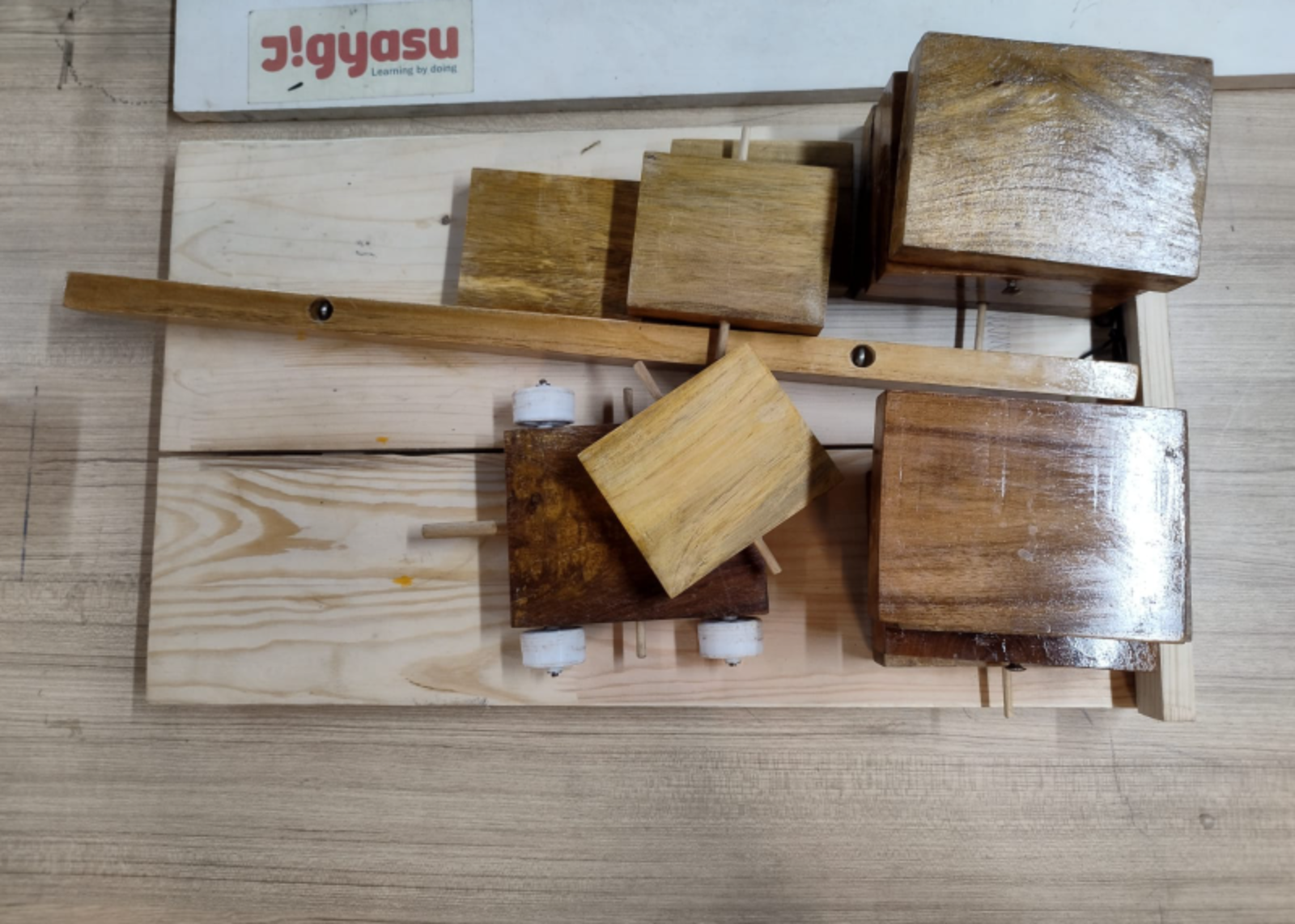
Newton's Second Law: NLM carts, same mass, different force
Concept: Demonstration of Newton's second law of motion motion using NLM cart an different applied forces
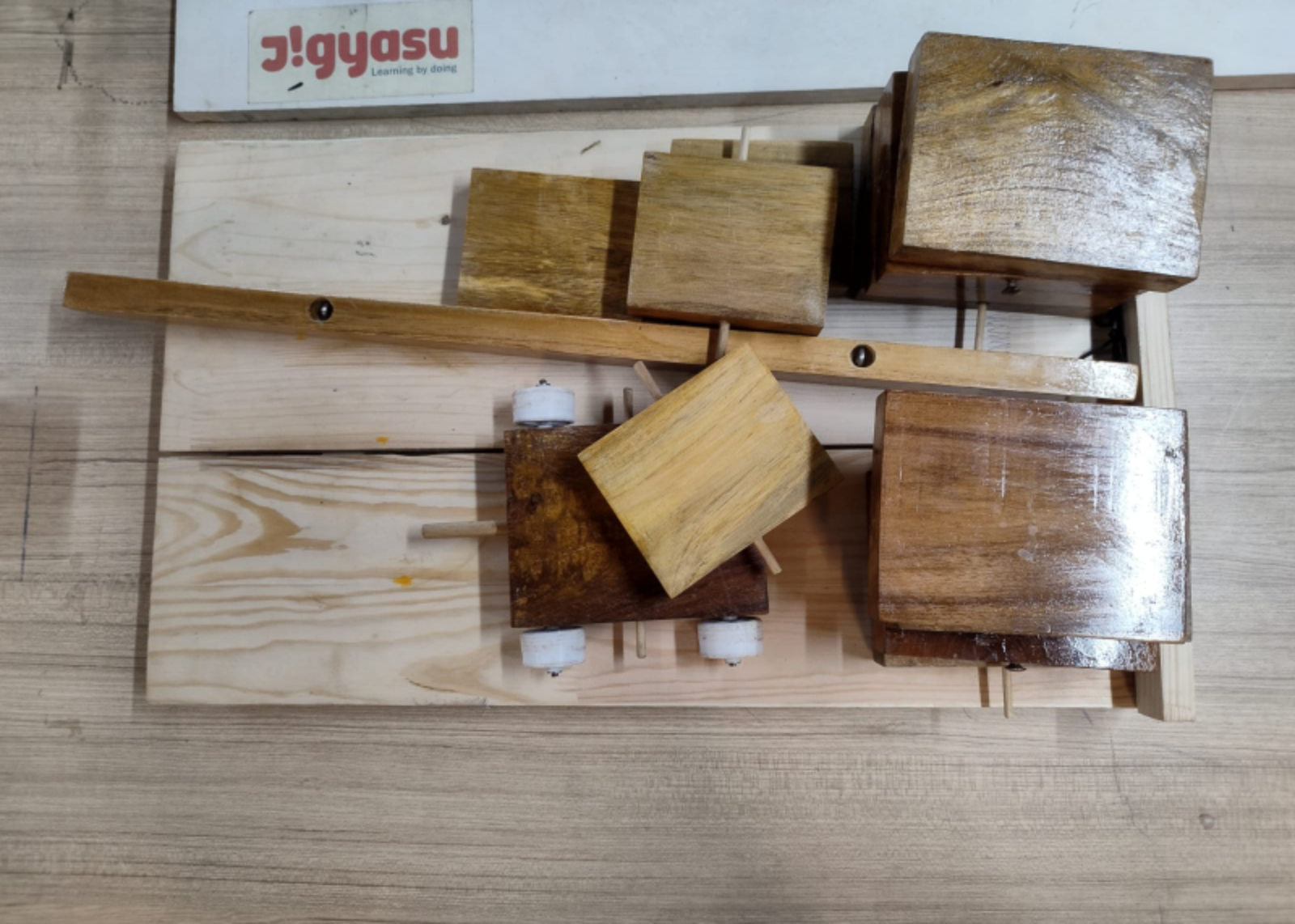
Newton's Second Law: NLM carts, same force, different mass
Concept: Demonstration of Newton's second law of motion using NLM cart an same applied force
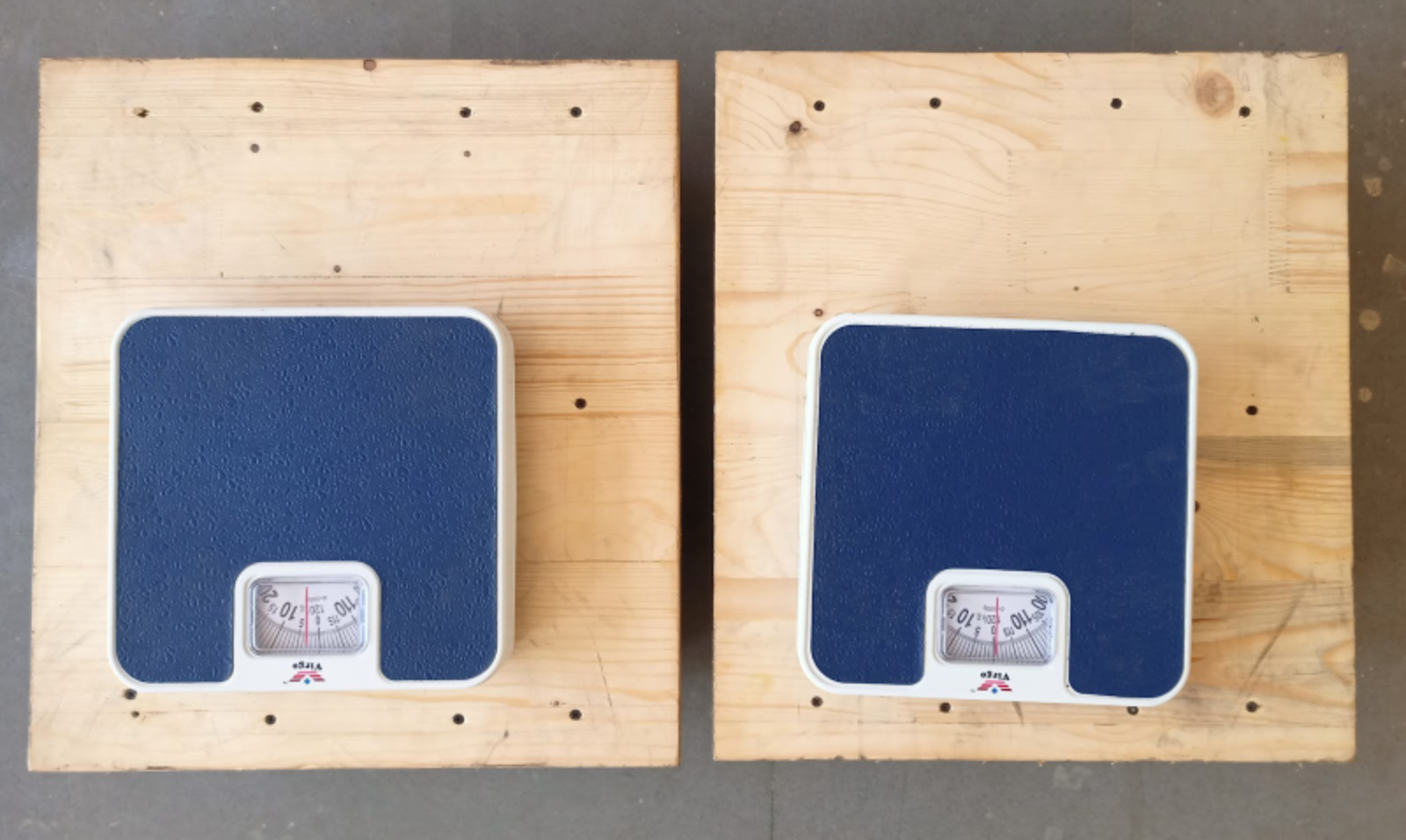
Newton's Second Law: Human cart and Push
Concept: Demonstration of Newton's second law of motion(push) using Human cart
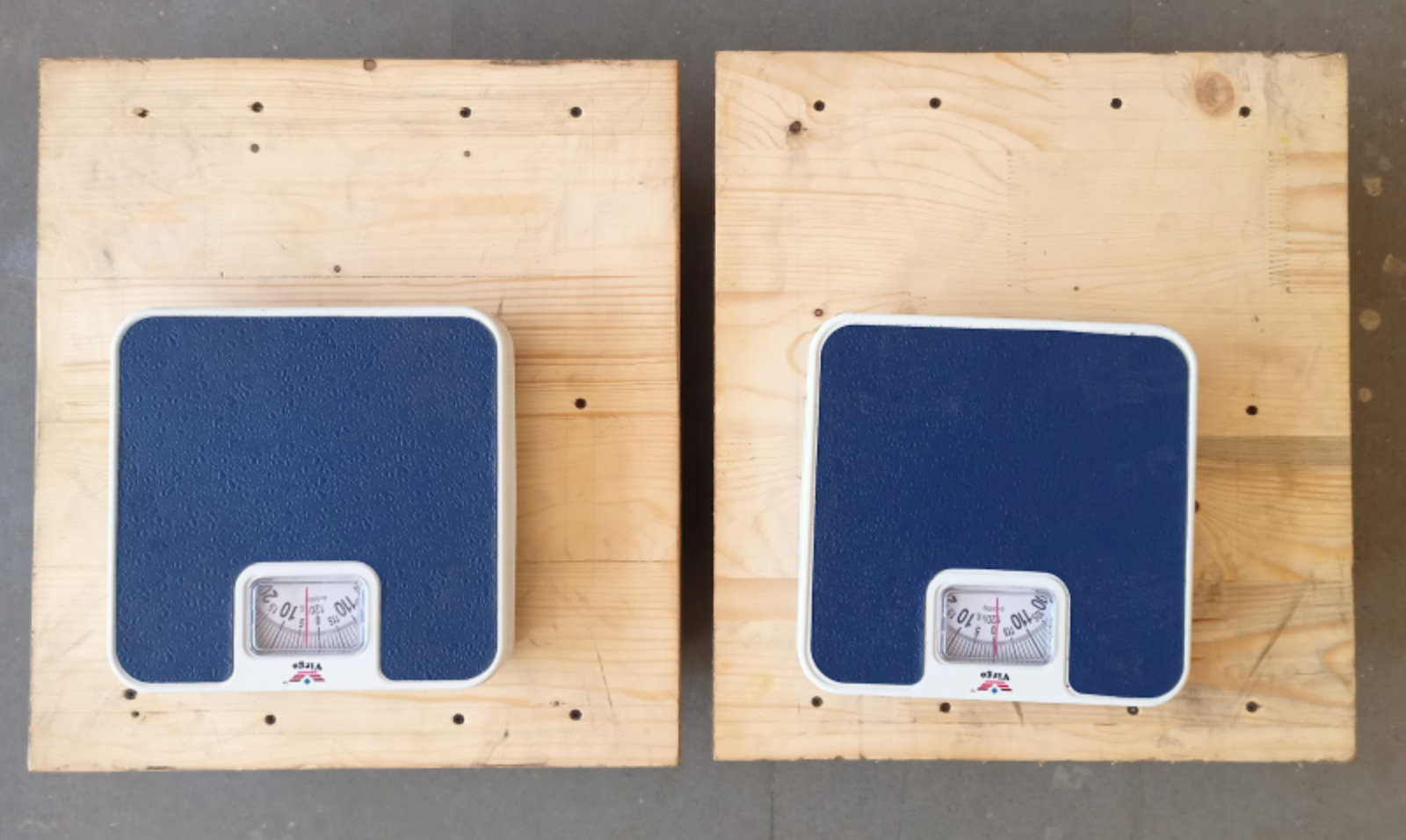
Newton's Second Law: Human cart and Pull
Concept: Demonstration of Newton's second law of motion(pull) using Human cart
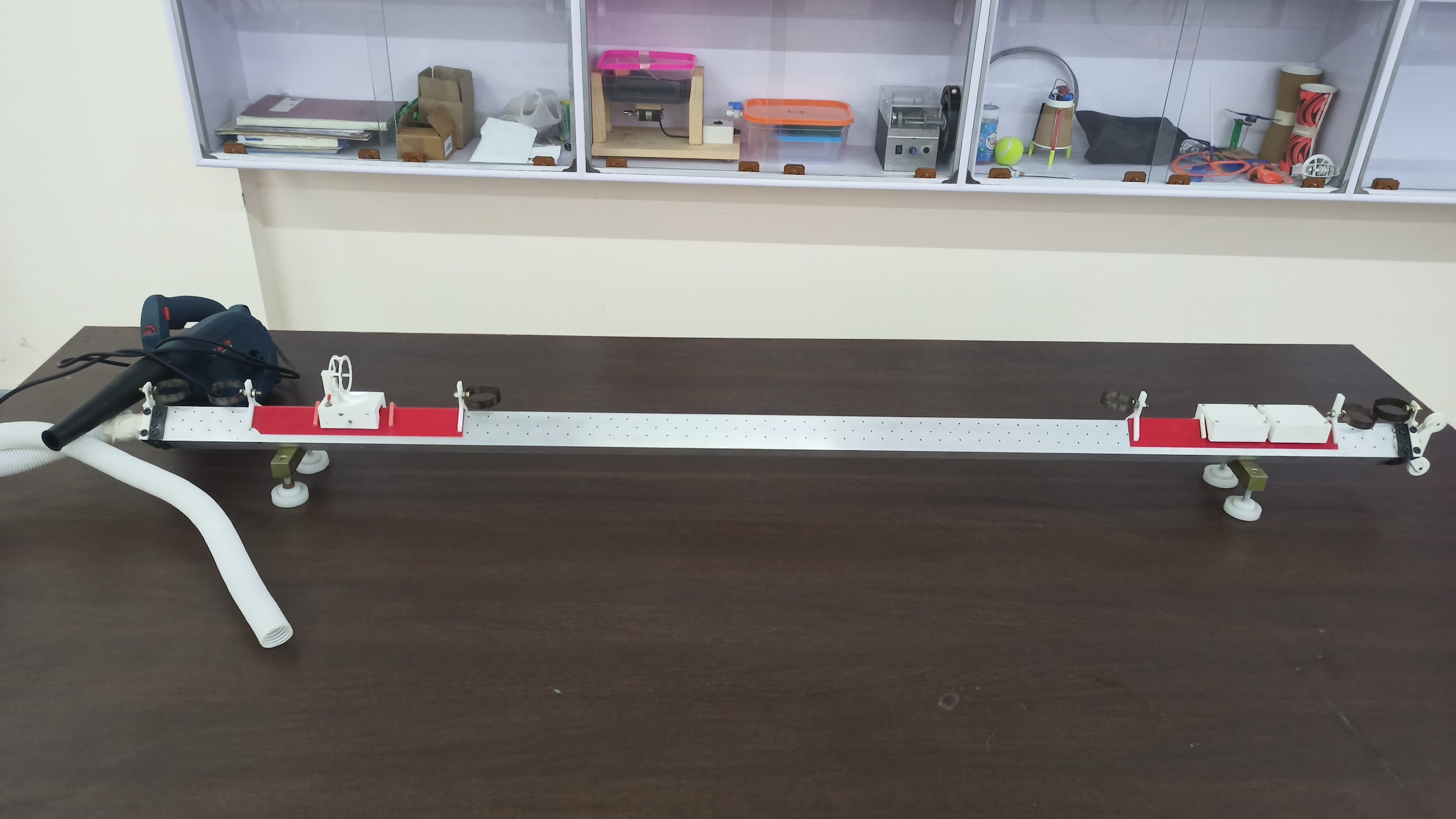
Newton's Second Law: Mechanical bench and NM slider
Concept: Demonstration of Newton's second law of motion using mechanical bench an slider with fan
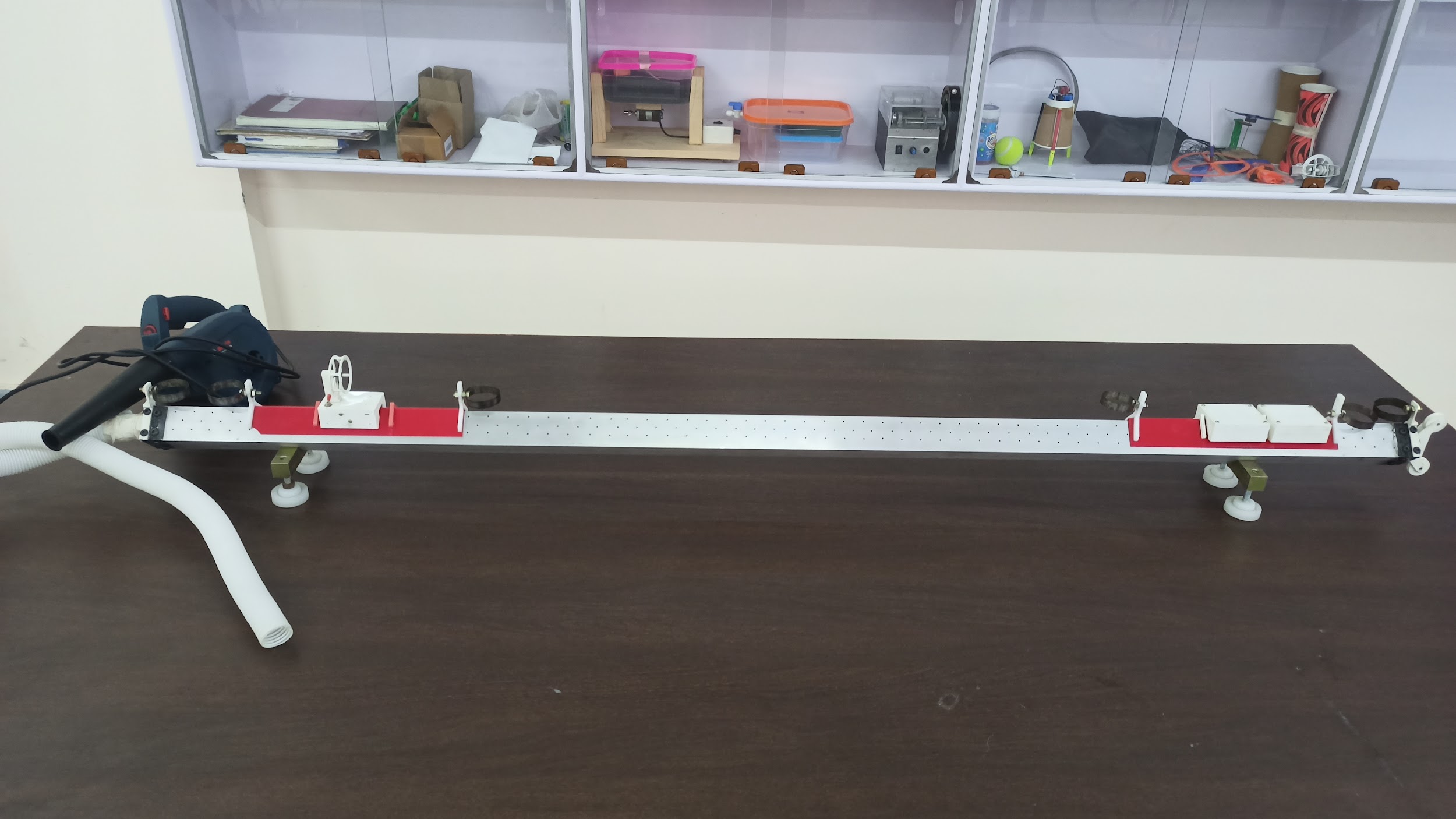
Newton's Second Law: Mechanical bench, Slider and Pulley
Concept: Demonstration of Newton's second law of motion using pulley attached mechanical bench.
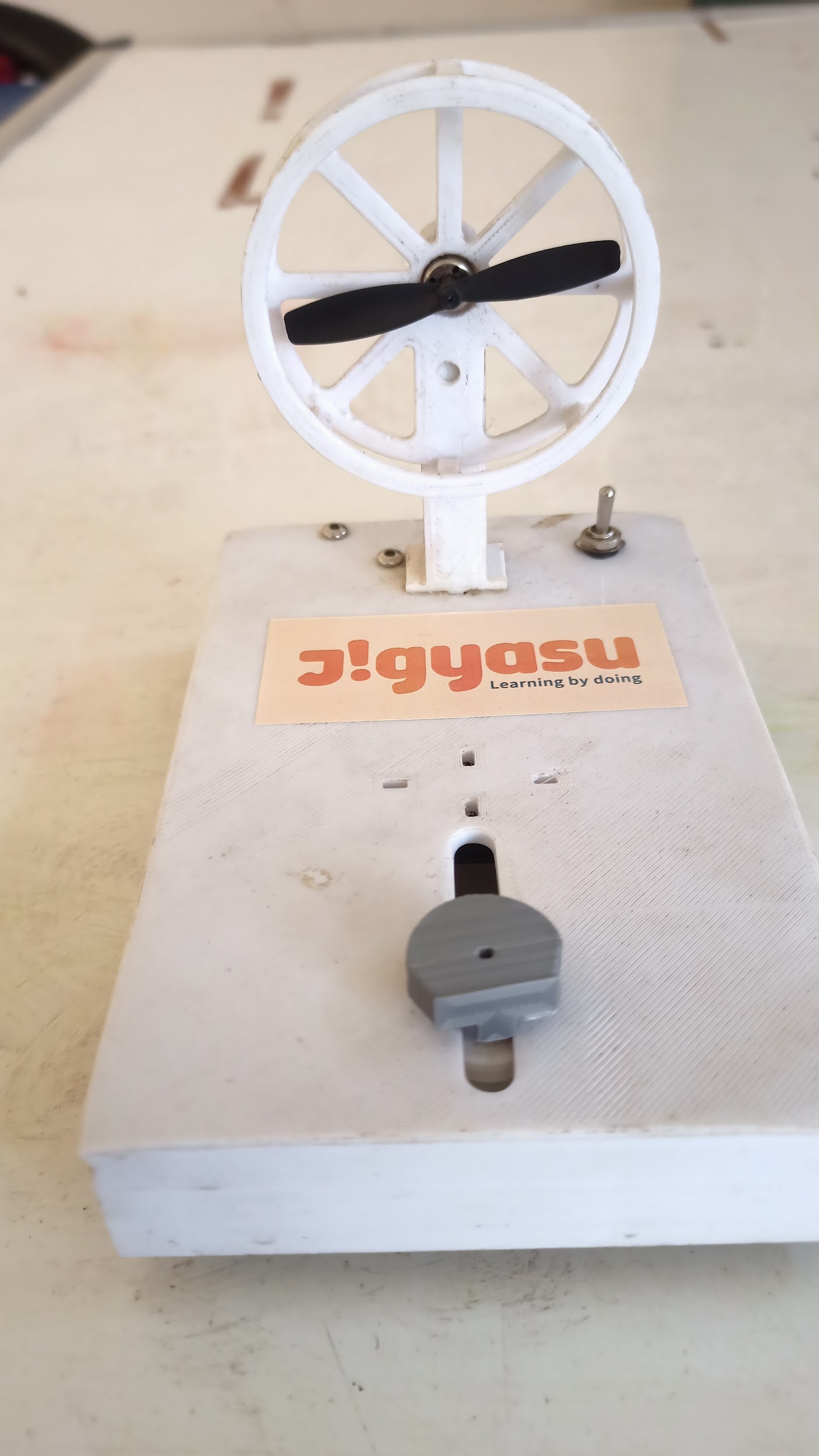
Newton's Second Law: NM car
Concept: Demonstration of Newton's second law of motion using NM car on the ground
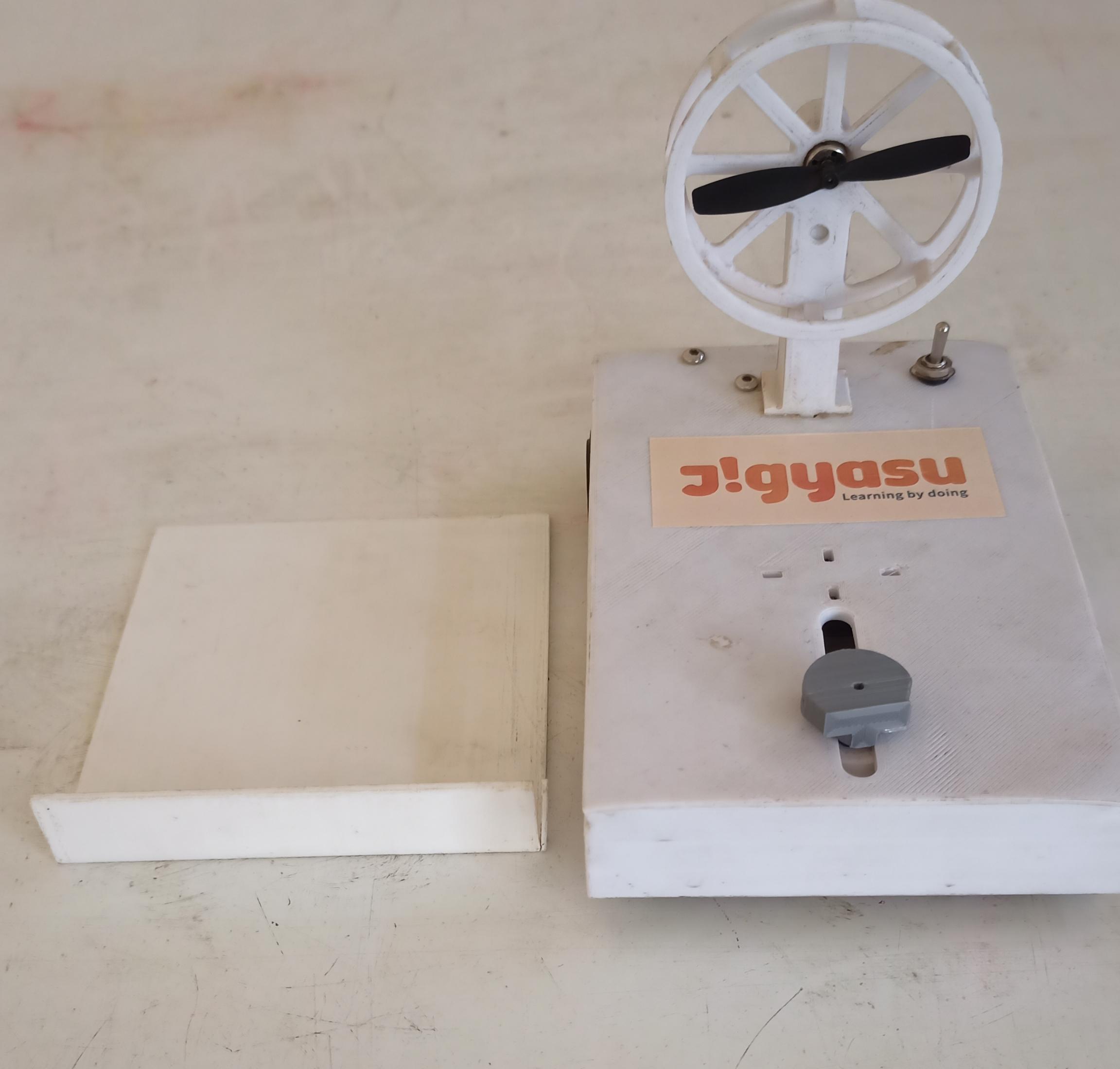
Newton's Second Law: NM car with flat sail
Concept: Demonstration of Newton's second law of motion using NM car on the ground with flat sail
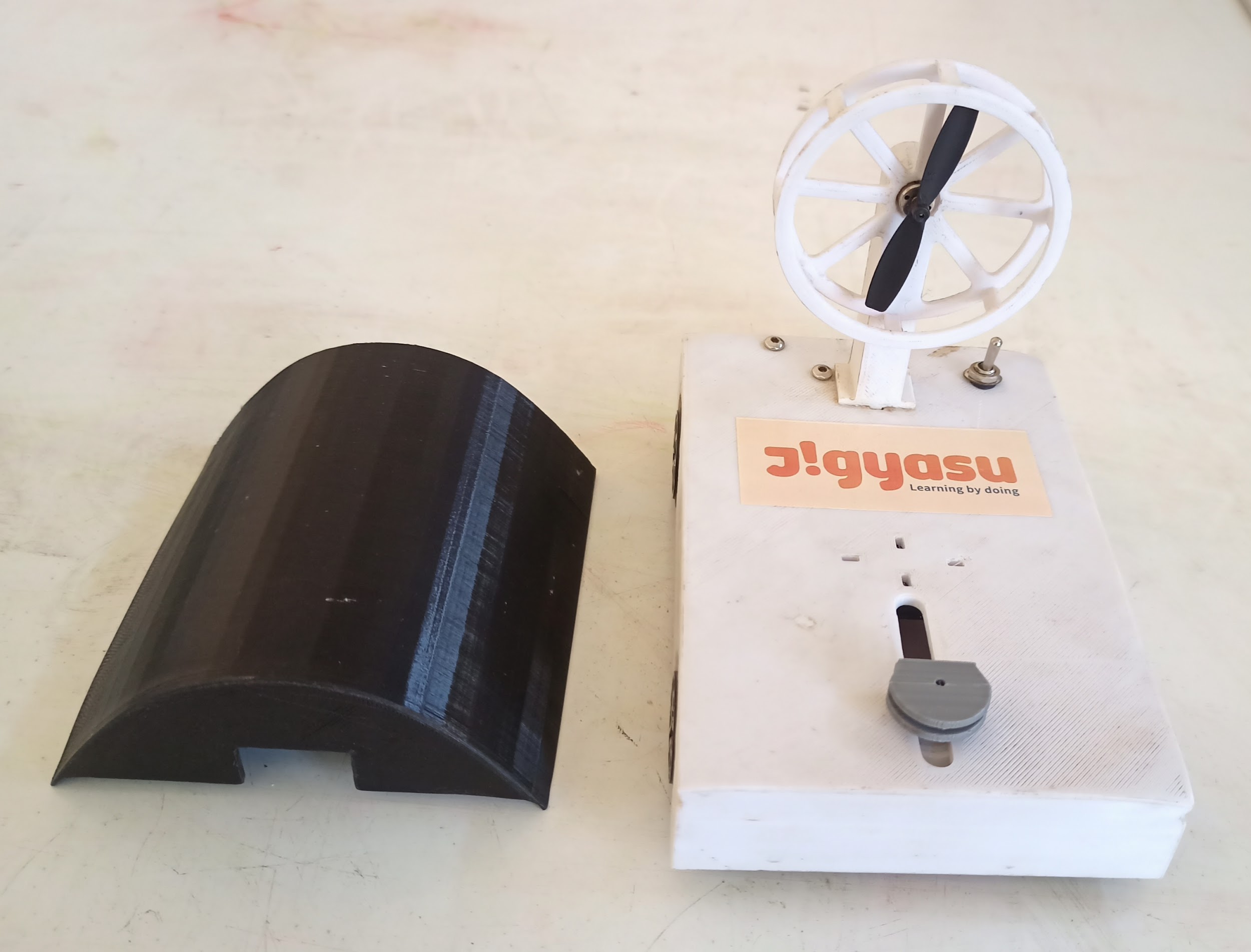
Newton's Second Law: NM car with curved sail
Concept: Demonstration of Newton's second law of motion using NM car on the ground with flat sail
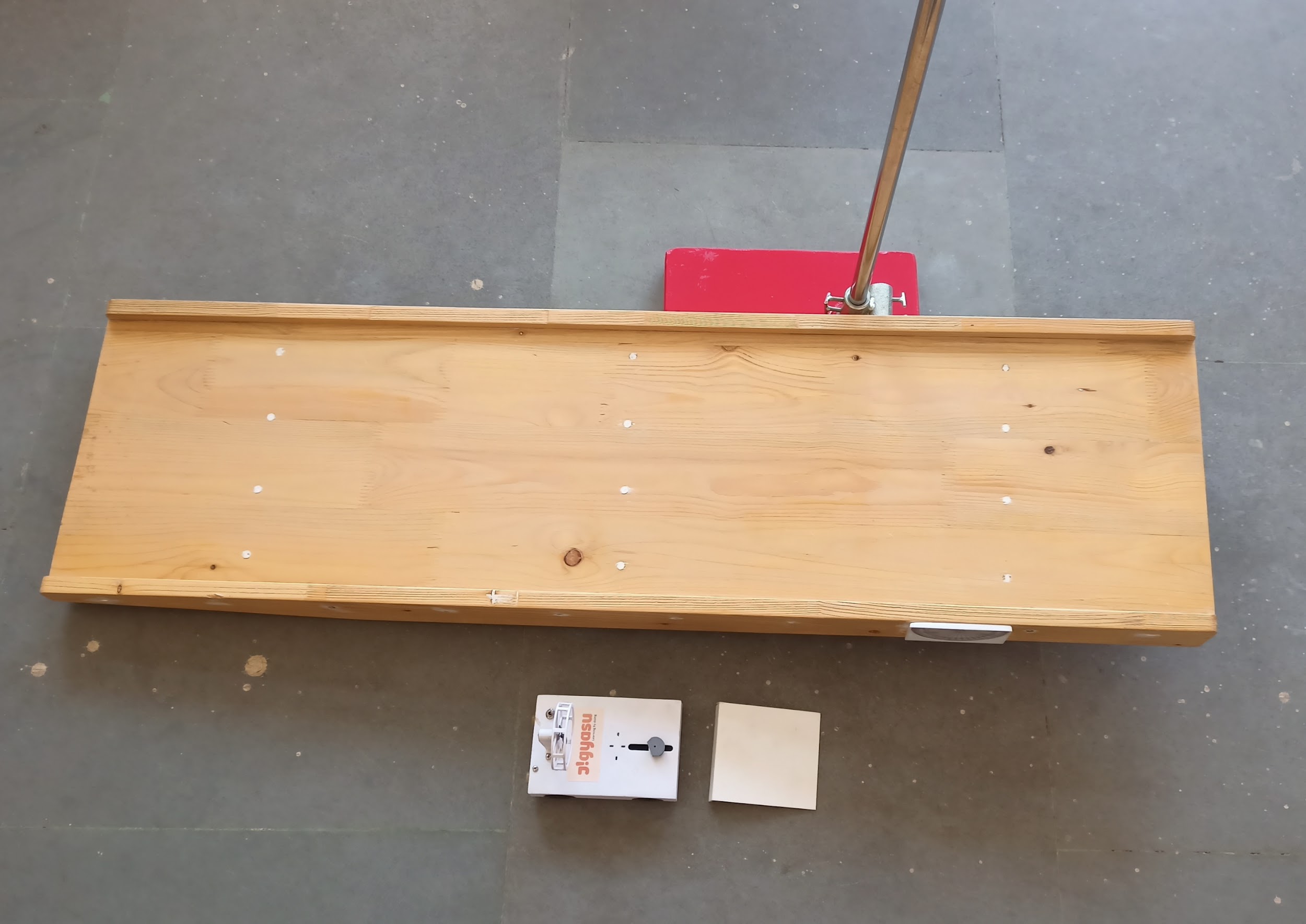
Newton's Second Law: NM car with flat sail on inclined plane
Concept: Demonstration of Newton's second law of motion using NM car on an inclined plane with flat sail
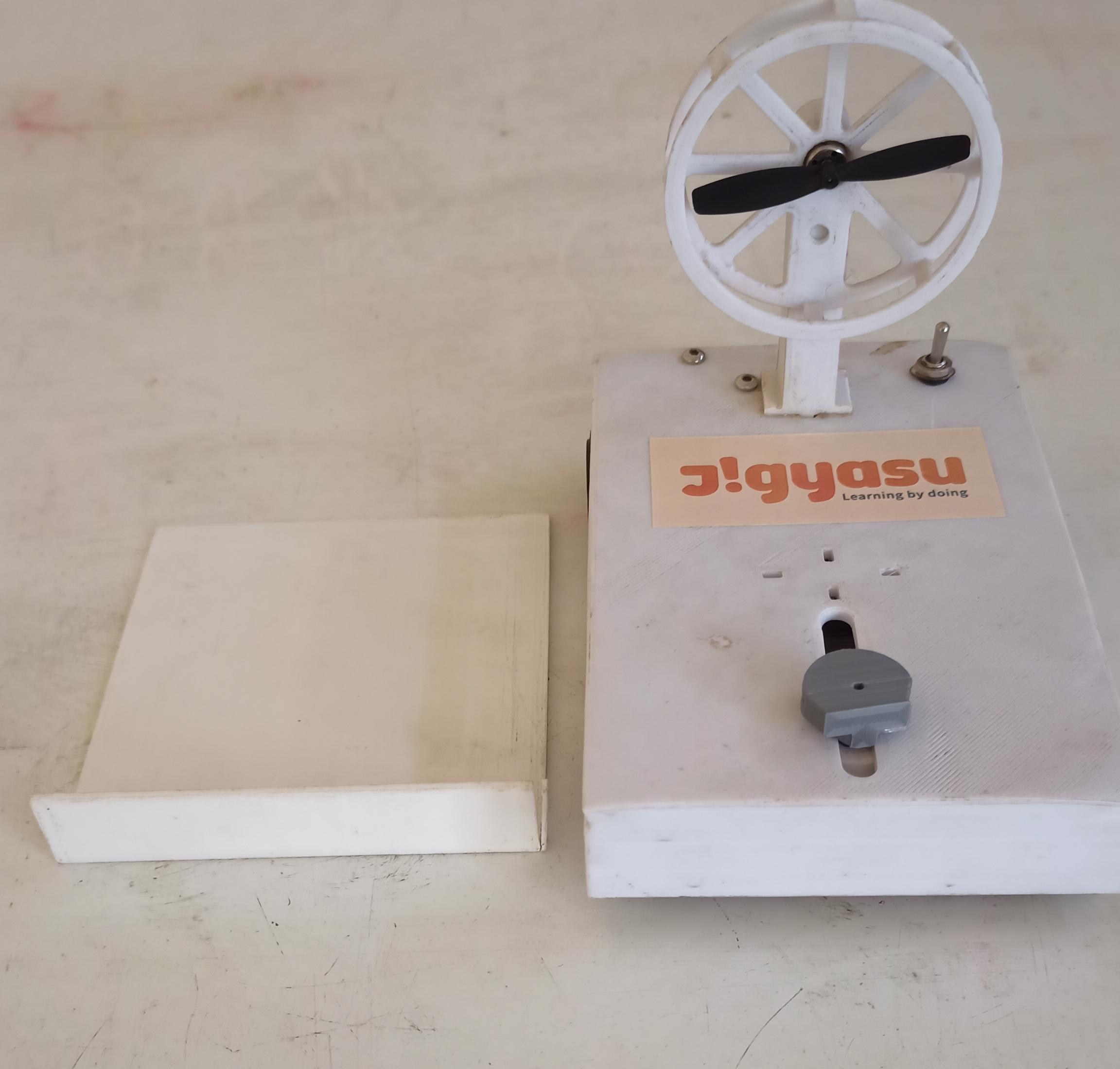
Newton's Second Law: NM cart with flat sail
Concept: Demonstration of Newton's second law of motion(lateral force) using NM car on water surface with flat sail
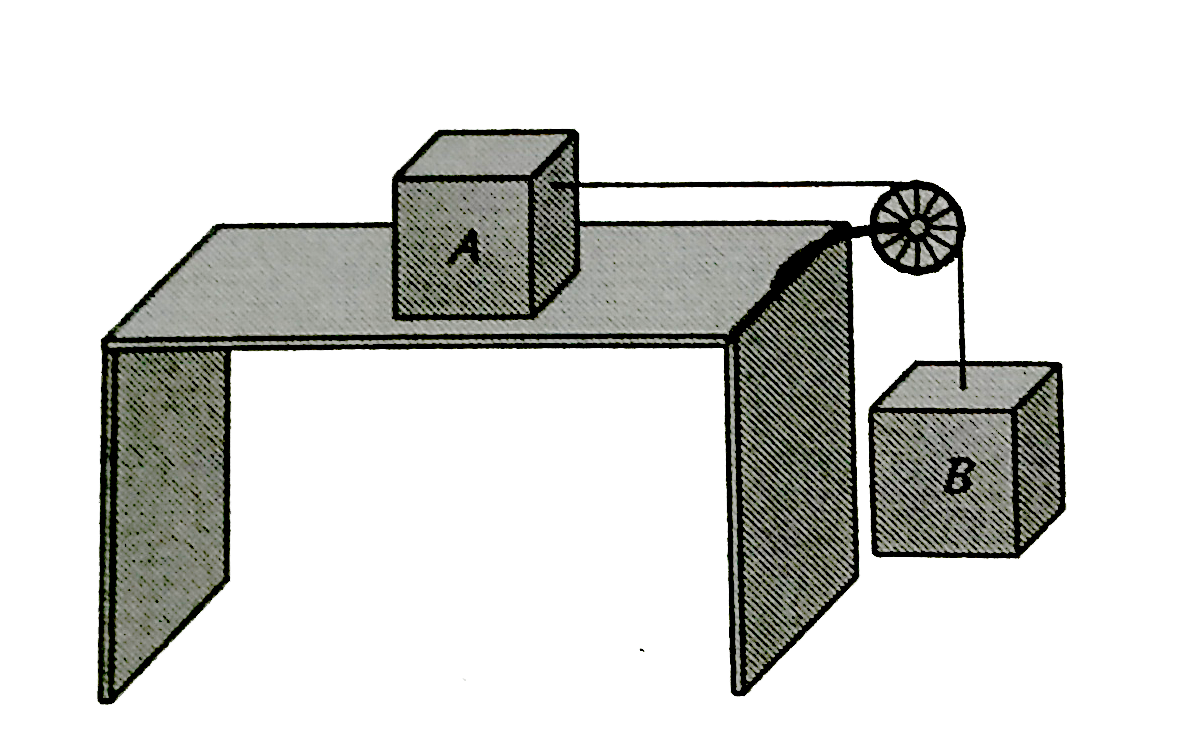
Newton's Third Law: Wagon-pulley setup
Concept: Demonstration of Newton's second law of motion using wagon pulley setup
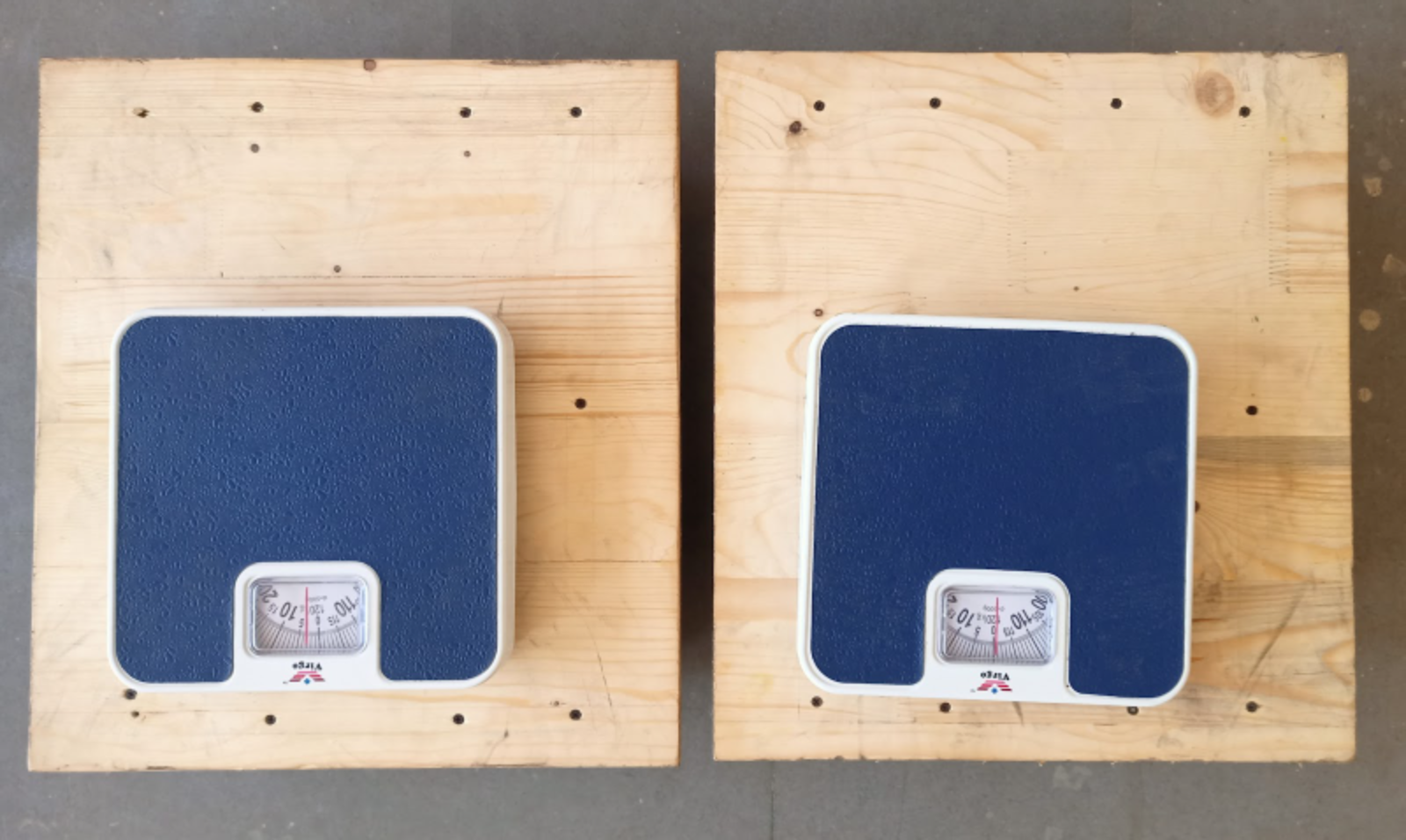
Newton's Third Law: Human cart and weighing machine
Concept: Demonstration of Newton's third law of motion using a Human cart and weighing machine
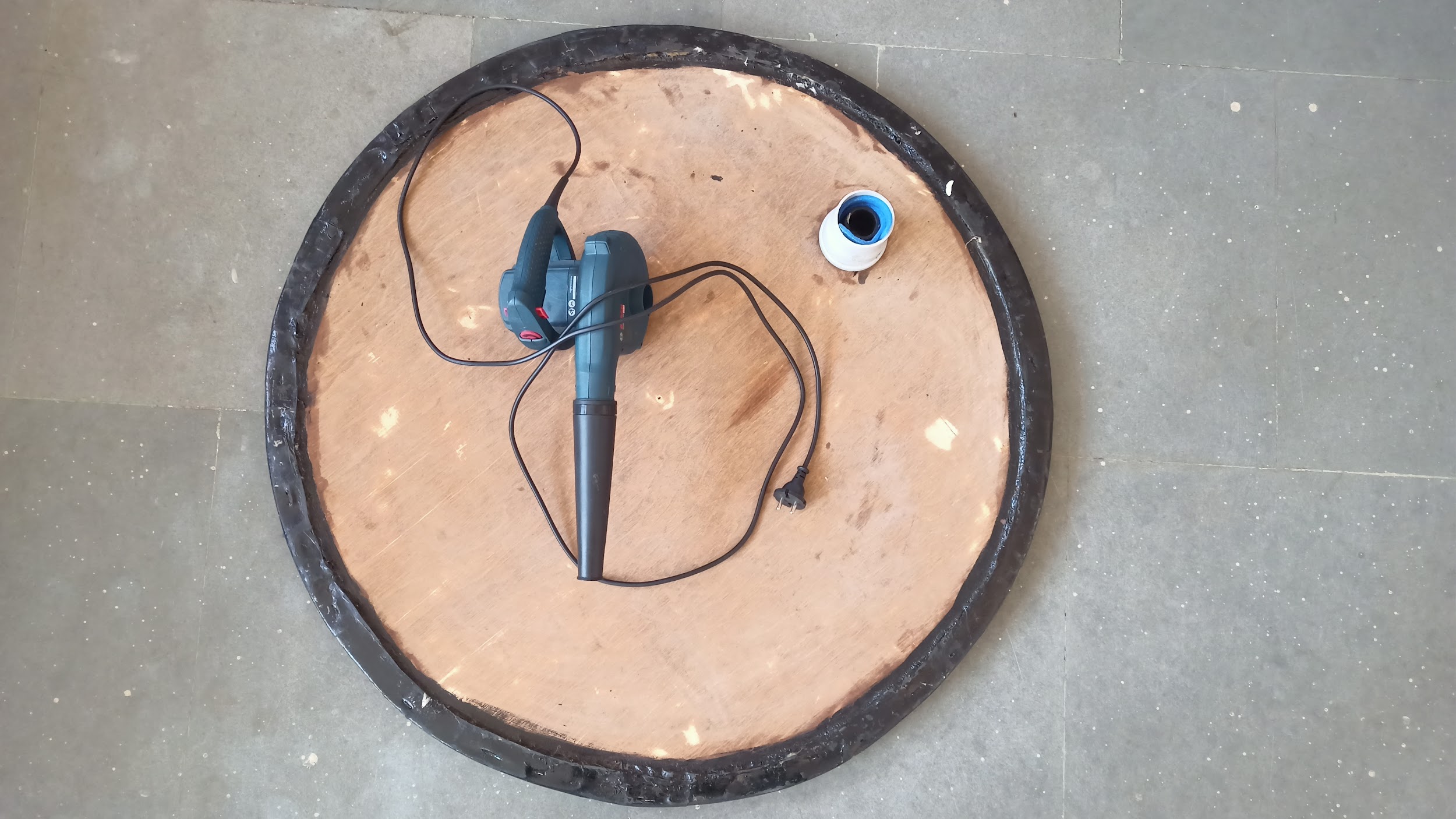
Newton's Third Law: Hovercraft
Concept: Demonstration of Newton's third law of motion using hover craft
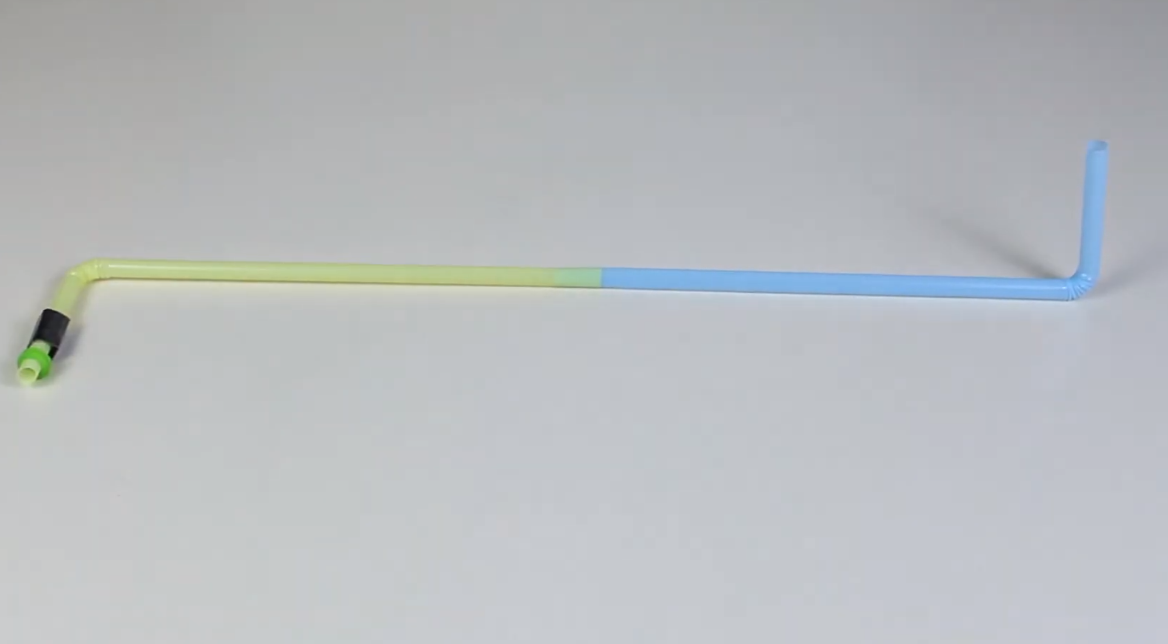
Newton's Third Law: Blowing pipes
Concept: Demonstration of Newton's third law of motion using blowing pipes
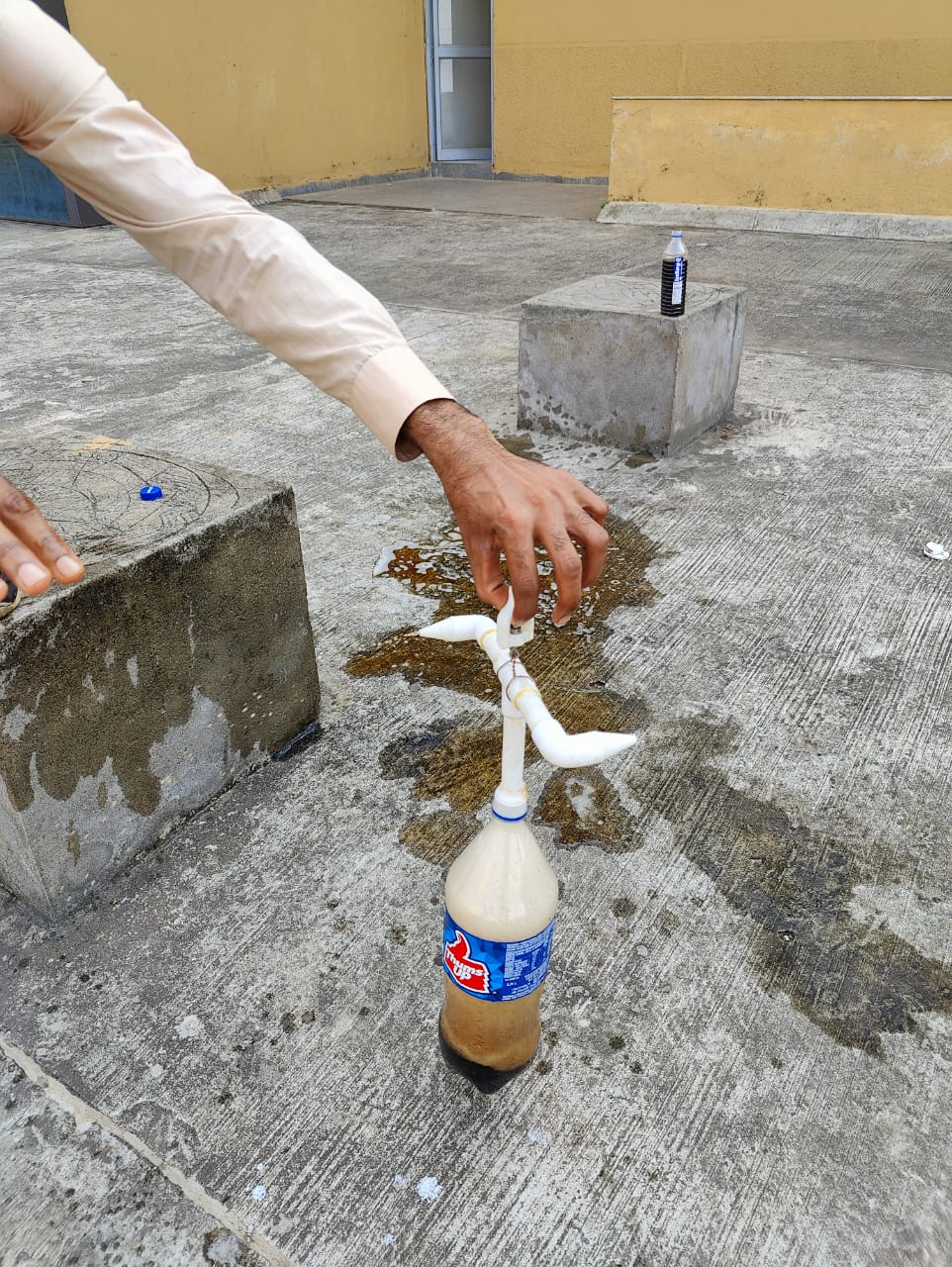
Newton's Third Law: Bottle spinner
Concept: Demonstration of Newton's third law of motion using bottle spinner
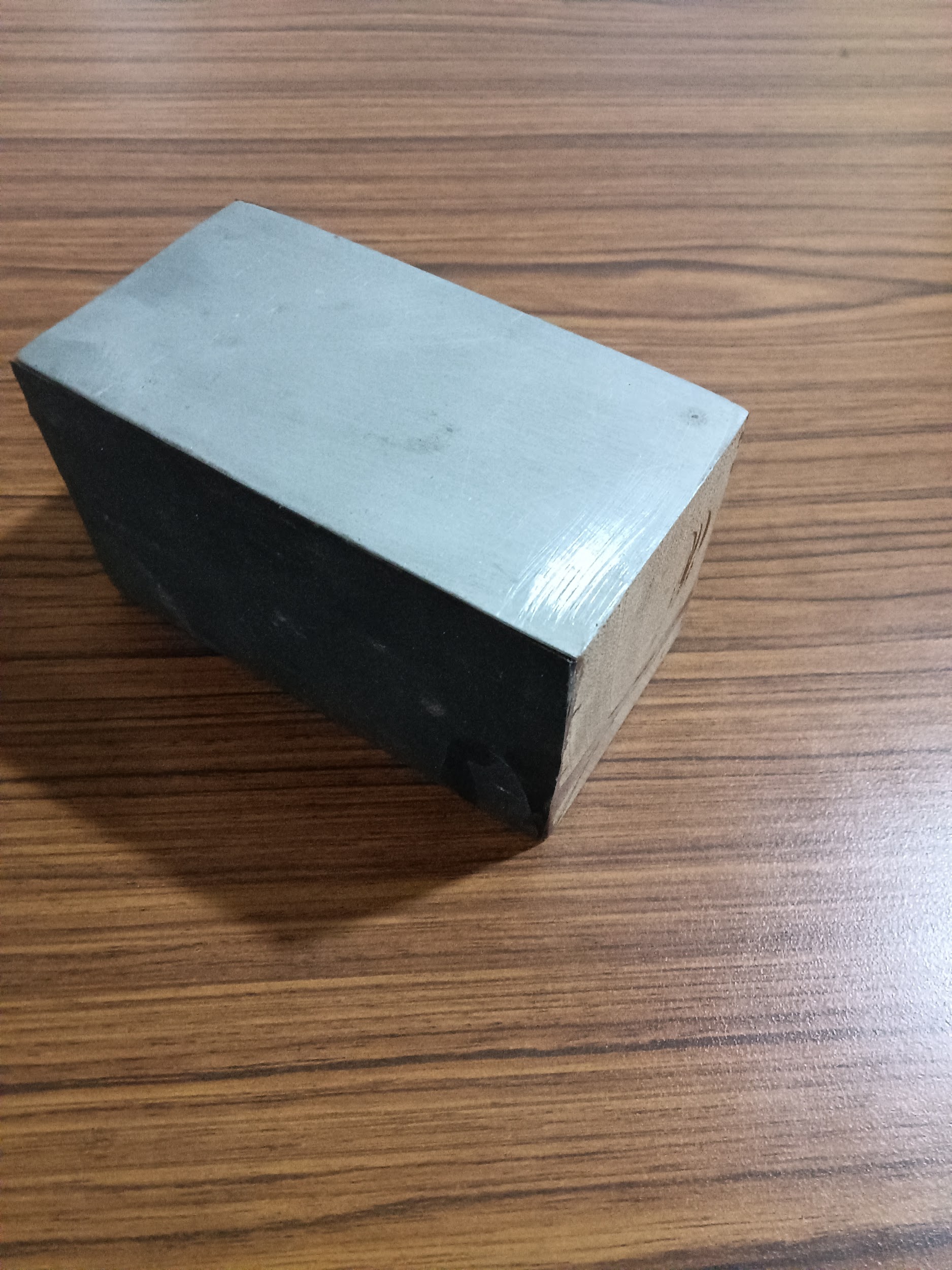
Newton's Third Law: Frictional block
Concept: Demonstration of Newton's third law of motion using frictional block
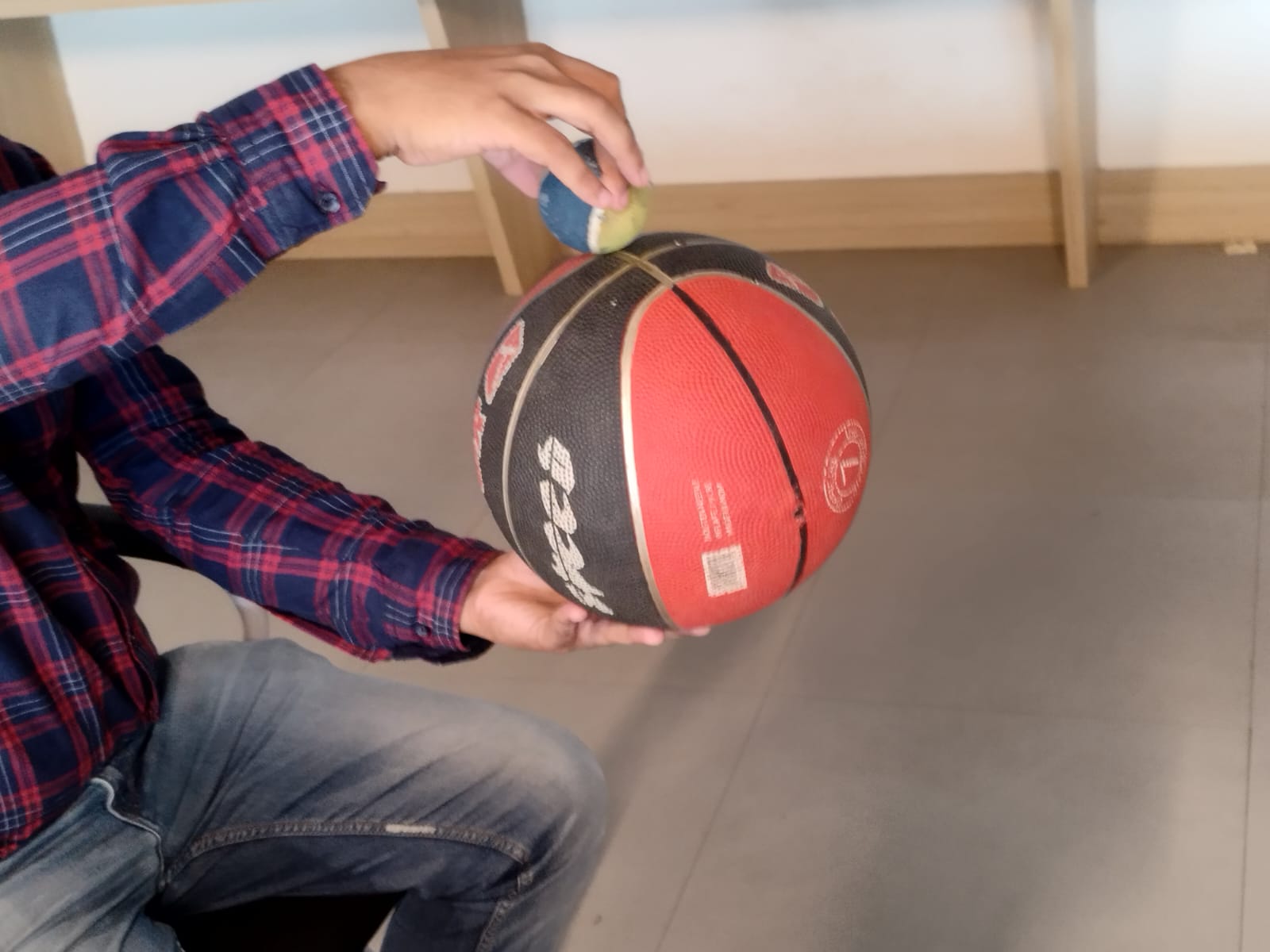
Impulse demonstration with cloth
Concept: Demonstration of Impulse using different objects with cloth
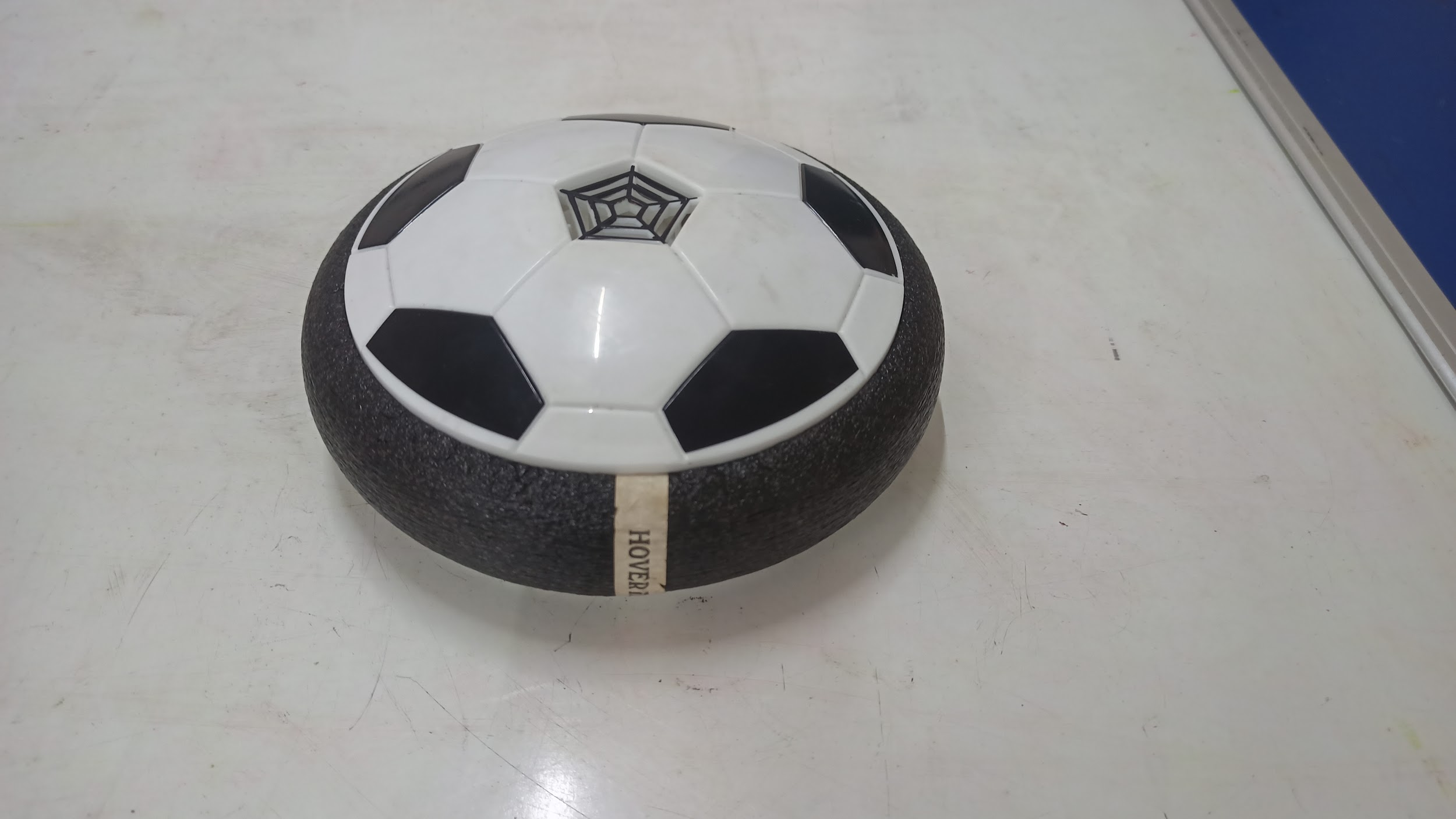
Impulse demonstration with drifter
Concept: Demonstration of Impulse using a drifter
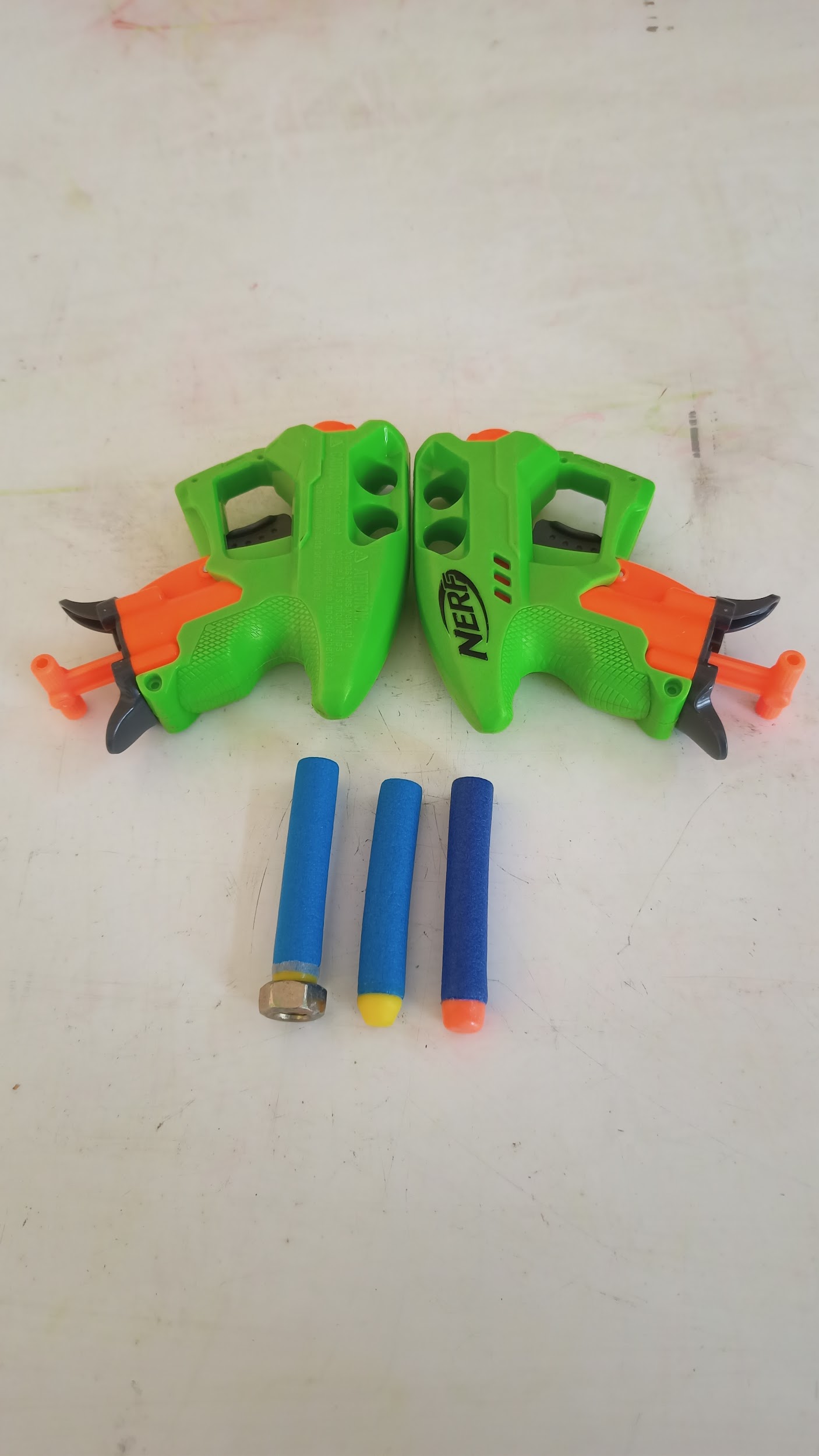
Impulse demonstration with dart guns
Concept: Demonstration of Impulse using dart gun
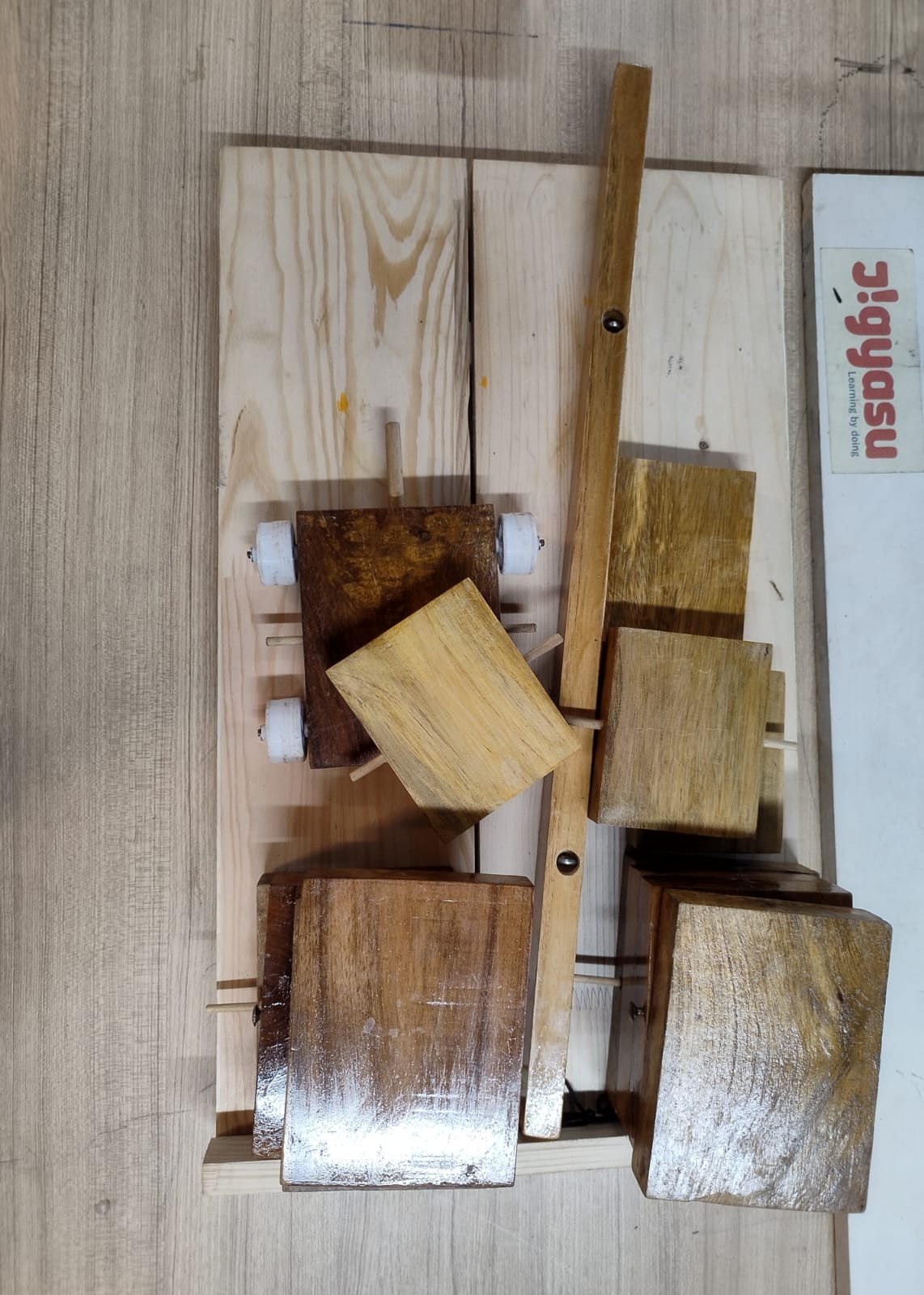
Conservation of Linear momentum with NLM blocks
Concept: Demonstration of conservation of linear momentum using NLM blocks
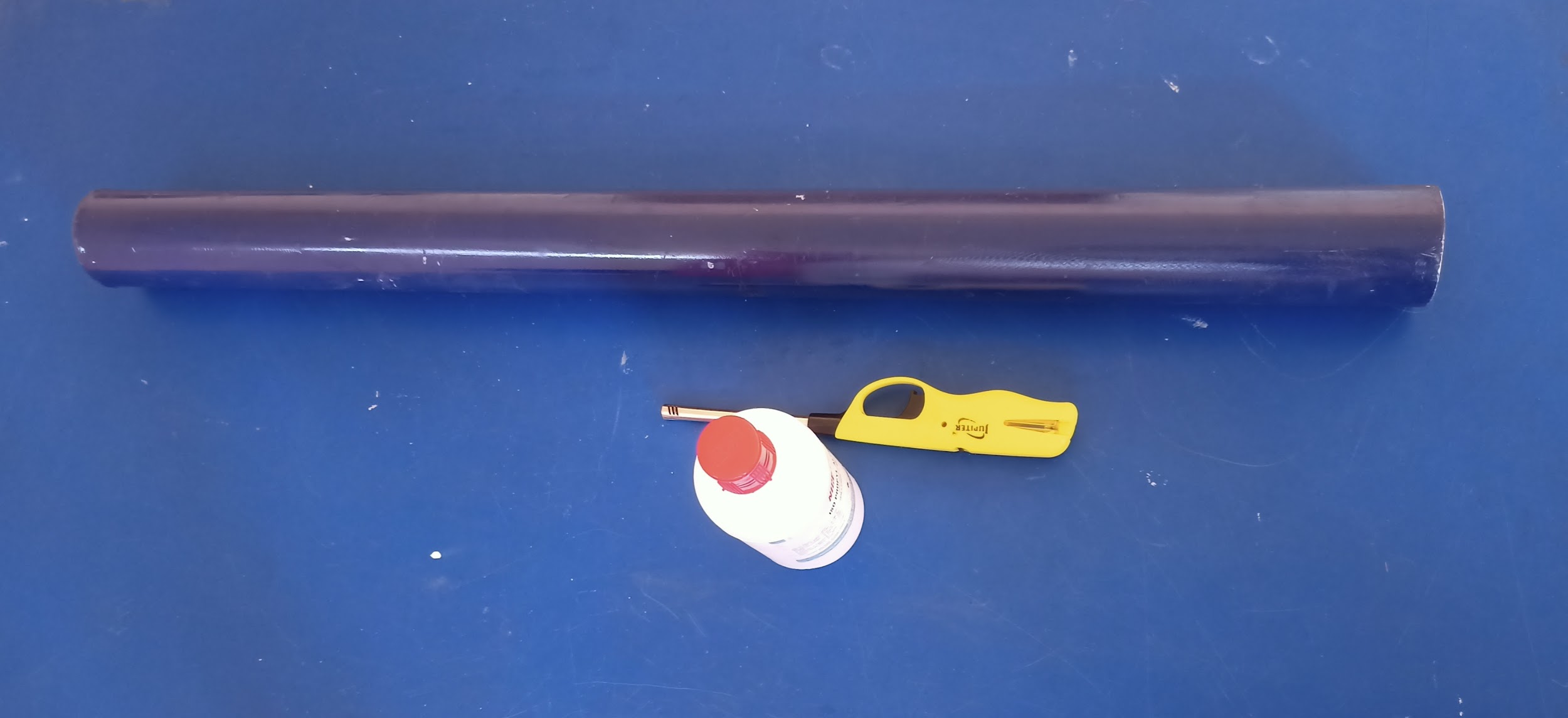
Conservation of linear momentum: One sided cannon
Concept: Demonstration of conservation of linear momentum using one side open Tennis ball cannon
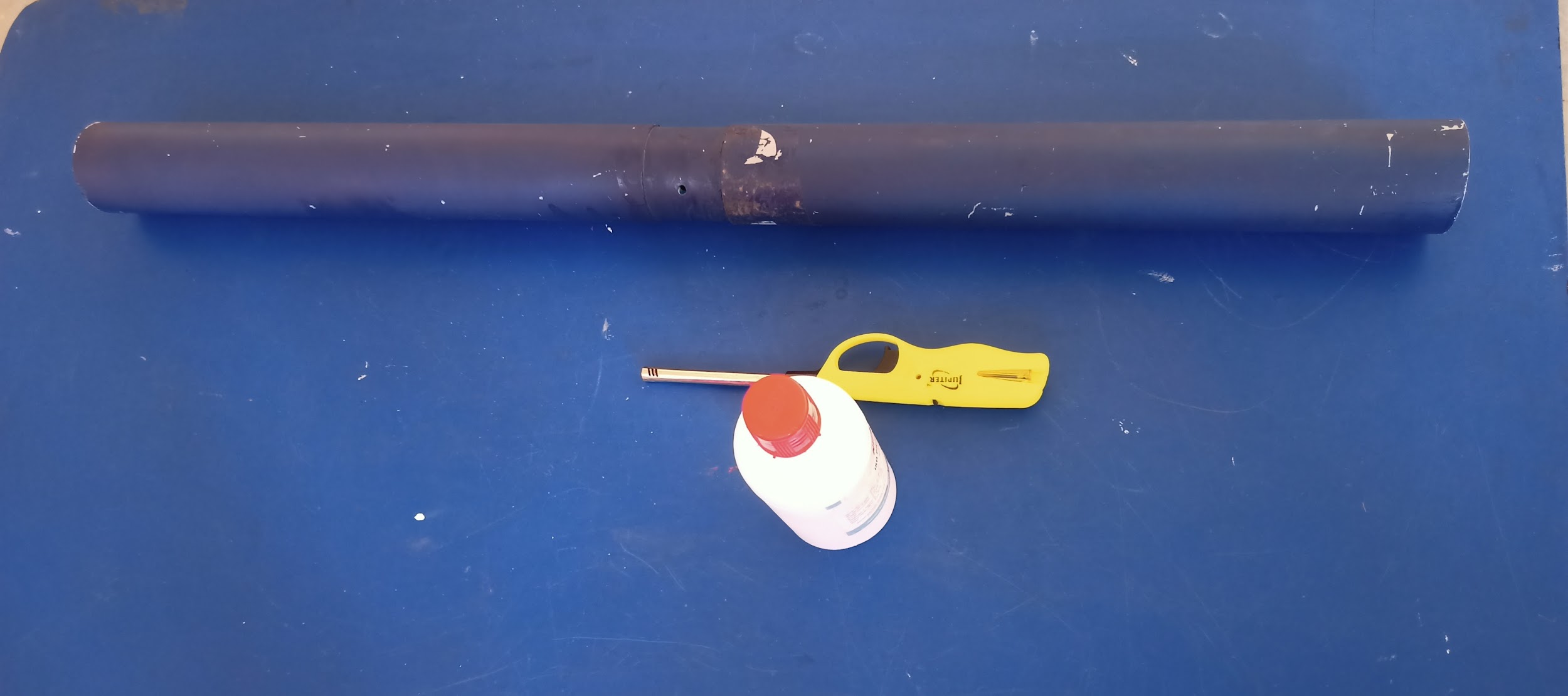
Conservation of linear momentum: Two sided cannon
Concept: Demonstration of conservation of linear momentum using two side open Tennis ball cannon
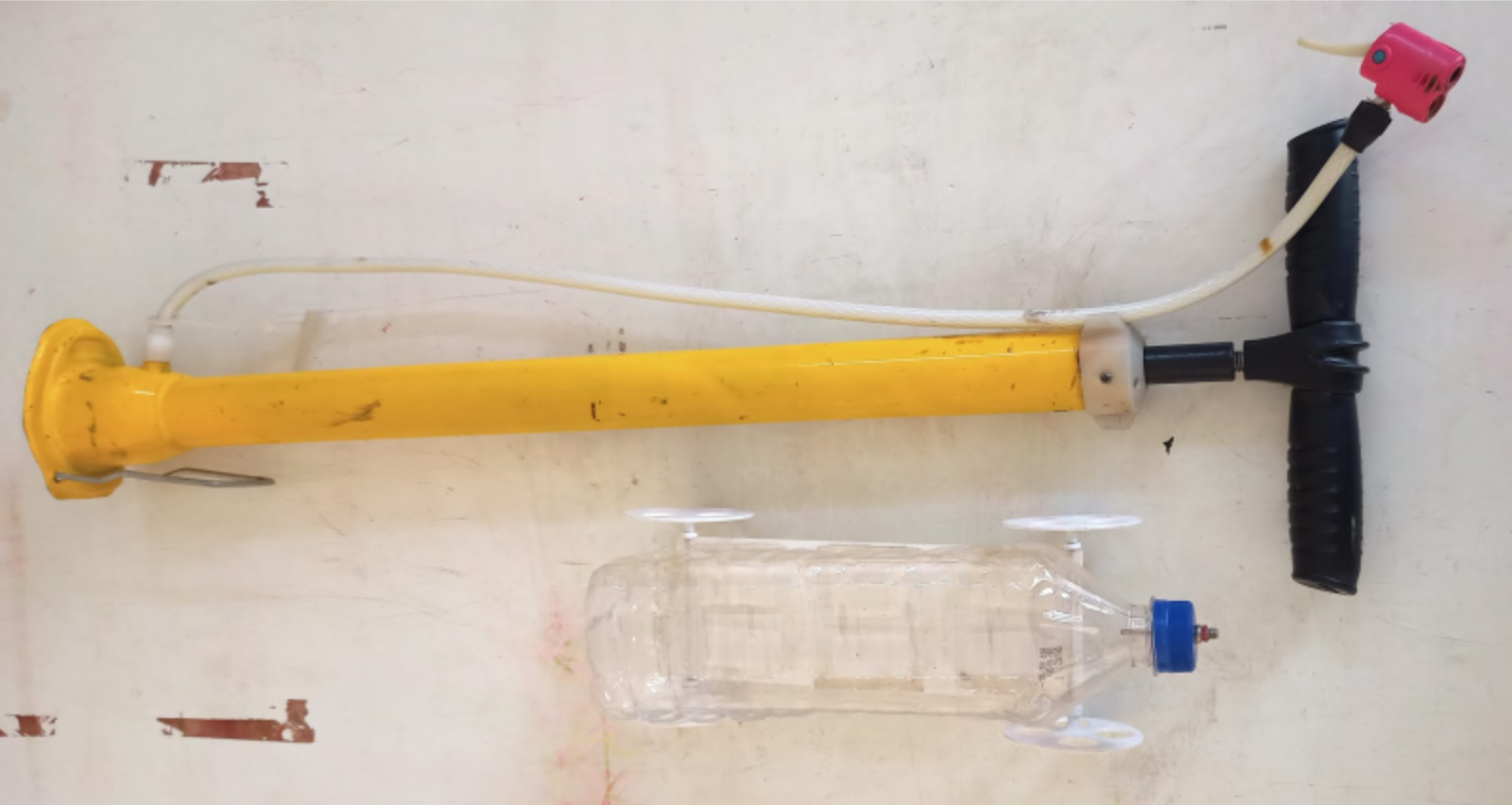
Conservation of linear momentum: Bottle car
Concept: Demonstration of conservation of linear momentum using bottle car
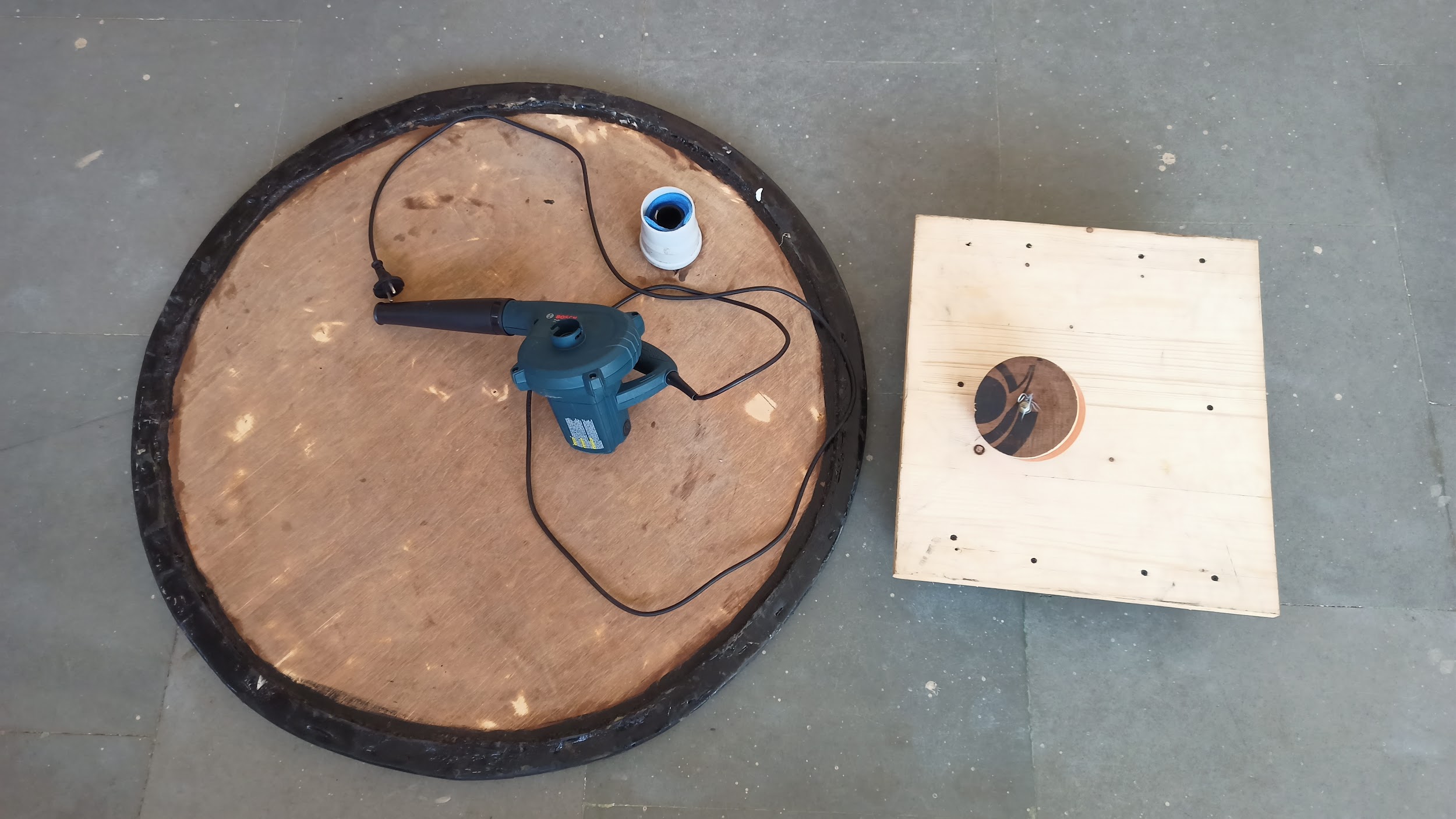
Conservation of linear momentum: Human cart/Hovercraft
Concept: Demonstration of conservation of linear momentum using Human Cart/Hovercraft
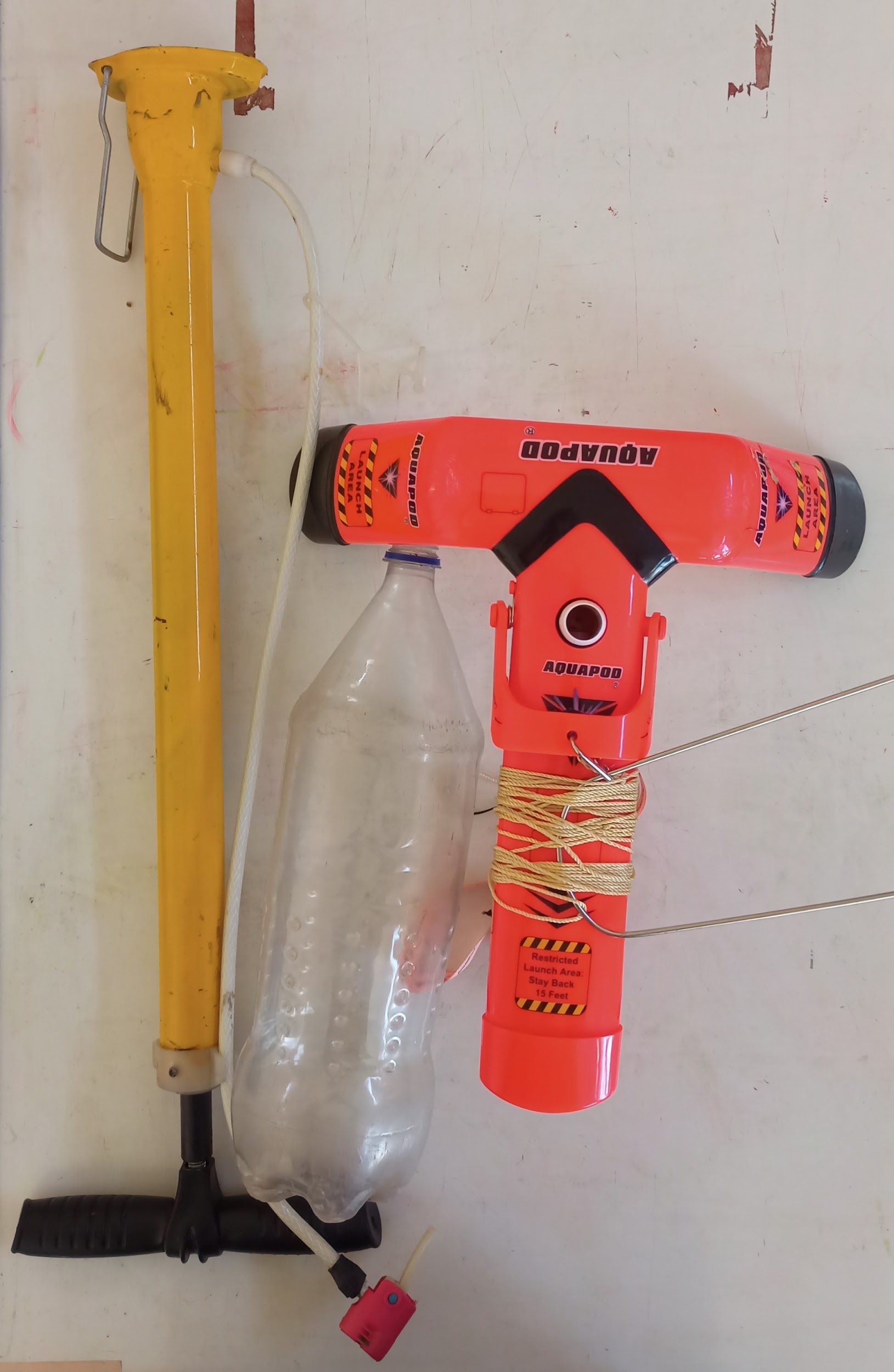
Conservation of linear momentum: Air/water rocket
Concept: Demonstration of conservation of linear momentum using air/water rocket
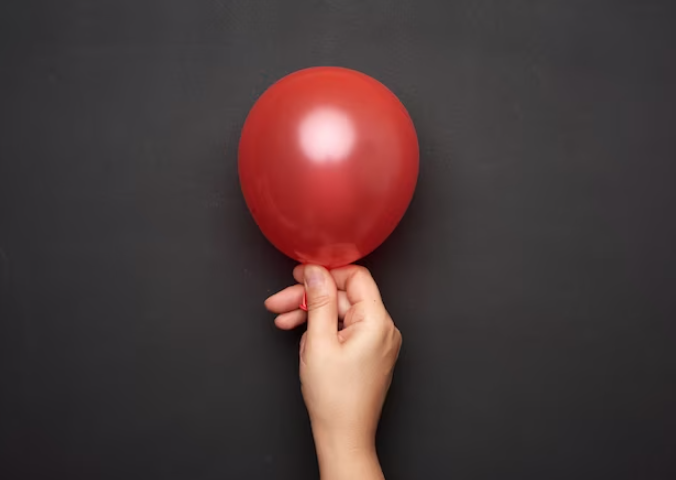
Conservation of linear momentum: Balloon rocket
Concept: Demonstration of conservation of linear momentum using balloon rocket on string
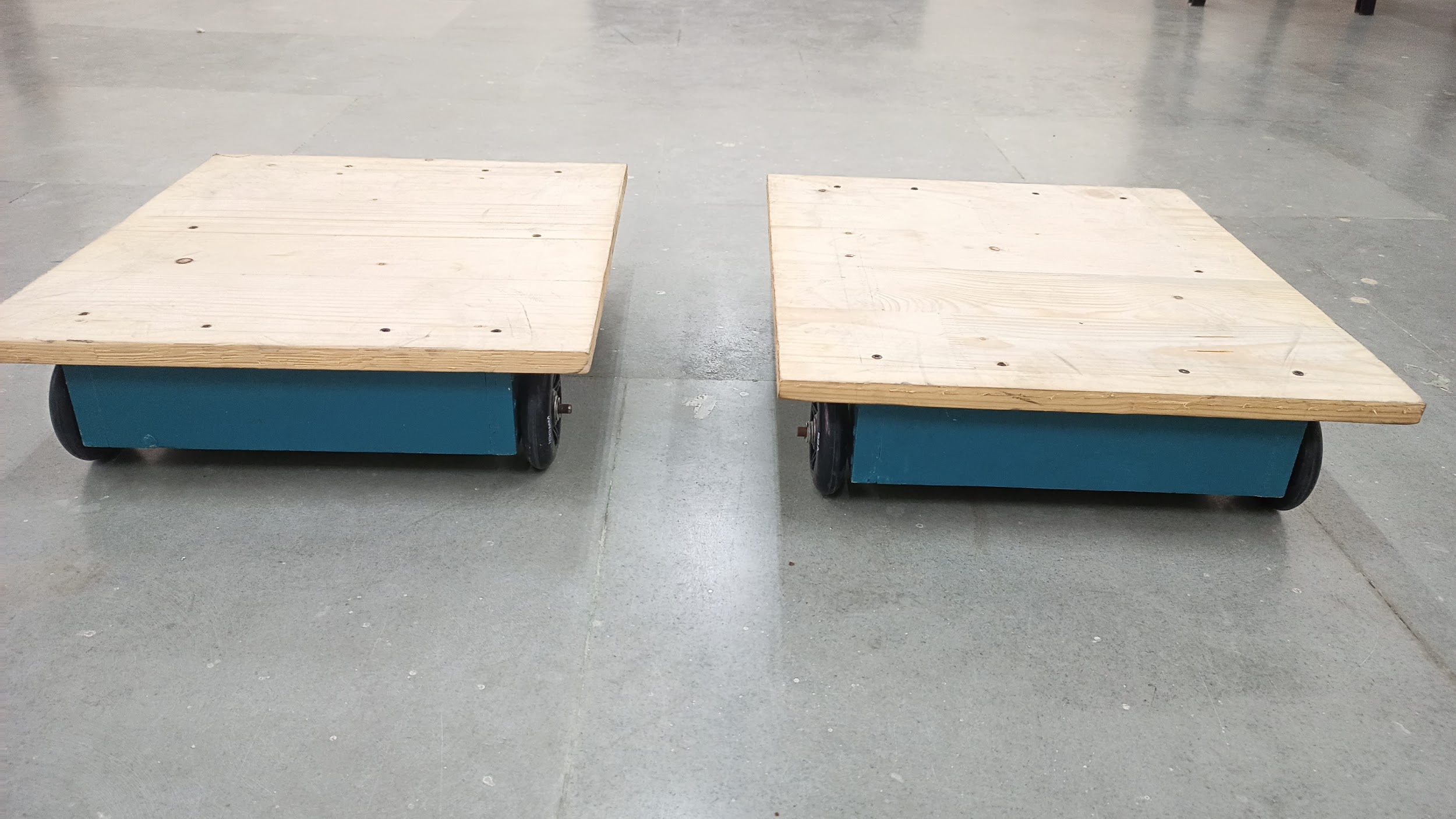
Conservation of linear momentum:Human carts
Concept: Demonstration of conservation of linear momentum using Human cart
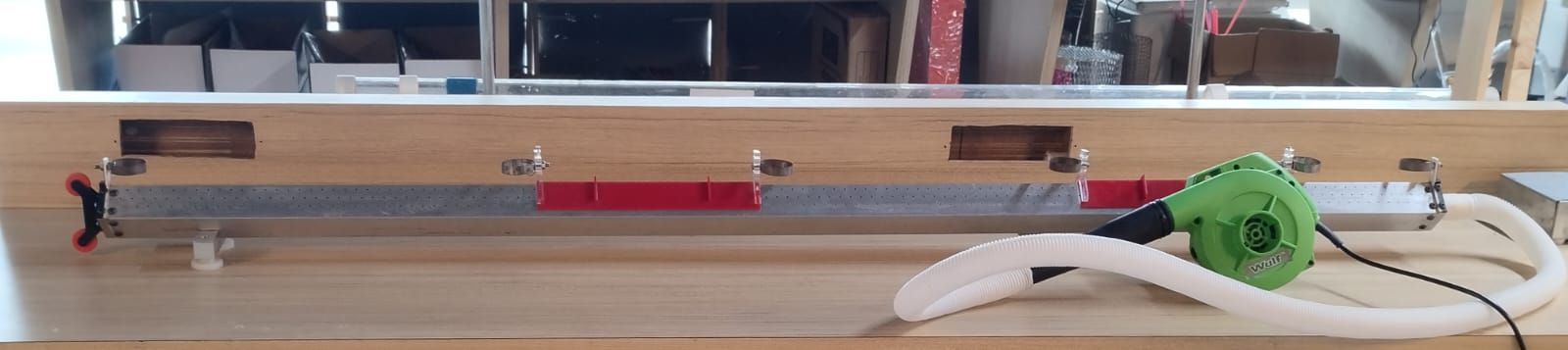
Conservation of linear momentum: Mechanical bench
Concept: Demonstration of conservation of linear momentum using mechanical bench setup
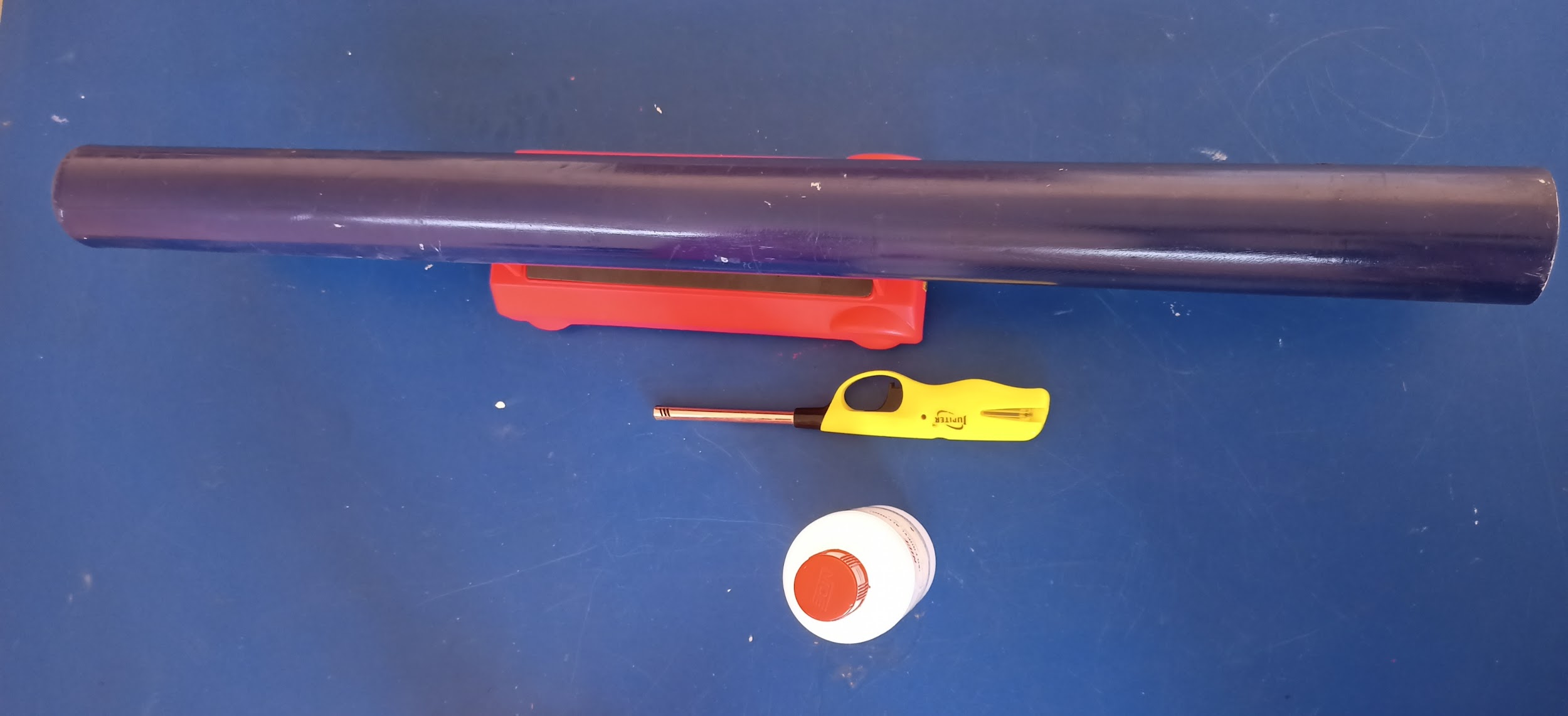
Conservation of linear momentum: cannon and NLM car
Concept: Demonstration of conservation of linear momentum using recoil gun/cannon
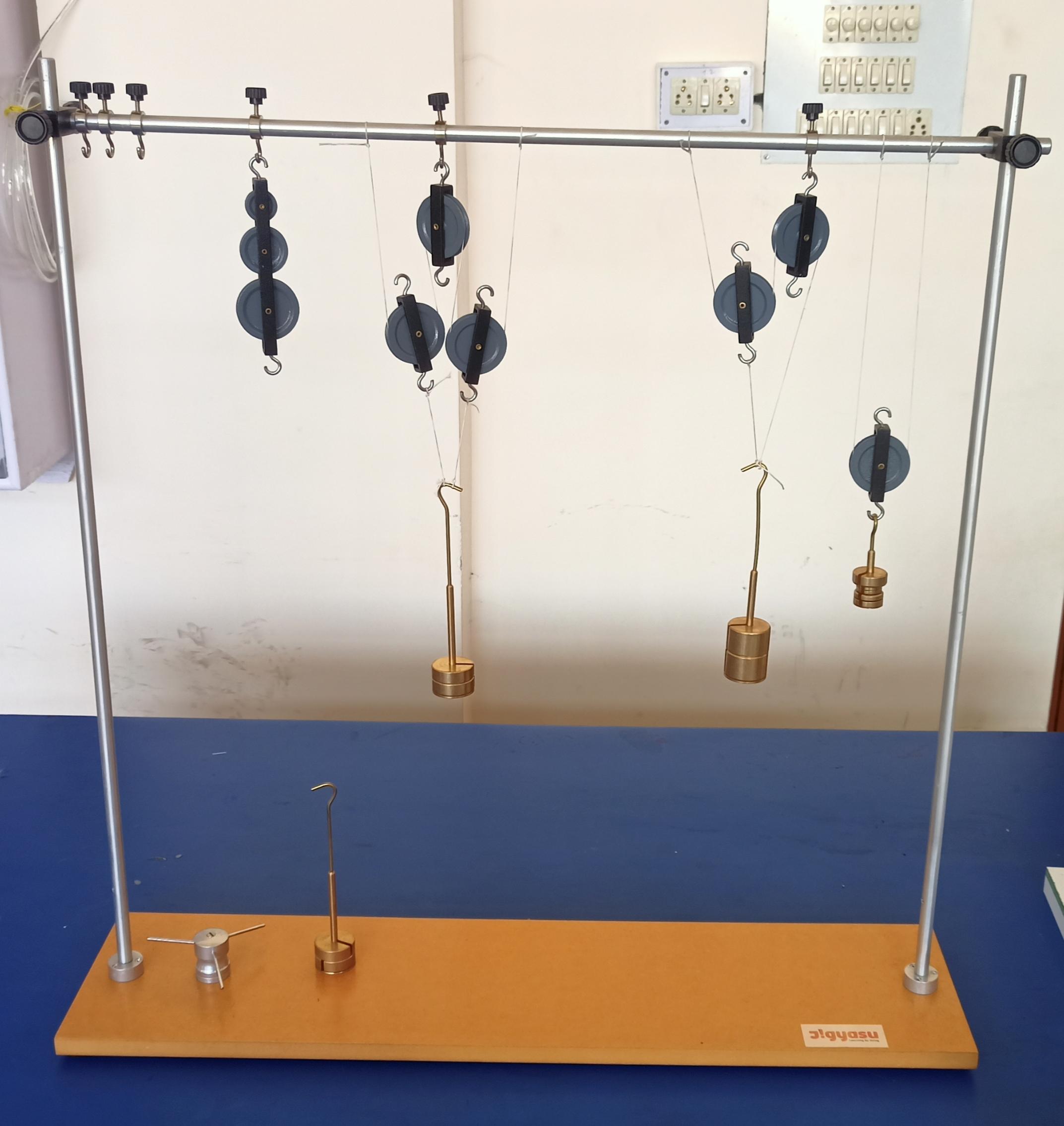
Newton's Laws of Motion: Atwood machine
Concept: Quantitative study of Newton's laws of motion using atwood machine
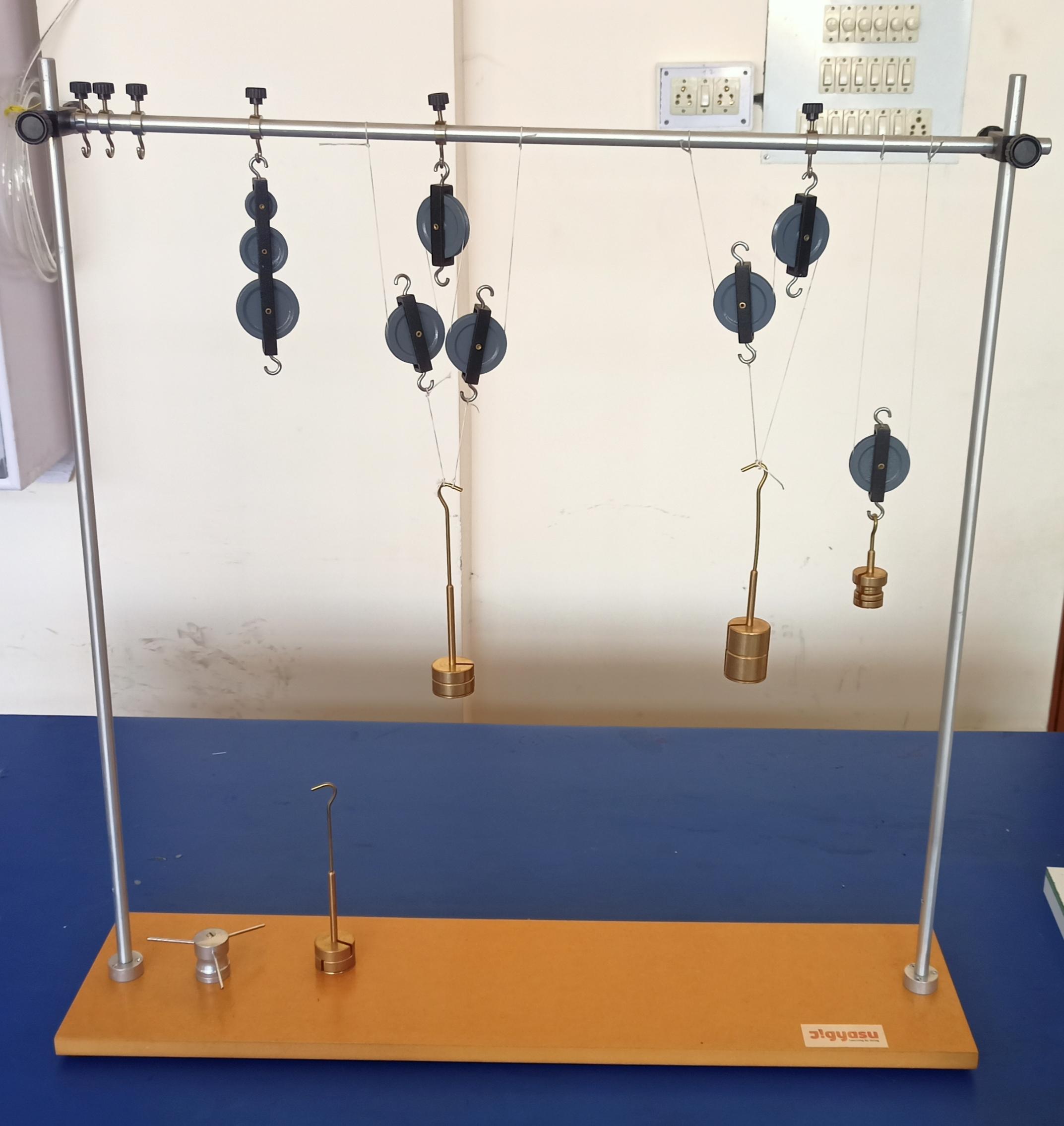
Newton's Laws of Motion:Multiple pulleys
Concept: Qualitative study of Newton's laws of motion using multiple pulleys
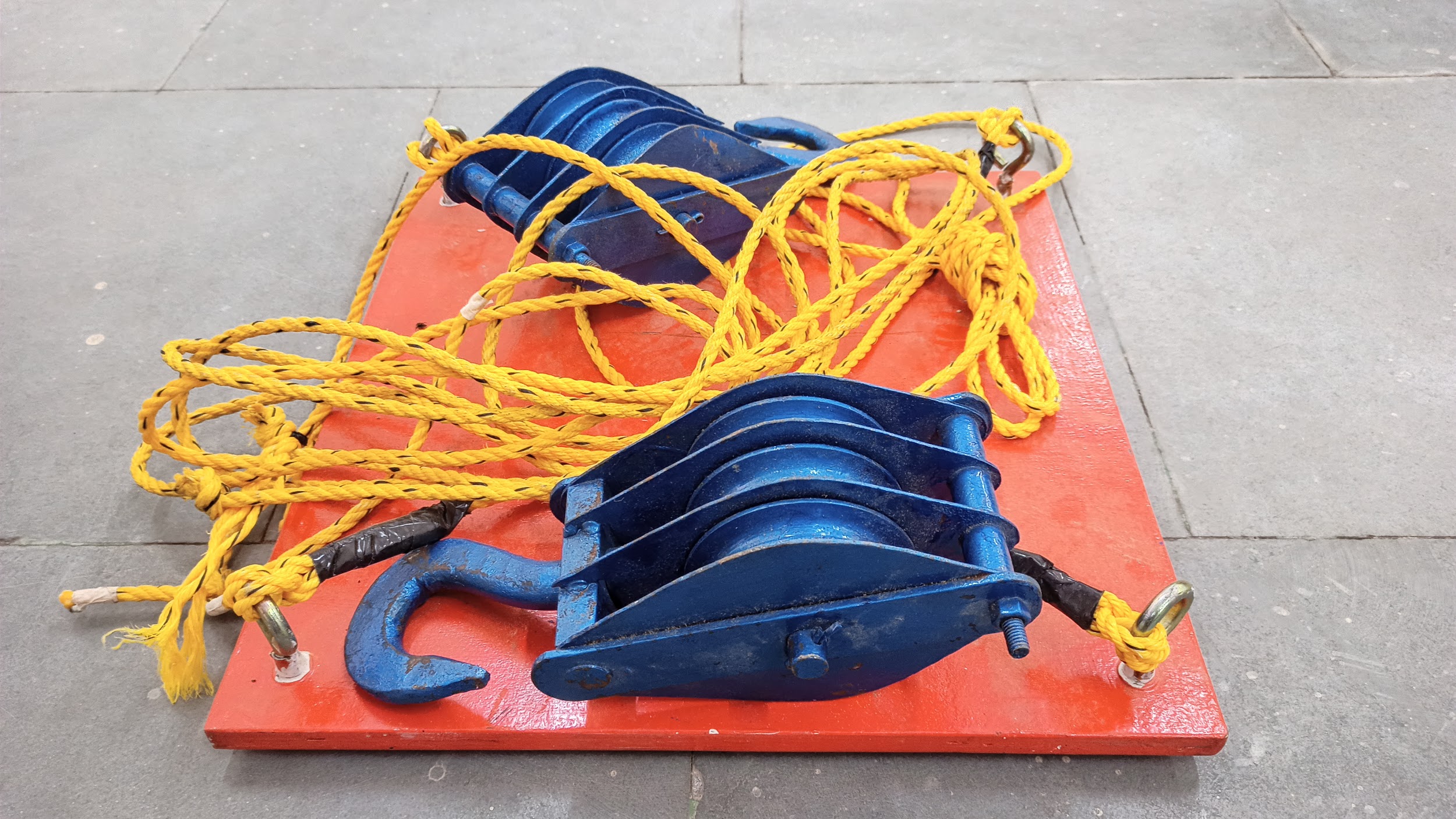
Newton's Laws of Motion:Human pulley
Concept: Qualitative study of Newton's laws of motion using Human pulley
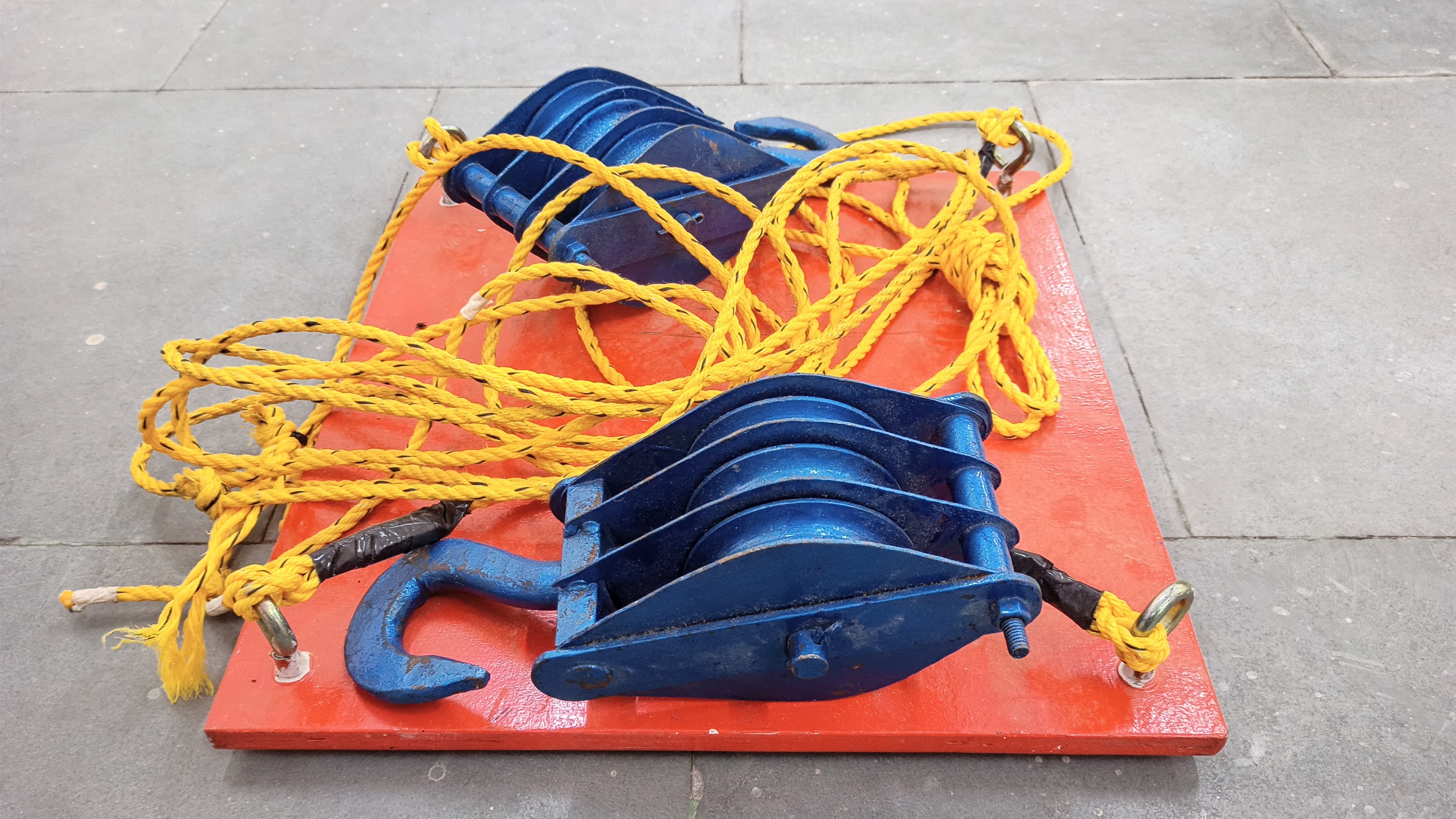
Lifting vs pulling
Concept: Quantitative study of lifting vs pulling using different weights
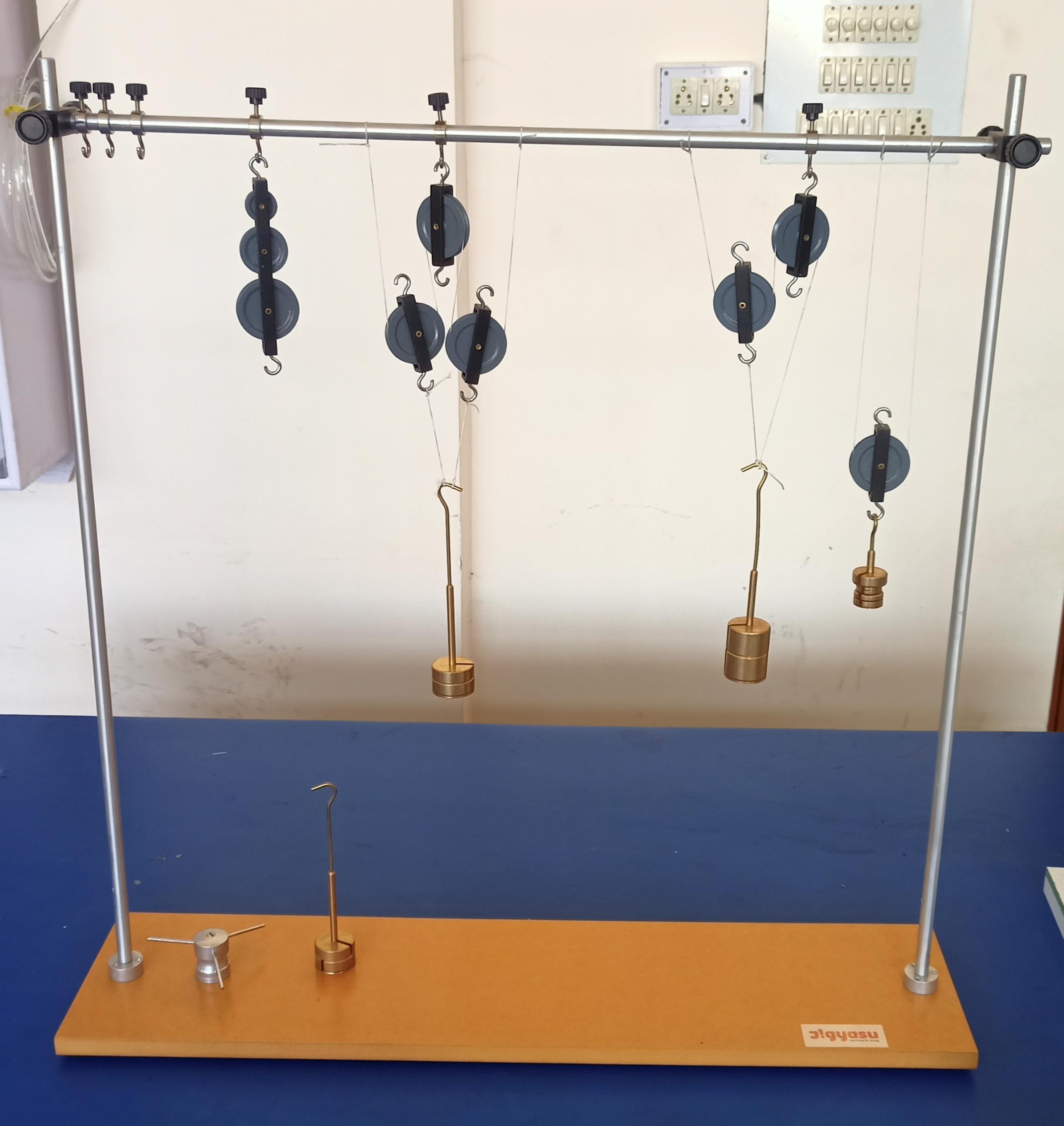
Problem situations
Concept: Study of Absolute dependent motion
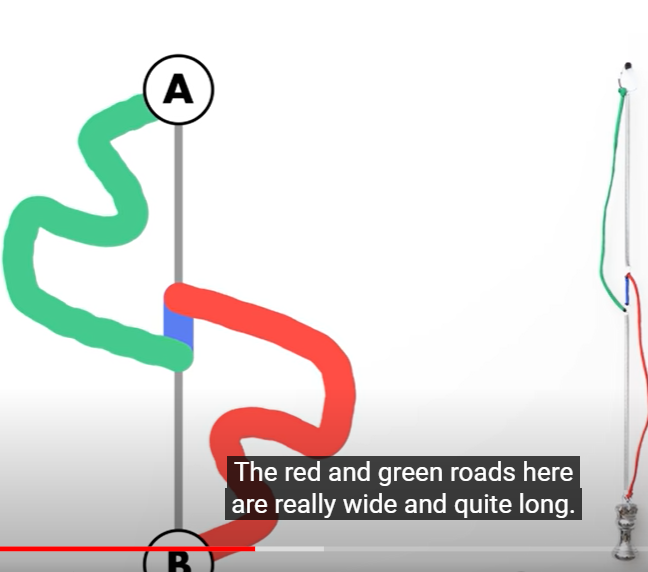
Spring paradox
Concept: Fun with springs
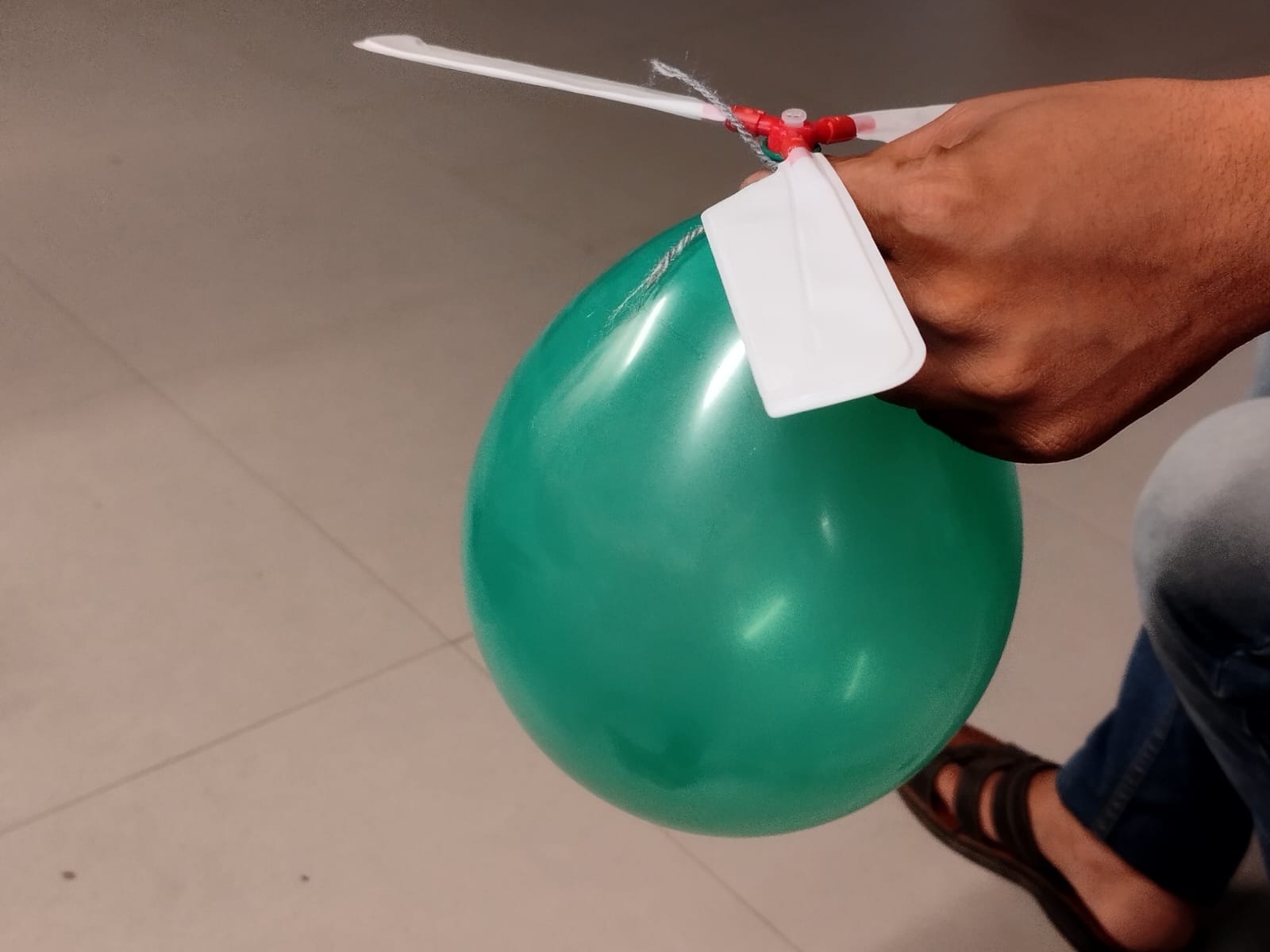
Balloon Helicopter
Concept: Fun with balloons
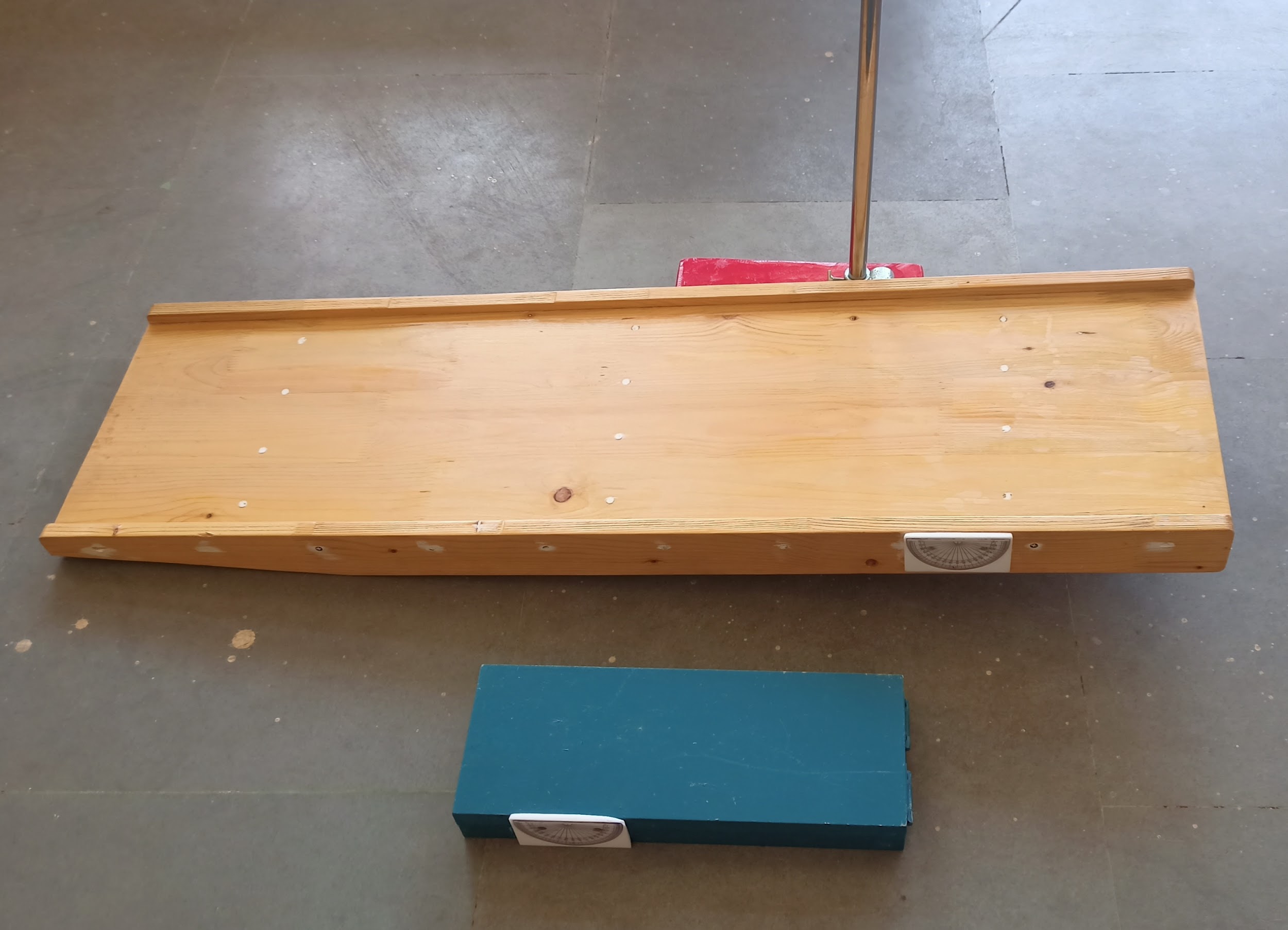
Coefficient of static friction
Concept: Study of angle of repose
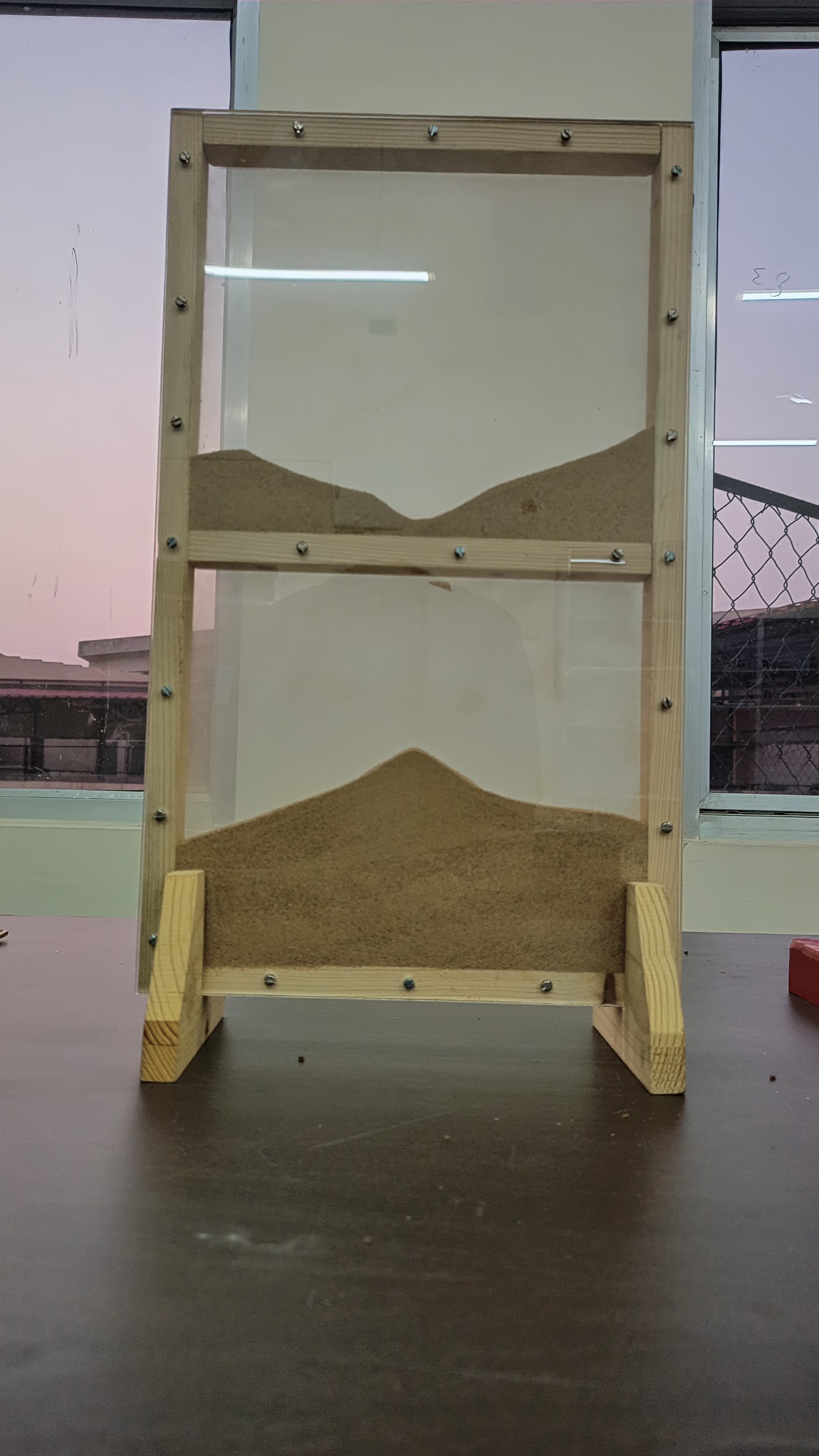
Angle of repose
Concept: Study of angle of repose
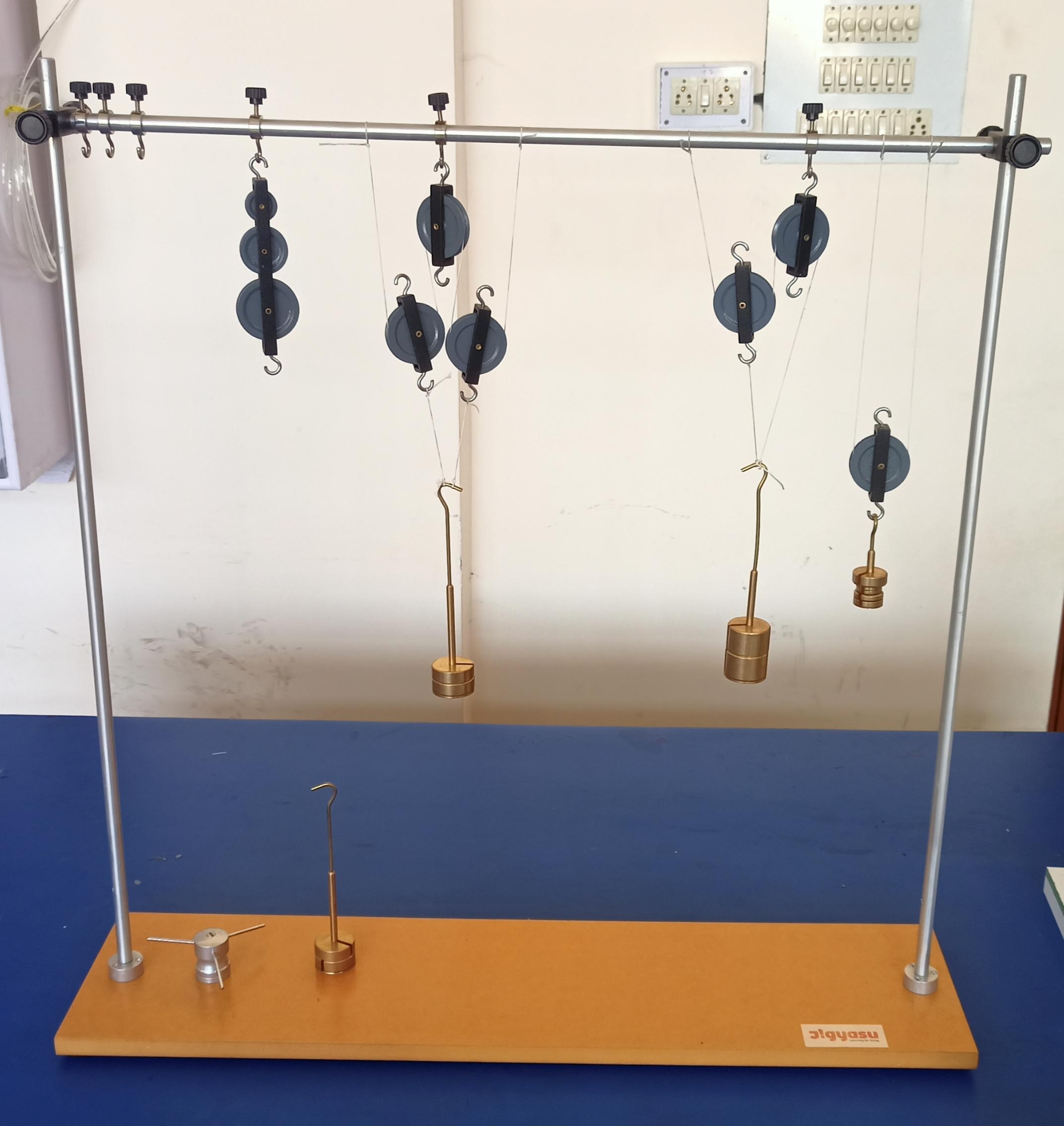
Pulleys 2
Concept: Study of Absolute dependent motion

Momentum Transfer: Happy ball & Sad Ball
Concept:

Demonstration of friction with bottle and rice
Concept:

Friction books
Concept:

Direction of friction
Concept:

Limiting friction
Concept:
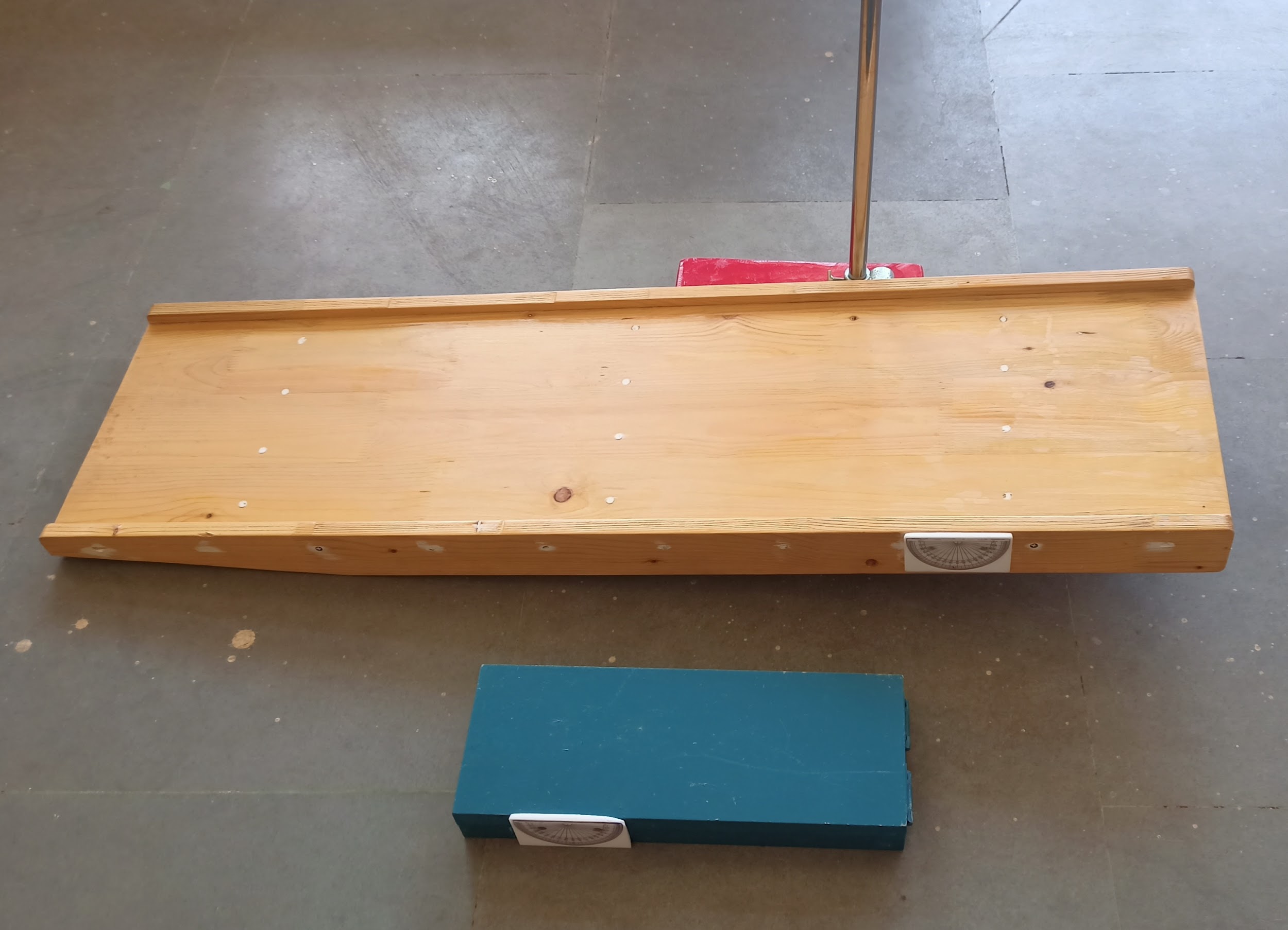
Friction on inclined plane
Concept: Study of angle of repose
Electrostatics
Activites: 41
Coulomb's force measurement
Concept: Quantitative study of electrostatic force
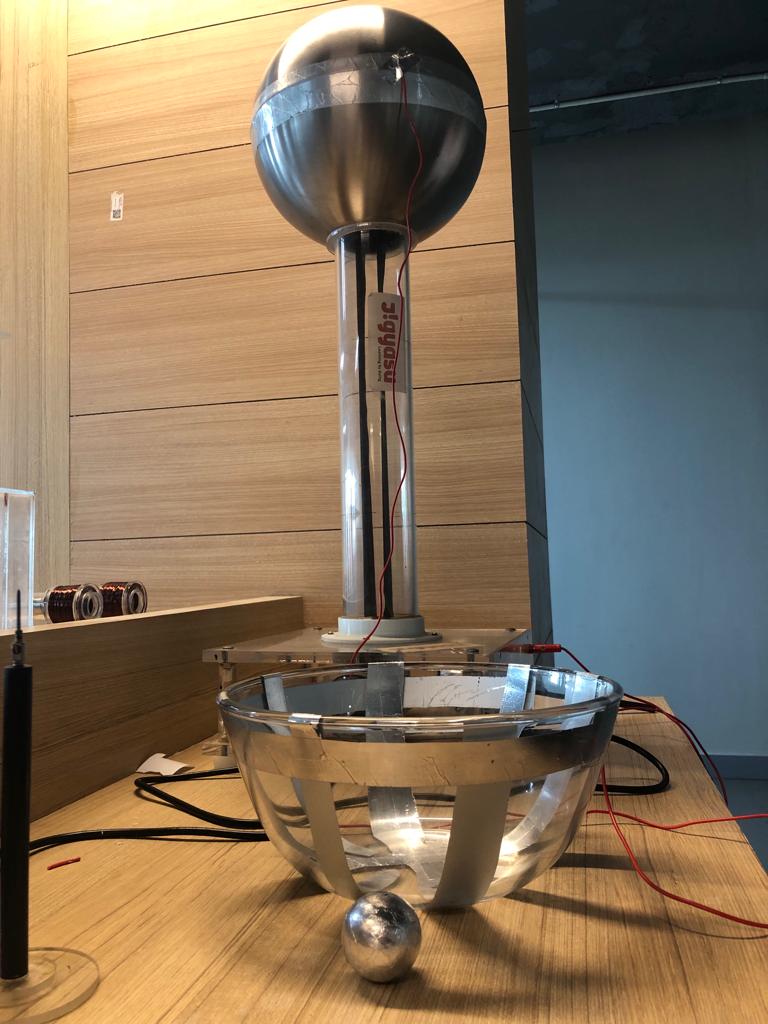
Electrostatic Accelerator
Concept: Demonstration of electrostatic potential by accelerating a conducting ball inside a bowl using a Van de Graaff generator
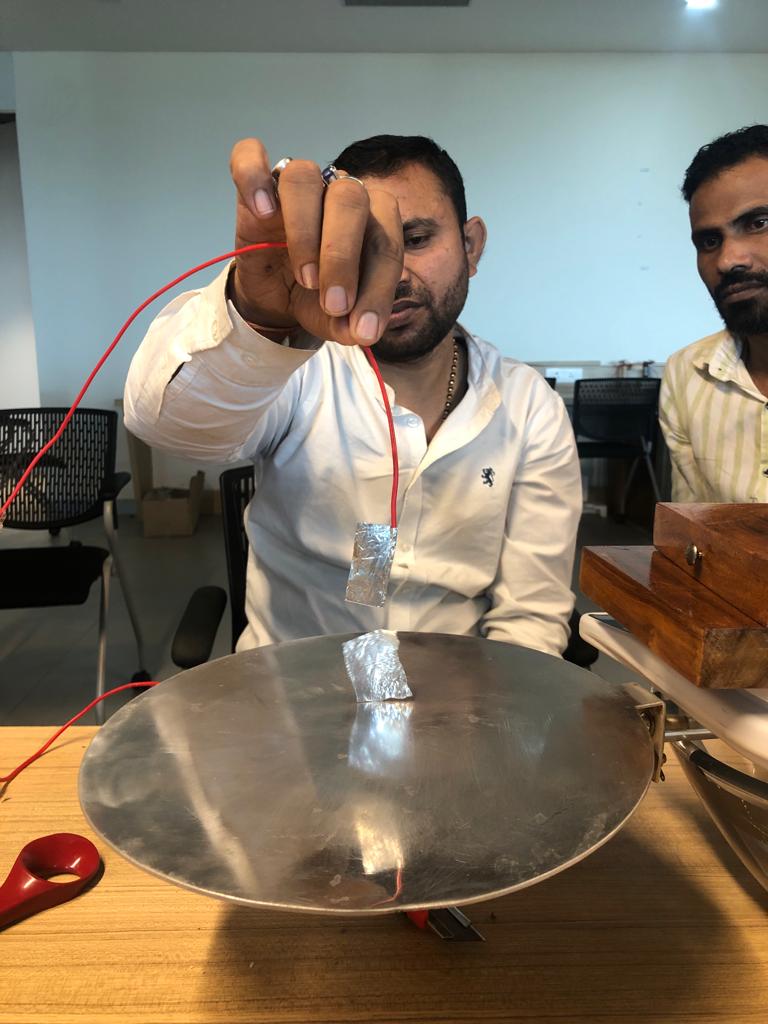
Electrostatic Levitation
Concept: Qualitative study of Electric field inside a parallel plate capacitor by demonstrating electrostatic levitation
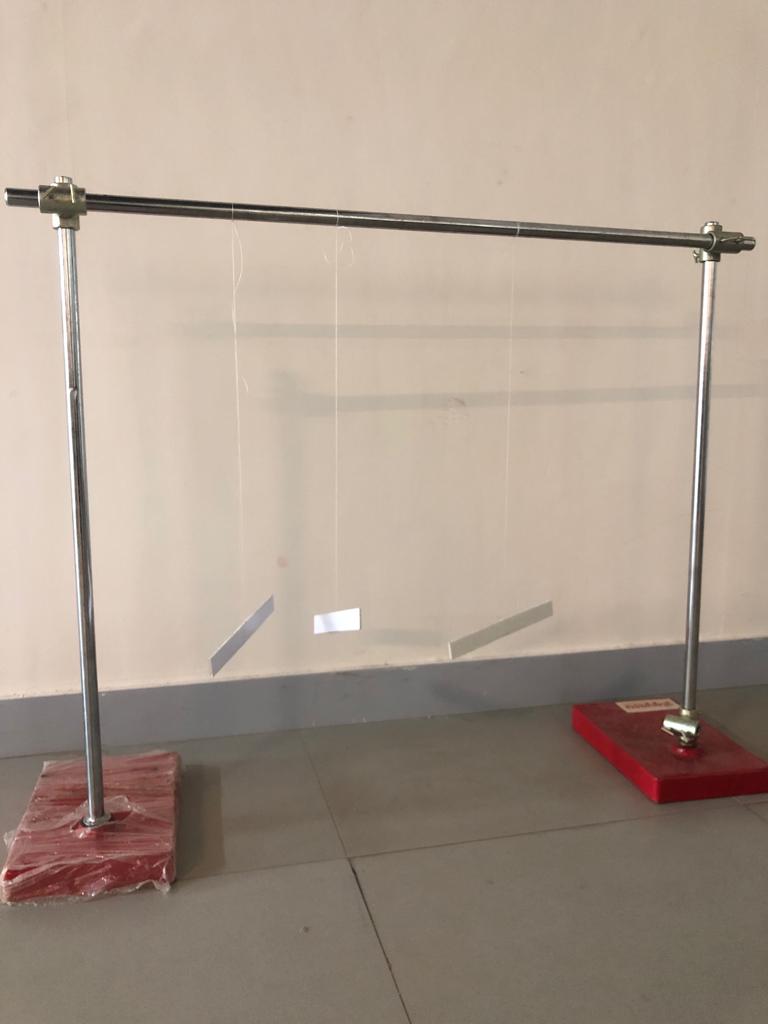
Frictional electricity
Concept: Qualitative study of frictional electricity produced in different materials based on their Triboelectric properties
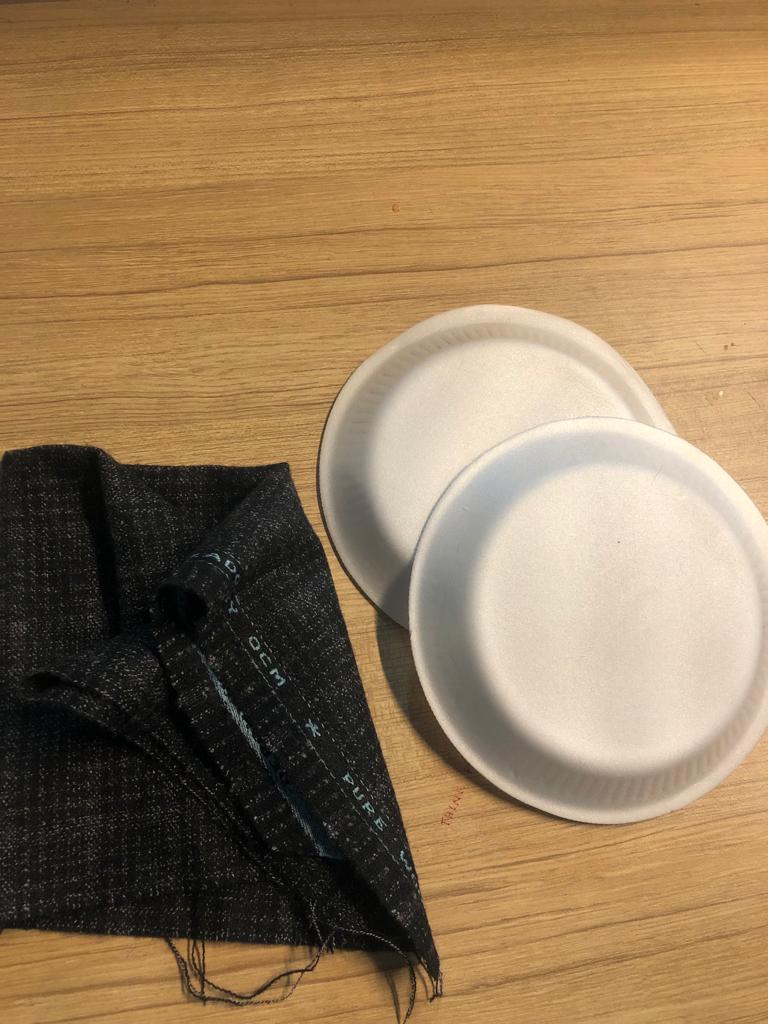
Floating plates
Concept: Qualitative study of frictional electricity using Styrofoam plates
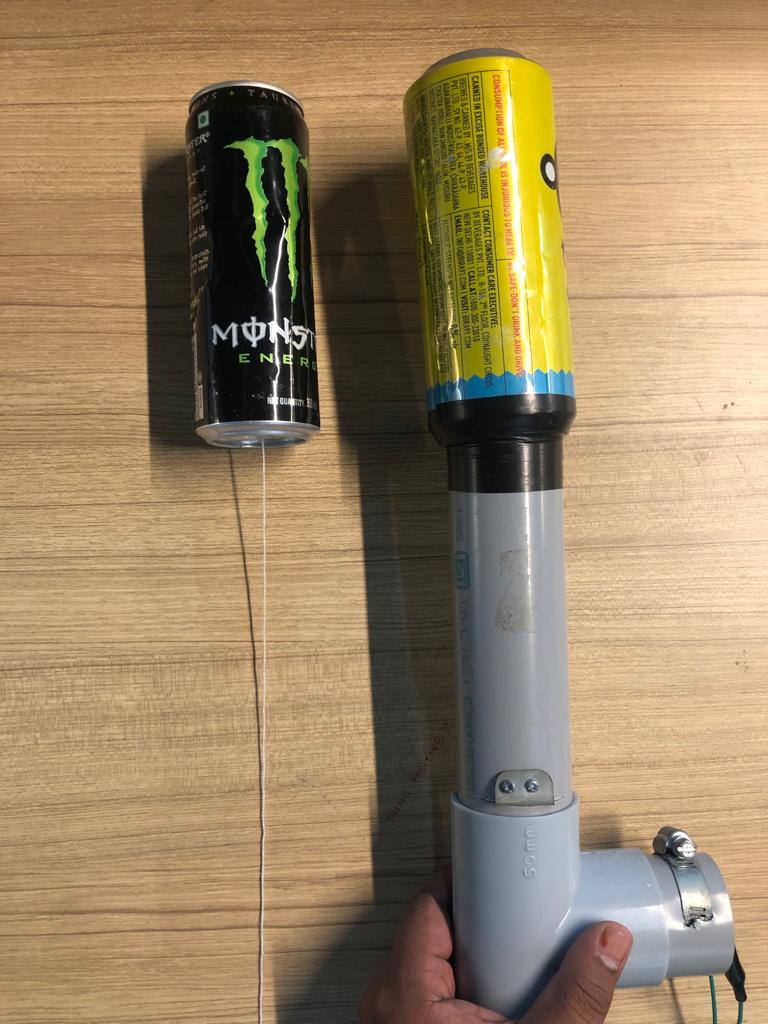
Can Van de Graaff and can
Concept: Qualitative study of charging by induction-conduction using homemade can Van de Graaff generator an aluminium can
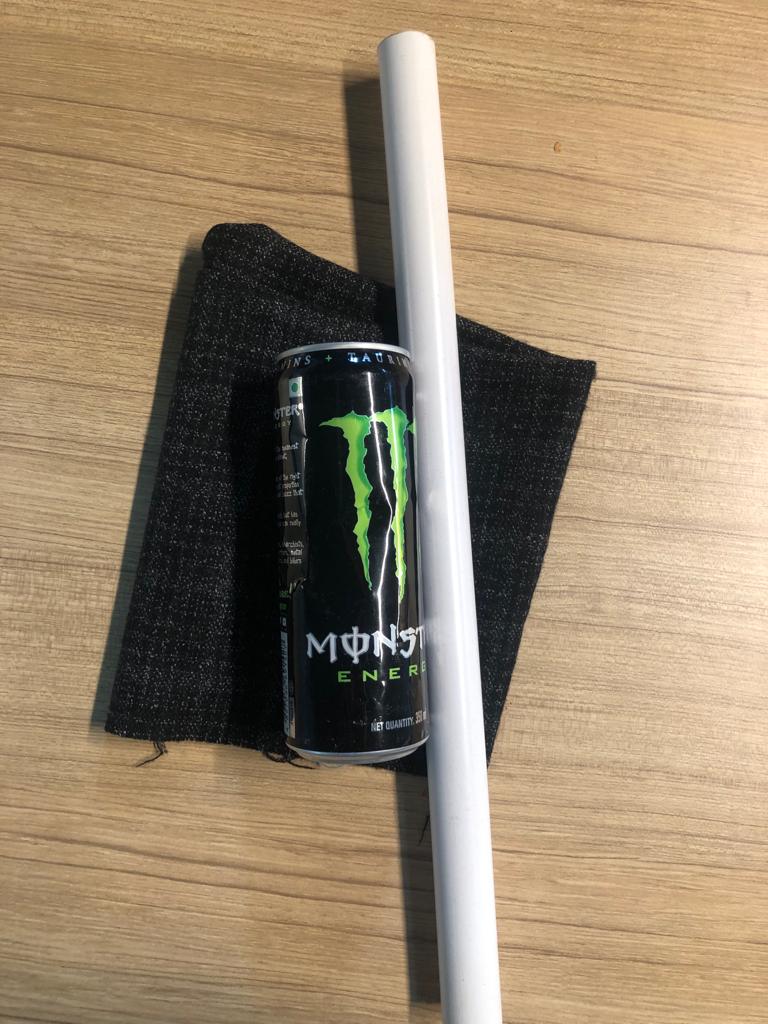
Rolling can
Concept: Qualitative study of charging by induction using a PVC pipes, aluminium can.
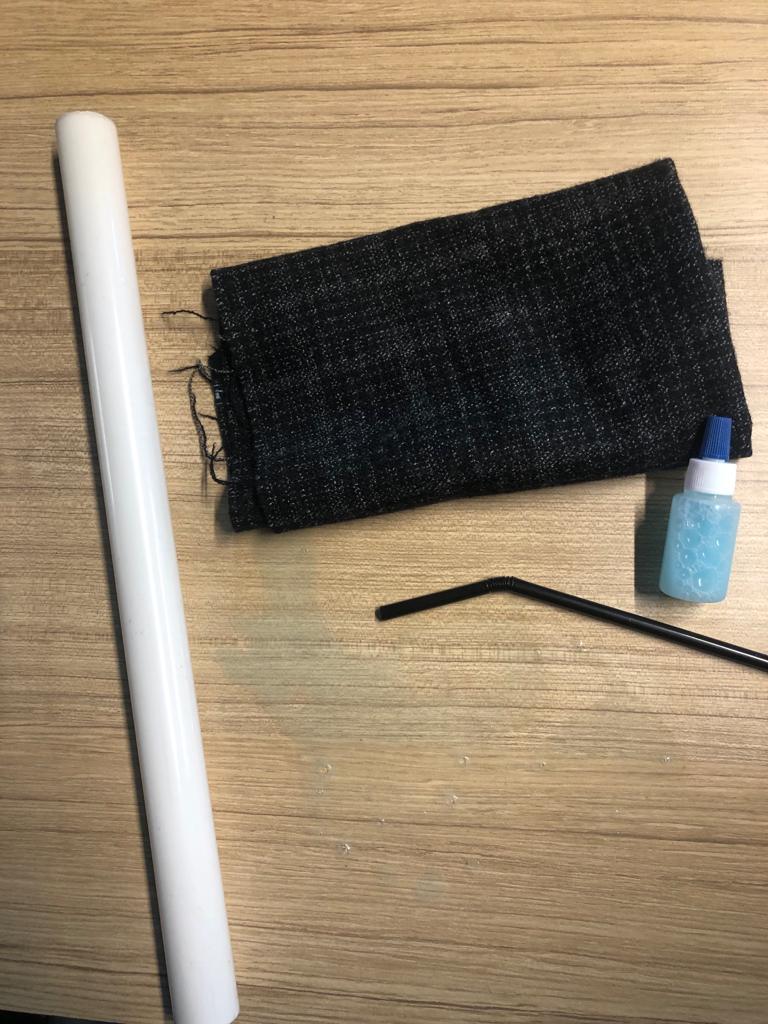
Bubble magic
Concept: Qualitative study of charging by induction using a PVC pipes and soap solution.
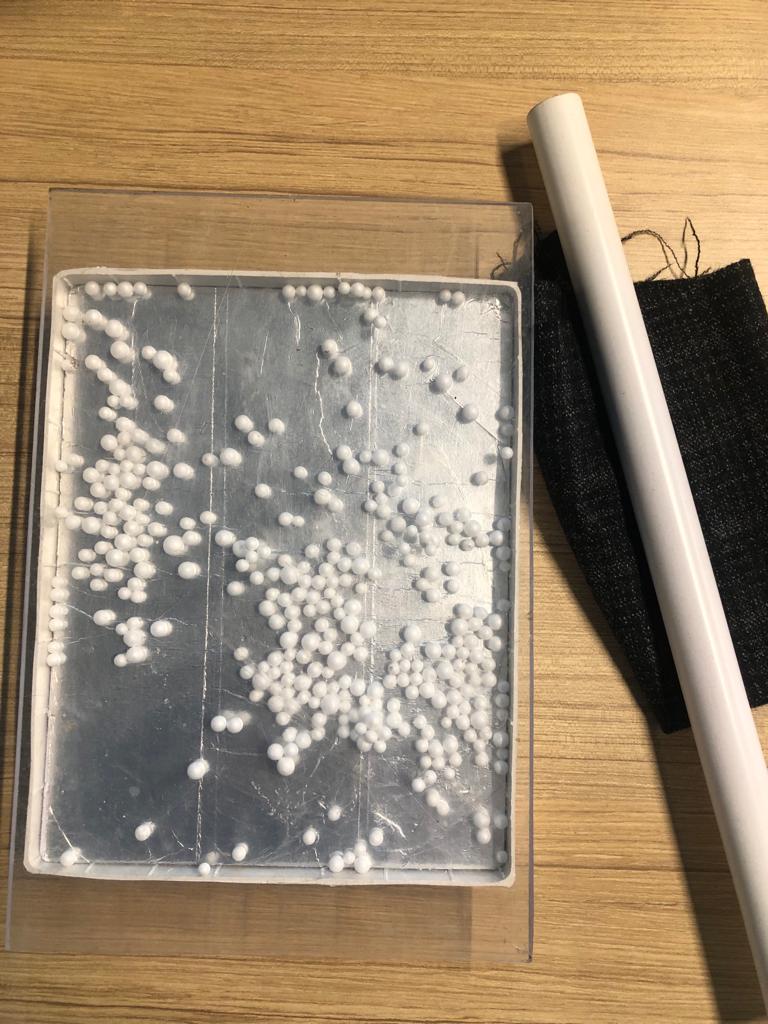
Jumping balls
Concept: Qualitative study of charging by induction using aluminium foil balls
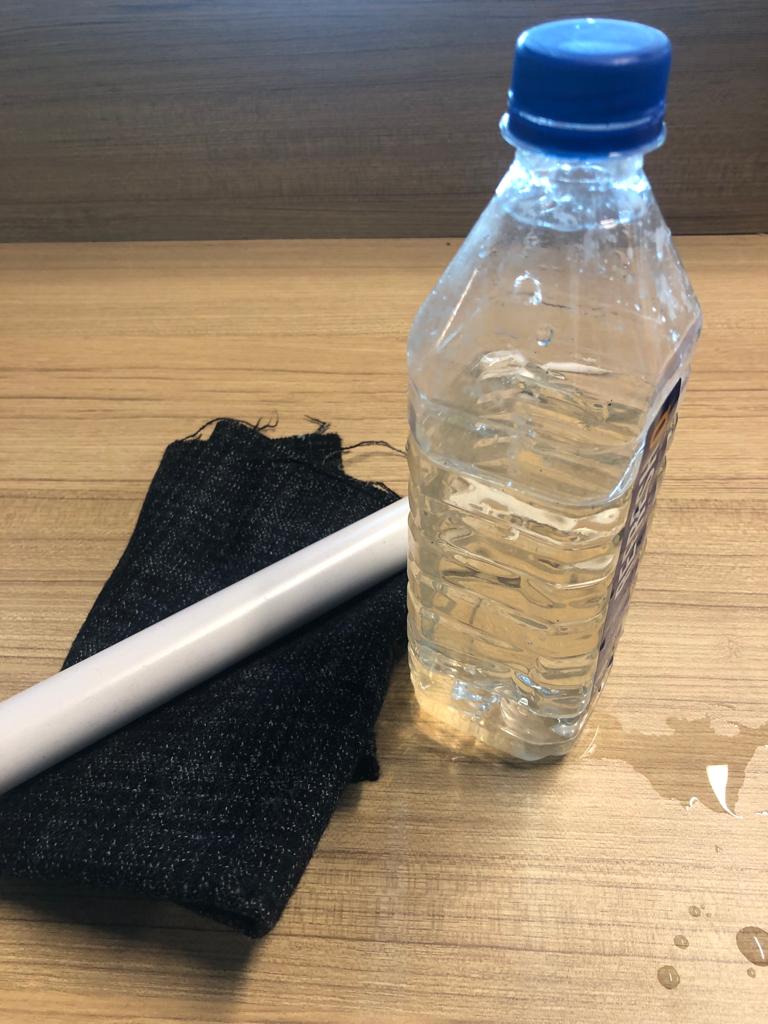
Bending of water
Concept: Qualitative study of charging by induction using PVC pipe an styrofoam cups
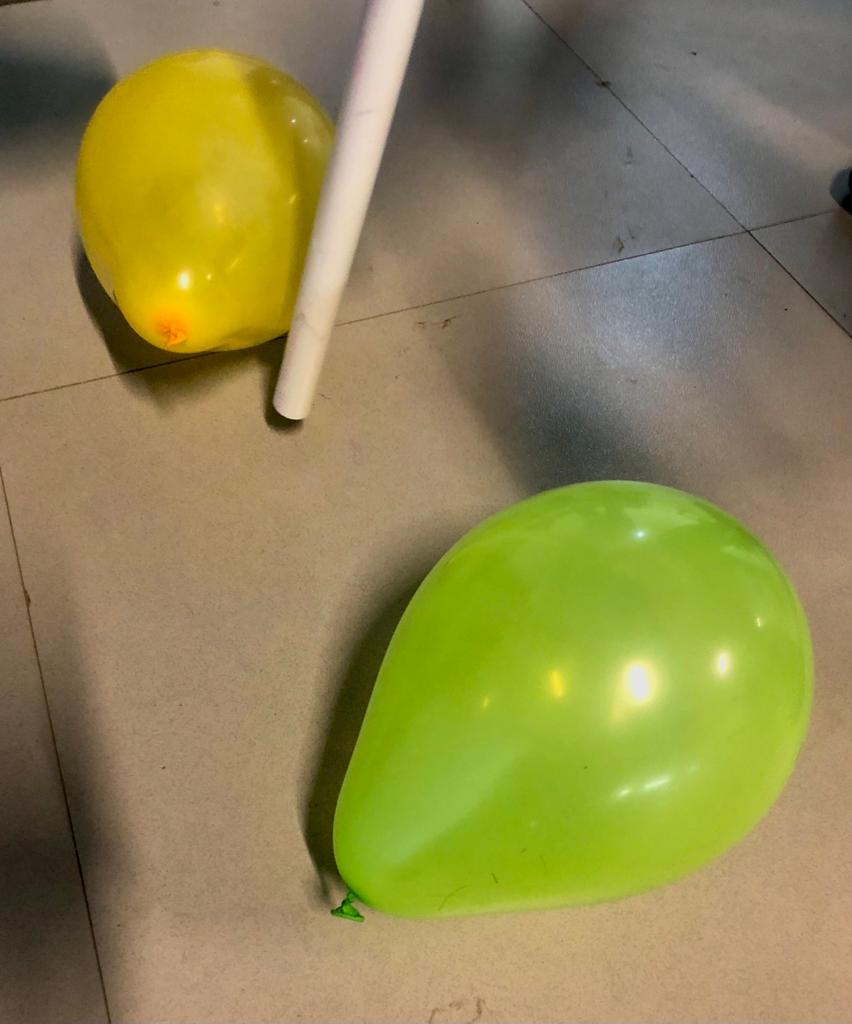
Fighting Balloons
Concept: Qualitative study of charging by induction using balloons
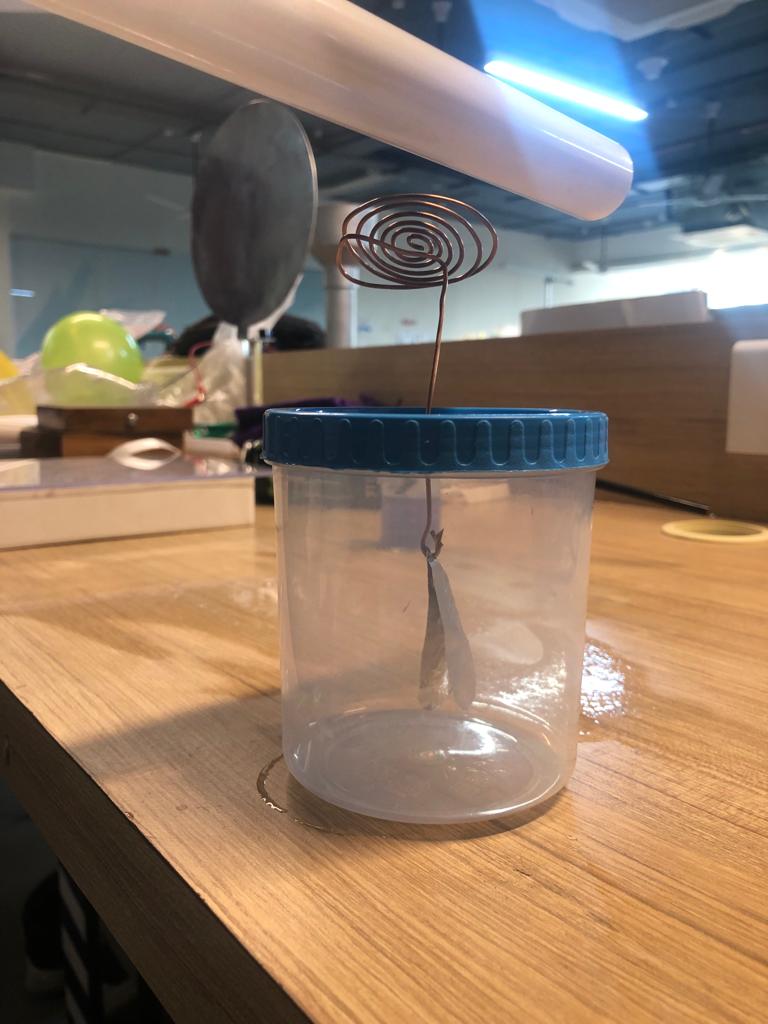
Homemade electroscope
Concept: Qualitative study of charging by induction using homemade electroscope
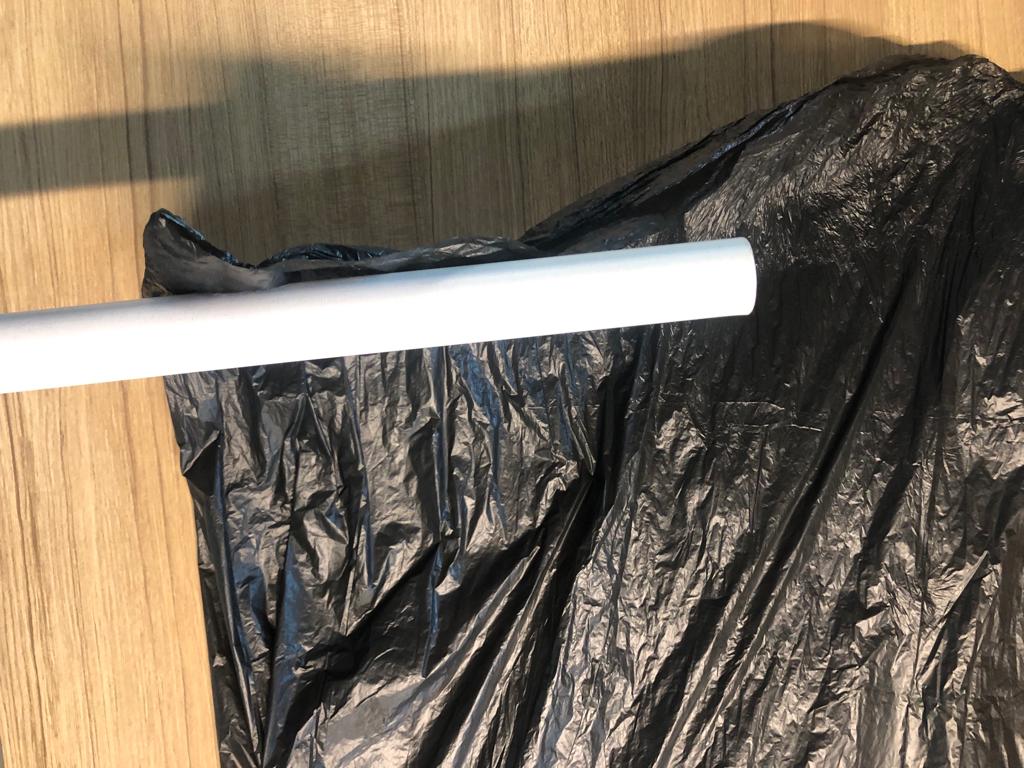
Flying bag
Concept: Qualitative study of charging by induction using plastic bags
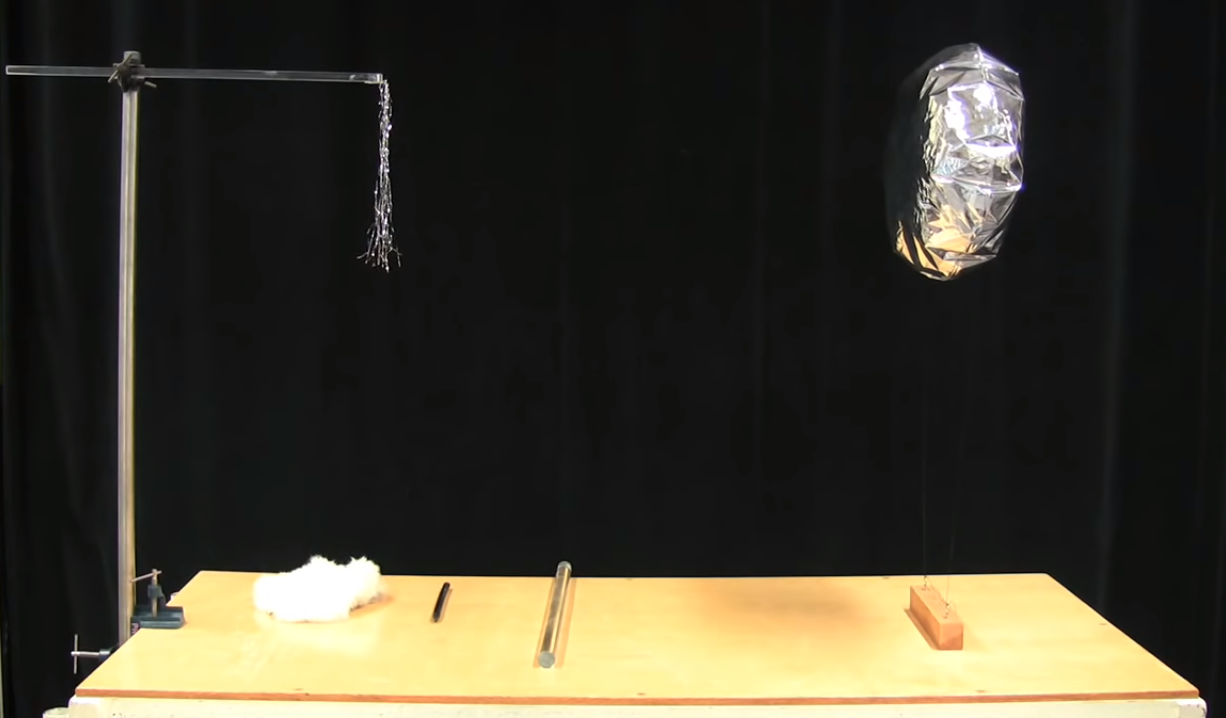
Tinsel-Balloon magic
Concept: Qualitative study of charging by conduction and induction using tinsels and conducting balloon
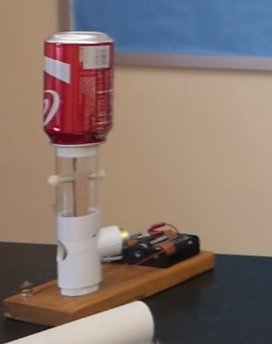
Can Van de Graaff and wooden stick
Concept: Qualitative study of charging by conduction and induction using homemade electroscope
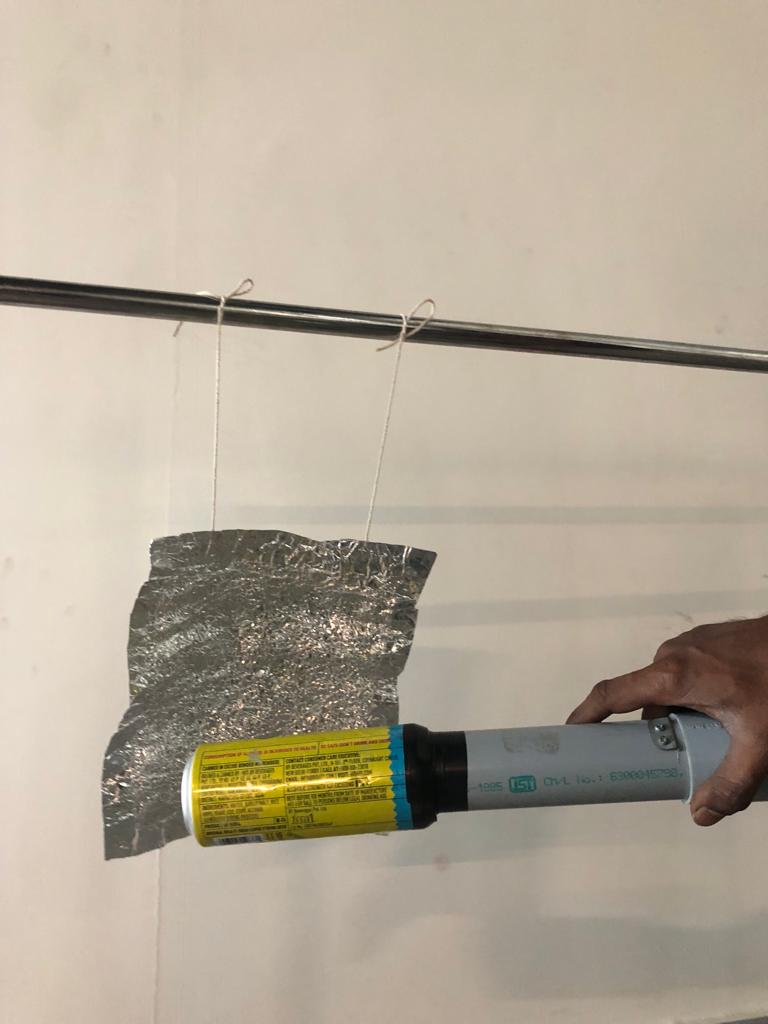
Can Van de Graaff and aluminium foil
Concept: Qualitative study of charging by conduction and induction using can Van de Graaff generator and aluminium foil
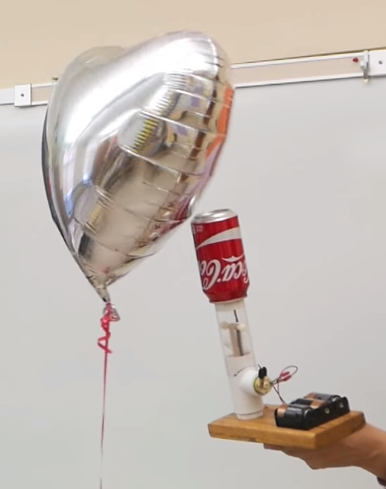
Can Van de Graaff generator and conducting balloon
Concept: Qualitative study of charging by conduction and induction using can Van de Graaff generator and conducting balloon
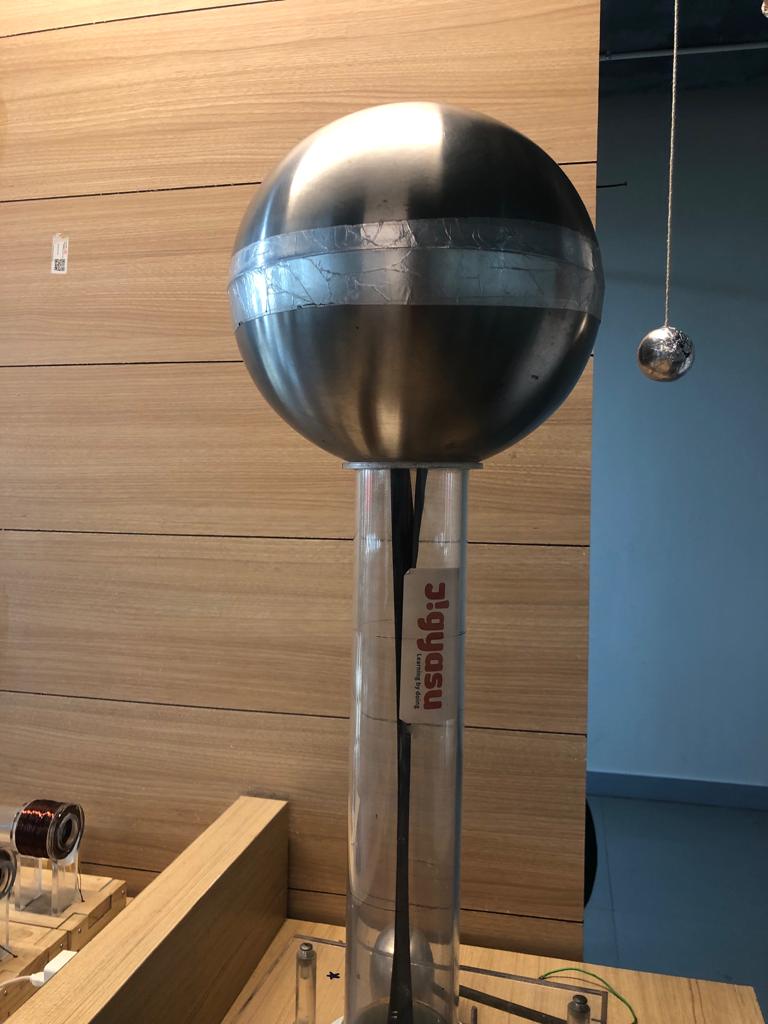
Van de Graaff generator and conducting ball
Concept: Qualitative study of charging by conduction and induction using Van de Graaff generator and aluminium can
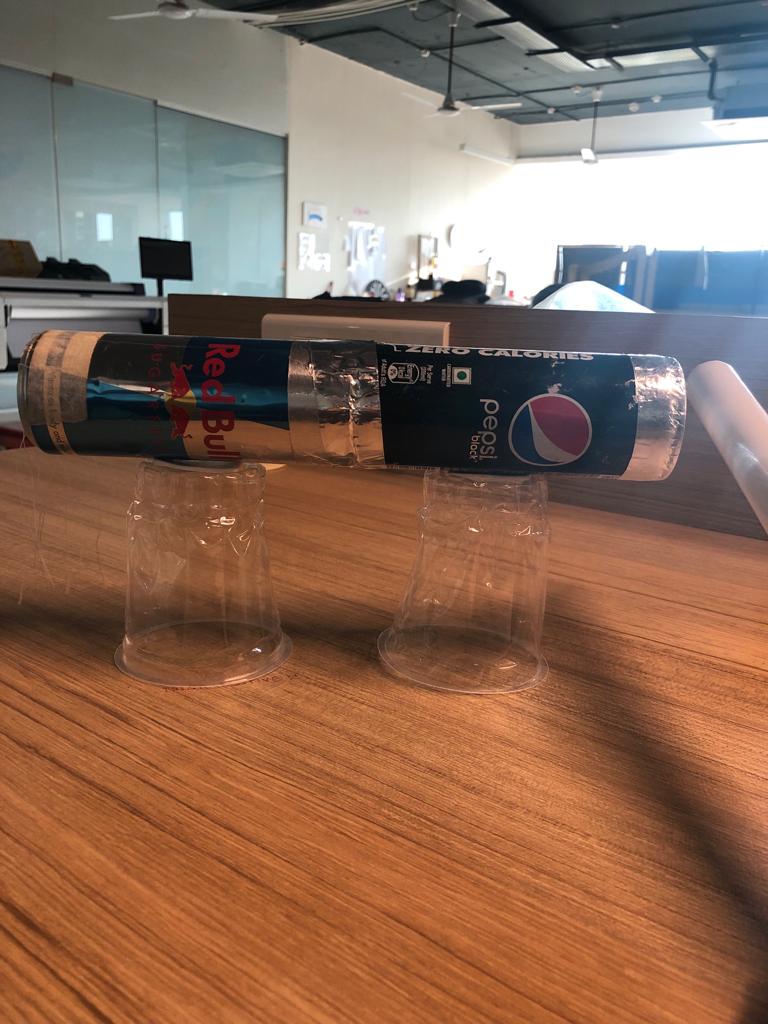
Conduction vs Induction
Concept: Qualitative study of the difference between charging by conduction and induction and introduction to polarization using different materials
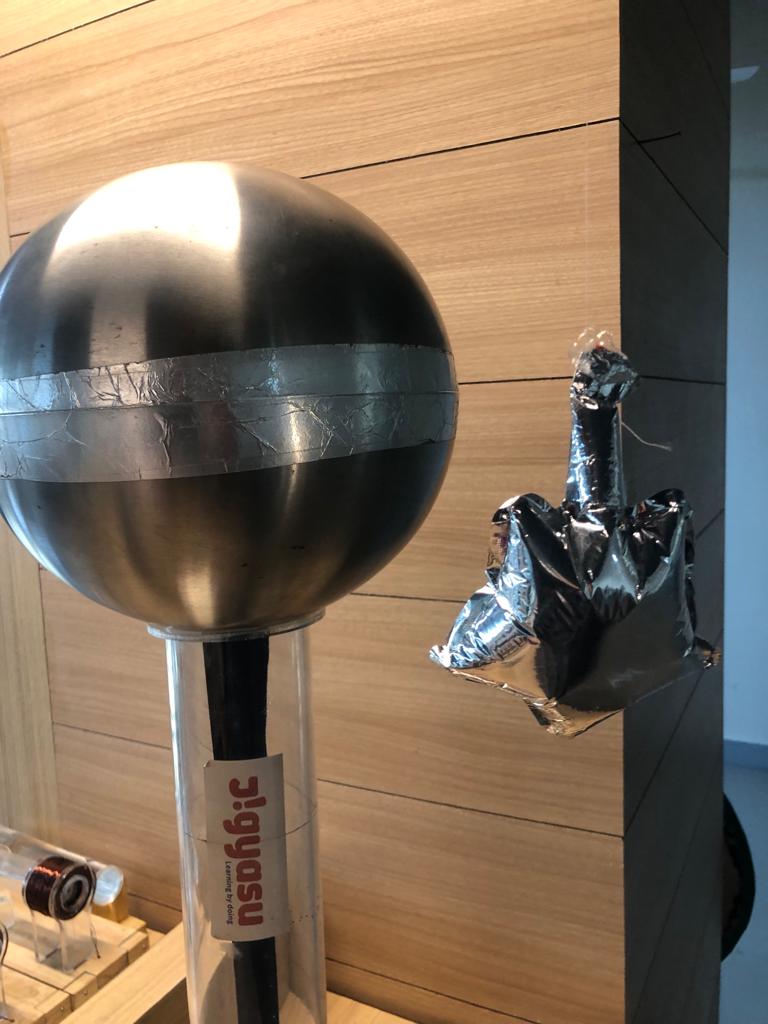
Van de Graaff generator and Franklin Bell
Concept: Qualitative study of charging by conduction and induction(Franklin bell) using a Van de Graaff generator
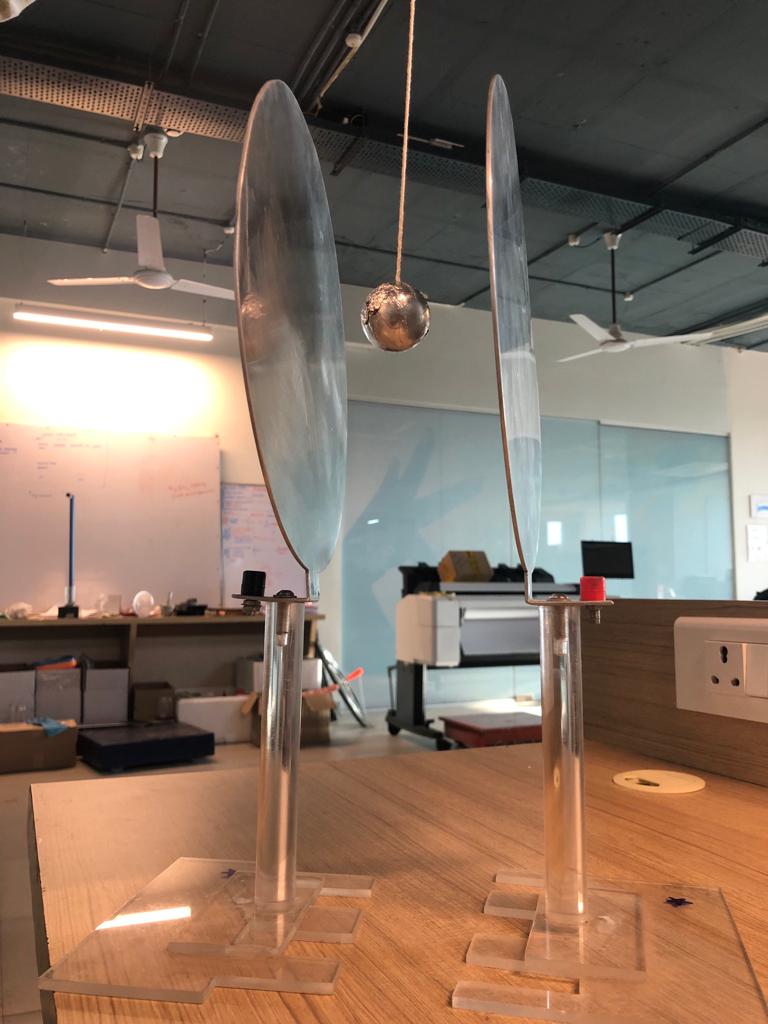
Parallel plate capacitor and Franklin Bell
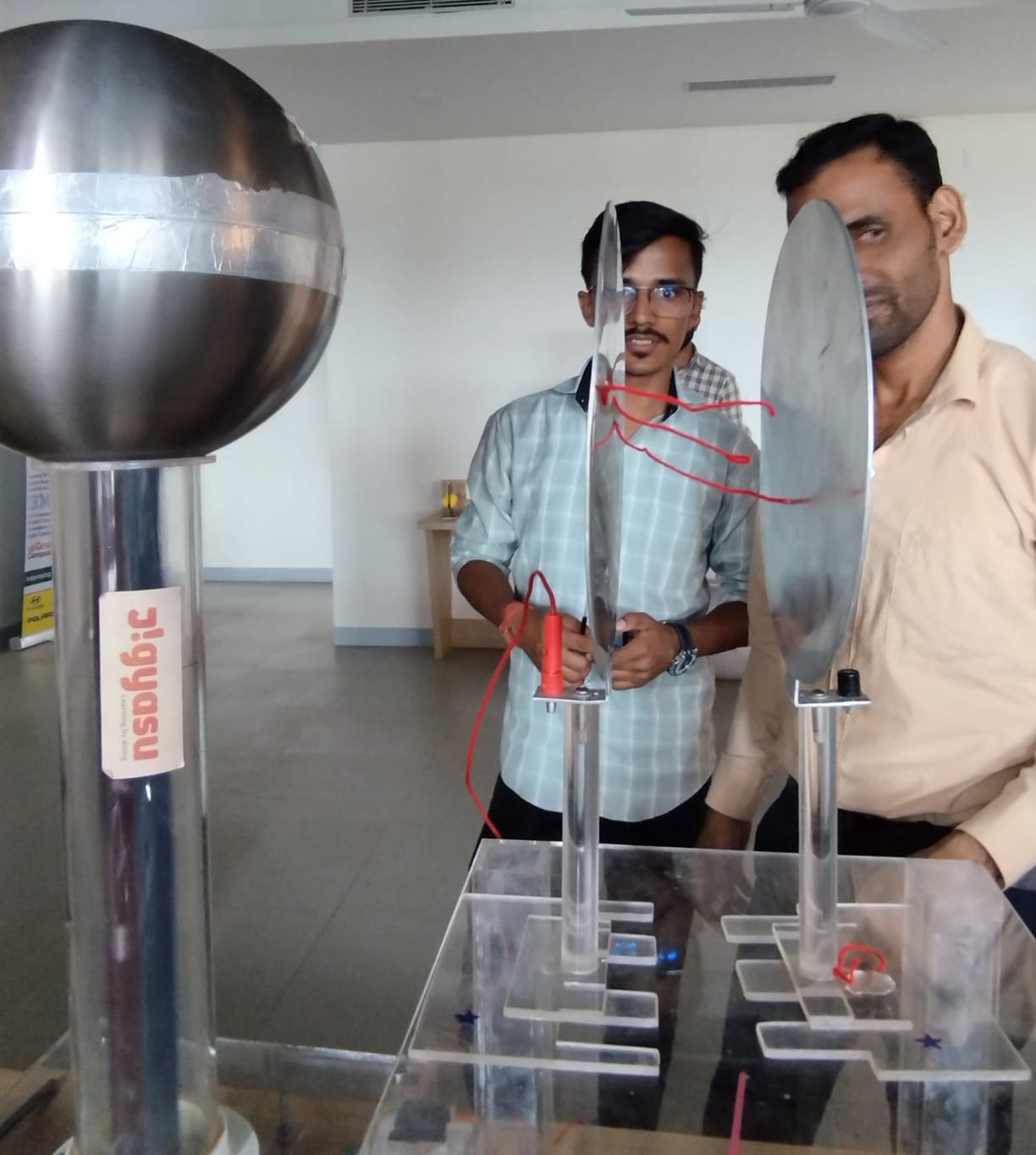
Concept: Qualitative study of charging by conduction and induction(Franklin bell) using a parallel plate capacitor
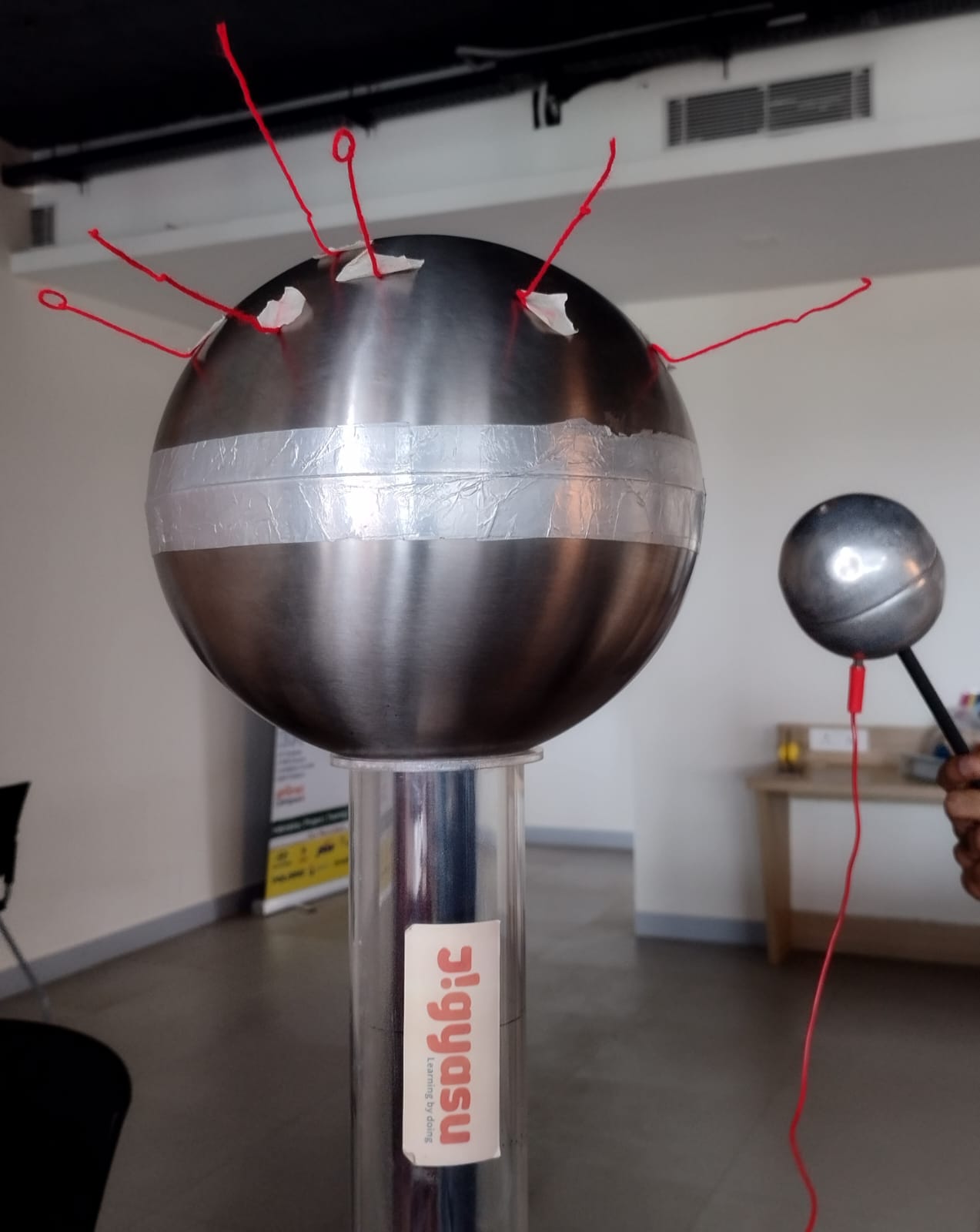
Electric Field: Van de Graaff and thermocol
Concept: Qualitative study of radial electric field using Van de Graaff generator
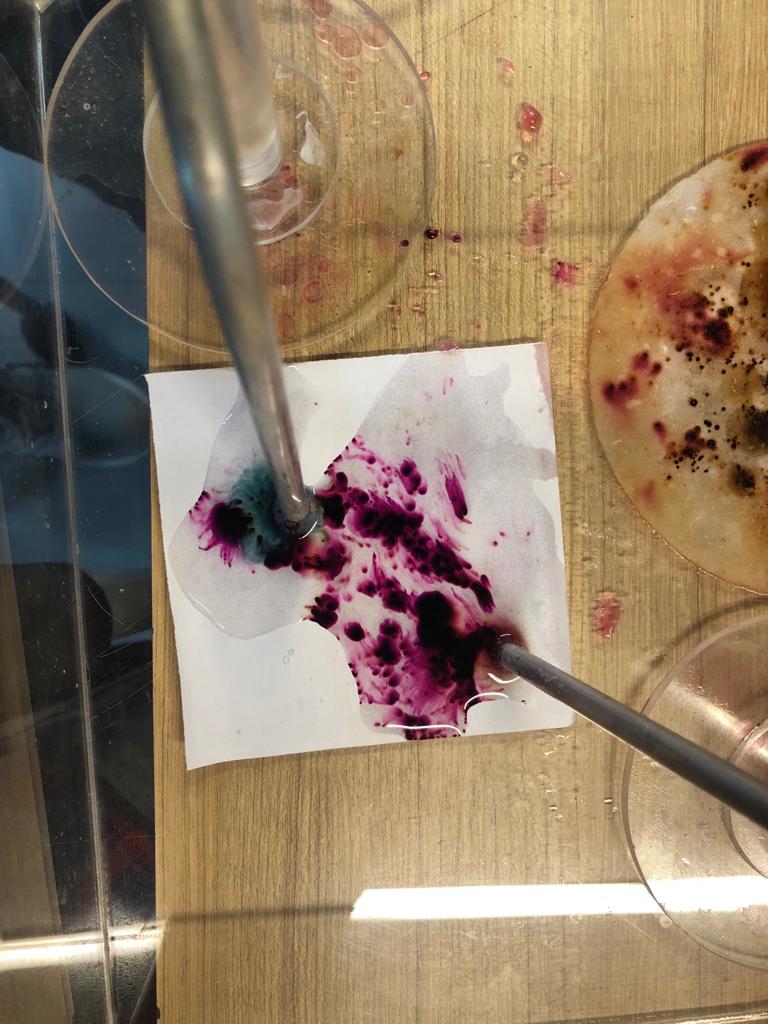
Electric Field: Conducting cylinder
Concept: Visualisation of electric field due to conducting wires using KMnO4 solution
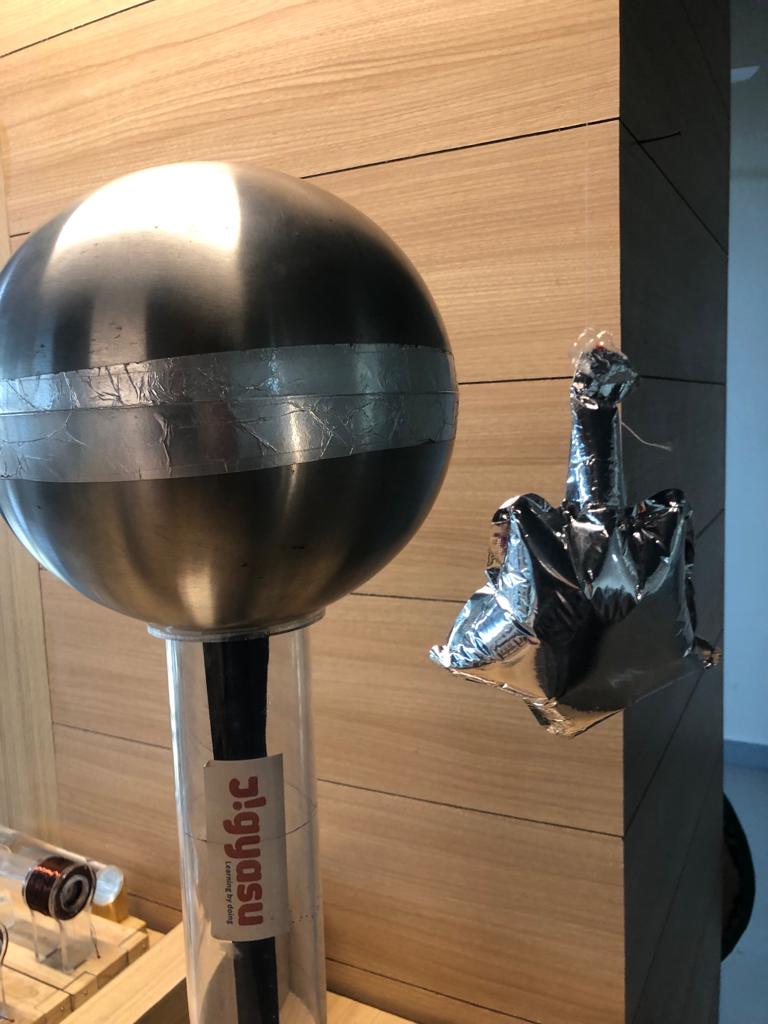
Electric Field: Van de Graaff and tinfoil balloon
Concept: Qualitative study of radial electric field using Van de Graaff generator and tinfoil balloon
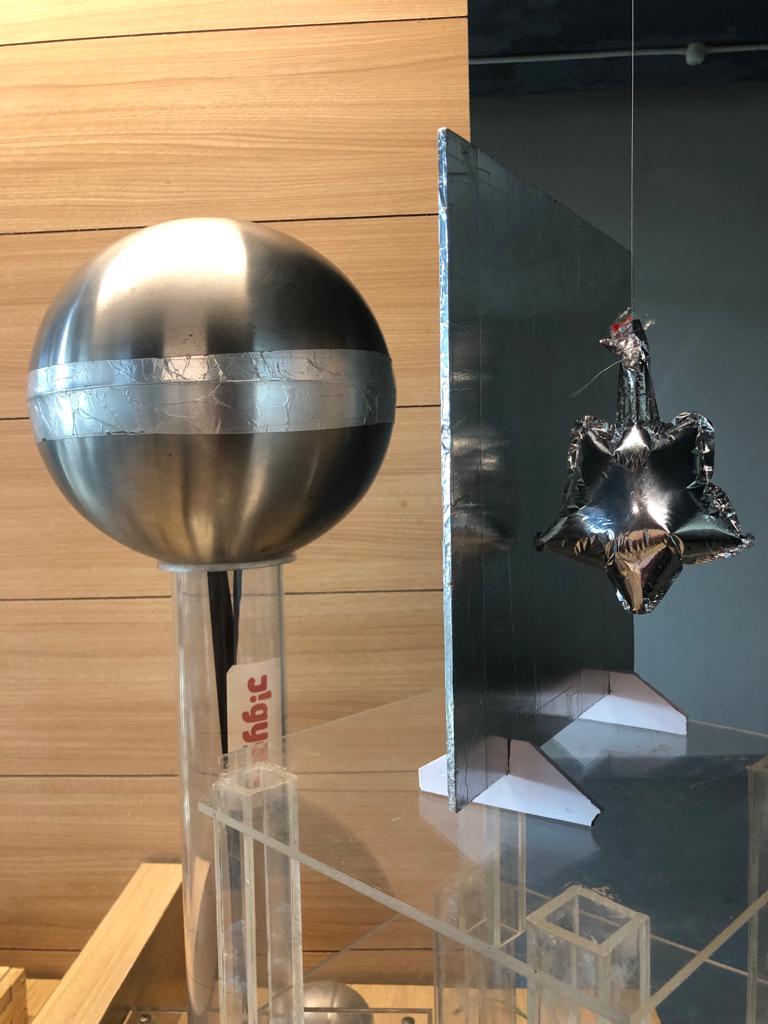
Electric Field: Infinite plane
Concept: Qualitative study of electric field due to a plane conductor using a Van de Graaff generator
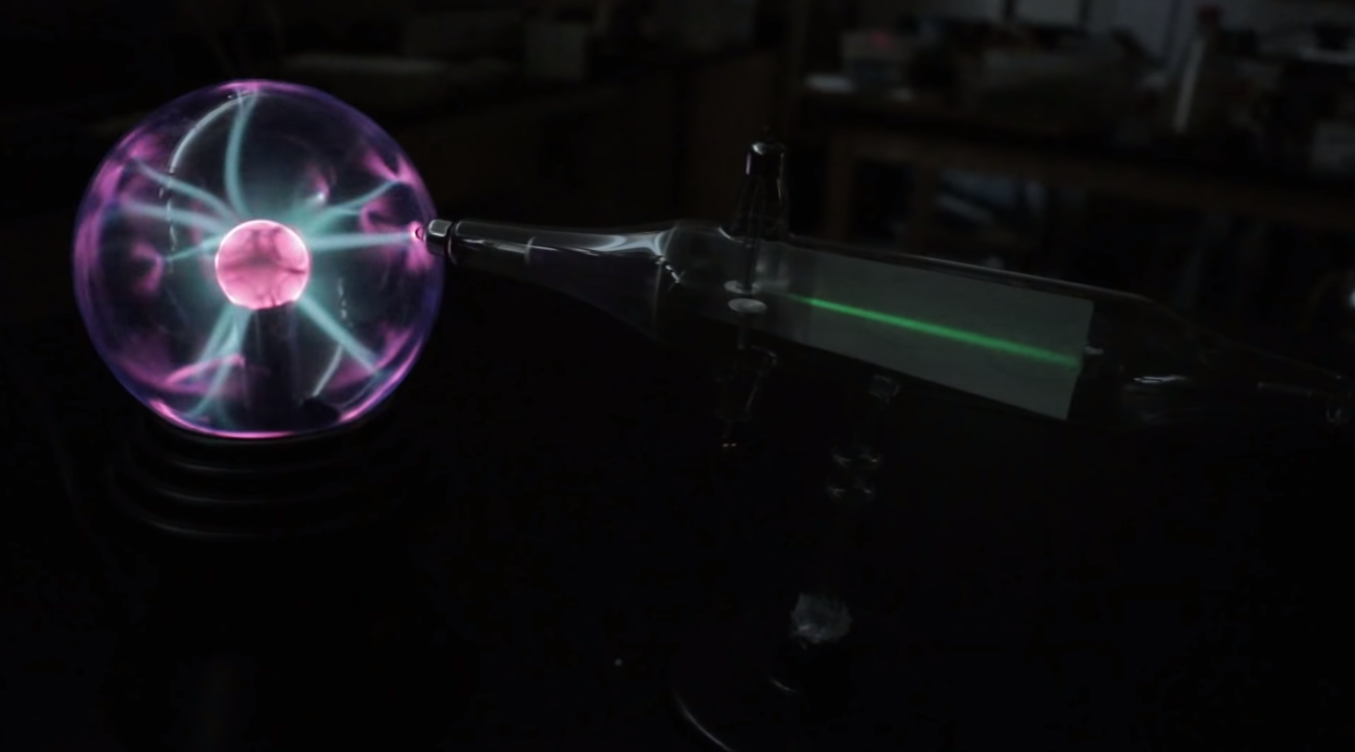
Cathode Ray Tube
Concept: Qualitative study of motion of a charged particle inside and electric field using Cathode Ray Tube
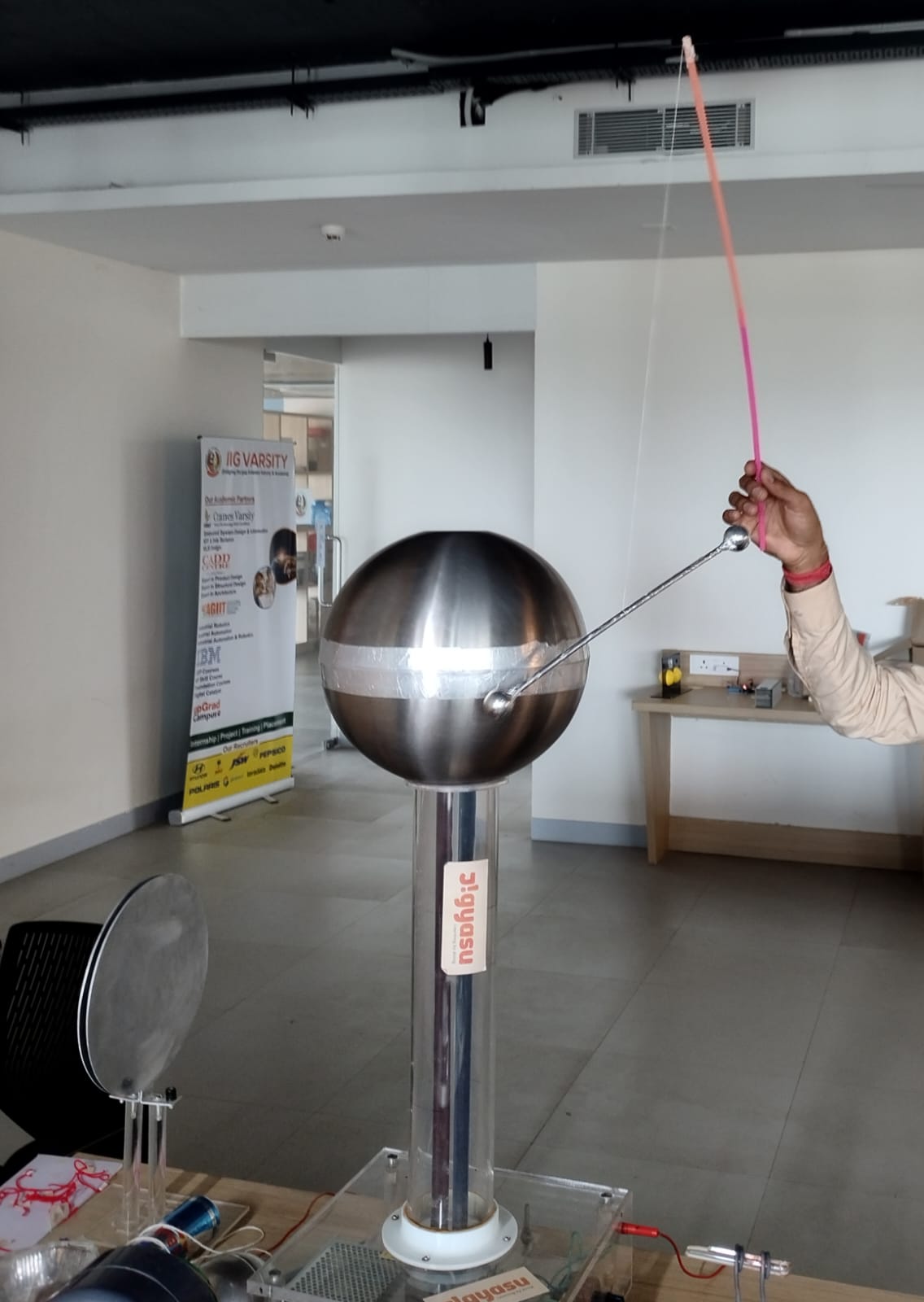
Van de Graaff generator and Inducing dipole
Concept: Qualitative study of the behaviour of a dipole in a radial electric field using a dipole and a Van de Graaff generator
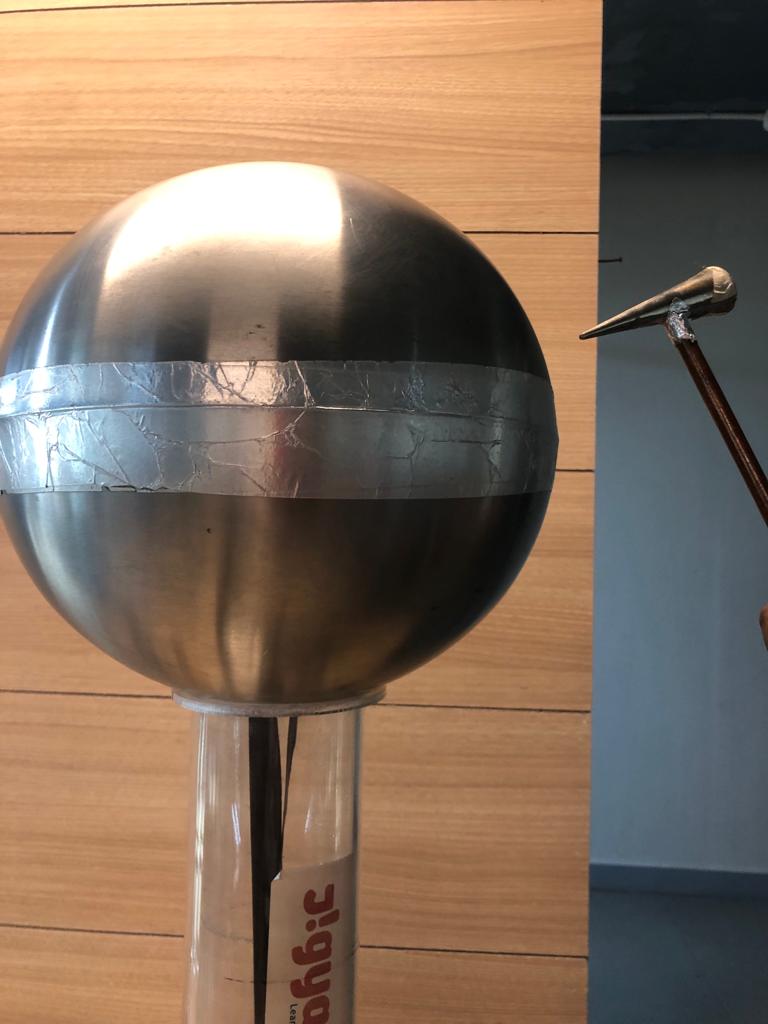
Van de Graaff tricks: Corona discharge
Concept: Qualitative study of corona discharge using a Van de Graaff generator and a conical electrode
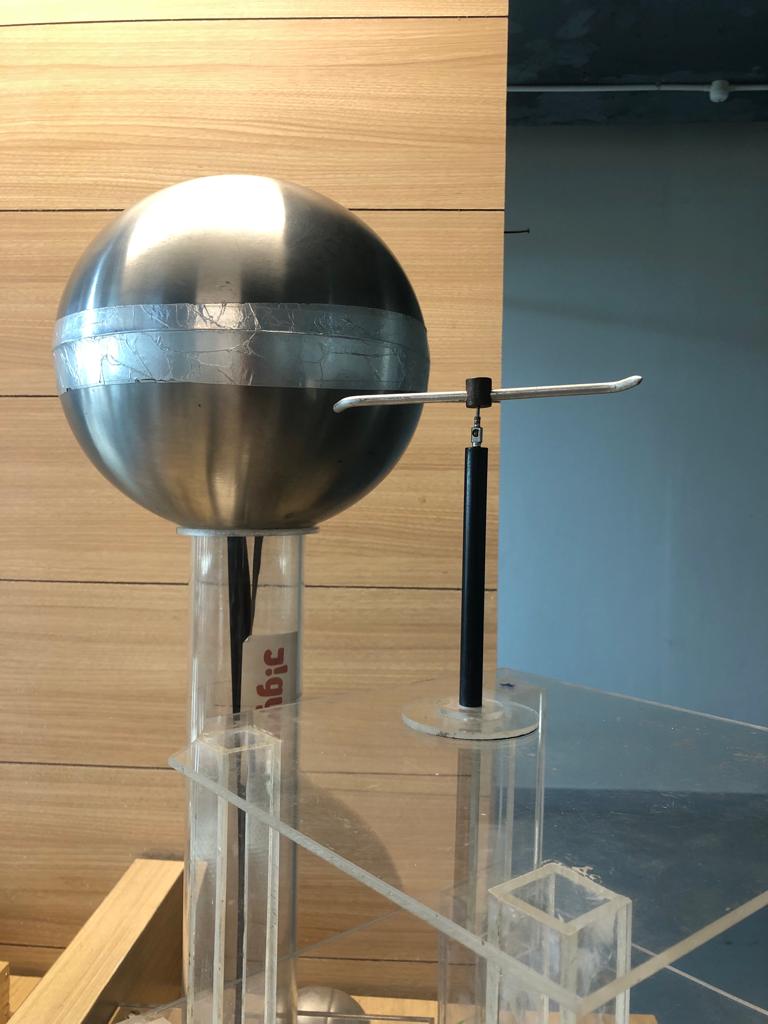
Corona discharge: Electric wind
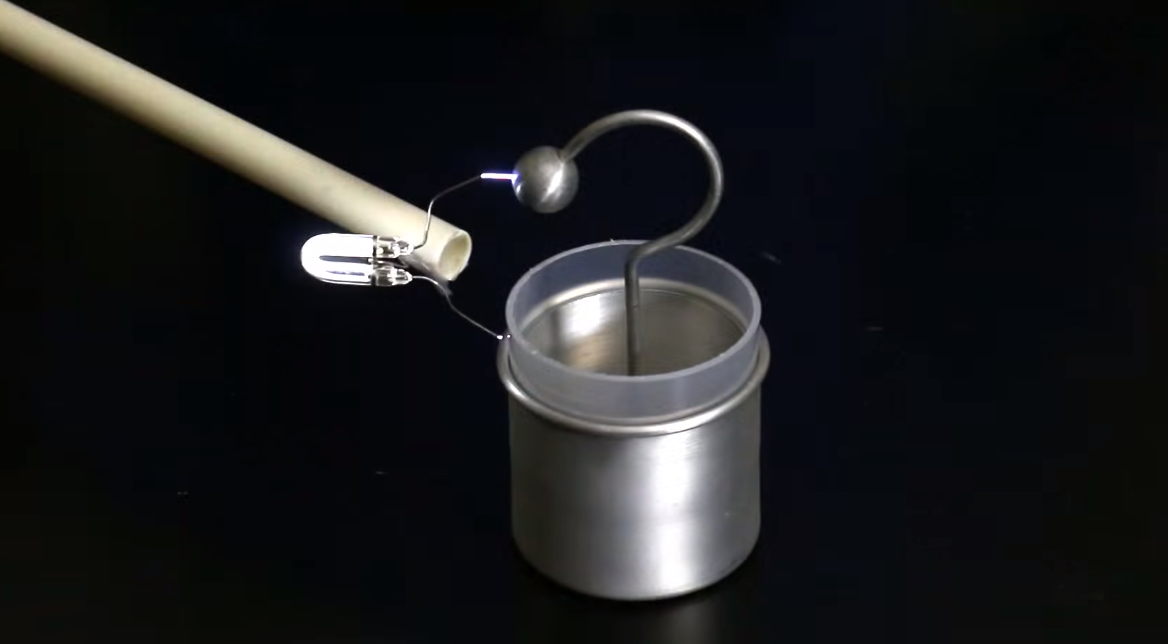
Concept: Qualitative study of corona discharge using a Van de Graaff generator, a S shaped conductor and saw toothed aluminium disc
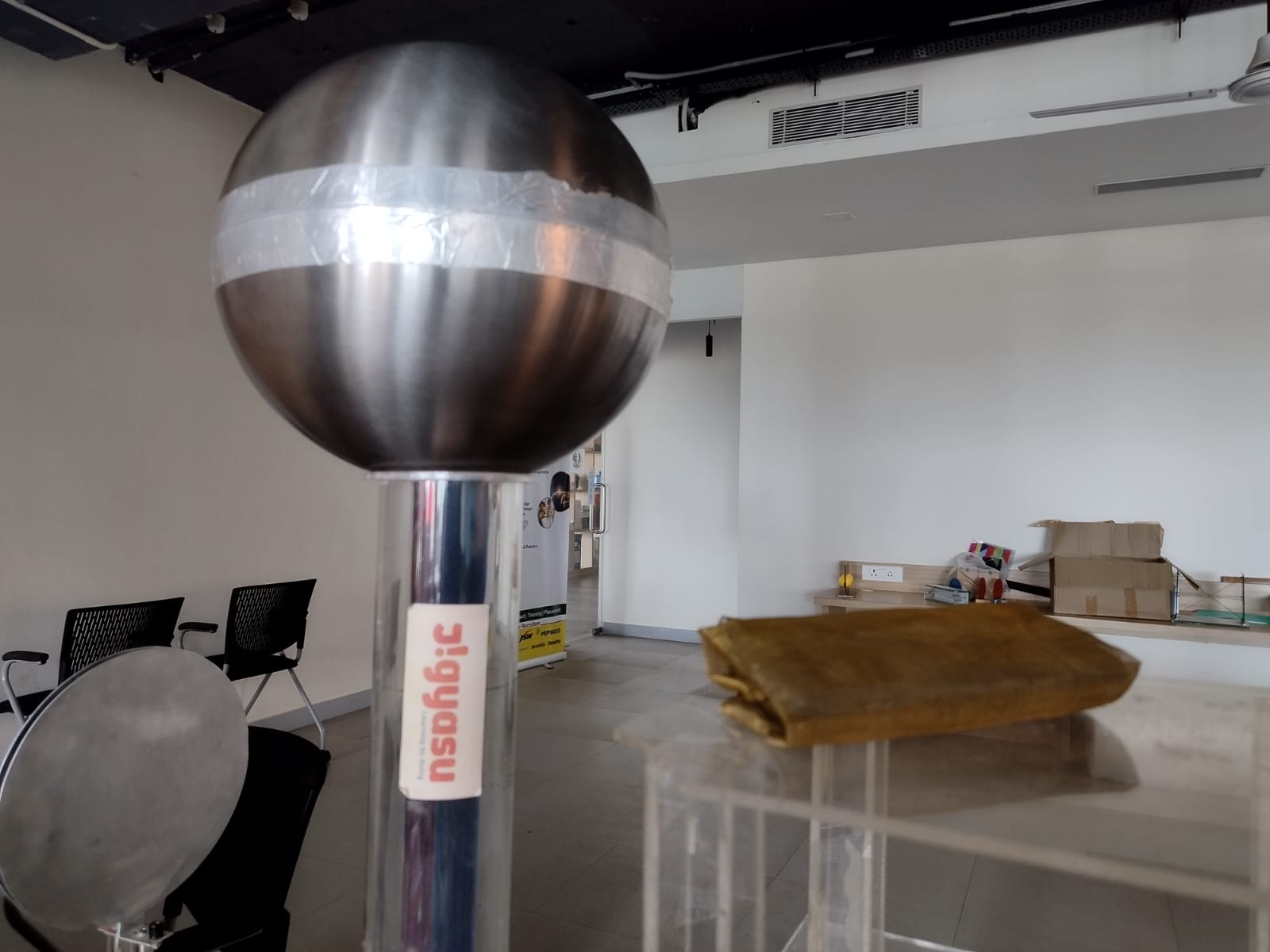
Electrostatic shielding: Cu an Al net
Concept: Qualitative study of electric field inside a conductor using a Van de Graaff generator and Cu Net
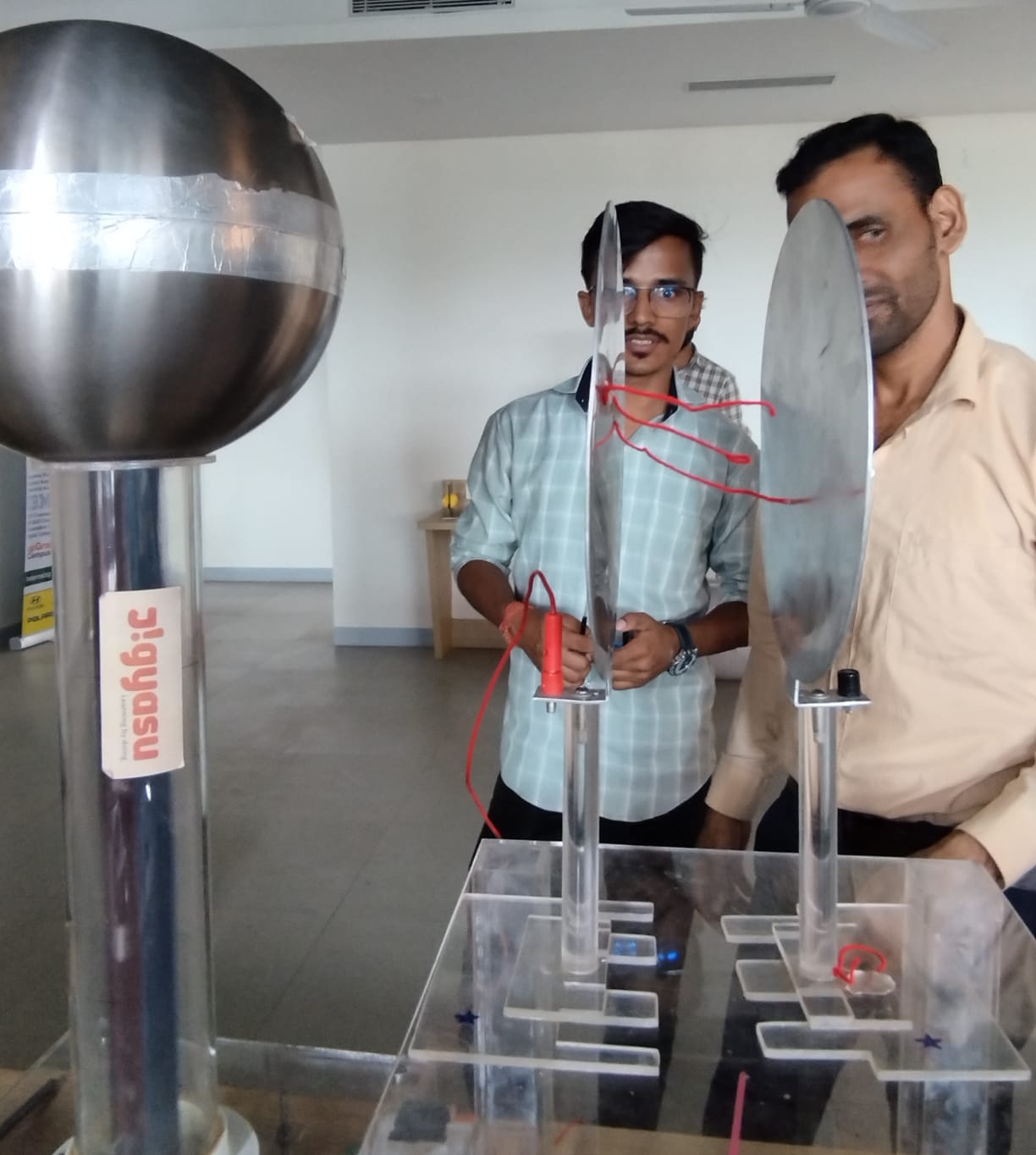
Electrostatic shielding: Aluminium Sheet
Concept: Qualitative study of electrostatic shielding using a Van de Graaff generator an a big aluminium sheet
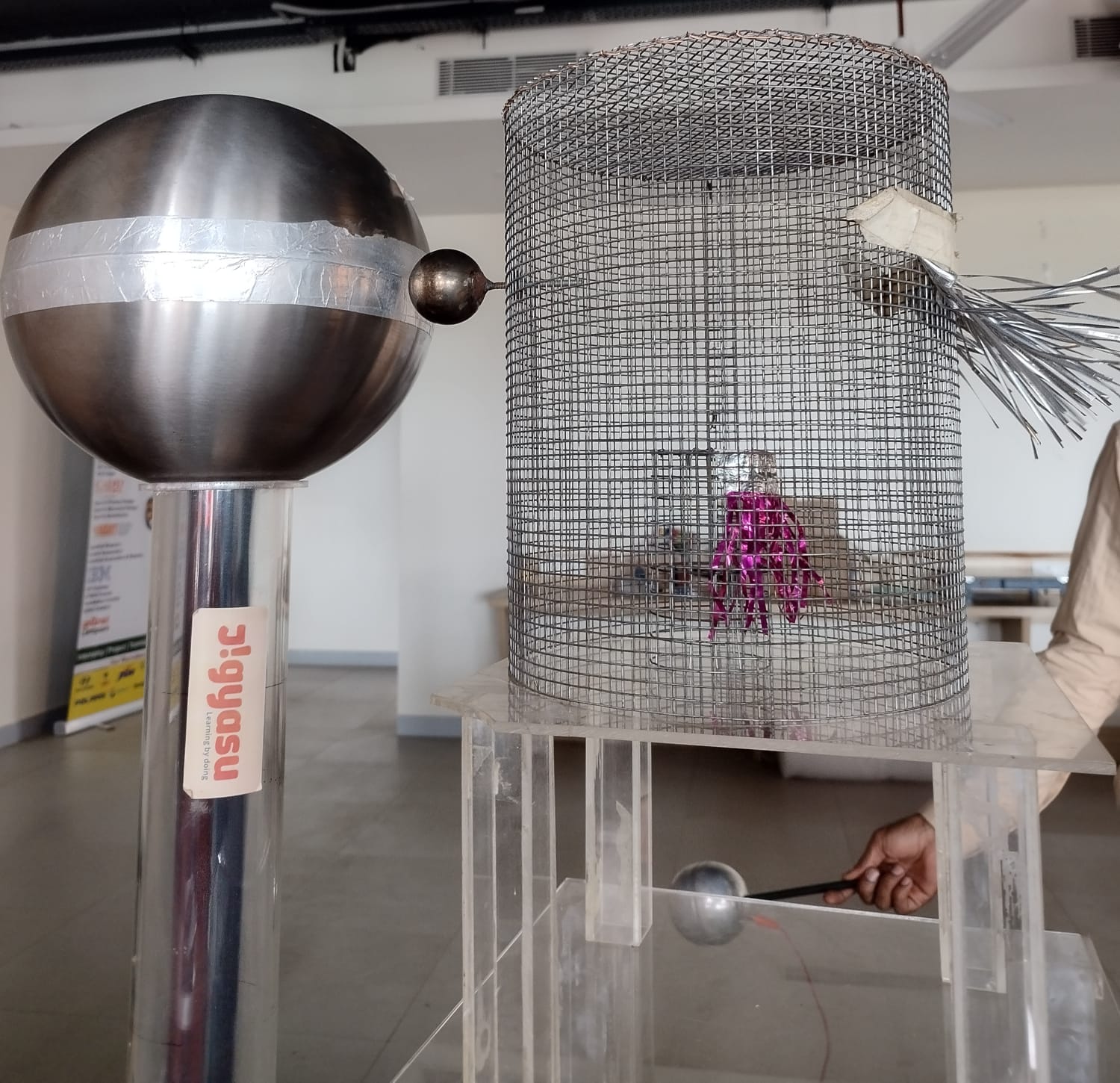
Electrostatic shielding: Faraday's cage
Concept: Qualitative study of electrostatic shielding using a Van de Graaff generator and a Faraday's cage
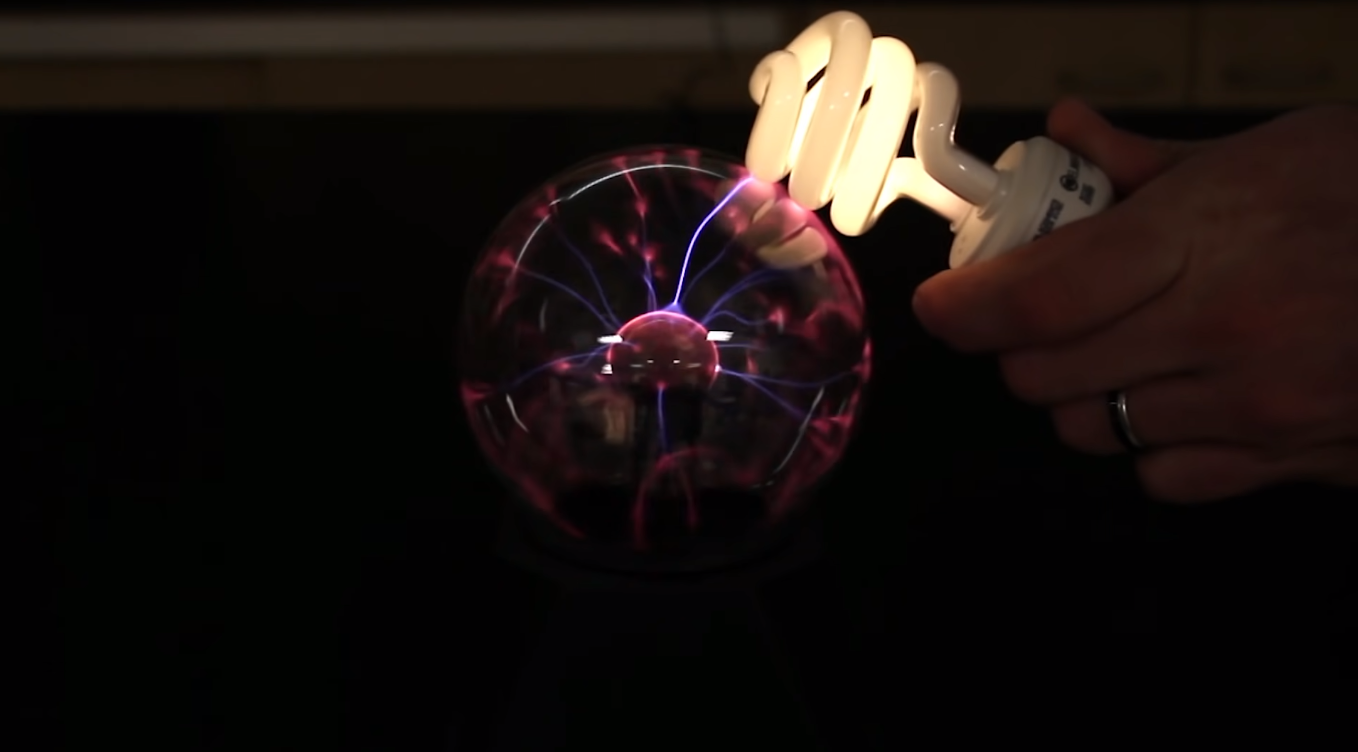
Radial electric field: Plasma globe and CFL bulb
Concept: Electric field visualization using plasma globe an tubelight and CFL bulb
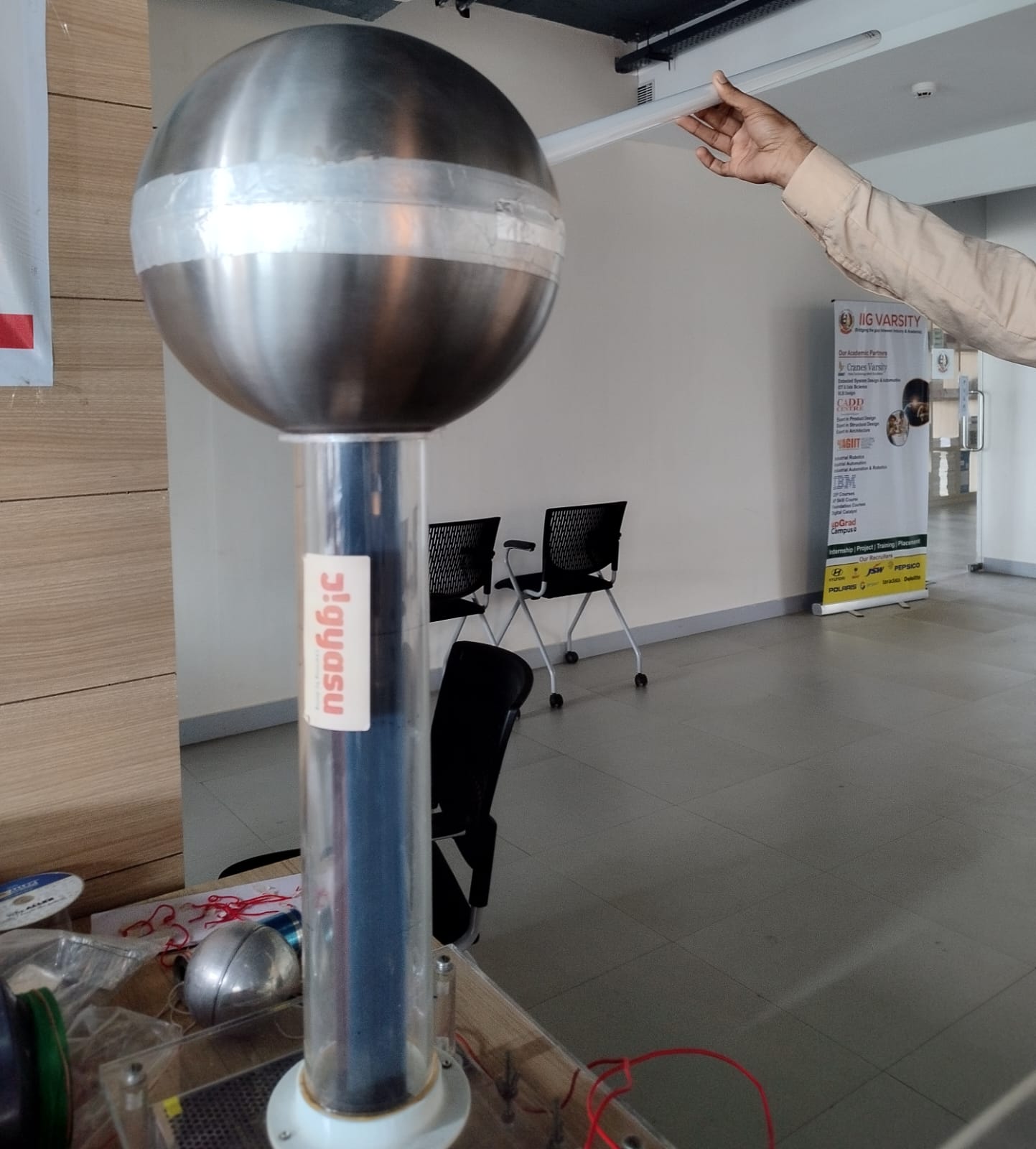
Radial electric field: Van de Graaff and tubelight
Concept: Qualitative study of electrostatic field using a tube light and Van de Graaff generator
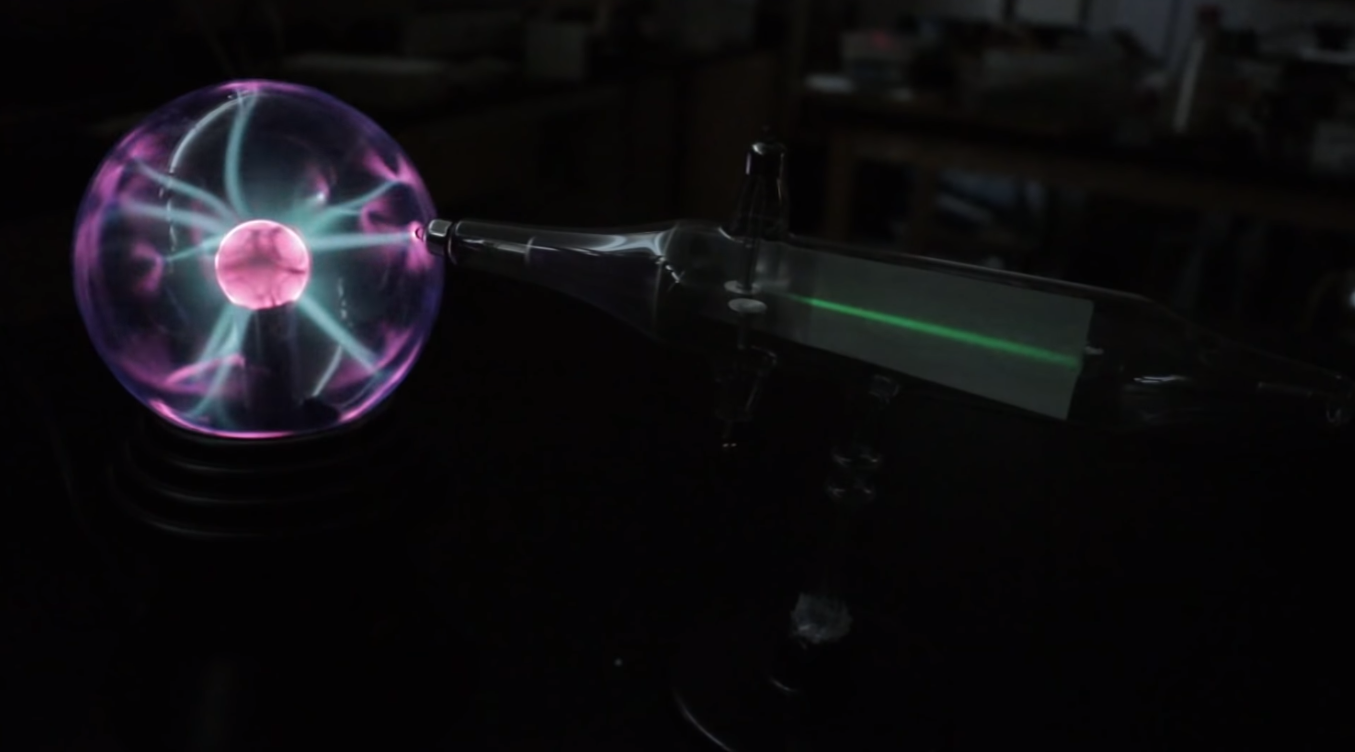
Radial electric field: Plasma globe and Oscilloscope
Concept: Qualitative study of electrostatic field and electrostatic potential using a plasma globe an Oscilloscope(Mobile app oscope or SmartScope).
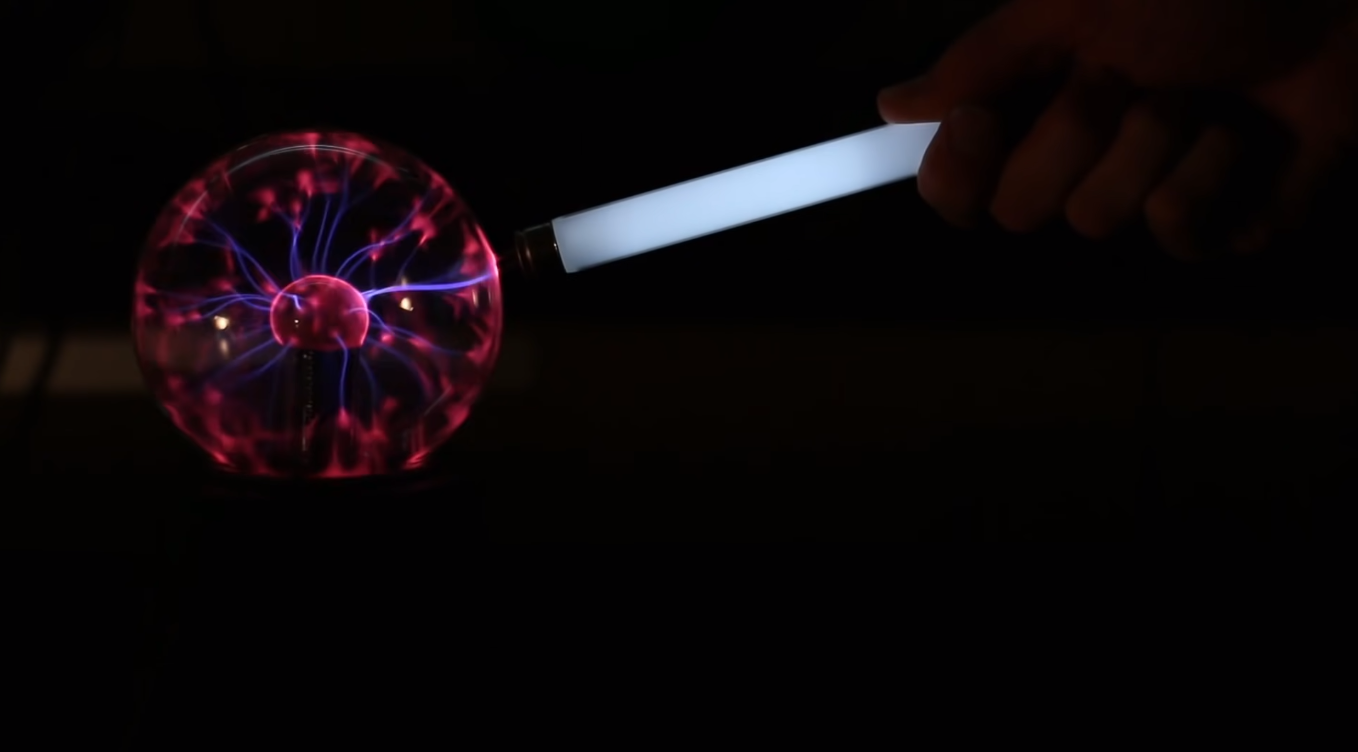
Radial electric field: Plasma globe and Tubelight
Concept: Qualitative study of electrostatic field and electrostatic potential using a plasma globe an tube light
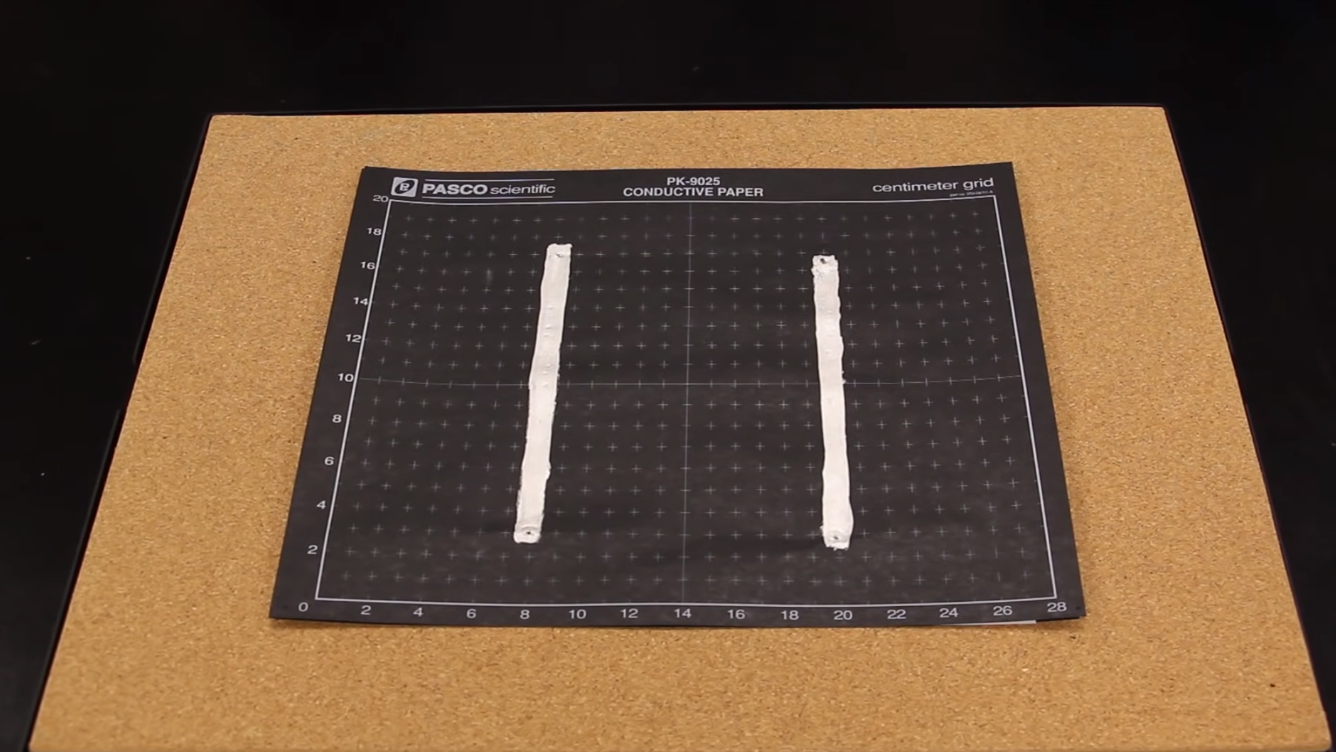
Equipotential Surface: Carbon paper
Concept: Quantitative study of equipotential surface using a battery source and carbon paper
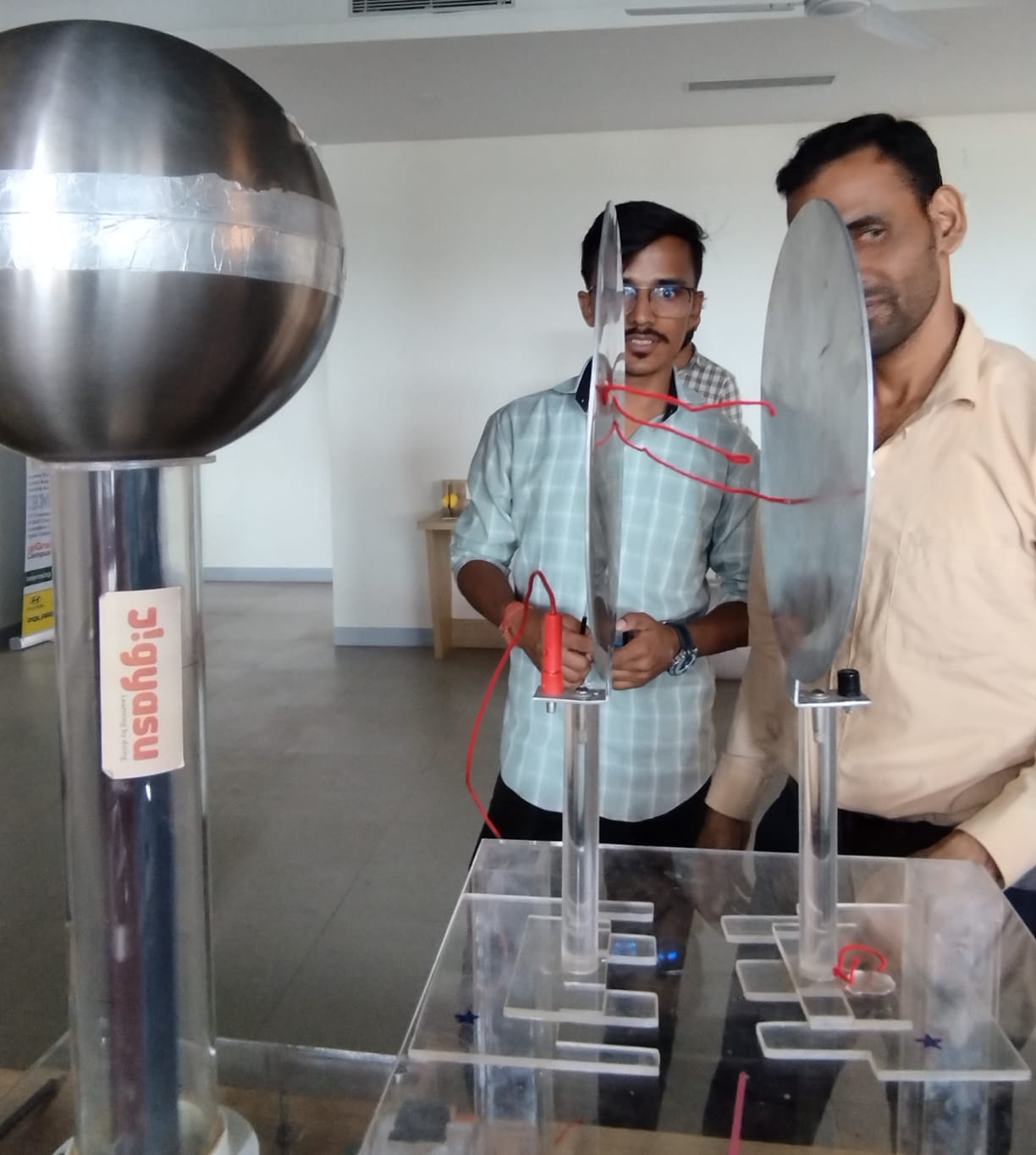
Electric field inside a parallel plate capacitor.
Concept: Qualitative study of electric field inside a parallel plate capacitor
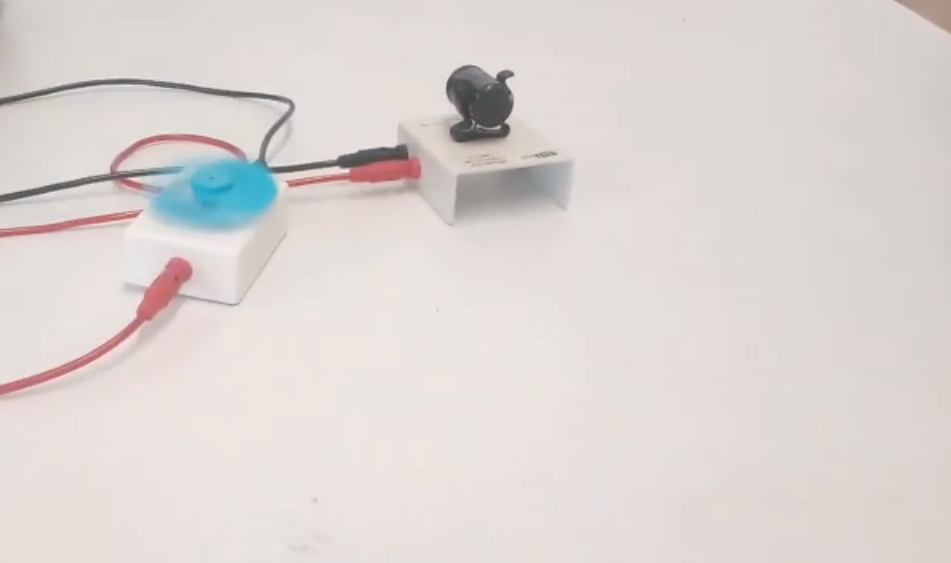
Metal jar capacitor with Plastic Jar as dielectric
Concept: Study of the effect of a dielectric inside a capacitor using a metal jar capacitor
Variable capacitor
Concept: Study of a variable capacitor using a parallel plate capacitor an plexi glass slab
Capacitor as a source
Concept: Study of a capacitor as a source of EMF
Magnetism & Matter
Activites: 7
Glass is diamagnetic
Concept: Study of the behaviour of a diamagnetic material inside a magnetic field.

Water is diamagnetic
Concept: Study of the behaviour of a diamagnetic material inside a magnetic field.

Aluminium is paramagnetic
Concept: Study of the behaviour of a paramagnetic material inside a magnetic field.

CuSO4 is paramagnetic
Concept: Study of the behaviour of a paramagnetic material inside a magnetic field.

CuO is paramagnetic
Concept: Study of the behaviour of a paramagnetic material inside a magnetic field.

Gadolinium(III) oxide is paramagnetic
Concept: Study of the behaviour of a paramagnetic material inside a magnetic field.

Curie point of Iron
Concept: Observing a ferromagnetic material behaves like a diamagnetic material at high temperature
Electromagnetism(MEC)
Activites: 41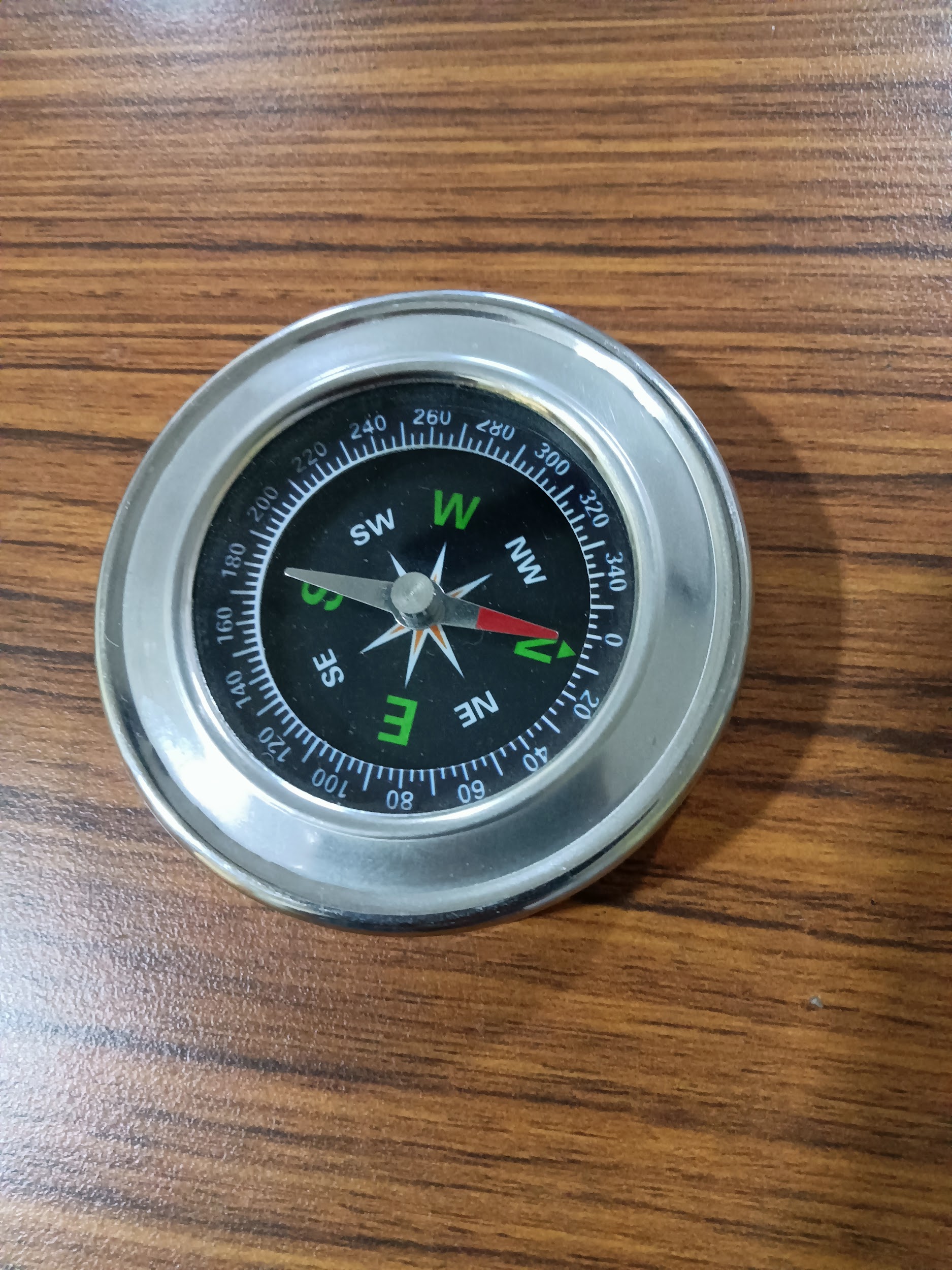
Magnetic field of earth using compass
Concept: Visualisation of earth's magnetic field using a compass.
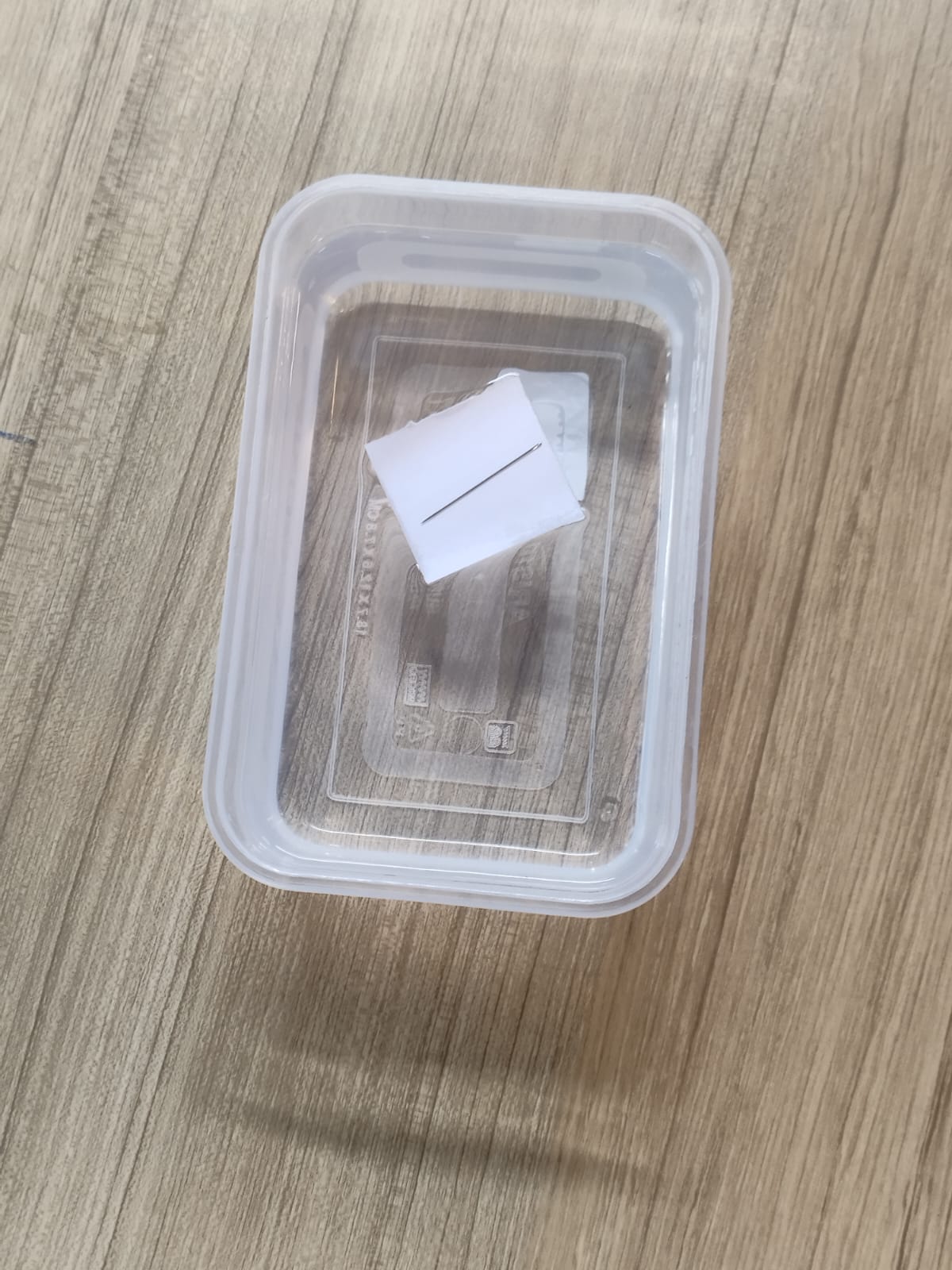
Magnetic field of earth using needle
Concept: Visualisation of earth's magnetic field using a needle.
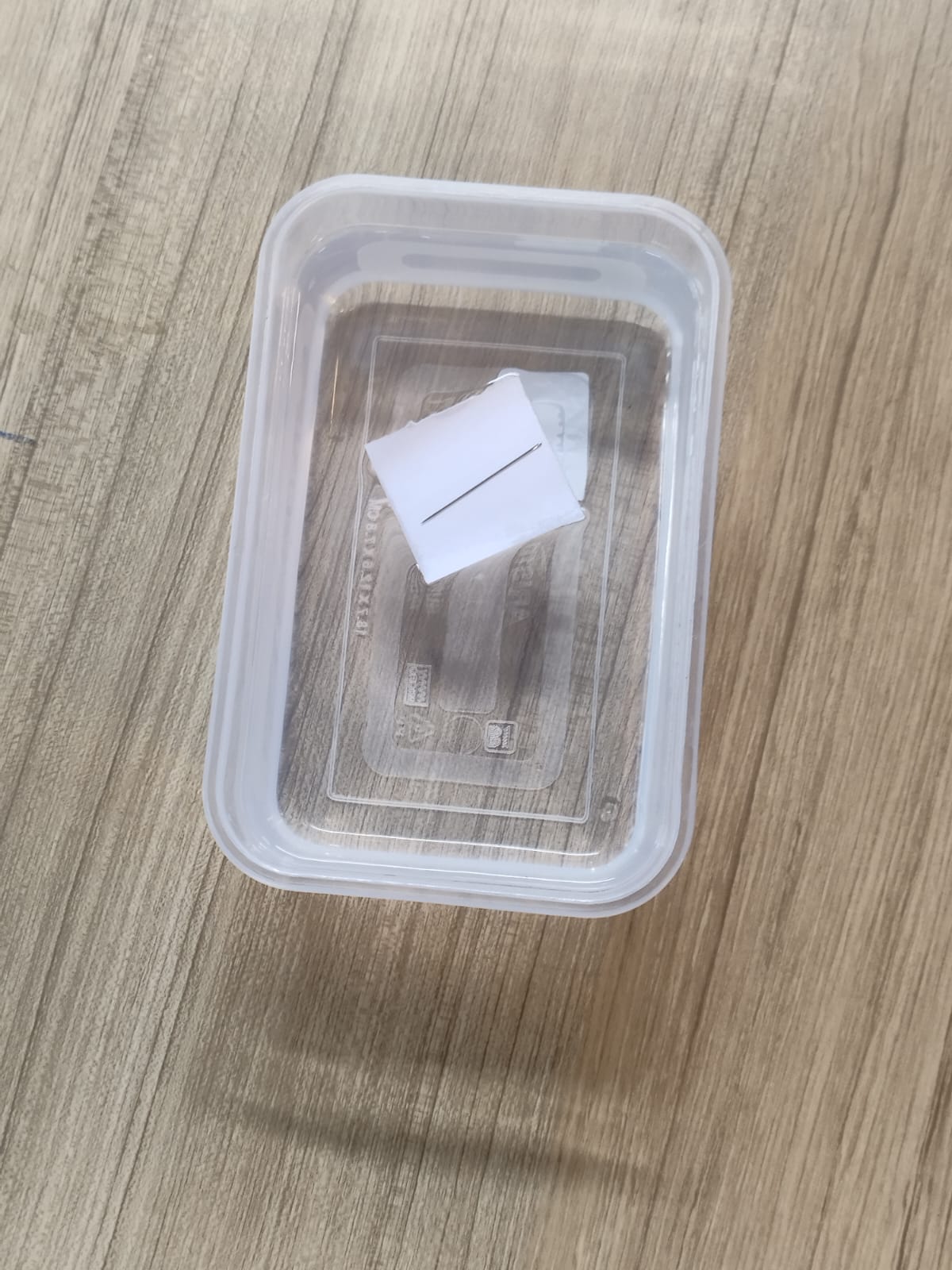
Magnetic field of a bar magnet using a needle
Concept: Visualisation of magnetic field of a bar magnet using a needle.
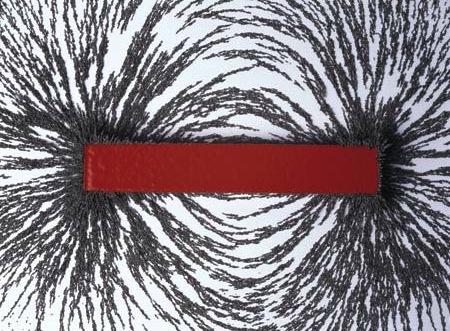
Magnetic Field of a Bar Magnet using Compass
Concept: Visualisation of magnetic field of a bar magnet using a compass.
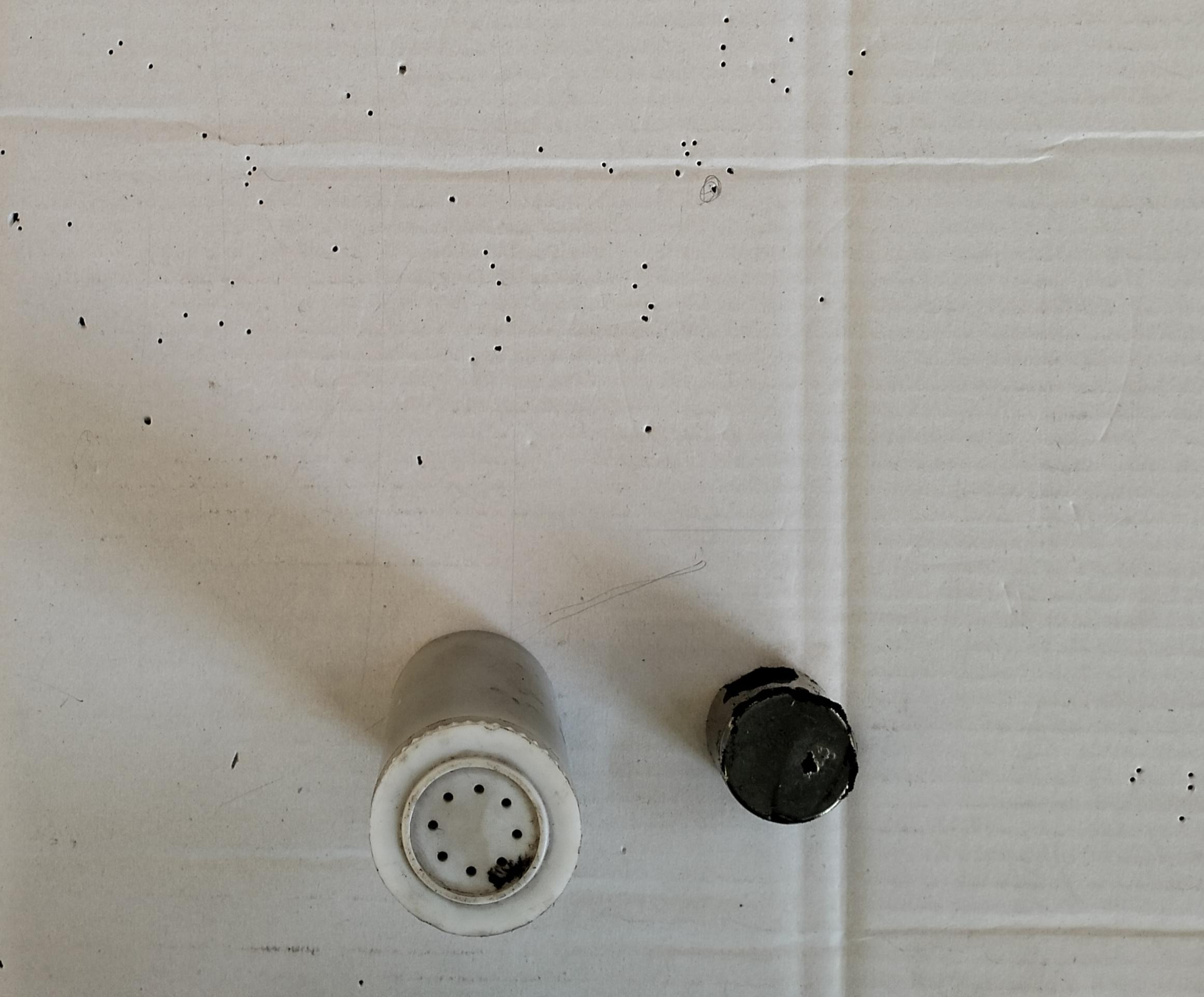
Magnetic Field of a Bar Magnet using Iron filings
Concept: Visualization of magnetic field lines of a bar magnet using iron dust.

Types of Magnet
Concept: Classifying magnets into different groups based on their magnetic properties, shape and size and occurence

Properties of Magnets
Concept: Studying the properties of a magnet

Floating Pin
Concept: Studying the properties of a magnet
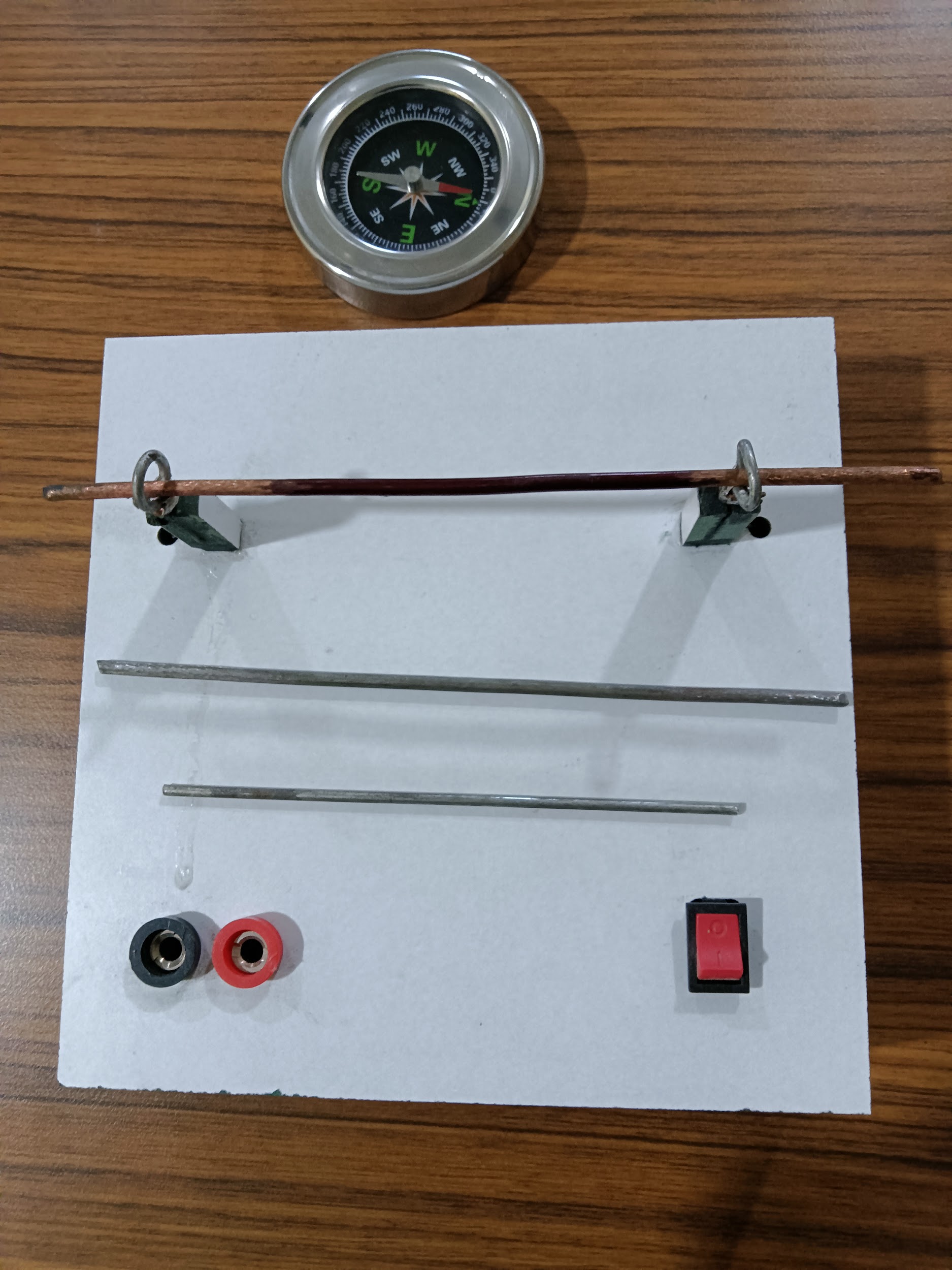
Oersted Experiment
Concept: Visualisation of magnetic field due to wire
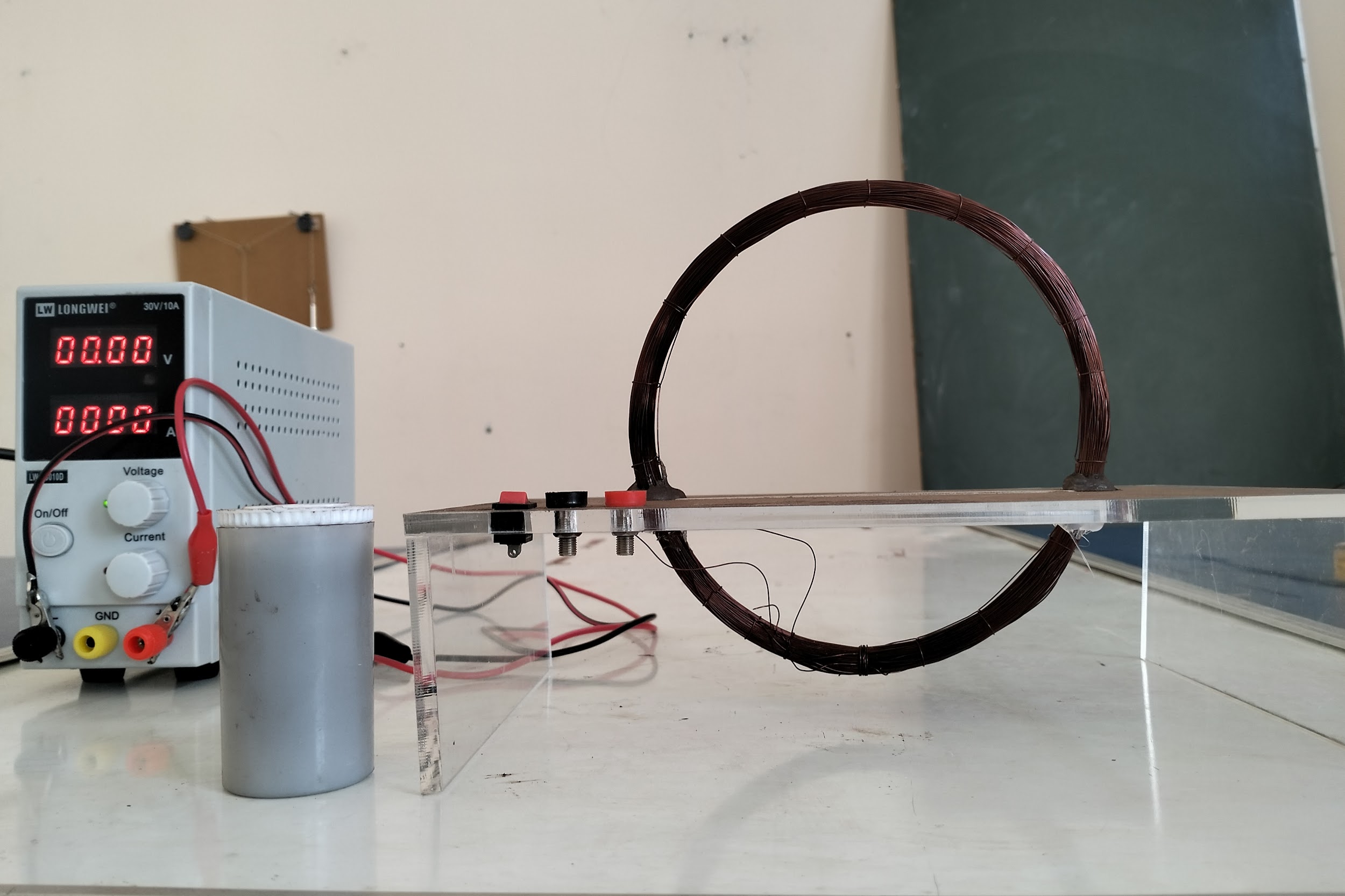
Magnetic field due to a circular coil
Concept: Visualisation of magnetic field due to a circular coil.
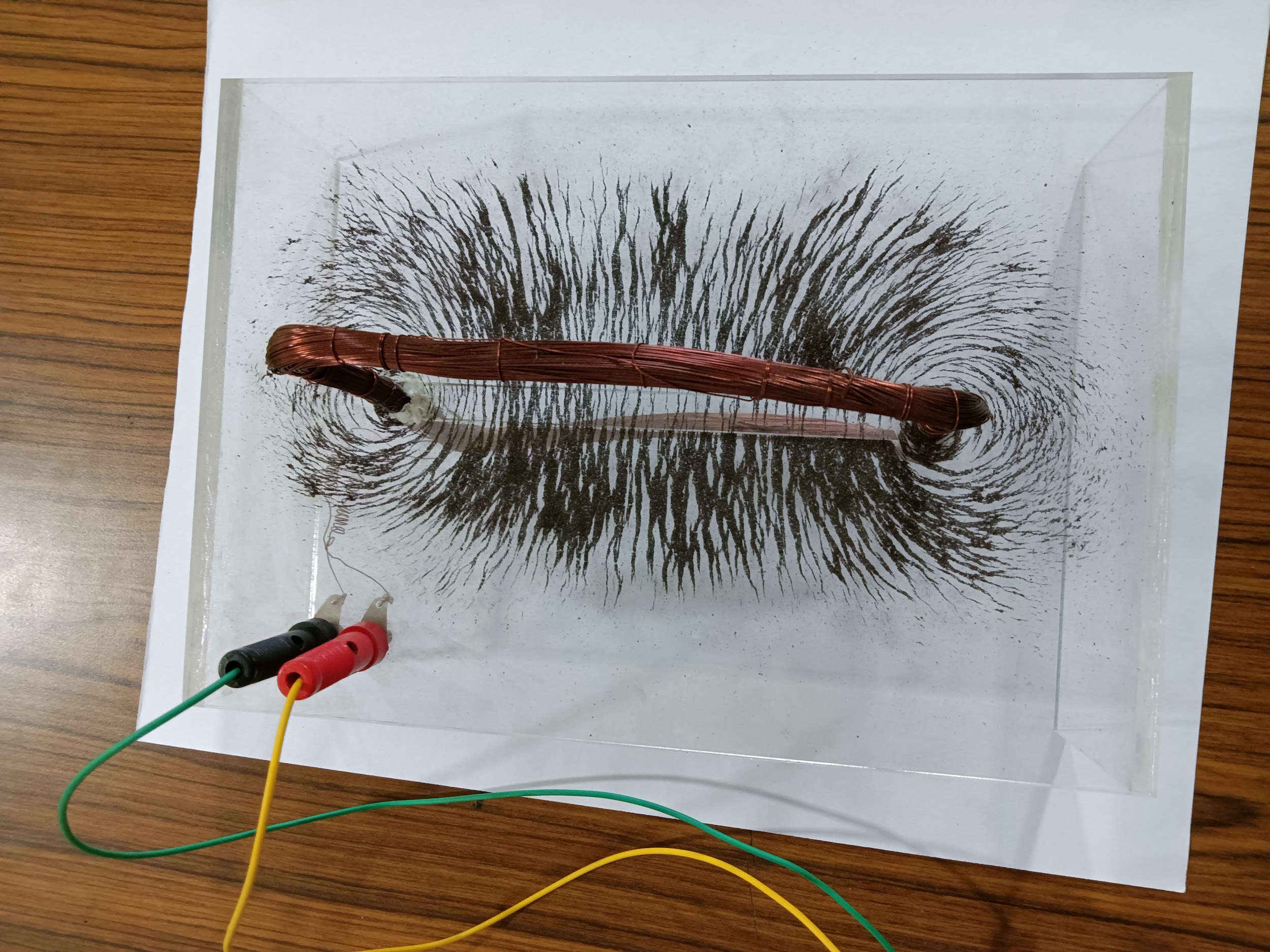
Magnetic field due to Square coil
Concept: Visualisation of magnetic field due to a square coil.
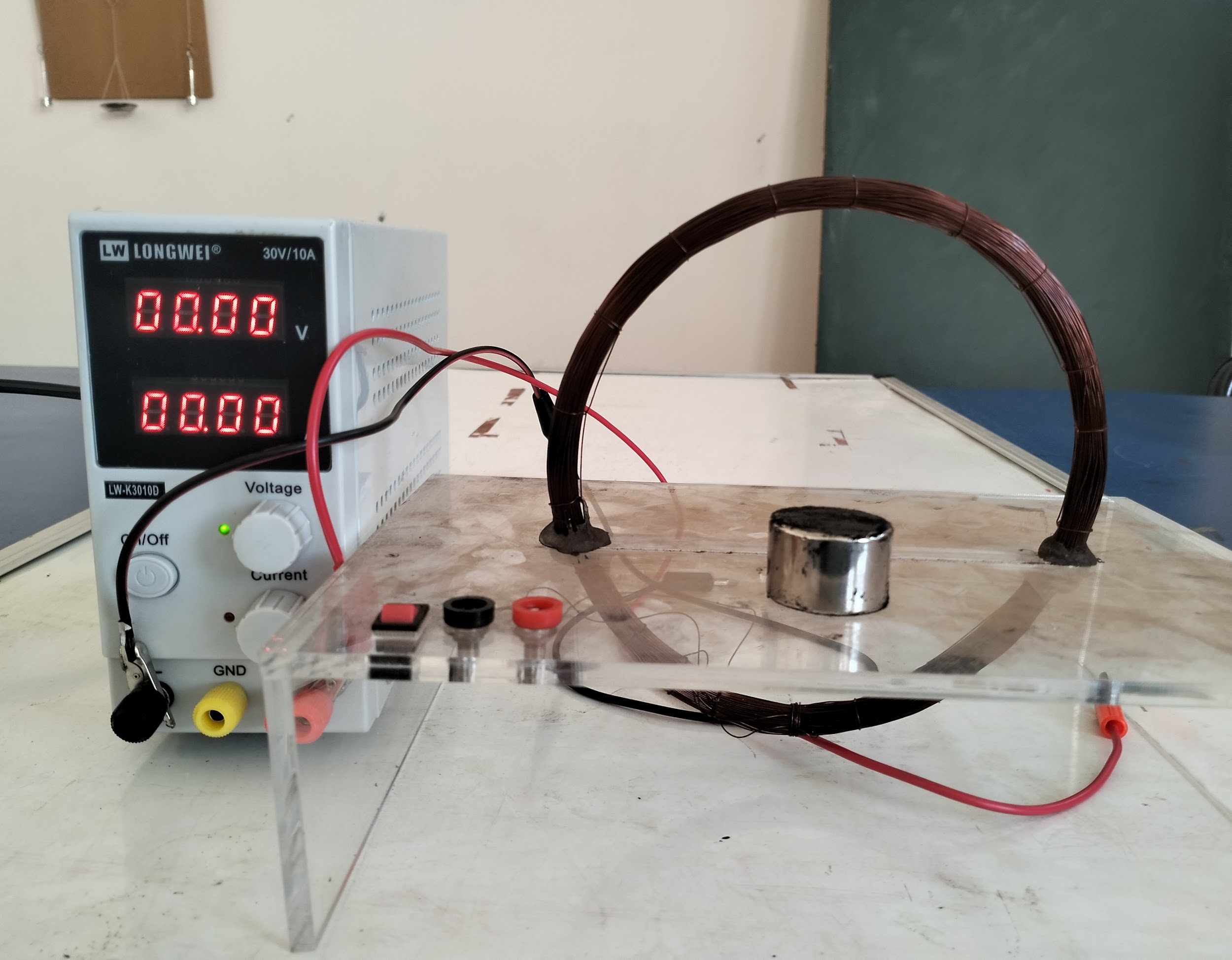
Homemade electromagnet
Concept: Making an electromagnet using Cu wire to observe the magnetic effects of current.
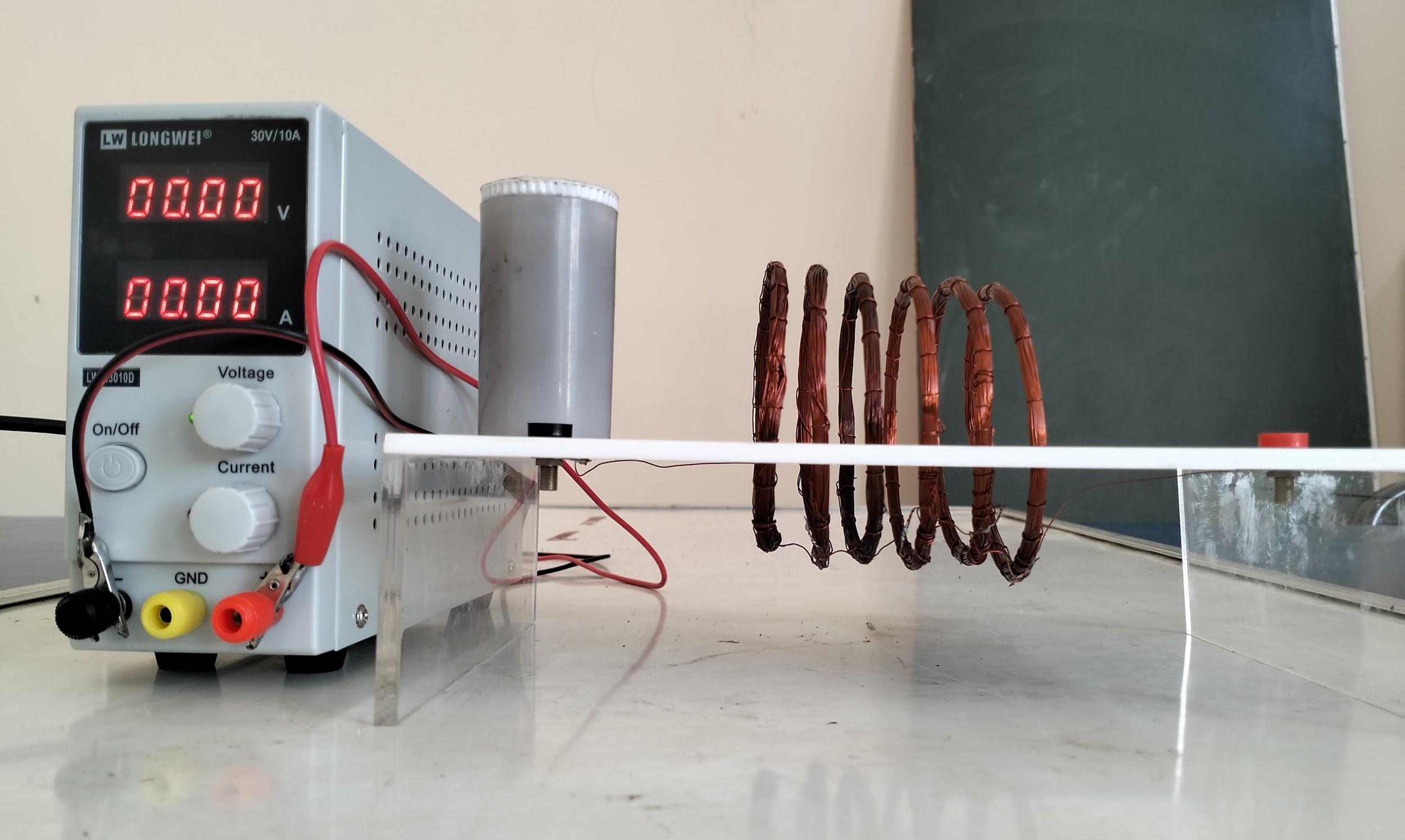
Magnetic field due to Solenoid
Concept: Visualisation of magnetic field due to the solenoid.
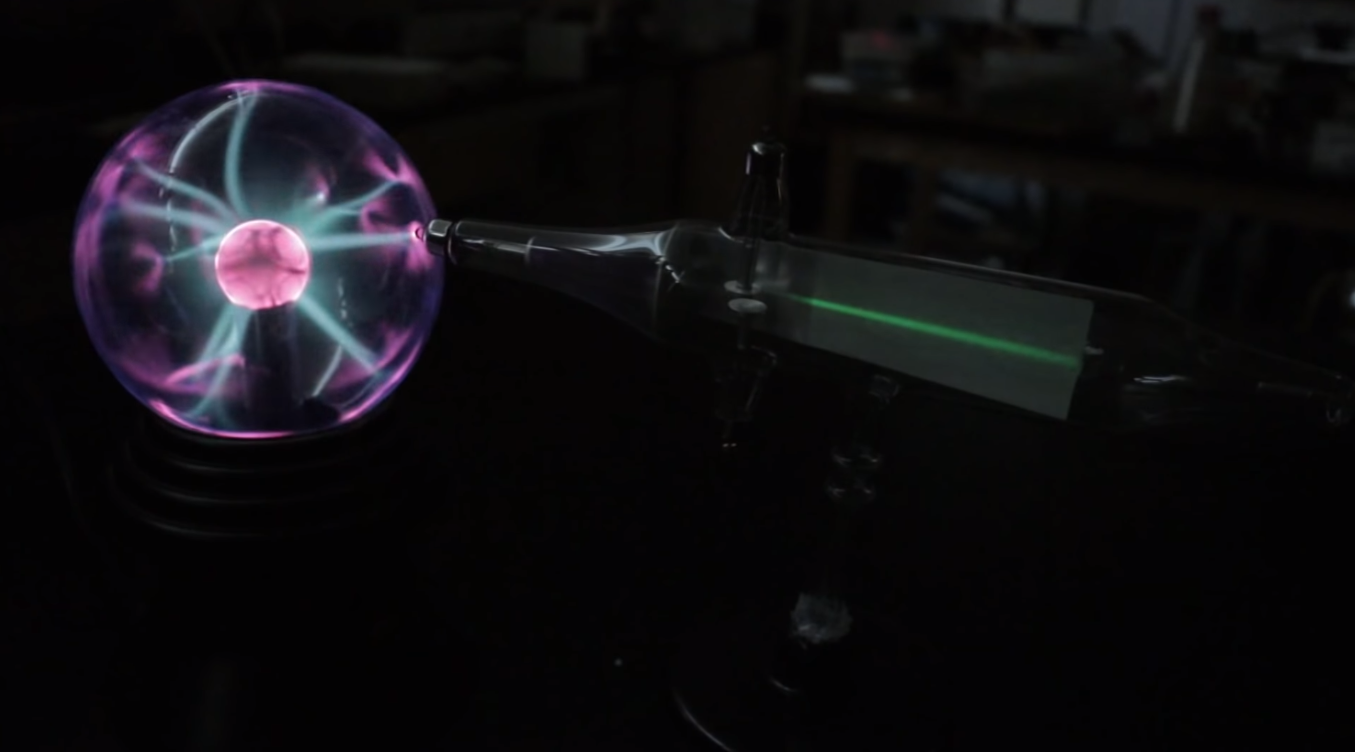
Deflection of cathode ray
Concept: Quantitative study of the Lorentz force on a charge particle.
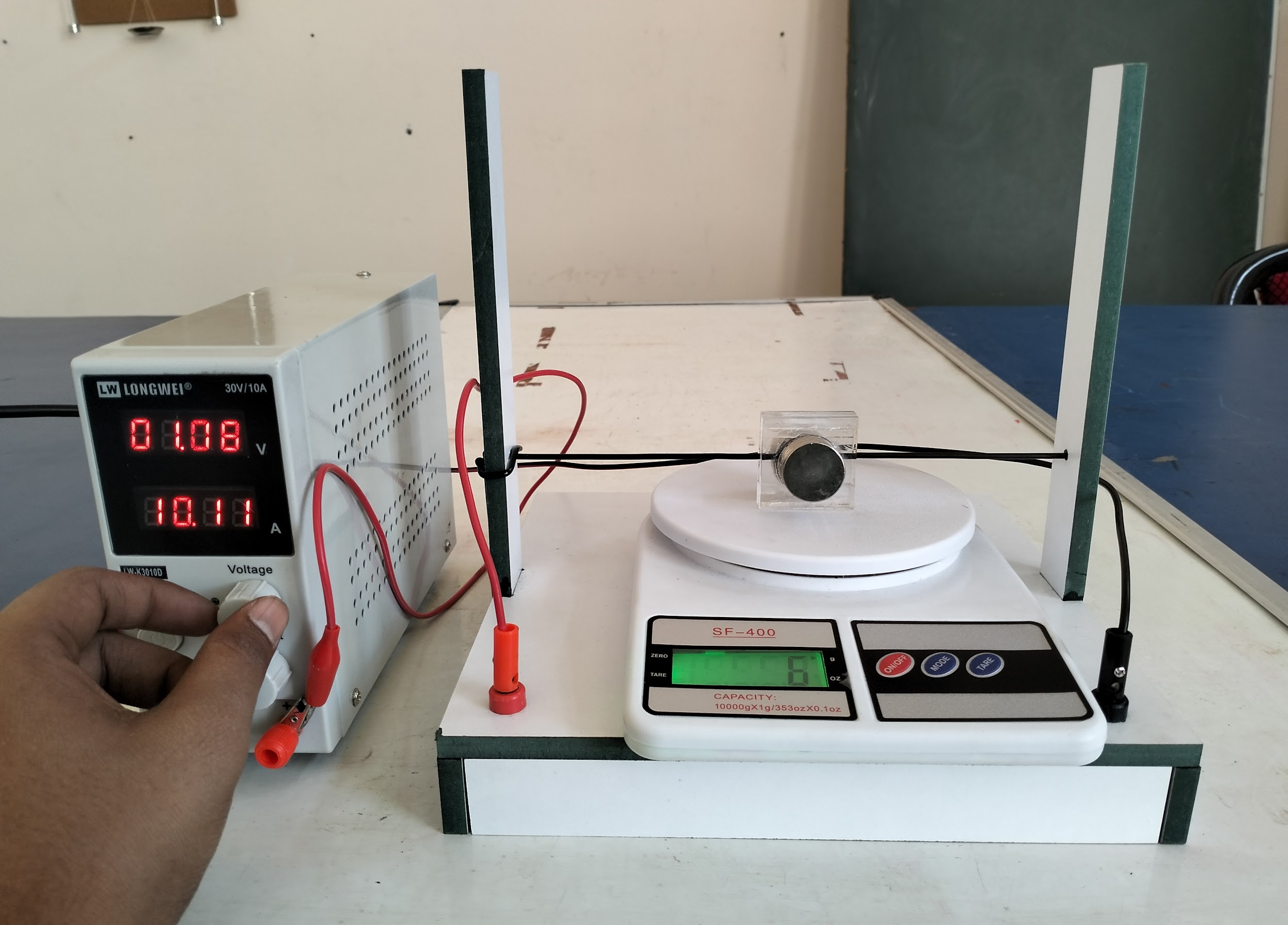
Measuring Force on a current carrying wire inside a magnetic field
Concept: Measurement of the force on a current carrying wire in a magnetic field.
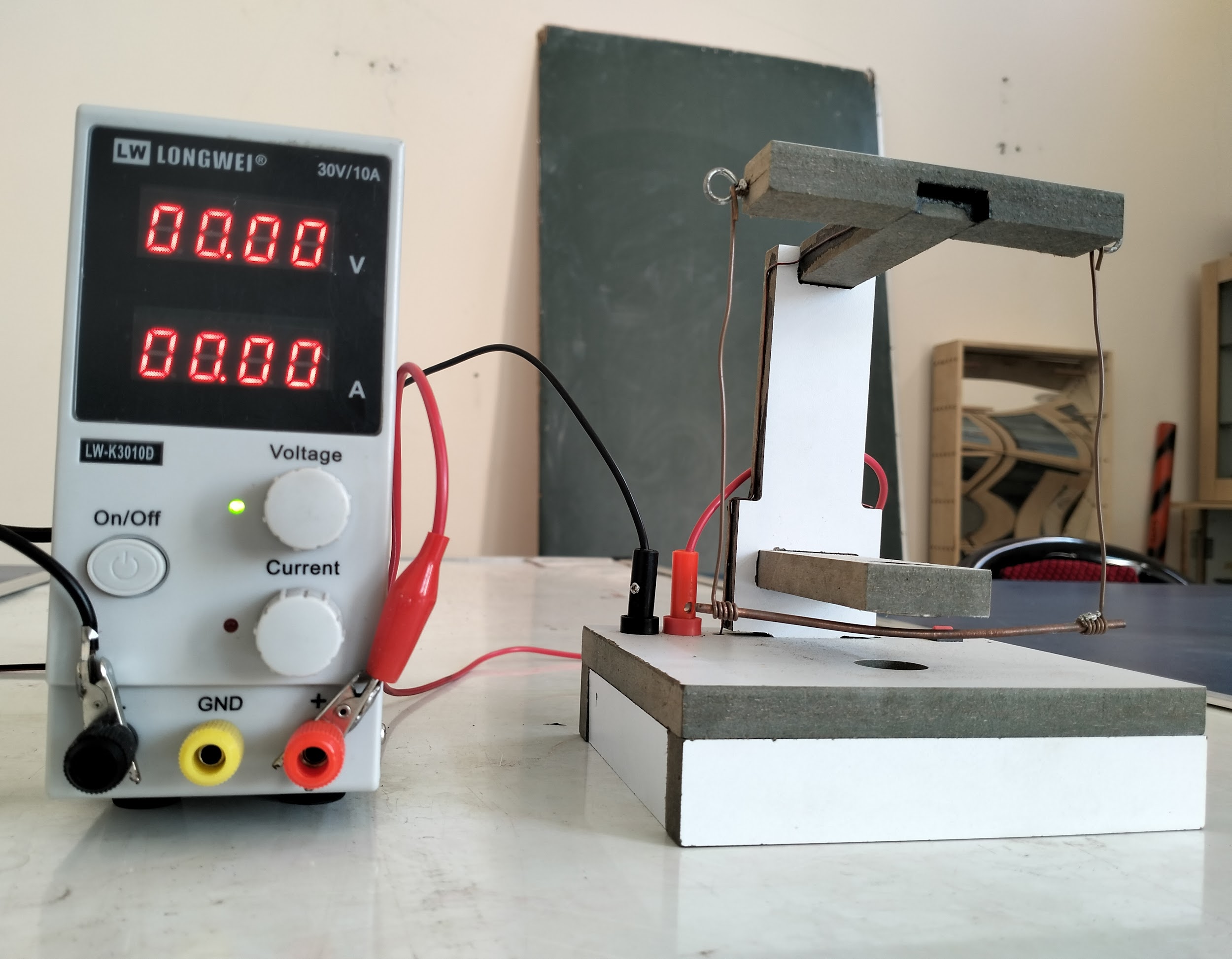
Magnetic Swing with Opposite polarity
Concept: Observing the force on a current carrying conductor inside a magnetic field.
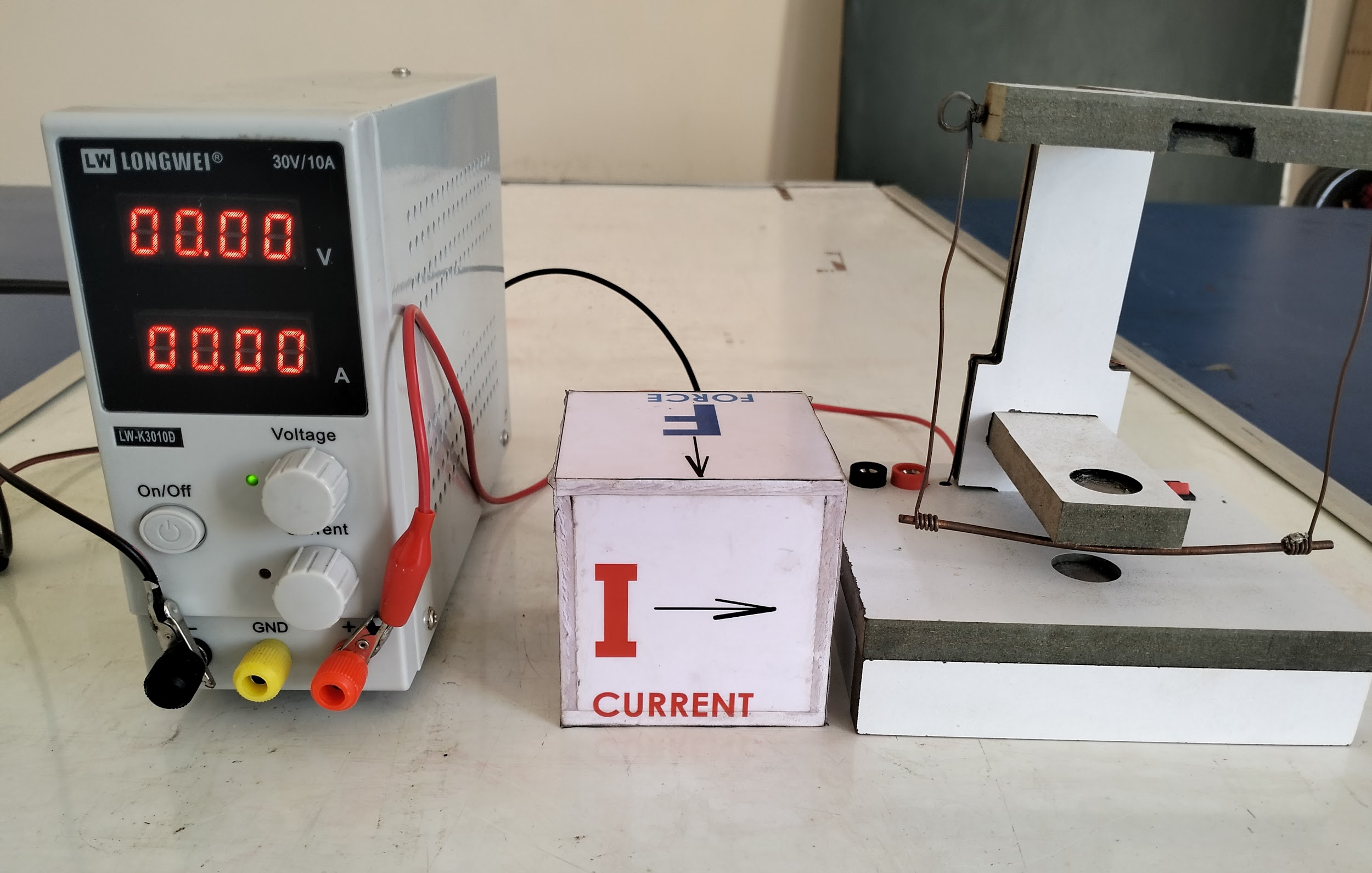
Lorentz Cube
Concept: Visualisation of the direction of the force on a current carrying conductor inside a magnetic field.
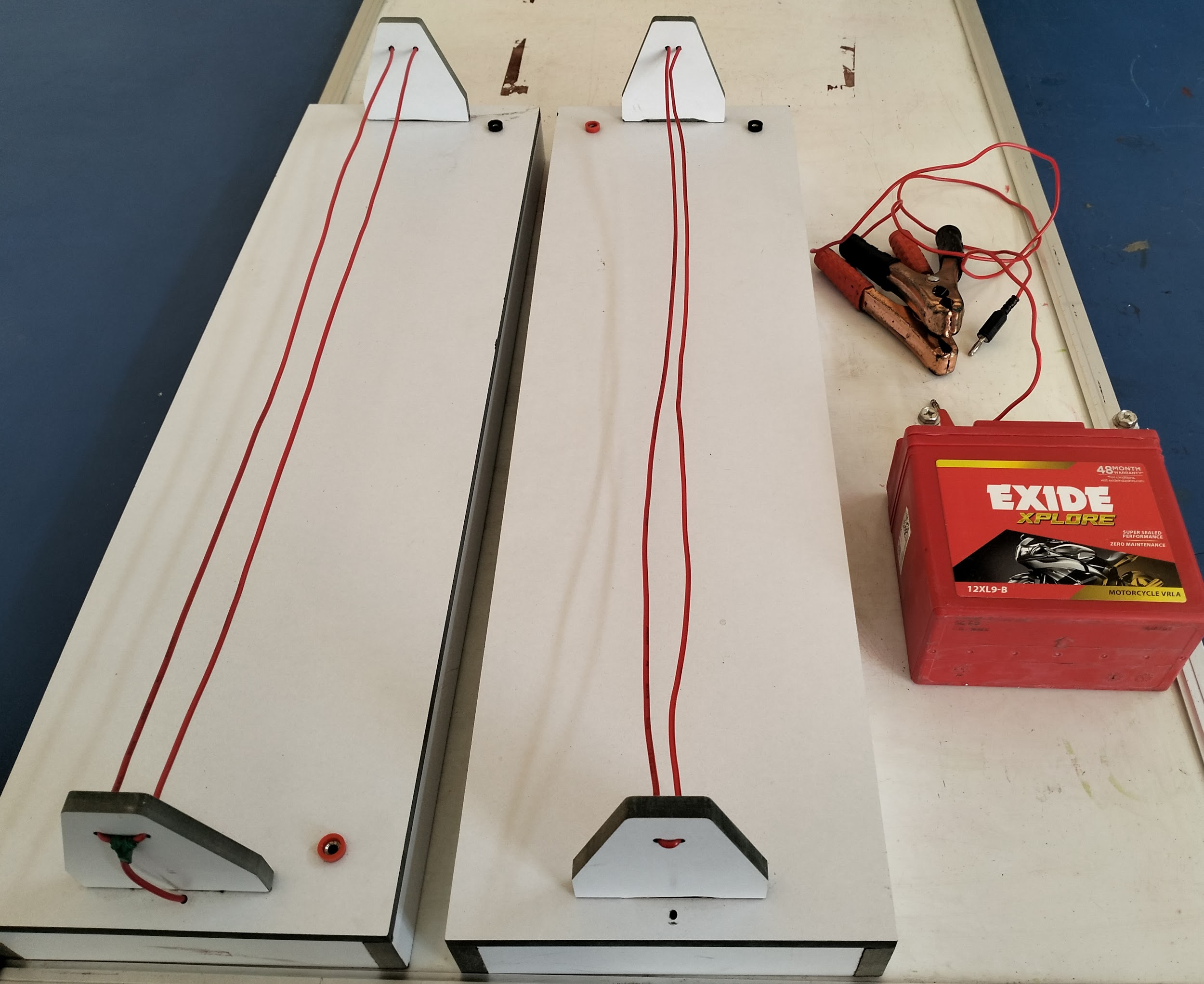
Force between two current carrying wires showing attraction & repulsion of parallel conductors
Concept: Observing the force between two current carrying wires.
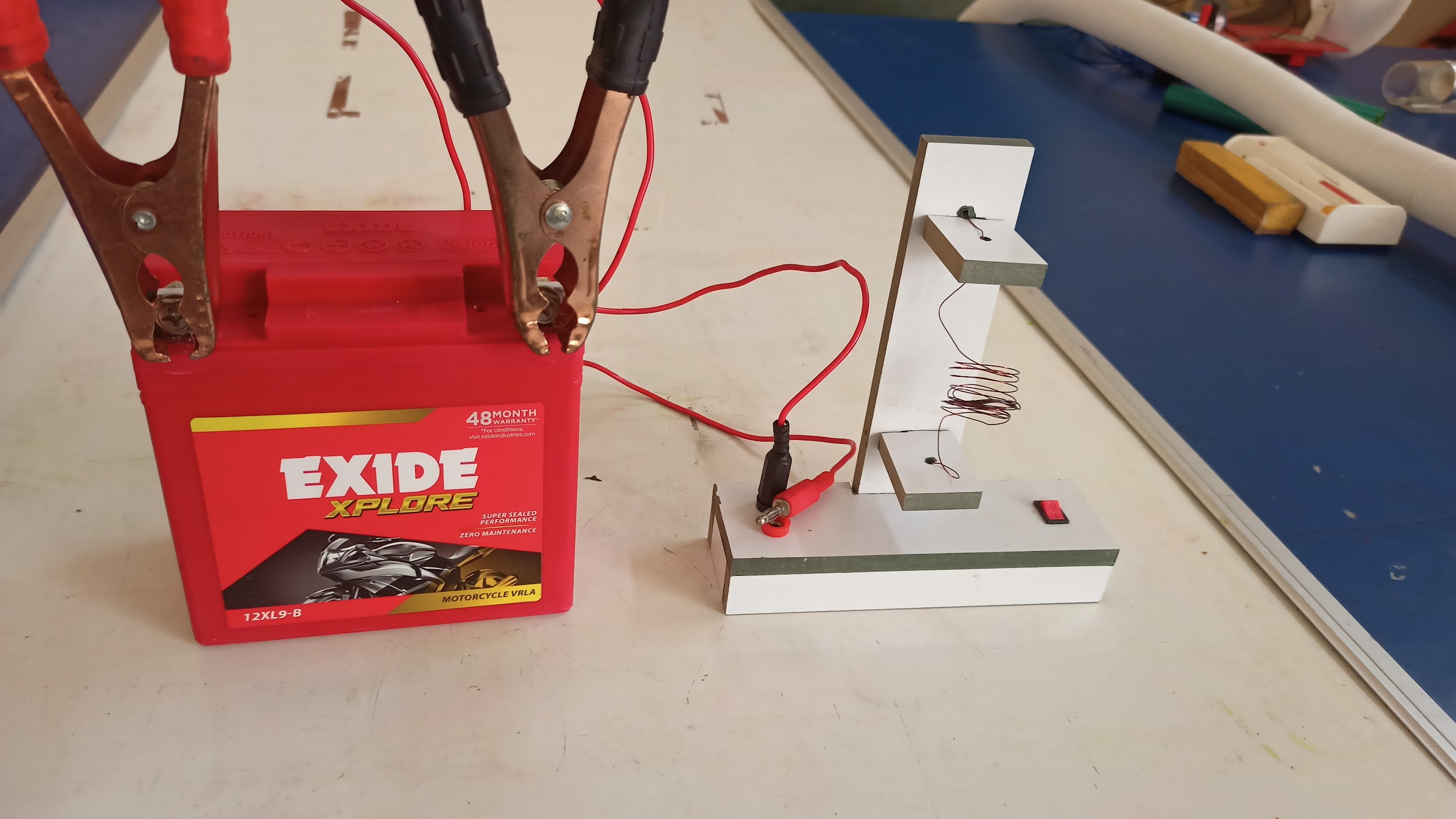
Muscle circuit
Concept: Observing the force between current carrying loops.
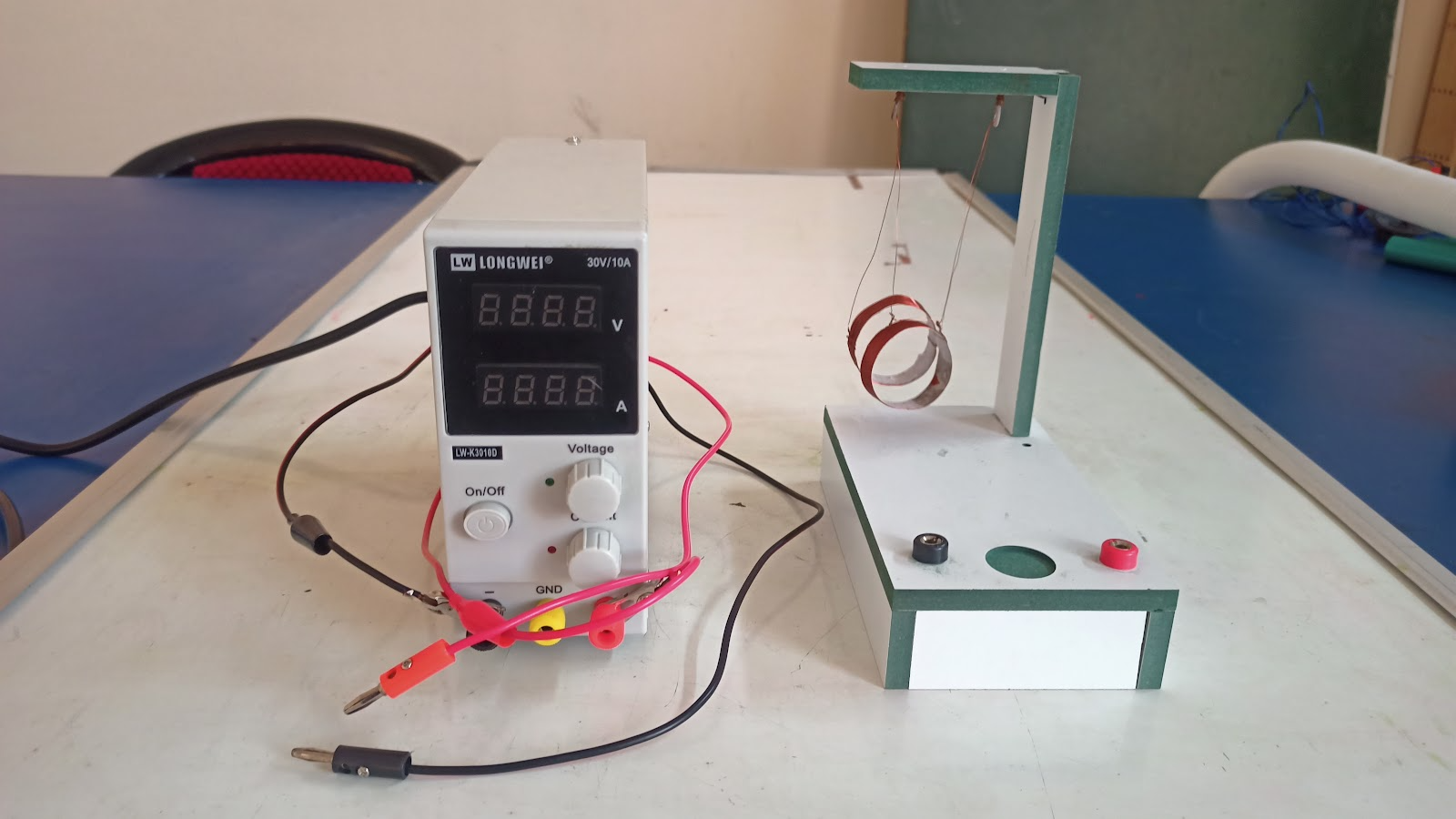
Oscillating Coil 2
Concept: Observing the force between current carrying loops.
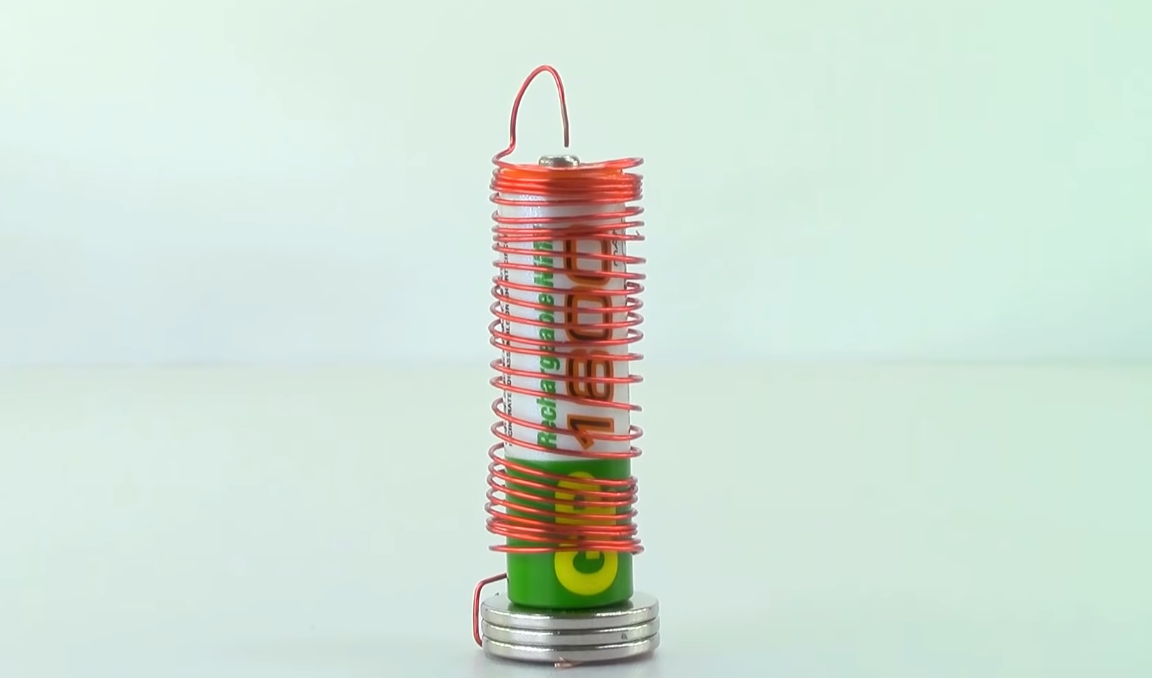
Homopolar Vibrator
Concept: Observing the force on a current carrying coil due to a magnet.
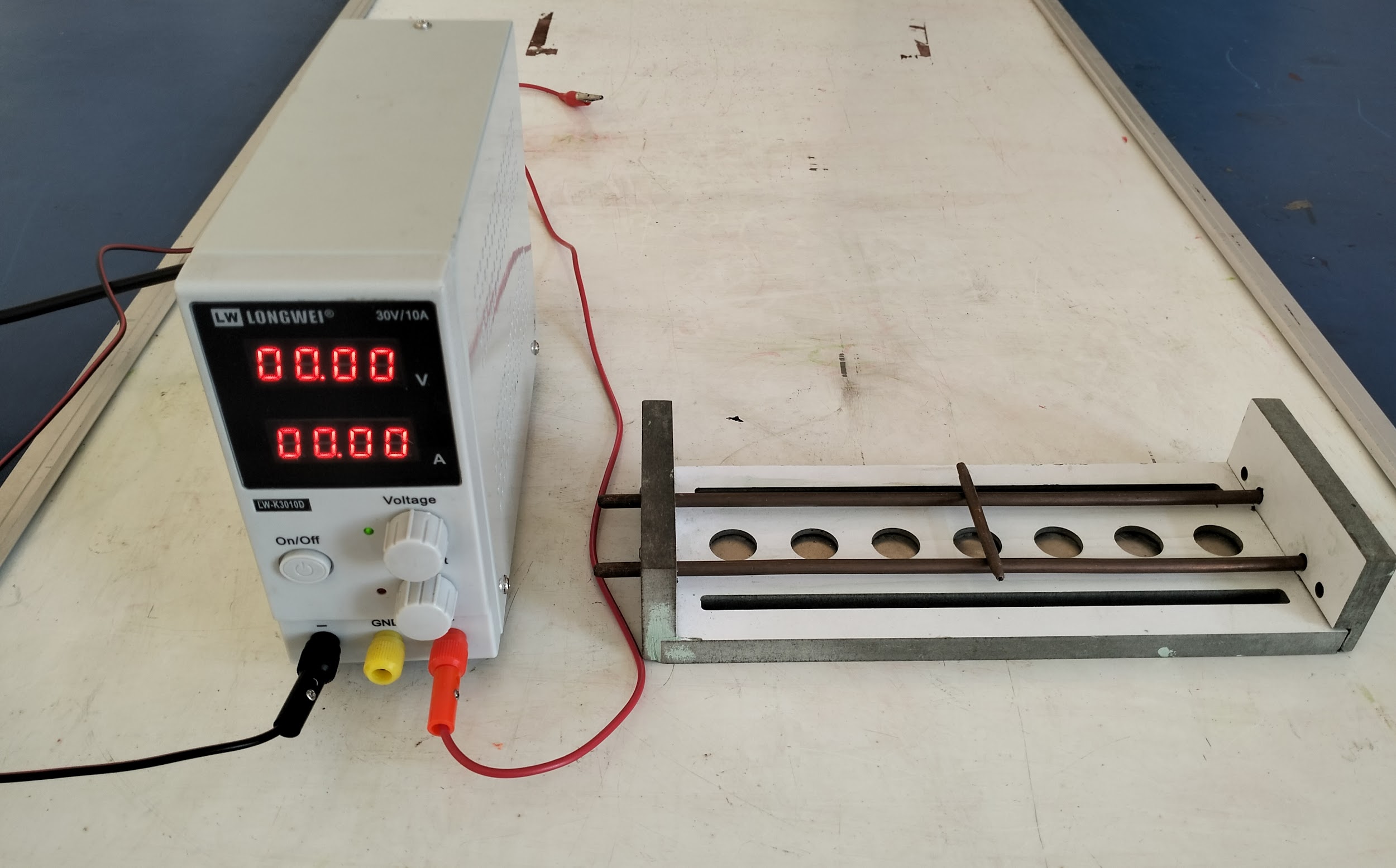
EM Rail
Concept: Demonstration of electromagnetic force on a current carrying conductor.
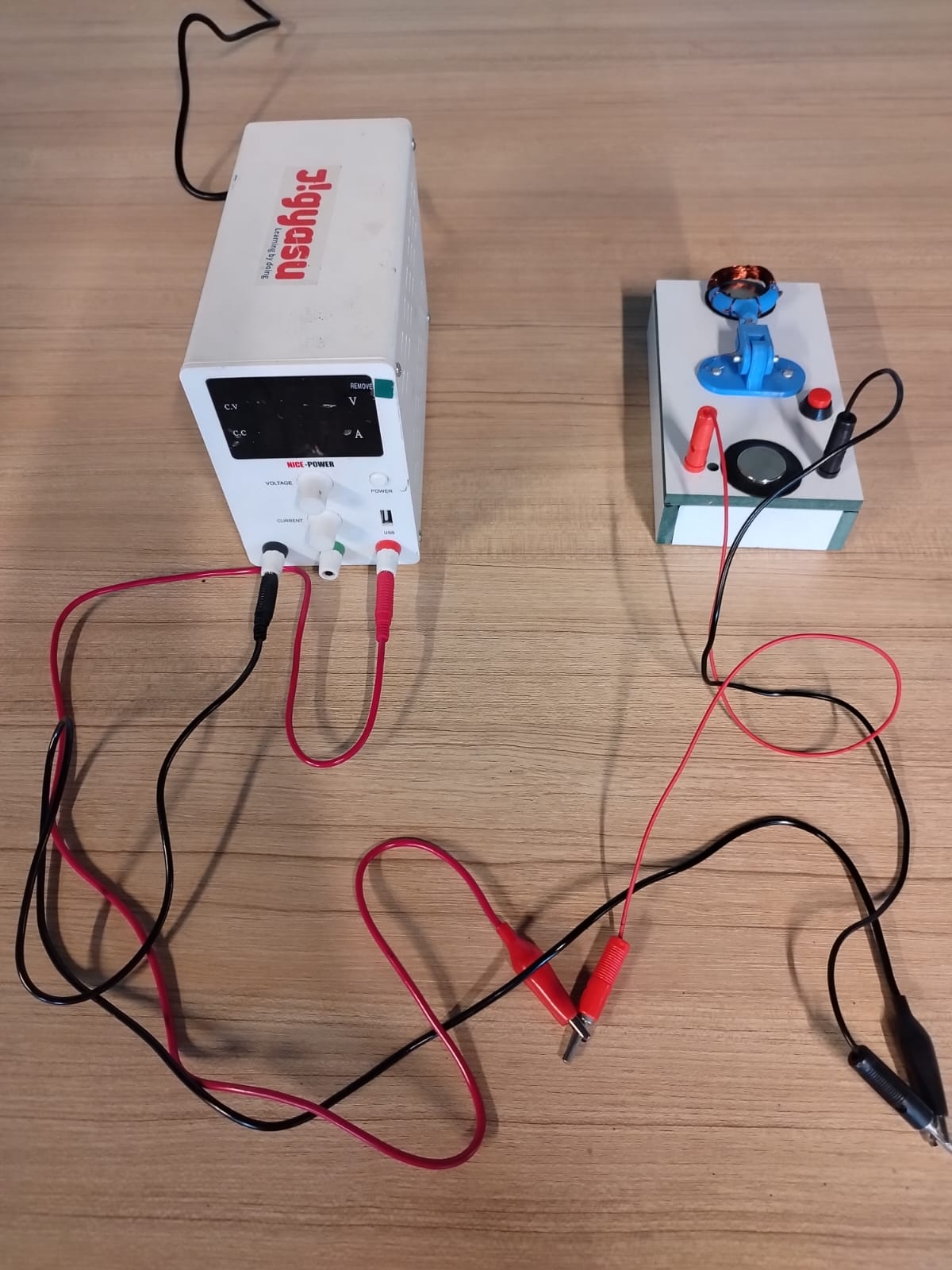
Jumping Coil
Concept: Observing the magnetic effect of current due to which the coil is forced to jump back and forth.
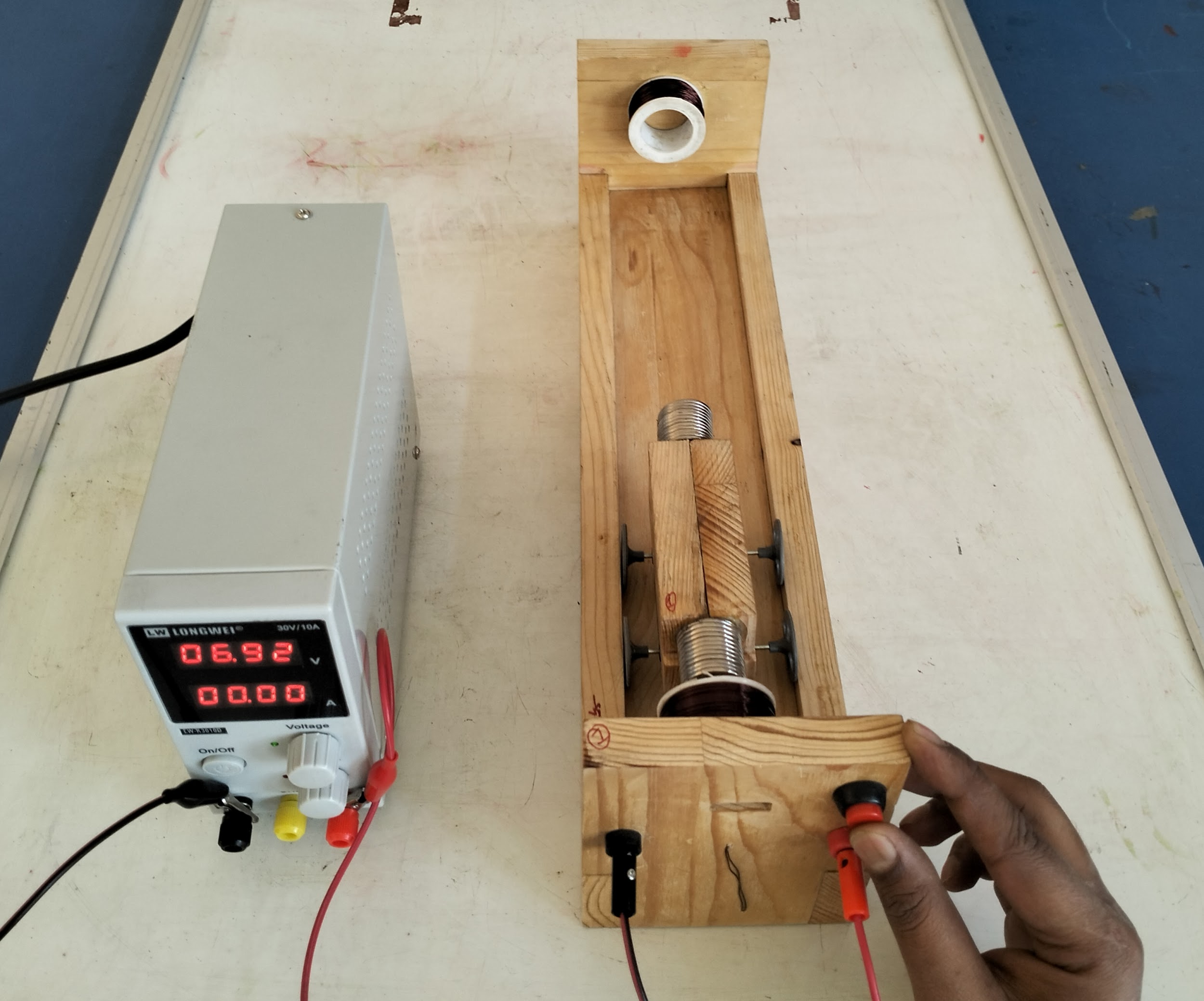
EM Car
Concept: Observing the magnetic effect of current due to which the EM car moves back and forth.
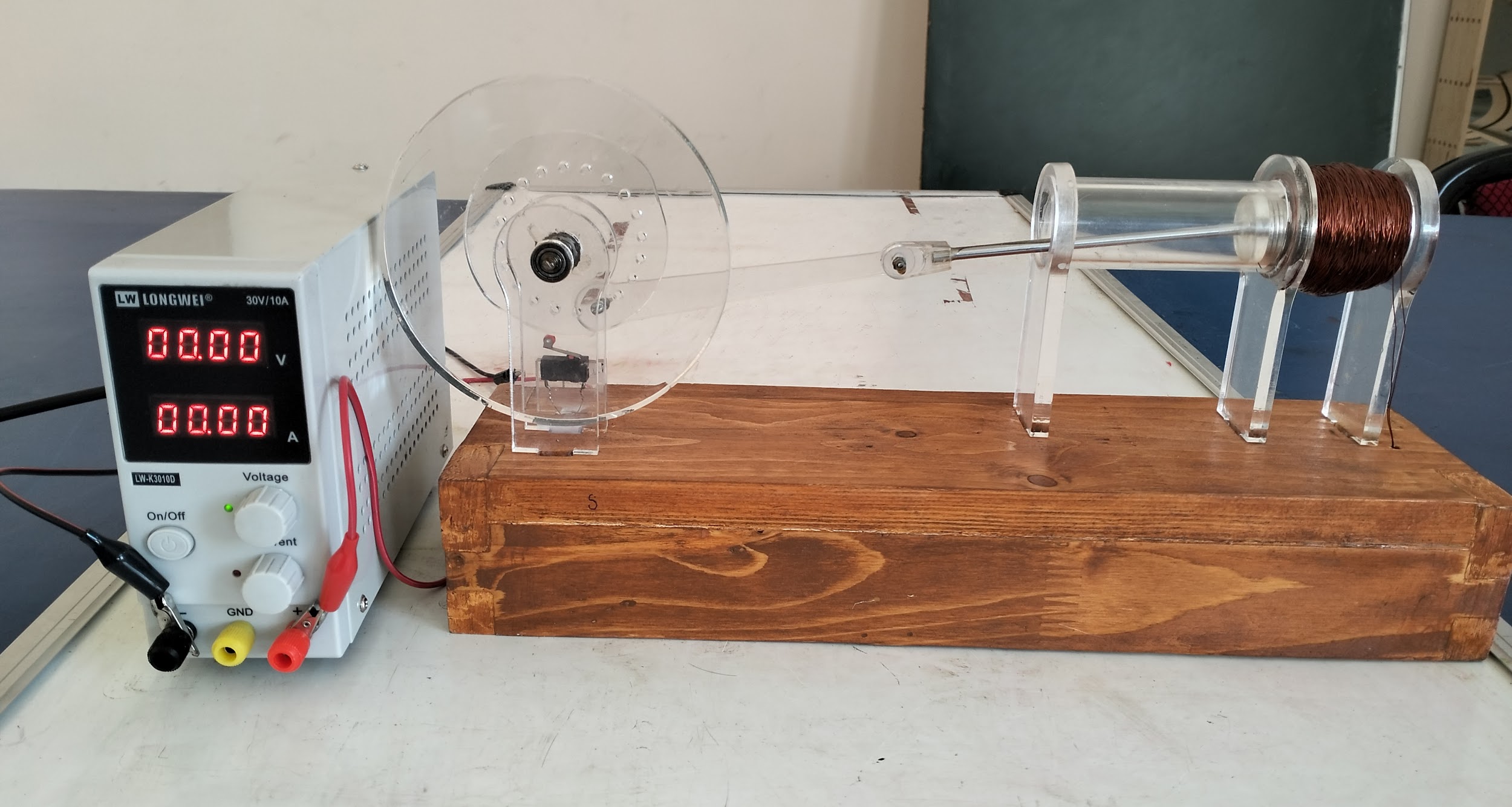
Solenoid engine
Concept: Observing the magnetic effect of current due to which the piston of the engine moves back and forth.
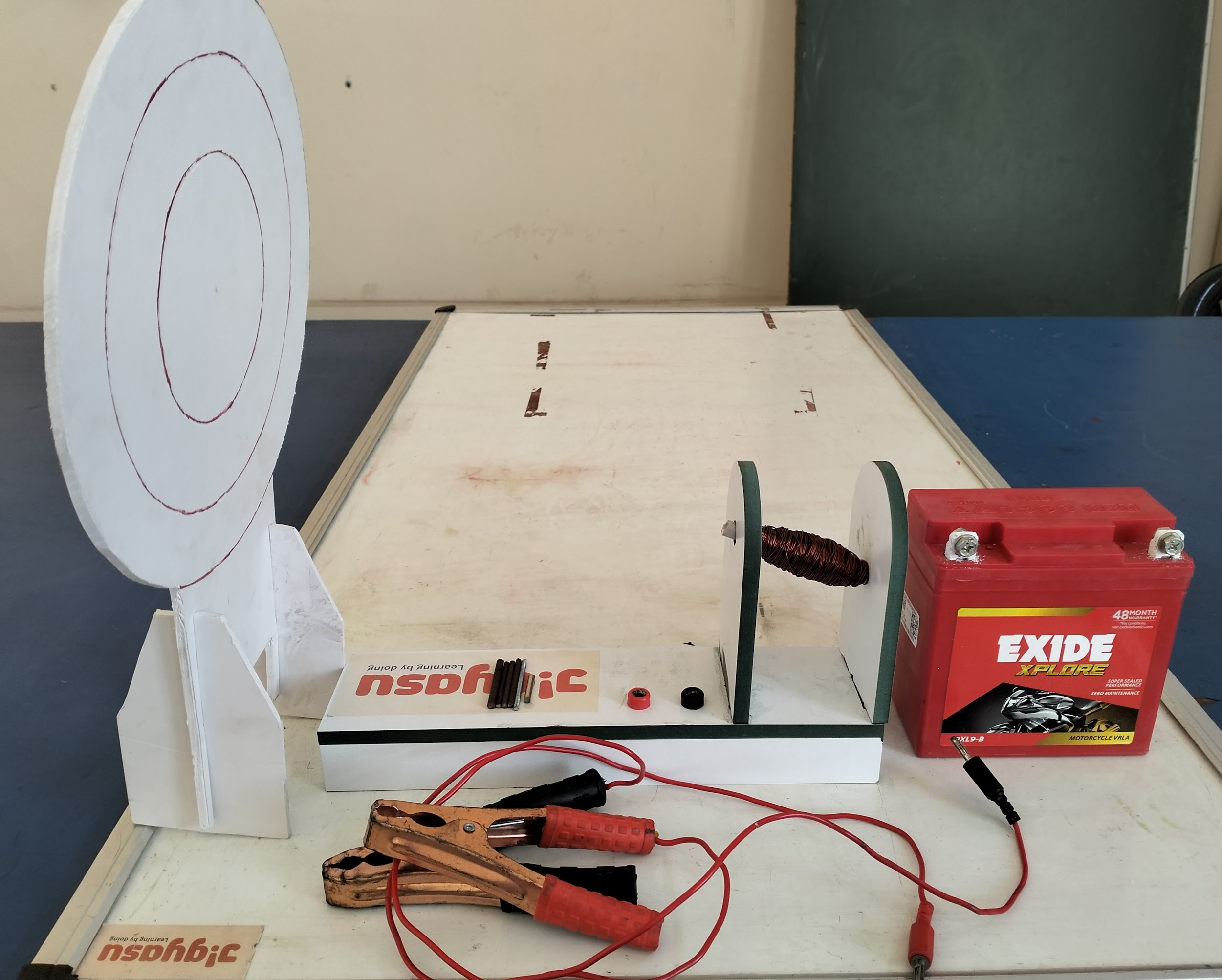
Electromagnetic cannon
Concept: Observing the magnetic effect of the current that accelerates the nail.
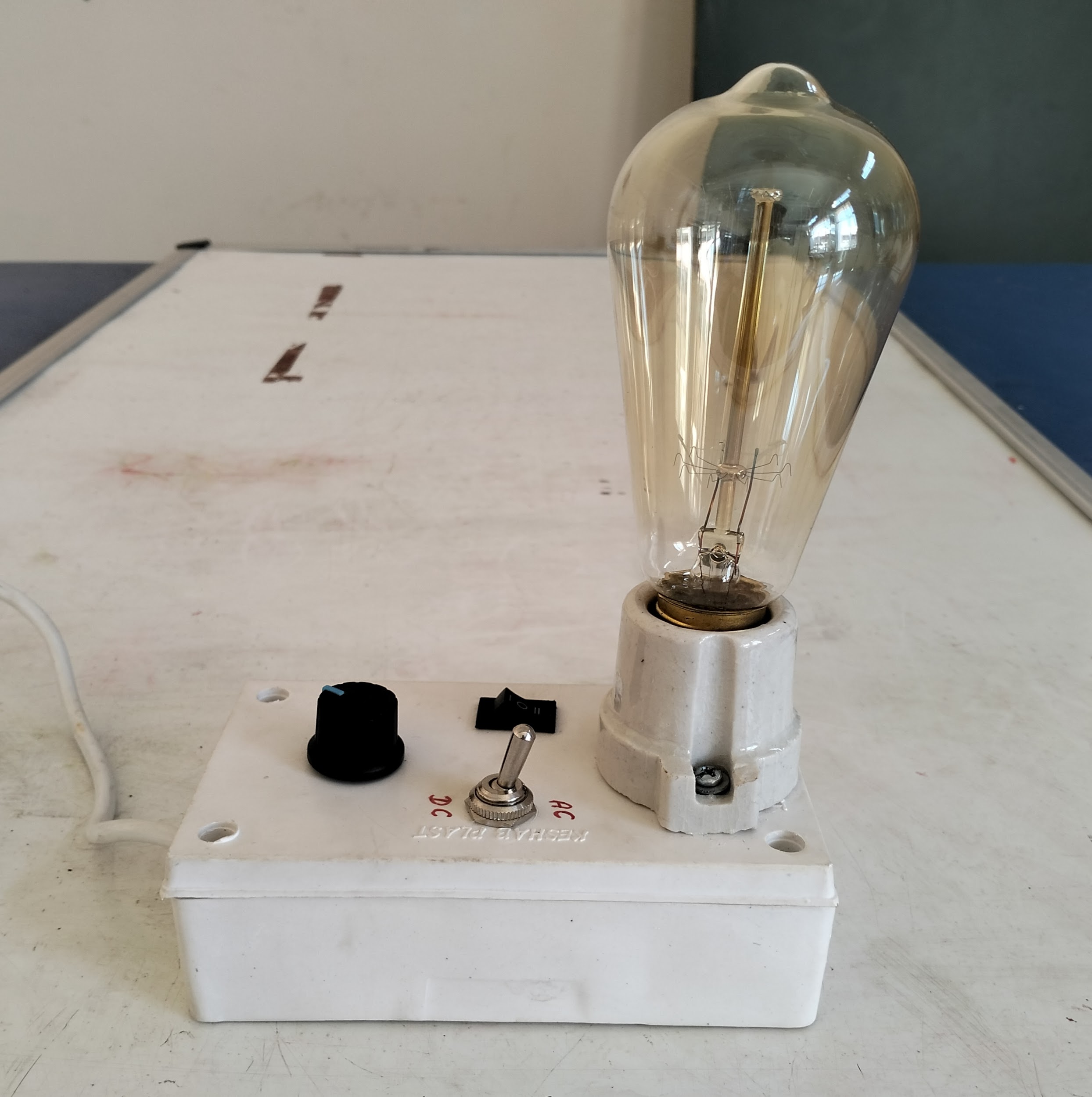
Deflection of filament of bulb in magnetic field (effect of AC vs DC)
Concept: Observing the magnetic effect of current due to AC and DC
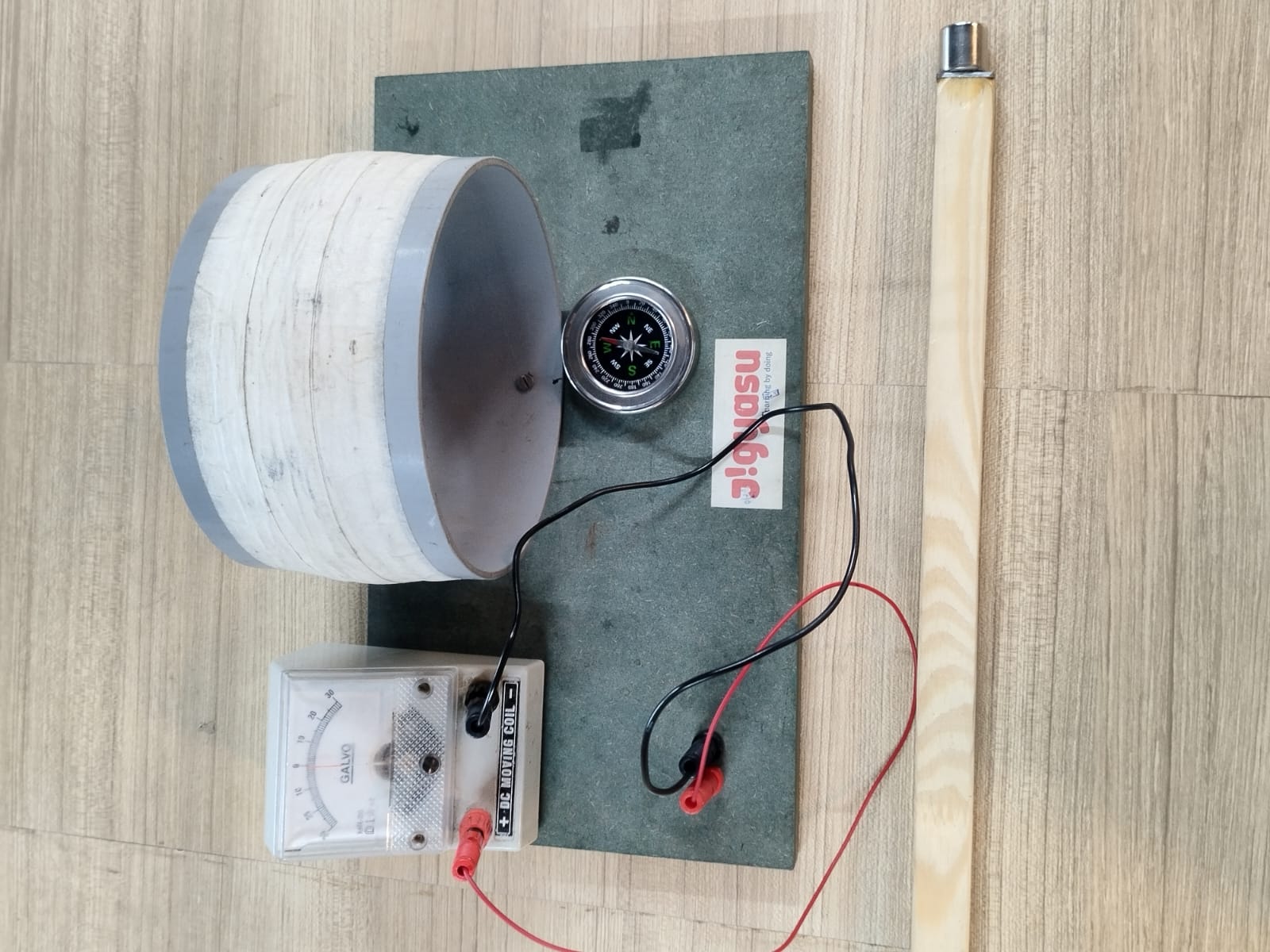
Tangential Galvanometer with compass needle
Concept: Qualitative study of the principle of a galvanometer.
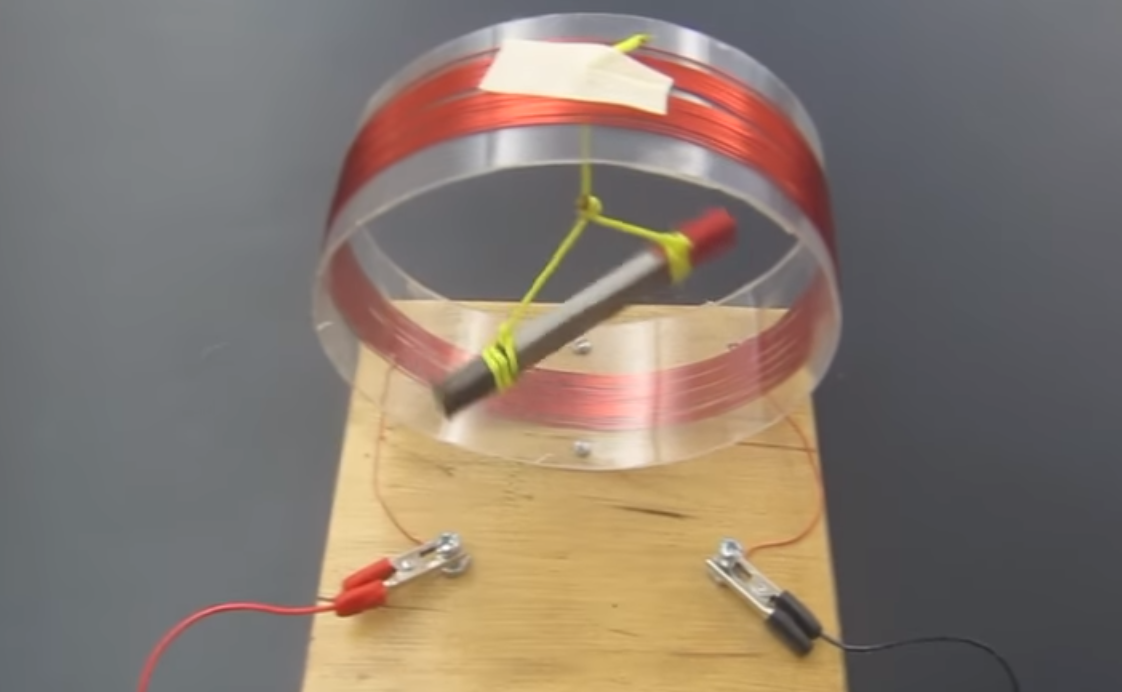
Bar Magnet oscillates inside uniform magnetic field
Concept: Oscillation of a bar magnet inside a magnetic field.
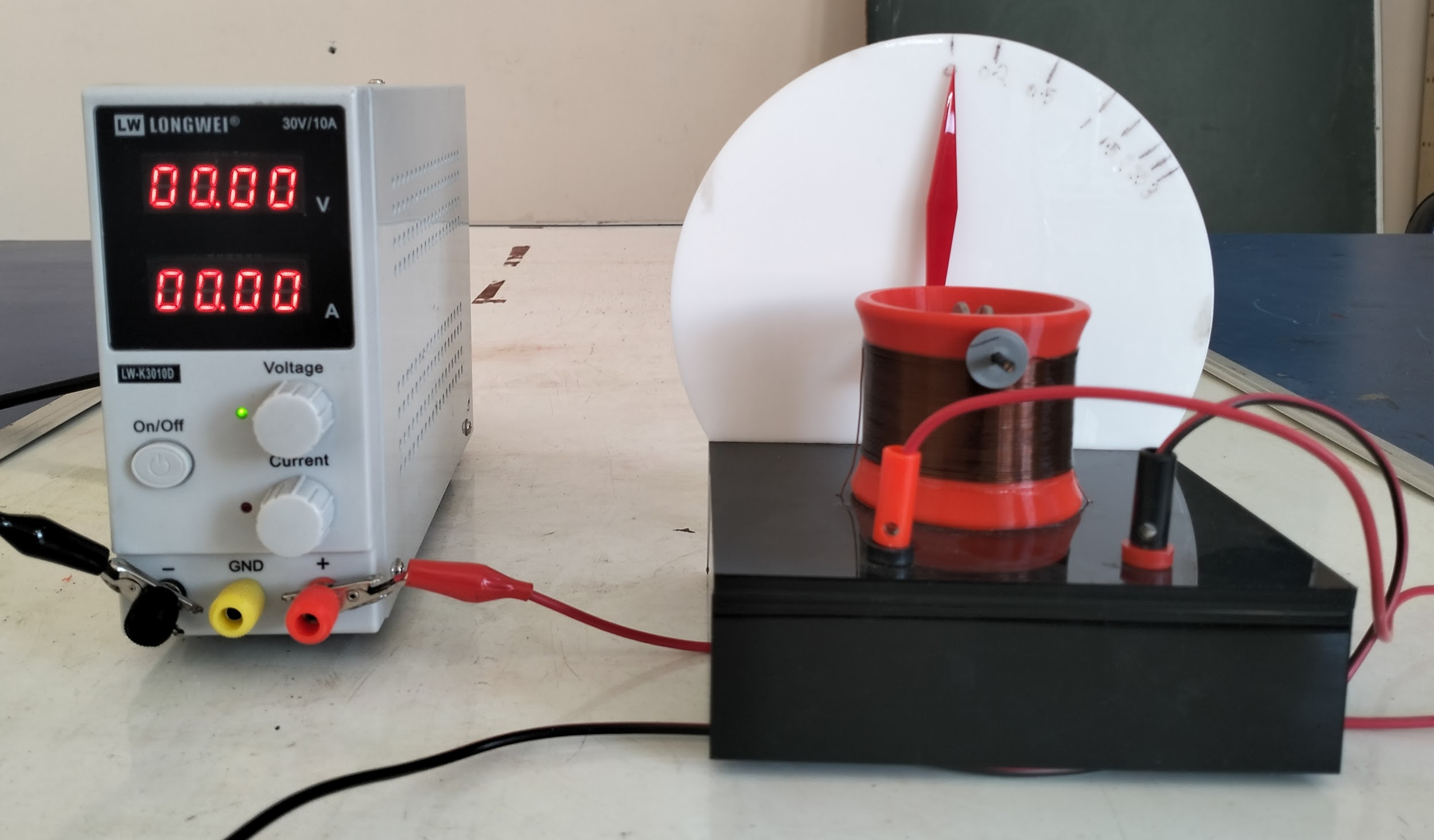
DC ammeter
Concept: Qualitative study of the working principle of an ammeter.
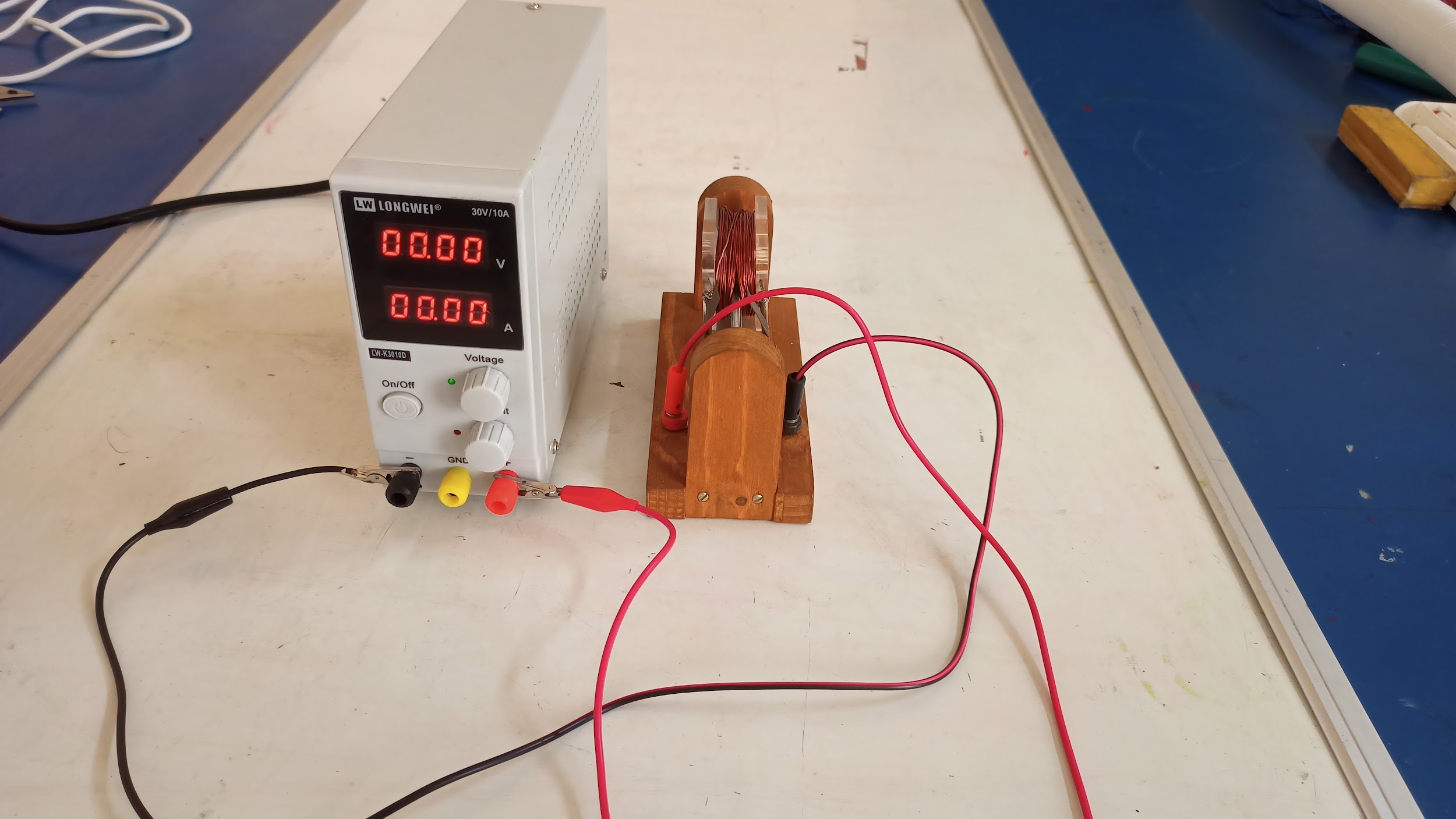
Simple DC Electric Motor
Concept: Observing the force on a current carrying loop.
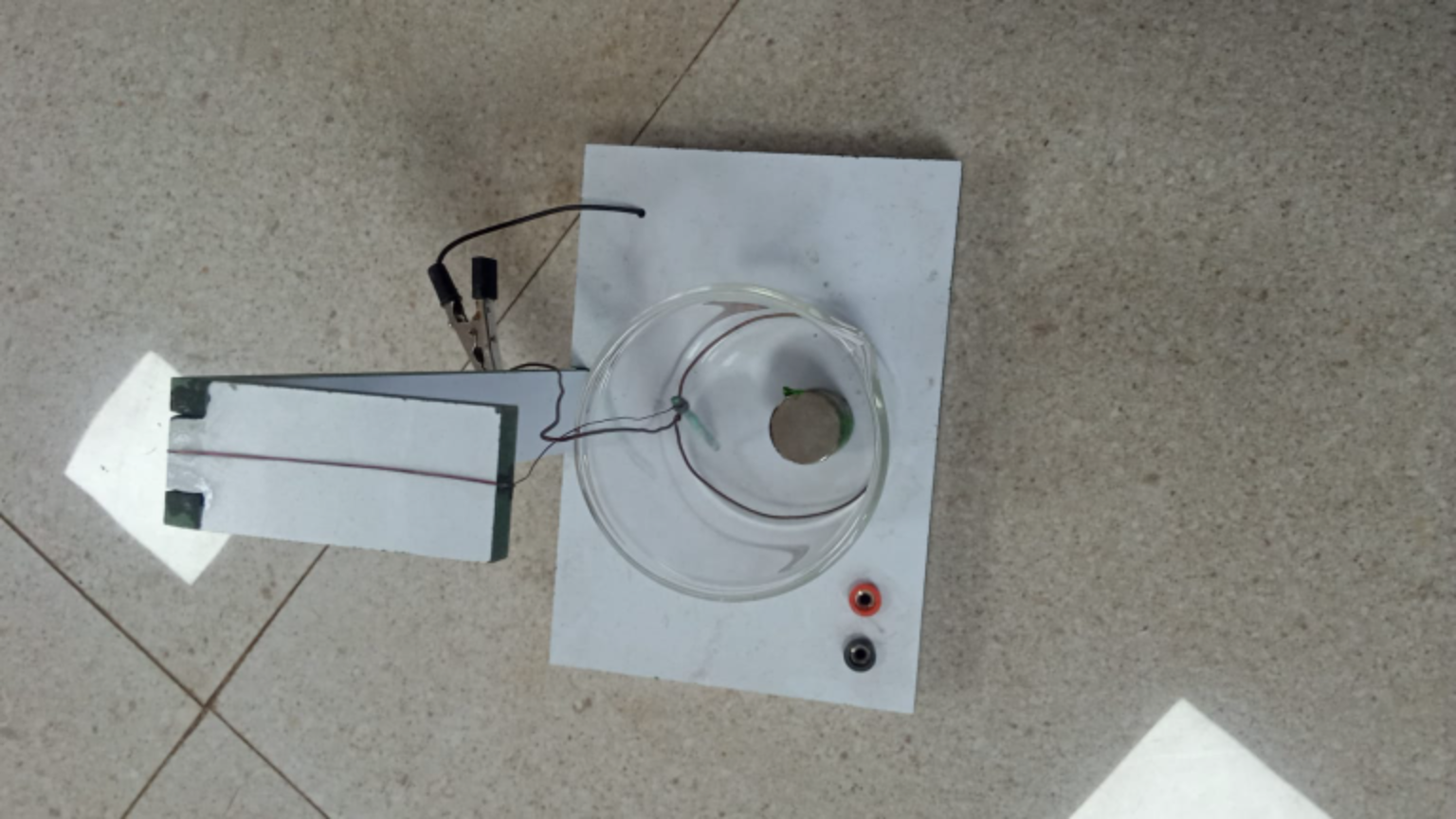
NaCl Motor
Concept: Observing the force on a current carrying conductor.
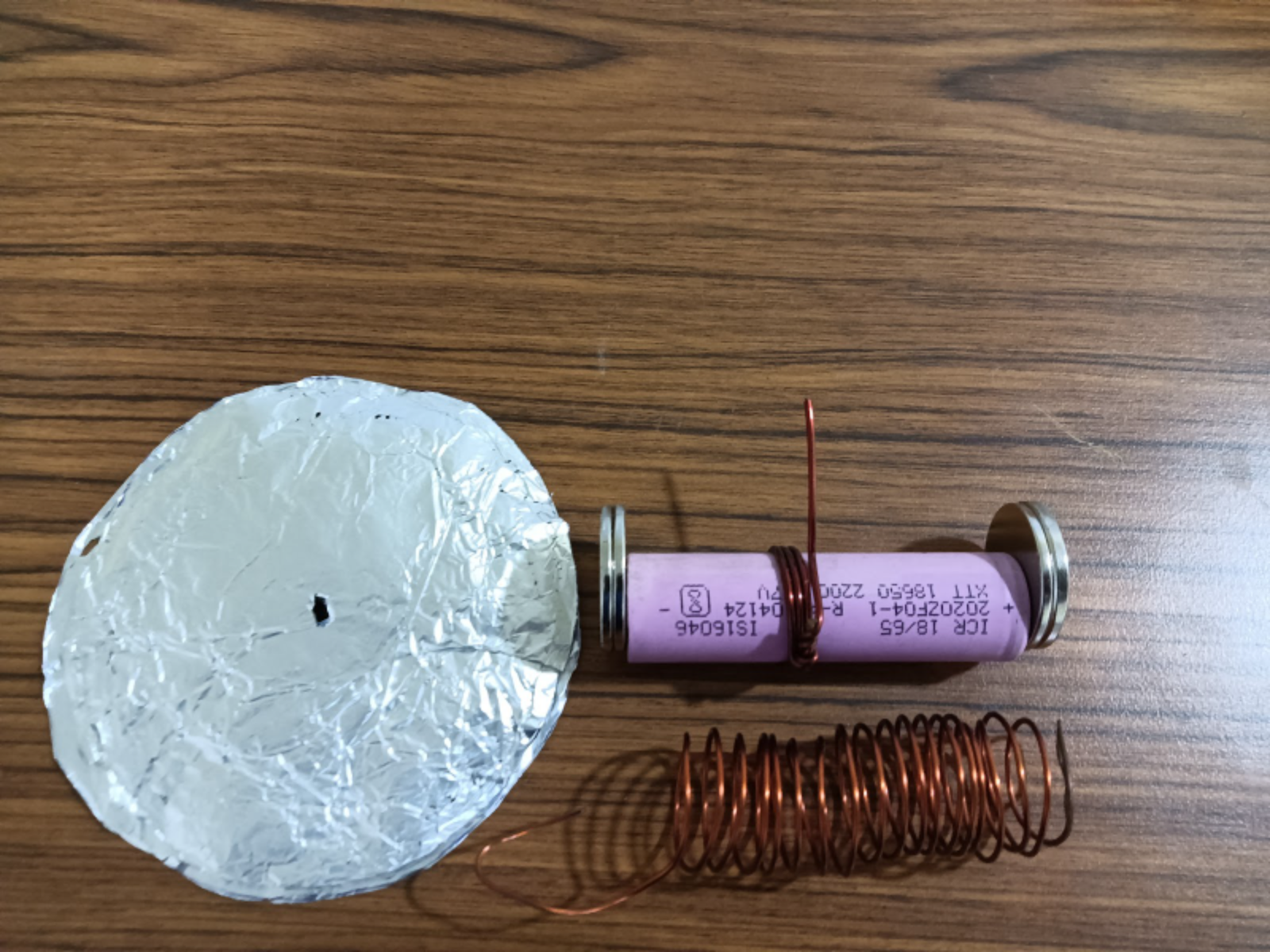
Homopolar motor
Concept: Observing the force on a conductor.
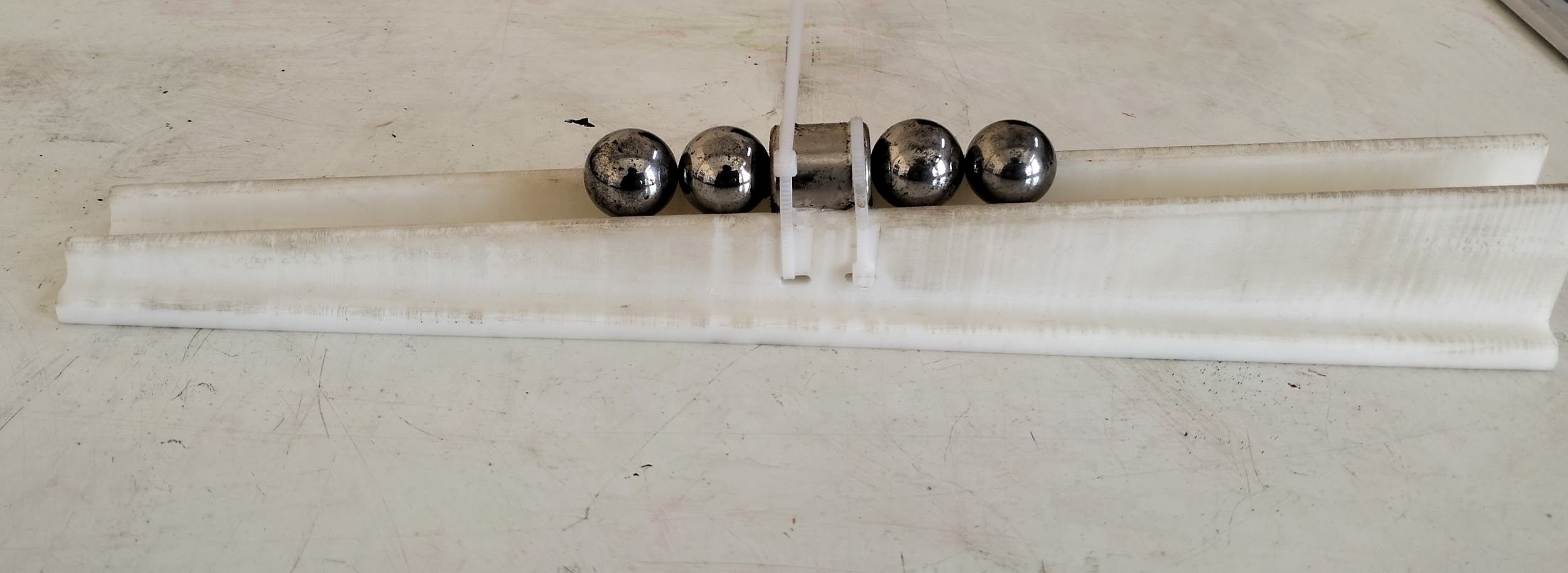
Gauss Cannon in Slow Motion
Concept: The attractive force from the magnet accelerates the ball due to which it impacts the magnet at a higher speed than it was traveling before. Thus, the energy is transferred to the ball on the opposite end, giving it a speed that is almost the same velocity as the first ball, right at the moment before impact.

Magnetic force demonstrator
Concept: 1. Hold the setup in your hand. 2. Observe that the arms of the setup are separated. 3. Try to join the arms together. 4. Push one arm towards the other and observe that the other arm moves away. 5. Vibrate one arm and observe that the other arm starts vibrating.

Modular speaker
Concept: Qualitative analysis of the working principle of a speaker and propagation of sound through a medium.

Bone conduction speaker
Concept: Qualitative analysis of the working principle of a speaker.

Homemade speaker-1
Concept: Qualitative analysis of the working principle of a speaker.

Homemade speaker-2
Concept: Qualitative analysis of the working principle of a speaker.

Homemade Headphone
Concept: Demonstration of homemade headphones.
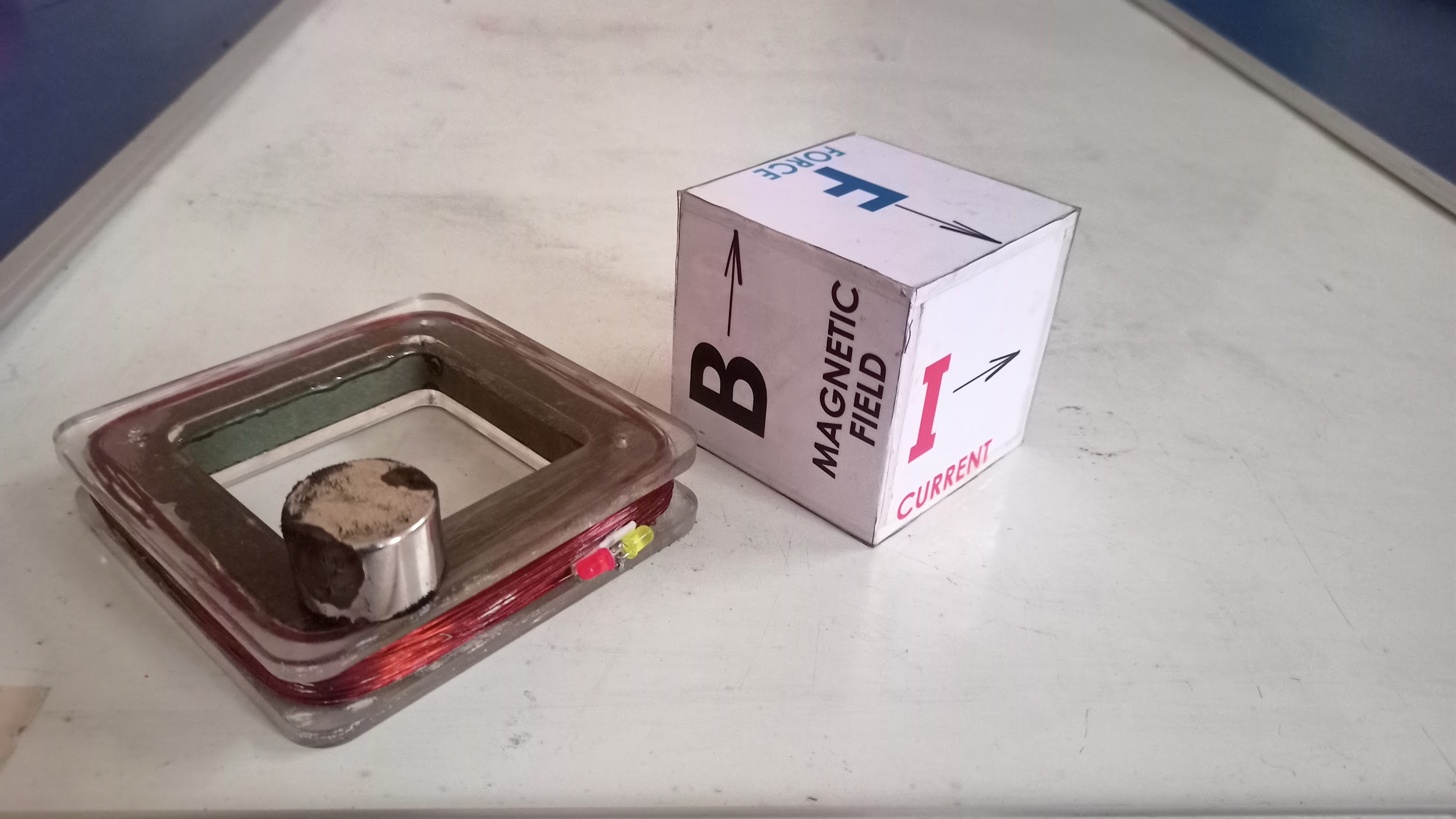
Lorentz Cube
Concept: Qualitative analysis of the principle of electromagnetic induction
EMI
Activites: 15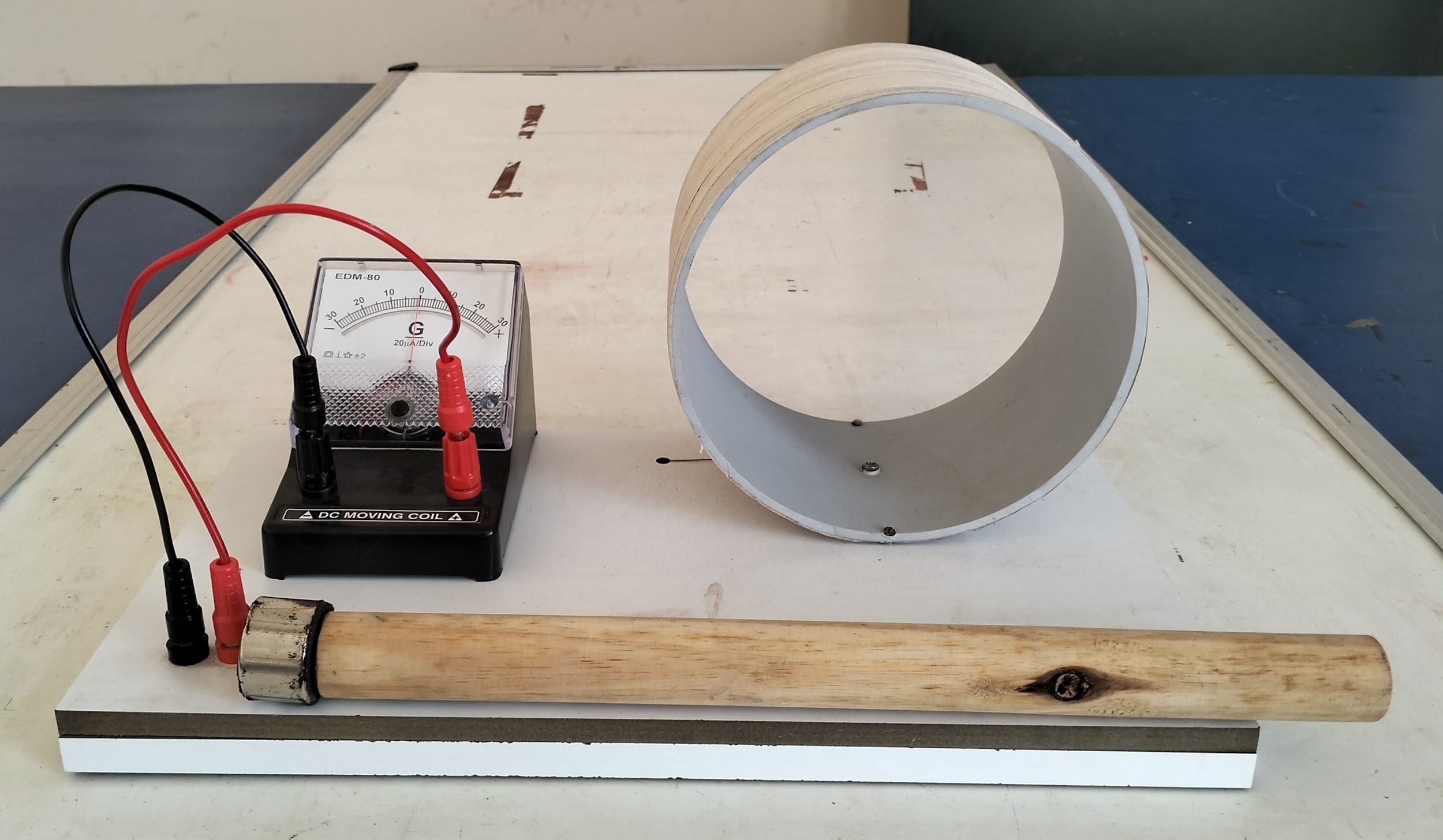
Faraday's Law demonstration
Concept: Demonstration of Faraday's law of induced EMF.
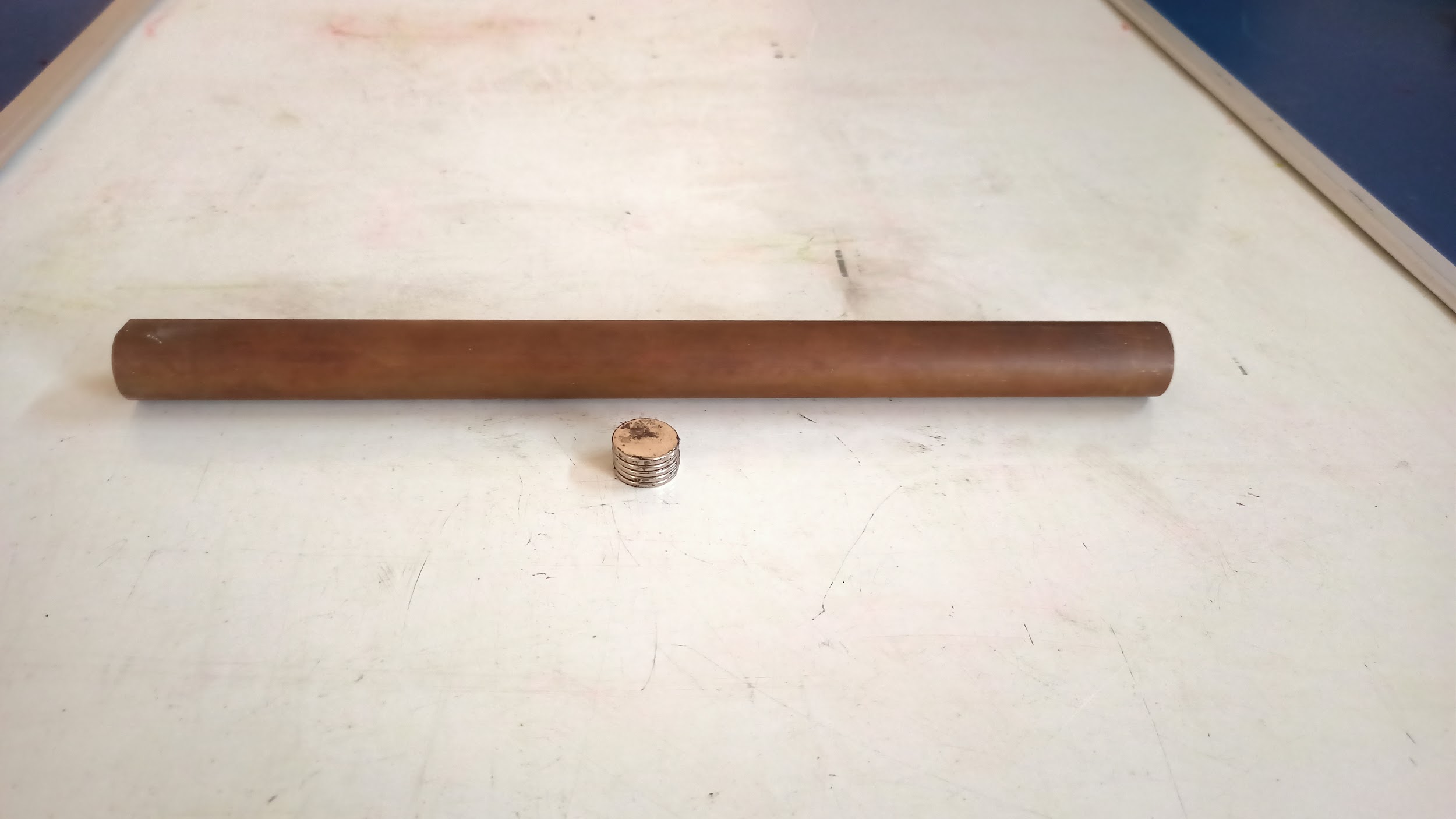
Lenz's law copper pipe
Concept: Demonstration of Lenz's law and production of Eddy currents.
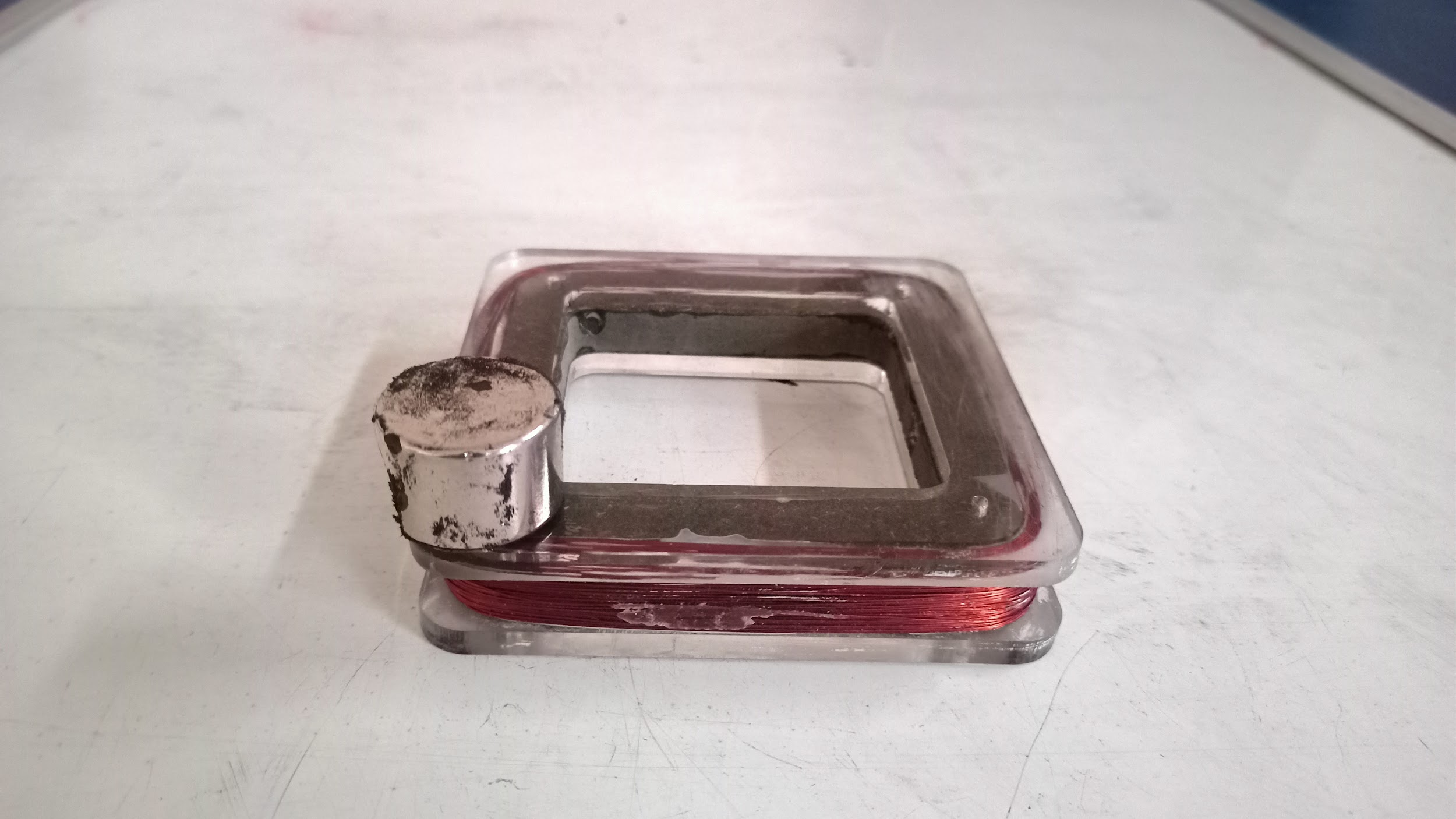
Fleming Right Hand Rule
Concept: Demonstration of Fleming's RH rule.

Hand Generator
Concept: Qualitative analysis of the principle of electromagnetic induction
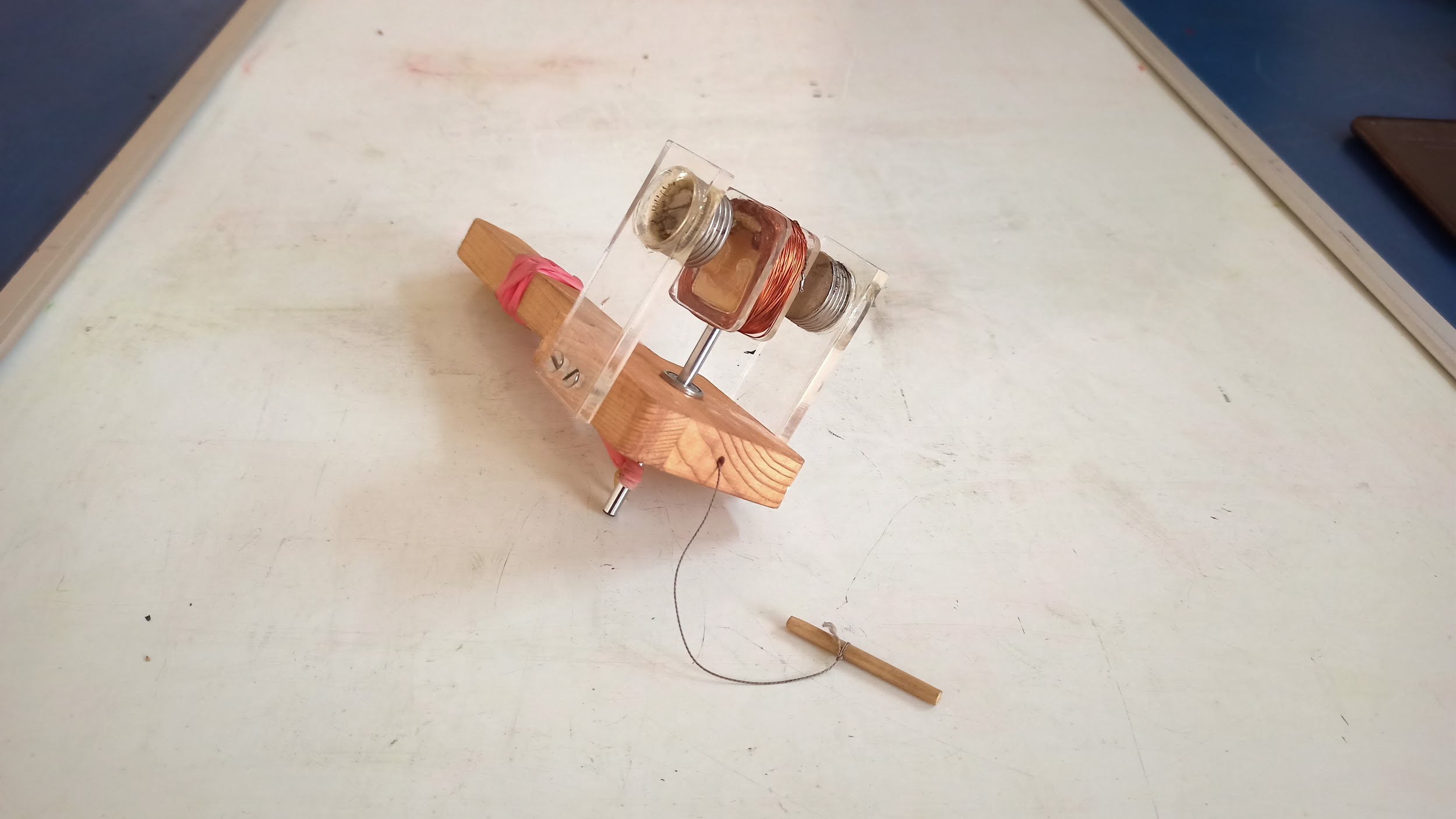
String Generator
Concept: Qualitative analysis of the principle of electromagnetic induction
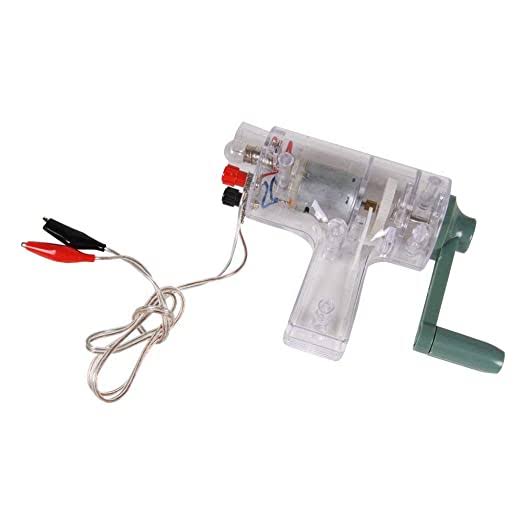
Dynamo Generator
Concept: Qualitative analysis of the principle of electromagnetic induction
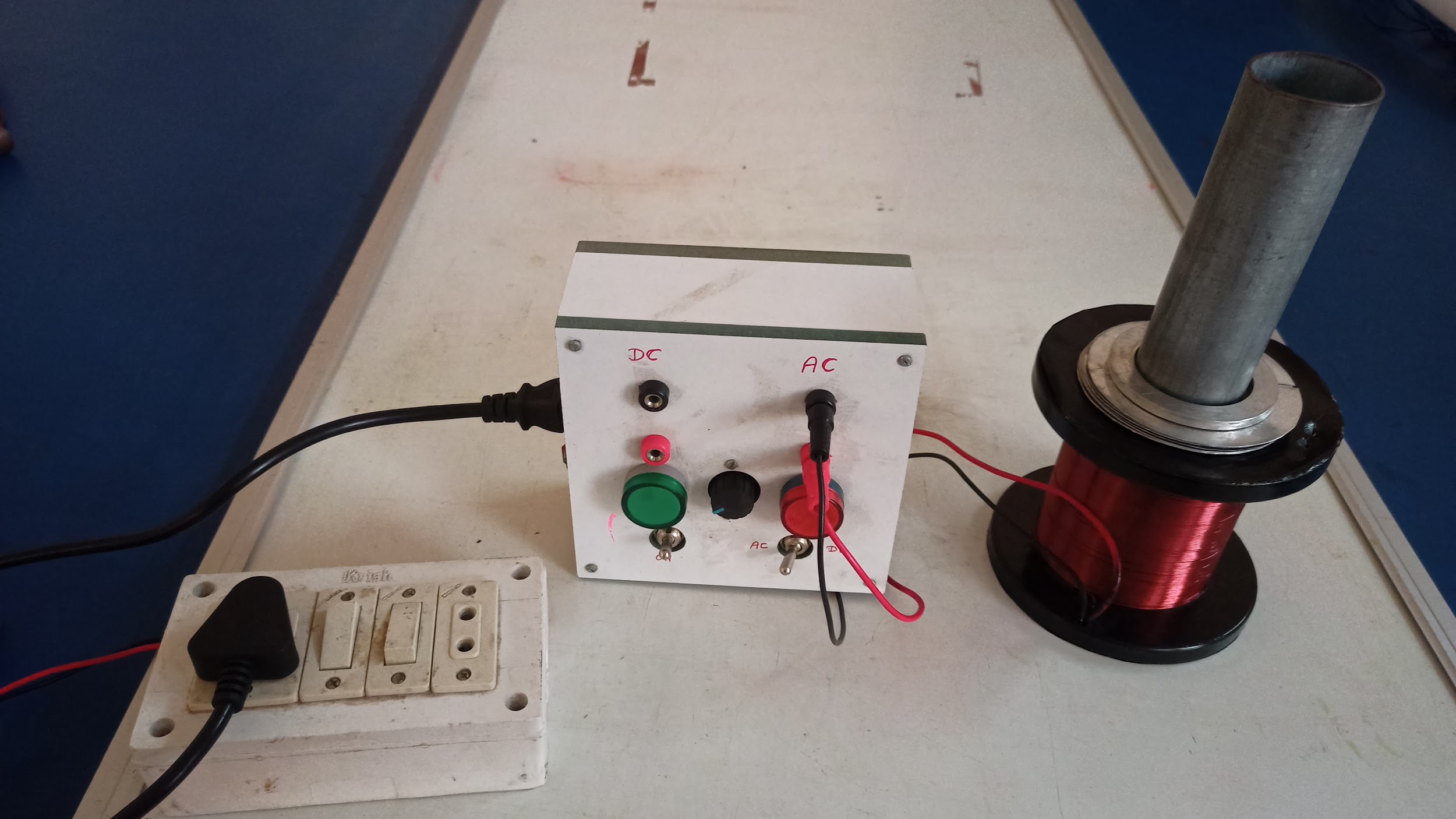
Jumping Ring
Concept: Qualitative analysis of the principle of mutual induction and production of eddy currents
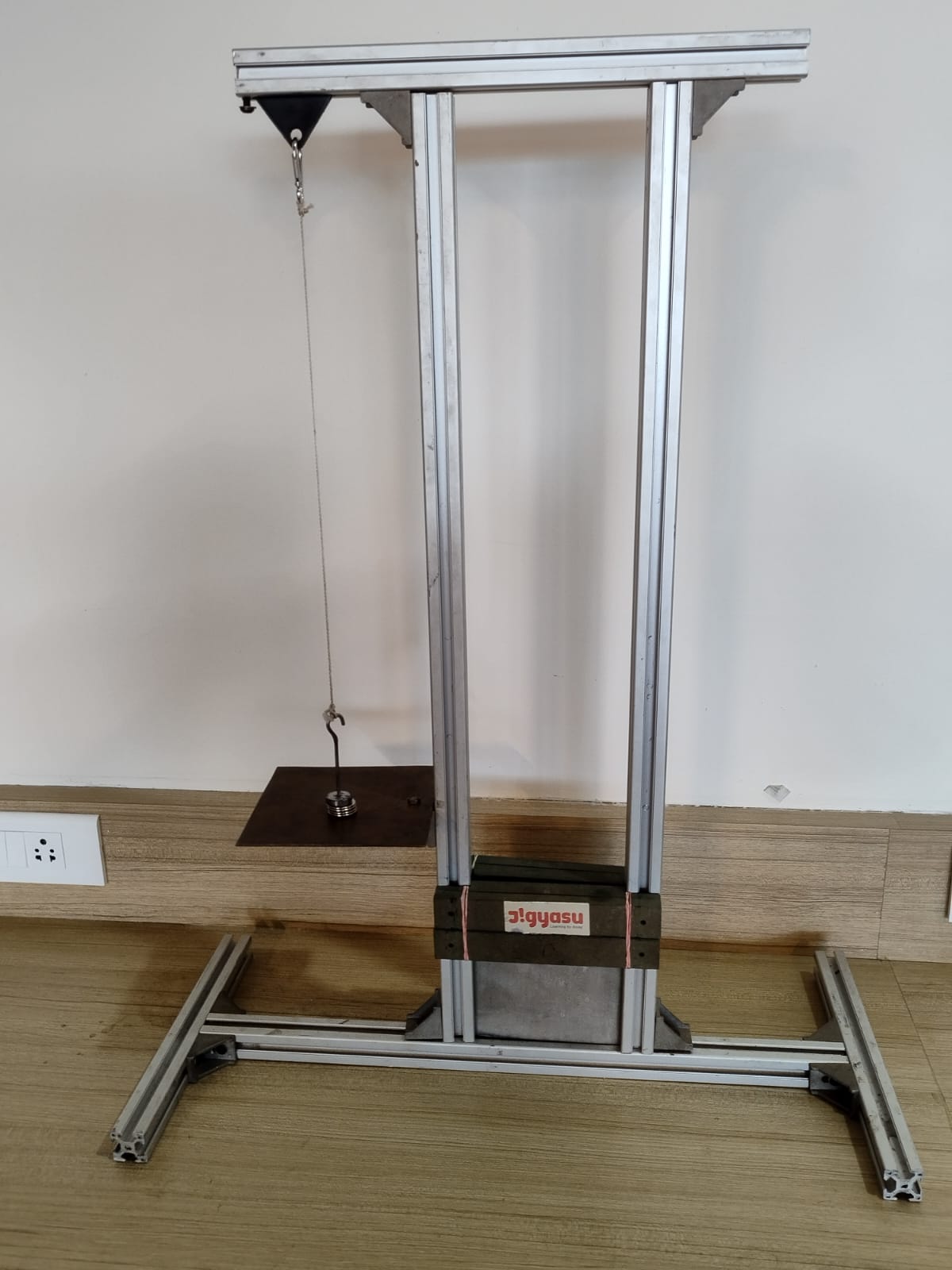
EM braking using Eddy Current
Concept: Qualitative analysis of the production of eddy currents.
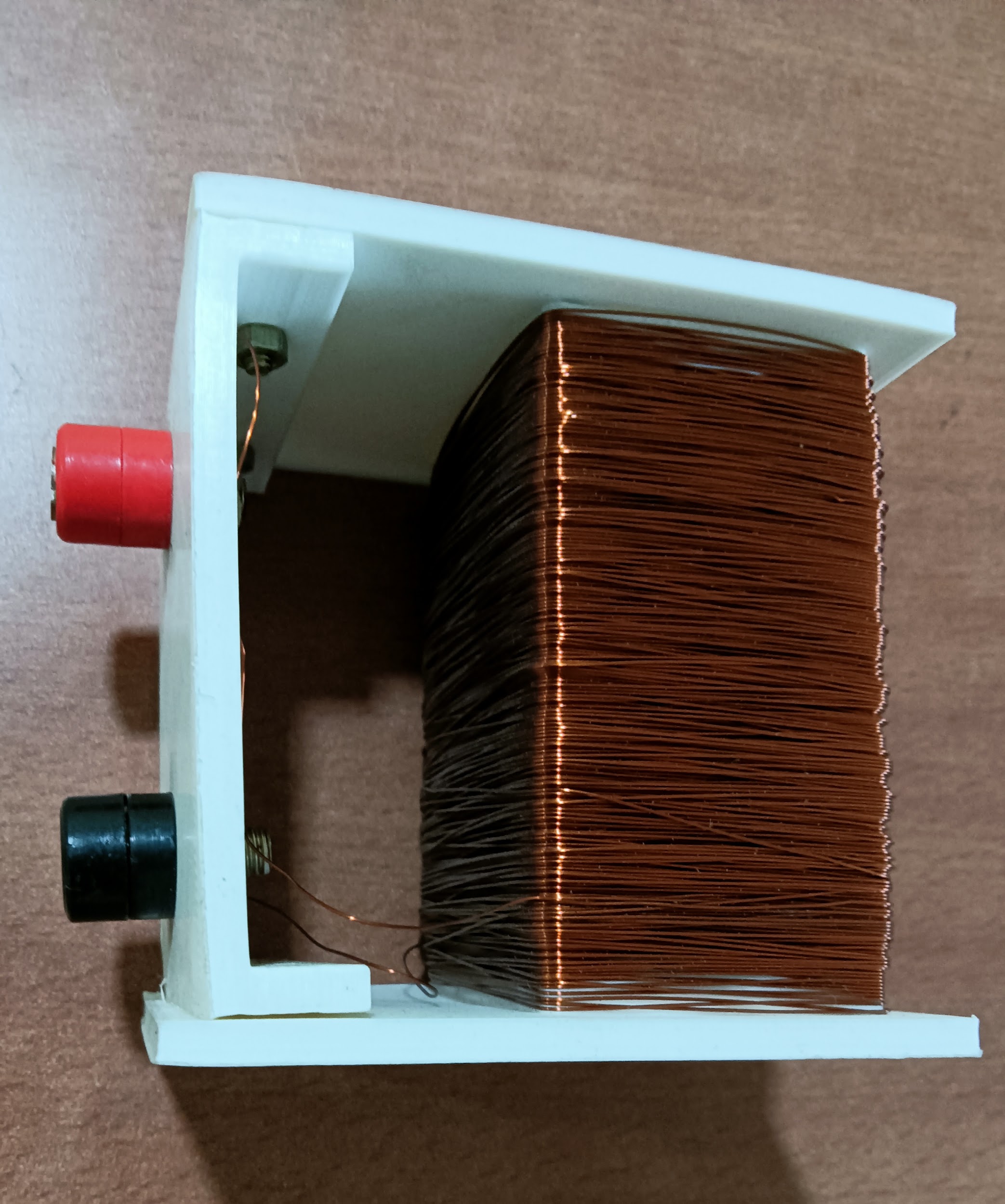
Electromagnetic Induction In Lab
Concept: Study of EMI
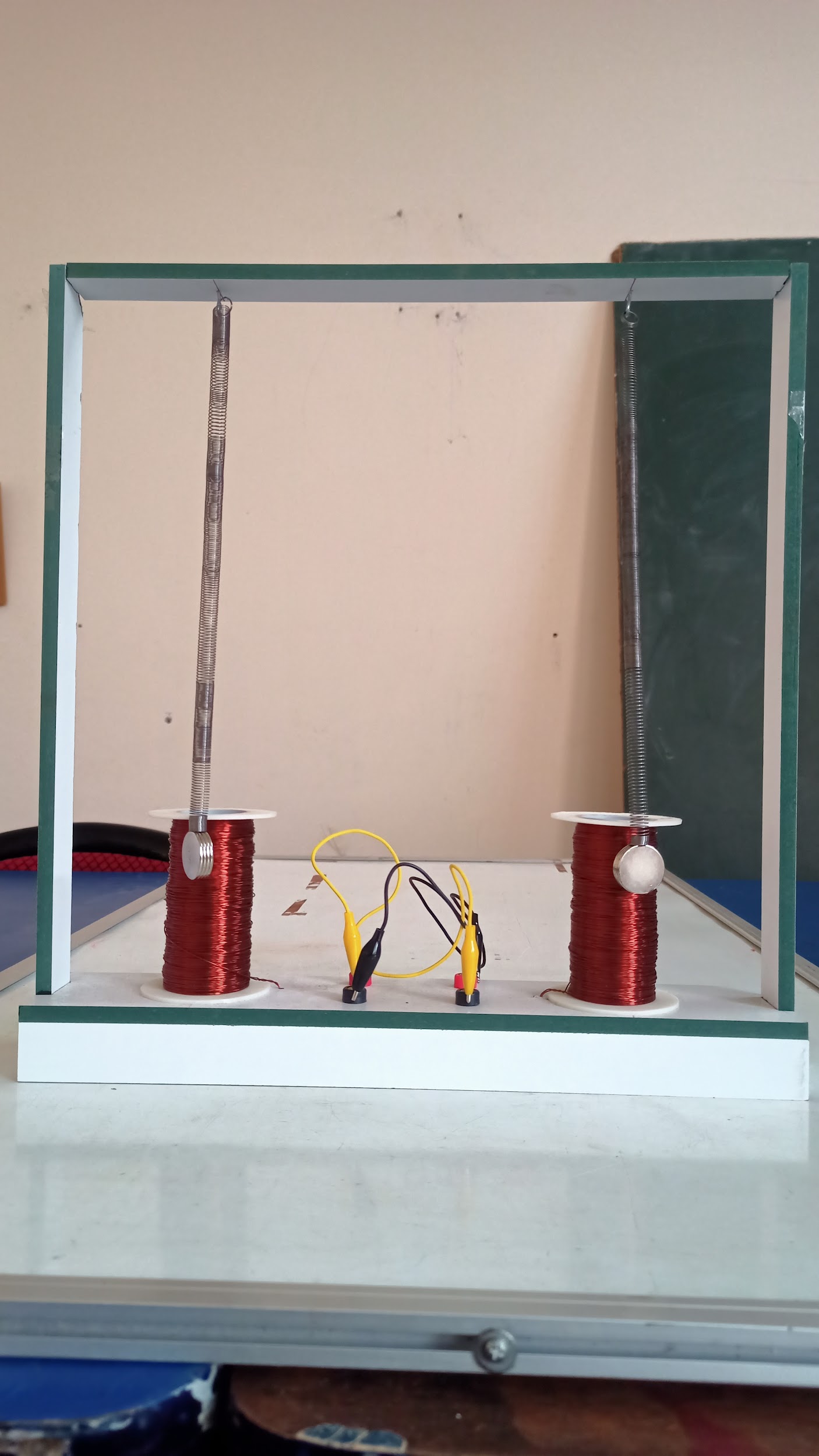
Oscillating Magnet
Concept: Qualitative analysis of the principle of mutual induction.
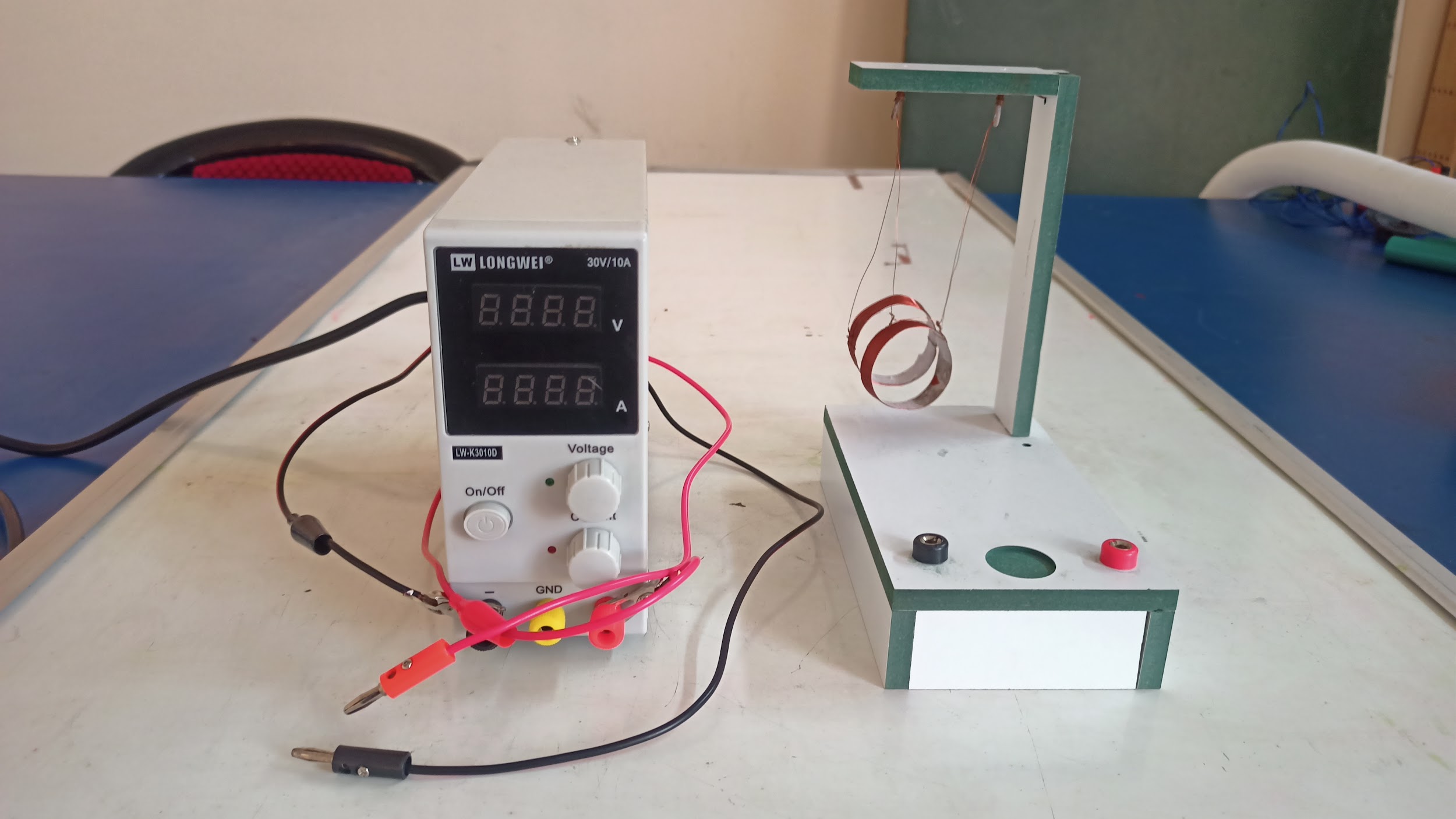
Oscillating Coil 1
Concept: Qualitative analysis of the principle of mutual induction.
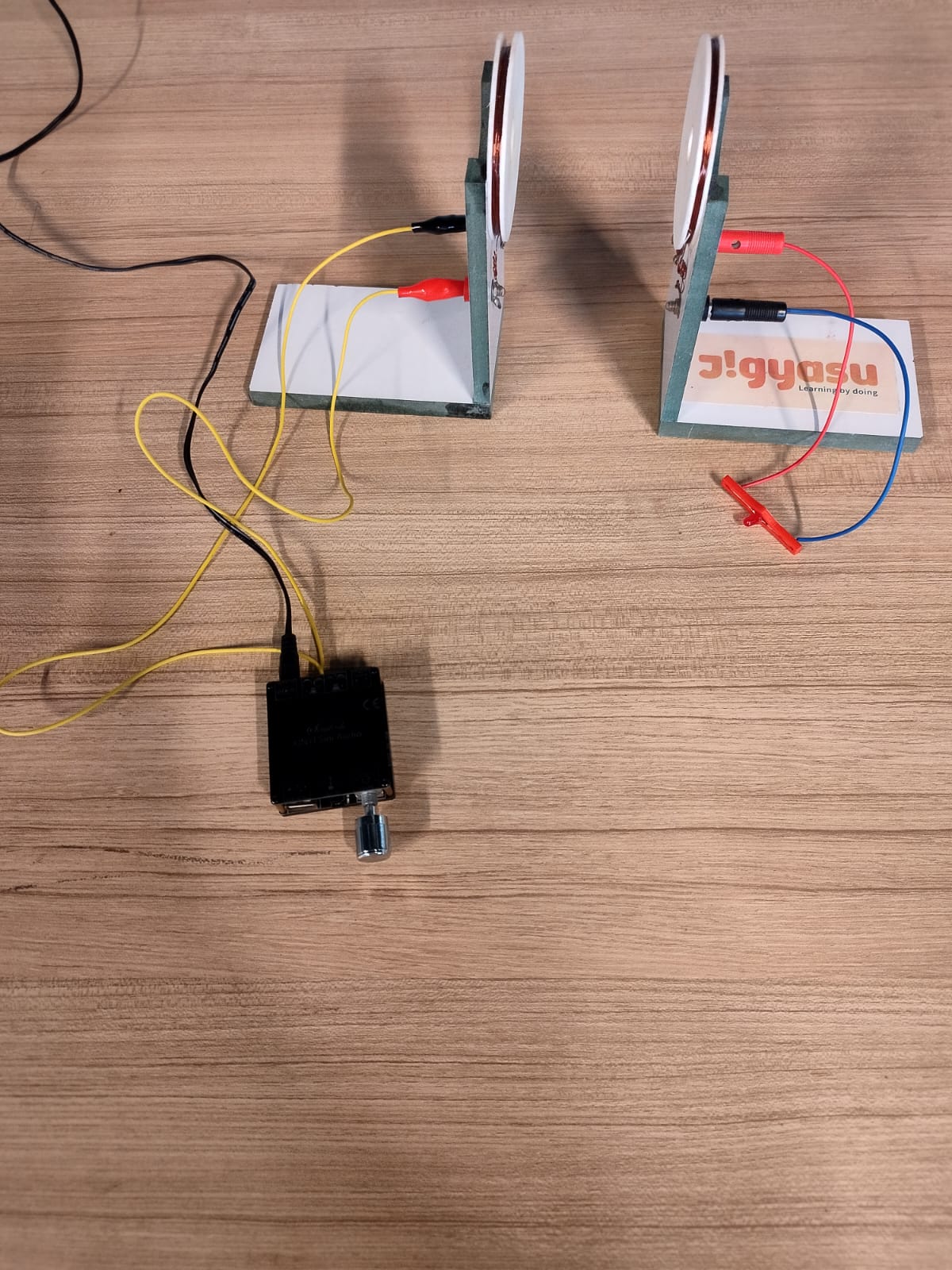
Wireless Power Transmission
Concept: Qualitative analysis of the working principle of a speaker.
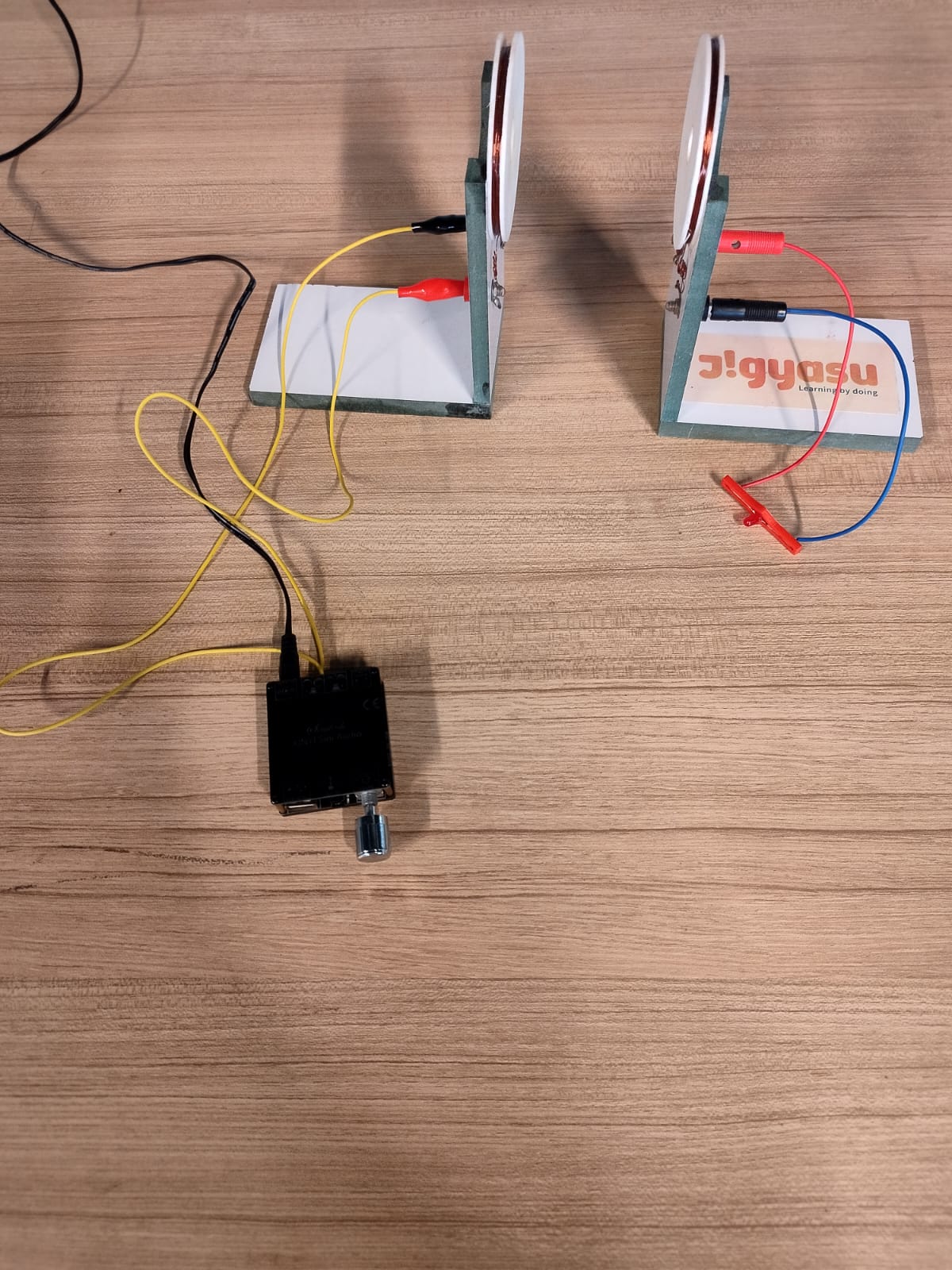
Inductor Radio
Concept: Application of mutual induction.

Transmission Line
Concept: Demonstration of a Transmission Line

Transformer
Concept: Qualitative analysis of working principle of a transformer
WPE/Rotational Motion
Activites: 39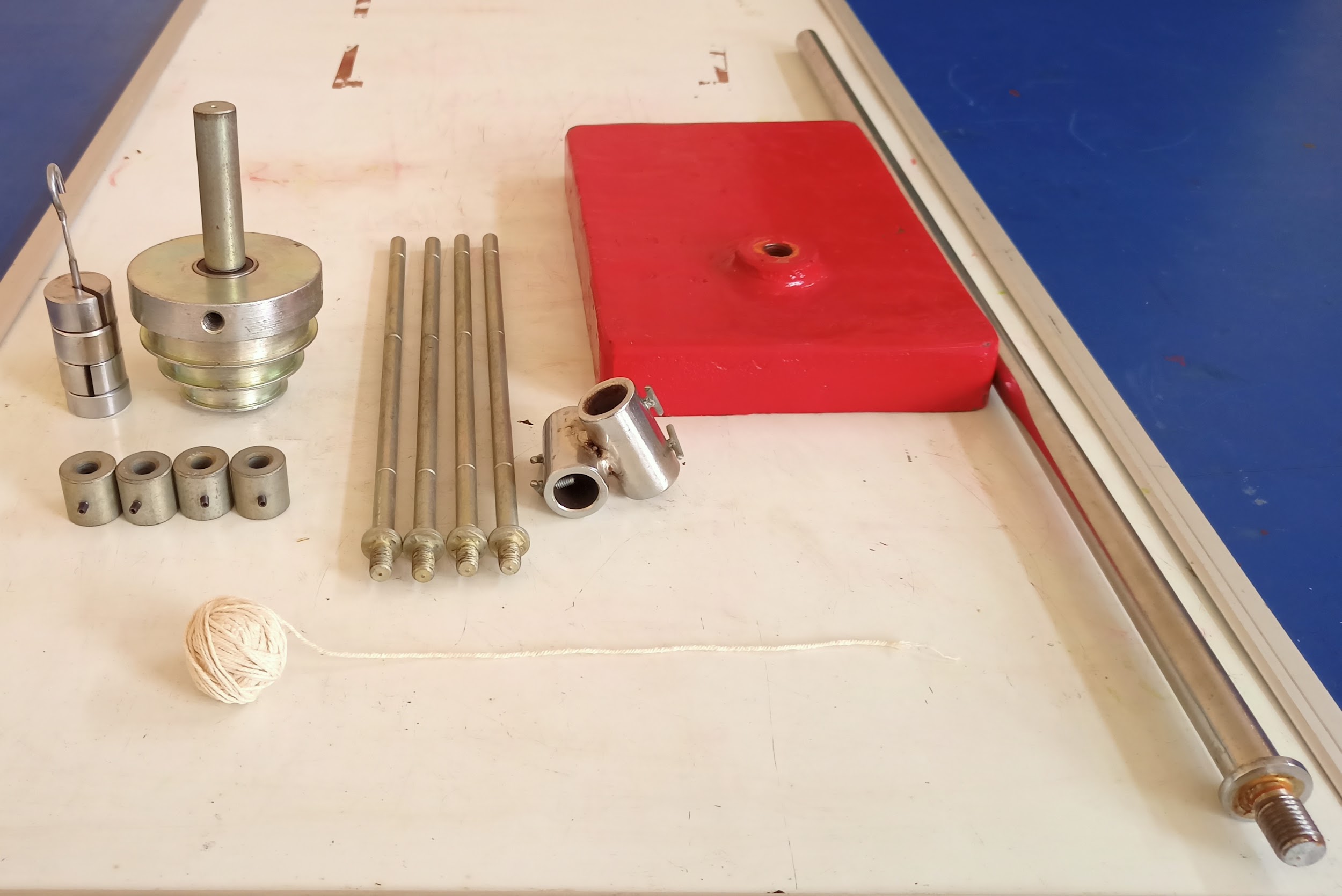
Rotational Motion: MI and Torque
Concept: Qualitative study of MI and Torque using MI and Torque demonstration apparatus
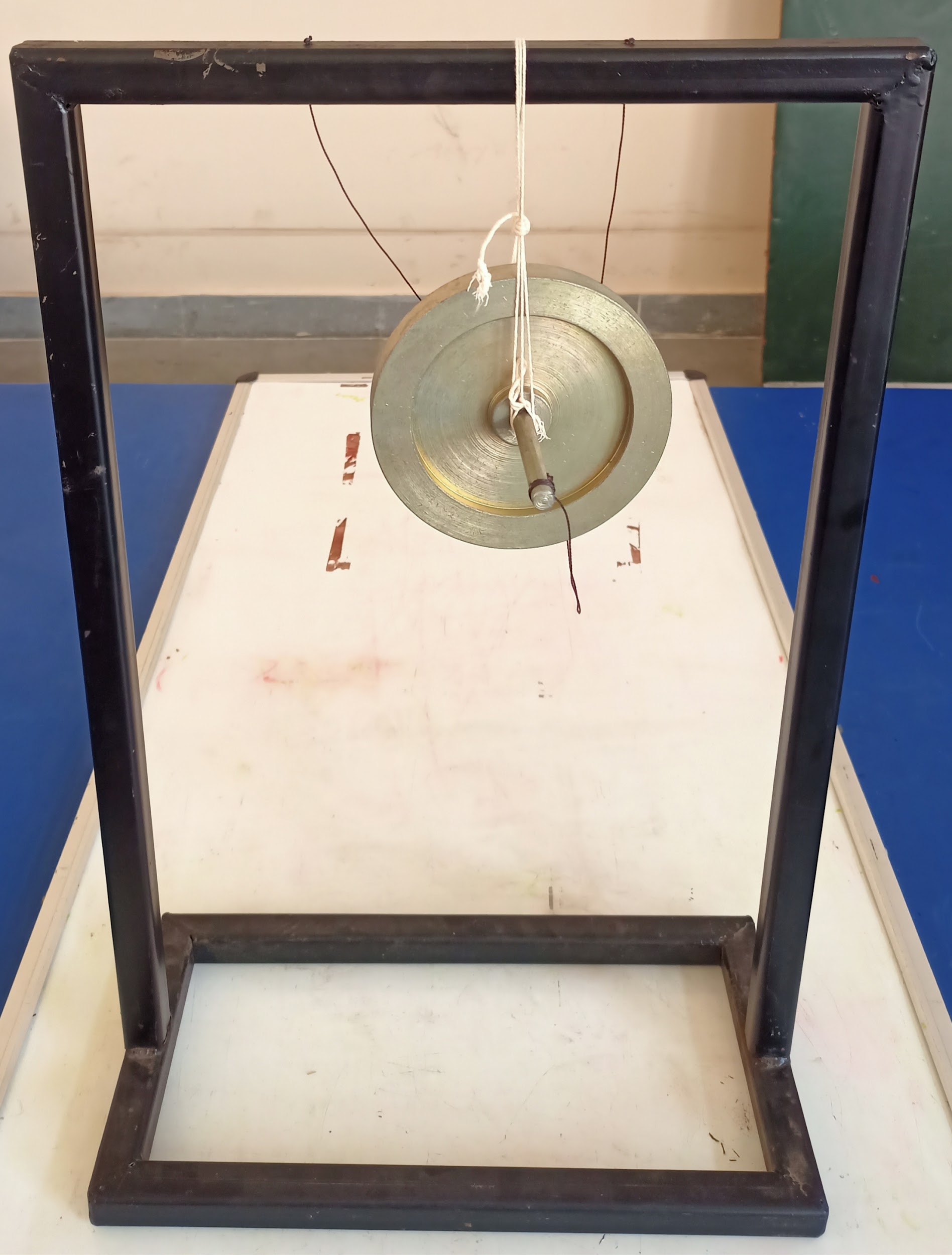
Rotational Motion: Maxwell's wheel
Concept: Maxwell’s wheel is a an axle-mounted flywheel suspended at both ends by a nylon cord. When the wheel is dropped, gravitational potential energy is converted to kinetic energy. The jerk when the wheel reaches the bottom reverses the linear momentum causing the wheel to wind back up. A small amount of energy is lost each time due to the friction of the nearly-elastic collision that occurs when the wheel jerks at the bottom. Studying the conservation of energy is unforgettable with this mesmerizing
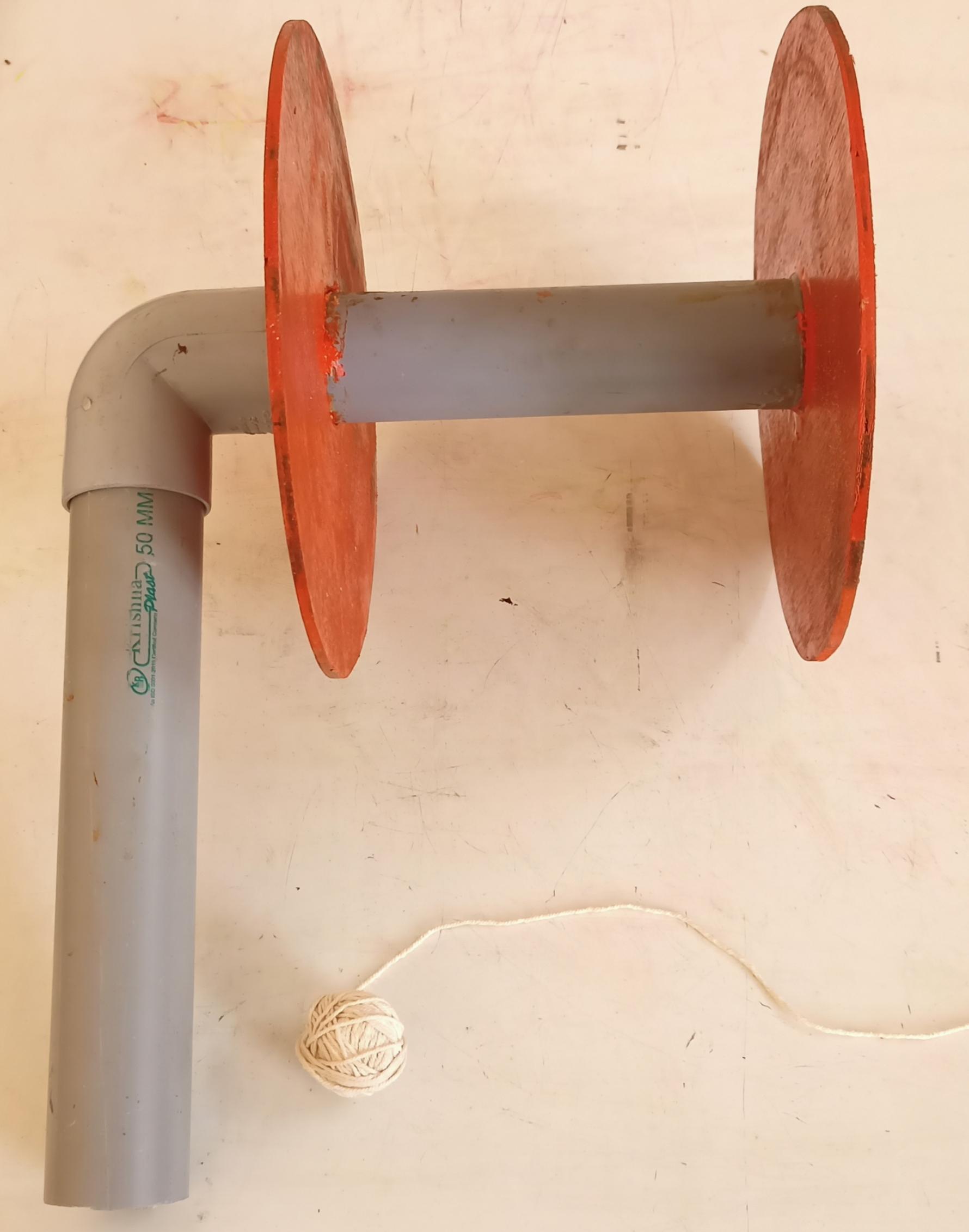
Rotational Motion: Instantaneous Axis of Rotation
Concept: Demonstration of Instantaneous Axis of Rotation using a wire spool.
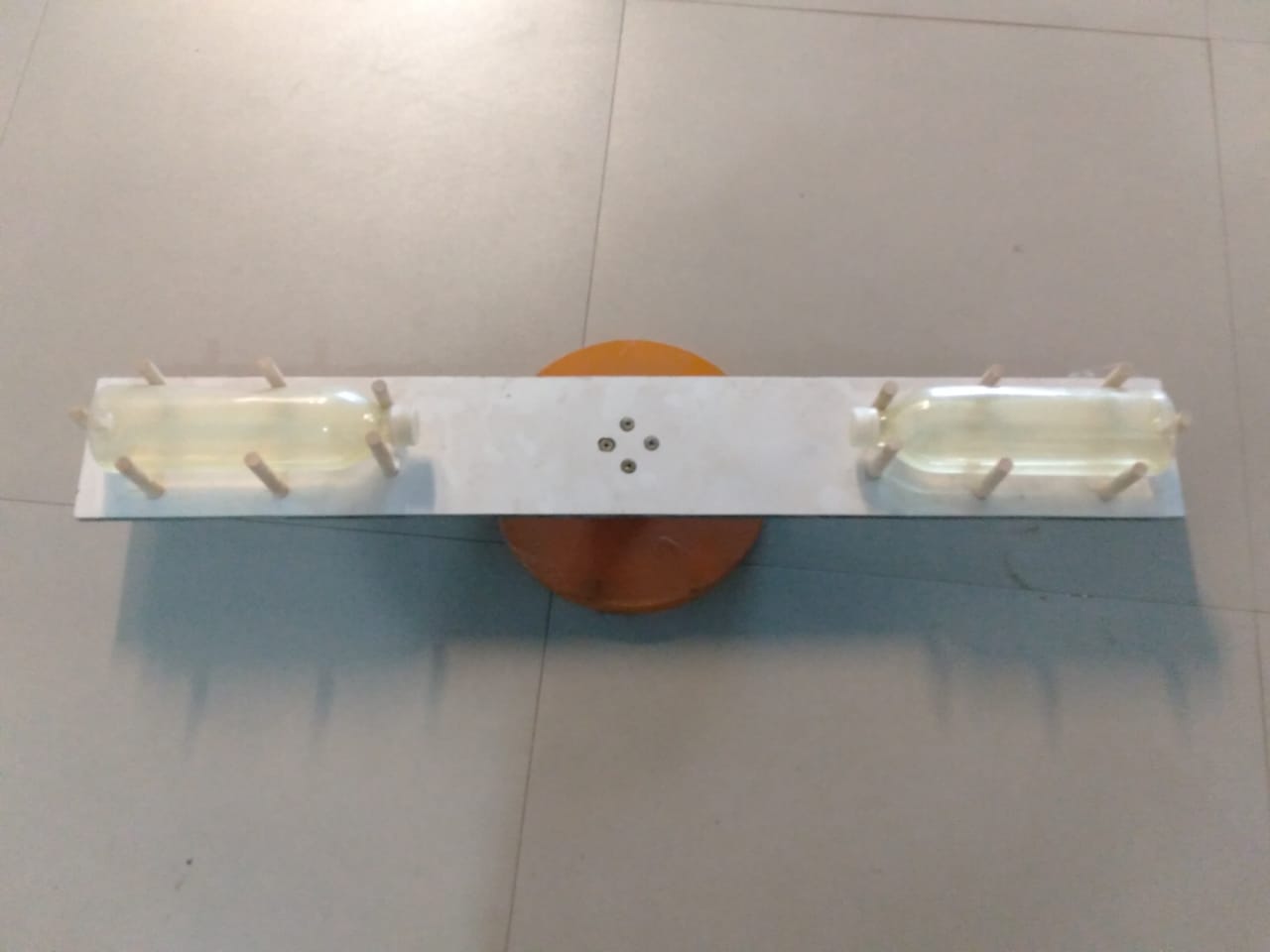
Rotational Motion: Bottle with oil centrifuge
Concept: Dependence of angular velocity with the angle made by the liquid surface with the horizontal.
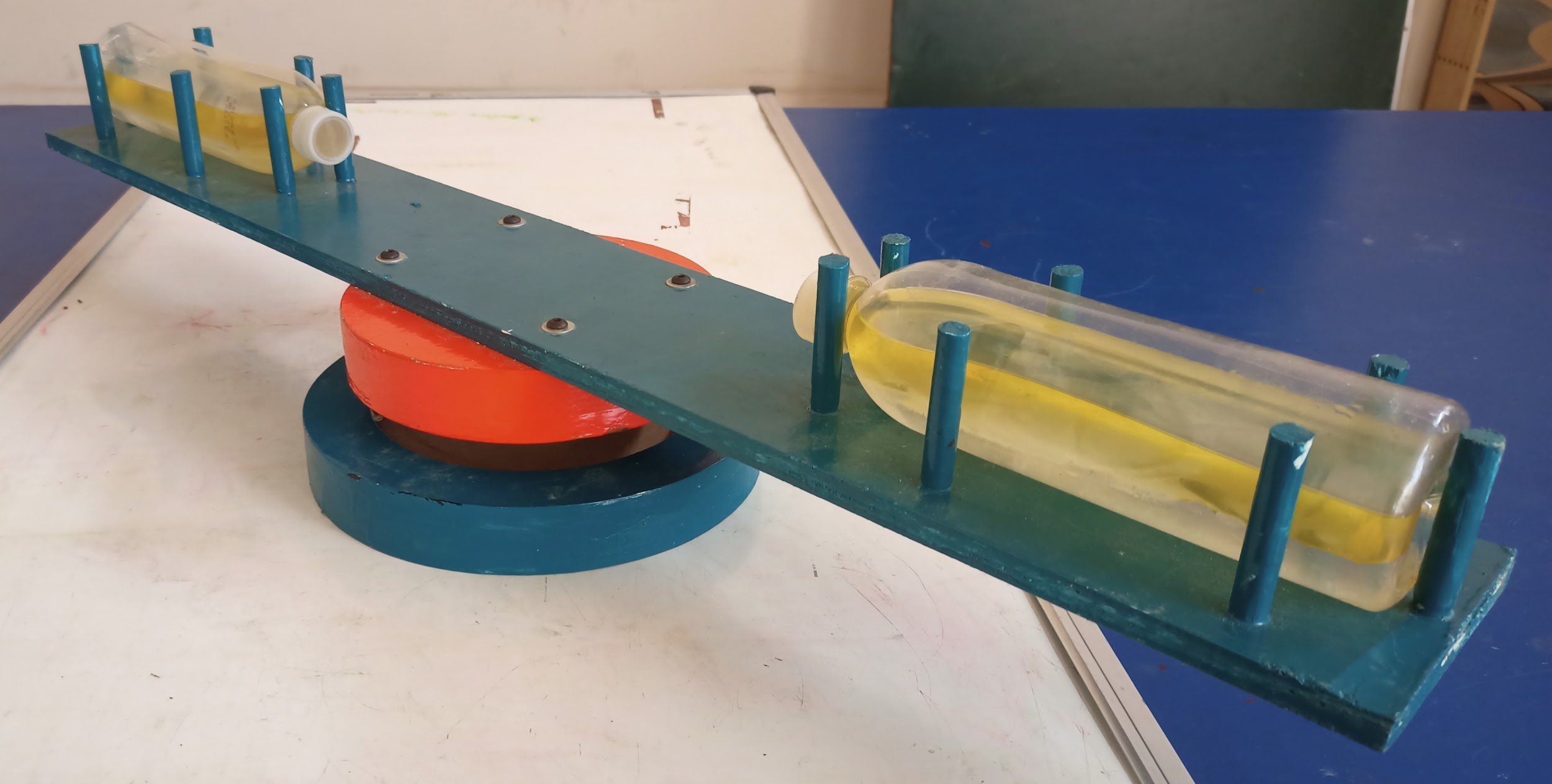
Rotational Motion: Jar with water centrifuge
Concept: Dependence of angular velocity with the angle made by the balloon with the horizontal .
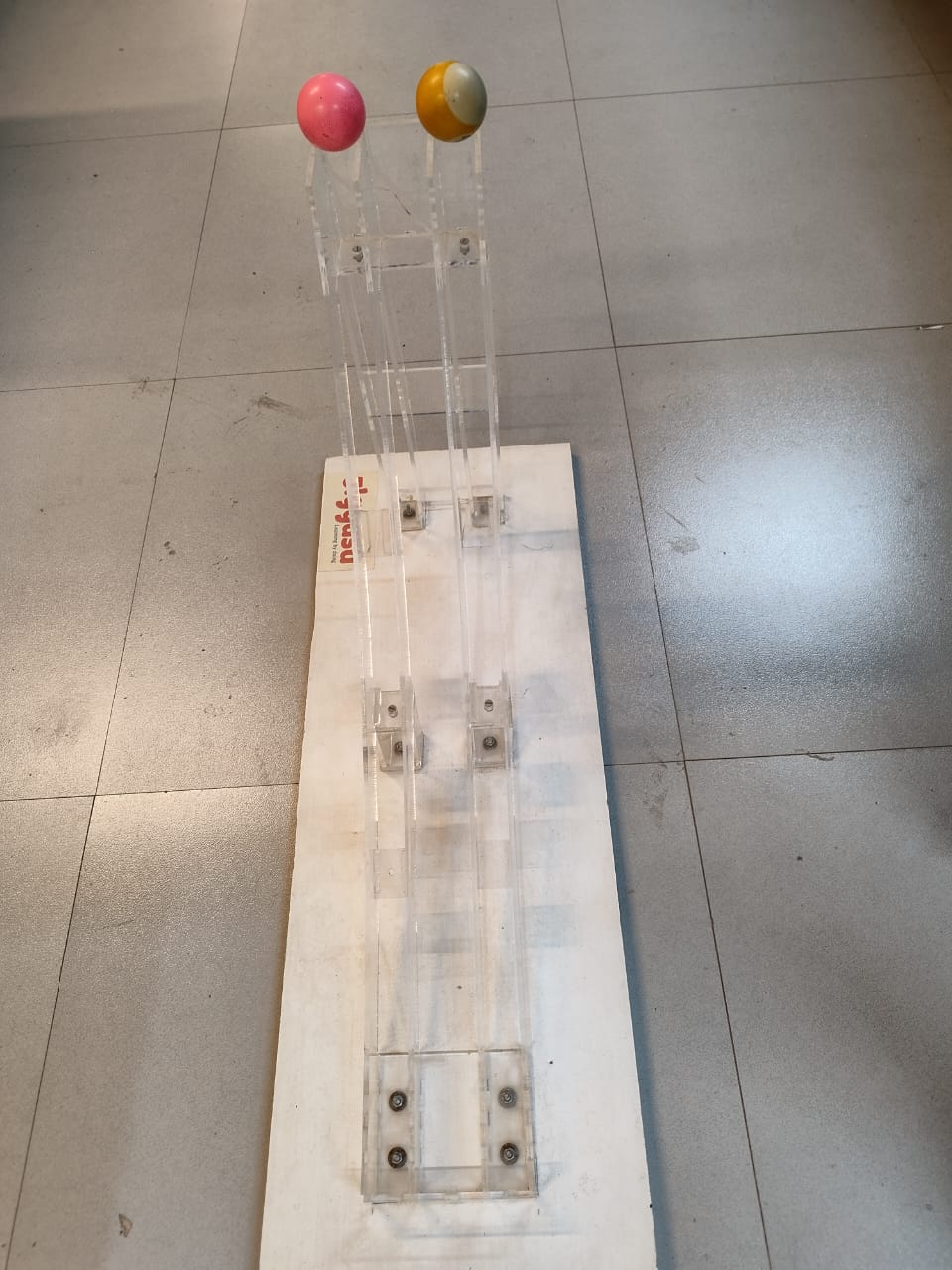
Brachistochrone Paradox
Concept: A curve of fastest descent. Also a tautochrone.
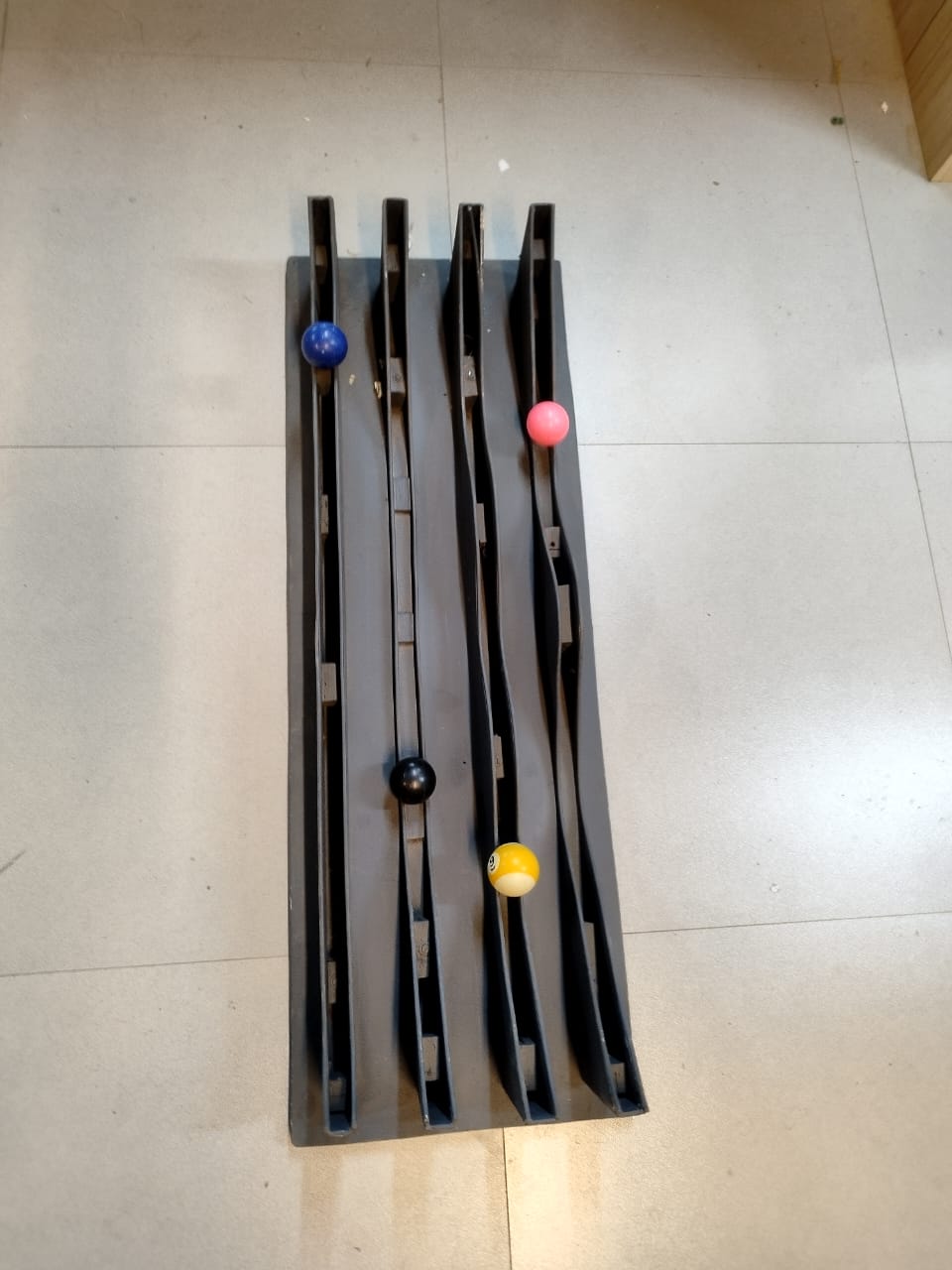
Energy conservation: High-Low tracks
Concept: On which track the ball will take less time to cover the same displacement?
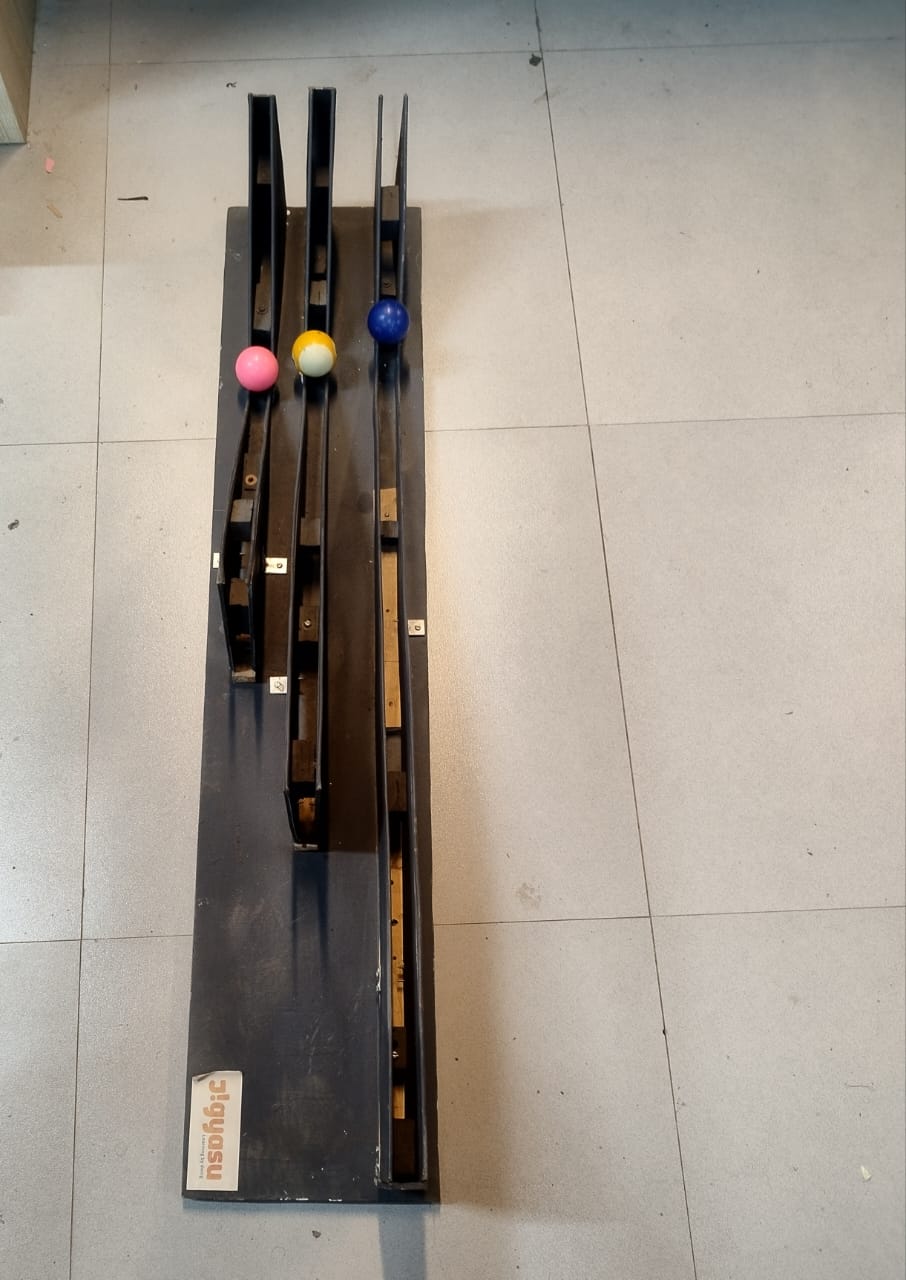
Energy conservation: Galilean tracks
Concept: Both sides of the track are the same height, one side is longer than the other side. If a ball is released from one side can it roll off of the other side? This track is said to have led Galileo to the idea of inertia.
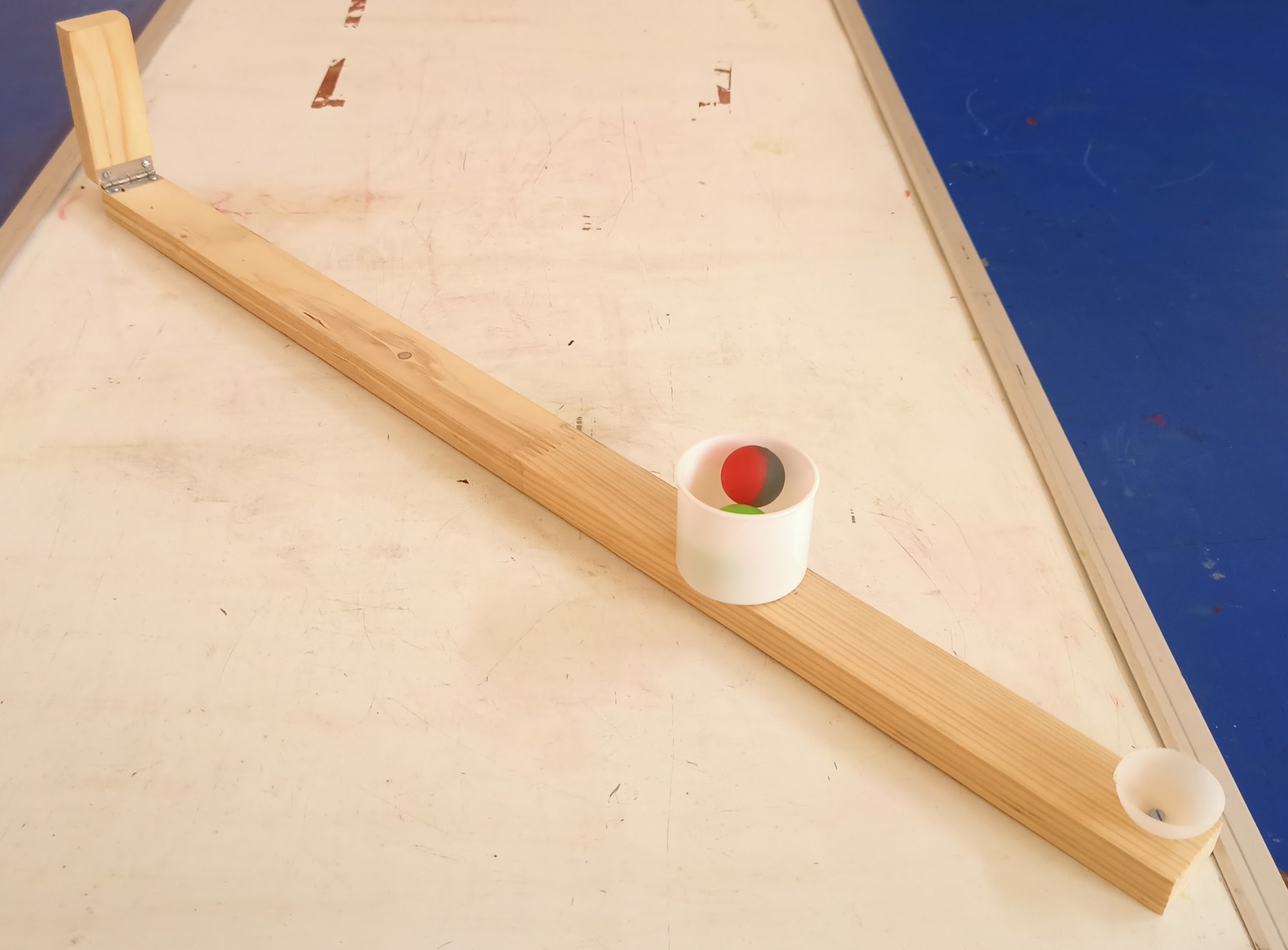
Hinged Stick and a Falling Ball
Concept: Study of translation and rotation using Hinged stick
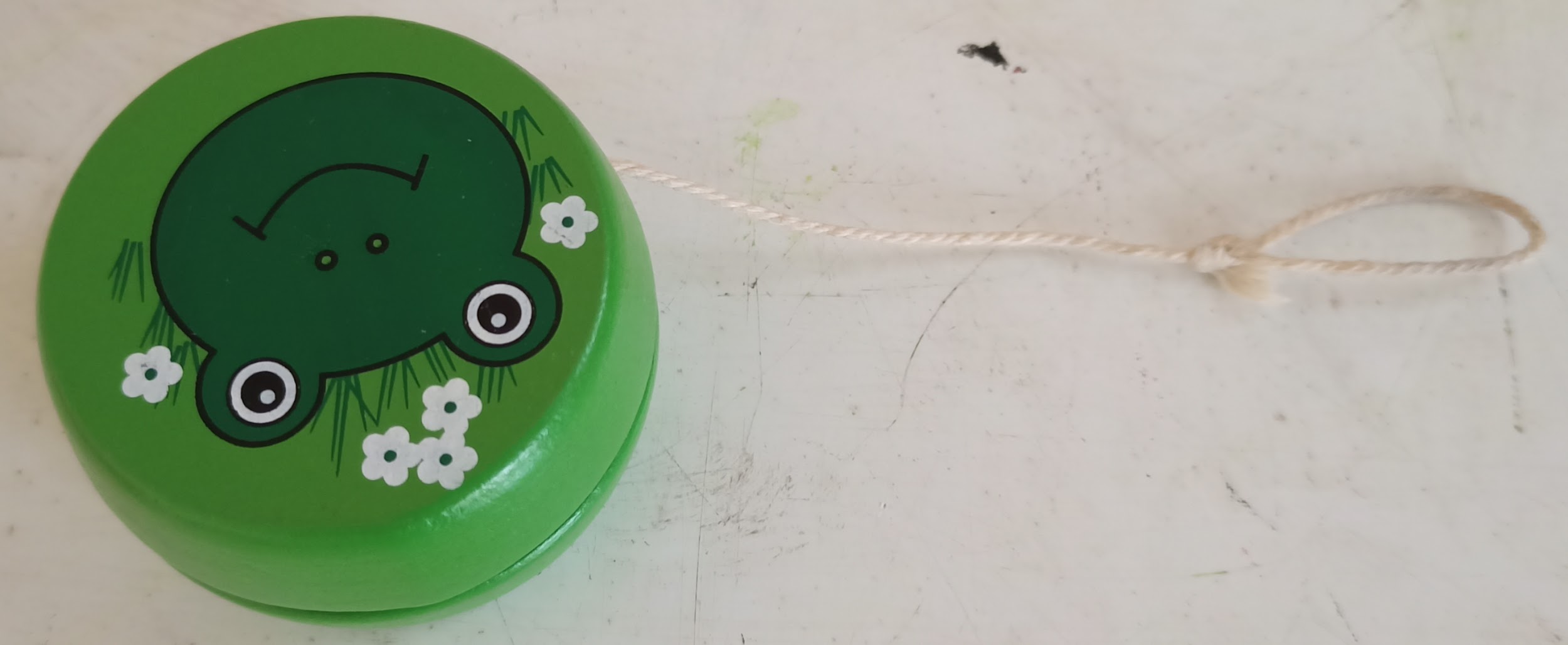
Rotational Motion: Yoyo
Concept: Qualitative study of the relationship between potential and kinetic energy, linear momentum, angular momentum, nearly-elastic collisions, inertia, and torque using a Maxwell's wheel.

Rotational Motion: Looping Motion
Concept: Qualitative study of the conservation of angular momentum using a looping pendulum. In this case, no matter what we do, the bigger mass cannot hit the bottom.
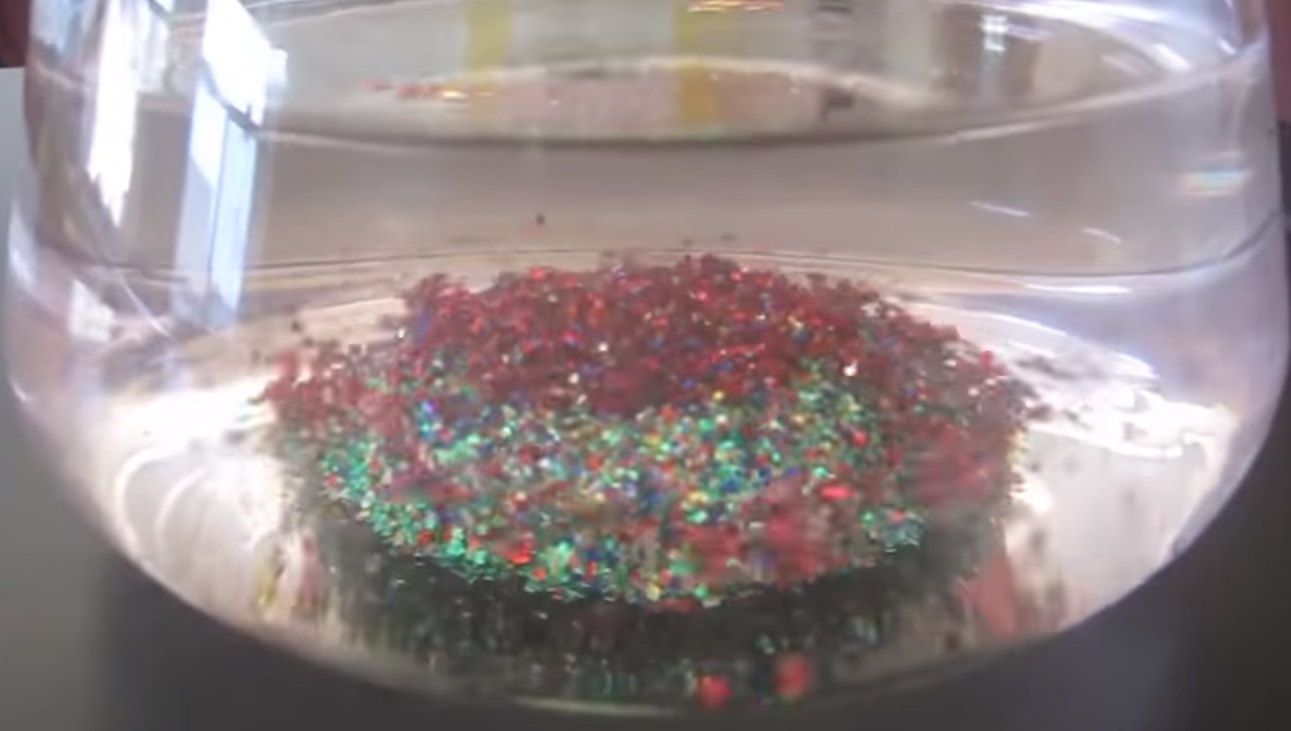
Rotational Motion: Glitter in rotating jar
Concept: Qualitative study of the concept of centrifuge using spinning glitter apparatus.
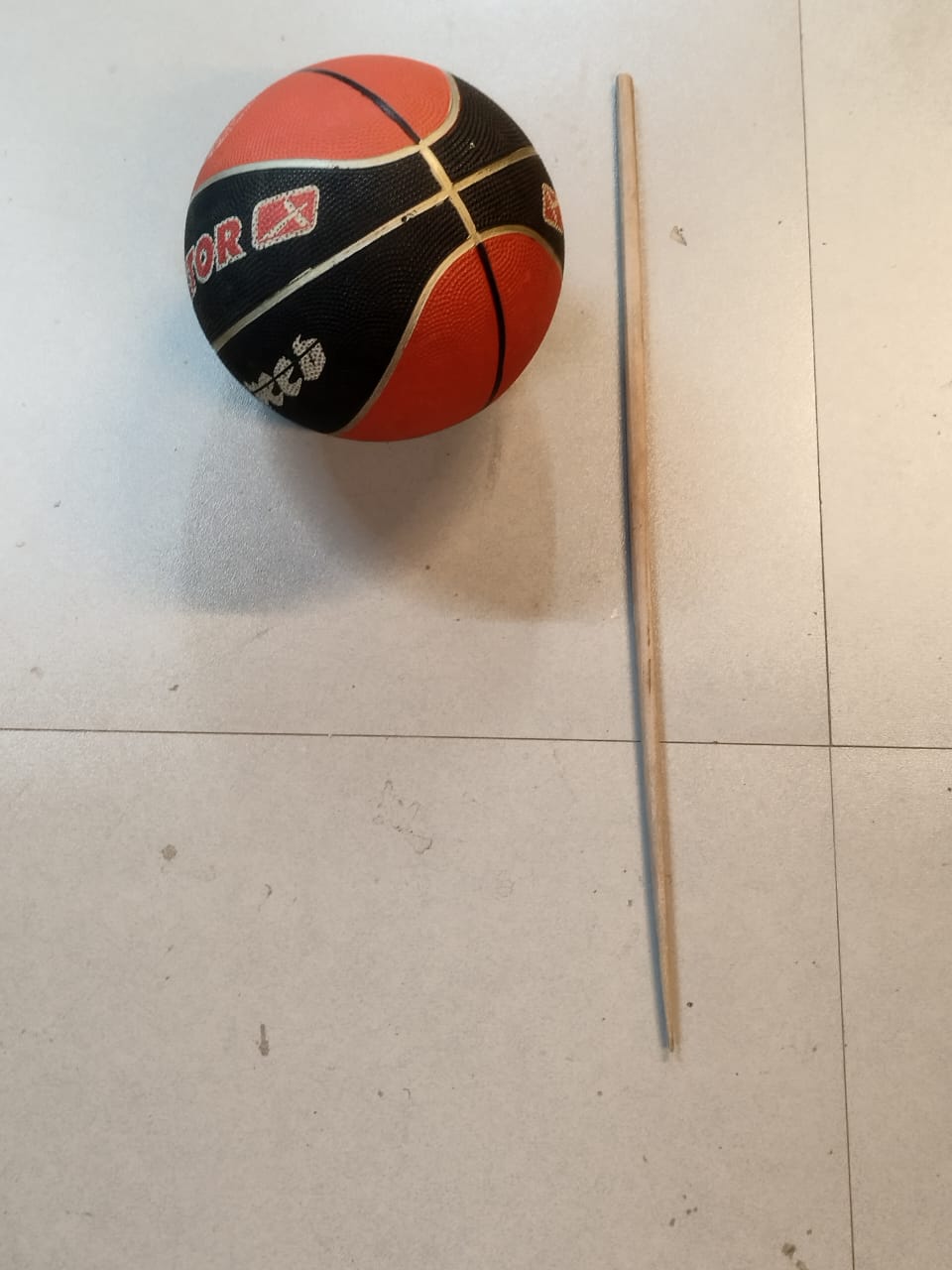
Centripetal force: basketball and Stick
Concept: Qualitative study of the centripetal acceleration using a basket ball and a stick.
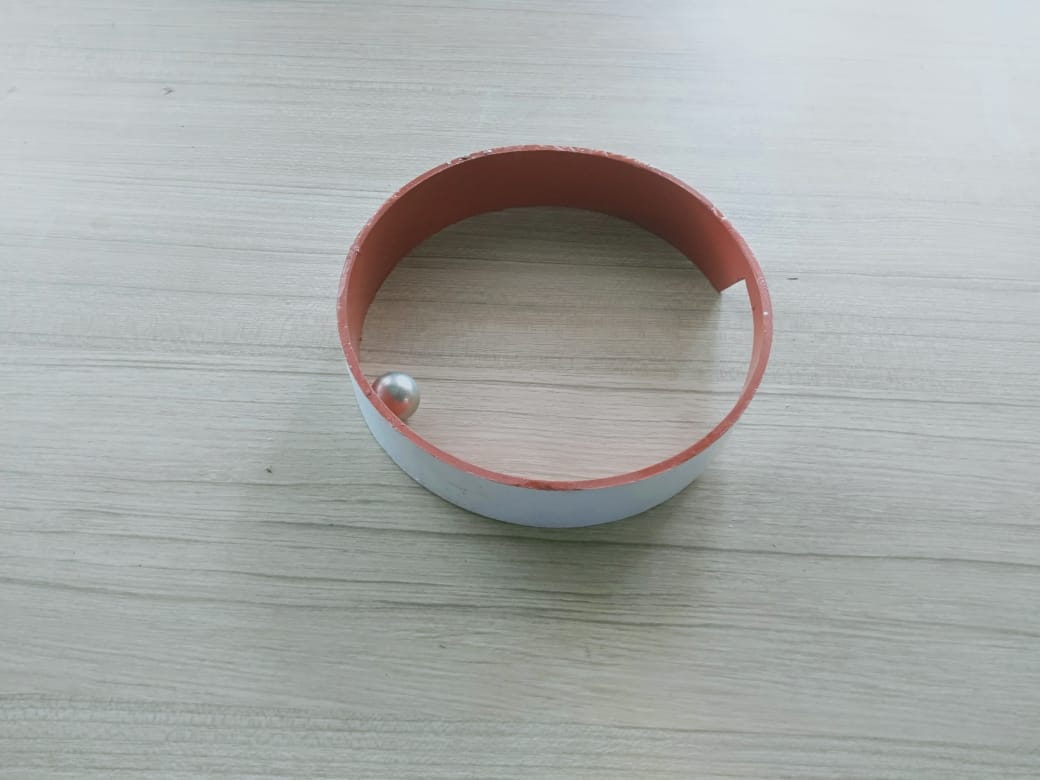
Centripetal force: Centripetal force: CA setup
Concept: Qualitative study of the centripetal acceleration using the circular track apparatus.
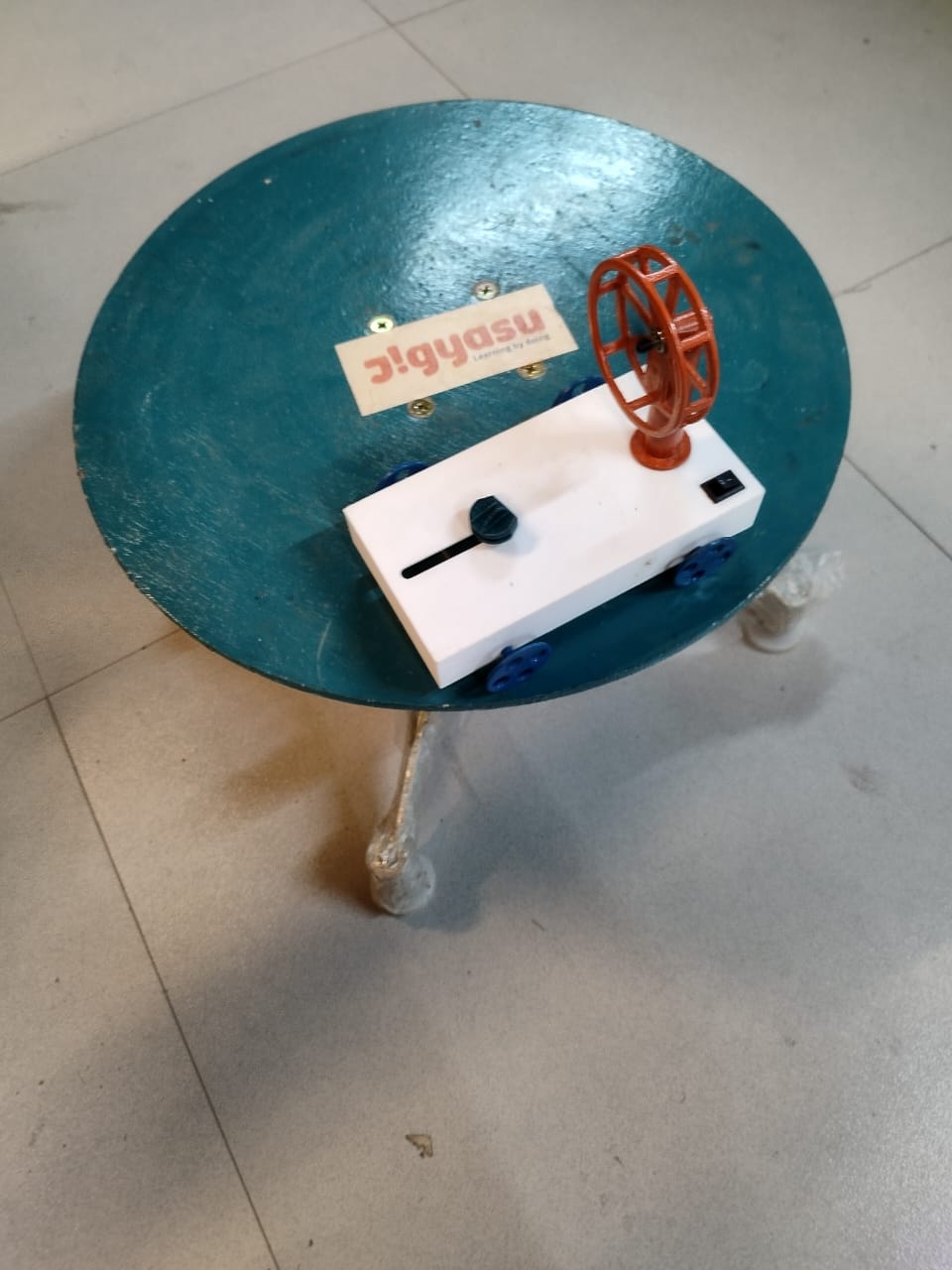
Rotational Motion: Torque, Angular momentum & friction
Concept: Qualitative study of the torque and the angular momentum using a NM cart and a rotating disc.
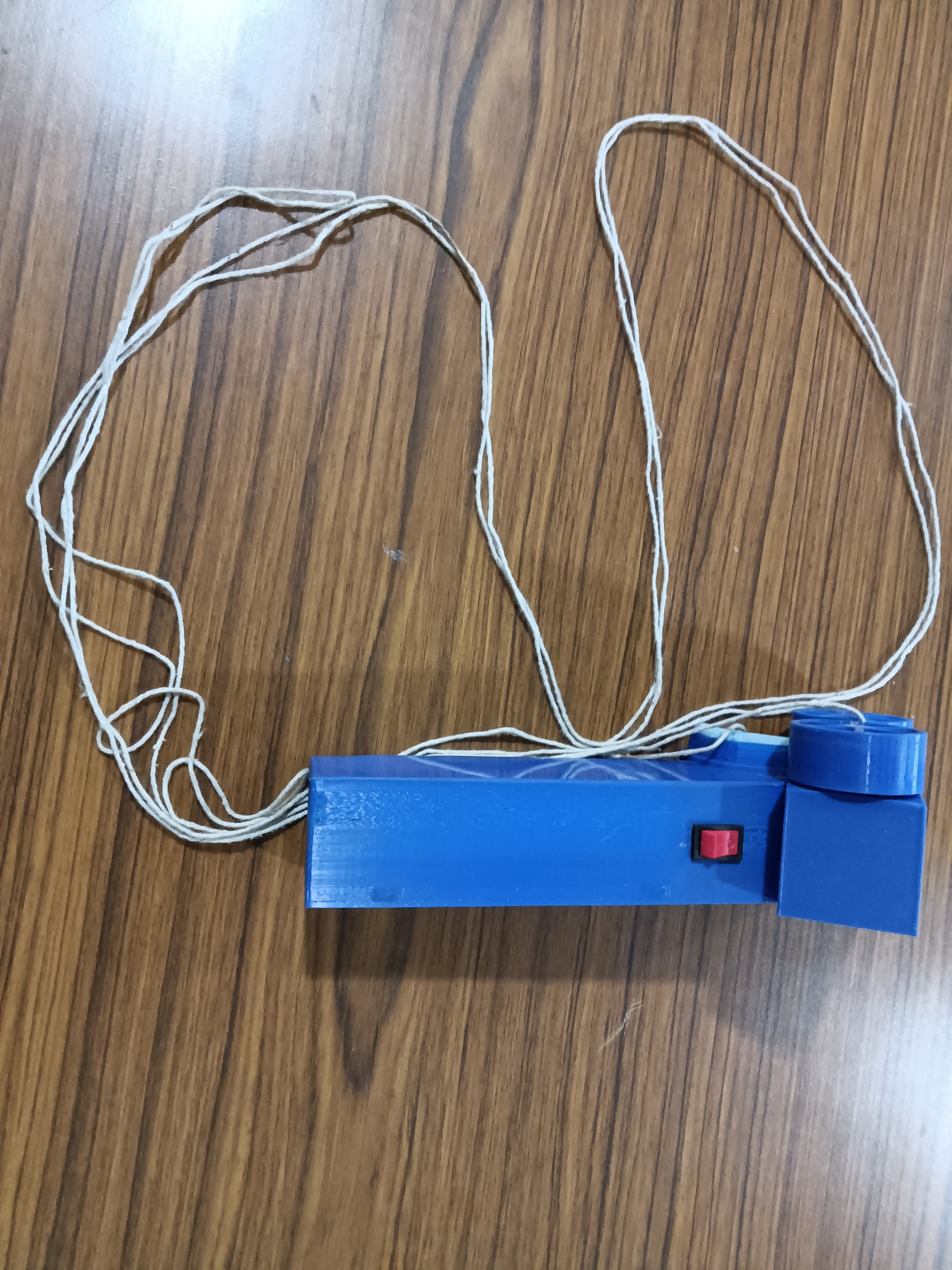
String shooter
Concept: A device with a loop made up of a string. When the wheels of that device rotates , the string pass through the wheels making the loop The string loop flies through the air, creating an interesting visual effect as it expands and contracts due to its circular shape.
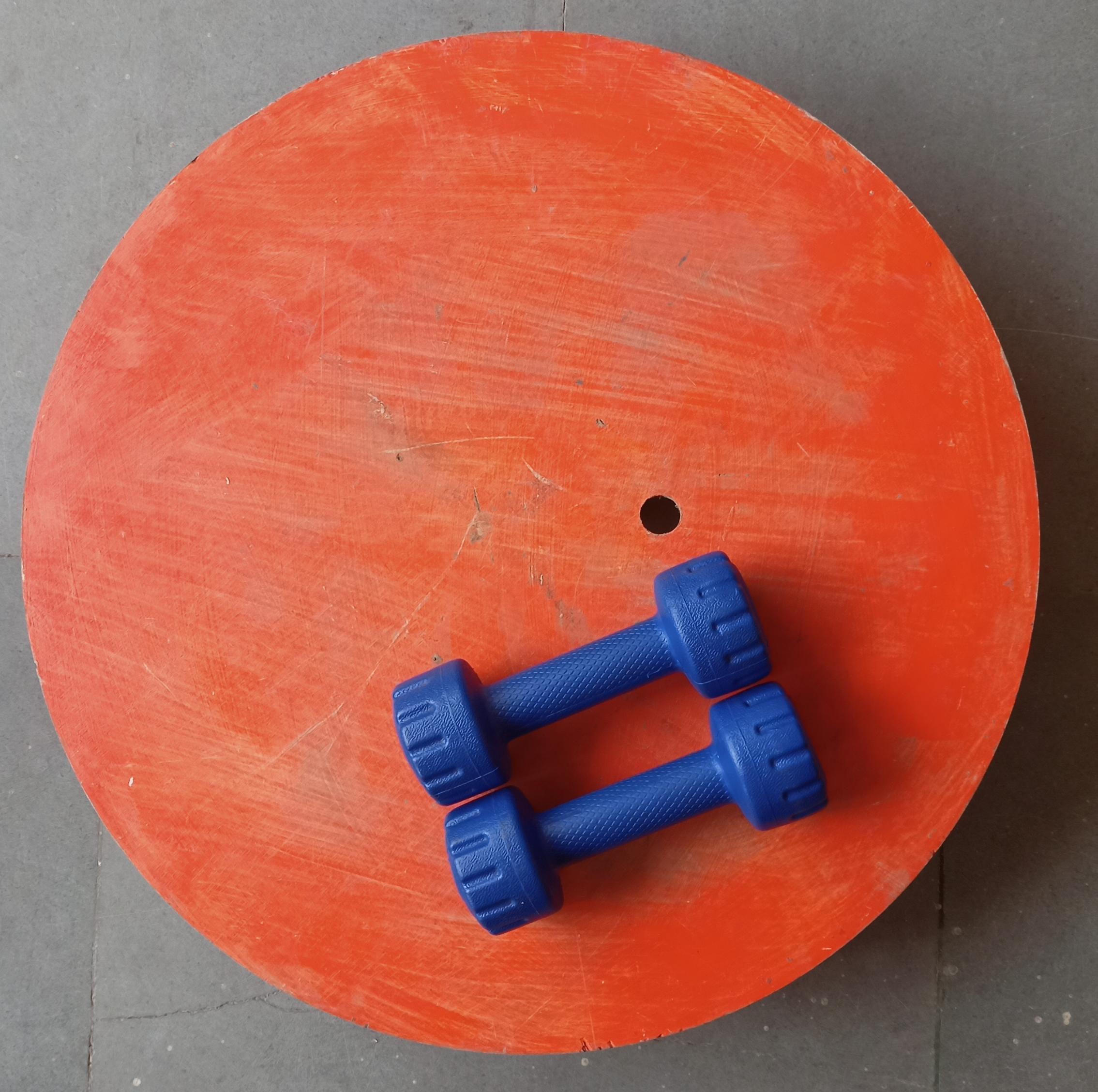
Rotational Motion: Conservation of Angular Momentum
Concept: Qualitative study of conservation of angular momentum using a rotating platform and dumbbell.
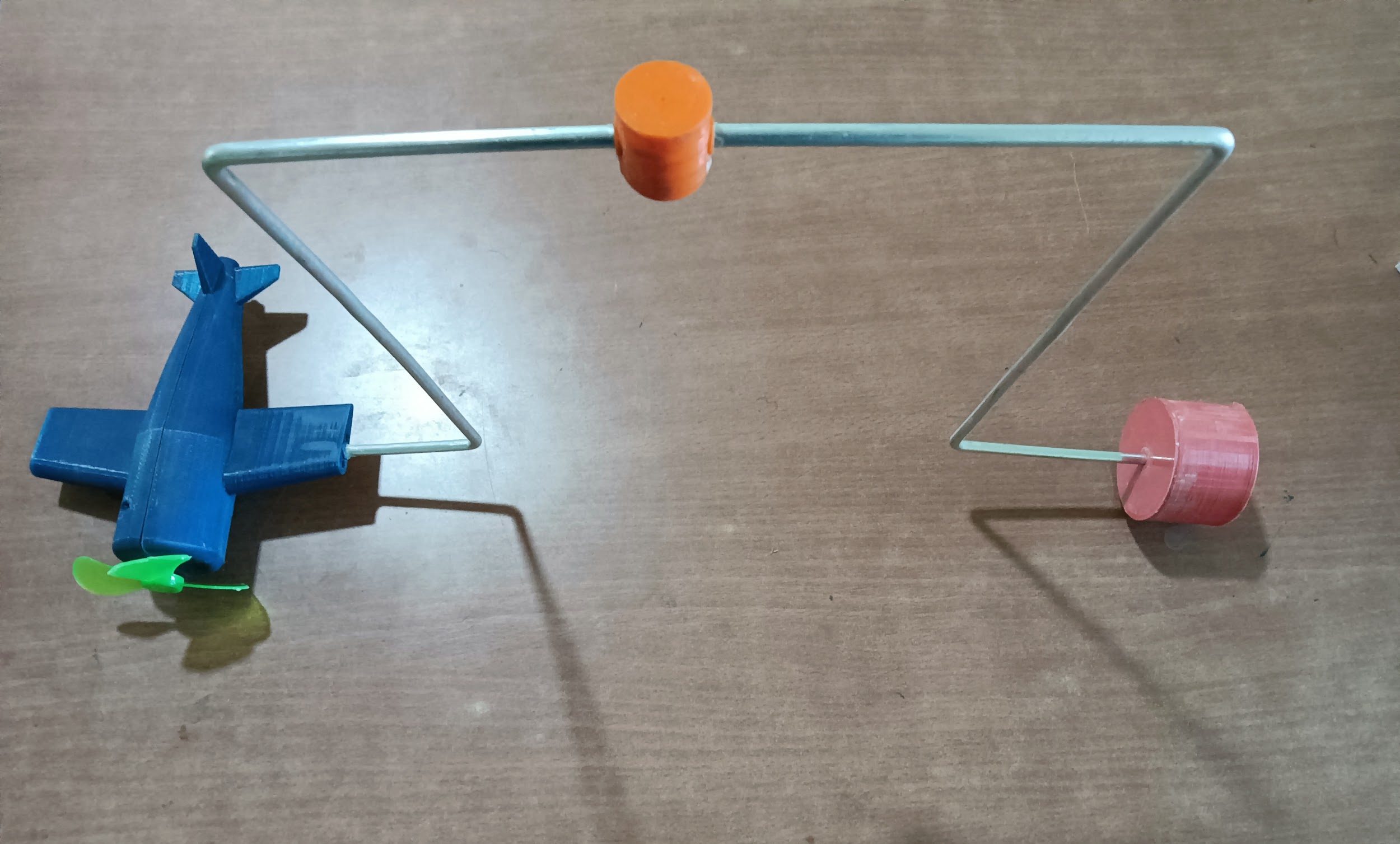
Balancing toys and rotational equilibrium.
Concept: Qualitative study of rotational equilibrium using balancing toys.
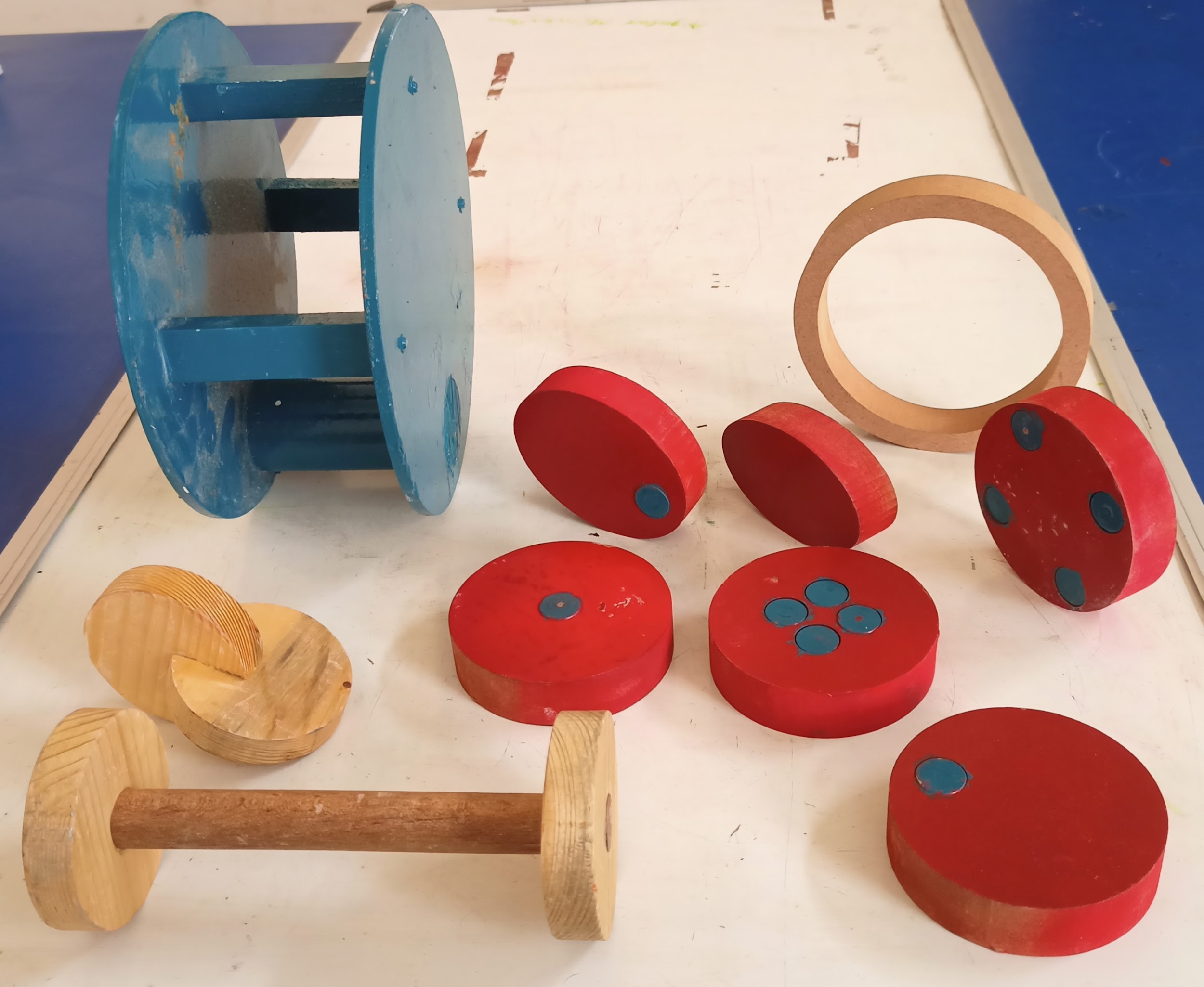
Rotational Motion: Rolling
Concept: Qualitative study of rolling of various objects with varying parameters to see which rolls down faster & quickest.
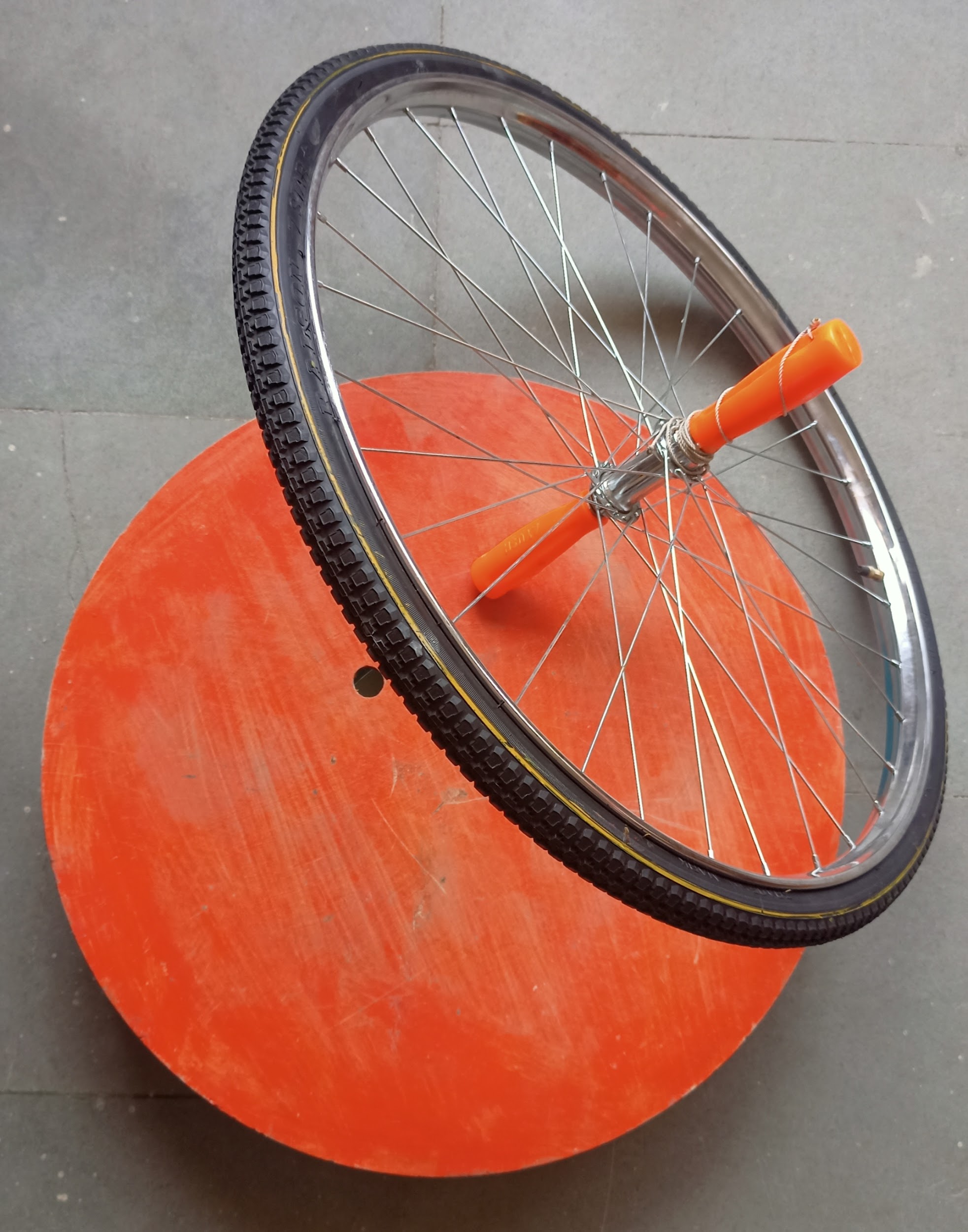
Bicycle wheel gyroscope
Concept: Qualitative study of application of angular momentum in gyroscope by using a bicycle wheel and rotating platform.
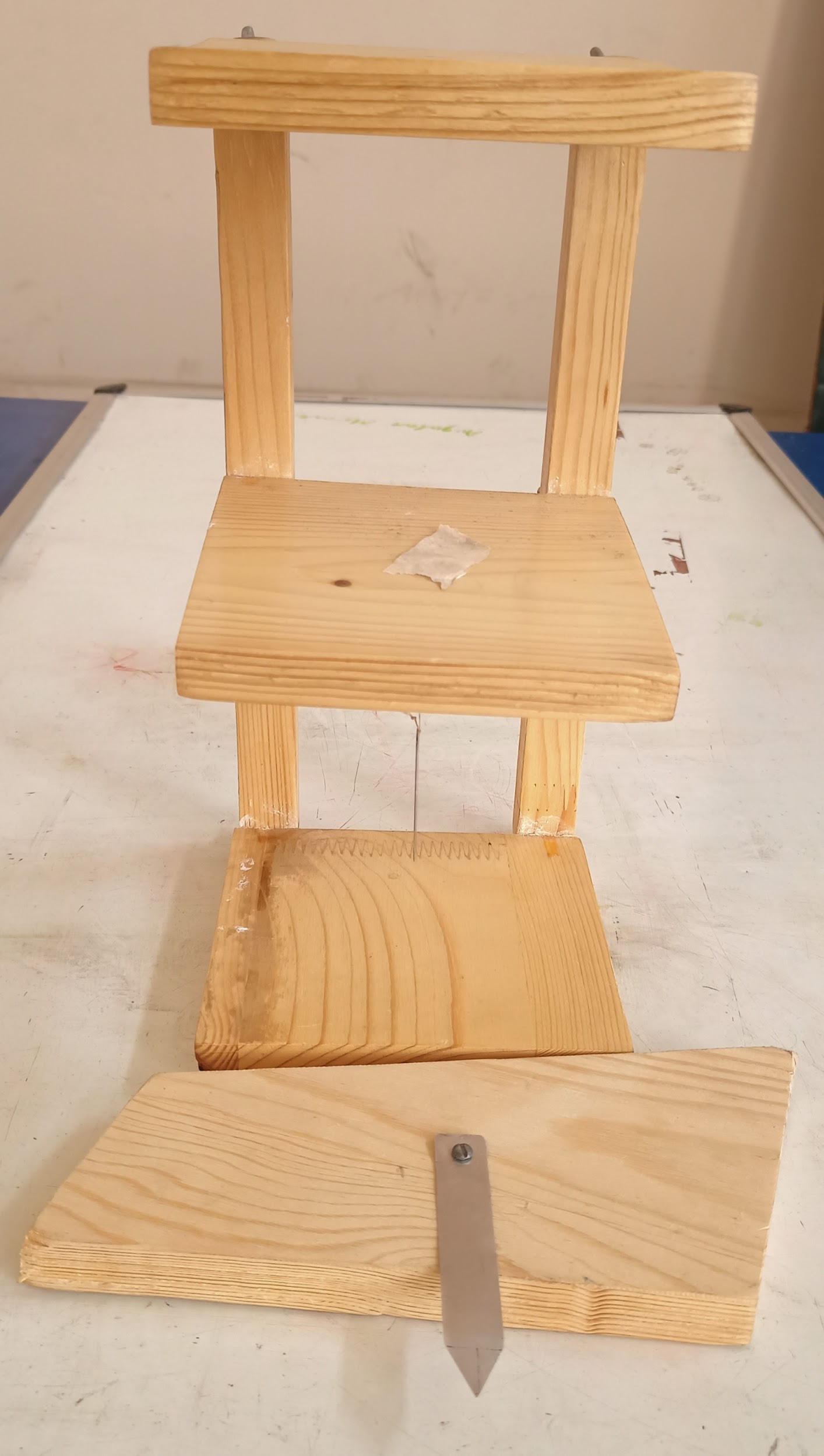
COM an stability
Concept: Qualitative study of COG using COM stability set up.
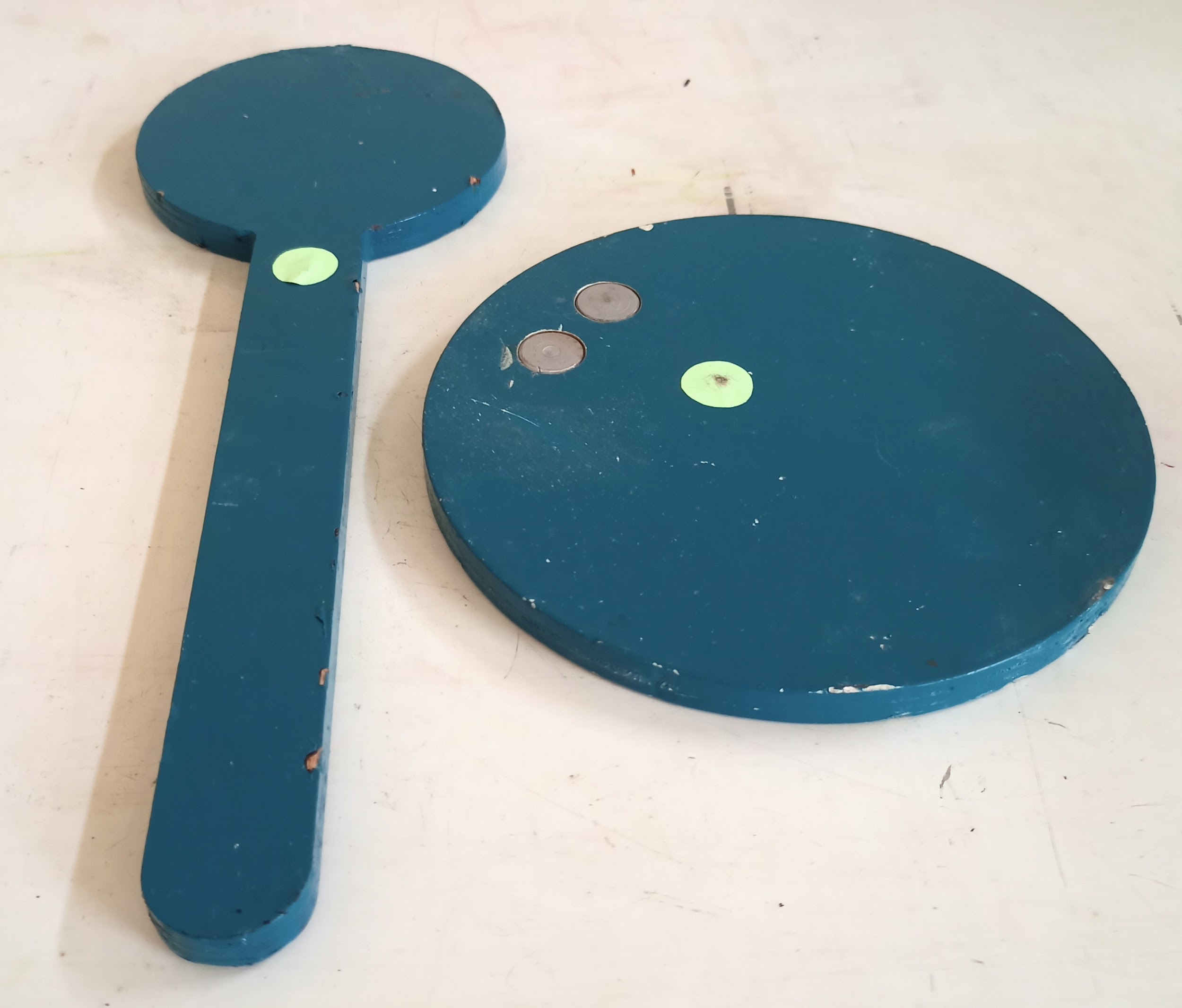
COM: Trajectory of COM
Concept: Qualitative study of the process of tracing the trajectory of the COM.
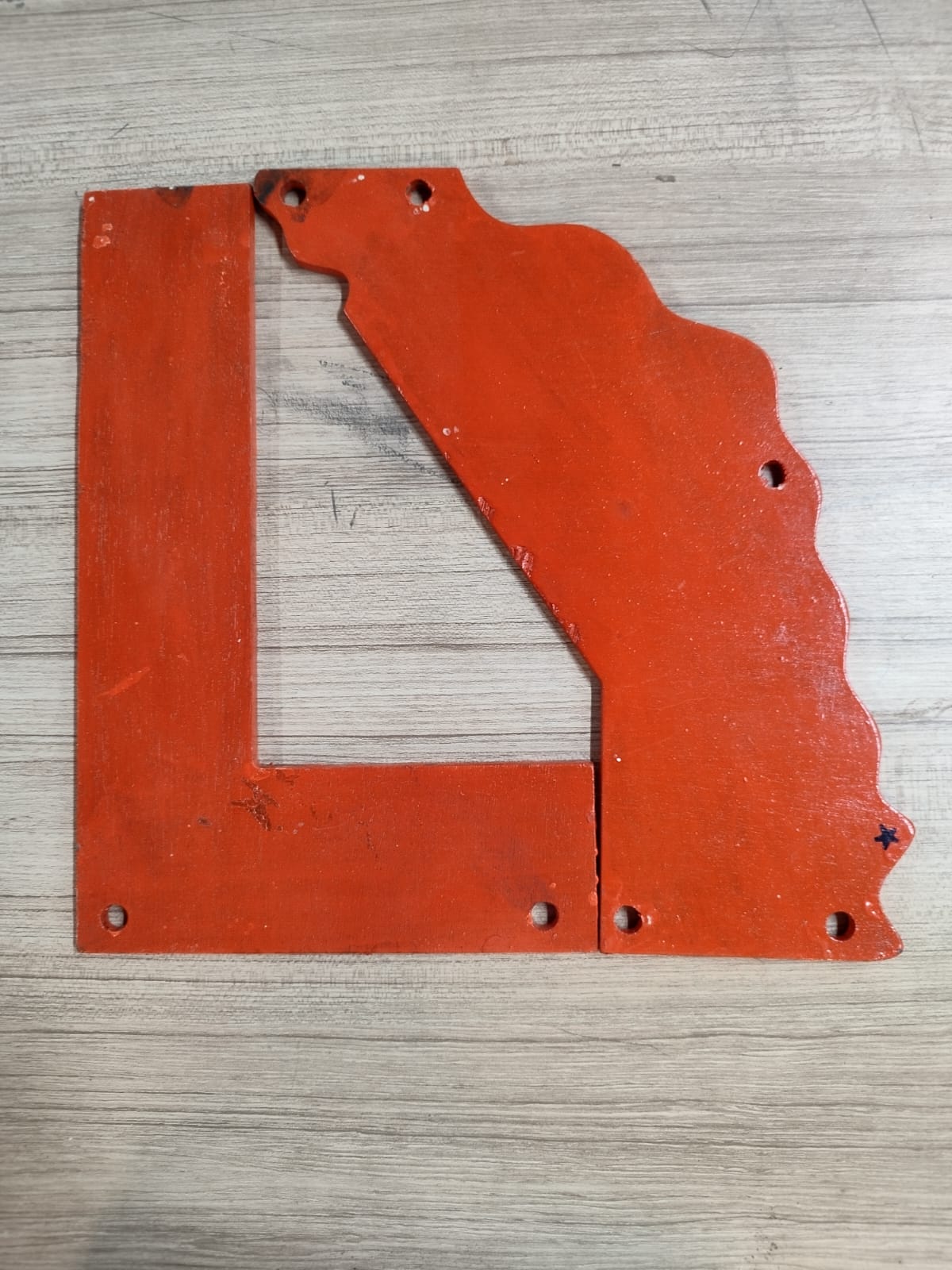
COM: Position of COM
Concept: Qualitative study of the process of locating COM using plumbline.
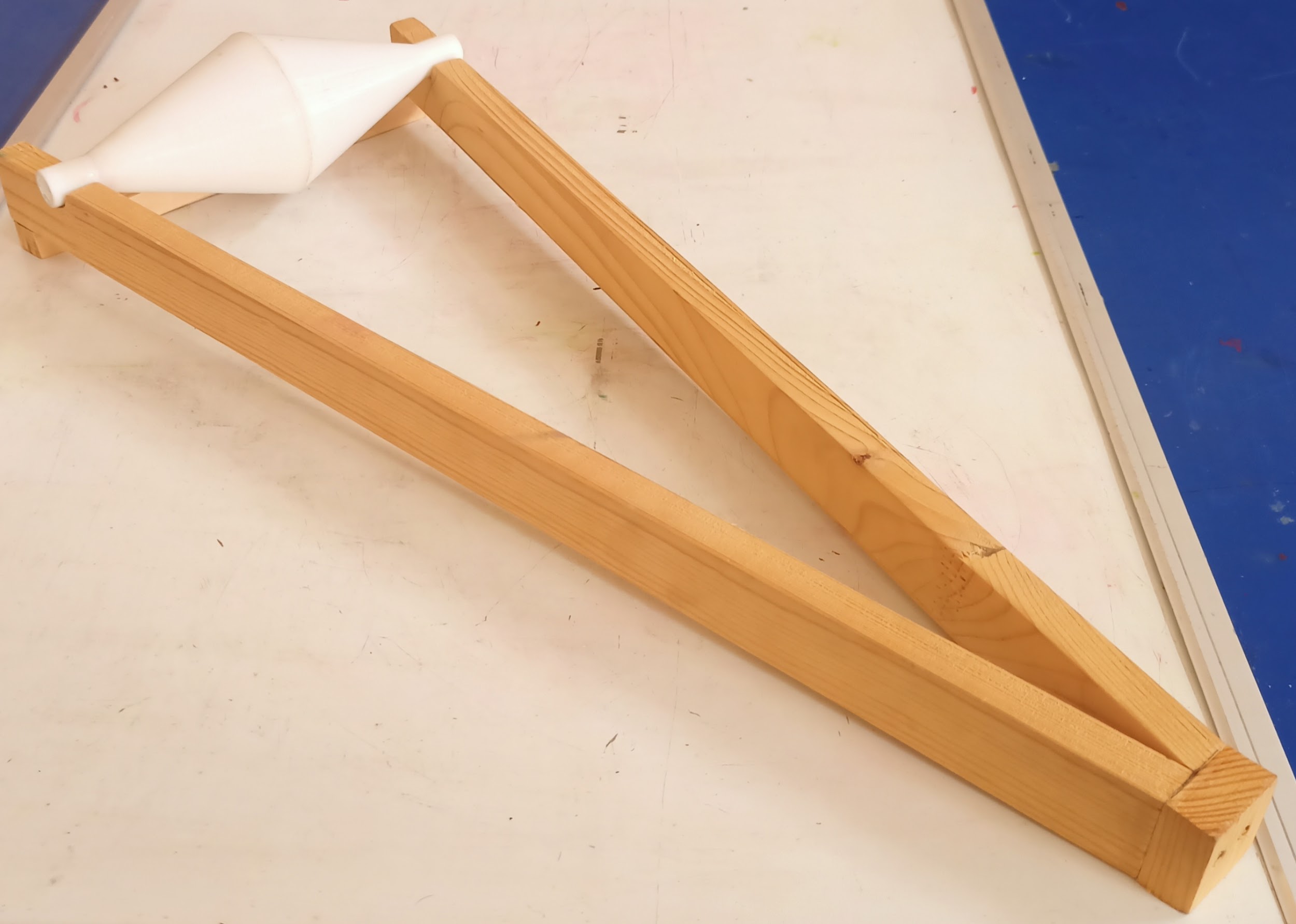
COM: Motion of COM in double cone
Concept: Qualitative study of the motion of COM using a double cone. The double cone seems to be going uphill. Actually the com is going down due to increasing separation.
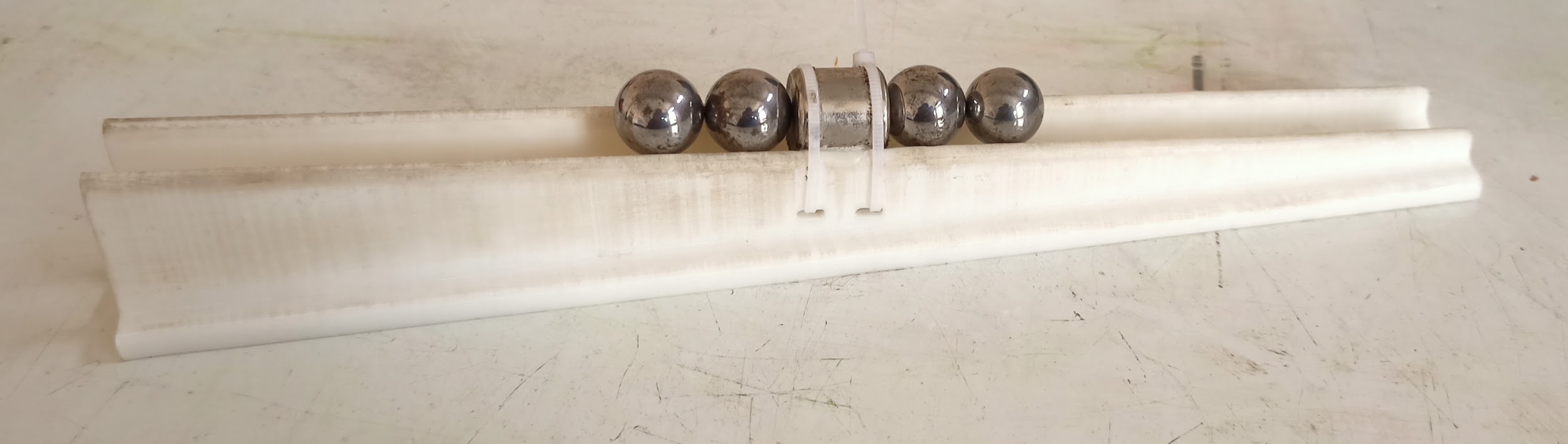
Gauss cannon
Concept: Qualitative study of elastic and inelastic collisions using Gauss cannon.
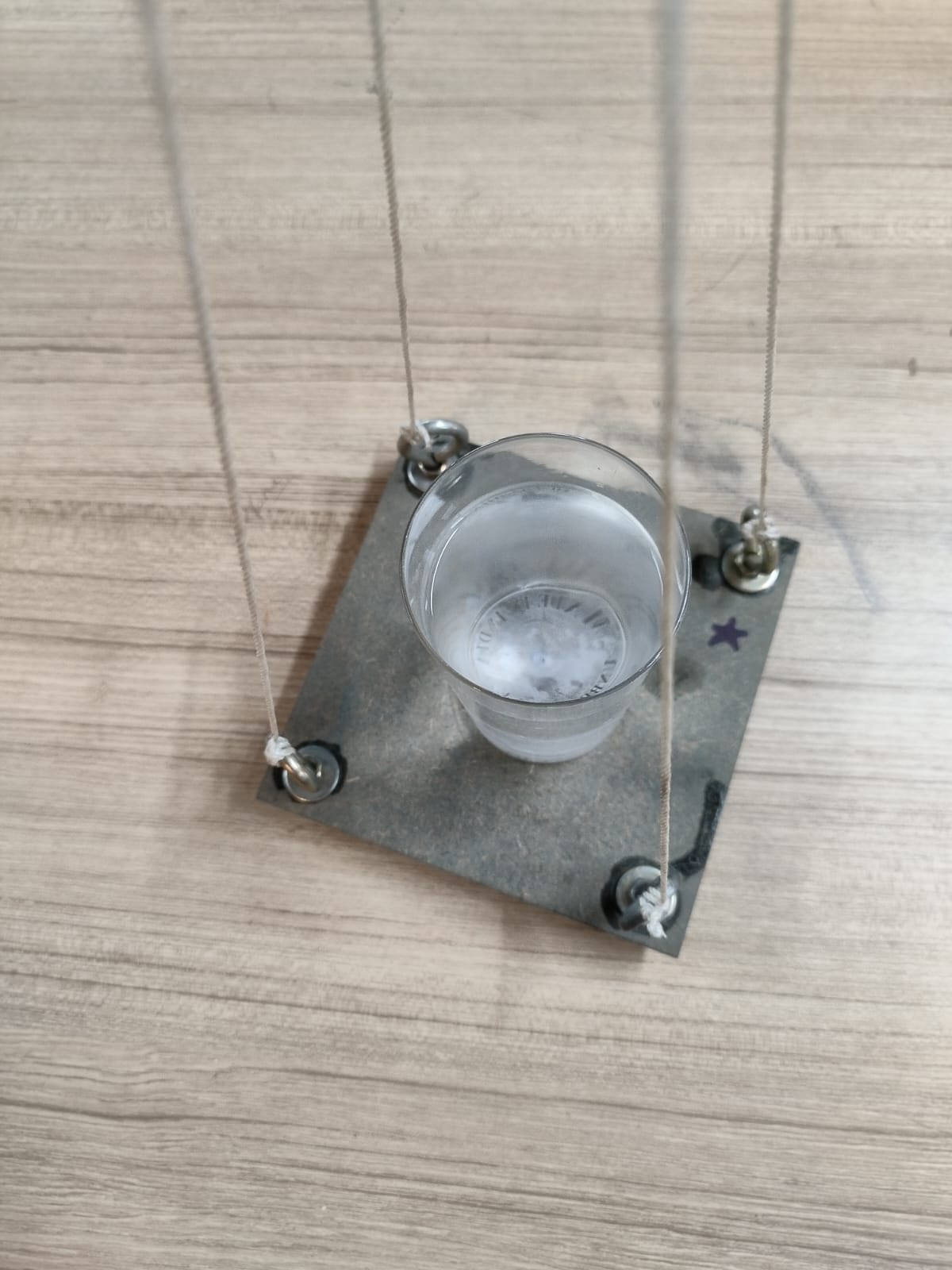
Centripetal force: Swinging Tray
Concept: Study of centripetal acceleration using swinging tray
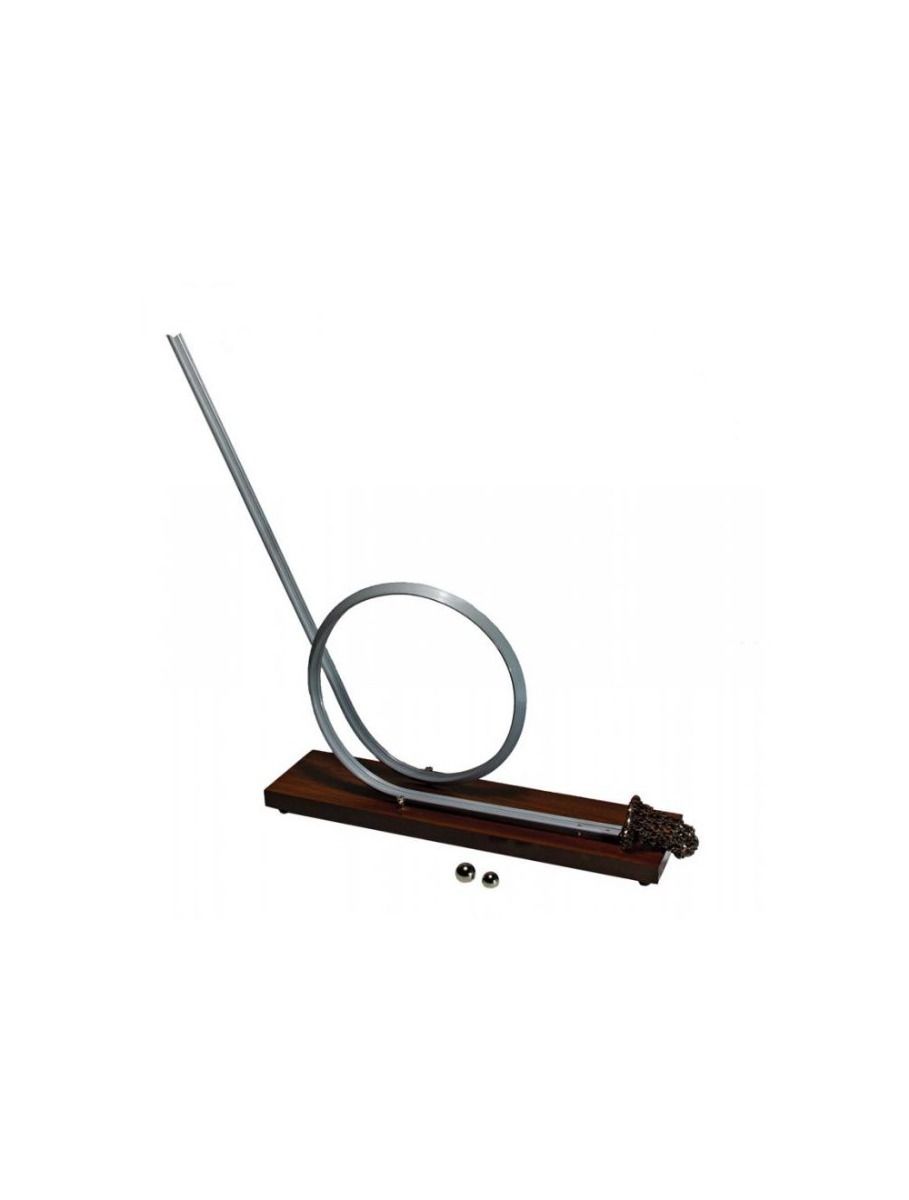
Vertical circle
Concept: WPE in vertical circle propblem
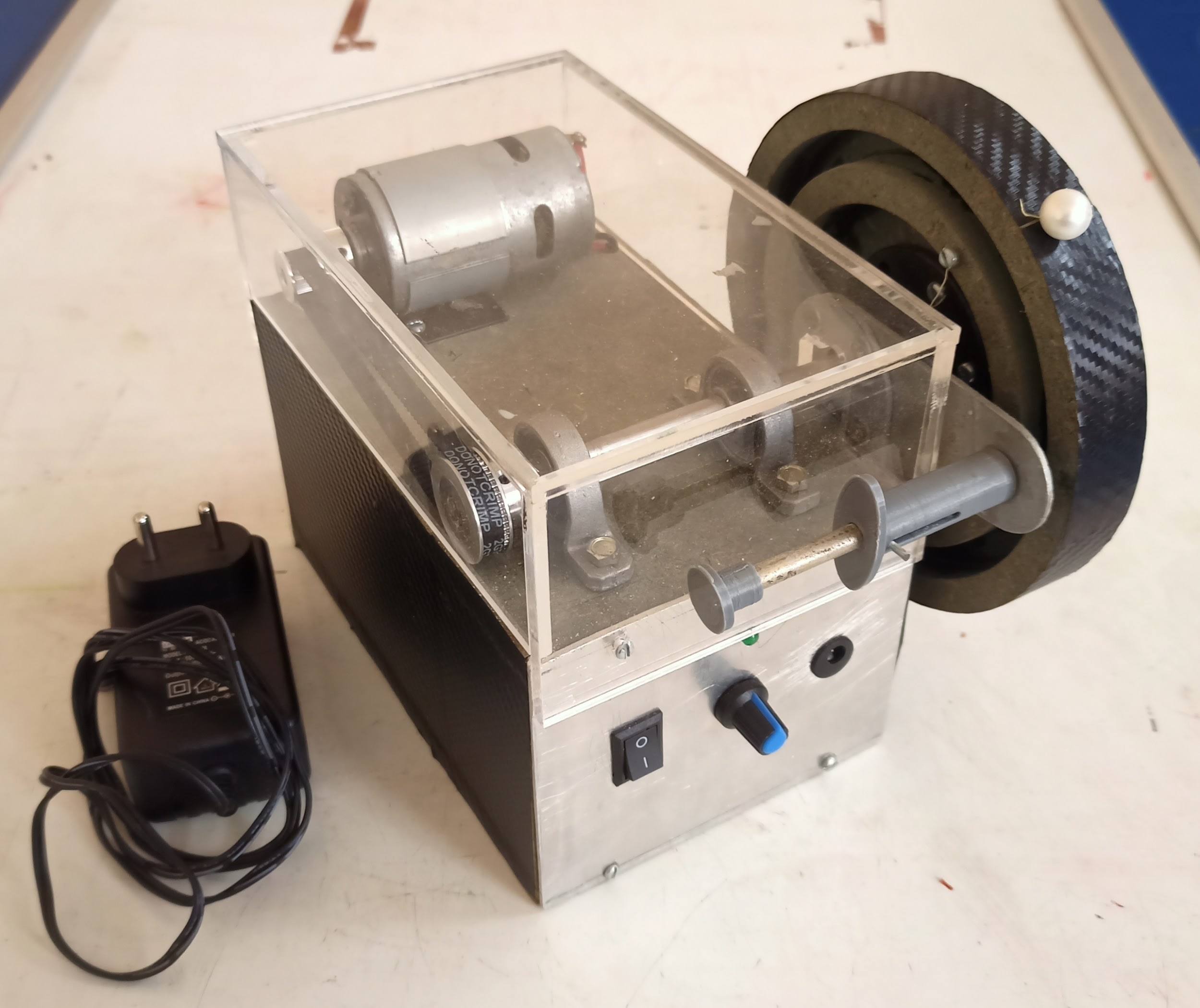
Uniform Circular Motion: Centrifugal vs Centripetal force
Concept: Centrifugal vs Centripetal force
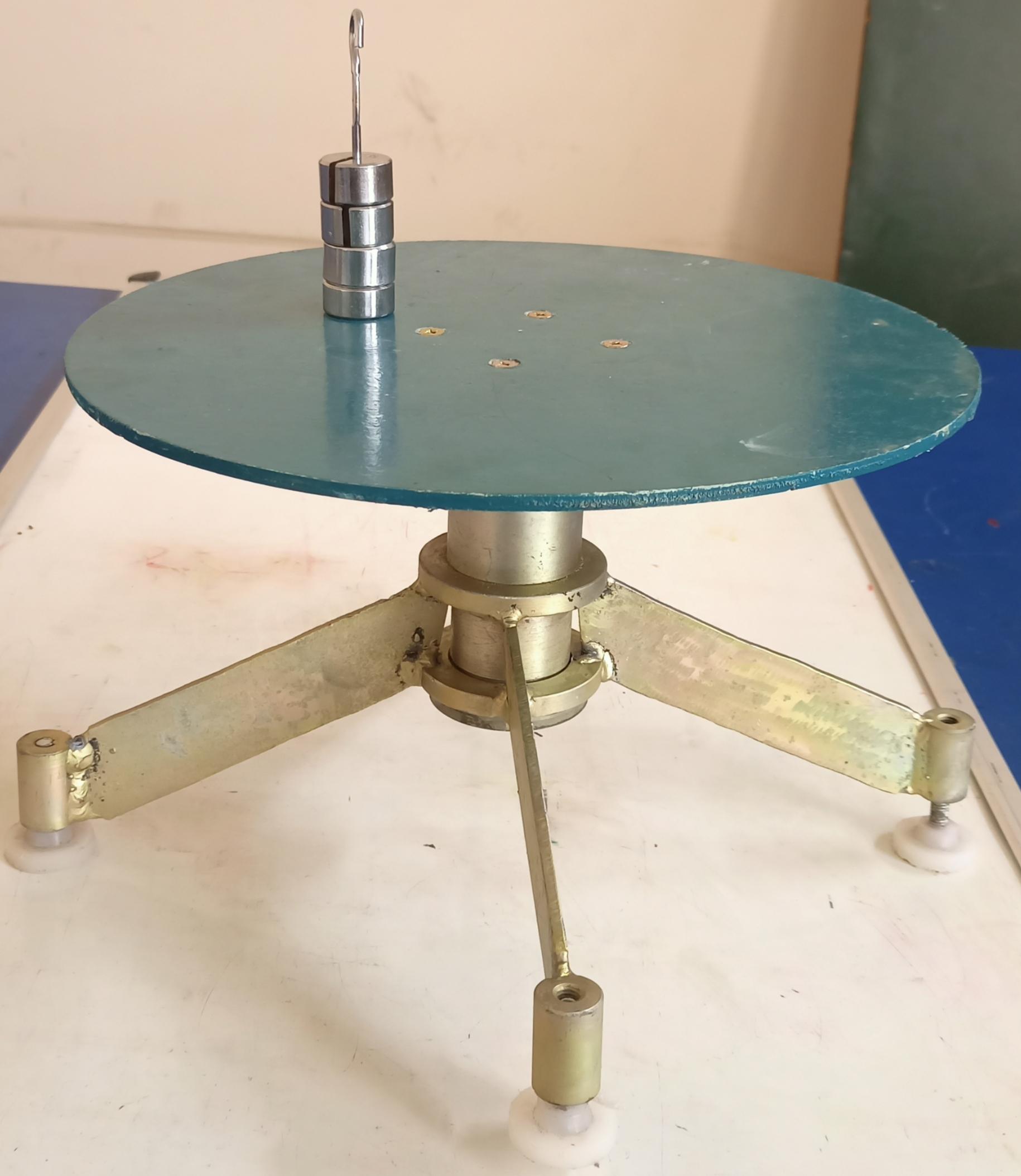
Accelerated Circular motion: NM cart on Rotating disc
Concept: Study of accelerated circular motion using NM cart
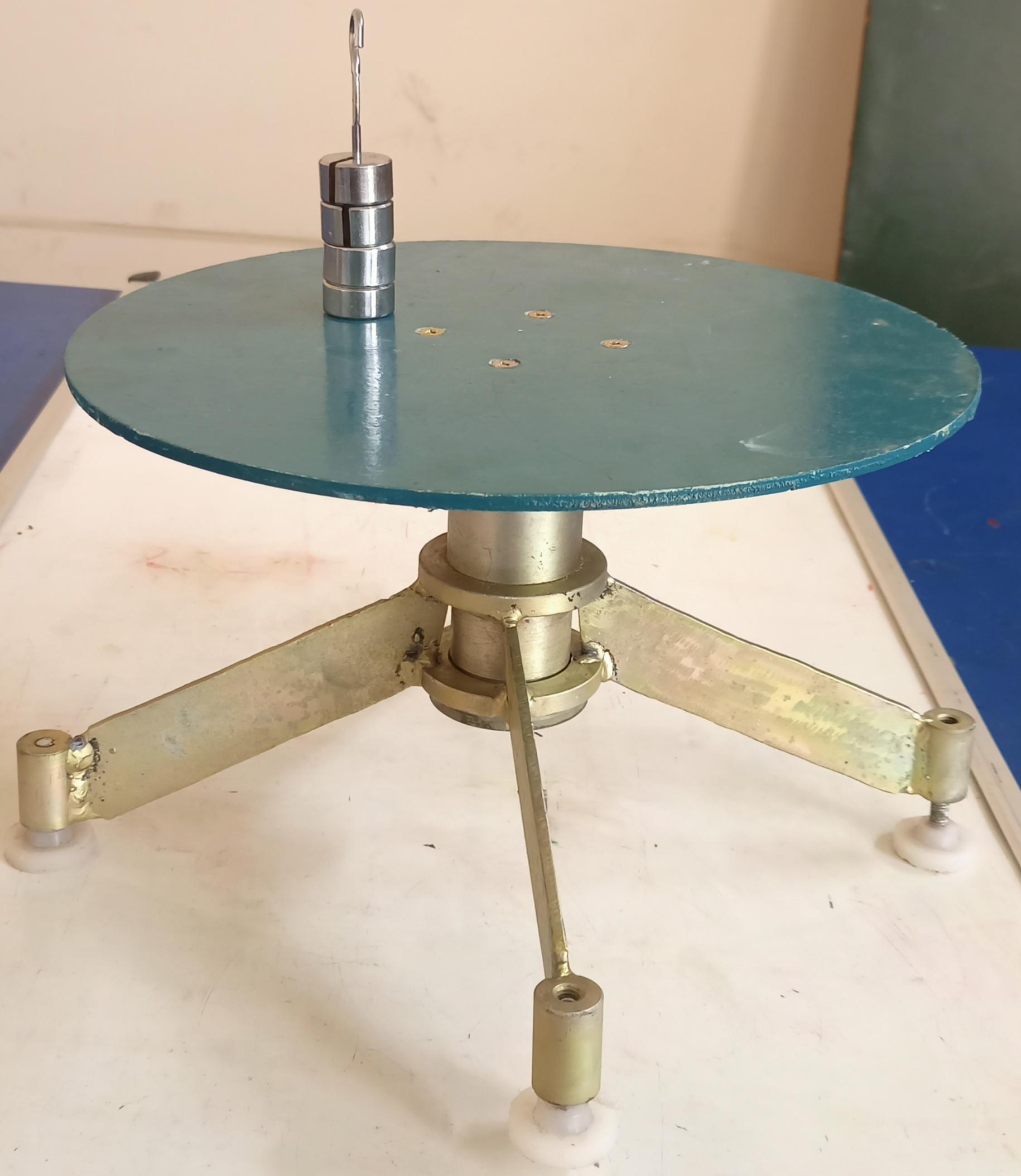
Uniform circular motion: ω ~ R
Concept: Study of uniform circular motion and angular acceleration using a wheel
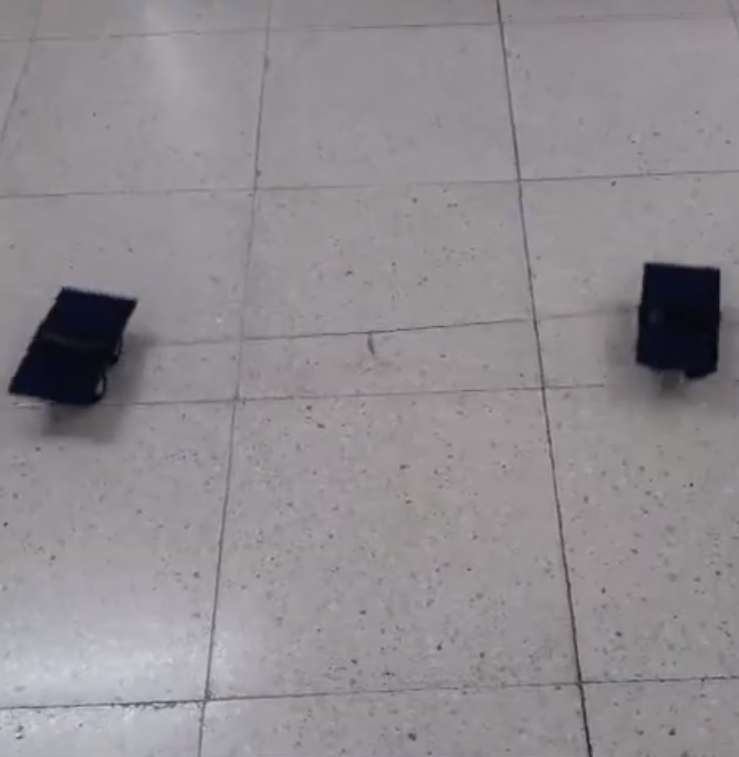
Uniform circular motion: UM car
Concept: Study of uniform circular motion and angular acceleration using a UM car
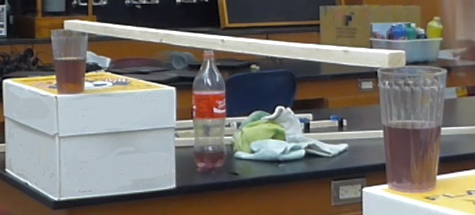
COM: Breaking pole paradox
Concept: Study of COM

Gyroscopic Vehicle
Concept: Conservation of angular momentum
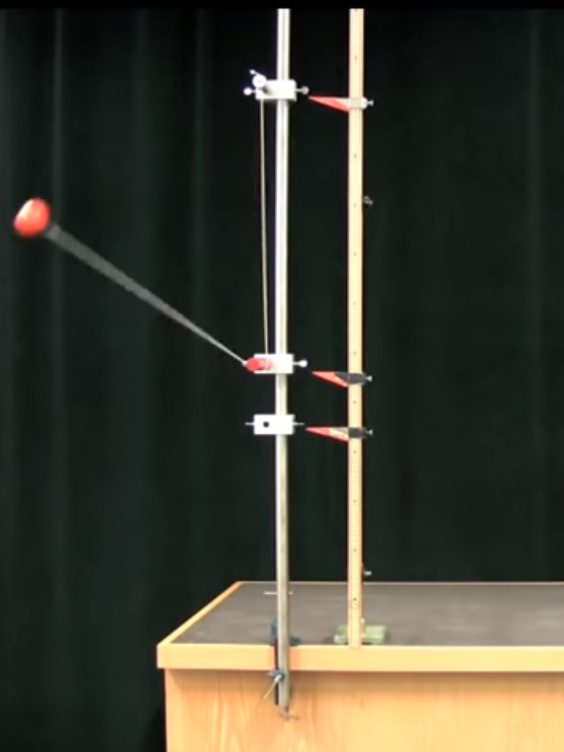
Interrupted Pendulum
Concept: Study of circular motion
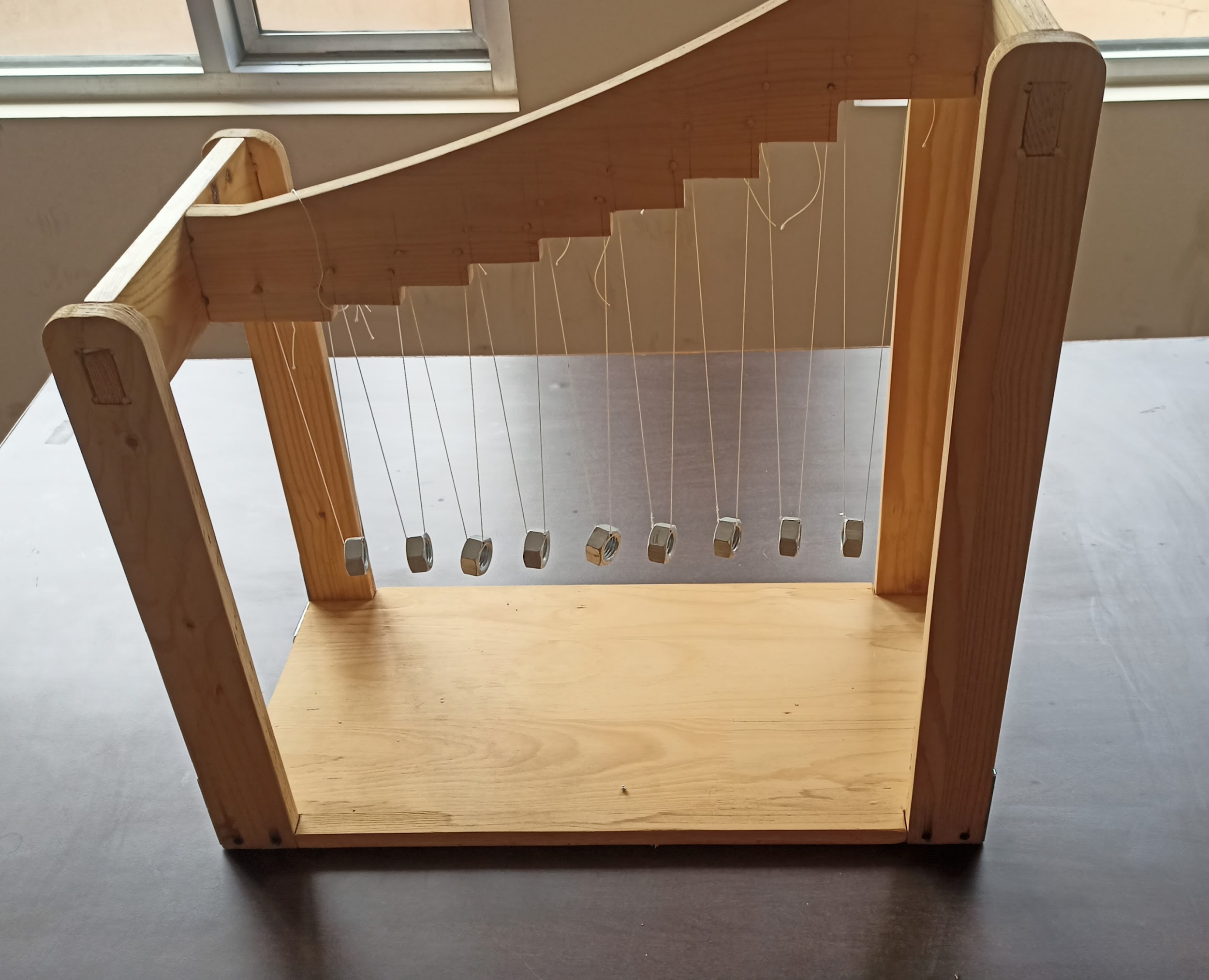
Amazing Pendulum
Concept: Amazing pendulum effect
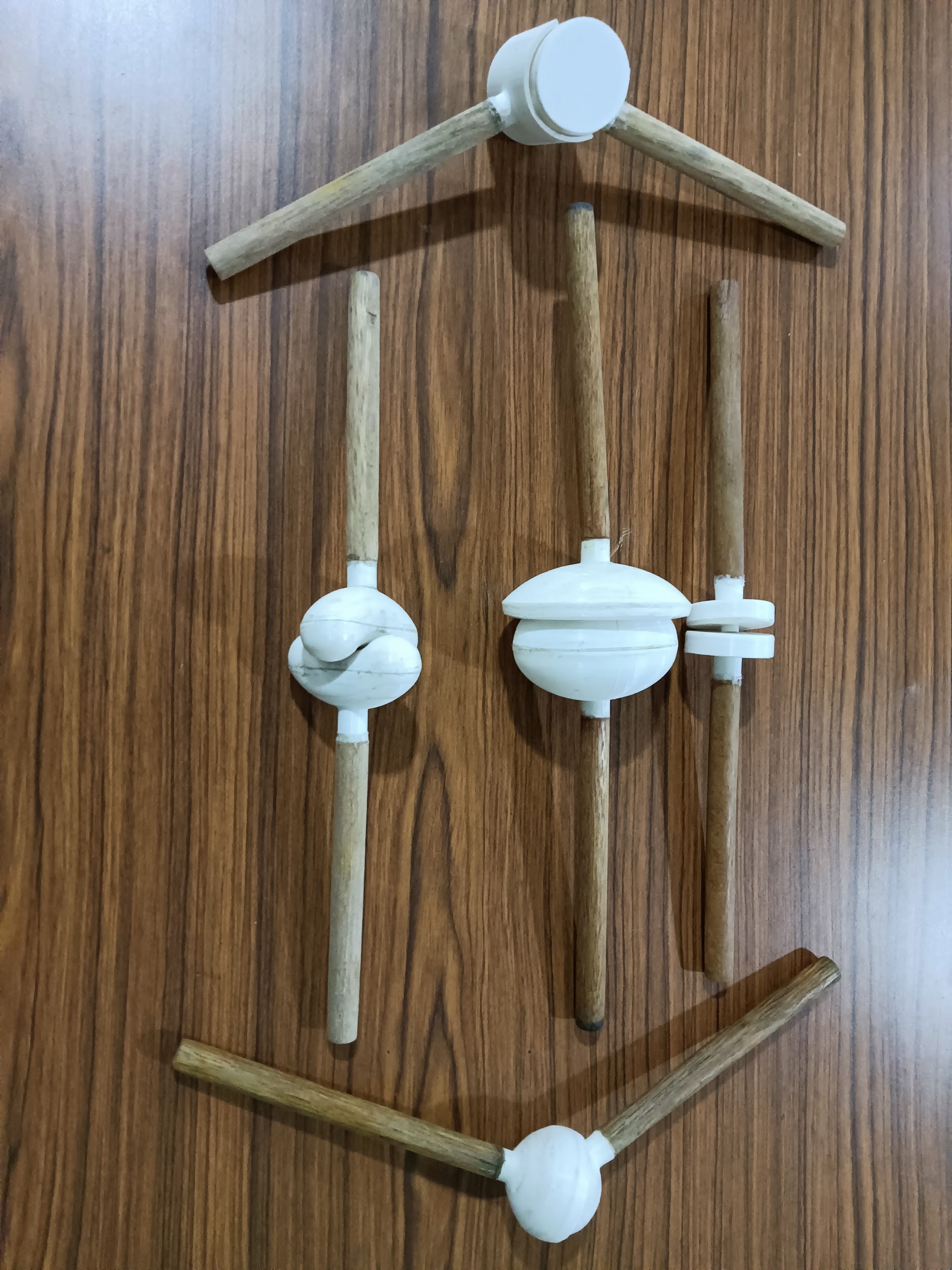
Joints
Concept: Study of levers
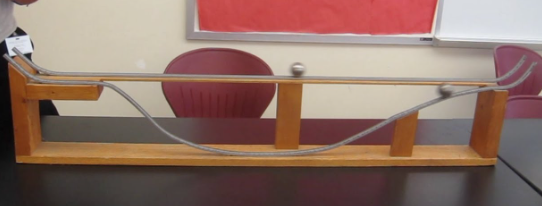
Energy conservation Paradox
Concept: The conservation of energy apparatus has 4 tracks. When the ball is released from the top of the each ramp, it rolls down the ramp. So the potential energy of the ball is converted into the kinetic energy.
COM: Motion of COM
Concept: Study of motion of COM
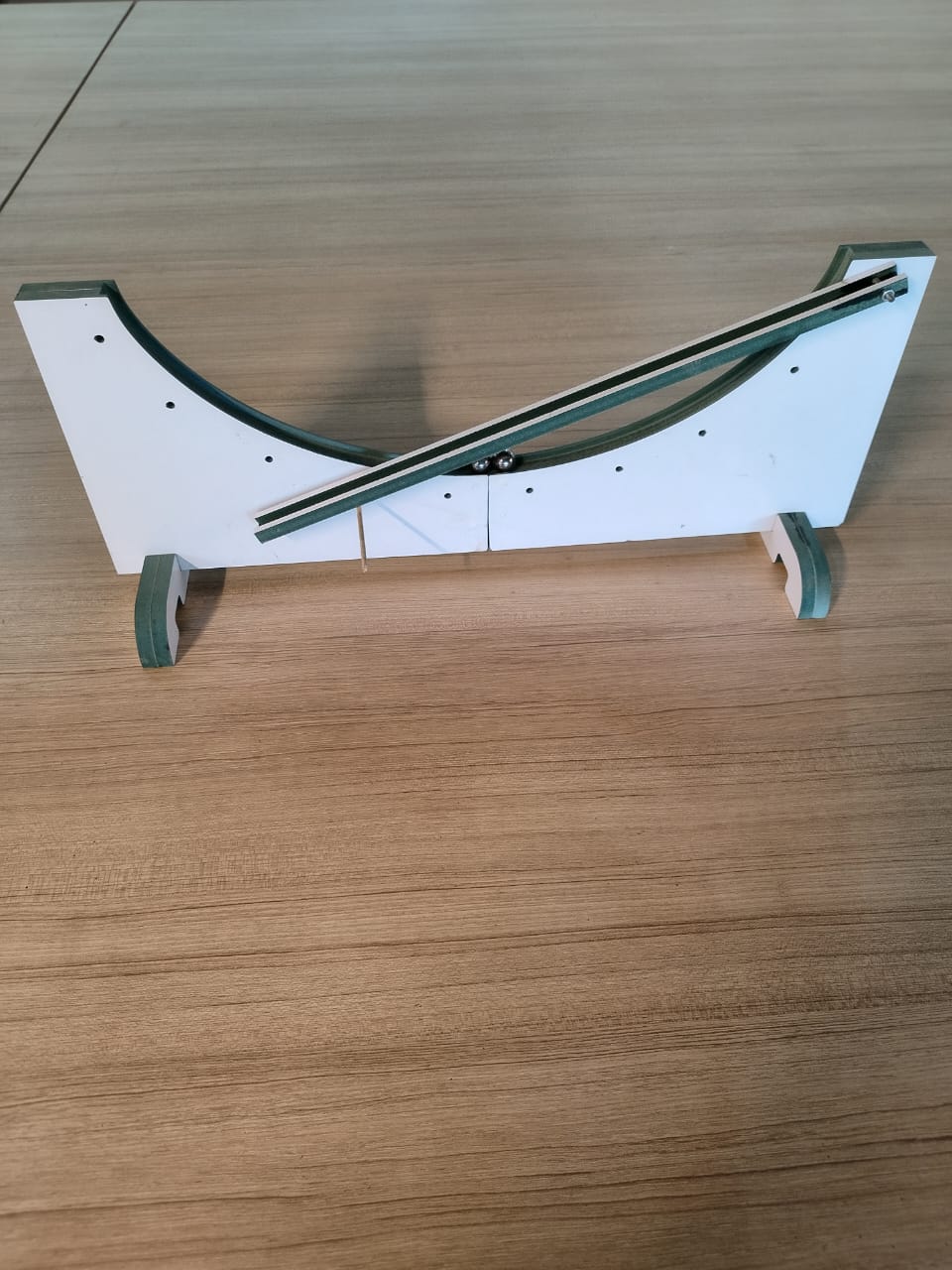
Cycloidal Newton's cradle
Concept: Study of law of energy and momentum conservation
Gravitation
Activites: 2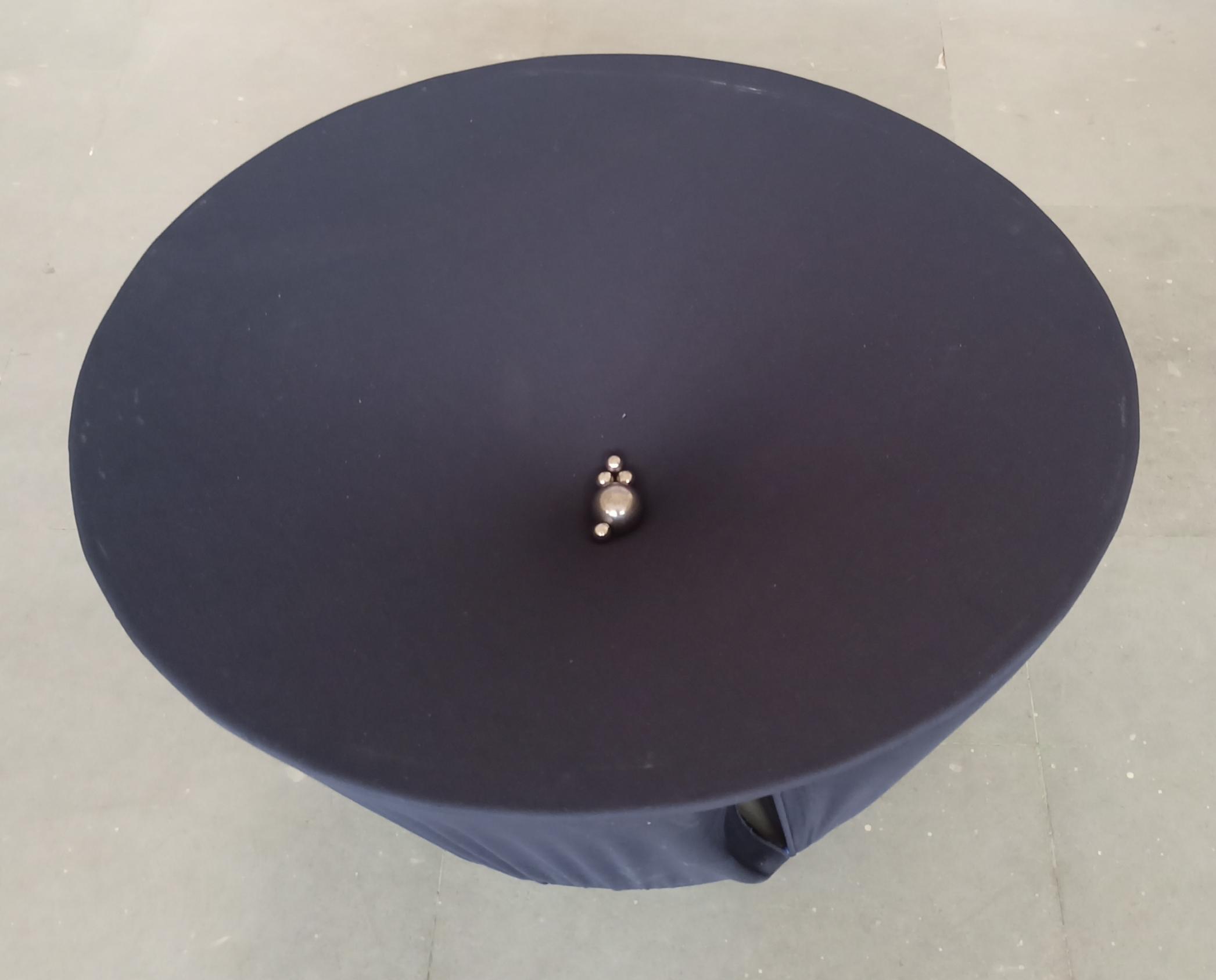
Elliptical orbits analog
Concept: Study of orbit formation in Gravitation
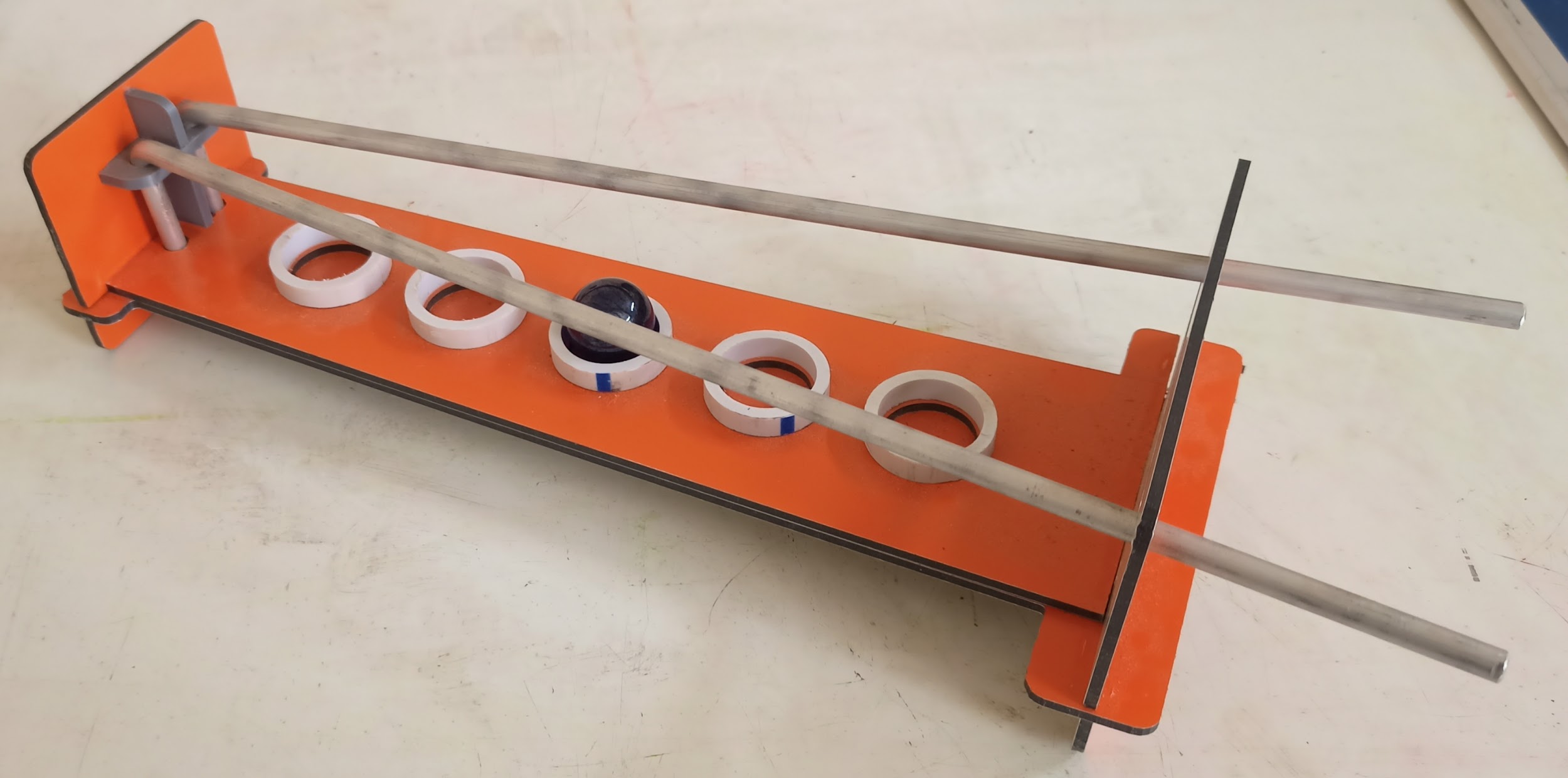
Gravity game
Concept: Understanding Gravity
SHM and Waves
Activites: 80
SHM: Balls
Concept: Qualitative study of SHM using a ball hanging from a stand by a thread.
SHM: Scales
Concept: Qualitative study of SHM using a scale attached to a table by a clamp.
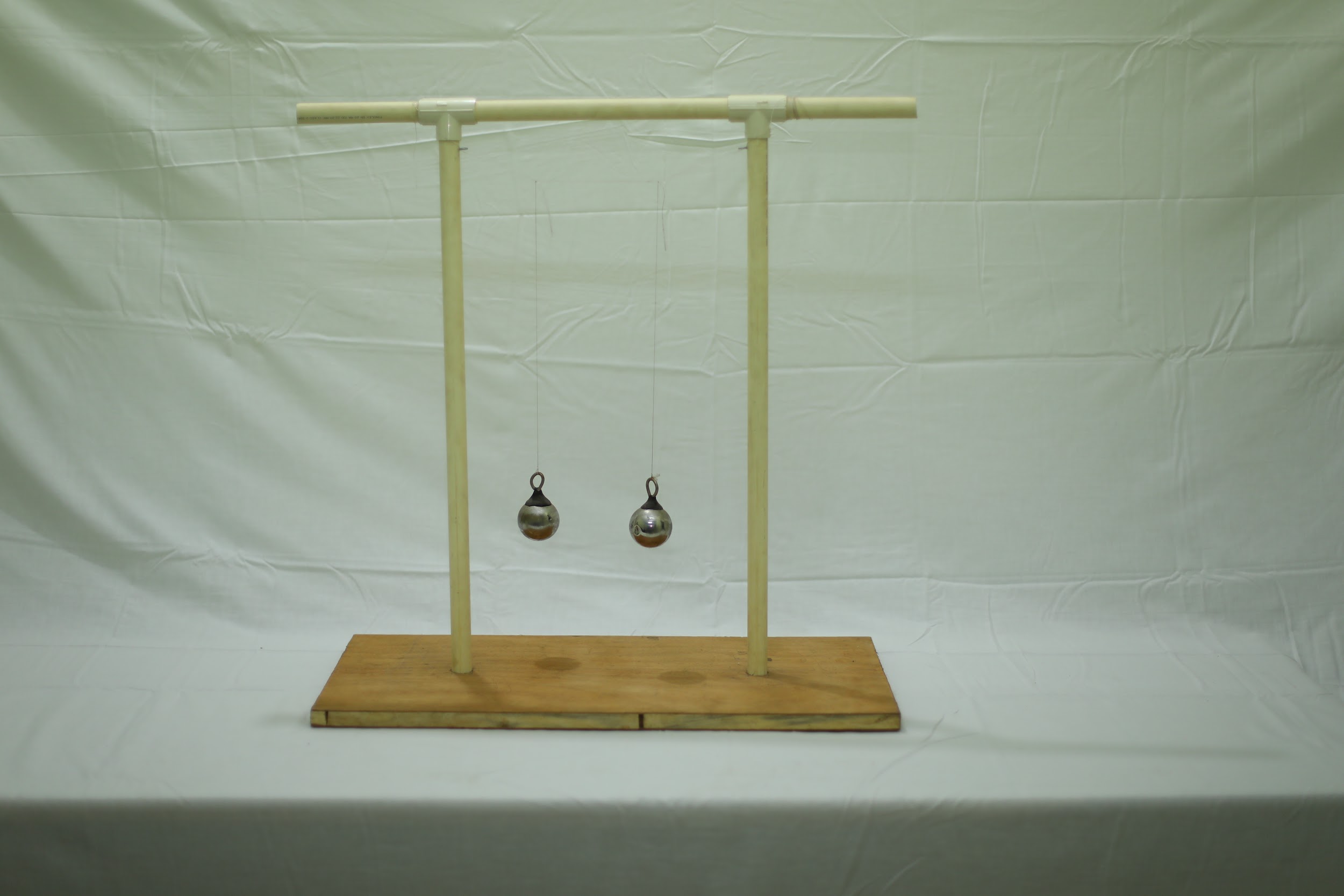
SHM: Double Pendulum(Horizontal)
Concept: Qualitative study of energy transfer between the pendulums using the horizontal double pendulum setup.
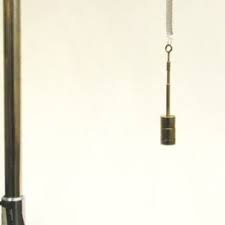
SHM: Springs
Concept: Qualitative study of SHM using a weight attached spring hanging from a stand.
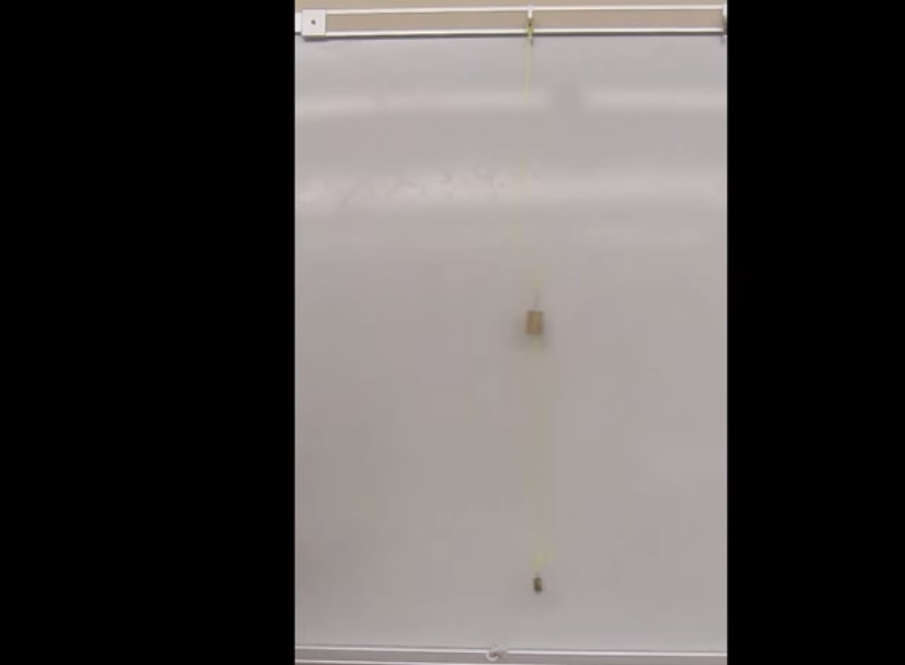
SHM: Vertical double pendulum
Concept: Qualitative study of energy transfer between the pendulums using the vertical double pendulum setup.
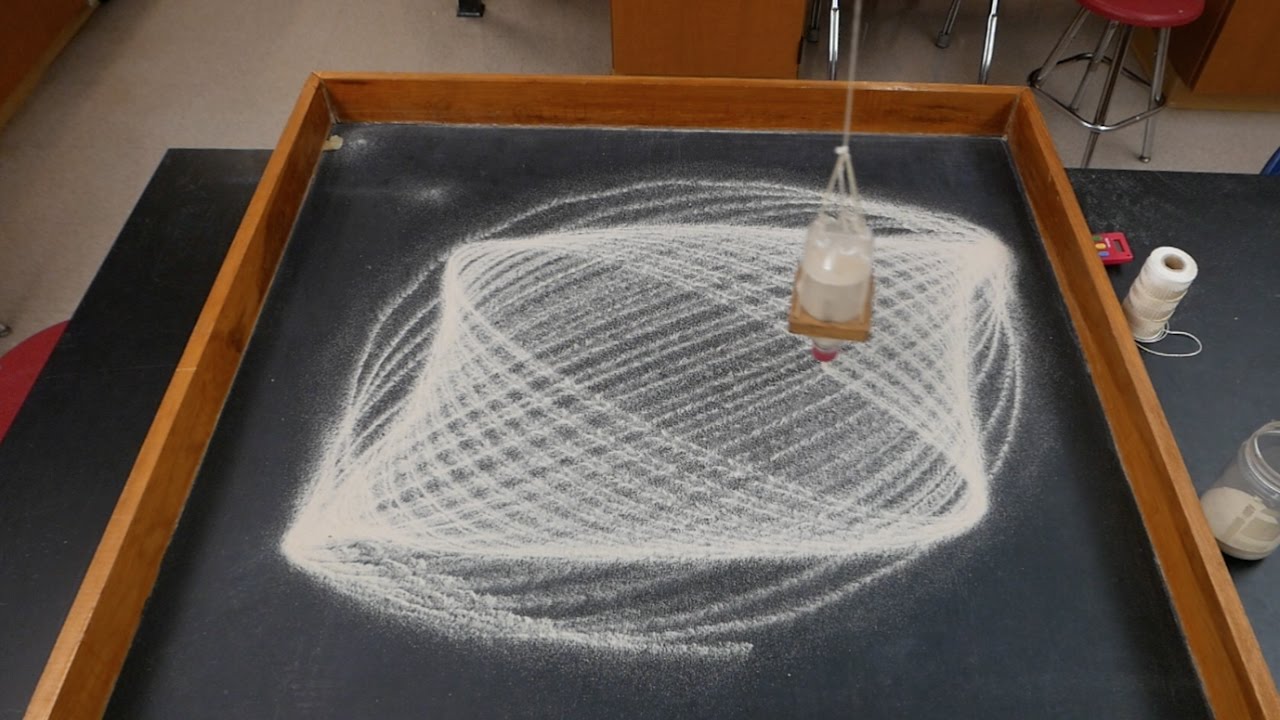
SHM: Sand Oscillator
Concept: Qualitative study of SHM using the sand oscillator apparatus.
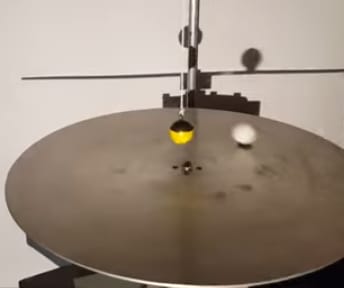
SHM: Projection of a rotating wheel.
Concept: Projections of two oscillators (one cyclic, one longitudinal) show how both can be explained when observed in 1-D motion.
SHM: Wrapping pendulum
Concept: Qualitative study of SHM using a simple pendulum wrapped over the stand.

Measurement of Time period of simple pendulum
Concept: Measuring the time period of a simple pendulum wrapped over the stand.
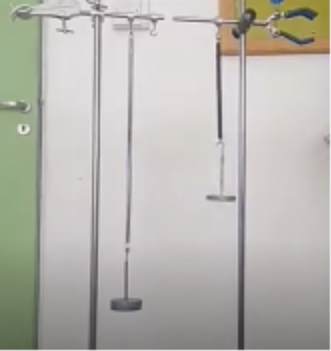
Oscillation: Factors affecting oscillation
Concept: Qualitative study of factors affecting SHM using springs of different lengths and weight set.
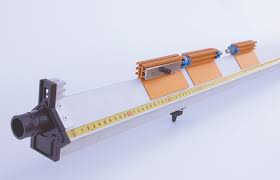
Oscillation: Conservation of momentum
Concept: Qualitative study of the principle of conservation of momentum in SHM using a mechanical bench setup
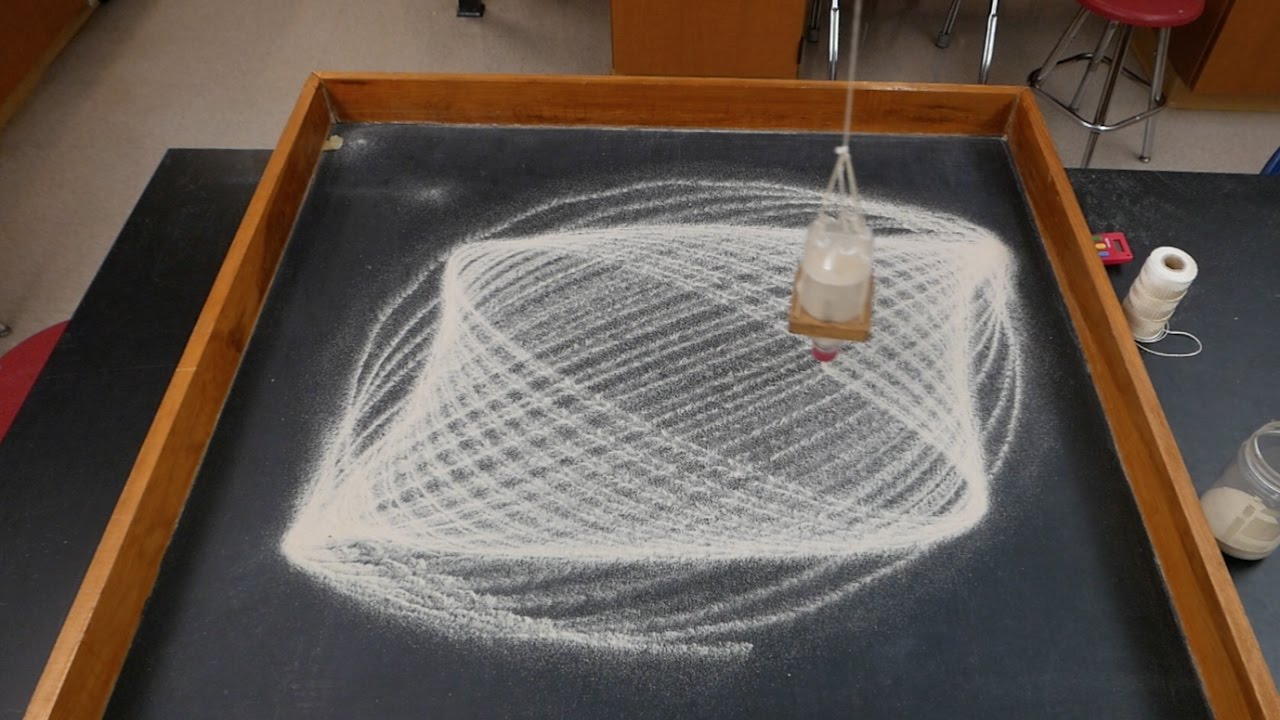
Lissajous patterns
Concept: Demonstration of Lissajous patterns using a sand pendulum.
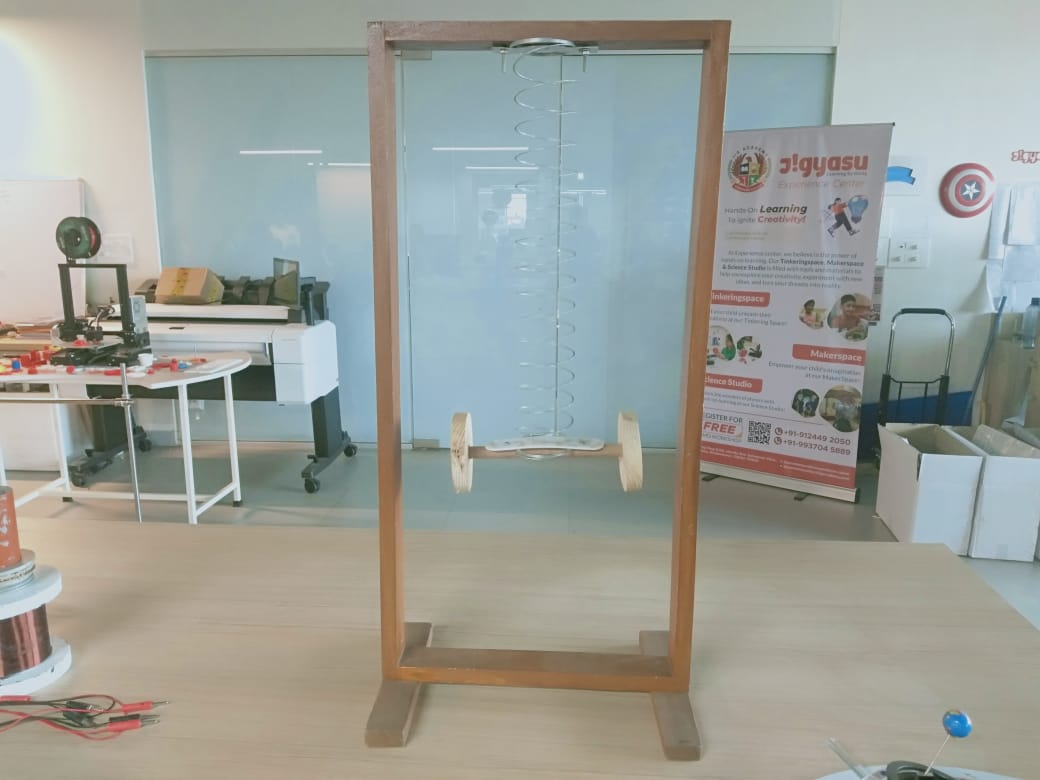
Resonance: Coupled systems
Concept: Demonstration of shifting of energy between the translational and torsional mode of oscillation in a coupledmechanical oscillator like wilberforce pendulum.
Resonance: Pendulum 1
Concept: Demonstration of the concept of resonance using 4 simple pendulums hanging from a rod.
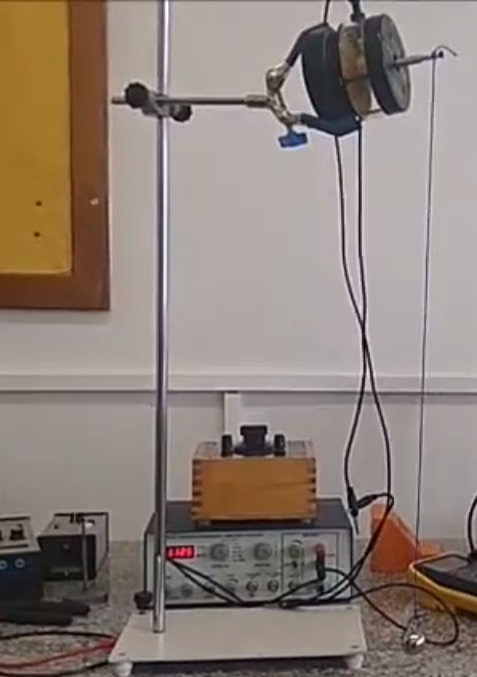
Resonance: Pendulum 2
Concept: Demonstration of the concept of resonance using a simple pendulum hanging from an electronic oscillator.
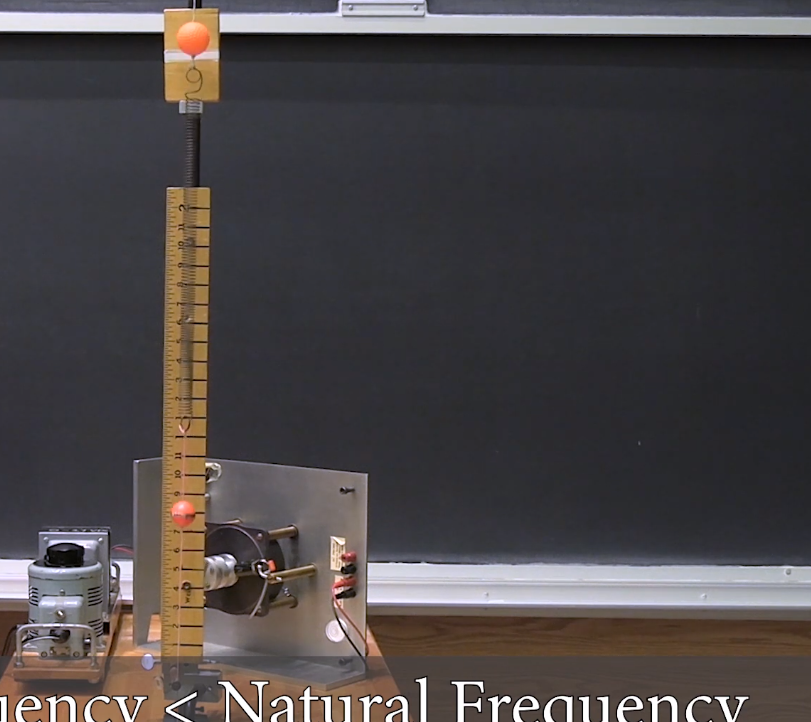
Resonance: Spring
Concept: Demonstration of the concept of resonance using a spring oscillator hanging from an electronic oscillator.
Resonance: Coupled Air Carts
Concept: Demonstration of the concept of resonance using a mechanical bench setup.
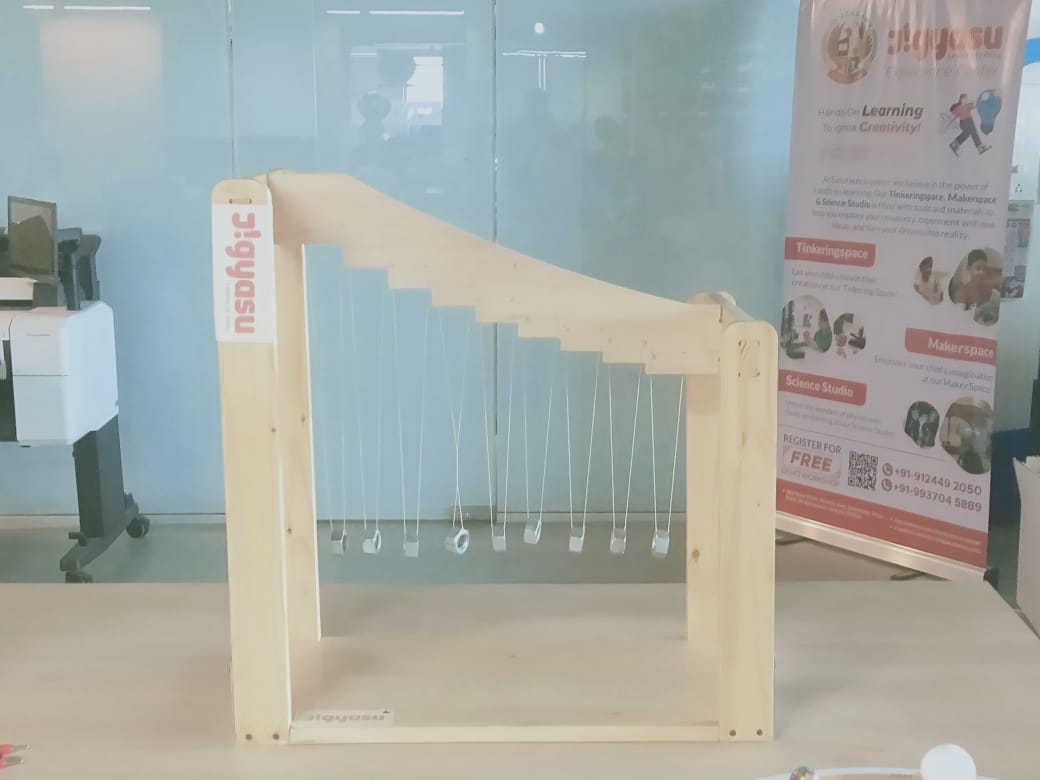
Pendulum magic
Concept: Demonstartion of different patterns that are created when all of the pendulums with different lengths in the amazing pendulum setup are started at once. The pattern resets after about 1 minute.
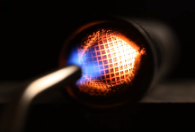
Music from a pipe
Concept: Demonstration of the concept of resonance by heating the mesh screen in the bottom of the pipe which creates a flow of air that causes the pipe to resonate, thereby creating a tone. When the pipe is tilted sideways, the flow of air is disrupted, which eliminates to the tone.
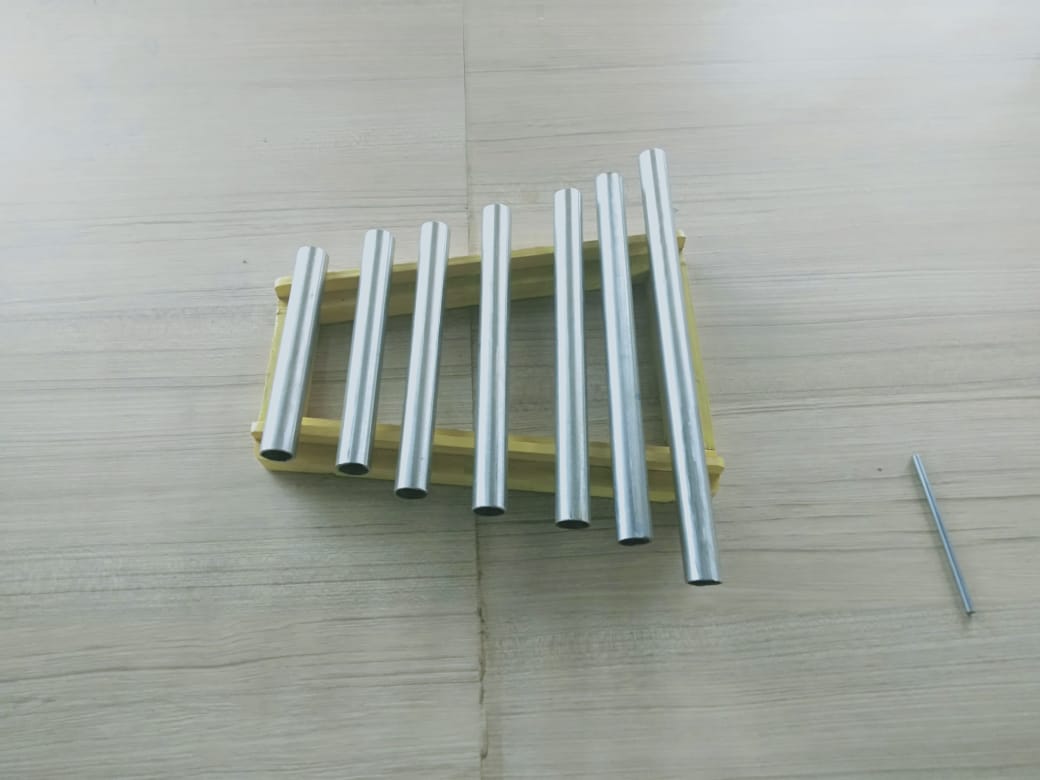
Music from a rod
Concept: Demonstration of creation of sound in metal xylophone.

Waves in a rope
Concept: Demonstration of speed of the wave in a moving medium.
Sound through a tube
Concept: Demonstration of the propagation of the sound wave through a tube with a very little loss of energy.
Sound in vacuum
Concept: Demonstration of the propagation of the logitudinal waves(sound) that depends on the dnesity of the medium using a vacuum chamber, a mechanical bell and a vacuum pump.
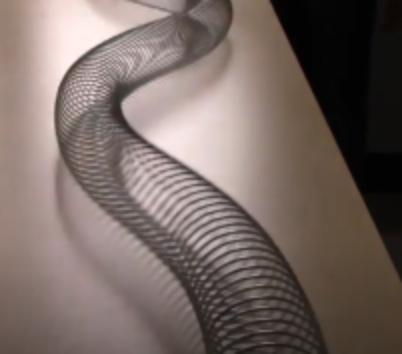
Transverse and Longitudinal Waves demonstration
Concept: Demonstration of propagation of transverse and logitudinal wave using a slinky.
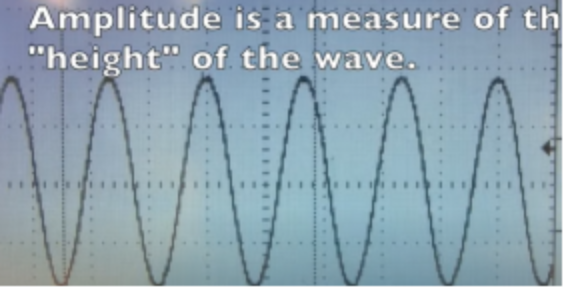
Frequency & Amplitude of a wave
Concept: Qualitative study of the frequency and amplitude of a wave using a signal generator and Oscilloscope(Mobile app oscope or SmartScope).
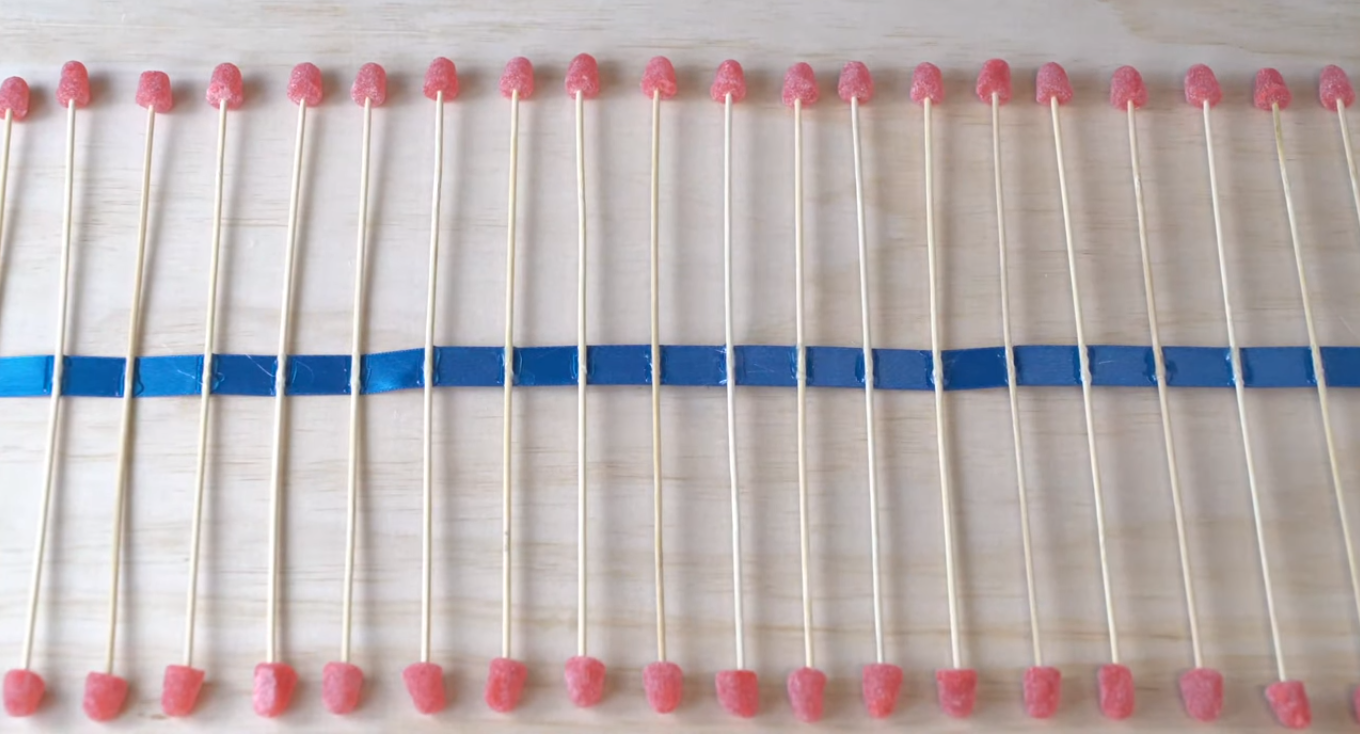
Wave reflections 1
Concept: Qualitative study of reflection of waves using a wave machine and a slinky.
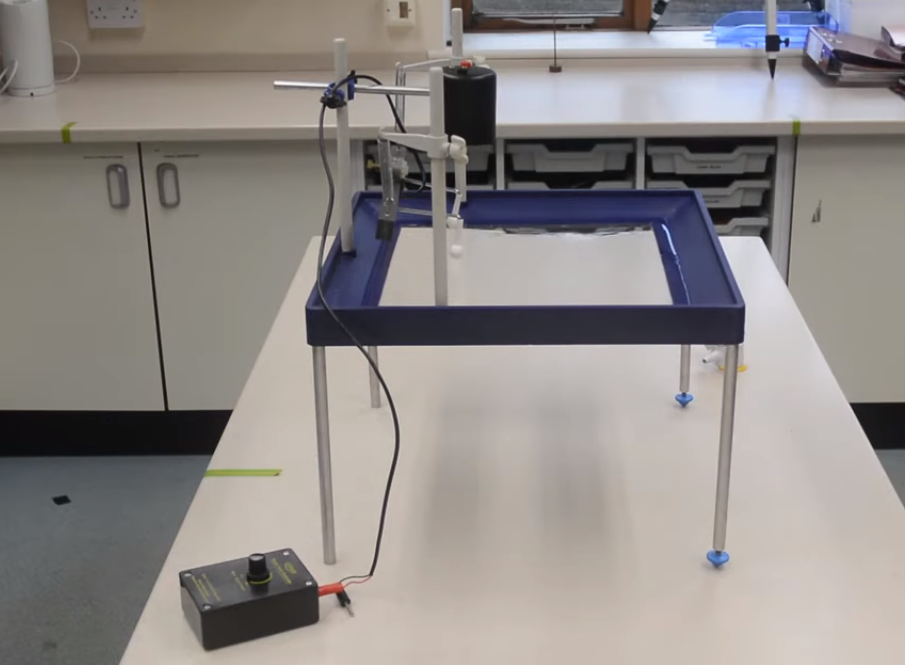
Ripple tank experiment
Concept: Demonstration of water waves using a ripple tank experiment apparatus.

Destructive Interference Demonstration
Concept: Demonstration of the phenomenon of destructive interference of waves using a slinky and a spring.

Constructive Interference Demonstration
Concept: Demonstration of the phenomenon of constructive interference of waves using a slinky and a spring.
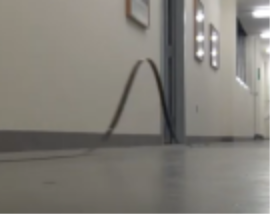
Moving pulse
Concept: Demonstration of the propagation of a pulse using a steel ribbon and a slinky.

Open end Pulse reflection
Concept: Demonstration of the phenomenon of reflection of a pulse at a open boundery(Open end) using a steel ribbon and a slinky.

Fixed end Pulse reflection
Concept: Demonstration of the phenomenon of reflection of a pulse at a rigid boundery(Closed end) using a steel ribbon and a slinky.
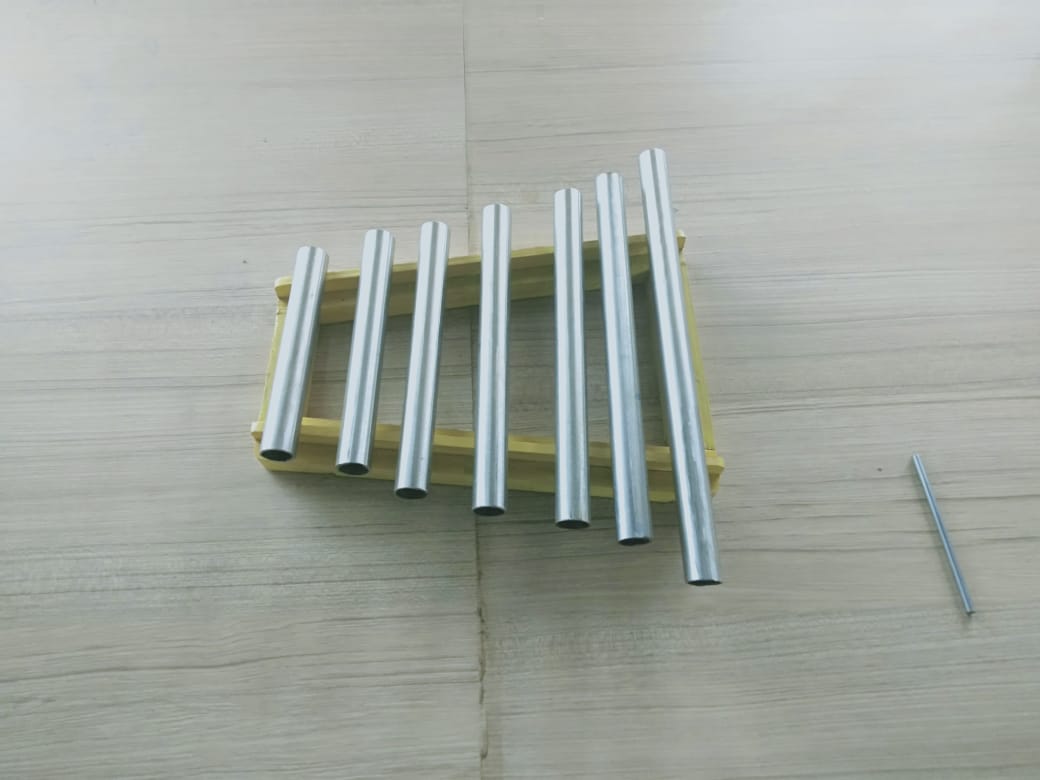
Sounds in musical instruments
Concept: Musical instrument: Xylophone
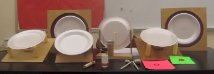
Speakers from household items 1
Concept: Demonstration of sound as a pressure wave using a thermocol mounted speaker with motor and an amplifier.
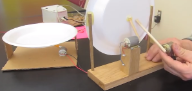
Speakers from household items 2
Concept: Demonstration of sound as a pressure wave using a thermocol mounted speaker without motor and an amplifier.
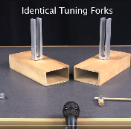
Tuning fork fun: Usages
Concept: Demonstration of production of sound in a vibrating object such as tuning forks.
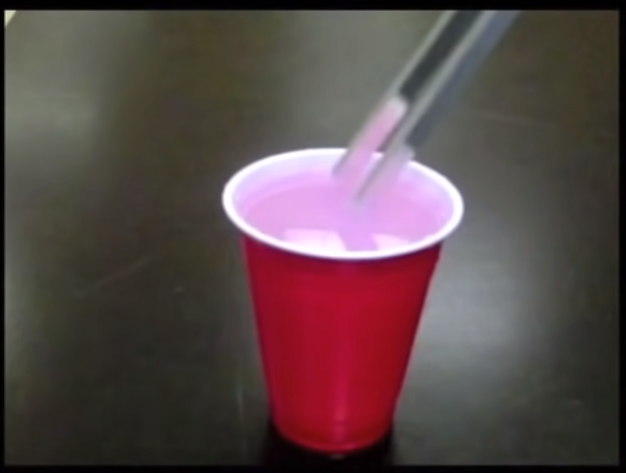
Tuning fork fun: Ripple in water
Concept: Demonstration of production of ripples in water due to a vibrating tuning fork using tuning forks of different frequencies and a ripple tank.
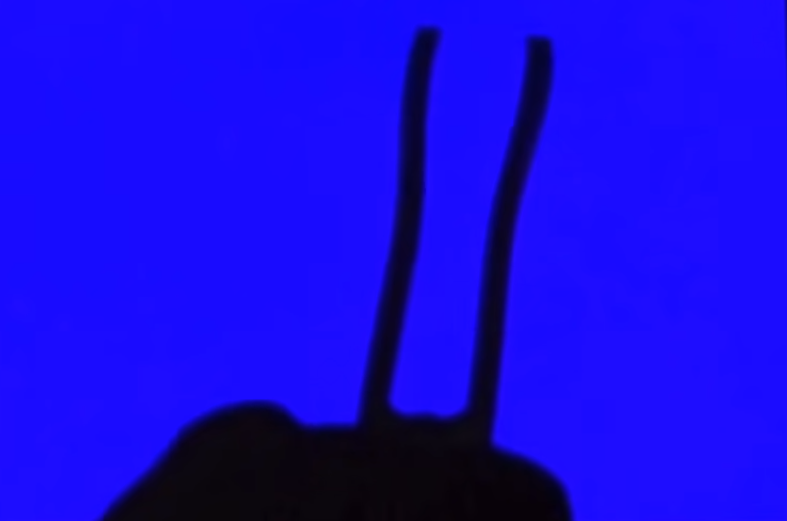
Tuning fork fun: Visualization of vibrating arms
Concept: Visualisation of vibrating arms of a tuning fork using tuning forks of different frequencies and a stroboscope.
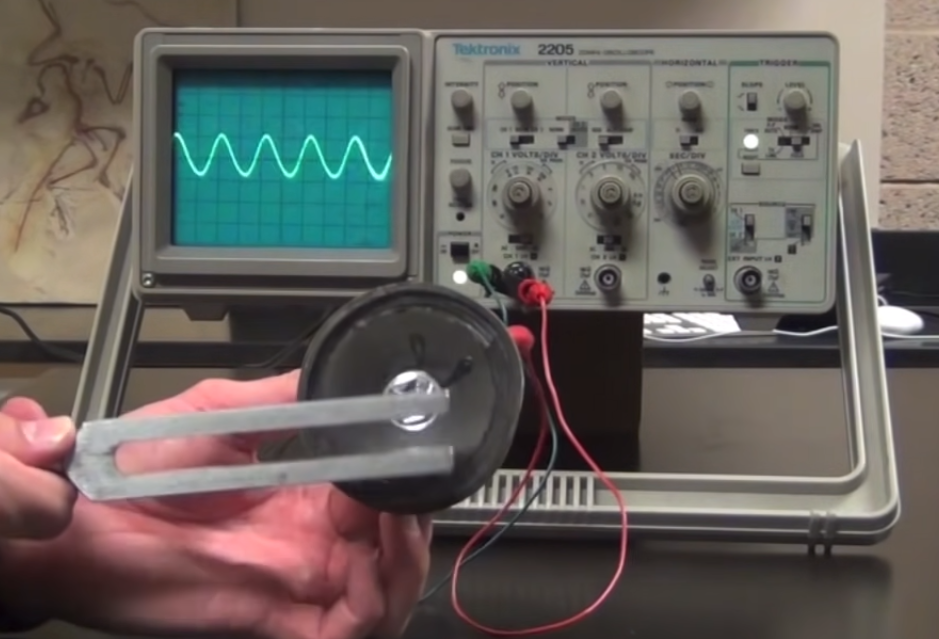
Tuning fork fun: Visualization of the sound wave
Concept: Visualisation of sound waves produced in the tuning fork by using tuning forks of different frequencies and an Oscilloscope(Mobile app oscope or SmartScope).
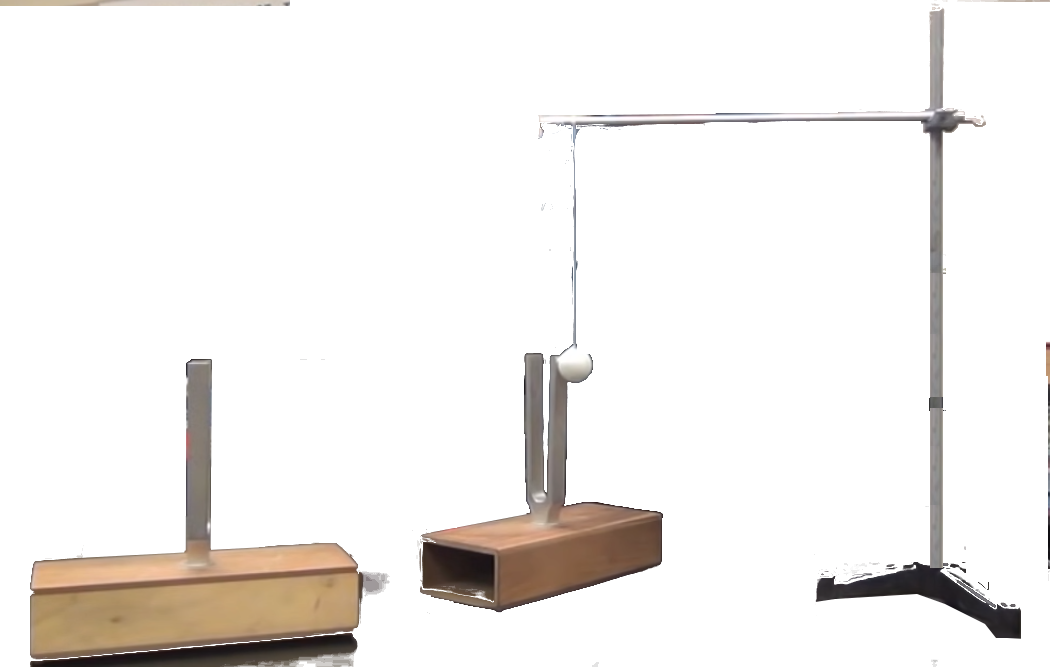
Tuning fork fun: Resonance
Concept: Demonstration of the phenomenon of resonance using two tuning forks of same frequency and a simple pendulum hanging from a stand.
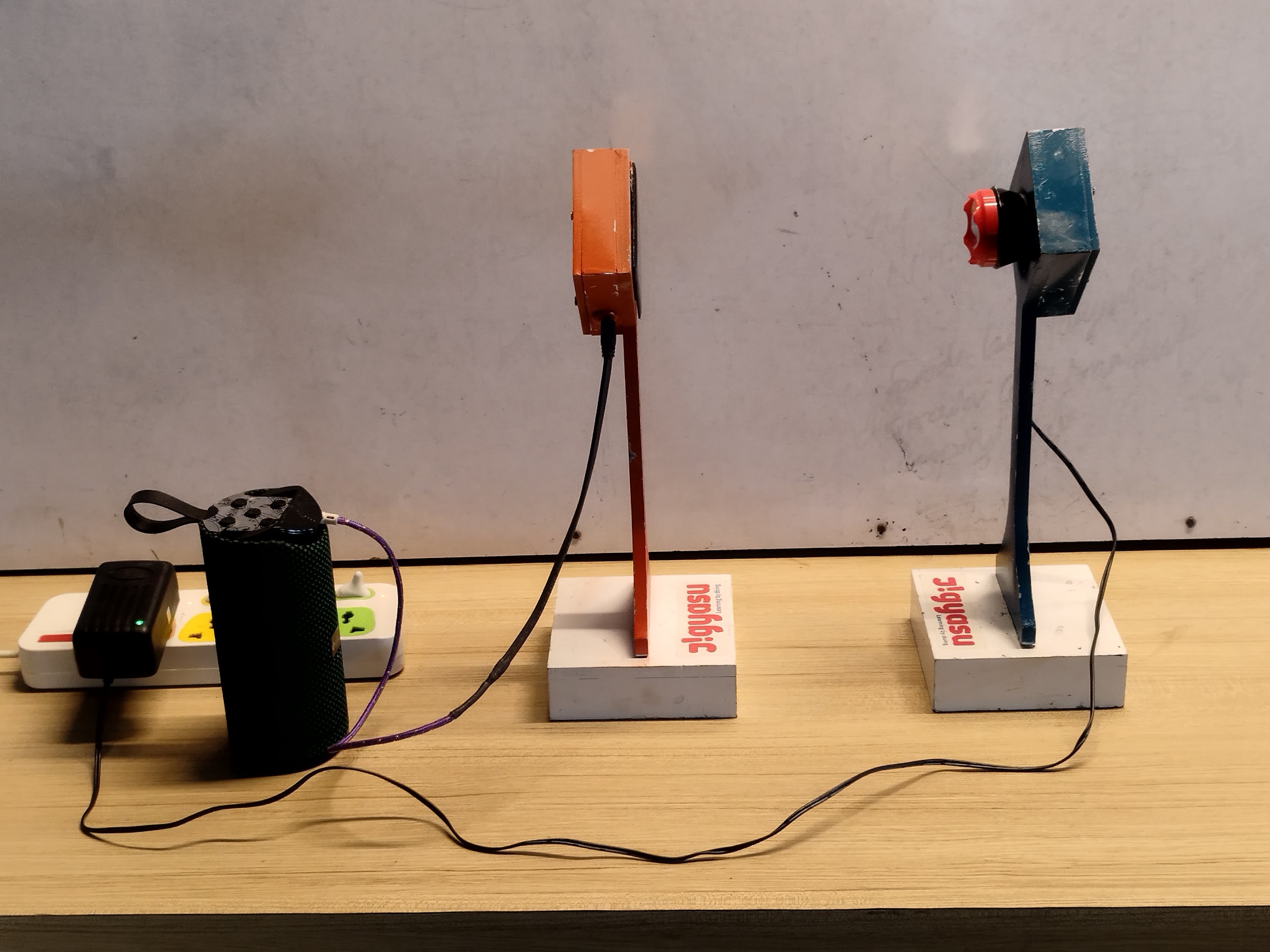
Tuning fork fun: Sound via light
Concept: Visualisation of sound production in a tuning fork and transportation of it via light using tuning forks of different frequencies, an Oscilloscope(Mobile app oscope or SmartScope), photo diode and a laser pointer.
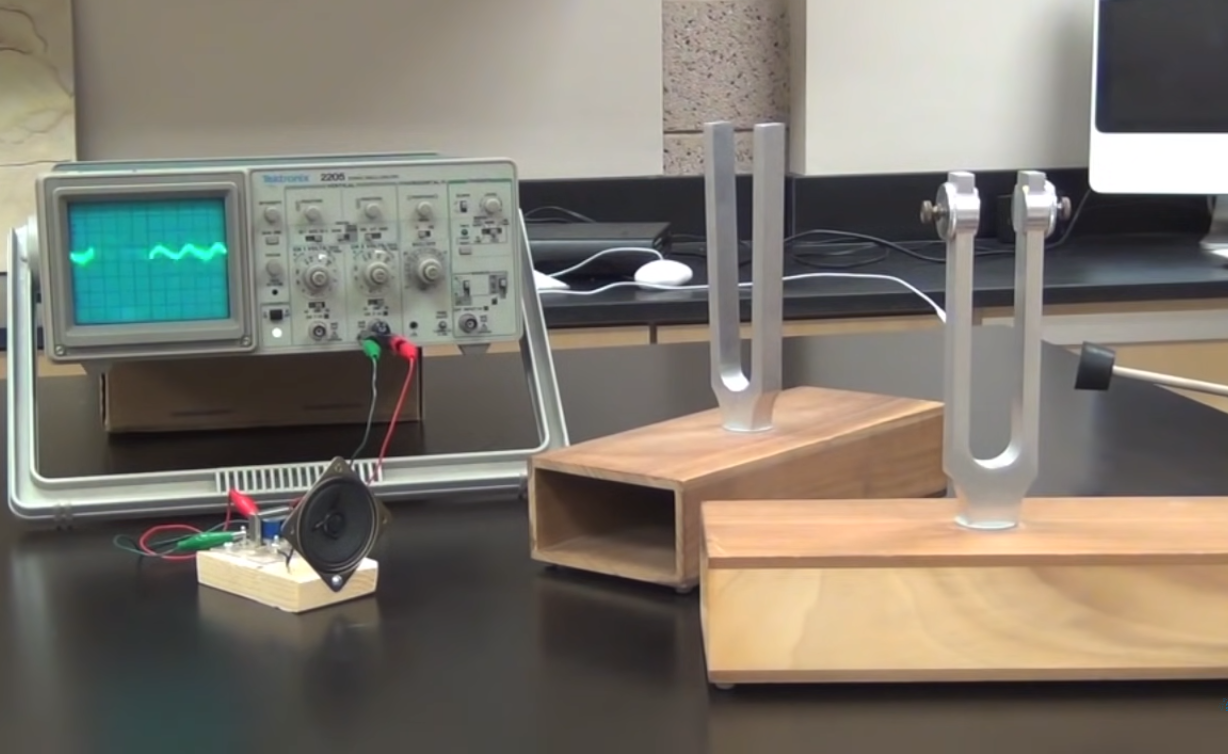
Tuning fork fun: Interference and Beats
Concept: Demonstration of phenomenon of beats using two tuning forks with slightly different frequencies, a speaker and an Oscilloscope(Mobile app oscope or SmartScope).
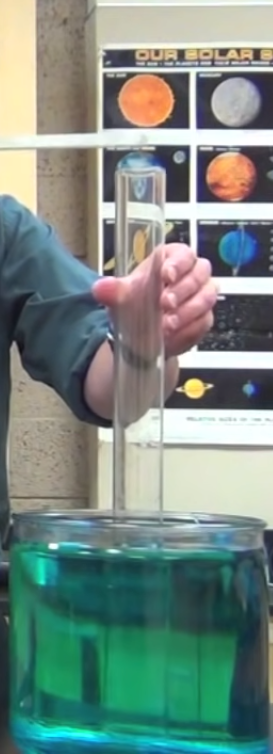
Tuning fork fun: Resonance column
Concept: Demonstration of principle of resonance using a tuning fork and pipe and calculation of the speed of sound.
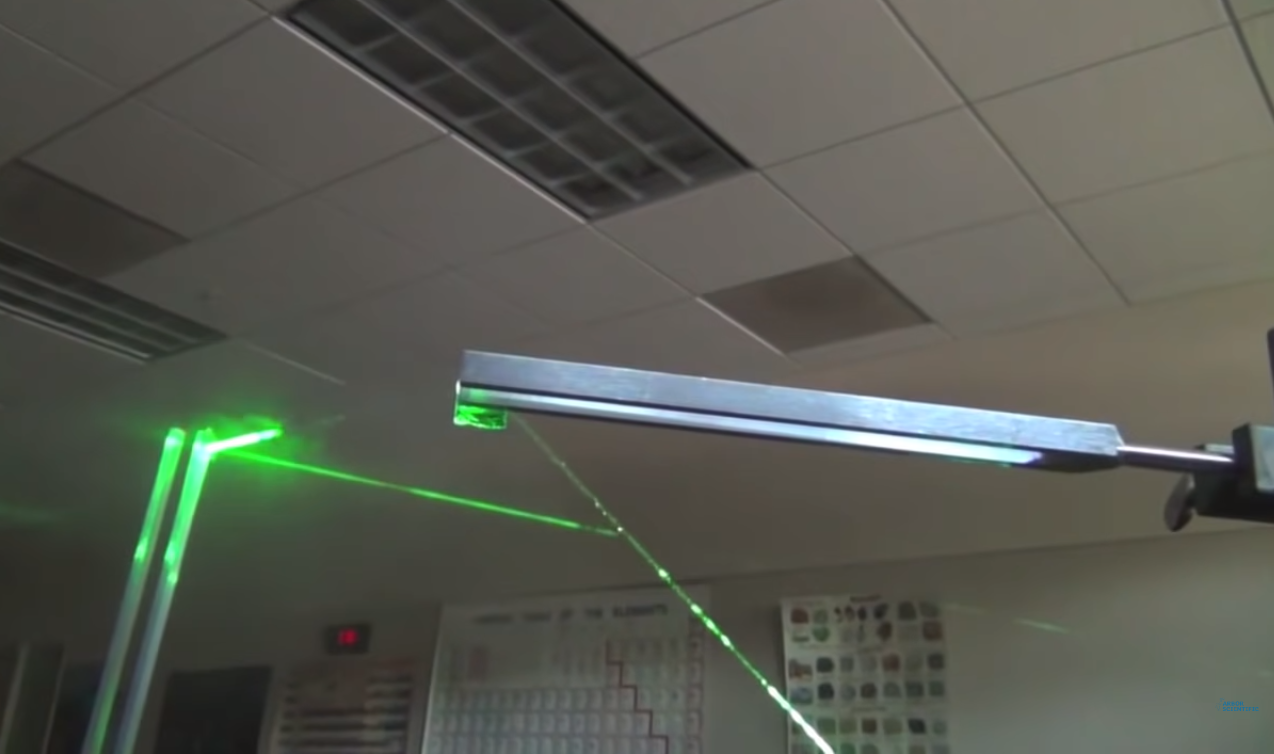
Tuning fork fun: Lissajous Figures
Concept: Qualitative study of Lissajous figures using a tuning fork and lase pointer.
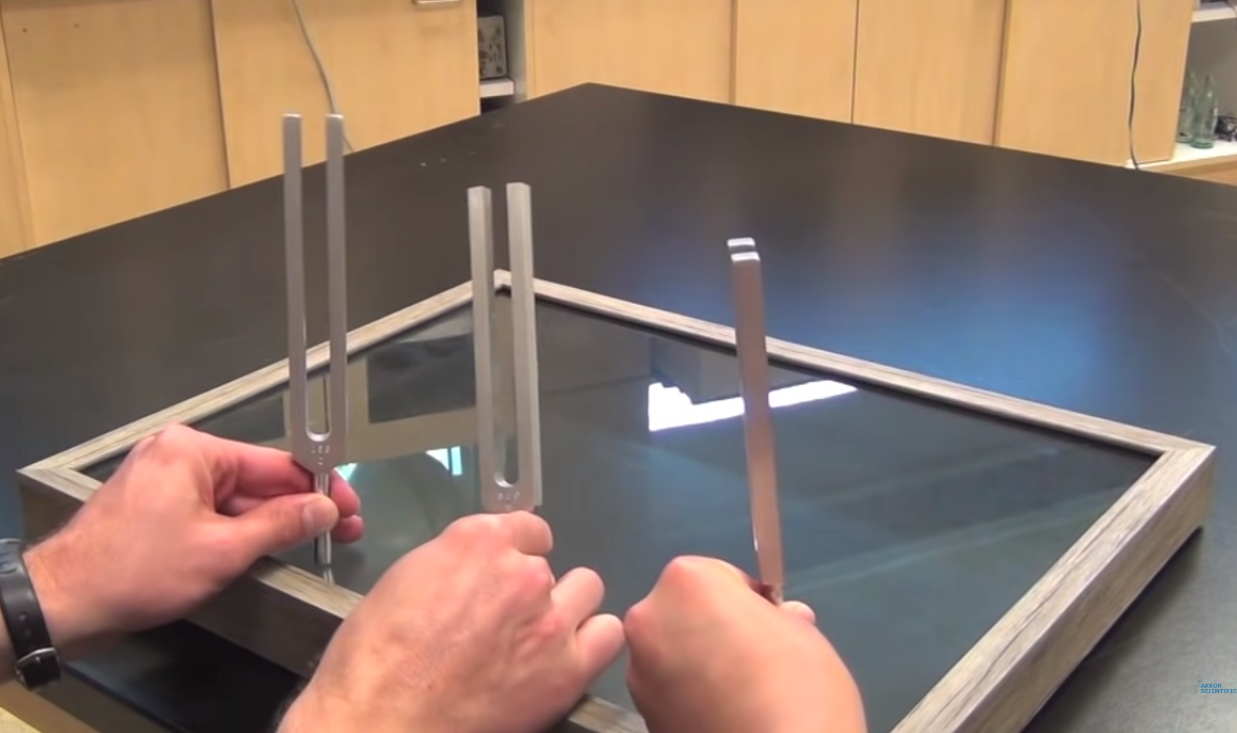
Tuning fork fun: Vibrating chord
Concept: Misc. Tuning fork Experiments
Tuning fork fun: Tuning a tuning fork
Concept: Misc. Tuning fork Experiments
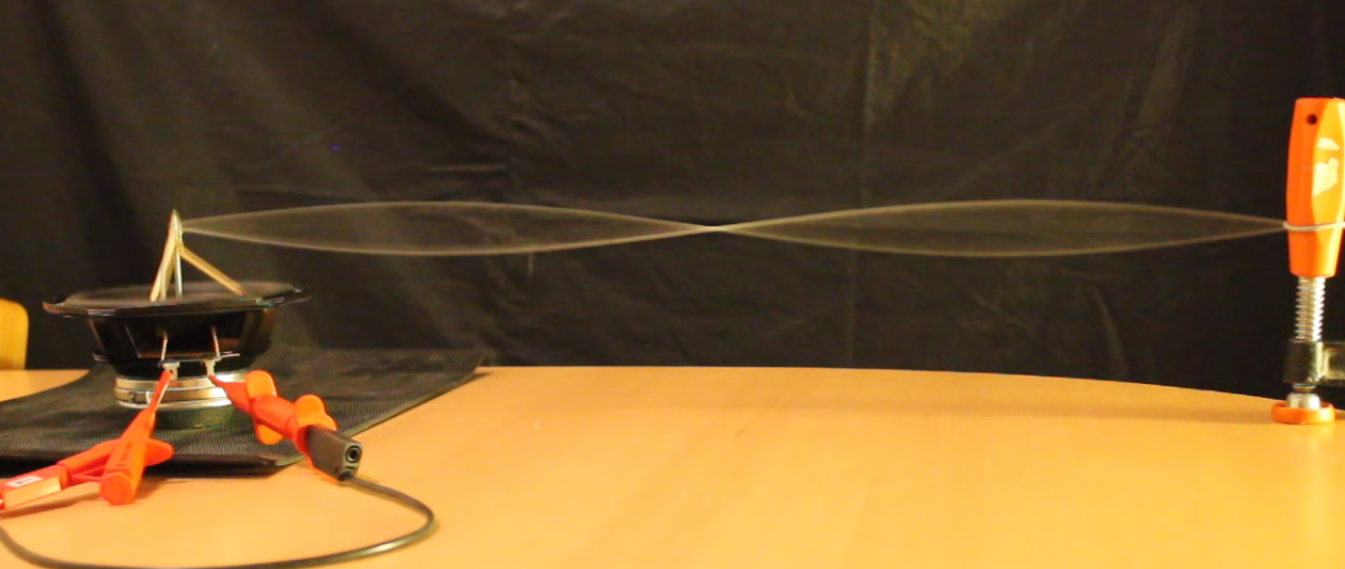
Stationary Wave: Tension in a wire
Concept: Qualitative study of stationary waves in a string using an electronic oscillator and a string.
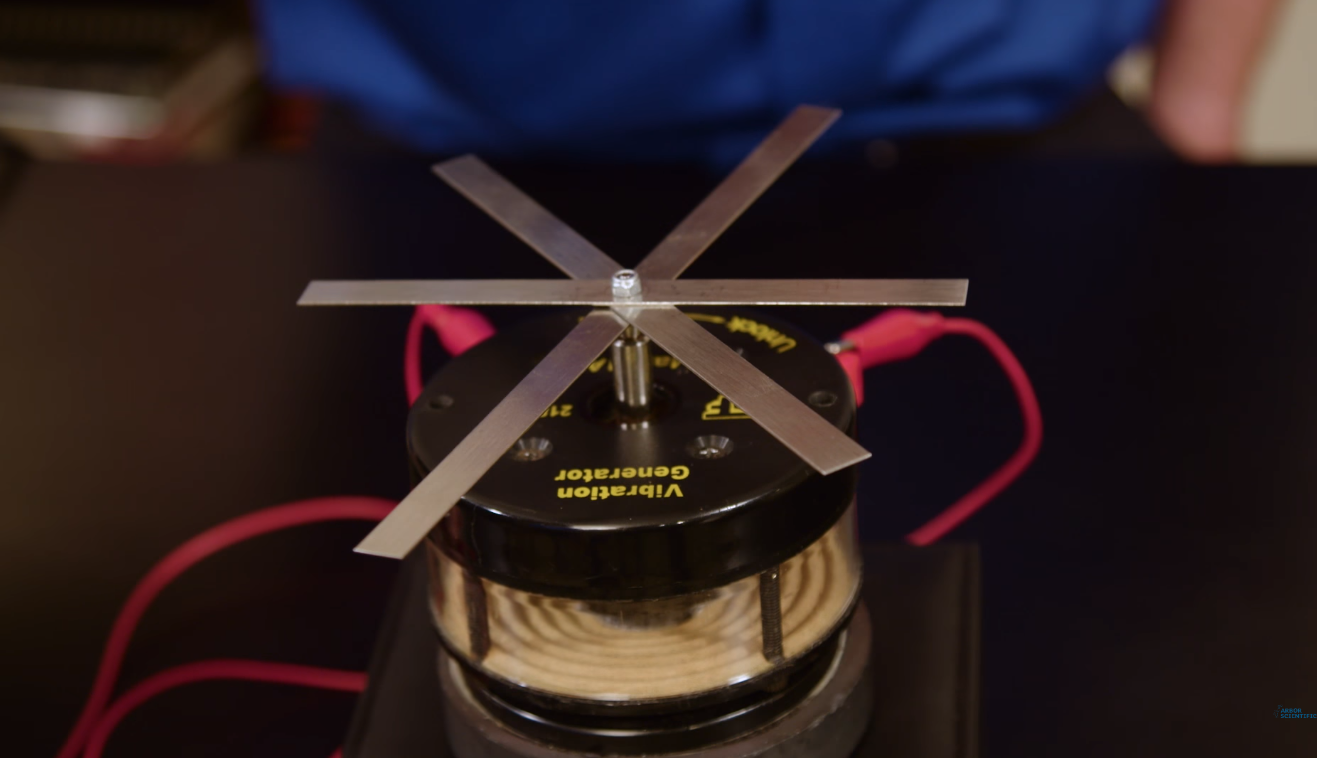
Stationary Wave: Metal strip magic
Concept: Qualitative study of stationary waves in metal resonance strips using an electronic oscillator and metal resonance strips.
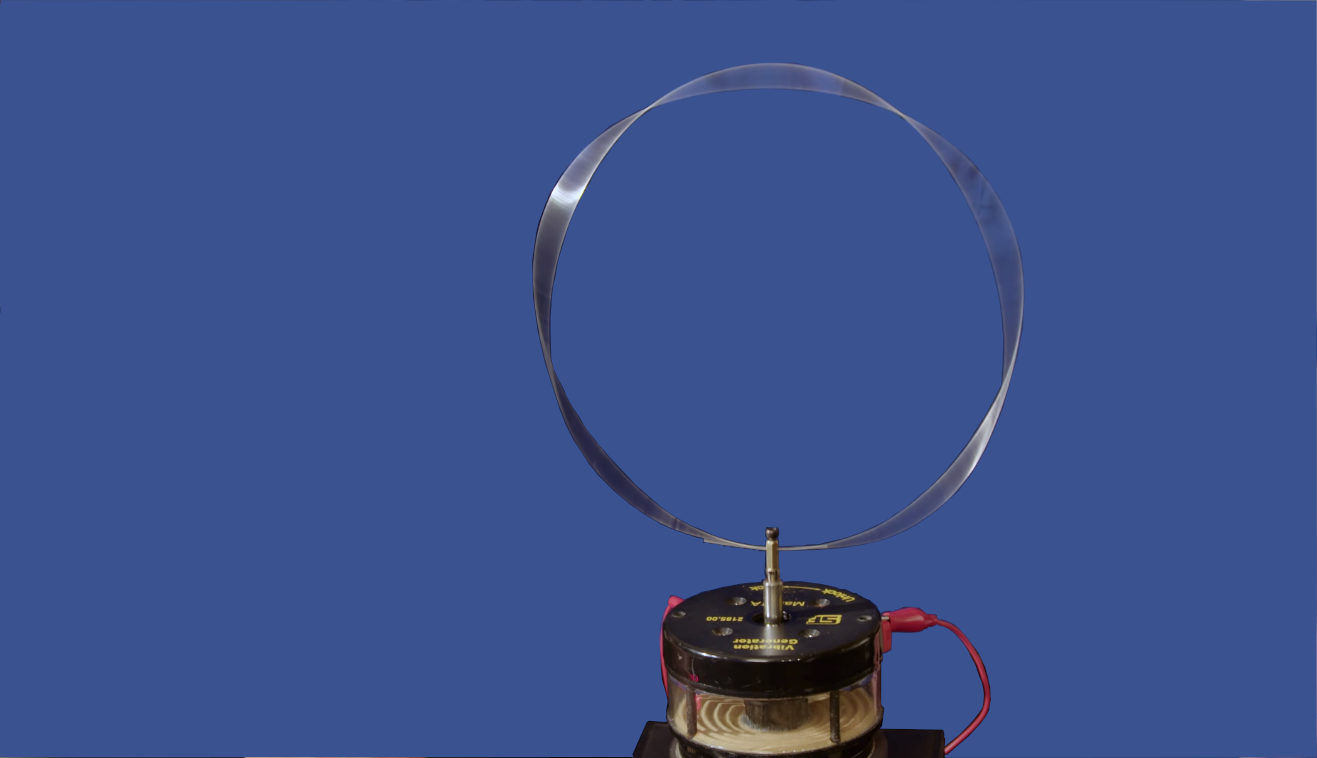
Stationary Wave: Metal wire magic
Concept: Qualitative study of stationary waves in resonance wire loop using an electronic oscillator and resonance wire looping.
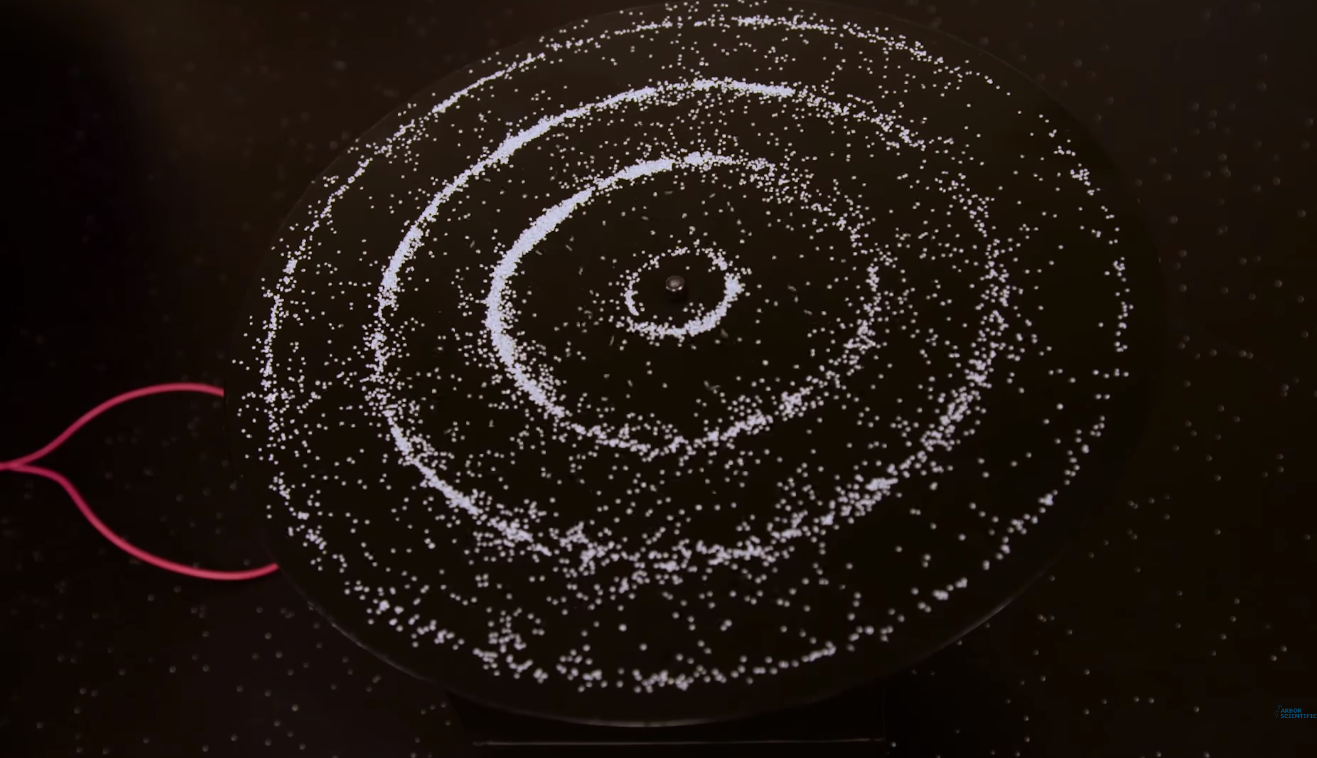
Stationary Wave: Plates
Concept: Qualitative study of stationary waves in plates using an electronic oscillator and chladini plates.
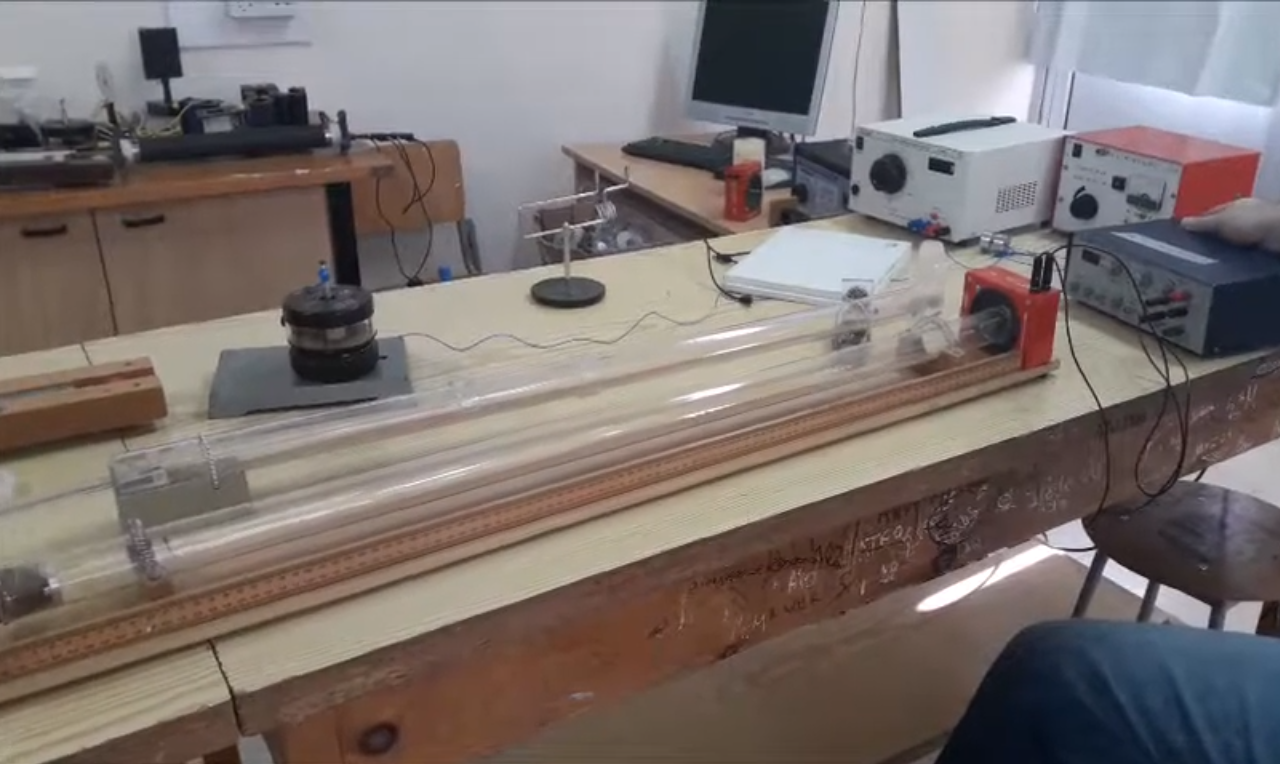
Stationary sound waves: Kundt's Tube
Concept: Qualitative study of stationary sound waves using Kundt's tube setup.
Stationary sound waves: Resonance column
Concept: Qualitative study of production of staitionary waves in sound in different organ pipes using tubes of different lengths, bottles and Tuning forks.
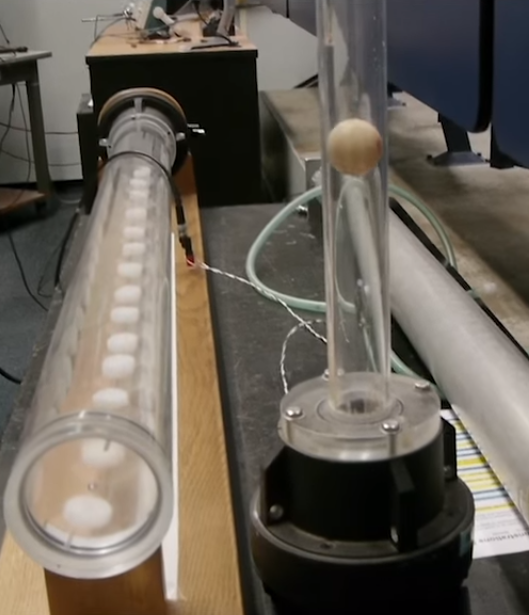
Miscellaneous sound experiments
Concept: Some miscellaneous experiments showing sound as a pressure wave.

Sounding rods
Concept: Production of sound from a rod
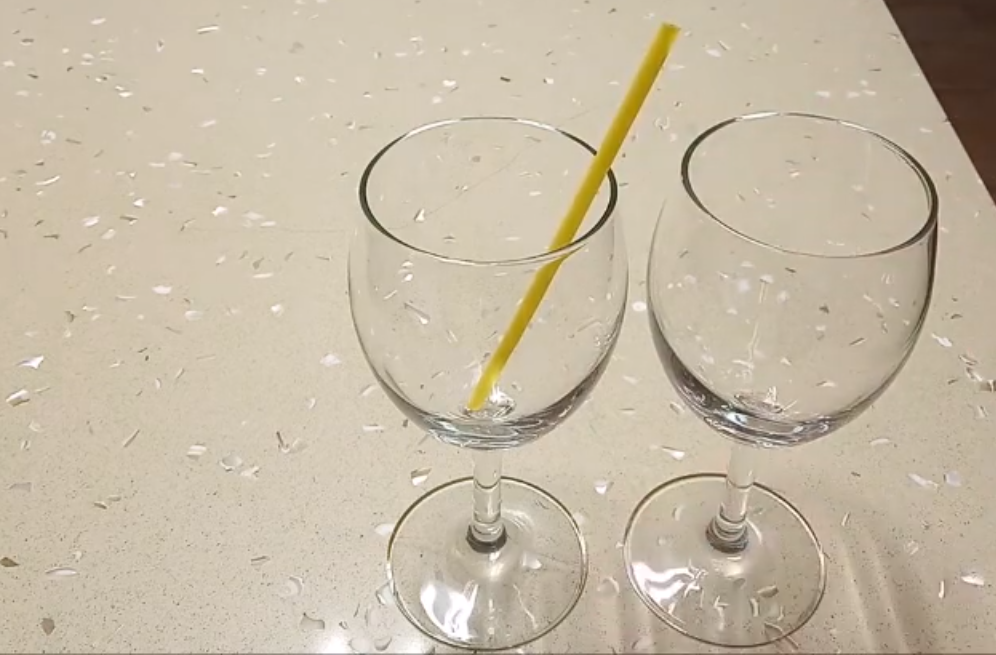
Resonance: Glass and water
Concept: Demonstration of the phenomenon of resonance using several wine glasses.
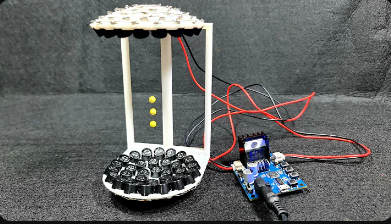
Standing waves magic
Concept: Demonstration of the phenomenon of ultrasonic levitation using Acoustic Levitator Setup.
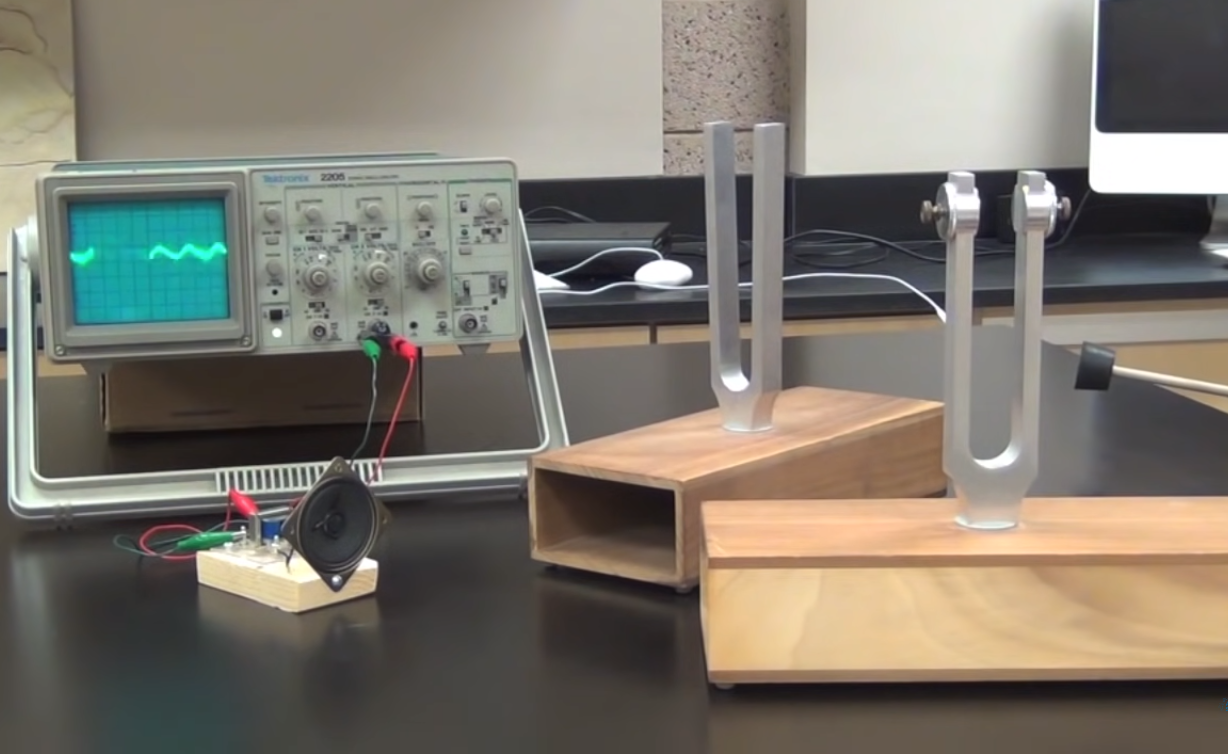
Beat Phenomena: Tuning Forks
Concept: Study of beat phenomena using tuning forks

Beat phenomena: Visualizing Beat Frequencies
Concept: Visualization of the phenomenon of beat using electronic oscillators, signal generators and Oscilloscope(Mobile app oscope or SmartScope).
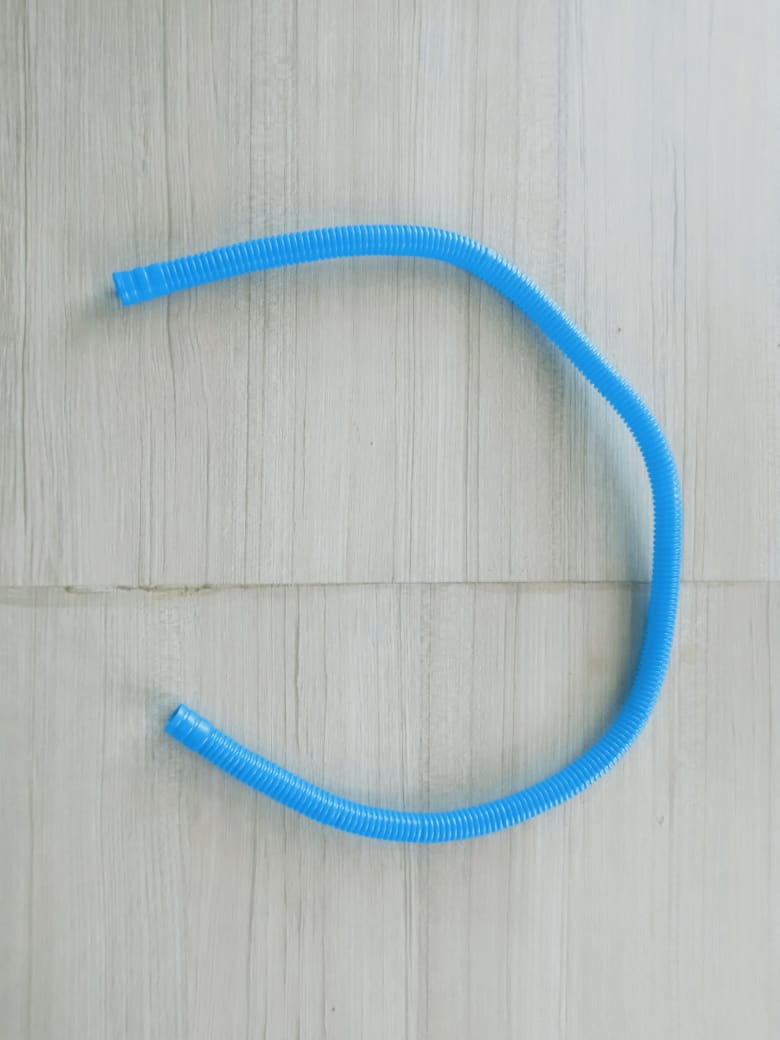
Doppler effect of sound: Tube
Concept: Demonstration of doppler effect of sound using a 1 metre long pipe.
Doppler effect of sound: Ball
Concept: Study of doppler effect of sound
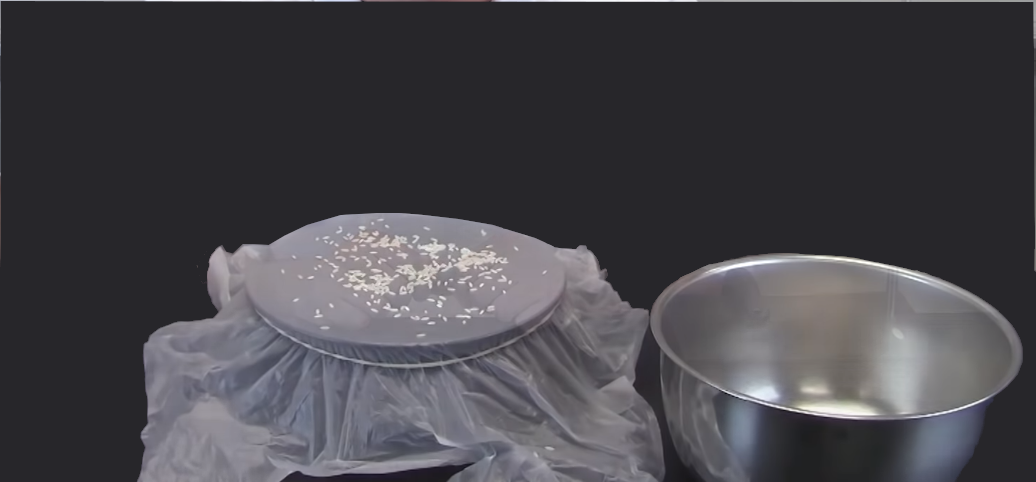
Sound from vibrations: Striking pan
Concept: Demonstration of production of sound and its effect using a pan.
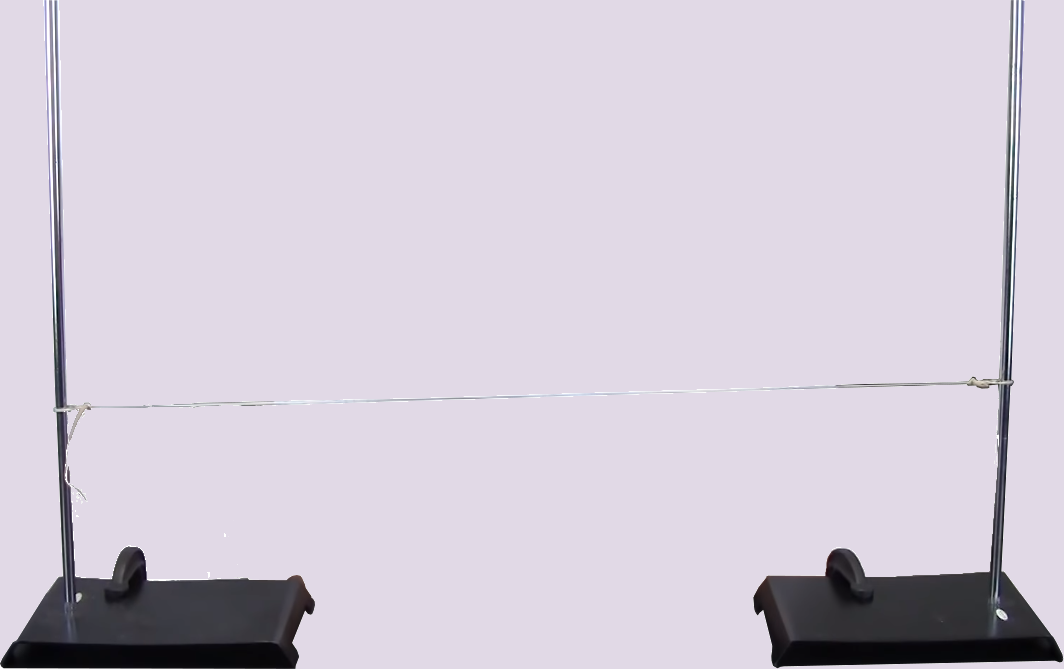
Sound from vibrations: Plucking the rubber band
Concept: Demonstration of productionof sound from a vibrating object using a rubber band.
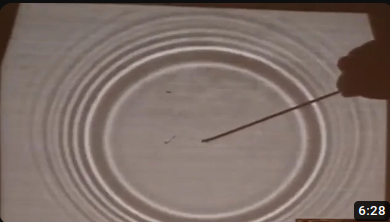
Water waves
Concept: Study of wave motion by observing ripples produced in water
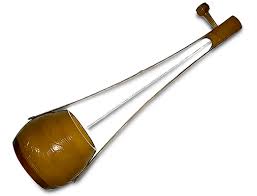
Sound from vibrations: Ektara
Concept: Musical instruments
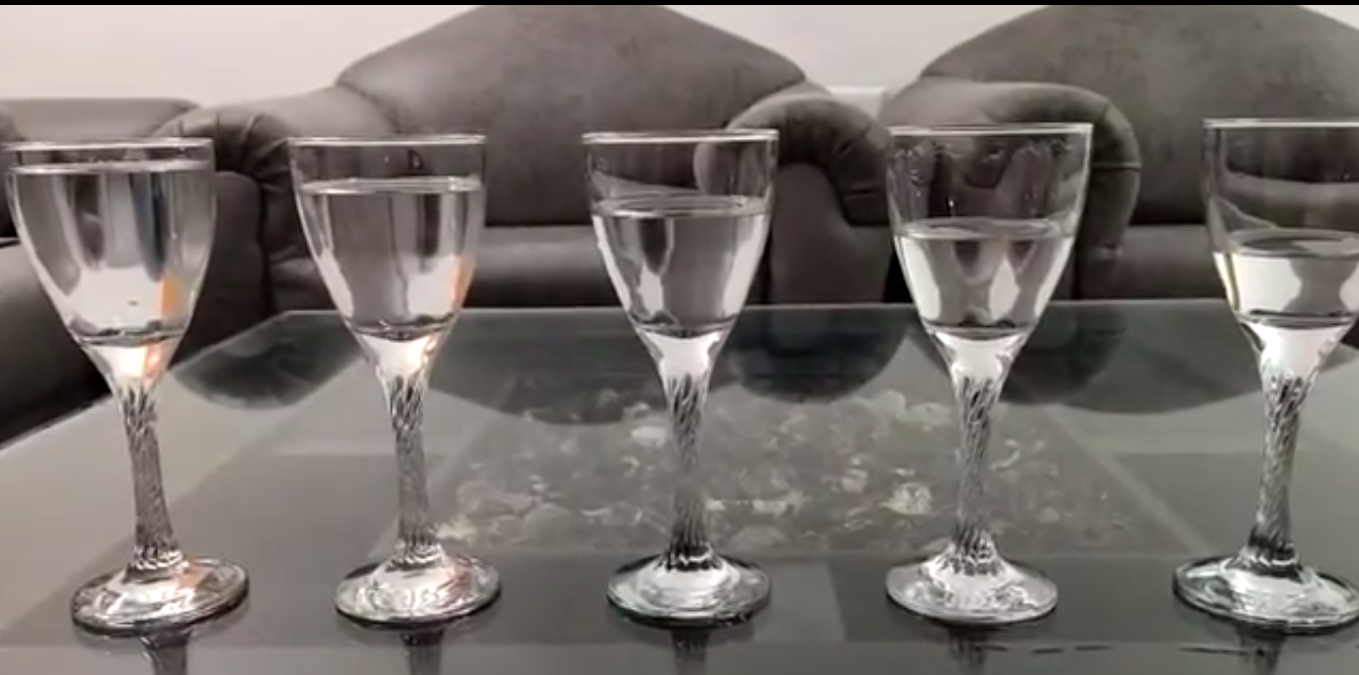
Sound from vibrations: Jaltarang
Concept: Demonstration of production of sound from vibrations using Jaltarang.
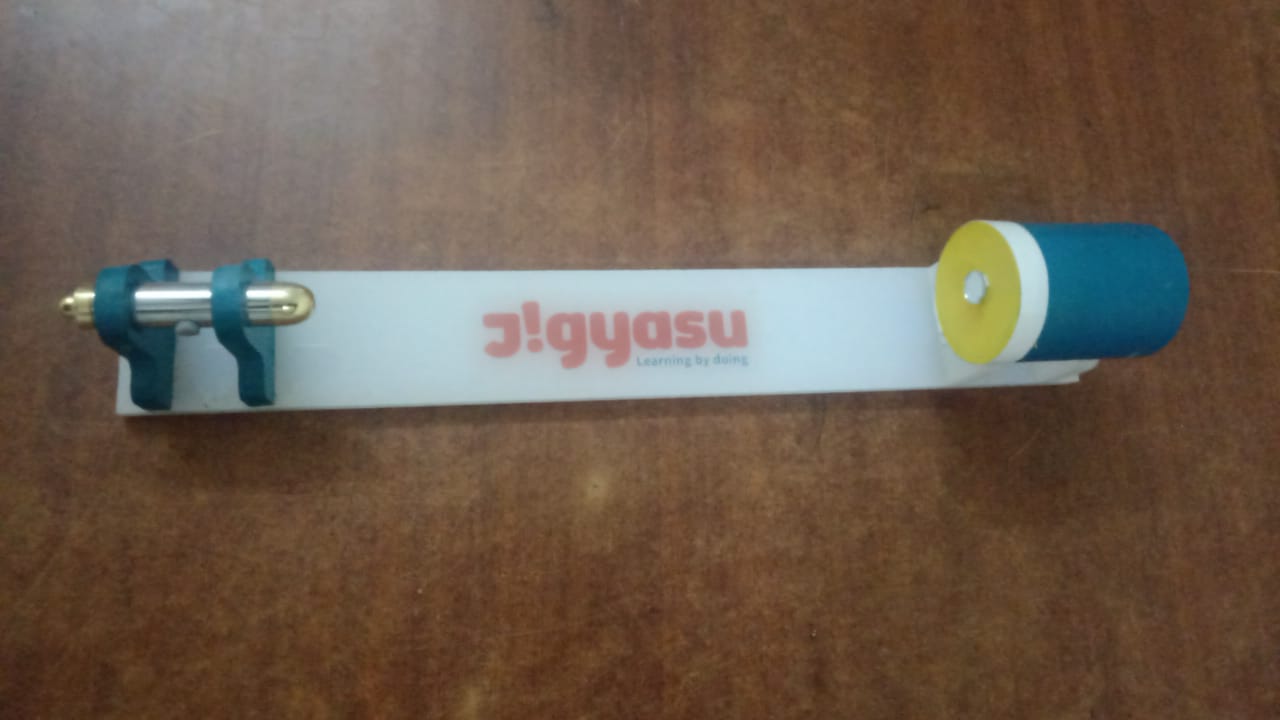
Sound from vibrations: vocal cords
Concept: Demonstration of sound a pressure wave using a sound visualiser gadget.
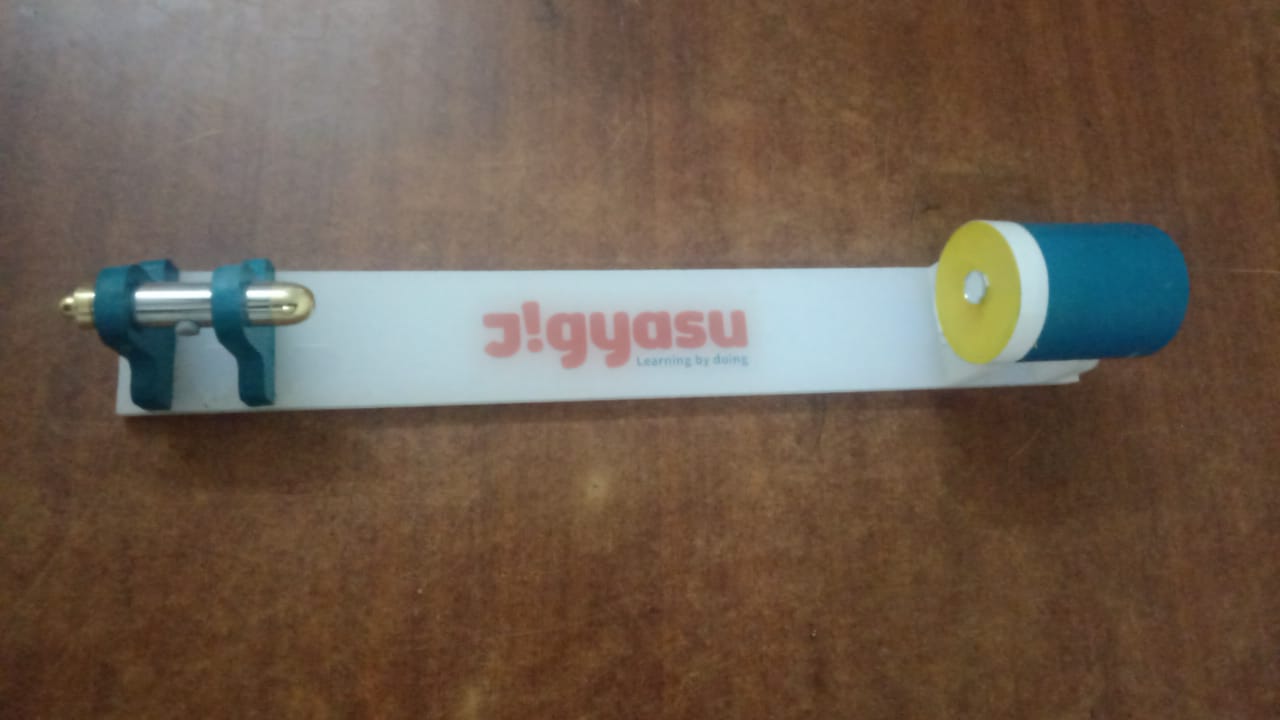
Sound from vibrations: Visualising sound
Concept: Demonstration of patterns produced in sounds using a sound visualiser gadget.
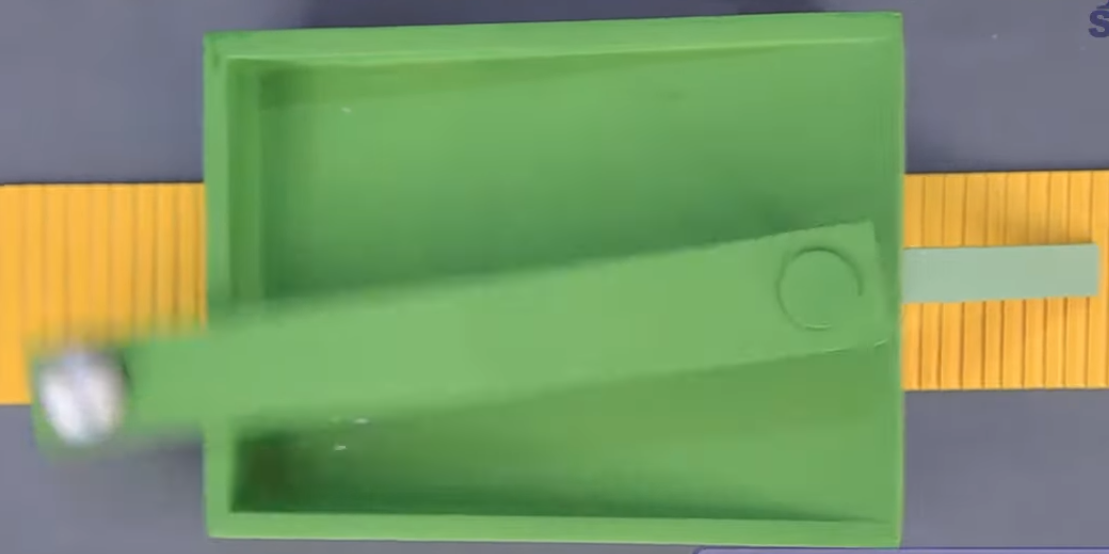
Pendulum car
Concept: Demonstration of converision of energy associated with oscillation into translational energy.
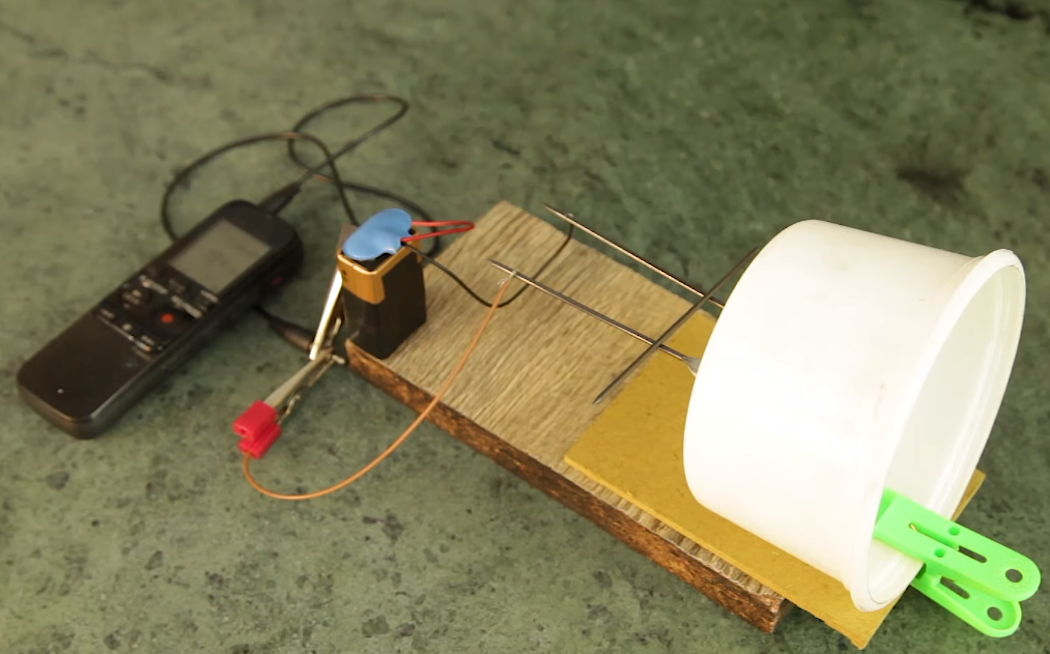
Human ear model
Concept: Demonstration of human ear.
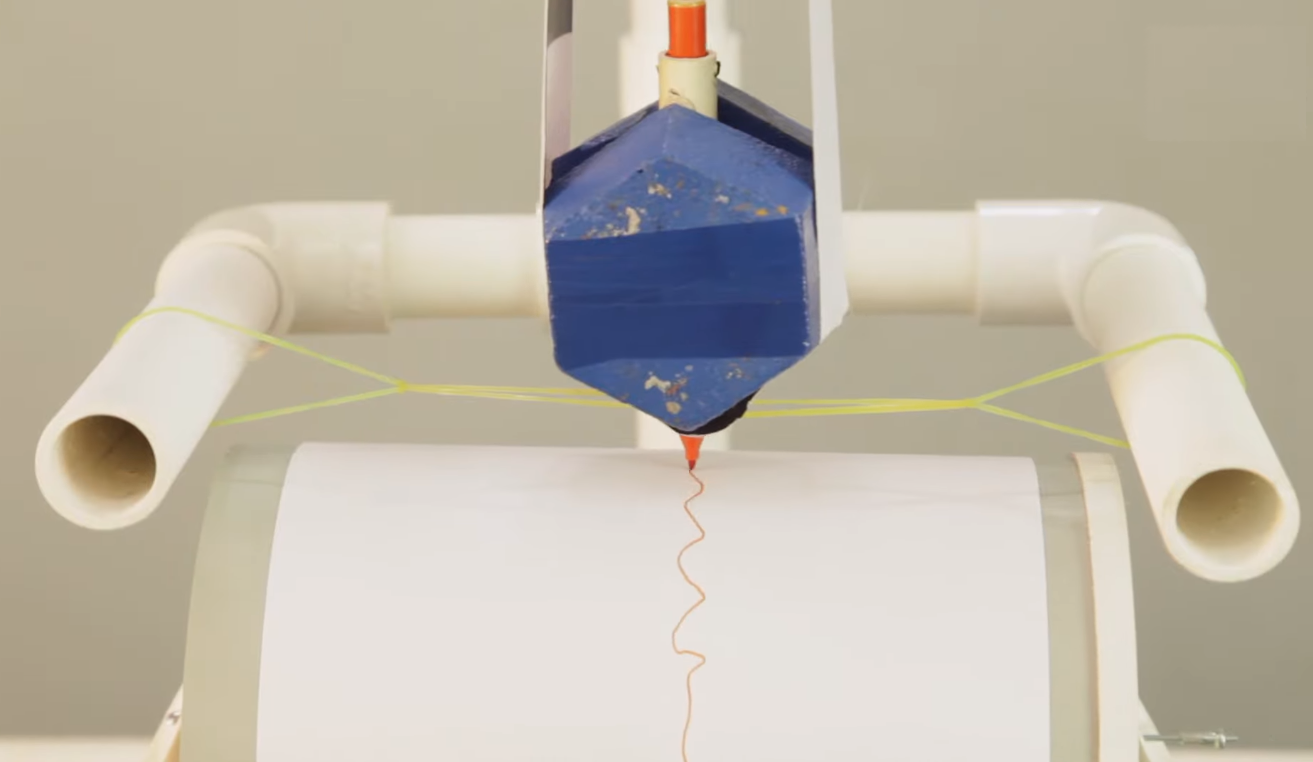
Seismograph principle
Concept: Demonstration detection of seismic waves using a seismograph.
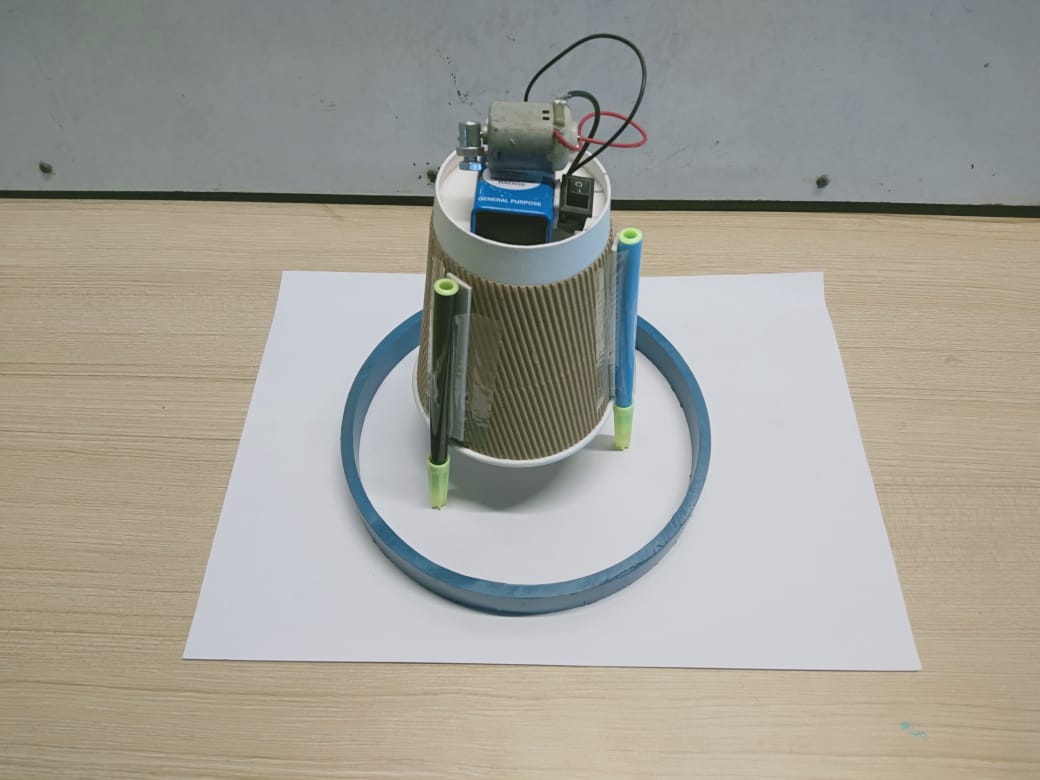
Art in vibration
Concept: Every vibration produces a pattern
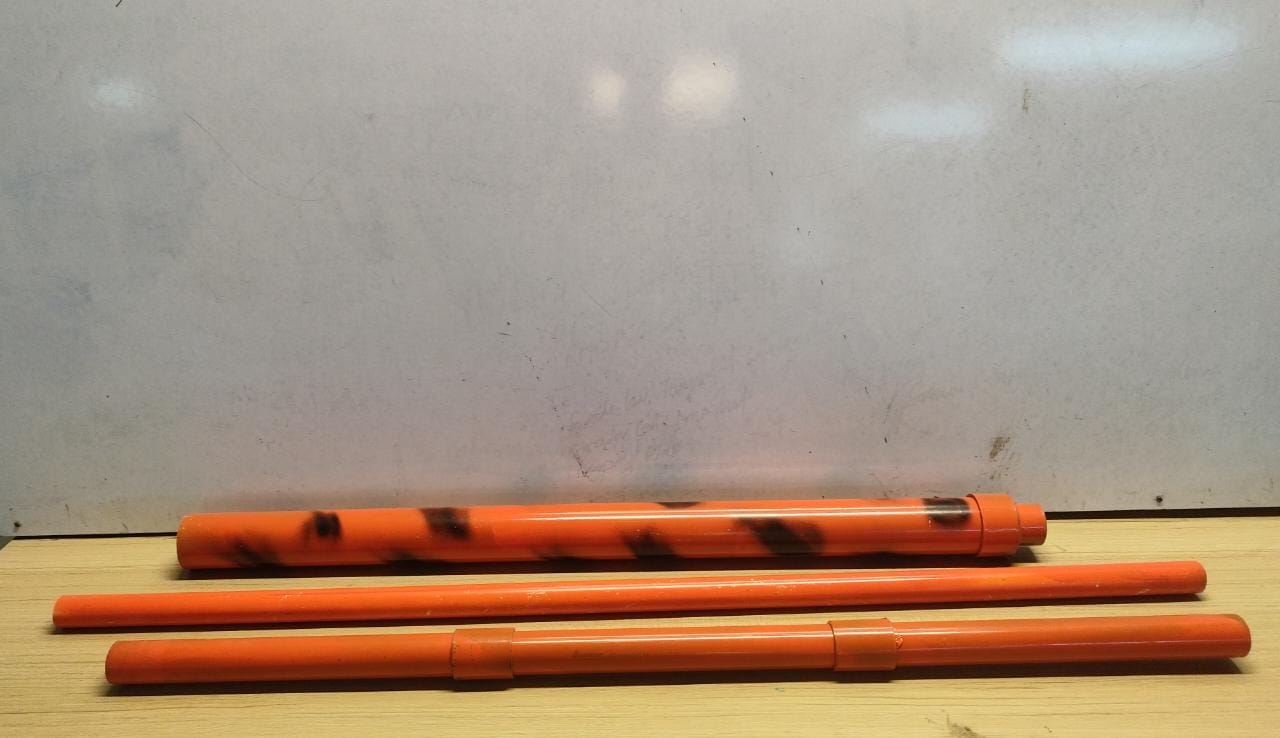
Musical pipe
Concept: open end organ pipe of different diameter produces different pitch.
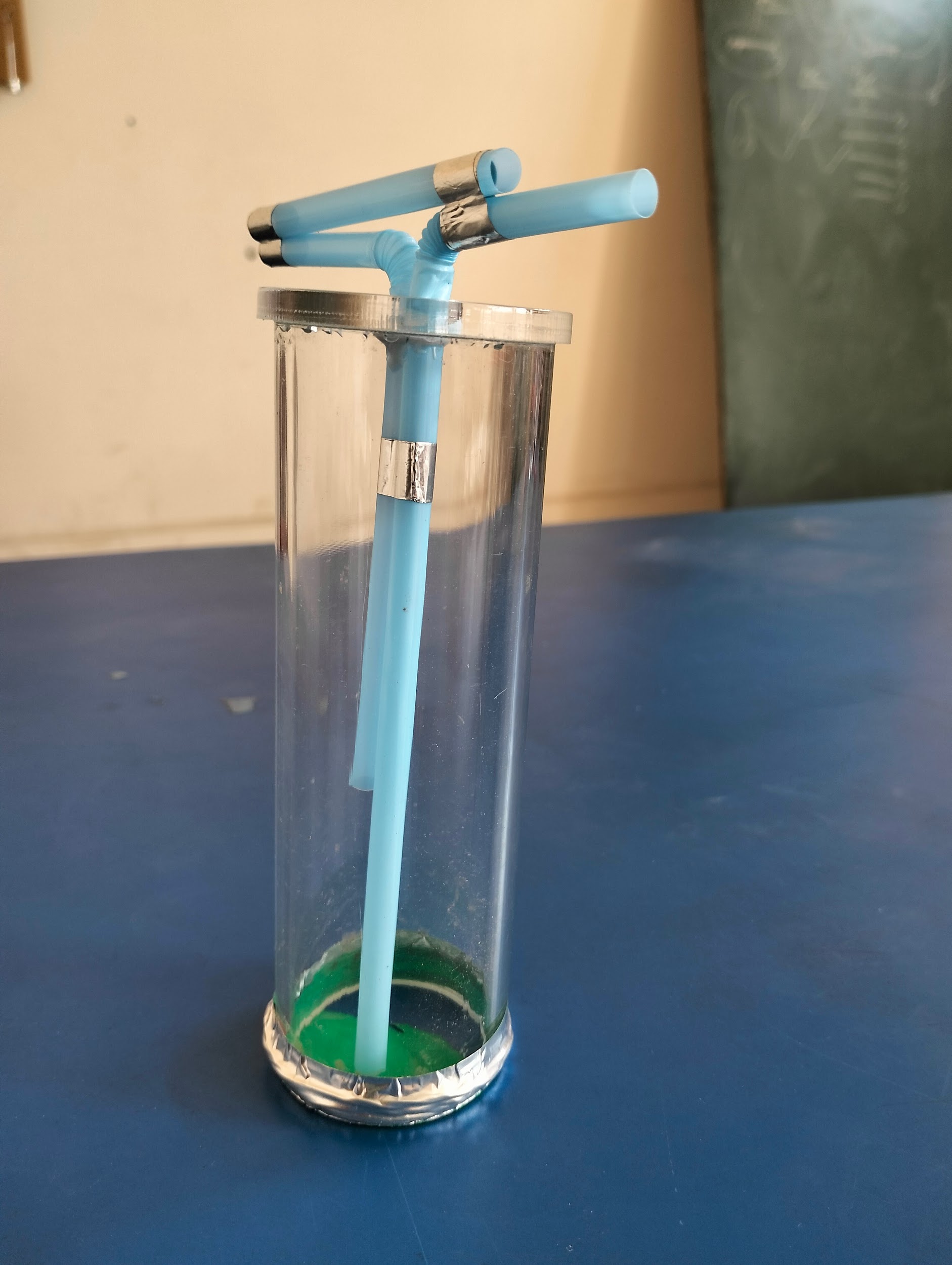
Bottle flute
Concept: Demonstration of a sound producing device called as bottle flute.
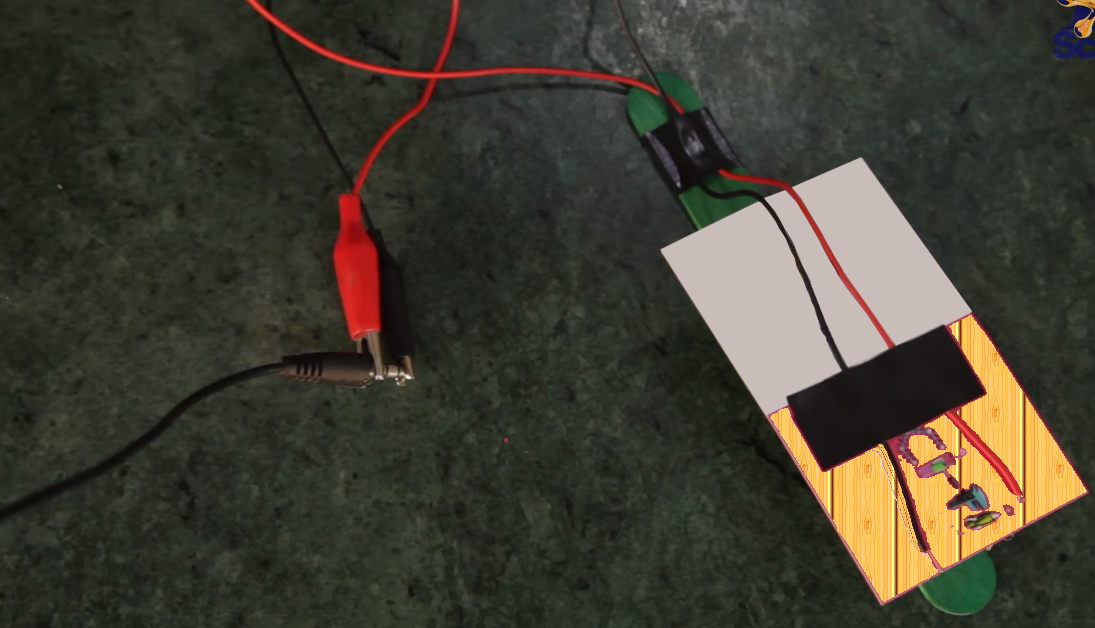
Microphone
Concept: Demonstration of a homemade microphone that converts sound into electrical signal and vice versa.
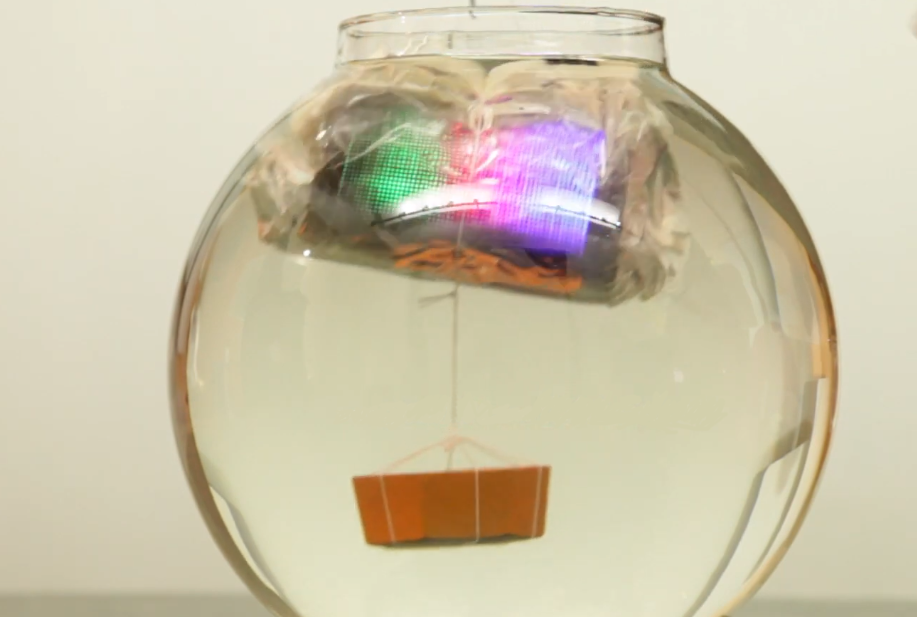
Sound in water
Concept: Demonstration of production of sound from various vibrating objects.
Sound in solids
Concept: Demonstration of propagation of sound through water using a bluetooth speaker.
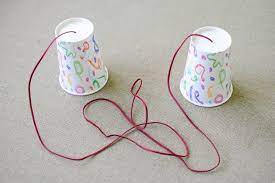
Homemade telephone
Concept: Demonstration of the following phenomena 1. sounds travels faster in solid 2. Sound does not travel only in straight line
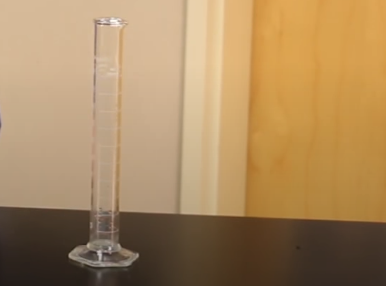
Speed of sound demonstration
Concept: Speed of sound measurement with the principle of resonance
Pitch of a Sound wave
Concept: Demonstration of dependence of pitch of a sound on vibrations.
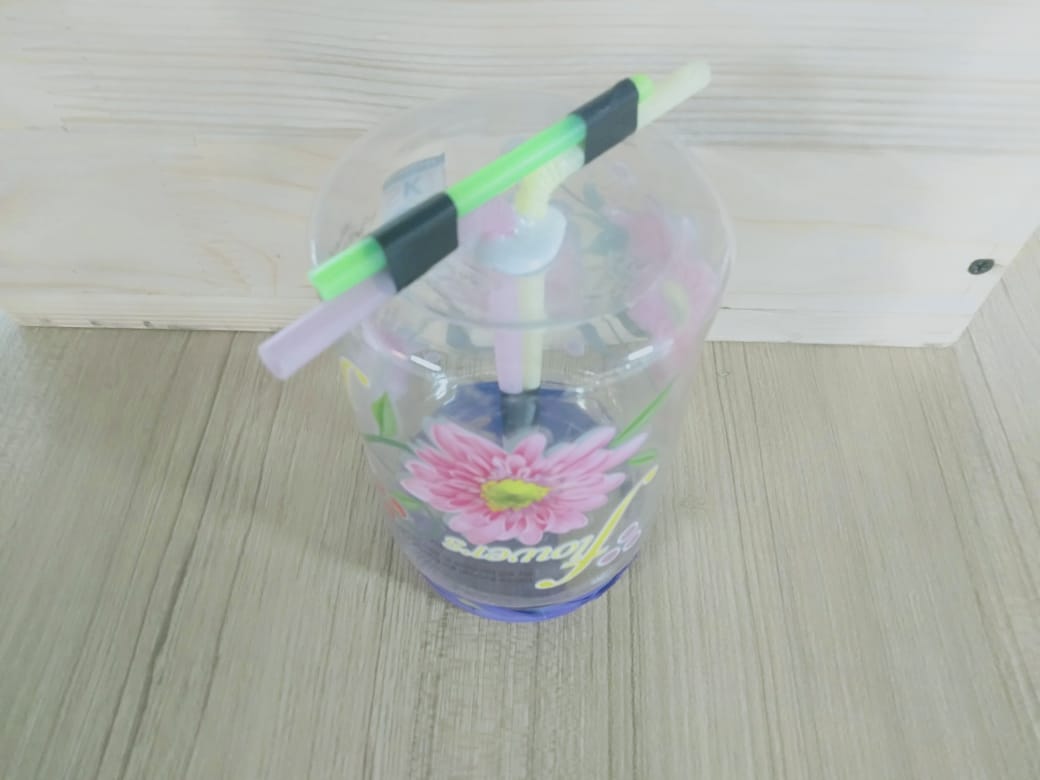
Flute from a straw
Concept: Demonstration of production of sound in a straw used as a flute.
Fluids and Pressure
Activites: 75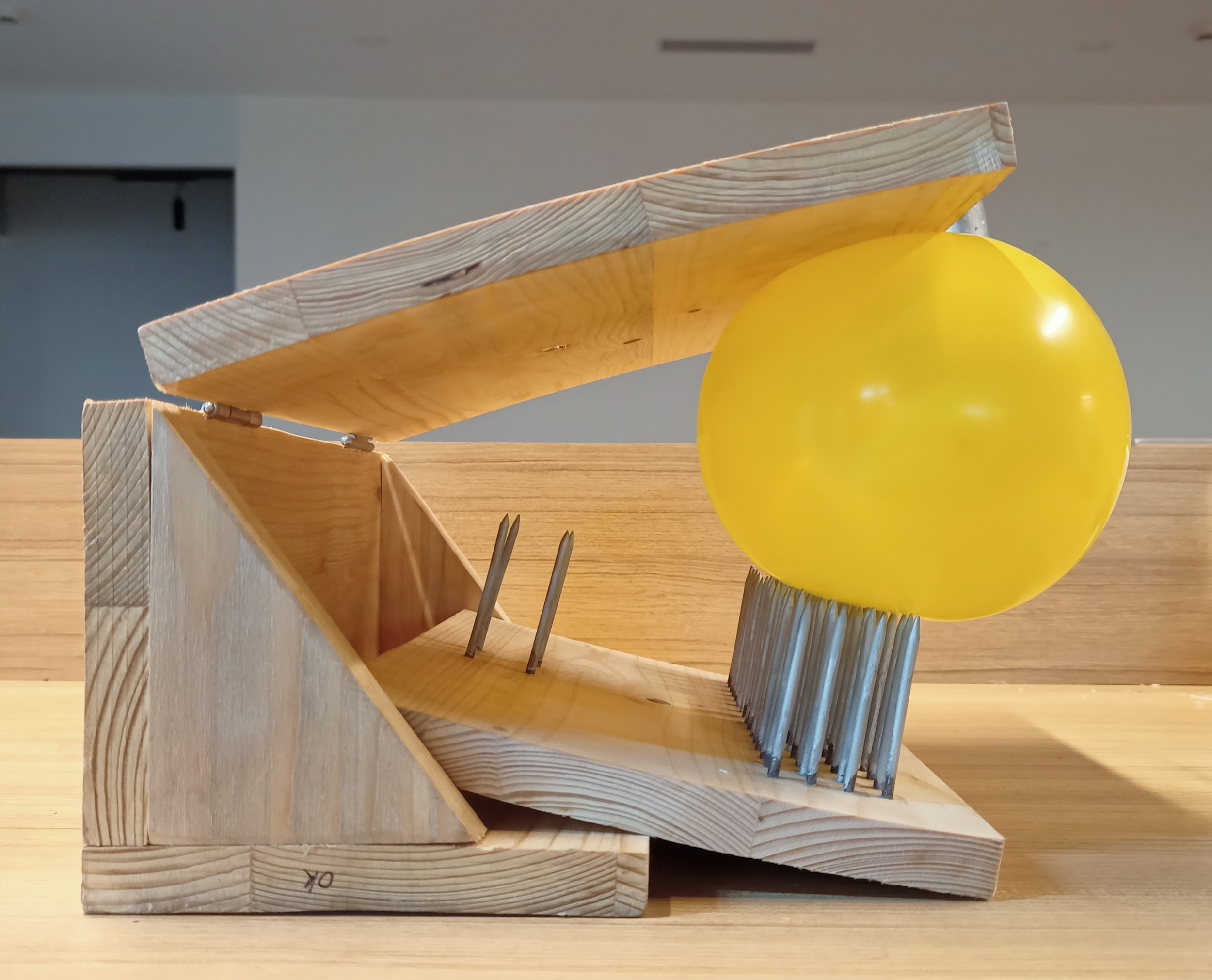
Balloon on nails
Concept: Qualitative study of air pressure using balloon on nails apparatus
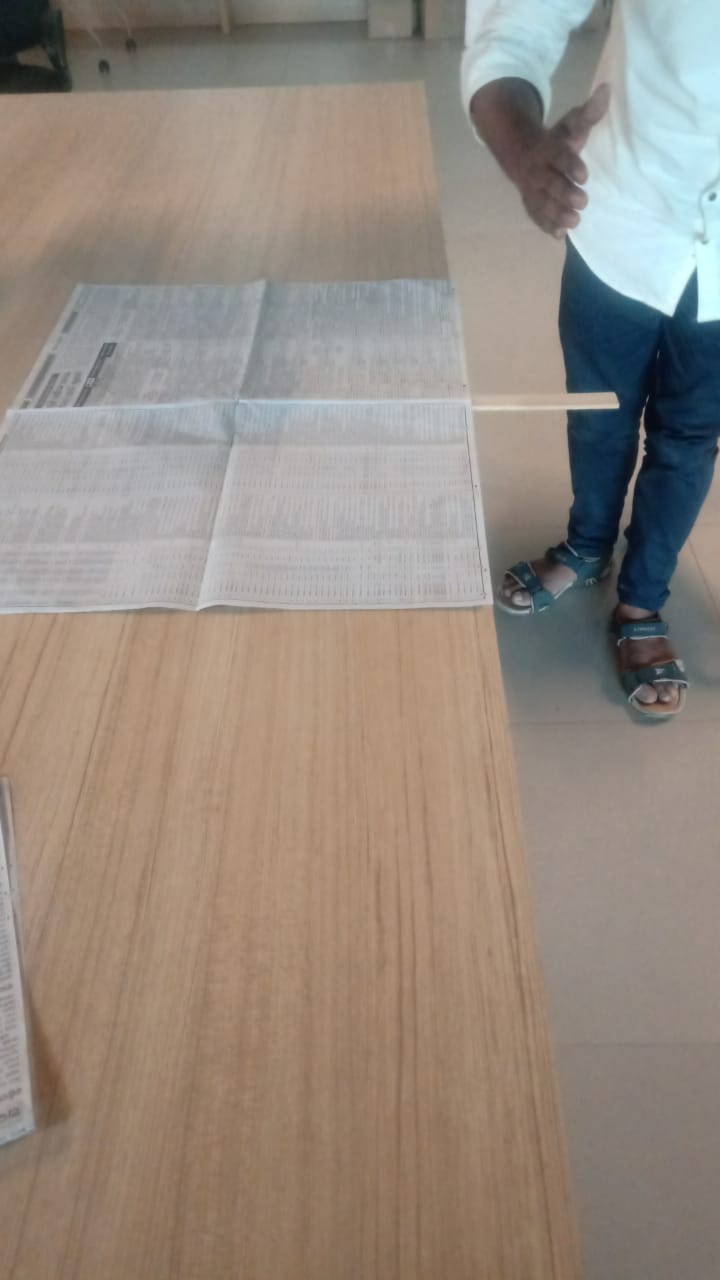
Air pressure paradox
Concept: Qualitative study of air pressure using two sticks and news papers
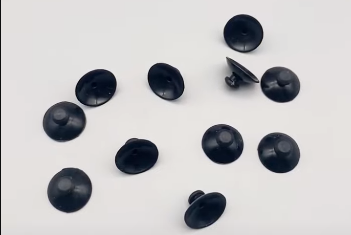
Pressure cups
Concept: Qualitative stusy of air pressure using pressure cups
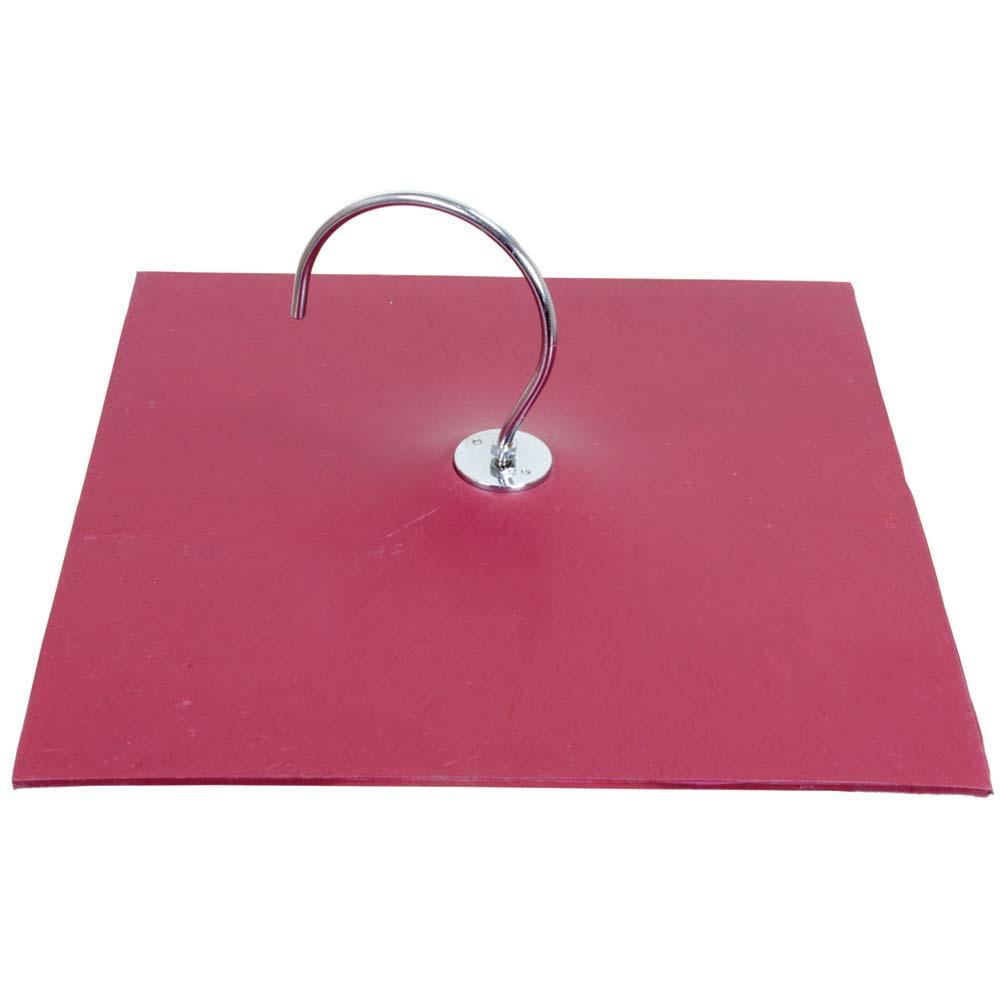
Pressure mats
Concept: Qualitative stusy of air pressure using pressure mats
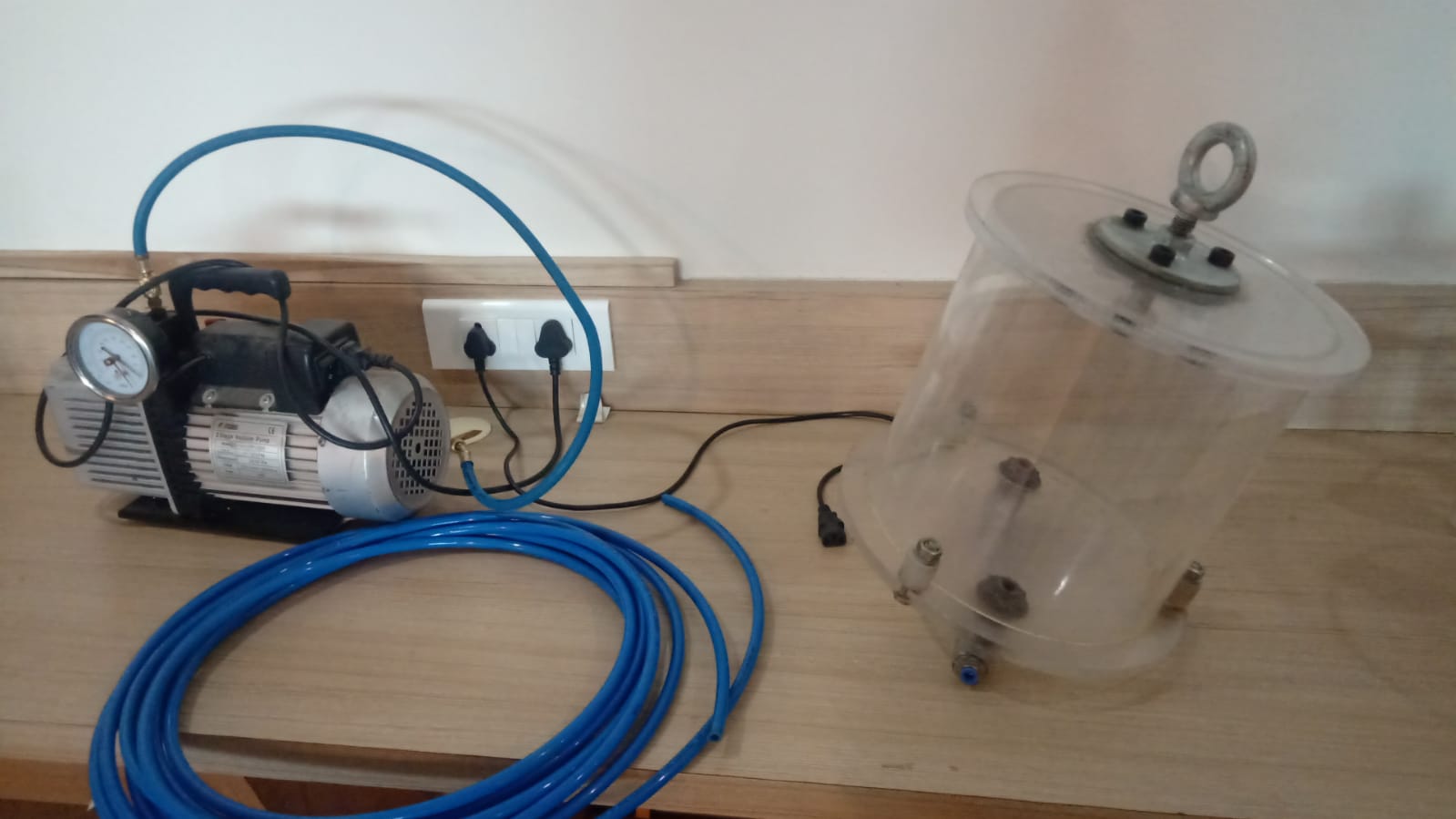
Vacuum hanging
Concept: Study of air pressure and vacuum
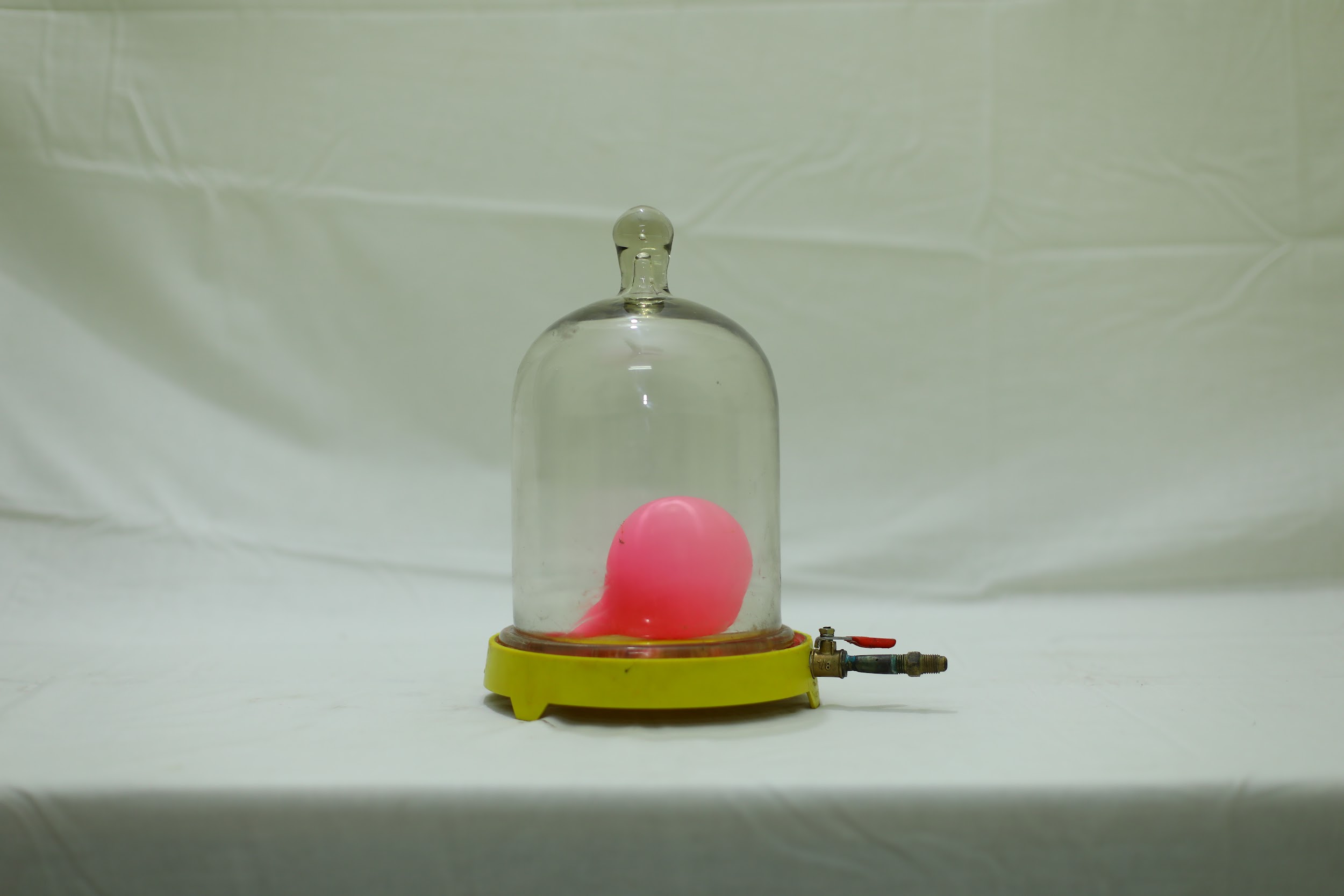
Balloon Expansion in vacuum
Concept: Study of air pressure and vacuum
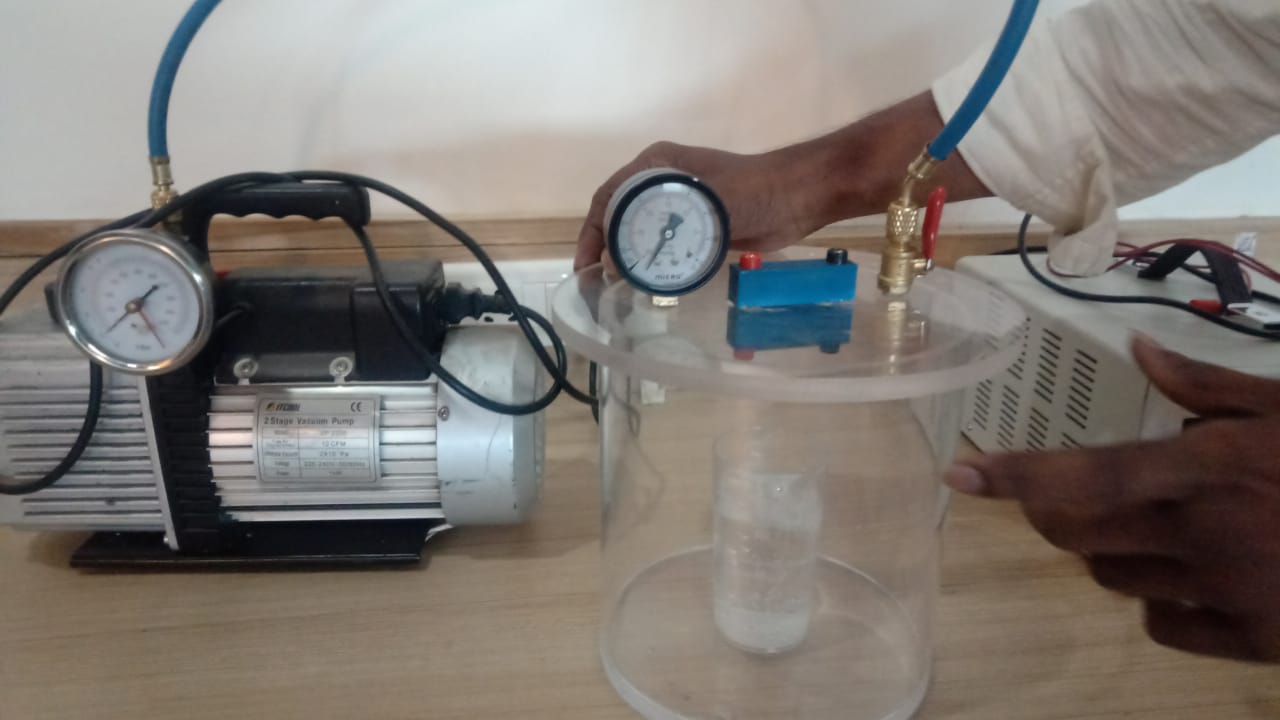
Boiling point of water in vacuum
Concept: Study of air pressure and vacuum
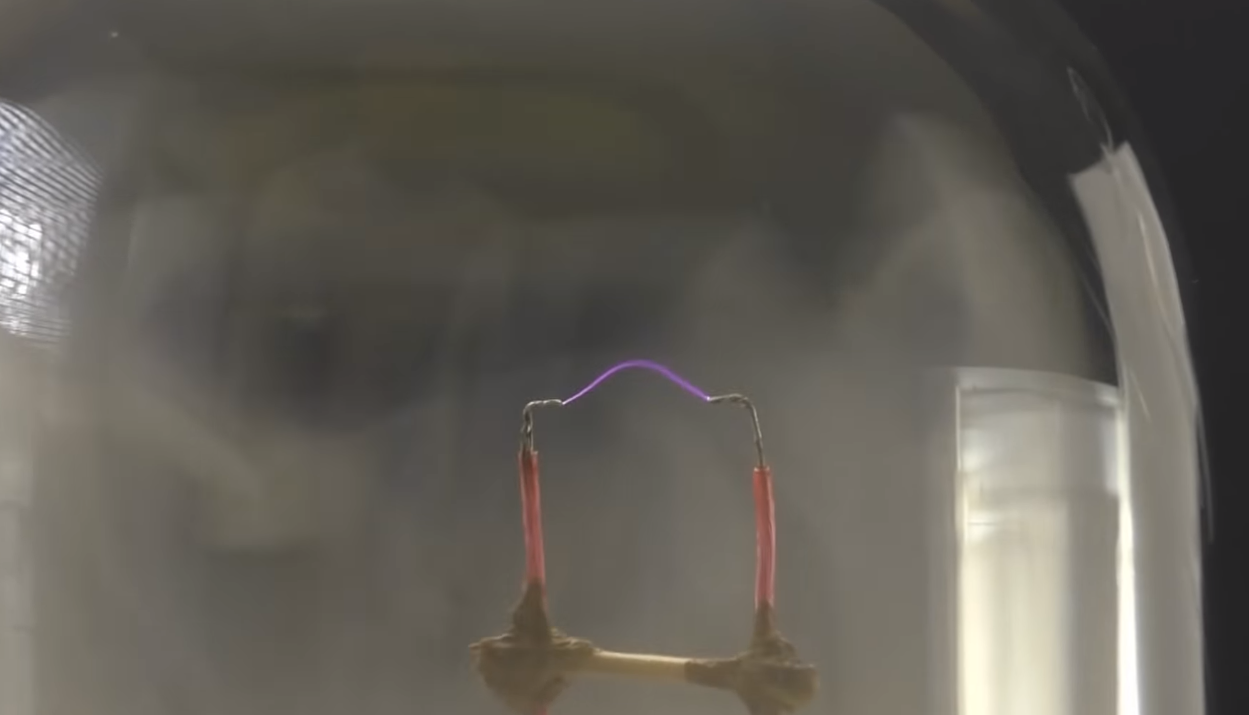
fan in vacuum
Concept: Study of air pressure and vacuum
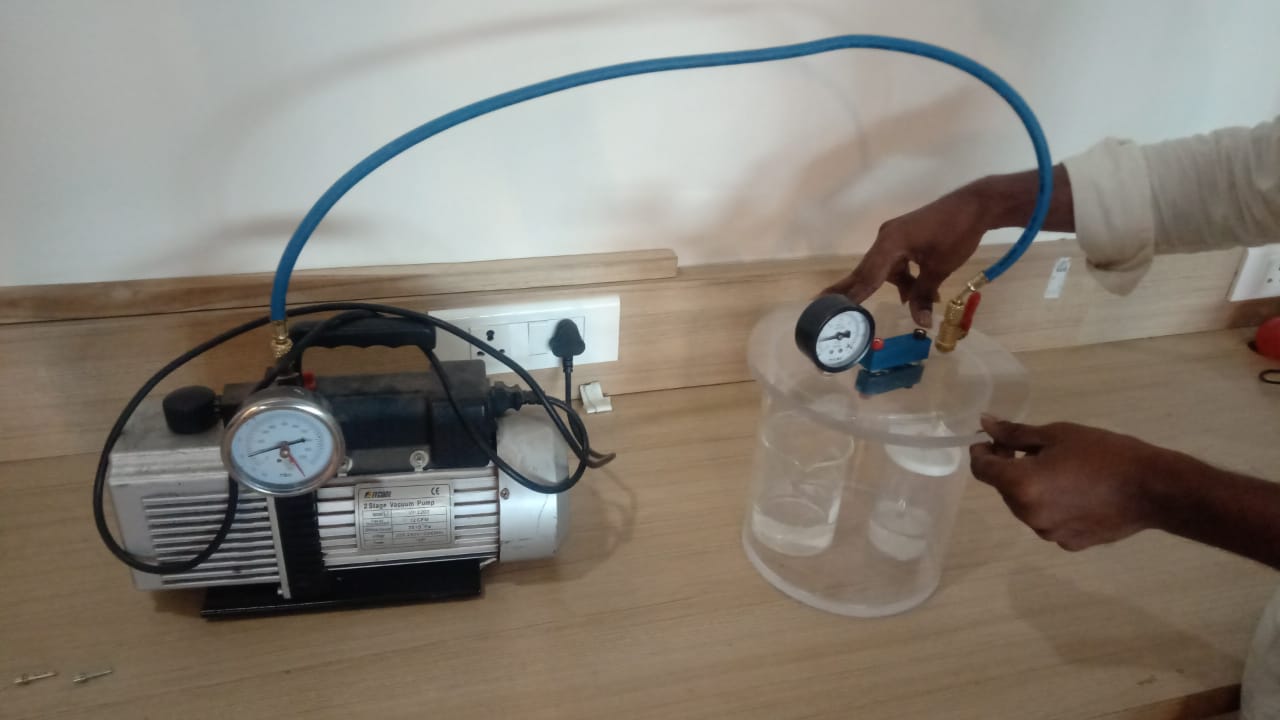
Reverse siphon in vacuum
Concept: Study of air pressure and vacuum
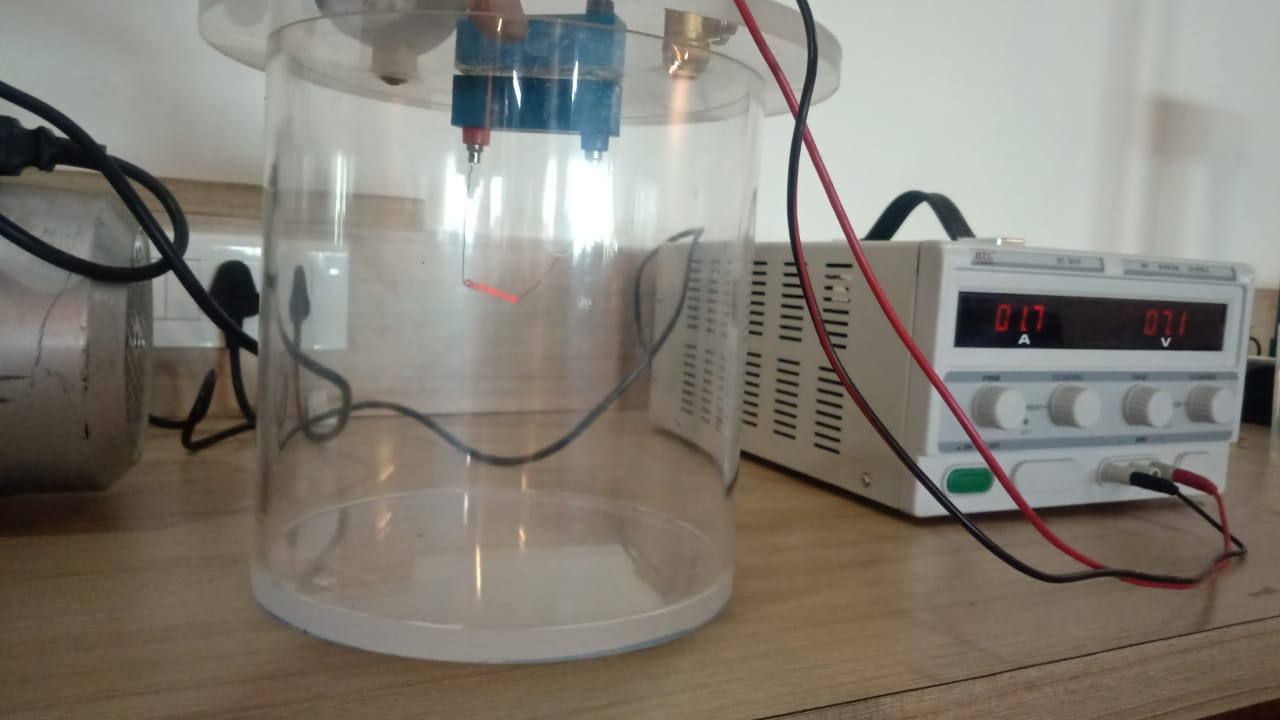
Nichrome wire cooling in vacuum
Concept: Study of air pressure and vacuum
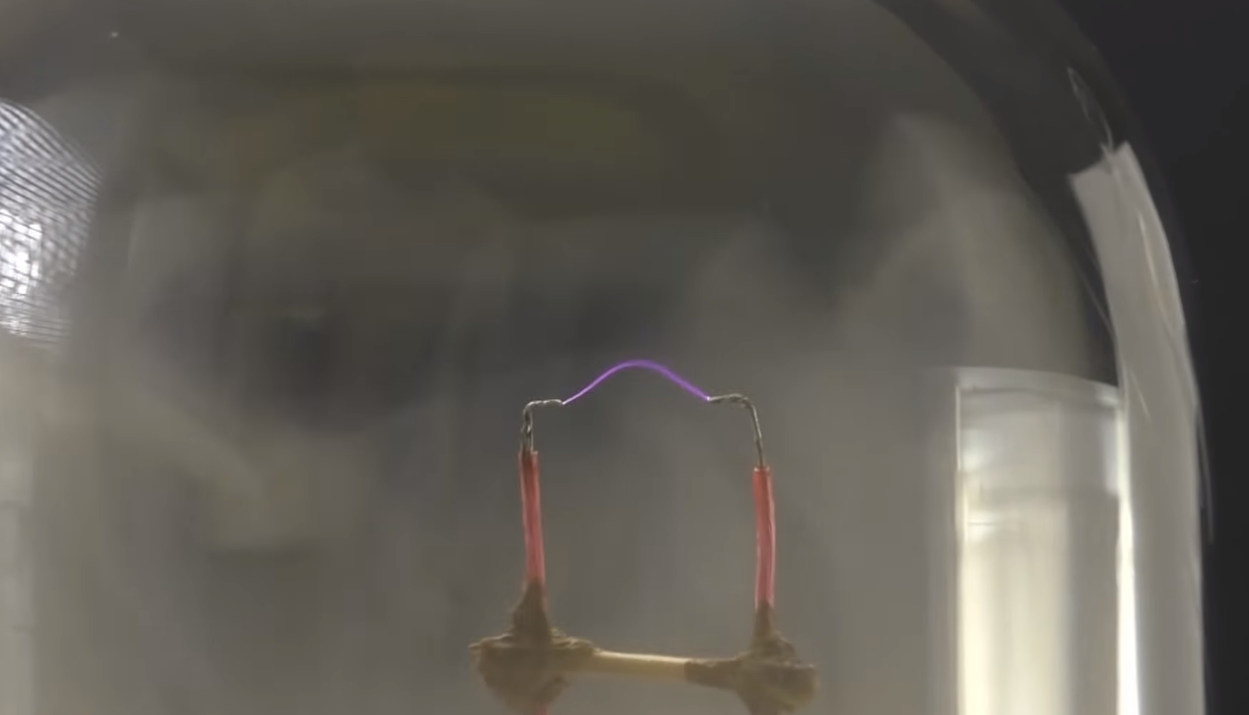
Plasma arc formation in vacuum
Concept: Study of air pressure and vacuum
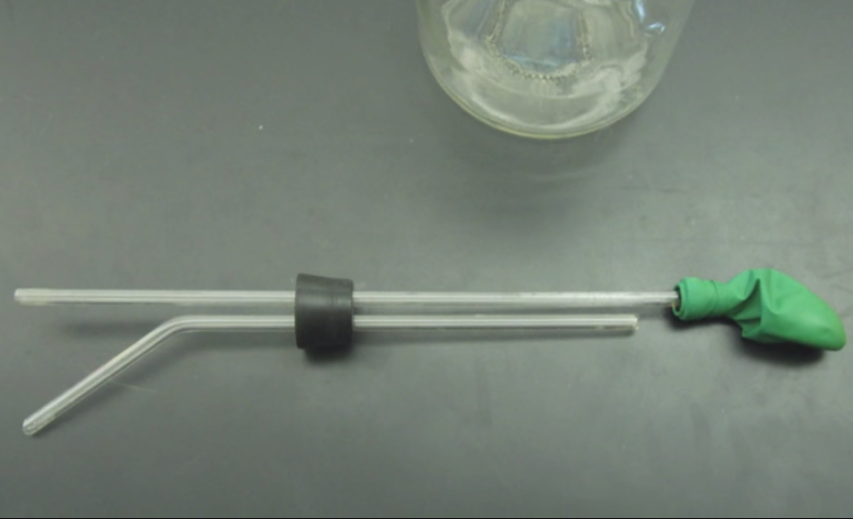
Balloon tricks 1
Concept: Some ballon tricks
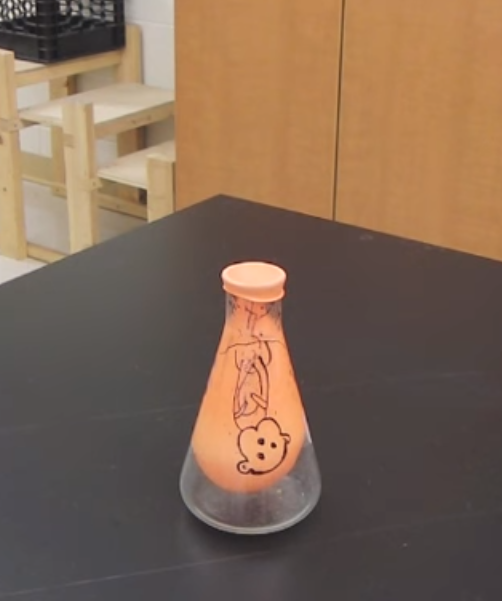
Balloon tricks 2
Concept: Some ballon tricks
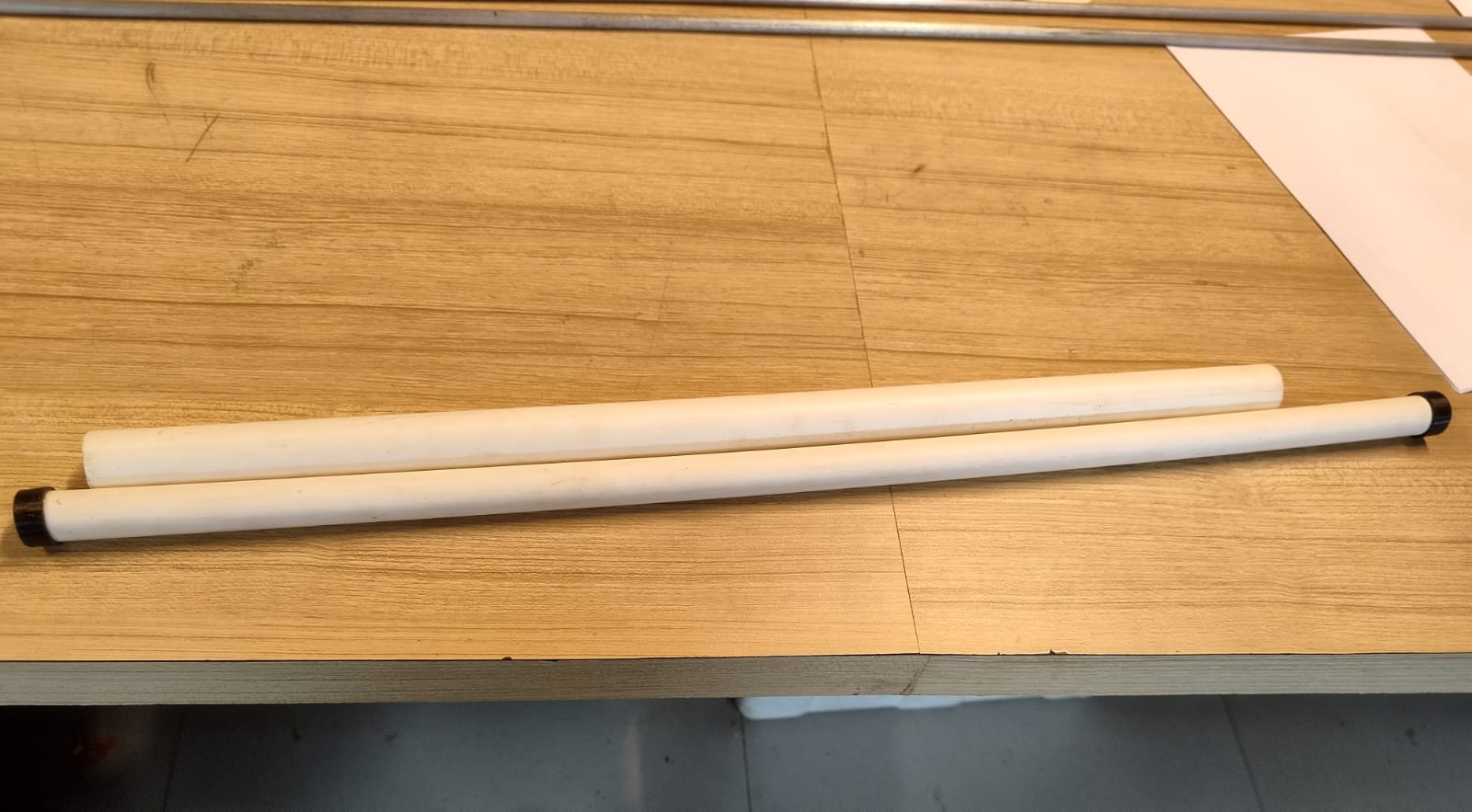
Pressure launcher
Concept: Study of thrust using the potato gun set up
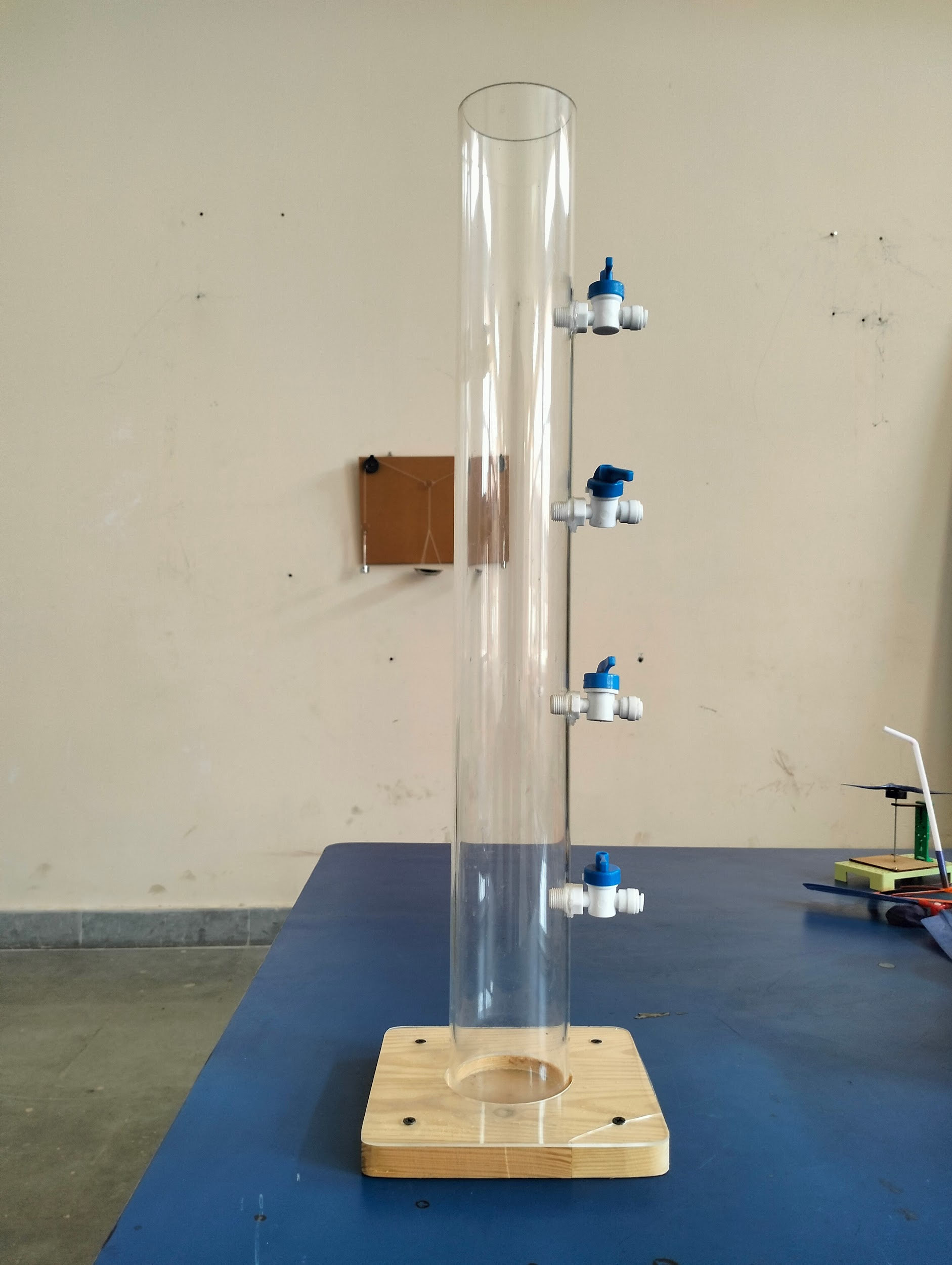
Pressure in liquids 1
Concept: Study of pressure in liquids
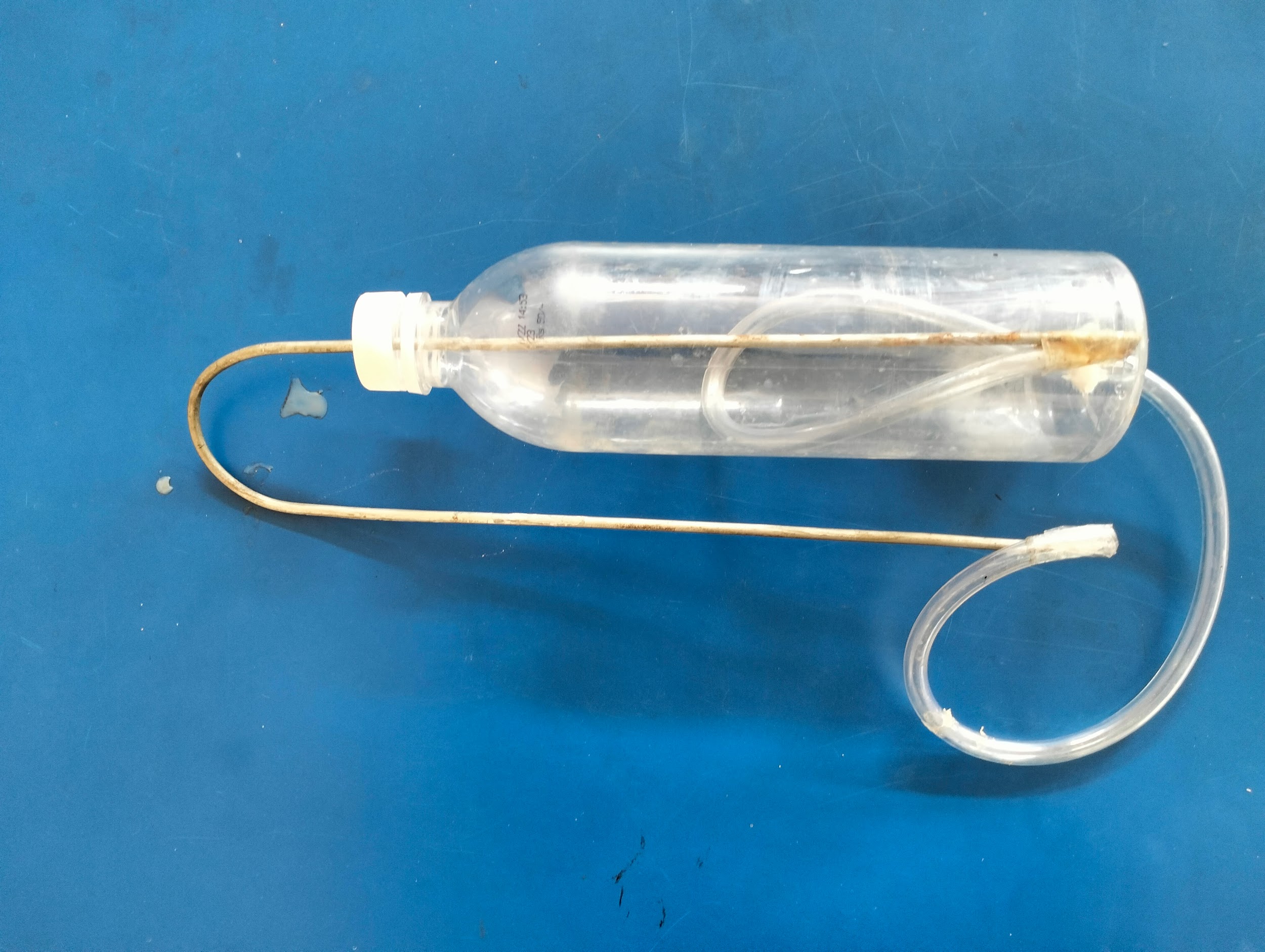
Pressure in liquids 2
Concept: Study of pressure in liquids
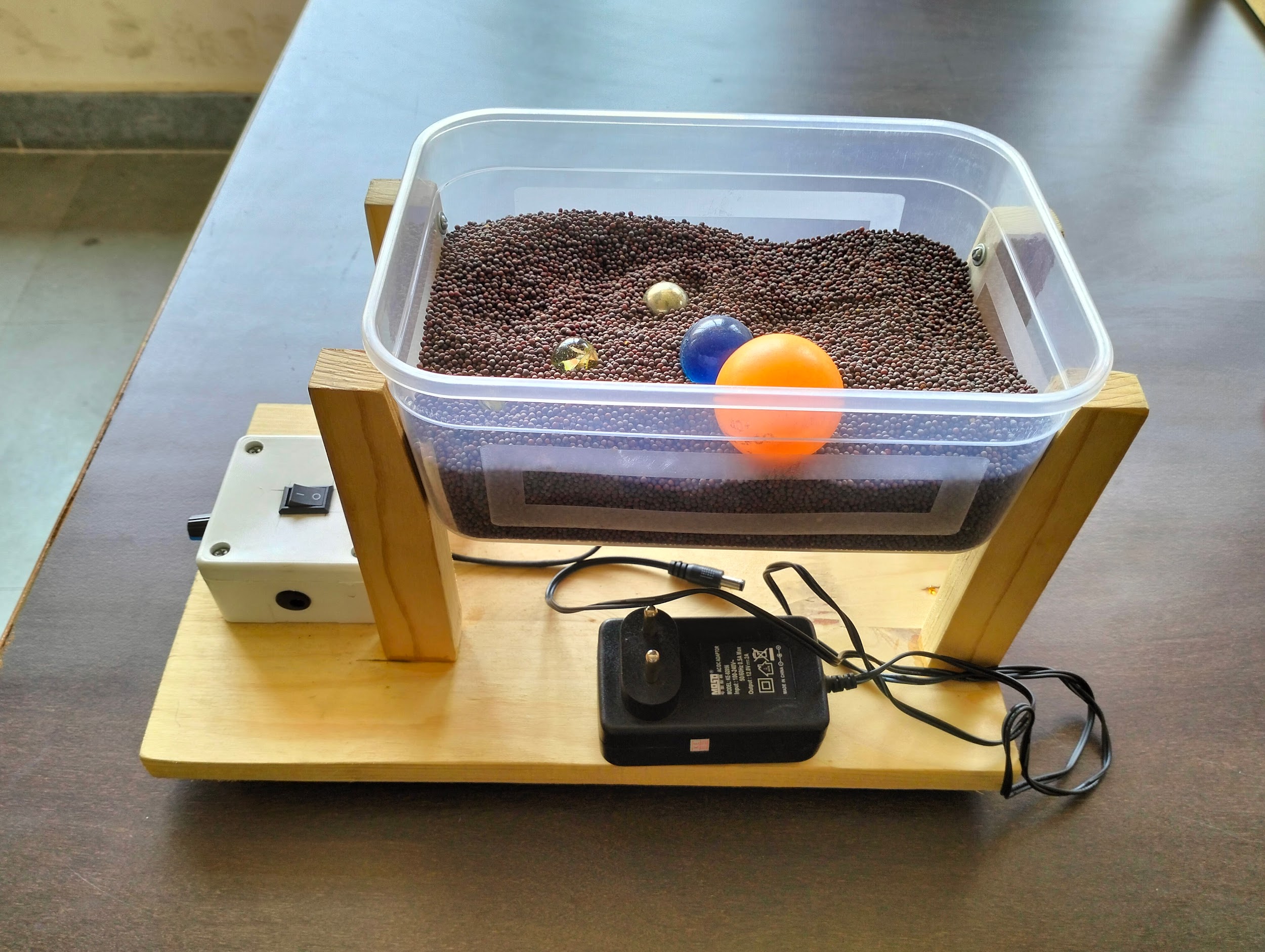
Archimedes principle
Concept: Study of Archimedes principle using mustard seeds, balls and a container
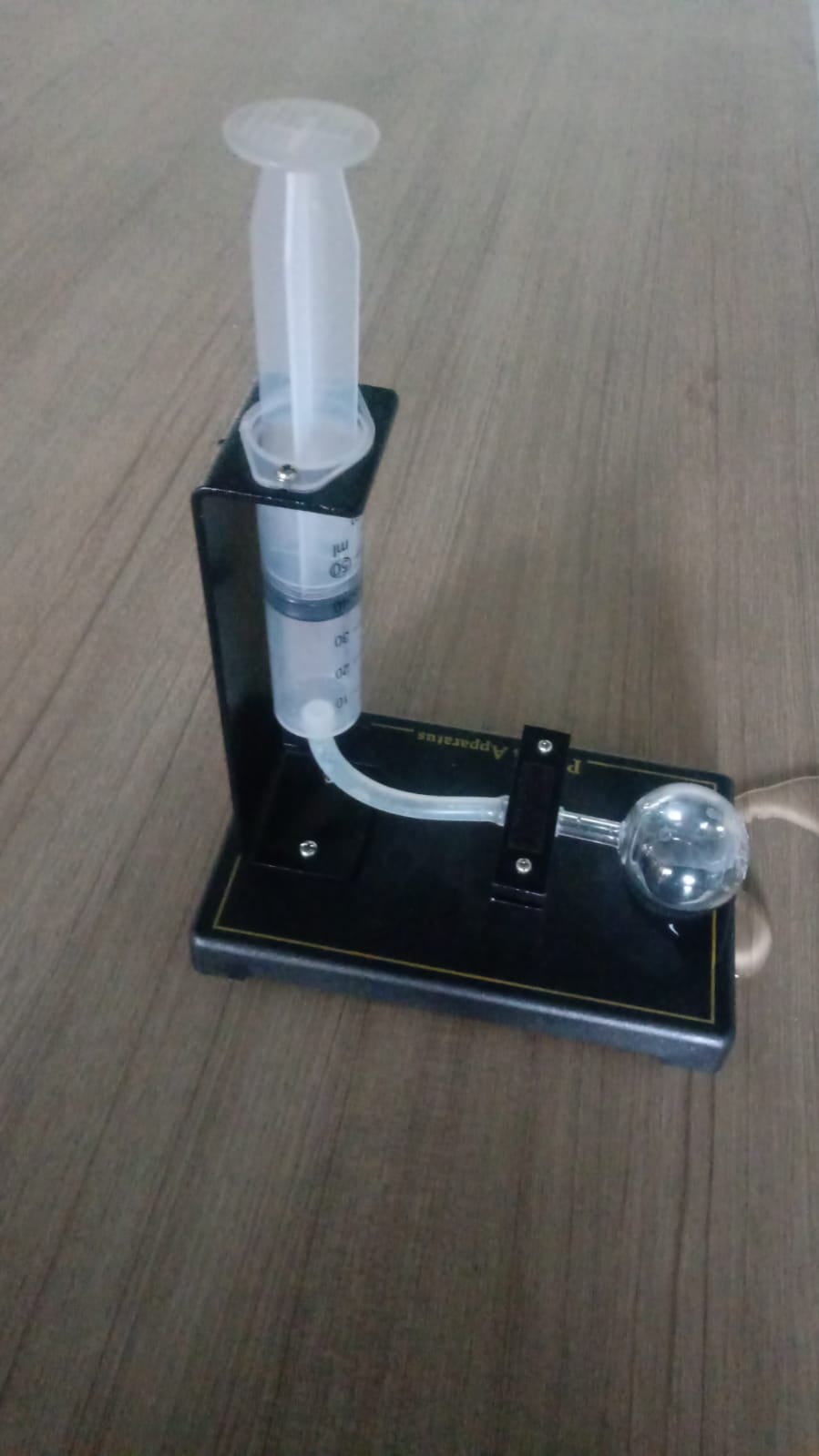
Pascal demonstrator
Concept: Study of Pascal's law
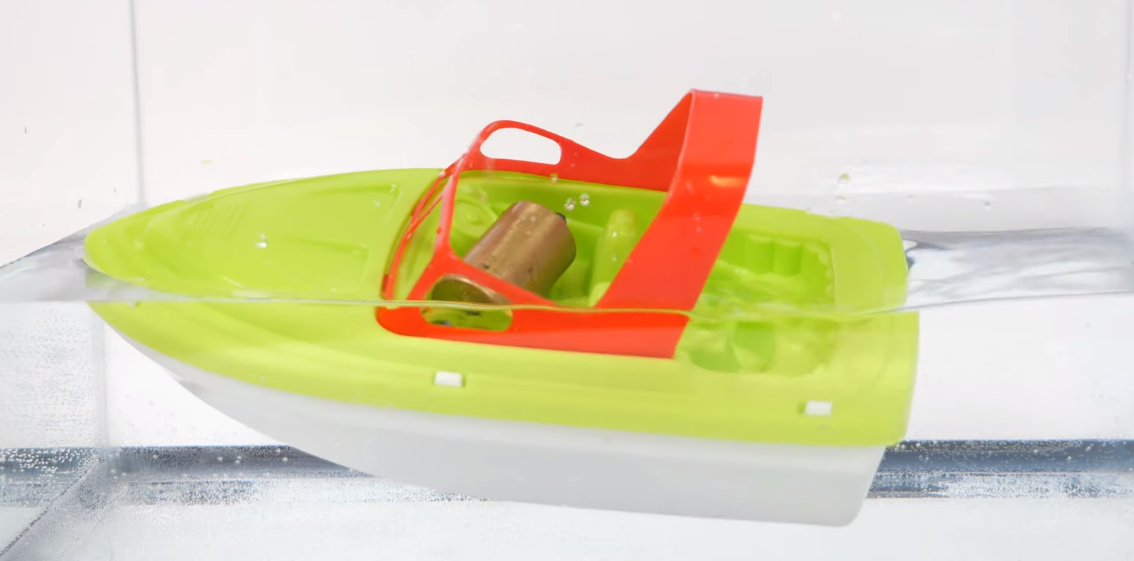
Floating Paradox
Concept: Study of buoyancy and its effect.
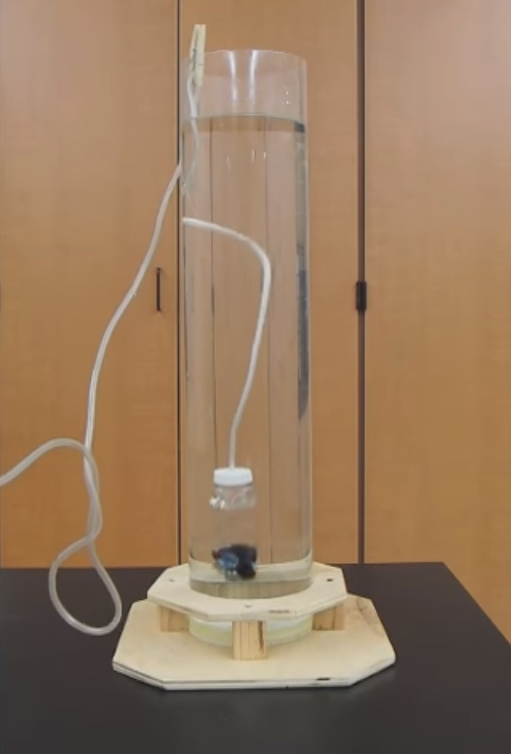
Diver1
Concept: Study of archimedes principle using diver 1
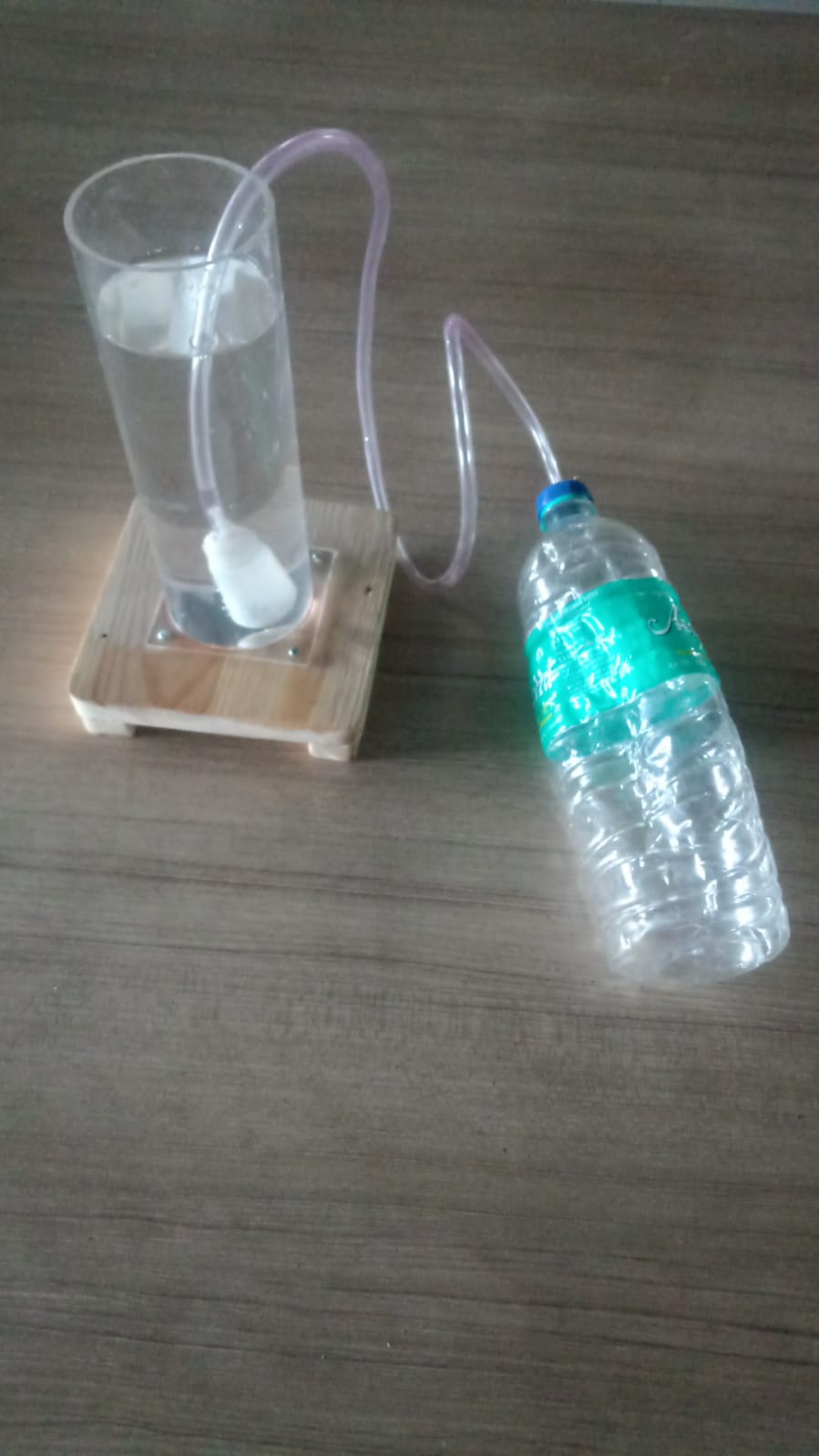
Diver2
Concept: Study of archimedes principle using diver 2
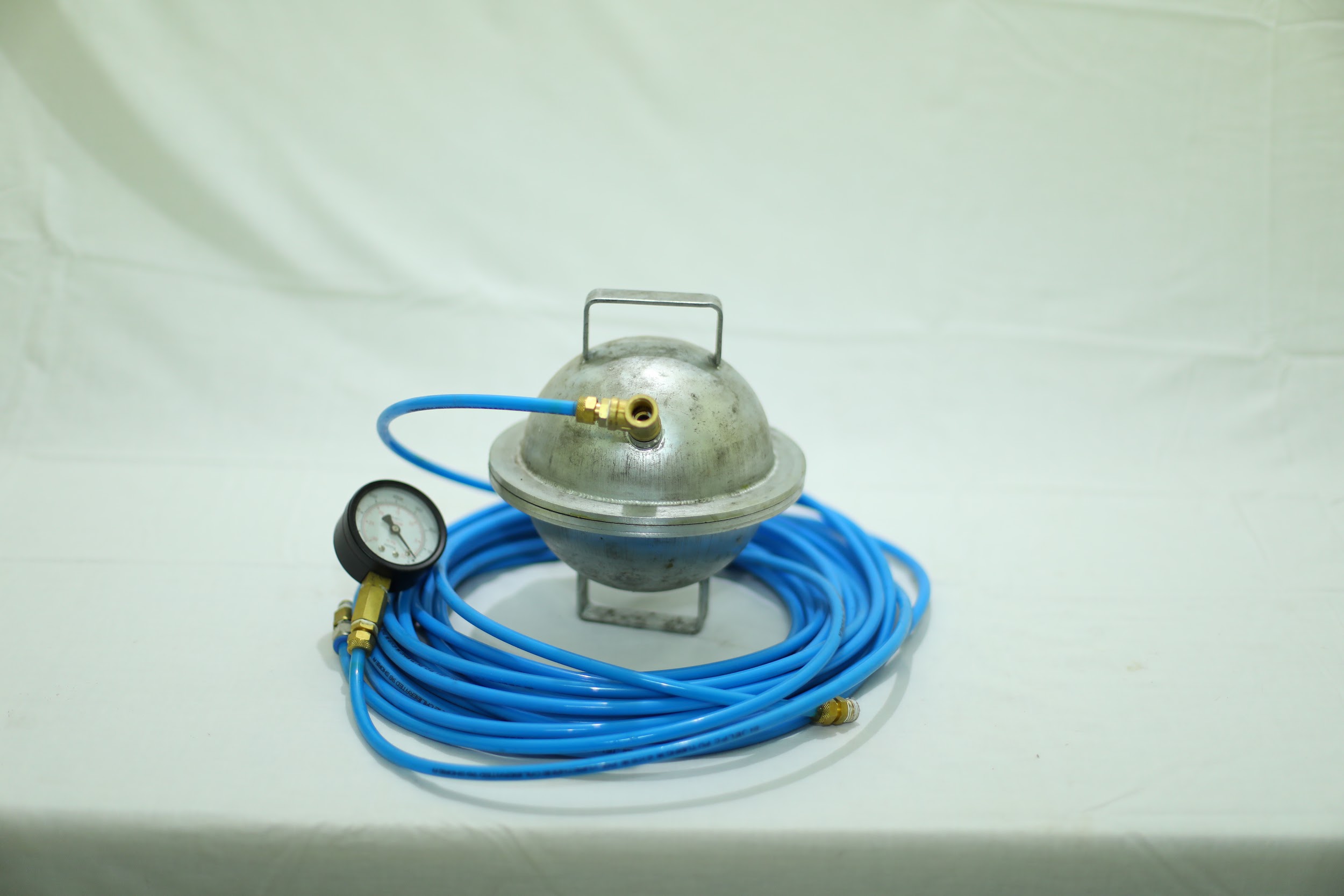
Air pressure: Magdeburg in water
Concept: Study of airpressure using magdeburg
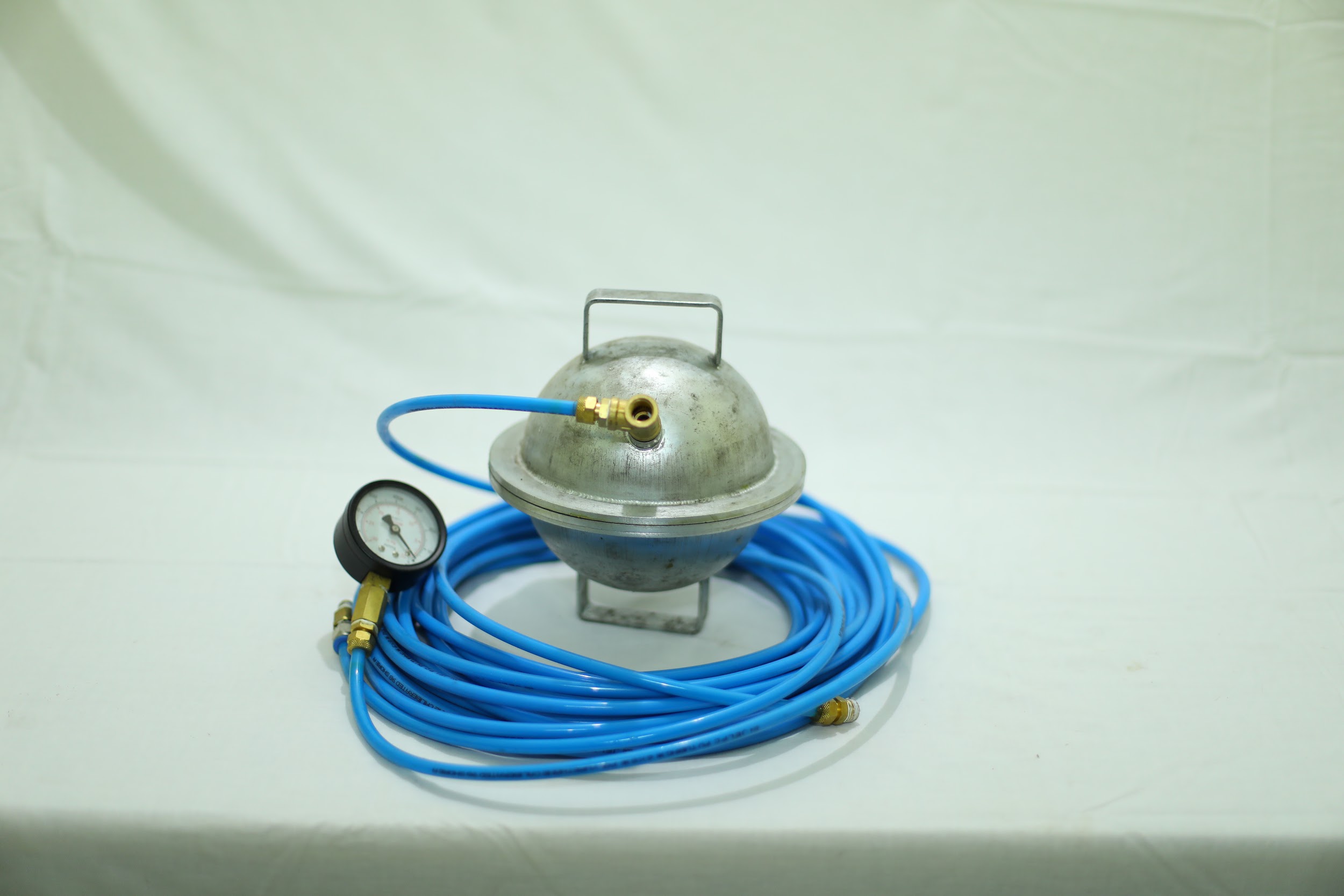
Air pressure: Magdeburg and vacuum pump
Concept: Study of airpressure using magdeburg
Air pressure: Holding up water
Concept: A fun experiment to show the effect of air pressure
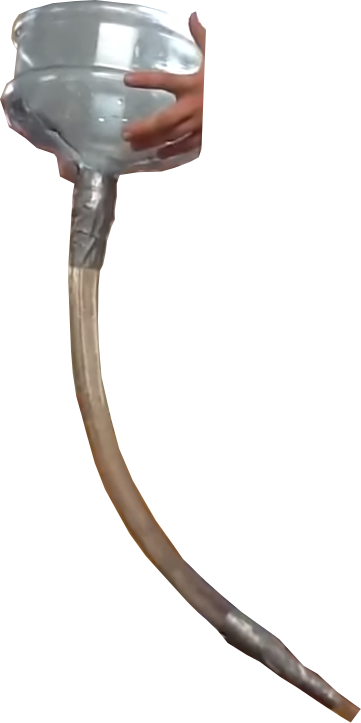
Equation of Continuity
Concept: Study of equation of continuity and it's application
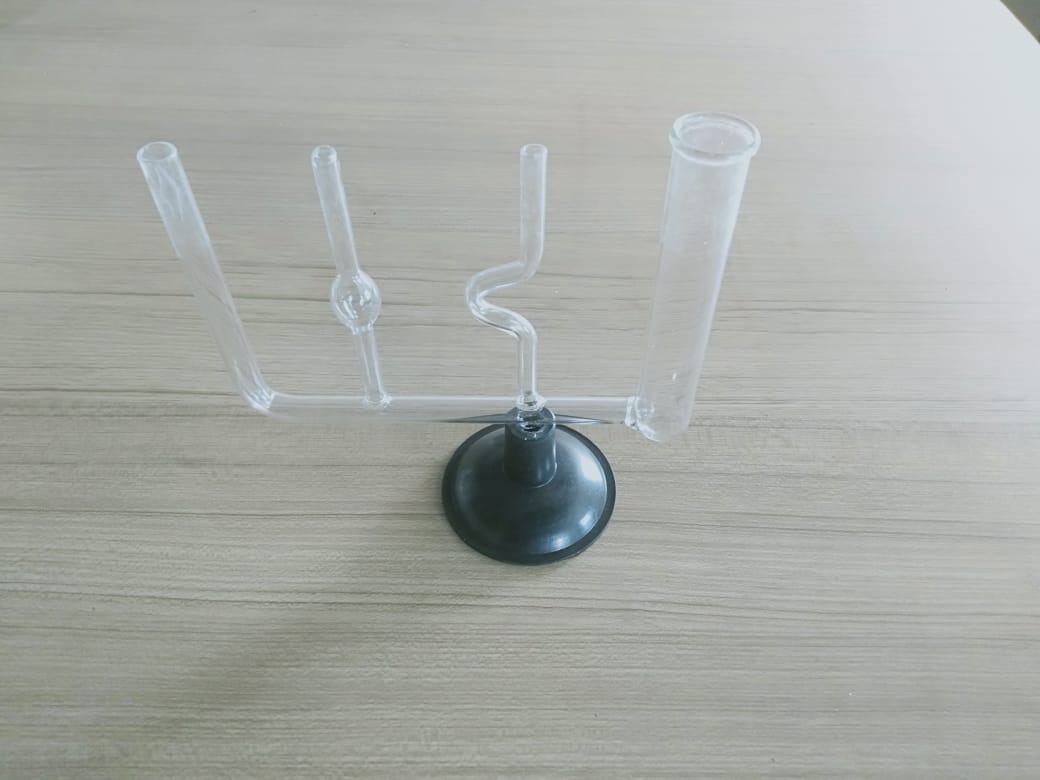
Venturi
Concept: Study of application of Bernoulli's effect using a venturi
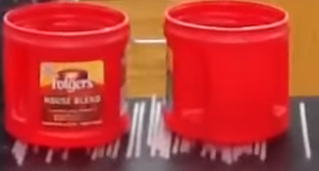
Bernoulli's effect: Blowing between the objects
Concept: Demonstration of Bernoulli's effect using two glass jars and some pencils.
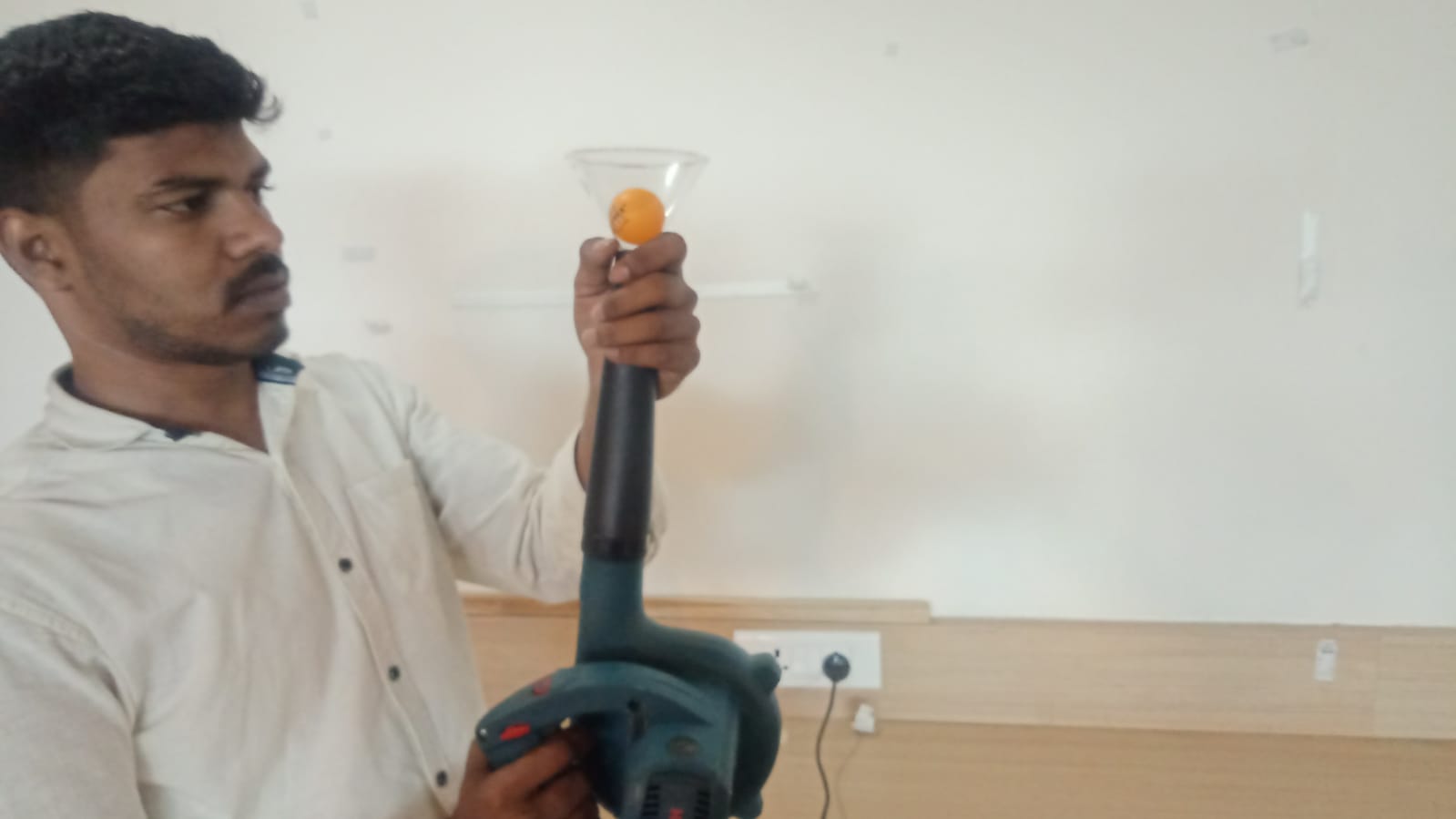
Bernoulli's effect: Air blower on the ball
Concept: Demonstration of Bernoulli's effect using a blower and a ball
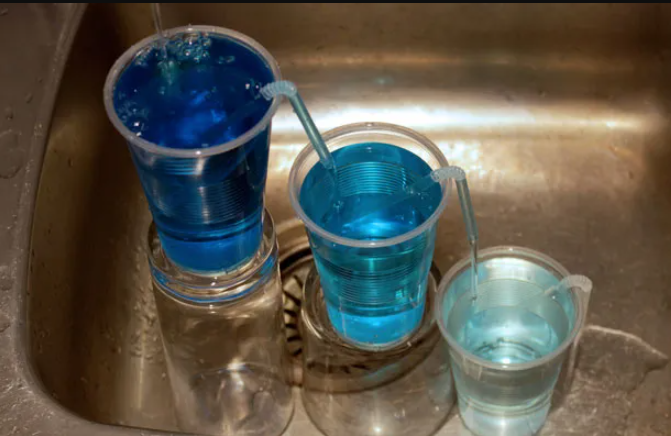
Basic Siphon
Concept: Fun experiments with Coheshive force and air pressure demonstration using Various siphons
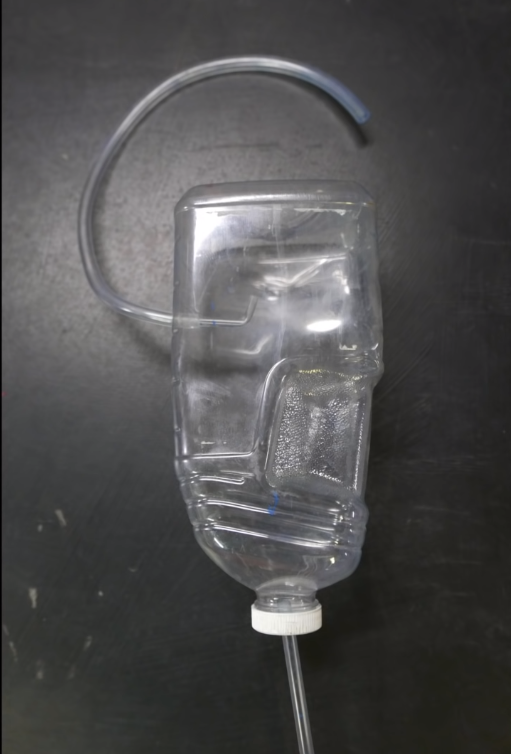
Flying drop Siphon
Concept: Fun experiments with Coheshive force and air pressure demonstration using Various siphons
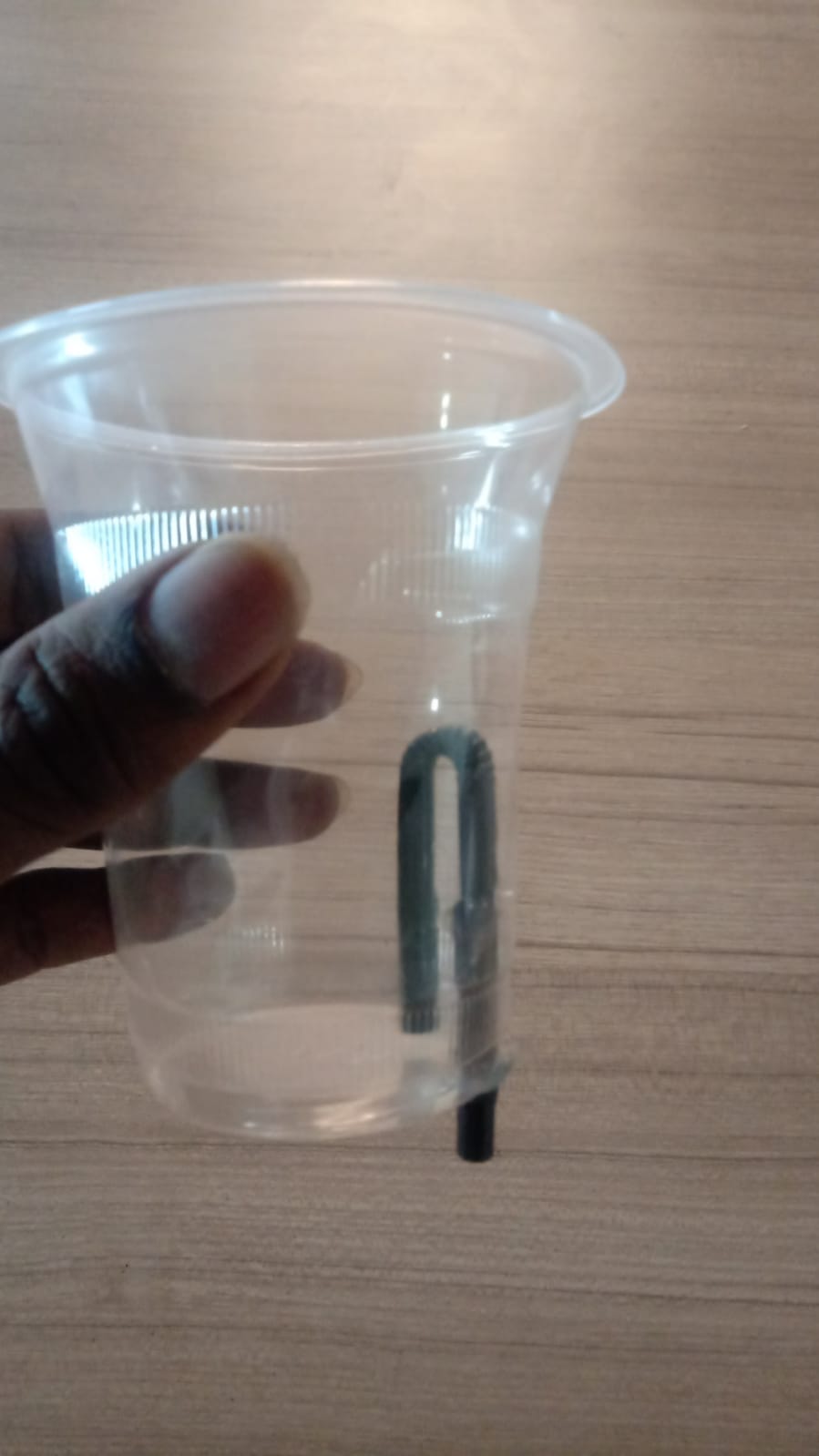
Cup Siphon
Concept: Fun experiments with Coheshive force and air pressure demonstration using Various siphons
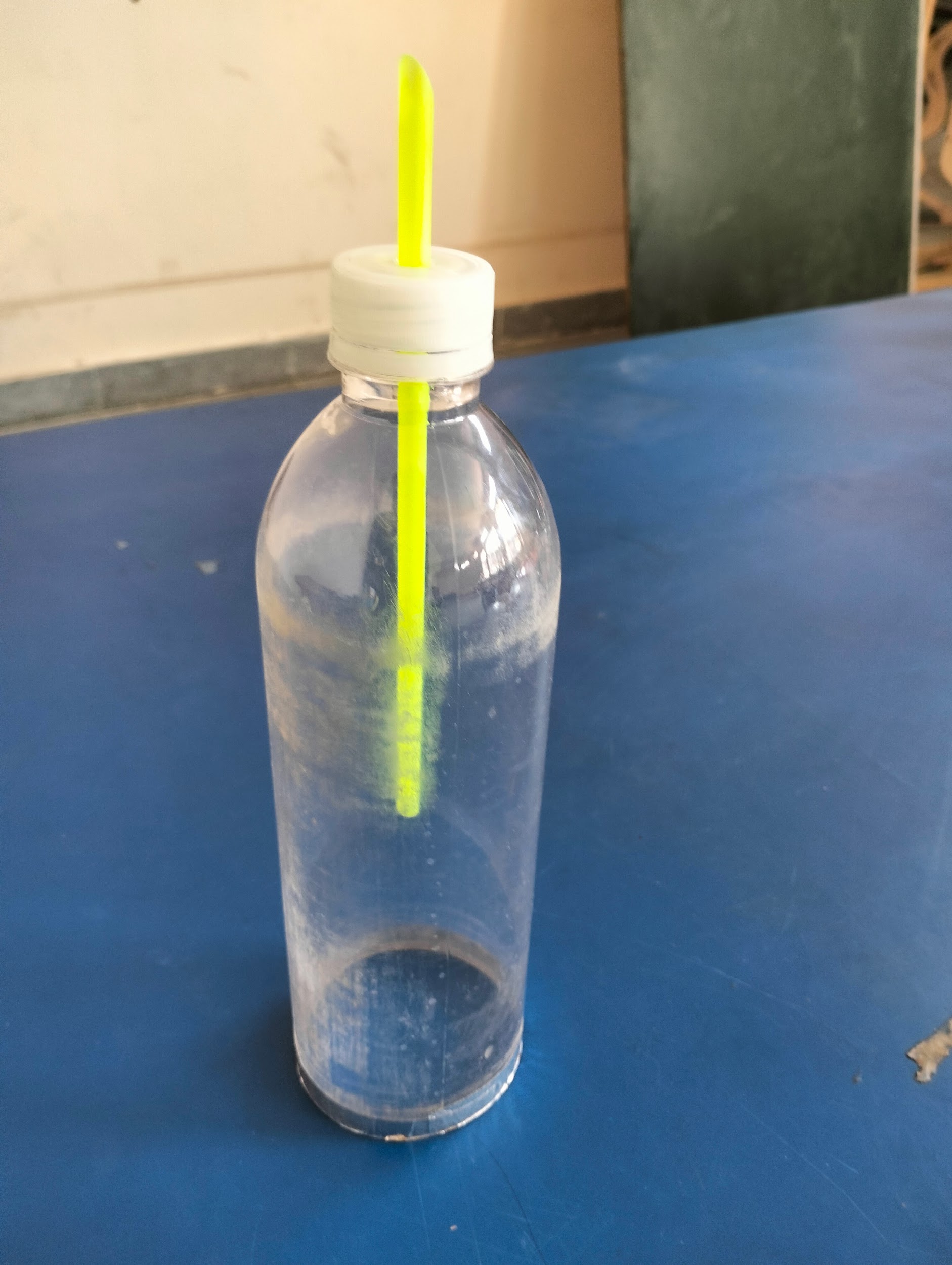
Bell Siphon
Concept: Fun experiments with Coheshive force and air pressure demonstration using Various siphons
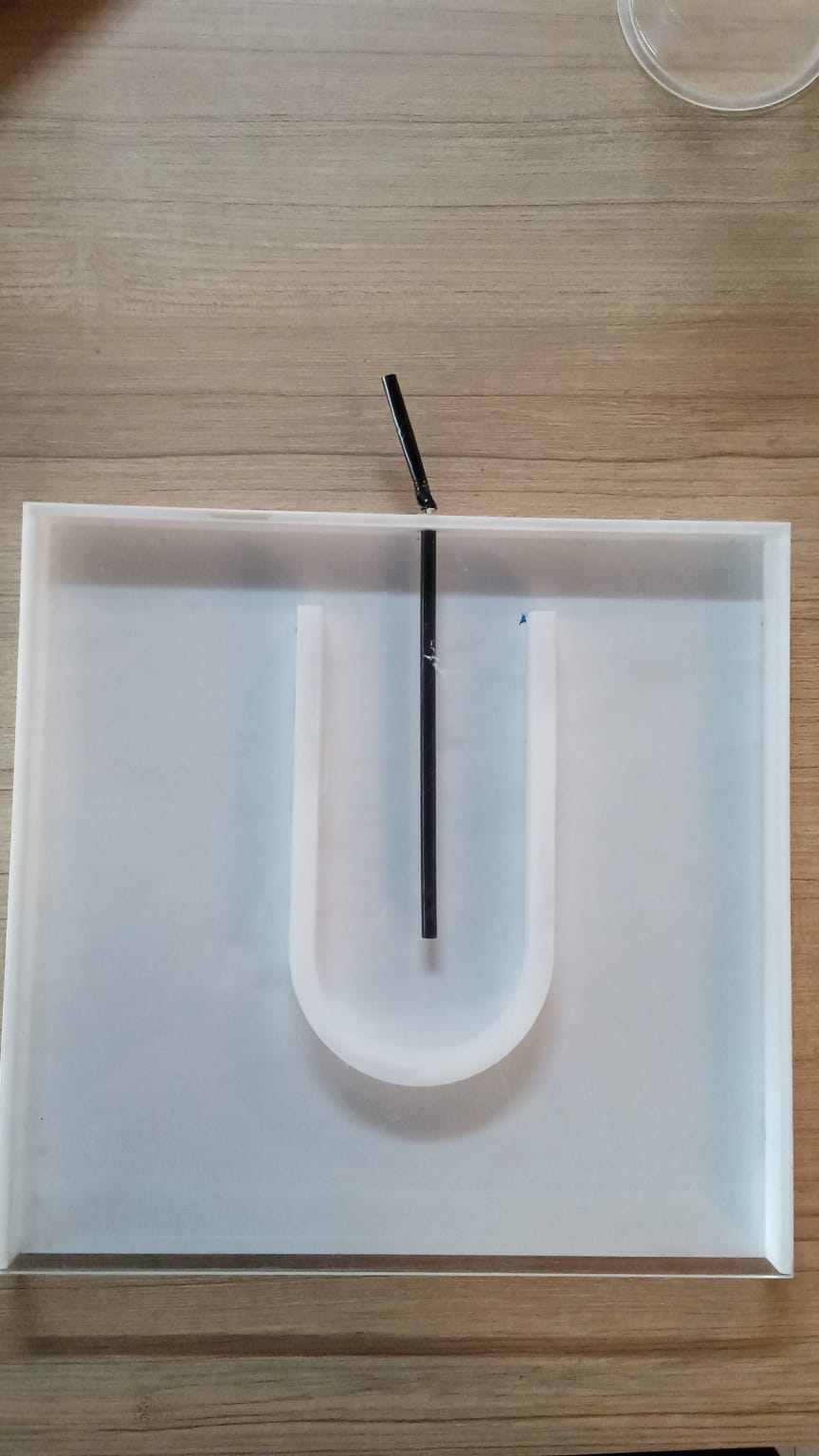
U shaped Siphon
Concept: Fun experiments with Coheshive force and air pressure demonstration using Various siphons
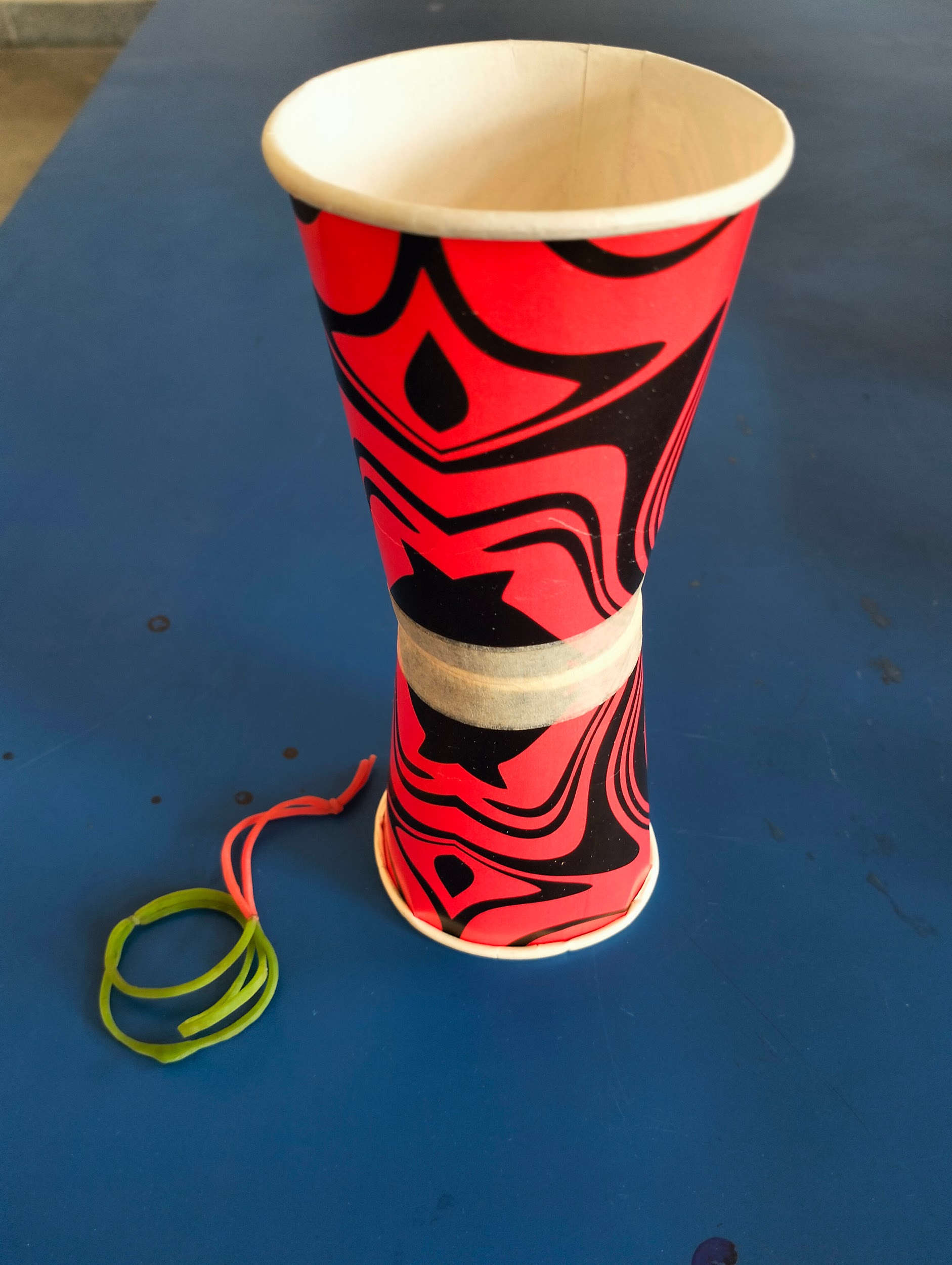
Flying cups
Concept: Syphonic in which Liquid flow upward above the surface of reservoir
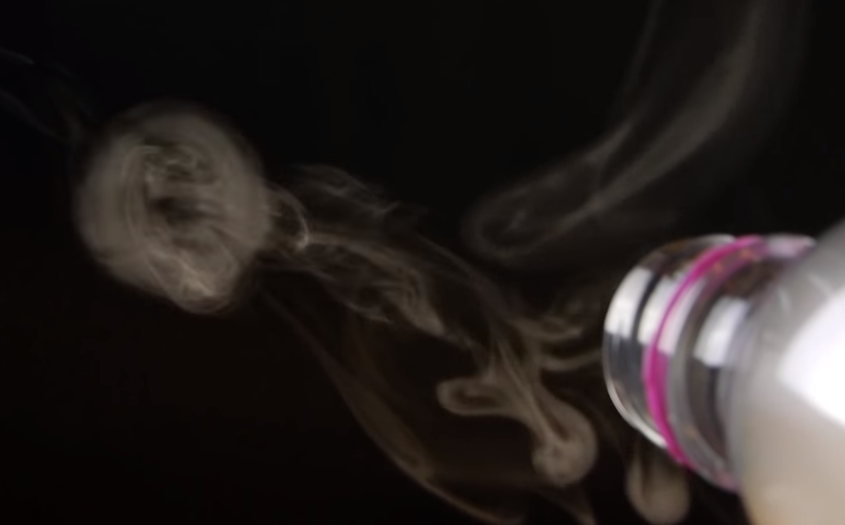
Smoke rings
Concept: Fun with bernoulli's effect
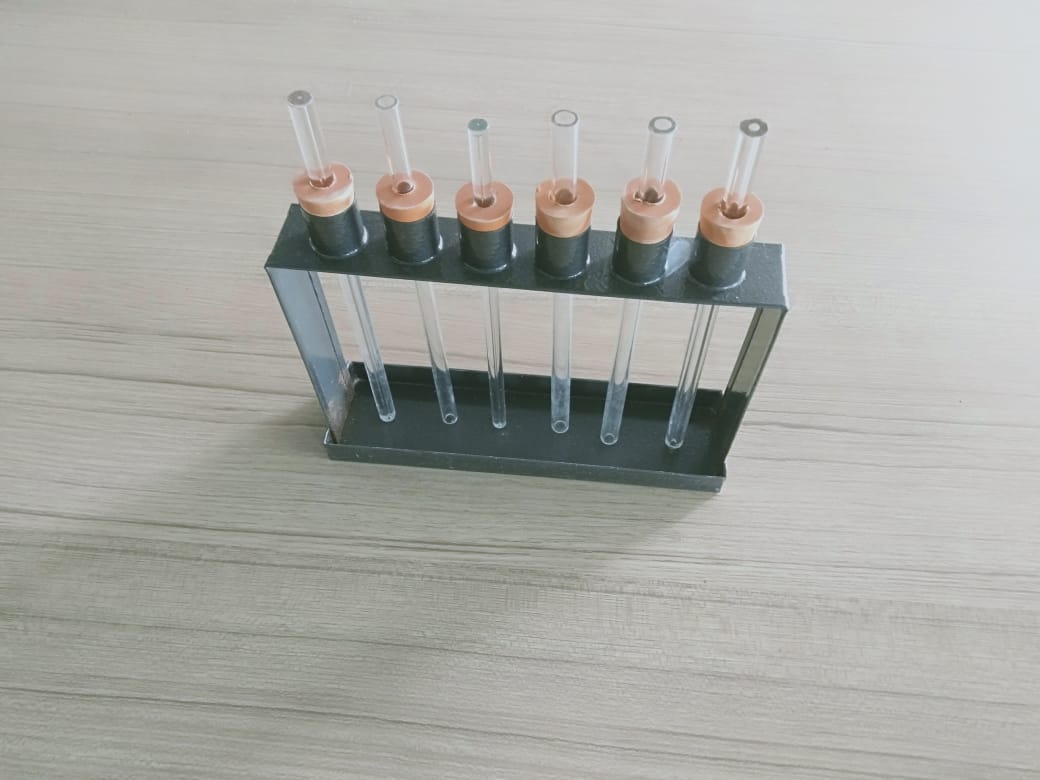
Capillary effect
Concept: Study of capillarity
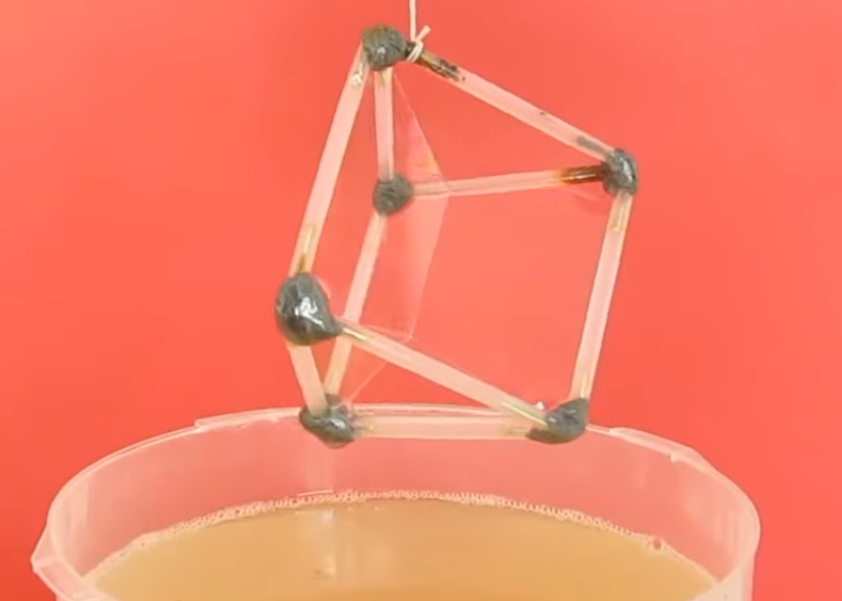
Soap films
Concept: Study of surface tensions using soap films
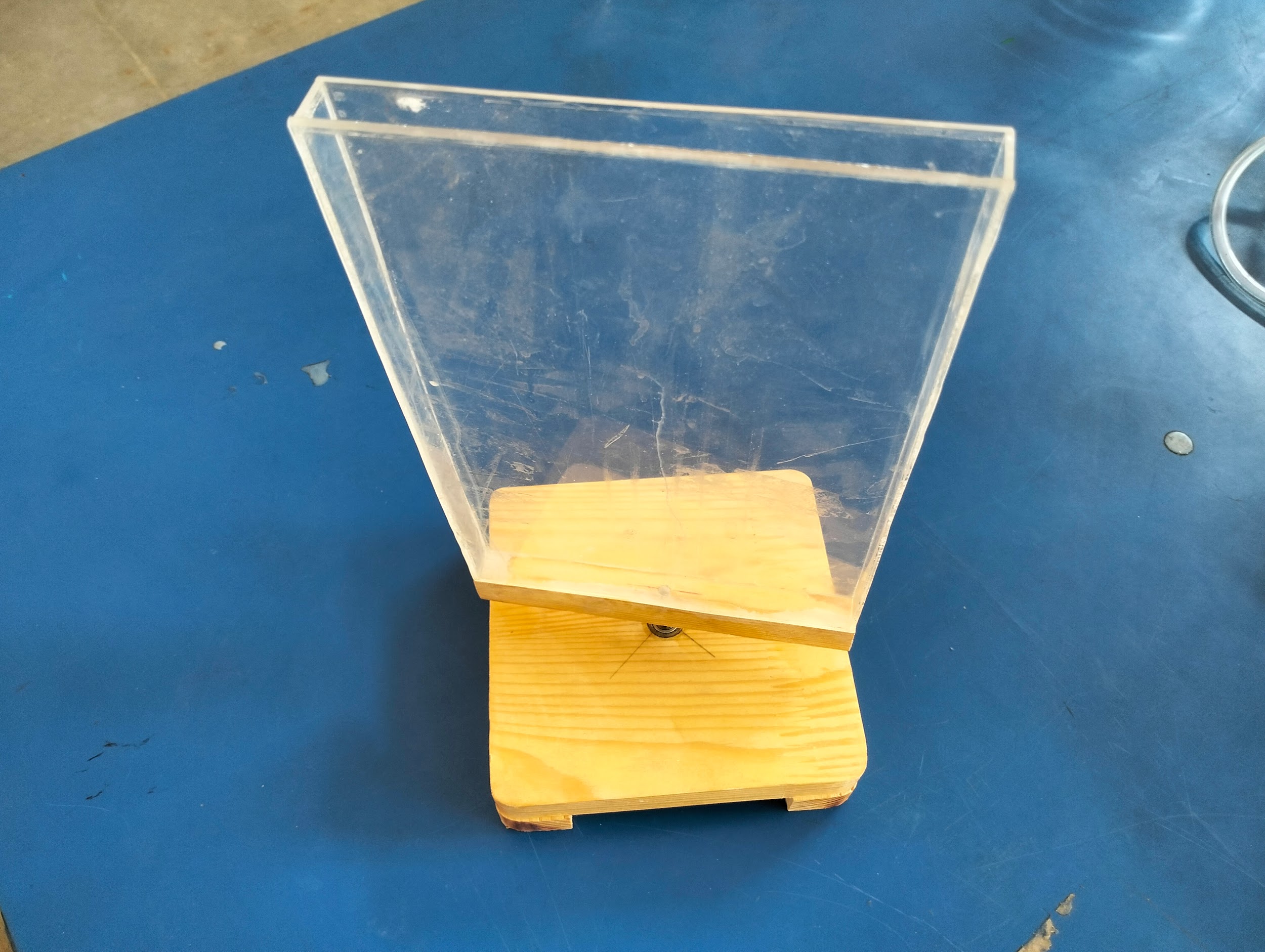
Rotating water tanks
Concept: Study of viscocity
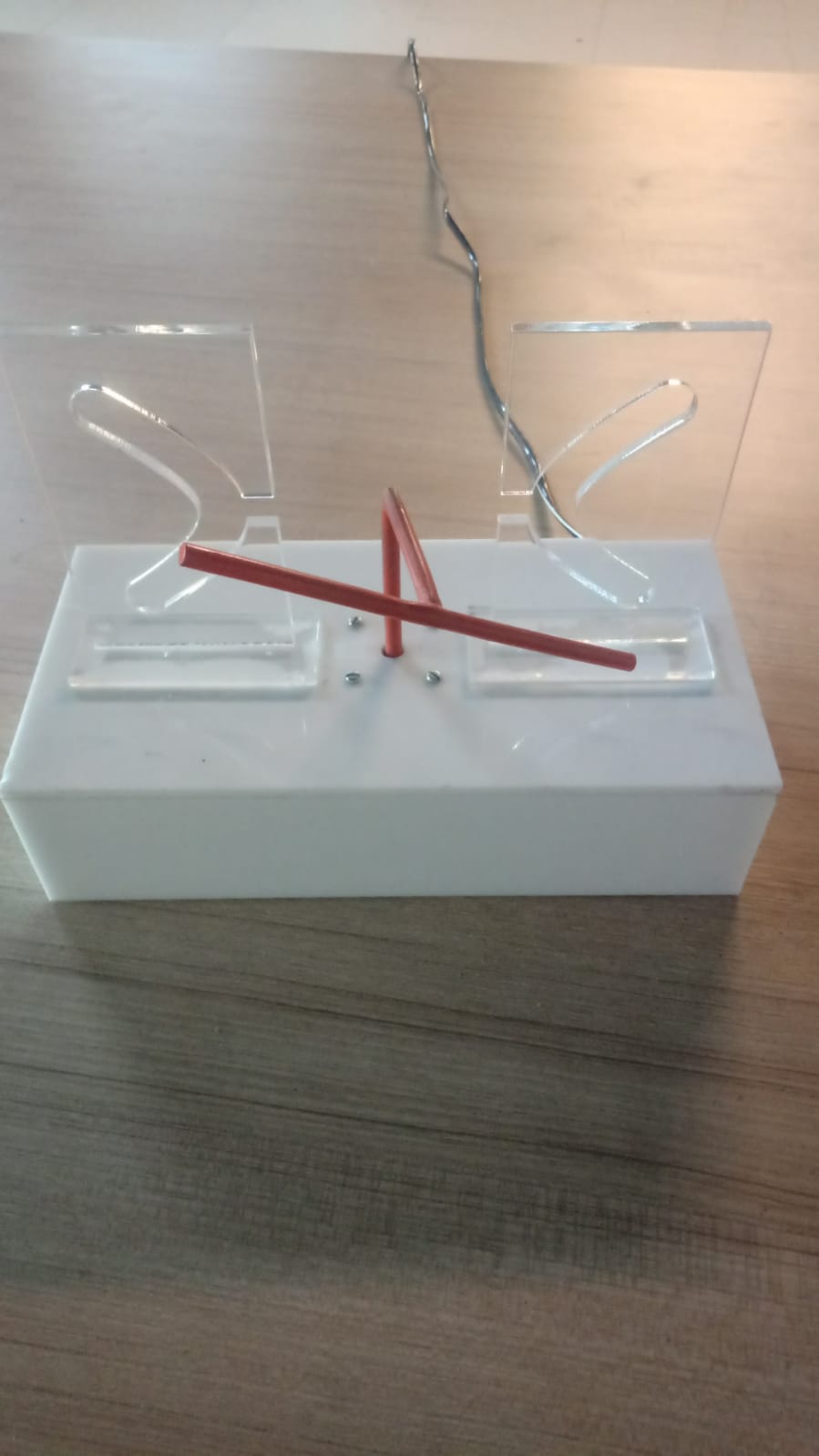
Maths & kinematics
Concept: Fun with math
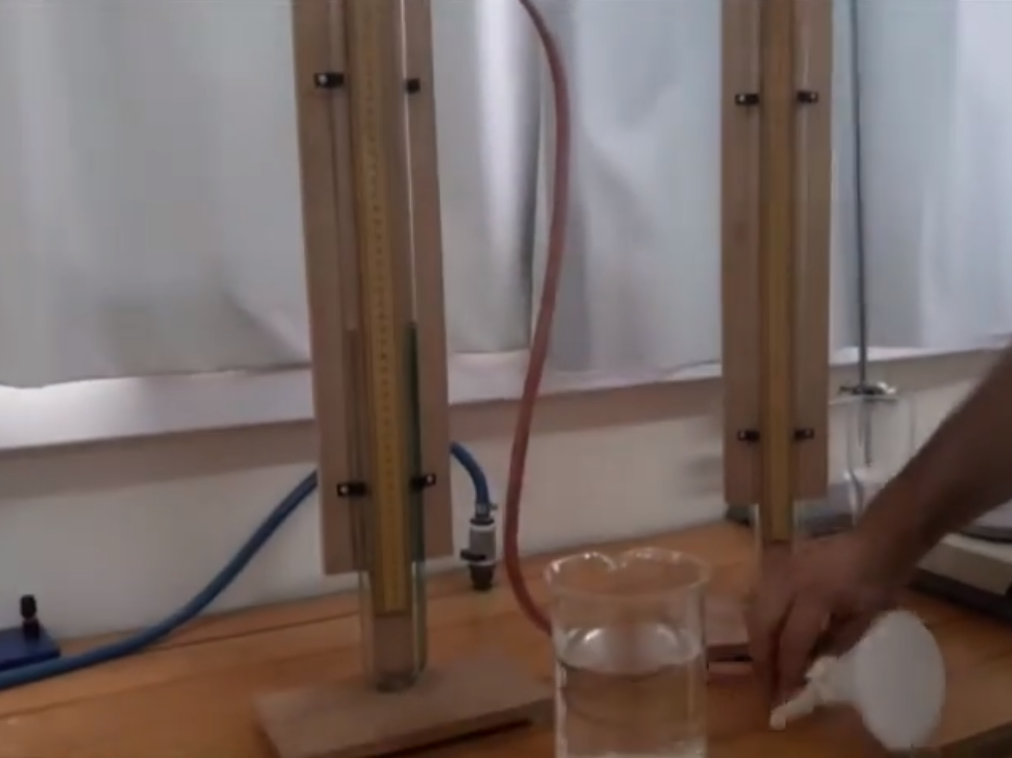
Pressure measurement: Manometer
Concept: Pressure measurements
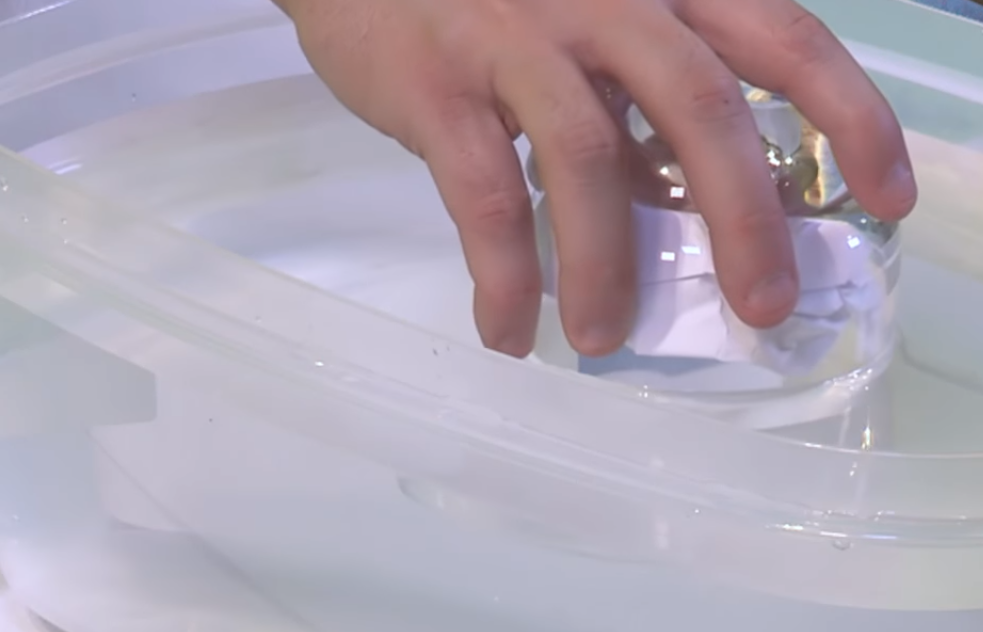
Air Pressure: Tissue and Glass
Concept: Study of air pressure using a plastic glass, a tissue and a water container
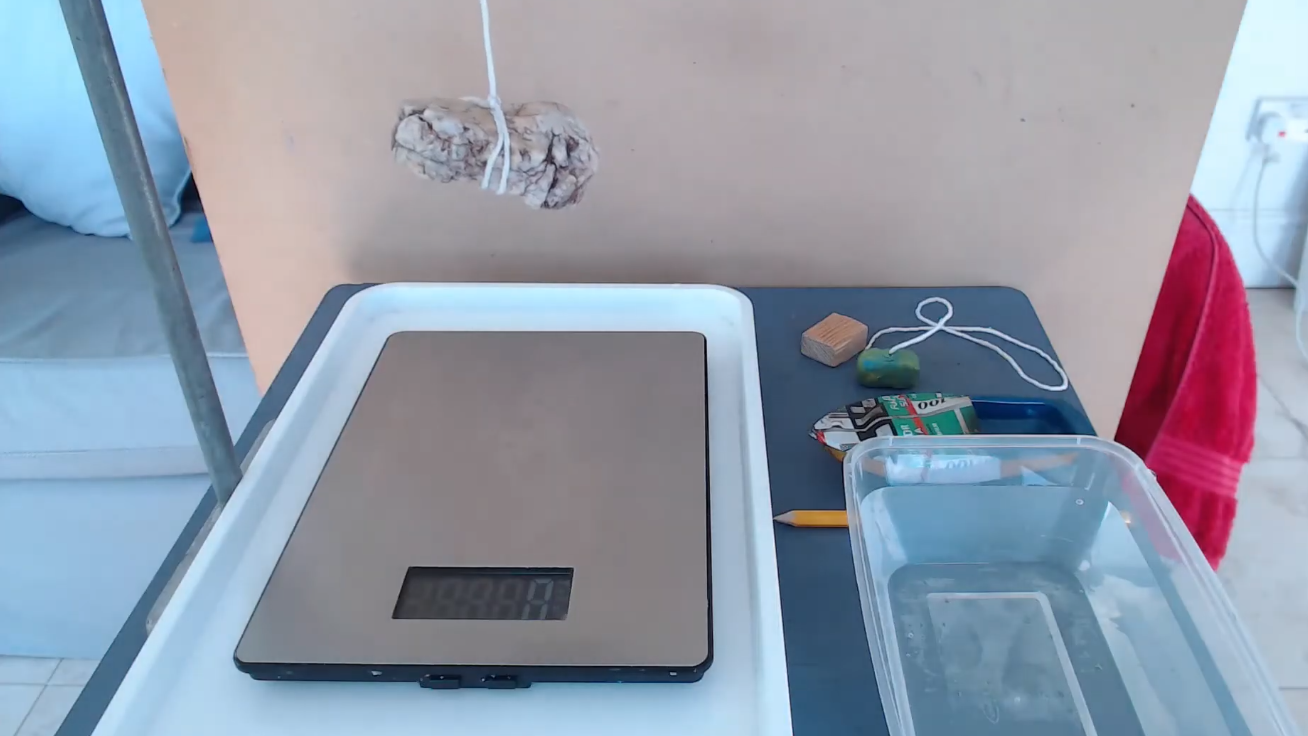
Buoyancy demonstration
Concept: Study of buoyancy and its effect
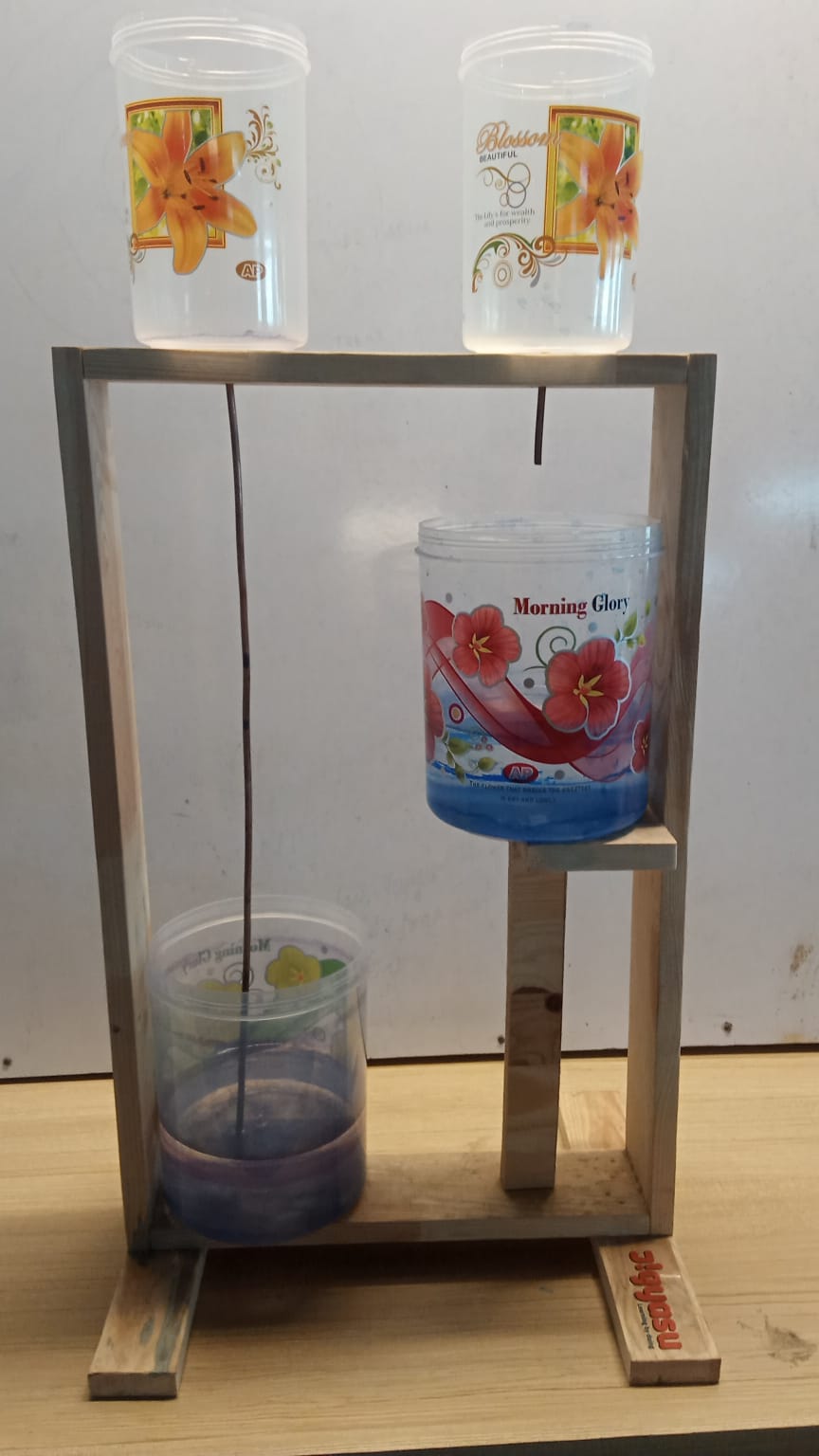
Water pressure paradox
Concept: A fun experiment with water pressure
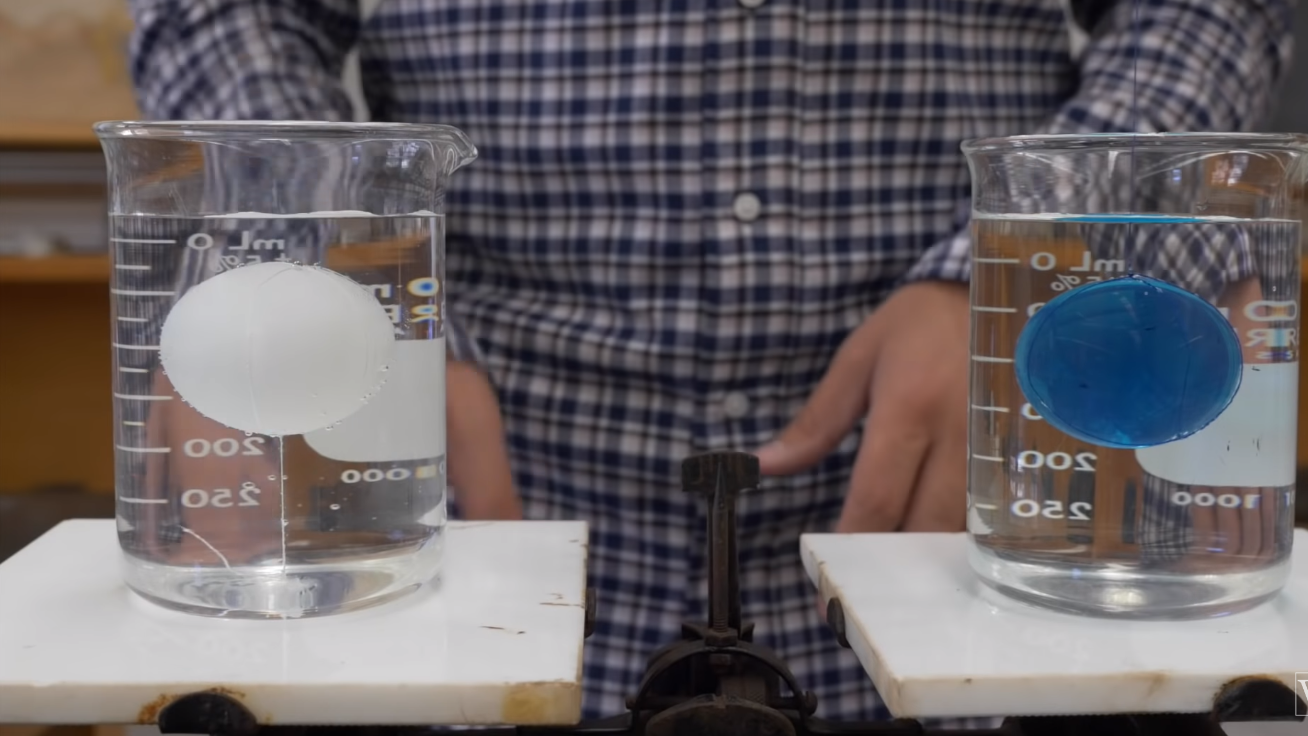
Buoyancy paradox
Concept: Study of buoyancy and its effect
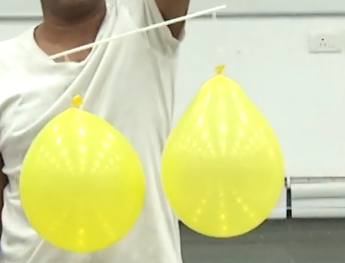
Buoyancy with balloon
Concept: Study of buoyancy and its effect
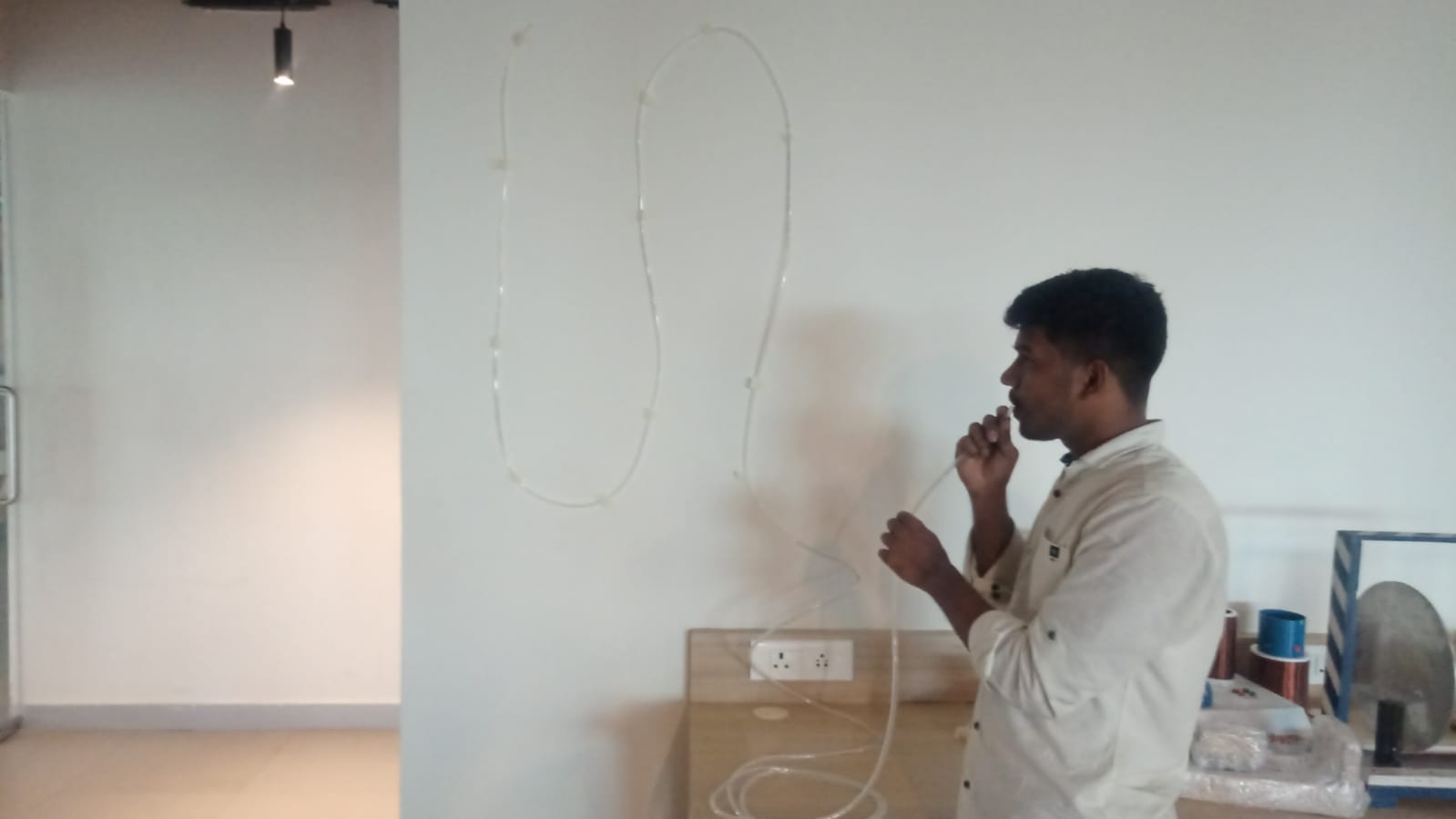
U tube magic
Concept: Some hydrostatic phenomena
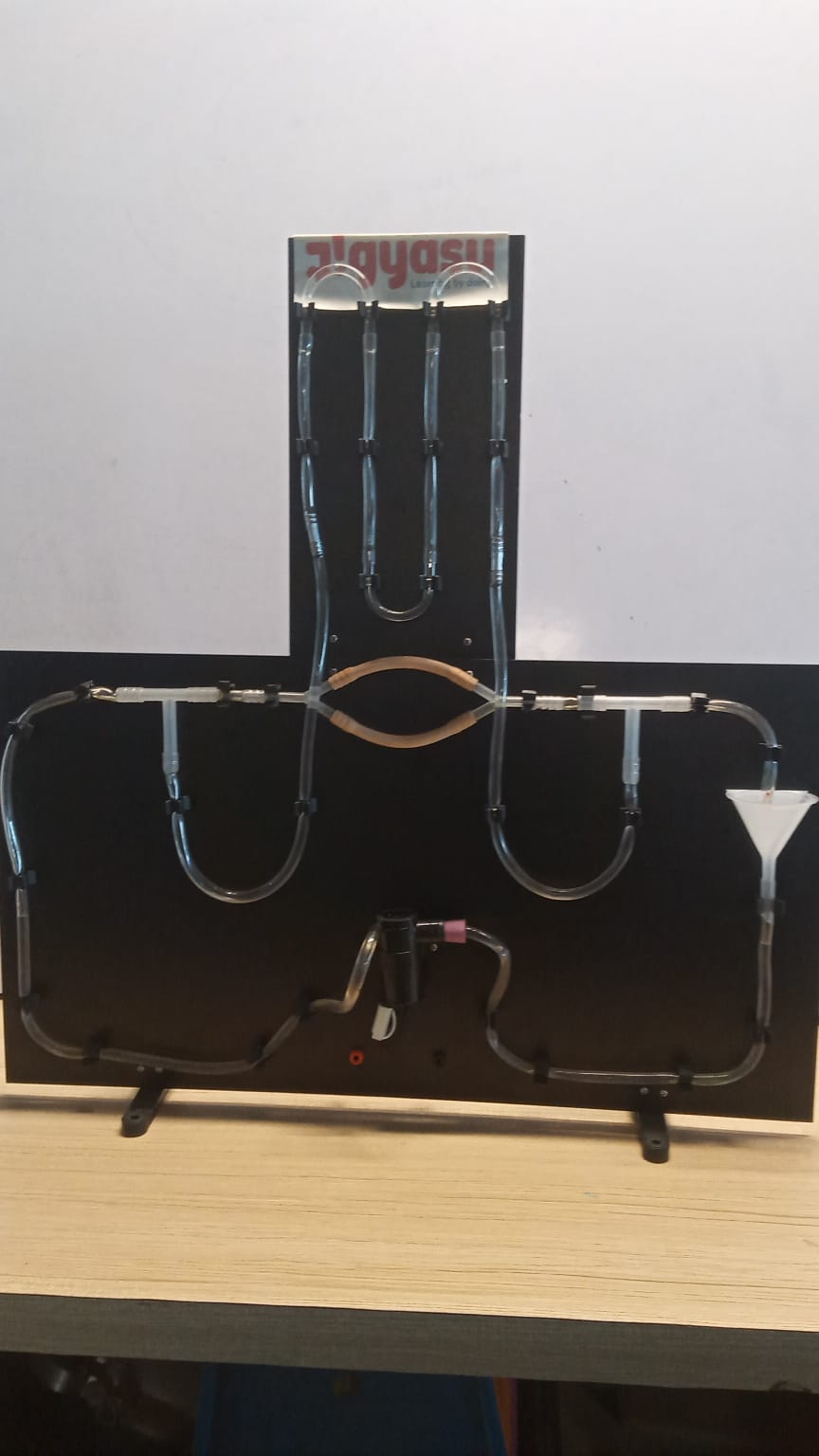
Some hydrostatics phenomena
Concept: Some hydrostatic phenomena
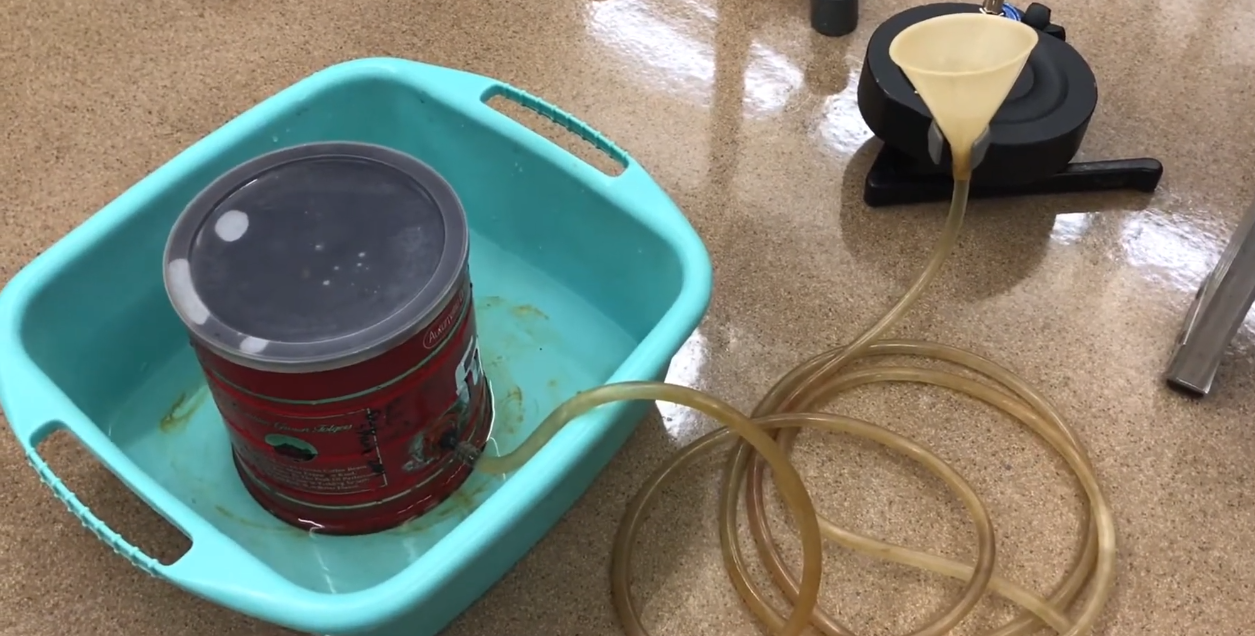
Pressure due to liquid column: Pascal's barrel
Concept: Study of Pascal's law using a pipe and a Jar
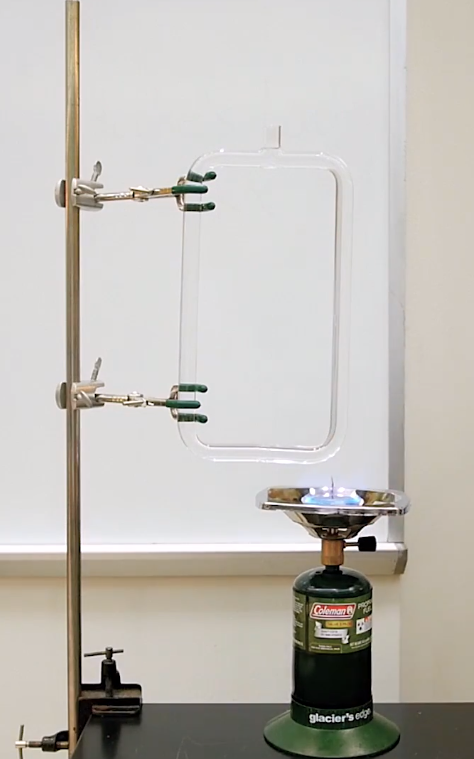
Convection demonstration
Concept: Demonstration of convection
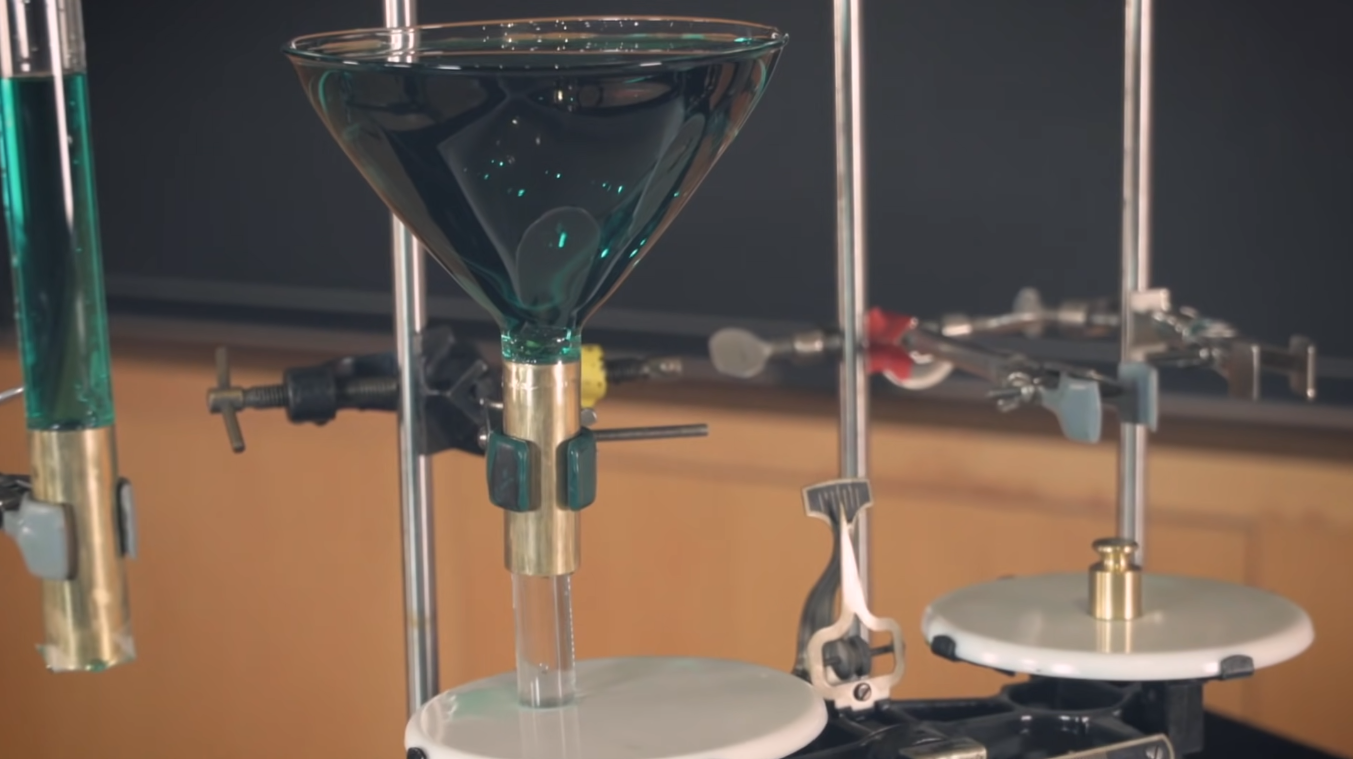
Hydrostatic Paradox
Concept: Study of hydrostatic pressure
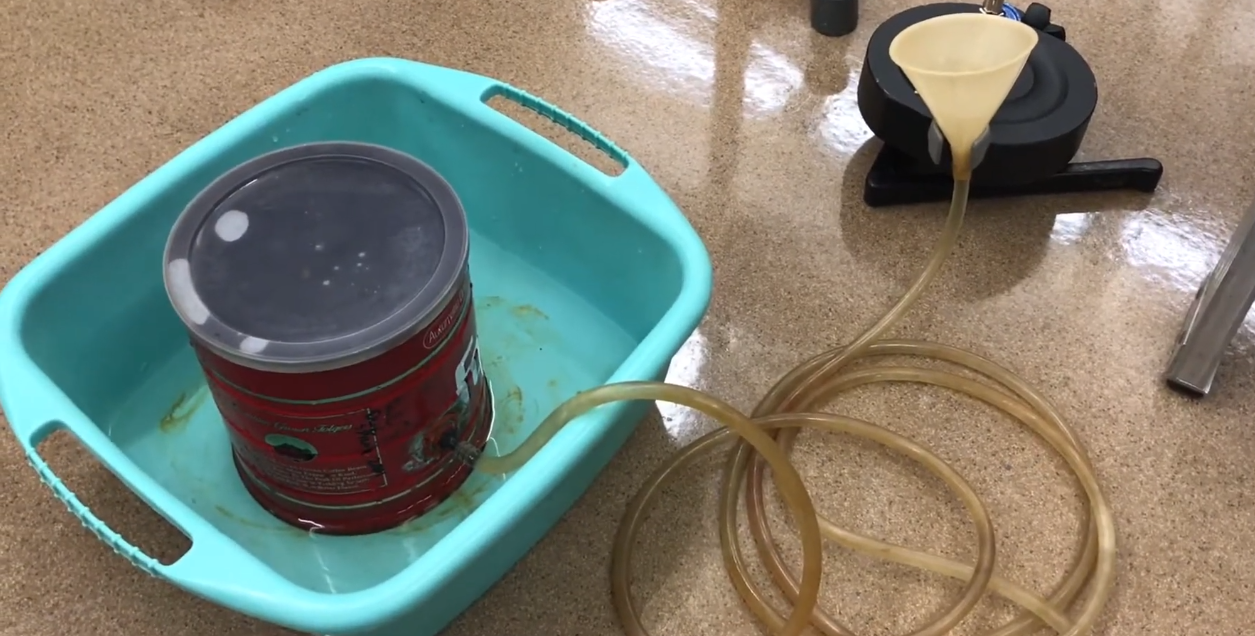
Effect of water column: glass jar
Concept: Study of Pascal's law
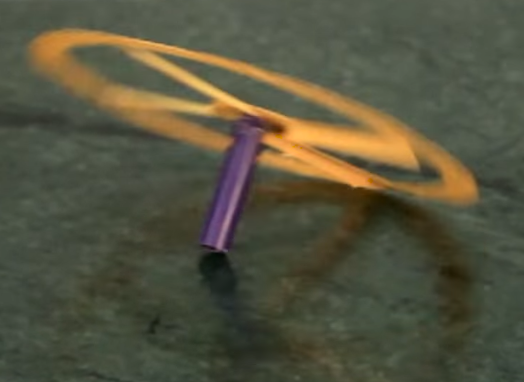
Homemade Helicopter
Concept: Making a hand made helicopter with the help of a thick paper and a straw
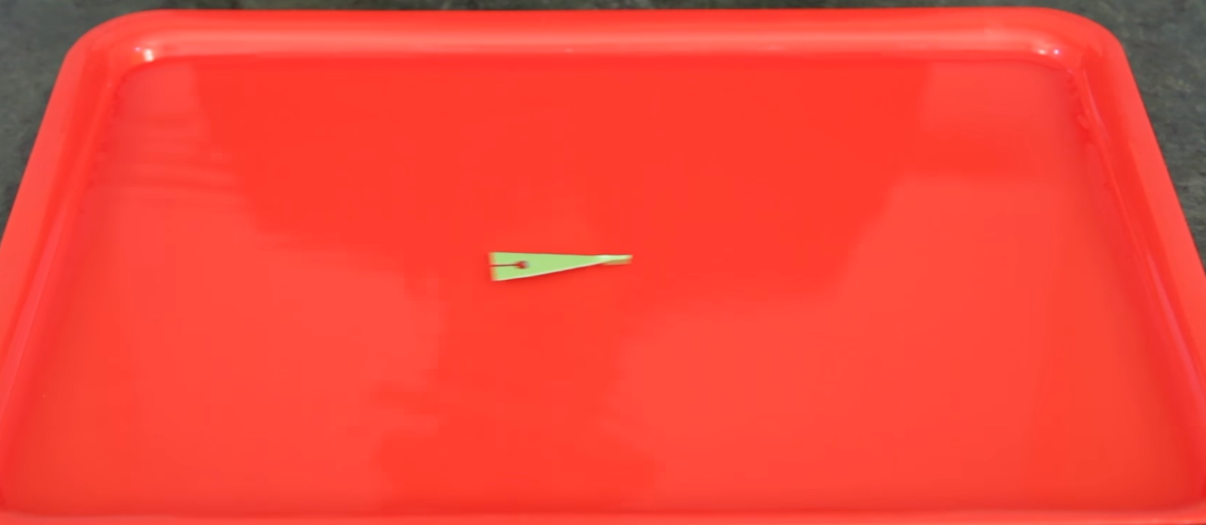
Boat race using surface tension
Concept: making small boat like looking paper cuttings and race them by putting a little soap on them in the rear end and then let the surface tension make them move really fast
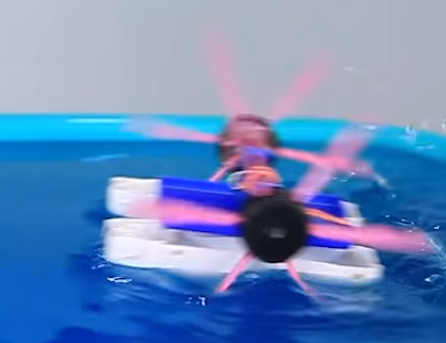
Homemade Boat
Concept: there are some variations: elasticity powered , air pressure, motor powered an with sails
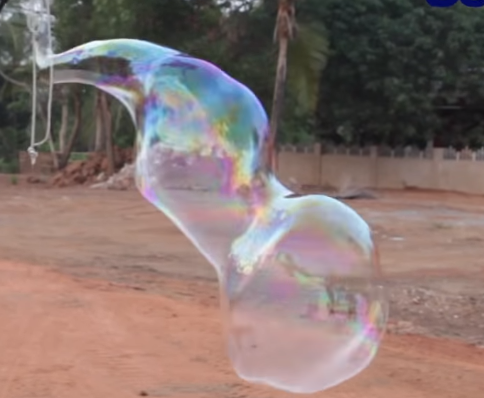
Bubble Fun
Concept: making large bubbles with the help of rope and two large sticks an the solution made of corn syrup,corn starch an dishwashing liquid
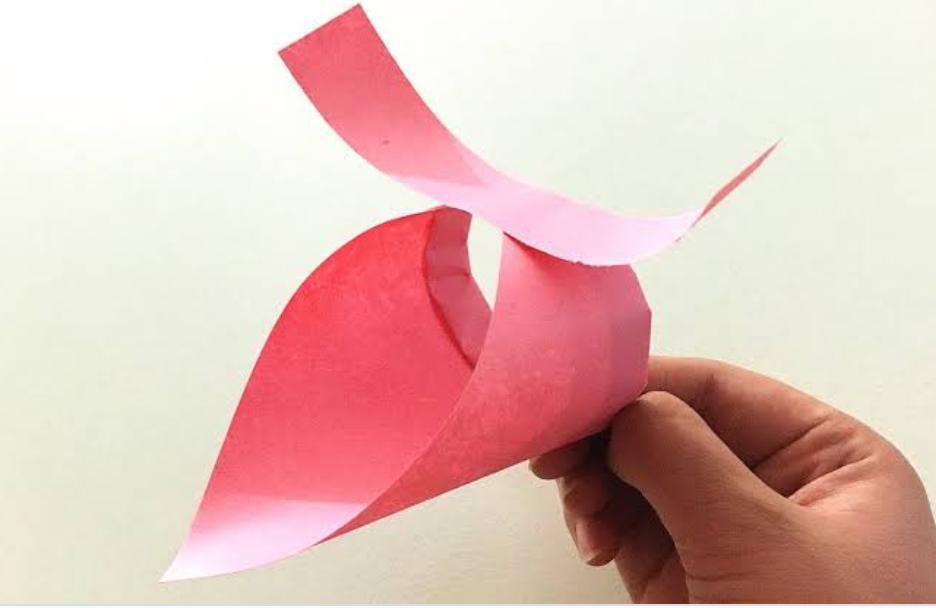
Making a plane with paper cylinder
Concept: making a paper plane which is cylindrical in shape

Air contains Oxygen
Concept: Detection of Oxygen as one of the gases present in air.

Air contains Dust
Concept: Detection of dust as one of the gases present in air.
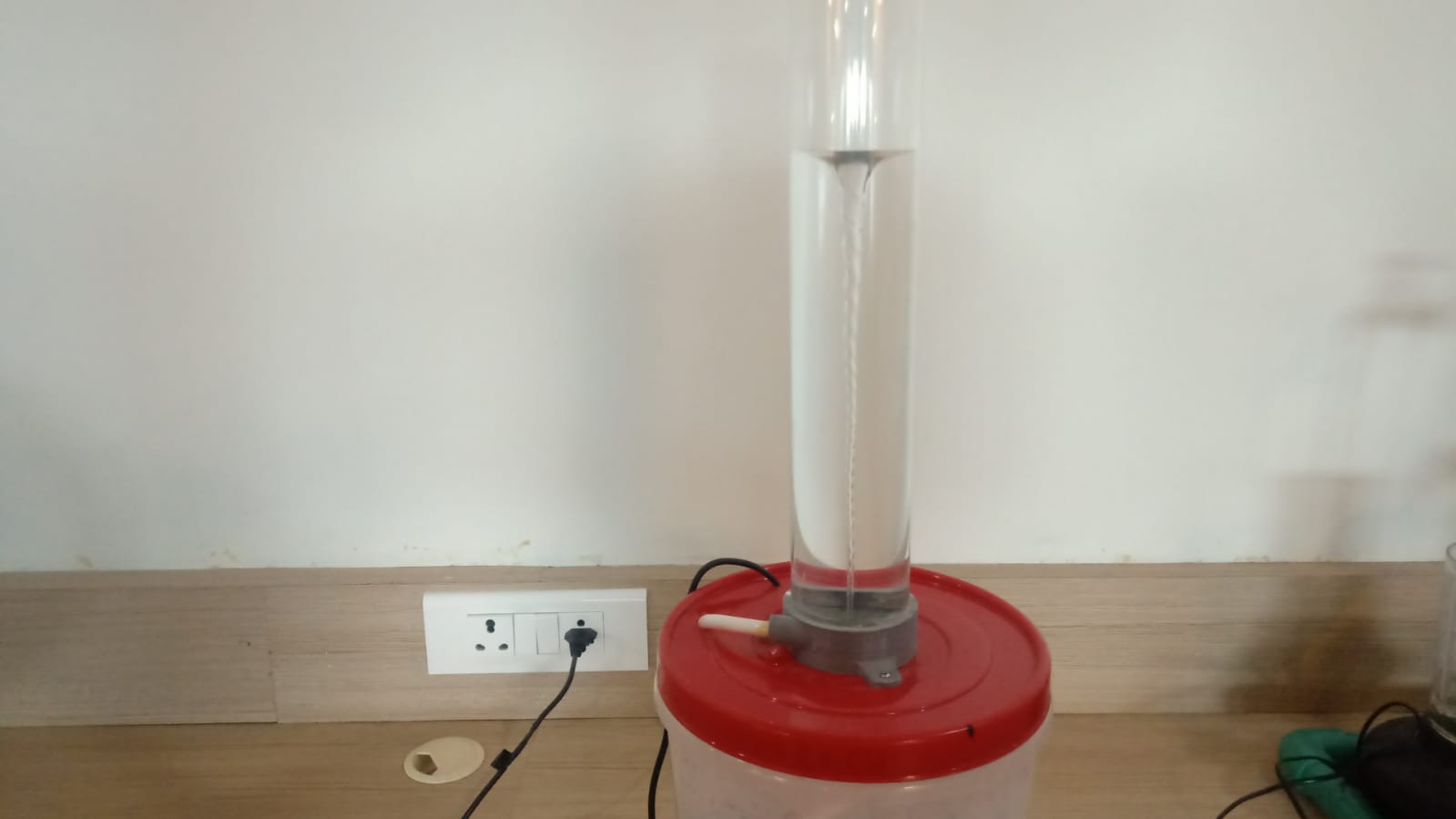
Vortex inside water
Concept: making small boat like looking paper cuttings and race them by putting a little soap on them in the rear end and then let the surface tension make them move really fast
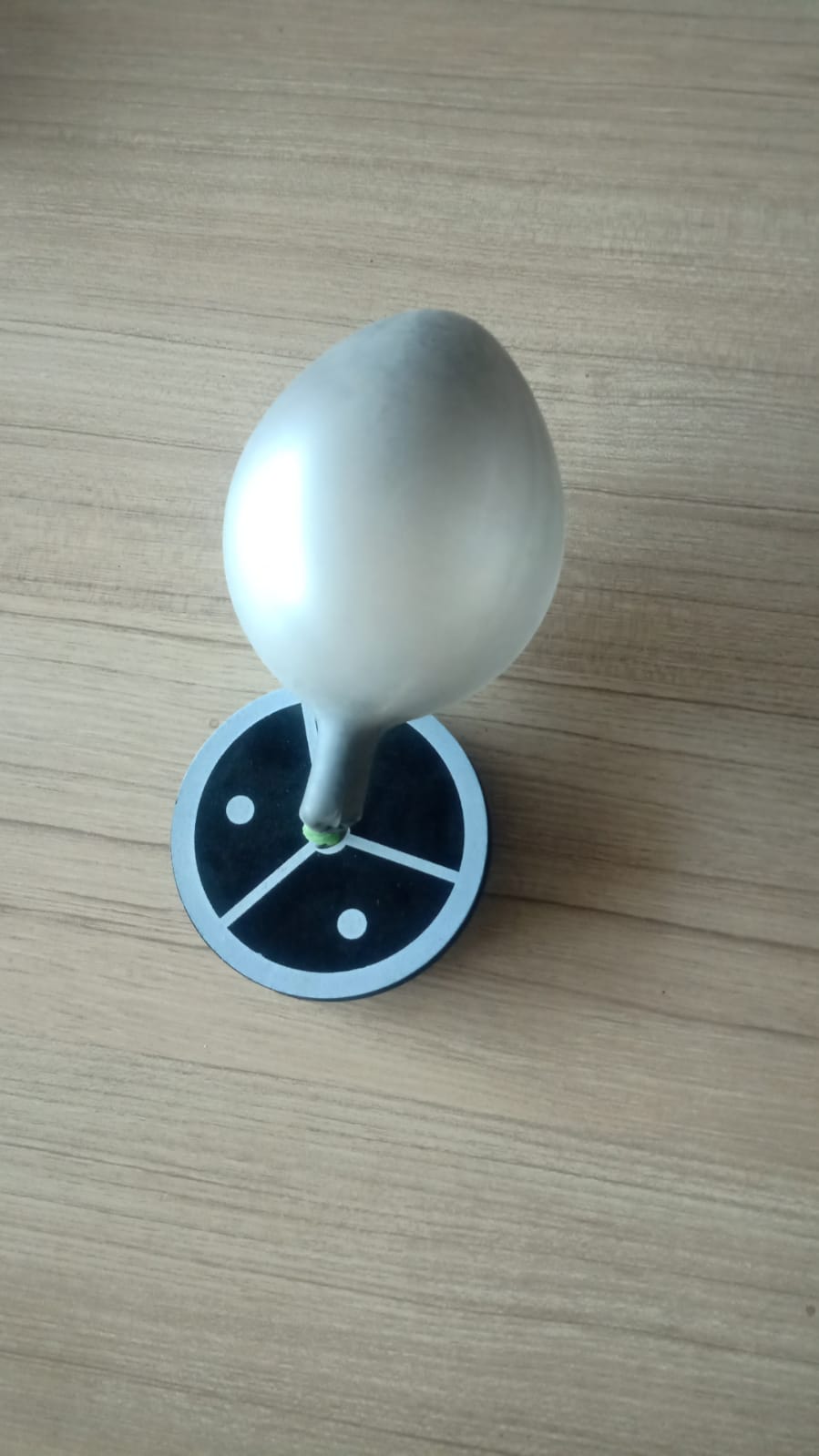
Balloon Hovercraft
Concept: making a hovercraft with the help of a cd an an inflated balloon
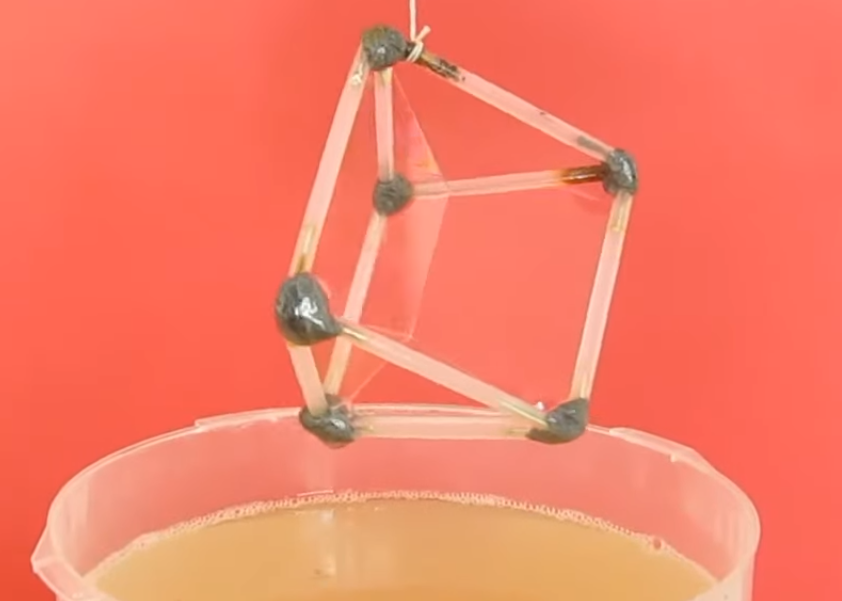
Crazy Bubbles
Concept: making bubbles of different shapes
Buoyancy demonstration with household items
Concept: various activities in our daily life which are only able due to atmospheric pressure such as working of syringes
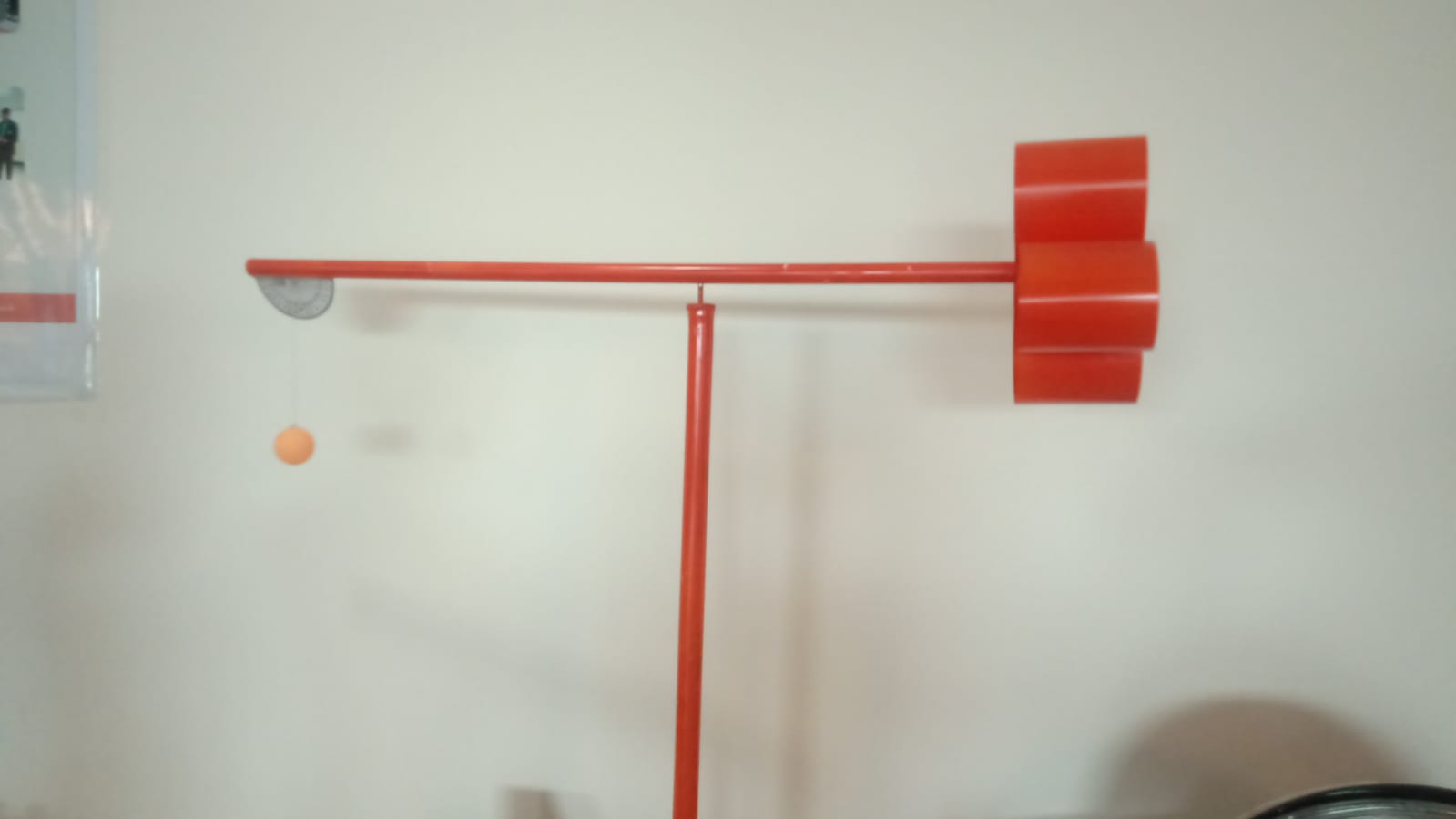
Anemometer
Concept: it is an instrument to measure the direction and speed of winds

Making a boat
Concept: building different models of boats which work on different concepts
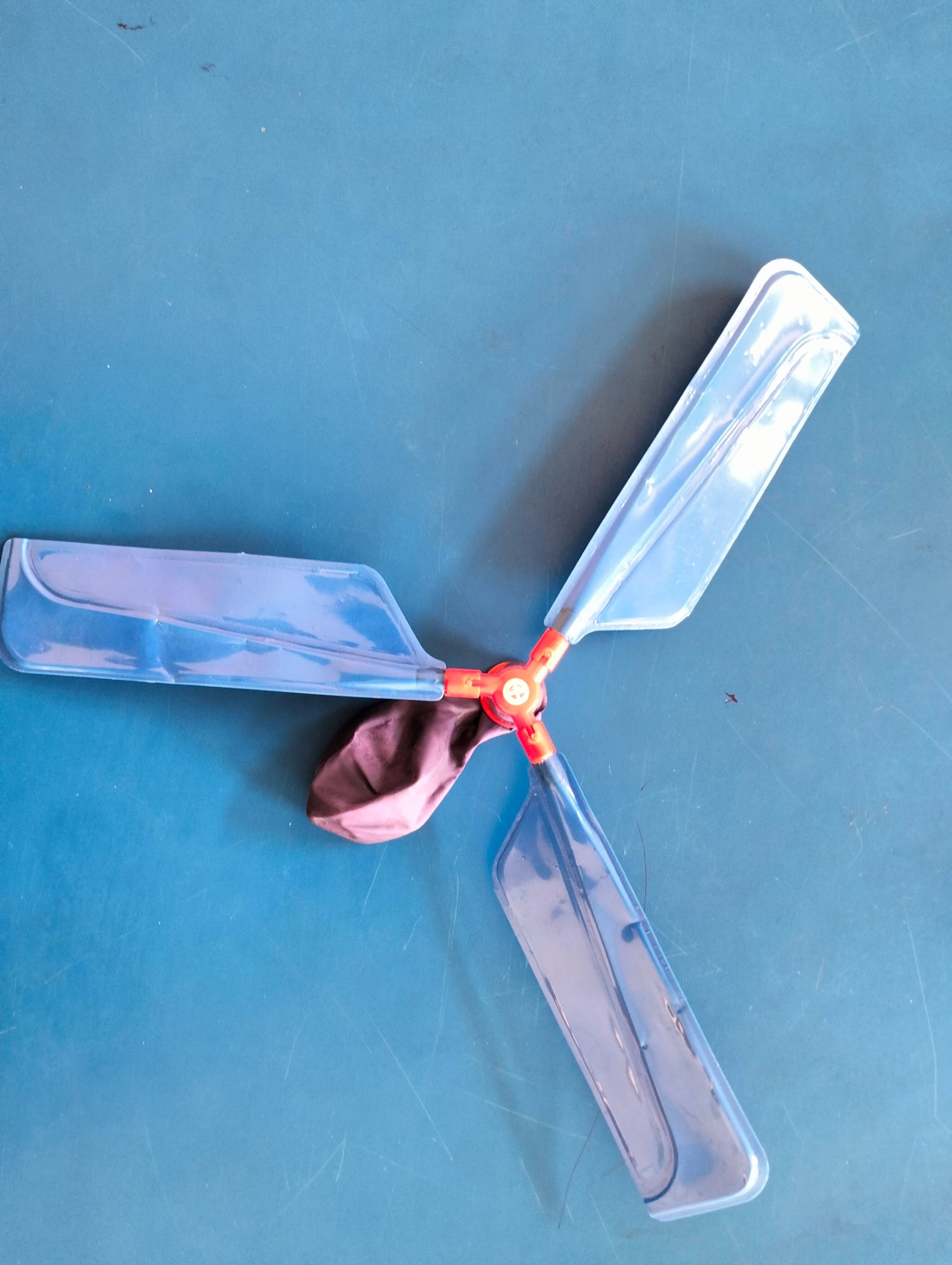
Helicopters with balloons
Concept: explaining how the helicopters fly
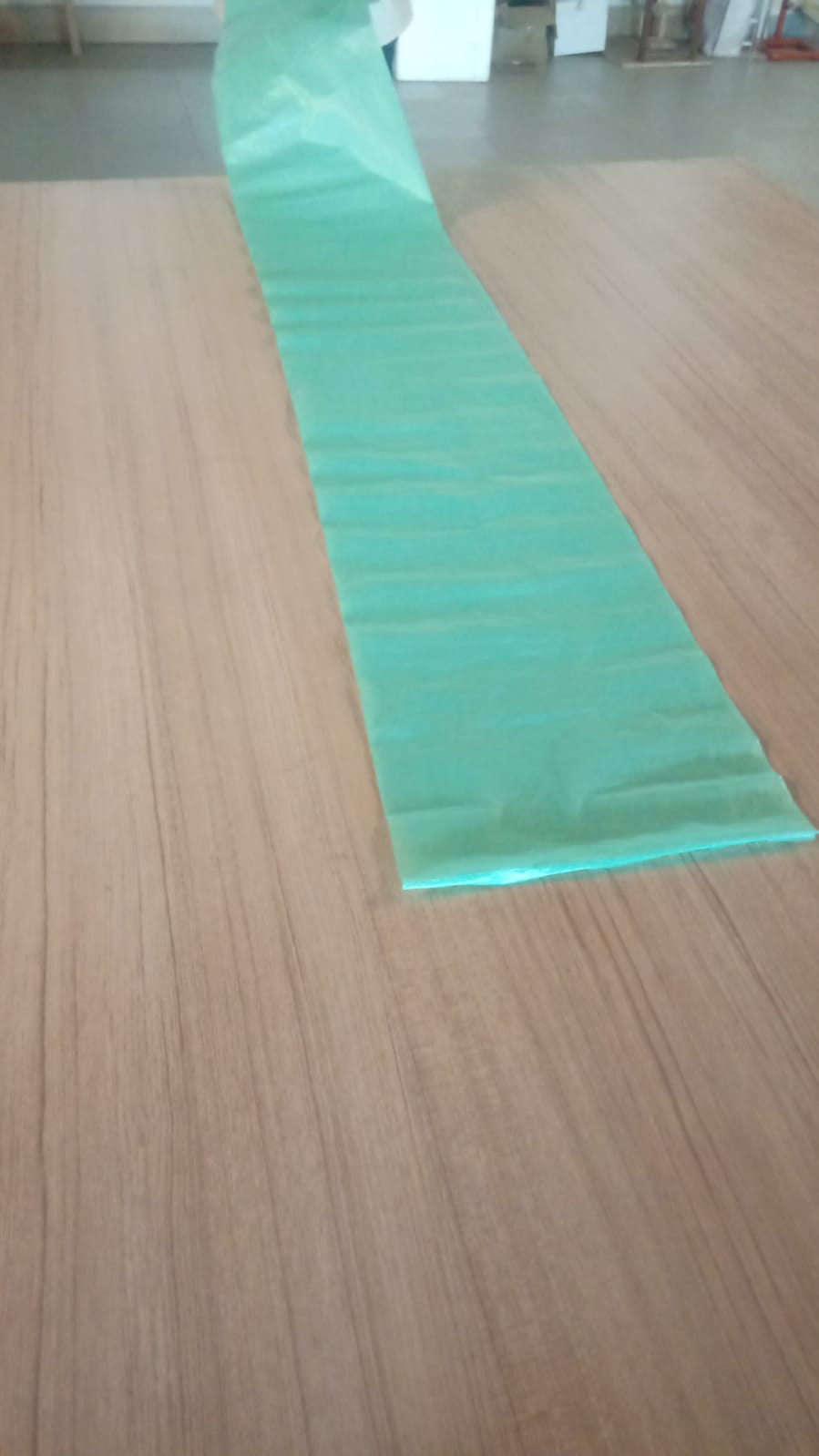
Balloons & lungs capacity
Concept: you can inflate the big polythene bag by blowing slowly due to bernoulli principle
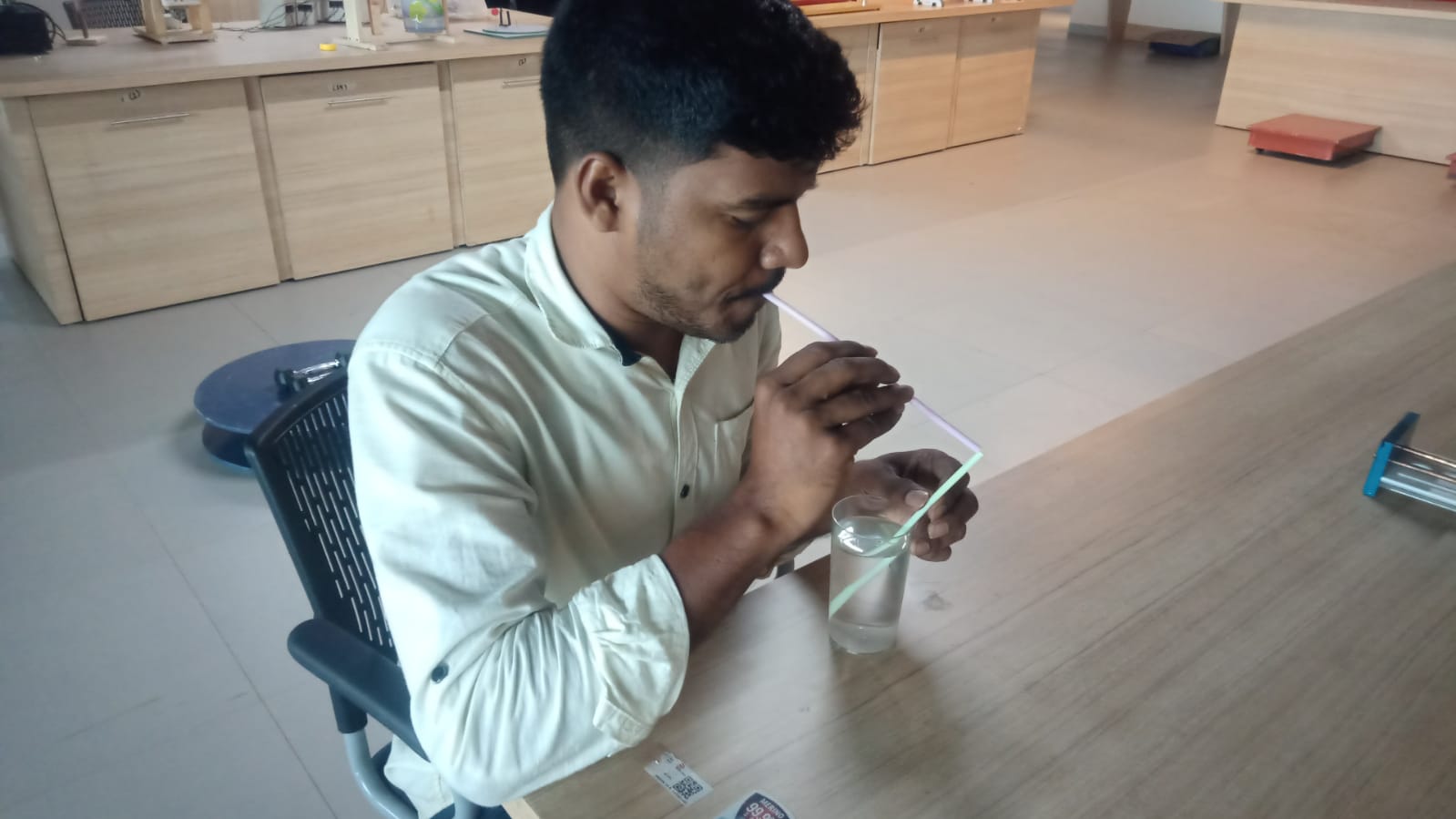
Water spray using Bernoulli principle
Concept: making the chocolate milk spray by putting a small straw in the milk an the placing a small piece of straw on it an blowing in it the chocolate milk will come up and spray because of bernoulli principle
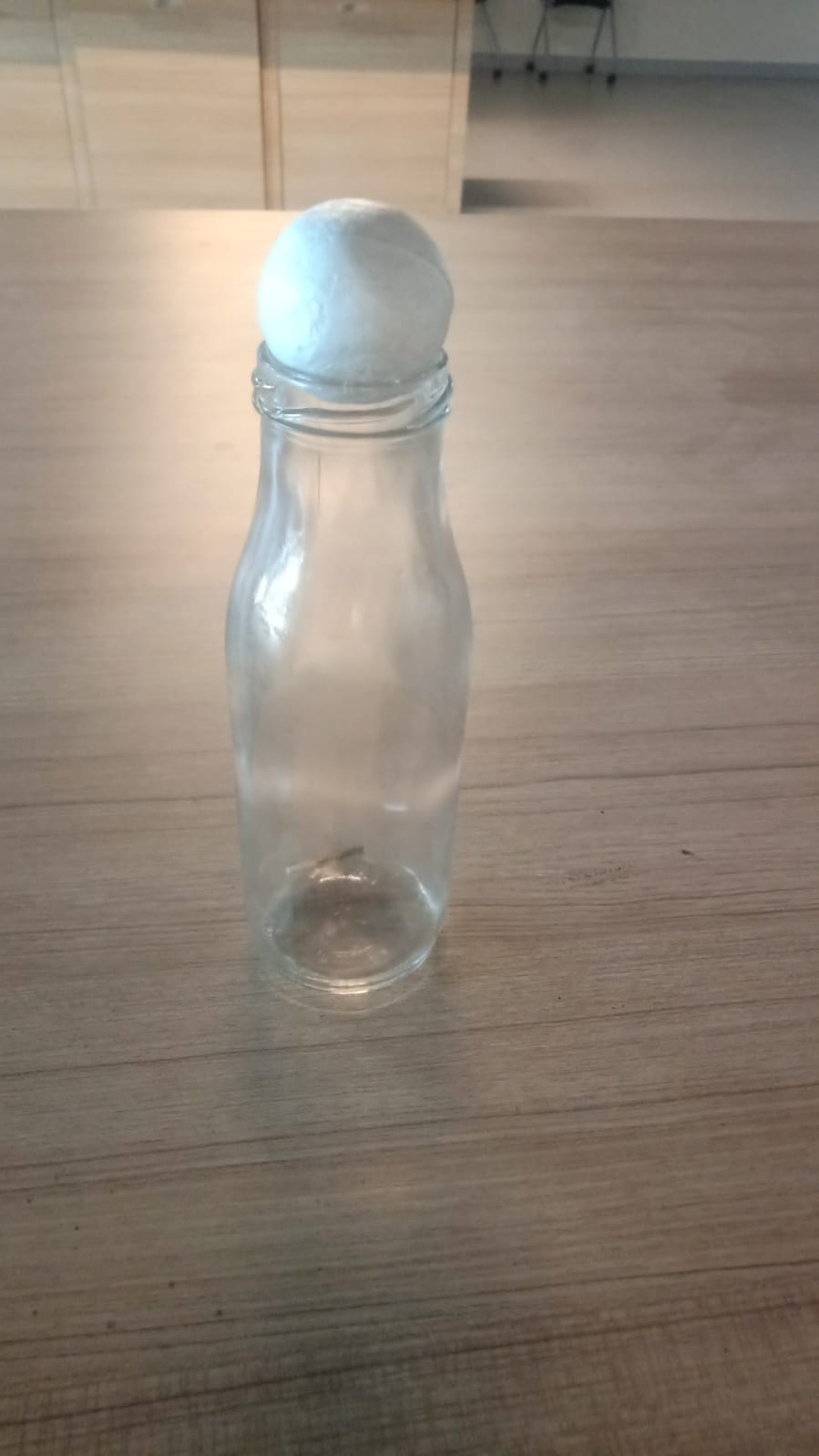
Egg inside a bottle
Concept: 1. boil an egg and try to put it in a bottle with small hole than the egg. 2. now burn a piece of paper and put the egg on top of the bottle the egg is now sucked in the bottle
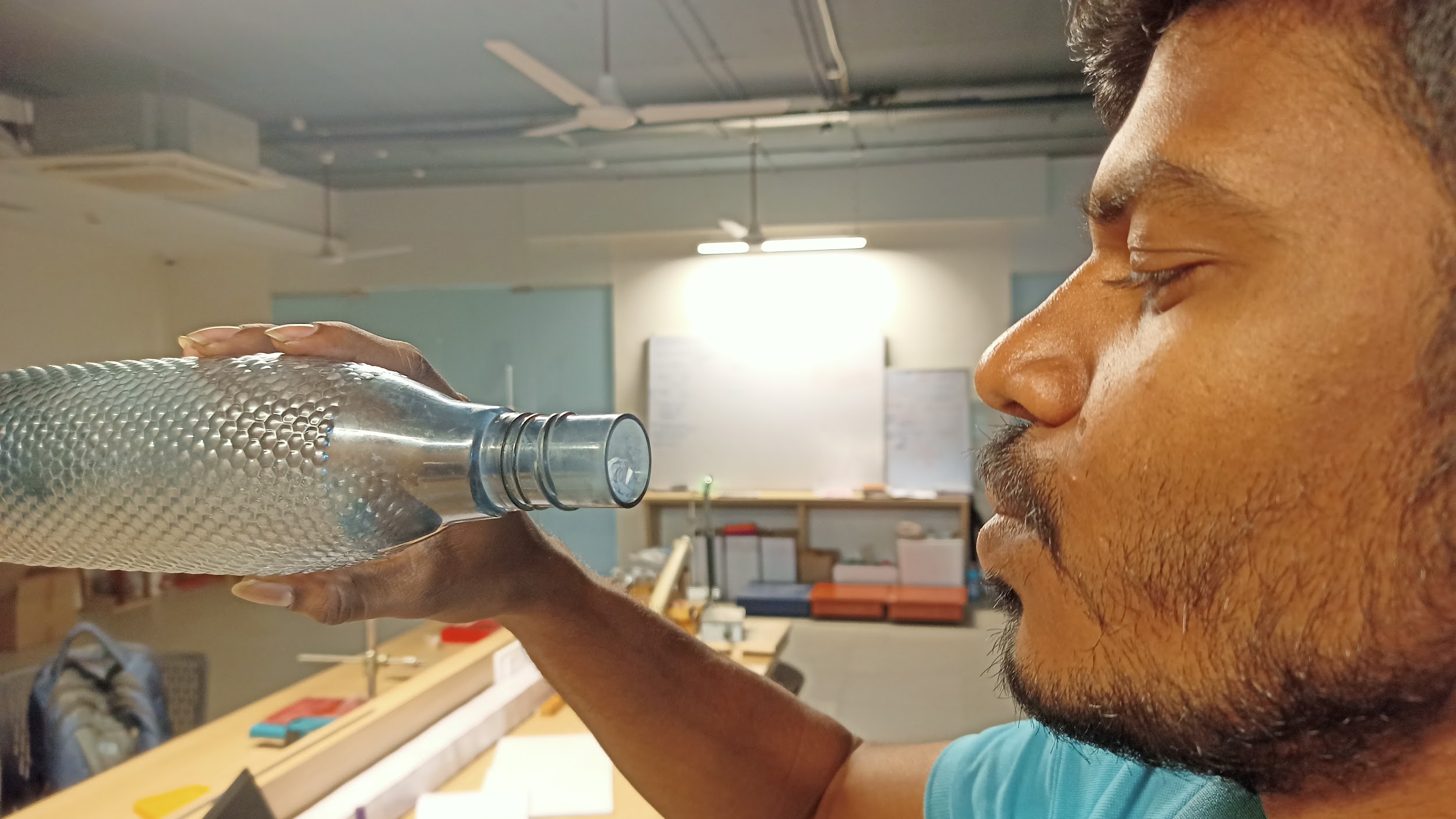
Blowing paper ball inside a bottle
Concept: Study of Bernoulli's effect by blowing a paper ball into a bottle
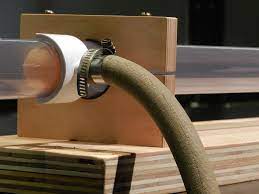
Vacuum Cannon
Concept: Fun with vacuum cannon
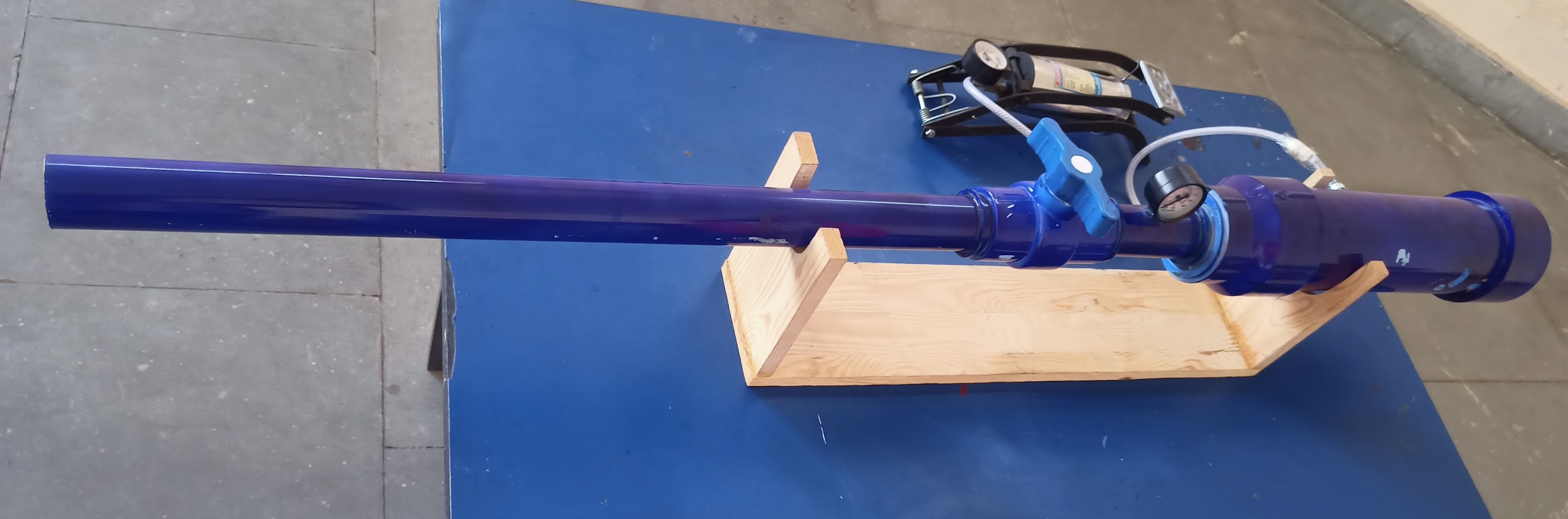
Compressed Air gun
Concept: Study of Air pressure using Compressed air gun
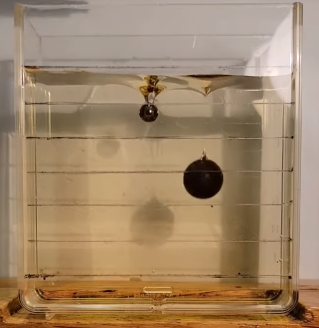
Terminal velocity demonstration
Concept: Study of terminal velocity
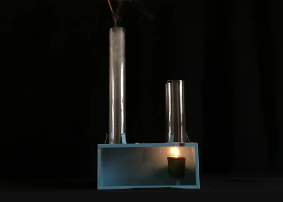
Convection current: Air
Concept: Study of convection current produced in air
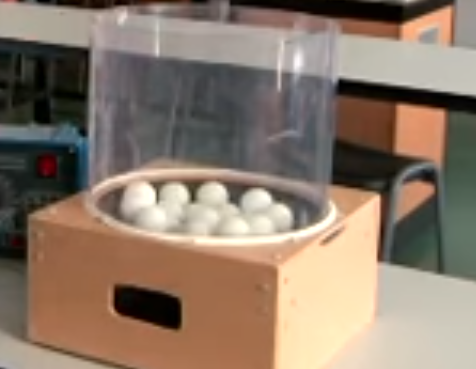
Brownian motion Study
Concept: Study of Brownian motion
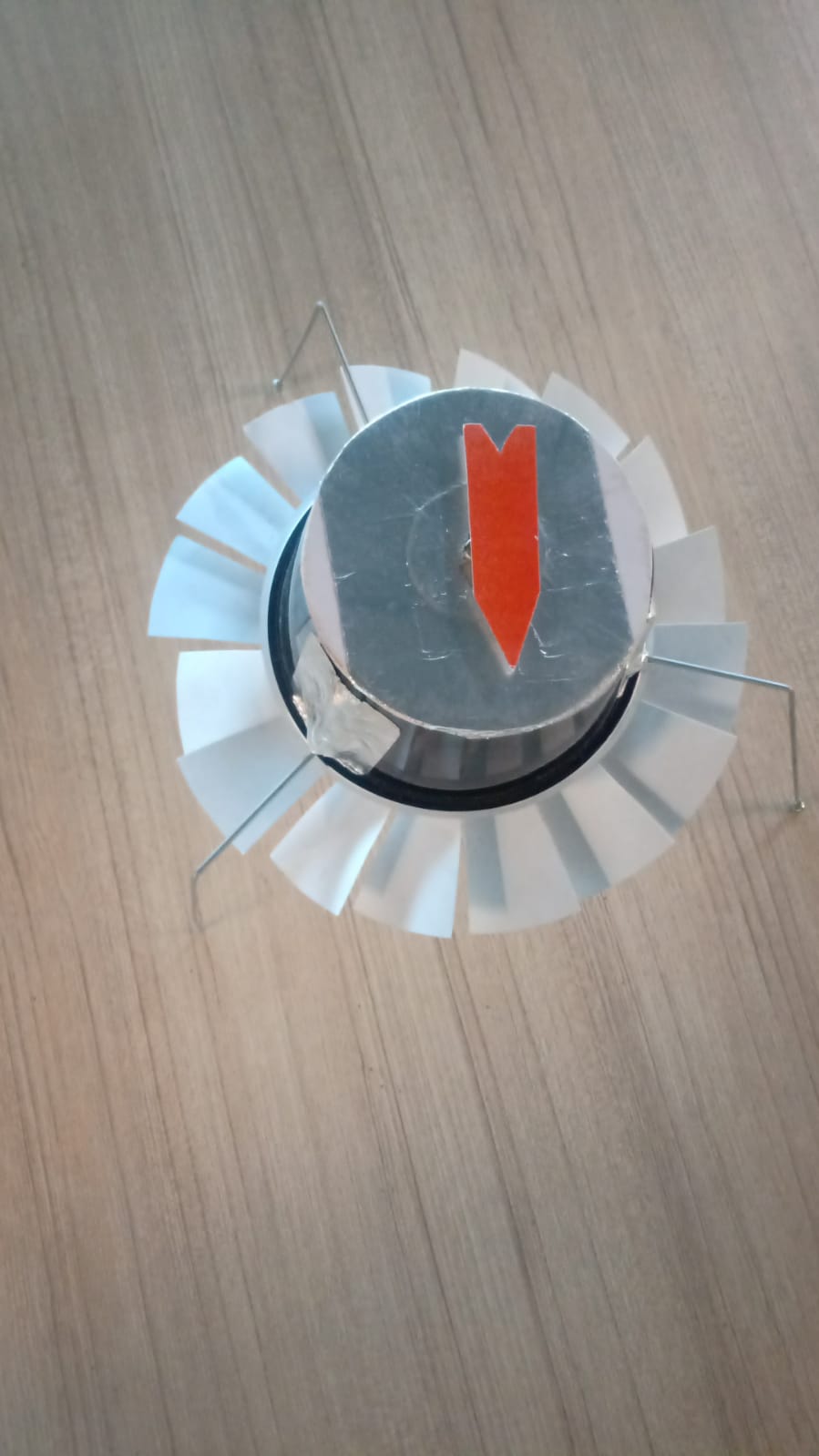
Bug walk
Concept: A fan that turns by wind makes a bug made from wire move,.
New Addition
Activites: 44
Design Phase - Sun, Earth, Moon Model
Concept:

Extra Month of Hindu Calendar
Concept:

Working Model - Sun, Earth and Moon
Concept:

Phases of moon - working model
Concept:

Zero Shadow Day Activity
Concept:

National Solar Calendar of India - Overview with Model
Concept:

Gear Basics
Concept:

Gears with everyday things
Concept:

Volume of Cone, Cylinder and Sphere - 3D Printing in Mathematics
Concept:

Centerline tool with Parallelogram
Concept:

Triangle for surface levelling ?
Concept:

Resonating Pendulums
Concept:

Model to understand Trigonometric ratios
Concept:

Tracing oscillatory motion on paper
Concept:

Find your blind spot
Concept:

Pinhole Camera - Ray Path with Model
Concept:

Solar Eclipse explained with Model
Concept:

Pulley with everyday things
Concept:

Screw - Working Model
Concept:

Coil pump
Concept:

Archimedes' screw - Working model
Concept:

Umbra and Penumbra - Lunar and Solar Eclipse
Concept:

Pulley Ratio
Concept:

Hydraulic Power Generation model
Concept:

Quantify Forces in interaction
Concept:

Components of Force
Concept:

Forces In Equilibrium
Concept:

Visualize Light Path In Periscope
Concept:

rectilinear propagation of light
Concept:

fun with plane mirrors
Concept:

Conductivity of heat and current
Concept:

Make a simple switch and use it in the circuit
Concept:

Simple model of Torch
Concept:

To make a magnet by single touch method
Concept:

To identify magnetic and non-magnetic material
Concept:

To show that magnetic force is maximum at the ends of a magnet
Concept:

To make a simple magnetic compass
Concept:

To show that a surface or a screen is needed behind the object to obtain the shadow of an object
Concept:

Distance-Time graph
Concept:

Newton's disc
Concept:

To show that light travels in a straight line (VII)
Concept:

To measure the temperature of hot water by using laboratory thermometer
Concept:

Transfer of heat by conduction
Concept:

Conductivity of heat and current
Concept: Complete the given circuit with the help of given pieces of materials. See in which cases the bulb glows and in which cases it does not.
Bio Chem
Activites: 82
Test for starch
Concept: A qualitative study of the iodine test for starch.

Test for protein
Concept: The study of a conclusive test for protein.

Test for Fat
Concept: The study of a conclusive test for fat.

Carbohydrate test
Concept: The study of a conclusive test for carbohydrate.

Cleaning of water using Alum
Concept: A comprehensive study of water purification using Alum.

Separations of two components of mixture by sedimentation and decantation.
Concept: A comprehensive study of the process of sedimentation.

Demonstration of evaporation and condensation using salt water
Concept: A comprehensive study of the process of evaporation.

Water filtration
Concept: A comprehensive study of the process of water filtration.

Condensation
Concept: A comprehensive study of the process of condensation.

Water purification using charcoal
Concept: A comprehensive study of the process of water purification using charcoal.

Leaf can respire and presence of stomata
Concept: A comprehensive study of the process of respiration by leaves.

Transpiration in plants
Concept: A comprehensive study of the process of transpiration in plants.

Leaf contains starch
Concept: A comprehensive study of a test for starch present in leaves.

Sieving: Separate the constituent of a mixture containing sand and sugar
Concept: Students will be given sieves of different sizes and mixture of different materials. They will separate them using sieve.

Secret message
Concept: Use cotton bud as pen and lemon juice as ink to write something on a paper. Wait till the text disappears and then heat the paper to see the text again.

Volcano
Concept: A VOLCANO is produced over thousands of years as heat and pressure build up. That aspect of a volcano is very difficult to recreate in a home experiment. However this volcano will give you an idea of what it might look like when a volcano erupts flowing lava. This is a classic experiment in which a CHEMICAL reaction can create the appearance of a PHYSICAL volcano eruption. You should look at pictures of volcanoes to be familiar with the different types. (A SHIELD volcano, for example is the most common kind of volcano, and yet few people know about them) The reaction will bubble up and flow down the side like a real volcano (only much faster!) Look for videos of volcanoes erupting and be sure that you understand how heat and pressure work to really make volcanoes erupt.

Chemical Change Making Oxygen Gas
Concept: Yeast with hydrogen peroxide makes oxygen. Blow the produced gas to a flame. The flame becomes brighter with the gas. This is a test for the oxygen.

Anaerobic fermentation with balloons
Concept: Example of two reactions. One is slow and one is fast. Slow one is yeast in sugar water and fast one is baking soda with water.

Chemical Change Making a New Gas
Concept: Burning candle in presence of vinegar+baking soda. It produces CO2 and the flame goes out.

CO2 is exhaled during respiration
Concept: Blow into lime water and see if it becomes milky.

Effect of saliva on starch
Concept: To see the effect of saliva on starch

CO2 is liberated during respiration
Concept: A comprehensive study of the test that shows the production of CO2 during respiration.

O2 is liberated during photosynthesis
Concept: A comprehensive study of the test that shows the production of O2 during photosynthesis.

CO2 is essential for photosynthesis
Concept: To verify that CO2 is essential for photosynthesis

Presence of stomata
Concept: To demonstrate the presence of stomata

Purity test of Honey
Concept: To test the purity of honey

Litmus test
Concept: To use Litmus as an indicator

Use turmeric as an indicator
Concept: To use turmeric as a natural indicator

Using china rose as an indicator
Concept: To use china rose as a natural indicator

Neutralization
Concept: To perform a neutralisation reaction

Cleaning of coin
Concept: To clean an old coin using a chemical reaction

Limestone check
Concept: To distinguish limestone from other stones using chemical reaction

Lava Lamp
Concept: To create a lava lamp

Burning of sulphur powder
Concept: To observe the burning of sulphur powder

Fun bubbles
Concept: To create fun bubbles using common items

Carbon Snake
Concept: Making a carbon snake using chemistry

Chameleon four colour change reaction
Concept: To show chameleon four colour change reaction

Elephant toothpaste
Concept: To create elephant toothpaste

Floating boat
Concept: To push a boat using chemical reactions

Egg in vinegar
Concept: To see the inside cell structure of an egg using vinegar

Bleeding paper experiment
Concept: To observe the reaction of turmeric and acid

Reaction of limestone with water
Concept: To demonstrate the reaction of limestone and water

Measuring heat energy
Concept: A comprehensive study of measuring heat energy by observing temperature change.

Matter Cannot Be Destroyed
Concept: To show that matter cannot be destroyed

Water cycle bag
Concept: One of the easiest science experiments for students is a simple water cycle bag experiment. This Water Cycle Bag Experiment is a great way to introduce them to science and all the ideas of the water cycle.

tin can compression
Concept: This classic textbook experiment of crashing a tin can will illustrate about how pressure of air from all directions can crash a tin can.

Expansion of air in a bottle put a balloon on top and heat the bottle
Concept: High-speed wind is accompanied by reduced air pressure. This theory is properly justified in this experiment where students will try to insert a piece of paper placed at the neck of a bottle by blowing at different speeds and observe the results.

Bottle Cap rocket
Concept: "Air expands on heating" is the theory behind the simple experiment consisting of a bottle, a balloon, and a heat source. Put the balloon on the mouth of the bottle and heat it from the bottom end to see the result and analyze why.

Hot rises cold sinks
Concept: In a mixture of differently coloured hot water and cold water, hot water rises.

Heat rises cold sinks 2
Concept: A demonstration on hot rises and cold sinks to concrete the idea about the density and effect of density difference that forces hot liquids to rise like hot air and cold liquids to sink like cold air.

Convection current
Concept: Hot water in a fish tank to see convection current. Put a ice cube to see colored water going down imitating rain.

Waste-water treatment
Concept: To treat waste water using charcoal

Water conduction through stem
Concept: To observe water conduction in a stem

To view the onion cell
Concept: To view onion cells under a microscope

Chemical Changes: Fast and Slow
Concept: To observe fast and slow chemical reactions

Soil erosion experiment
Concept: To demonstrate soil erosion

Alcohol produced through Yeast
Concept: To produce alcohol using yeast

Identification of lactobacillus bacteria
Concept: Identification of lactobacillus bacteria

Reaction of metals with acids
Concept: Observe the reaction of acids with metals

CuSO4 reaction with iron
Concept: To see the effect of copper sulphate reacting with iron

Sodium reacts with water
Concept: To see the effect of sodium reacting with water

Testing the nature of rust
Concept: To test the nature of rust

Reaction of Sodium Hydroxide with Aluminum
Concept: To see the reaction of NaOH with Aluminum

Burning Magnesium ribbon
Concept: To observe the burning of magnesium ribbon

DNA extraction
Concept: To extract DNA from banana

Expansion of metal
Concept: There is metal ring and a rod. Radius of sphere is slightly bigger than that of ring so that the sphere can not pass through the ring. If you heat the ring it will expand and now the sphere can pass.

Traffic lights using chemistry
Concept: a chemical reaction by Dextrose(D-glucose) and potassium hydroxide in the presence of a special indicator changes the color of the solution from green to yellow to red while shaking it and back to green when put in rest, which reminds of a traffic light signal.

Test of Urea in Urine
Concept:

Test for bile Salt in urine
Concept:

Mechanism of breathing
Concept:

Working Model of Heart
Concept:

Working model of kidney
Concept:

Light is necessary for photosynthesis
Concept:

Slide preparation of Mitosis
Concept:

Activity to show Blood Groups and Rh Factor
Concept:

Study of Blood Cells
Concept:

Activity related to Biotechnology, PCR and Electrophoresis
Concept:

Effect of temperature on solubility
Concept:

Separating a mixture of two immiscible liquids
Concept:

To observe the response of shoot towards light
Concept:

To obtain pure CuSO4 crystals from CuSO4 powder
Concept:

To demonstrate transport of water through xylem
Concept: